
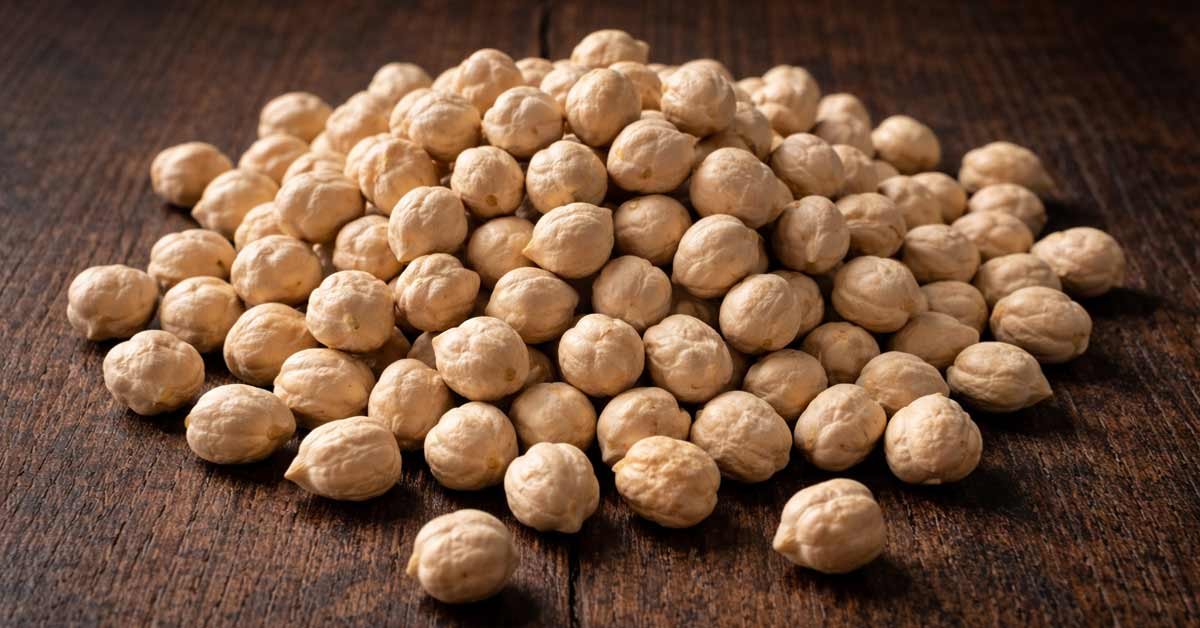
A Humble Legume That Quietly Does a Lot
You’ve probably walked past chickpeas more times than you can count. Sitting there in a can, dry in a bag, or blended into hummus that disappears too fast at the table. Nothing flashy. No bold claims. And yet, chickpeas tend to show up again and again in conversations about heart health and digestion. Not because they promise dramatic results overnight, but because they quietly support systems that matter over time.
Chickpeas have been part of human diets for thousands of years. Archaeological evidence places them in early agricultural societies across the Middle East, and from there they spread into Mediterranean, Indian, and North African cuisines. That kind of staying power usually means one thing. People kept eating them because they worked. They were accessible, filling, and dependable.
Table of Contents


From a nutritional standpoint, chickpeas sit in an interesting middle ground. They are not just a carbohydrate source, and they are not just a protein source either. They bring both, along with fiber, minerals, and a range of plant compounds that tend to get overlooked because they are harder to quantify in everyday conversation.
A standard serving of cooked chickpeas, about 164 grams or one cup, contains roughly:
- 14 to 15 grams of protein
- 12 to 13 grams of fiber
- Around 45 grams of carbohydrates
- Small but meaningful amounts of iron, magnesium, potassium, and folate
Those numbers matter, but they don’t tell the whole story. What makes chickpeas particularly relevant for heart health and digestion is how these components interact once they are actually eaten.
Take fiber, for example. Chickpeas contain both soluble and insoluble fiber. Soluble fiber forms a gel-like substance in the gut. This slows digestion and helps regulate how nutrients, especially sugars and fats, are absorbed. Insoluble fiber, on the other hand, adds bulk to stool and supports regular bowel movements. You need both. Chickpeas give you both in one place, without requiring much effort.
Then there is protein. Chickpeas are often described as a plant protein source, which is true, but that label can be misleading if you think of protein only in terms of muscle building. In the context of heart health, protein influences satiety. It helps you feel full longer. That matters because it subtly shapes how much and how often you eat. Over time, those small shifts can affect weight stability and metabolic health, both closely tied to cardiovascular outcomes.
And digestion? That’s where chickpeas start to feel more personal. Anyone who has tried to increase fiber intake quickly knows the story. You go from barely thinking about your gut to suddenly being very aware of it. Chickpeas can do that if introduced too aggressively. But when they’re added gradually, they tend to support a more stable digestive rhythm.
There’s also the microbiome angle. Chickpeas contain resistant starch and certain fibers that your body doesn’t fully digest. Instead, they reach the colon, where gut bacteria ferment them. This process produces short-chain fatty acids, compounds linked to gut health and, increasingly, to broader aspects of metabolic and immune function. It sounds technical, but the practical takeaway is simple. Chickpeas feed not just you, but the ecosystem inside you.
What’s interesting is how this plays out in real life. Think about a typical meal where chickpeas are the base. A bowl of hummus with olive oil and vegetables. A chickpea stew with tomatoes, garlic, and spices. A salad with chickpeas, greens, and a simple dressing. These meals tend to be naturally balanced. They combine fiber, protein, and fats in a way that slows eating down and keeps energy levels steady.
There’s a kind of built-in moderation to chickpeas. They’re satisfying without being heavy. Filling without pushing you toward overeating. That balance is hard to find in more processed foods, where the combination of refined carbs and fats often leads to the opposite effect.
Of course, none of this means chickpeas are a magic food. They don’t override the rest of your diet. They don’t cancel out consistently poor eating habits. But they do something more realistic. They make it easier to build meals that support heart health and digestion without overthinking every bite.
And maybe that’s why they’ve lasted this long. Not because they stand out, but because they fit in. You can add chickpeas to soups, toss them into salads, blend them into spreads, roast them for a quick snack. They adapt. They don’t demand much attention, which, ironically, is part of their strength.
There’s also a sensory side that often gets ignored in nutrition discussions. The slightly nutty flavor, the soft but structured texture, the way they absorb spices and dressings. These details matter more than most people admit. If a food feels good to eat, you’re more likely to keep it in rotation. And consistency is where the real impact shows up.
So when people talk about chickpeas in the context of heart health and digestion, they’re not pointing to a single dramatic effect. They’re pointing to a pattern. A food that supports balance, encourages better eating habits, and quietly contributes to systems that benefit from steady input rather than occasional extremes.
You don’t need to overhaul your diet to make chickpeas work for you. You just need to notice where they can replace something less supportive, or where they can add a bit more substance to what you’re already eating. That’s usually how meaningful changes begin. Not with a big shift, but with something small that you actually stick with.
Why Chickpeas Earn Their Place in Heart Health
There’s a reason chickpeas keep showing up in discussions around heart health. Not because they act like a shortcut, but because they support several mechanisms at once. Fiber, protein, and minerals all pull in the same direction. When you eat chickpeas regularly, you’re not targeting a single marker. You’re nudging a whole system toward better balance.
It’s not dramatic. It’s consistent. And consistency is what tends to matter most when you look at long term cardiovascular outcomes.
The Role of Soluble Fiber in Cholesterol Balance
Chickpeas contain a meaningful amount of soluble fiber, and this is where things start to get interesting. Soluble fiber interacts with bile acids in the digestive tract. These bile acids are made from cholesterol. When soluble fiber binds to them, it helps carry them out of the body instead of letting them be reabsorbed.
Here’s the chain reaction in simple terms:
- You eat chickpeas
- Soluble fiber binds bile acids in your gut
- Your body needs to replace those bile acids
- It pulls cholesterol from circulation to do that
Over time, this process can contribute to lower levels of LDL cholesterol, the type often associated with cardiovascular risk.
The numbers help ground this. A cup of cooked chickpeas provides about 4 grams of soluble fiber within its total fiber content. Studies on legume intake consistently show reductions in total and LDL cholesterol when they are consumed regularly, often in the range of a few percent. That may sound small, but even modest reductions, when sustained, are linked to meaningful changes in cardiovascular risk at the population level.
What matters more than the exact number is the pattern. Eating chickpeas once won’t shift anything. Eating them several times a week starts to build a cumulative effect.
There’s also a pacing effect. Soluble fiber slows digestion. That means fats and sugars are absorbed more gradually, reducing spikes that can strain metabolic processes tied to heart health.
Plant Protein and Cardiovascular Stability
Protein rarely gets discussed in the context of heart health unless it’s about reducing red meat. But chickpeas offer a useful alternative that does more than just replace something else.
With about 14 to 15 grams of protein per cooked cup, chickpeas contribute to satiety in a very practical way. You stay full longer. You snack less without trying to force it. That alone can influence calorie balance over time, which feeds into weight stability, one of the strongest predictors of cardiovascular health.
But there’s another layer. Diets that include more plant protein and less reliance on animal sources tend to be associated with lower cardiovascular risk. This isn’t just about removing saturated fat. It’s about what you add in its place.
Chickpeas bring:
- Fiber that animal proteins lack
- Minimal saturated fat
- A steady energy release due to their carbohydrate structure
So instead of sharp rises and drops in energy, you get something more even. That stability affects how often you feel hungry, how your body handles glucose, and how your metabolism behaves across the day.
In real terms, swapping part of a meat based meal with chickpeas a few times a week can shift the overall nutrient profile of your diet without making it feel restrictive. A chickpea and vegetable stew instead of a heavier meat dish. A salad with chickpeas instead of processed deli meat. These are small adjustments, but they stack up.
Potassium, Magnesium, and Blood Pressure Support
Minerals don’t get much attention until something goes wrong, but they quietly regulate some of the most important functions tied to heart health.
Chickpeas contain:
- Potassium, roughly 470 mg per cooked cup
- Magnesium, around 75 to 80 mg per cup
Potassium helps balance sodium in the body. When sodium intake is high, which is common in modern diets, potassium helps counteract its effect on blood pressure by promoting sodium excretion and relaxing blood vessel walls.
Magnesium plays a role in vascular tone. It supports the ability of blood vessels to contract and relax properly. It also participates in hundreds of enzymatic reactions, many of which influence cardiovascular function.
When intake of these minerals is consistently adequate, blood pressure regulation tends to be more stable. Not perfect, not immune to other factors, but less prone to extremes.
It’s worth noting that chickpeas contribute to this without requiring supplementation. You’re getting these minerals as part of a whole food matrix, alongside fiber and protein. That combination tends to be more effective than isolating nutrients one by one.
Real-World Eating Patterns That Make a Difference
This is where things either stick or fall apart. Knowing the mechanisms is useful, but habits are what determine outcomes.
People who benefit from chickpeas in terms of heart health usually aren’t doing anything complicated. They’re repeating simple patterns:
- Adding chickpeas to meals 3 to 5 times per week
- Using them to replace more processed or higher saturated fat foods
- Pairing them with vegetables, olive oil, and whole grains
Think about a few realistic examples:
A quick lunch: chickpeas tossed with tomatoes, cucumber, olive oil, and a pinch of salt.
A simple dinner: chickpea stew with garlic, onions, and greens.
A snack: roasted chickpeas with spices instead of packaged snacks high in refined carbs.
These aren’t dramatic changes. But they do three important things at once:
- Increase fiber intake
- Improve the quality of fats and proteins in the diet
- Reduce reliance on ultra processed foods
That combination is where the real value lies.
There’s also a behavioral side that often gets overlooked. Chickpeas tend to slow you down. You chew more. You feel full sooner. Meals feel complete without needing large portions. Over time, that shifts how you relate to food in a subtle but meaningful way.
And that’s really the point. Chickpeas earn their place in heart health not because they act fast, but because they support patterns that are easy to repeat. They fit into meals without friction. They improve the nutritional profile of what you’re already eating. And when something is that easy to keep doing, it has a much better chance of actually making a difference.
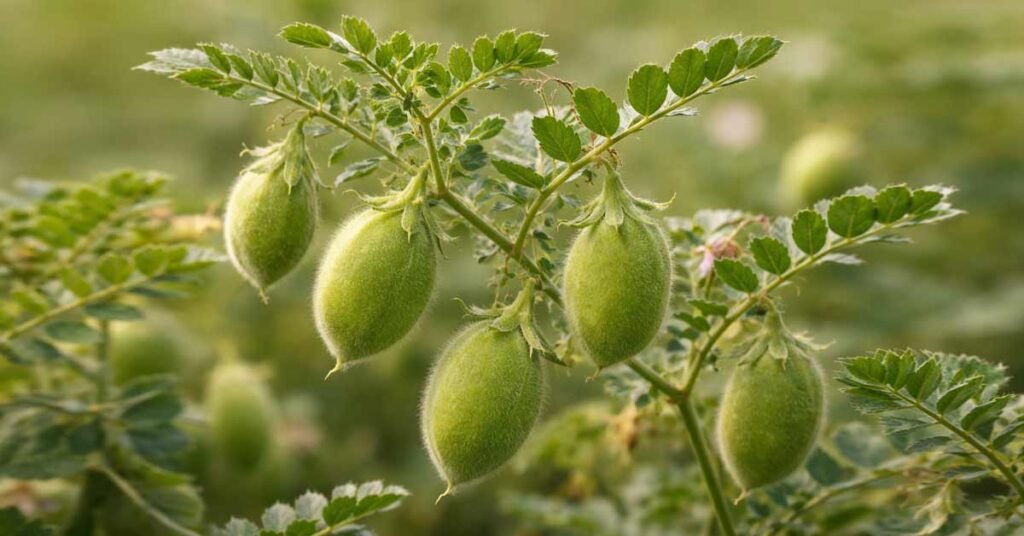
Chickpeas and Digestion: What Actually Happens in Your Gut
Chickpeas have a reputation for being good for digestion, but understanding why takes a little closer look. They’re not just “fiber bombs.” They’re complex foods that interact with the digestive system in multiple ways, affecting motility, microbiome health, and nutrient absorption. The effects are subtle at first but cumulative over time, which is why incorporating chickpeas consistently can be more impactful than occasional indulgence.
Fiber Diversity and Gut Motility
One of the standout features of chickpeas is their fiber profile. They contain both soluble and insoluble fiber, and the diversity between the two types plays a significant role in how the digestive system functions.
Soluble fiber, which forms a gel when mixed with water, slows the digestive process. This might sound counterintuitive for digestion, but it actually helps regulate the release of nutrients and keeps blood sugar more stable. Insoluble fiber adds bulk to stool, making bowel movements more regular and preventing constipation.
By providing both types of fiber in a single food, chickpeas help maintain a smooth rhythm in gut motility. The effect isn’t immediate for everyone. It usually requires consistent intake over several days or weeks. But once your system adapts, digestion feels more stable. Meals feel complete, and bloating or irregularity becomes less frequent for most people.
Prebiotic Effects and the Microbiome
Beyond mechanical benefits, chickpeas serve as prebiotics. Certain fibers and resistant starches in chickpeas aren’t fully digested in the small intestine. Instead, they reach the colon, where gut bacteria ferment them. This fermentation produces short-chain fatty acids such as butyrate, acetate, and propionate, compounds linked to gut health and metabolic regulation.
The prebiotic effect can:
- Feed beneficial bacteria like Bifidobacteria and Lactobacillus
- Enhance the production of short-chain fatty acids, which support colon health
- Reduce inflammation and support overall gut barrier function
Regularly feeding your microbiome with diverse fibers from chickpeas contributes to a more balanced bacterial ecosystem. Over time, this can translate into improved digestion, more consistent bowel habits, and even subtle improvements in metabolic markers.
Why Some People Feel Bloated and How to Fix It
Not everyone tolerates chickpeas perfectly at first. Gas and bloating are common complaints, often because chickpeas contain oligosaccharides, a type of carbohydrate that some digestive systems struggle to break down efficiently. These sugars reach the colon intact, where bacteria ferment them, producing gas.
Fortunately, there are ways to mitigate discomfort:
- Start slow: Introduce small amounts, like a quarter cup of cooked chickpeas, and gradually increase.
- Soak and rinse: If using dried chickpeas, soak them overnight and rinse thoroughly to remove some of the fermentable sugars.
- Cook thoroughly: Softening chickpeas fully breaks down some carbohydrates, making them easier to digest.
- Pair wisely: Combining chickpeas with easily digestible vegetables or small amounts of fat can reduce bloating for sensitive stomachs.
Patience is key. Most people find that after a few weeks of consistent, moderate intake, their digestive systems adapt and discomfort diminishes.
Cooking Methods That Improve Digestibility
How chickpeas are prepared can significantly influence their effects on digestion. The traditional methods of soaking and cooking aren’t just cultural habits—they have practical benefits:
- Soaking: Overnight soaking reduces oligosaccharide content, which can minimize gas production.
- Boiling: Cooking until soft further breaks down fibers and complex carbohydrates, making nutrients more accessible.
- Pressure cooking: A faster alternative to traditional boiling, pressure cooking can make chickpeas tender without long simmering.
- Pureeing: Hummus and spreads, for example, are not only versatile but often easier on the gut because mechanical breakdown reduces the workload on digestion.
A few simple tweaks can make chickpeas more approachable for anyone, even those with sensitive digestive systems. Roasting chickpeas, for instance, is tasty but doesn’t reduce oligosaccharides as effectively as boiling, so moderation is important if you’re prone to bloating.
The takeaway is that chickpeas aren’t a one-size-fits-all food, but with attention to preparation and portion size, most people can enjoy them without discomfort. Over time, they contribute to a smoother, more balanced digestive pattern, while feeding a healthy microbiome that supports overall gut function.
Chickpeas aren’t flashy, and their digestive effects are subtle at first, but their reliability is what makes them valuable. Regular, properly prepared servings can transform how your gut feels day to day, making digestion less of a chore and more of a quietly supported process.
Best Selling Chickpeas Related Products


Making Chickpeas a Practical Part of Everyday Eating
Chickpeas are easy to underestimate. They sit in the pantry quietly, yet they can be one of the most versatile staples you have if you treat them right. Incorporating them into daily meals doesn’t require complicated recipes or expensive ingredients. It’s about creating habits that feel natural and fit your taste preferences.
Buying, Storing, and Preparing Chickpeas
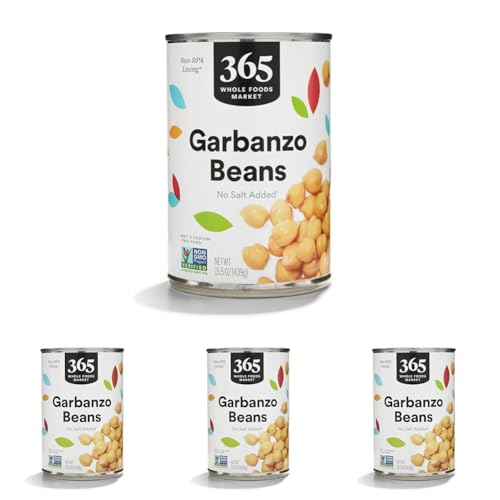
You have options: canned, dried, or even frozen. Each comes with its pros and cons. Canned chickpeas are convenient and ready to eat, but rinsing them thoroughly is important to remove excess sodium and any residual canning liquid. Dried chickpeas are economical and can be cooked in batches, offering control over texture and seasoning. Frozen chickpeas retain much of their nutrients and can be dropped directly into soups, stews, or sautés.
Proper storage matters too. Keep dried chickpeas in a cool, dark, and dry place, and they’ll last a year or more. Canned chickpeas should be consumed within a few days after opening, stored in a sealed container in the refrigerator. Freezing cooked chickpeas is another excellent way to have them on hand for quick meals without sacrificing freshness.
Preparation can be simple. Soaking dried chickpeas overnight reduces cooking time and improves digestibility. Boiling until tender or pressure cooking for 20–30 minutes works well for most recipes. For canned chickpeas, a quick rinse under cold water removes excess sodium and improves taste.
Simple Meals That Don’t Feel Like “Health Food”
One reason chickpeas succeed in everyday eating is their adaptability. They blend into familiar dishes without demanding a health-food makeover. A few ideas:
- Chickpea salad: Toss with greens, tomatoes, cucumber, olive oil, and lemon juice. Add spices like cumin or paprika for flavor.
- Stirred into soups or stews: Chickpeas add texture and protein without overwhelming other ingredients.
- Hummus or spreads: Blend with olive oil, garlic, and tahini. Serve with bread, crackers, or roasted vegetables.
- Roasted chickpeas: Spice with paprika, cumin, or chili powder. Bake until crisp for a satisfying snack.
The key is variety and ease. When chickpeas are incorporated seamlessly, meals feel complete, flavorful, and filling. You don’t need elaborate cooking techniques or exotic ingredients.
Pairing Chickpeas for Better Nutrient Absorption
Chickpeas are nutrient-rich, but some nutrients are better absorbed when paired strategically. For instance, iron in chickpeas is non-heme, meaning absorption can be enhanced with vitamin C-rich foods like bell peppers, tomatoes, or citrus fruits. Adding a bit of healthy fat—olive oil, avocado, or nuts—can improve absorption of fat-soluble compounds, including some antioxidants present in plant-based meals.
Combining chickpeas with other legumes, whole grains, or vegetables not only diversifies flavor but also balances amino acids, creating more complete protein profiles. Simple combinations, like chickpeas with rice, quinoa, or leafy greens, make meals more satisfying and nutritionally complementary.
How Much Chickpeas Makes Sense Day to Day
The “right” amount of chickpeas depends on your digestive tolerance and meal patterns. A practical range for most adults is about ½ to 1 cup of cooked chickpeas per day, several times per week. That provides meaningful fiber and protein without overloading the digestive system.
Introducing chickpeas gradually is important, especially for those sensitive to fiber or oligosaccharides. Start with smaller portions, observe how your gut responds, and increase gradually. Consistency matters more than quantity. Even moderate amounts eaten regularly can support digestive health and contribute to nutrient intake that supports heart health.
The beauty of chickpeas lies in their subtle yet steady effect. They don’t demand dramatic dietary overhauls or strict meal plans. Instead, they quietly enhance the nutritional quality of what you’re already eating, improve satiety, and support digestion. By making them a natural part of your meals—whether as a salad topper, in soups, or as a snack—you create a small, repeatable habit that accumulates into real, measurable benefits over time.
Best Selling Chickpeas Related Products
When a Simple Ingredient Starts to Pull Its Weight
Chickpeas might seem unassuming, but over time, they quietly shape how your body feels and functions. The first week of adding them to your meals might not feel like much changes. You might notice fuller lunches or more regular bowel movements, but the bigger impact comes from repetition, consistency, and small cumulative effects that add up over months or years.
One of the subtle advantages of chickpeas is that they don’t demand attention. You’re not tracking blood pressure daily or measuring cholesterol in real time. You’re simply swapping in a legume for part of a meal, sprinkling a few chickpeas over a salad, or blending them into a stew. That’s enough to start nudging your diet toward steadier energy, better nutrient balance, and gentler digestion.
Over time, these small changes compound. Regular intake supports more stable blood sugar, keeps your gut microbiome fed with beneficial fibers, and contributes to nutrient intake that supports cardiovascular health. It’s not dramatic. It’s quiet, like reinforcing a foundation brick by brick. But just like a strong foundation, the results may only be obvious when you step back and look at the bigger picture—smoother digestion, sustained fullness, and meals that leave you satisfied without excess snacking.
There’s also a behavioral effect that’s easy to overlook. Foods like chickpeas encourage more mindful eating. They’re filling but not heavy, flavor-absorbing, and versatile. When you enjoy what you eat without feeling deprived, it’s easier to repeat those meals consistently. That consistency is what ultimately allows a simple ingredient to “pull its weight” in your overall diet.
Chickpeas are a reminder that dietary impact doesn’t always come from dramatic interventions or exotic superfoods. Often, it comes from integrating reliable, nutrient-dense foods in ways that fit your life. By adding them thoughtfully and consistently, you create patterns that support heart health and digestion without stress or overcomplication.
The quiet transformation is the point. You may not feel a sudden shift in energy or wellness, but over time, your body recognizes the support. Meals feel balanced, fullness lasts longer, and digestion becomes more predictable. That’s the real strength of chickpeas—their ability to make a measurable difference through steady, everyday use rather than through any single, extreme act. By choosing this humble legume regularly, you’re setting the stage for small wins that accumulate into long-term benefits for your heart and gut.
Article Sources
At AncientHerbsWisdom, our content relies on reputable sources, including peer-reviewed studies, to substantiate the information presented in our articles. Our primary objective is to ensure our content is thoroughly fact-checked, maintaining a commitment to accuracy, reliability, and trustworthiness.
- Bazzano, L. A., Hu, T., Reynolds, K., Yao, L., Bunol, C., Liu, Y., … & He, J. (2011). Effects of vegetarian and vegan diets on blood lipids: a systematic review and meta-analysis. JAMA Internal Medicine, 171(1), 1–11. https://doi.org/10.1001/archinternmed.2010.447
- McRorie, J. W., & McKeown, N. M. (2017). Understanding the physics of functional fibers in the gastrointestinal tract: an evidence-based approach to resolving enduring misconceptions about insoluble and soluble fiber. Journal of the Academy of Nutrition and Dietetics, 117(2), 251–264. https://doi.org/10.1016/j.jand.2016.11.003
- Slavin, J. L. (2013). Fiber and prebiotics: mechanisms and health benefits. Nutrients, 5(4), 1417–1435. https://doi.org/10.3390/nu5041417
- Brouns, F., et al. (2012). Dietary fiber and cardiovascular health: a review of the literature. Nutrition, Metabolism & Cardiovascular Diseases, 22(4), 303–314. https://doi.org/10.1016/j.numecd.2011.09.012
- Whelton, P. K., Carey, R. M., Aronow, W. S., Casey, D. E., Collins, K. J., Dennison Himmelfarb, C., … & Wright, J. T. (2018). 2017 ACC/AHA/AAPA/ABC/ACPM/AGS/APhA/ASH/ASPC/NMA/PCNA guideline for the prevention, detection, evaluation, and management of high blood pressure in adults. Journal of the American College of Cardiology, 71(19), e127–e248. https://doi.org/10.1016/j.jacc.2017.11.006
- Hou, Y., He, J., & He, Z. (2019). Effects of chickpea consumption on glycemic control, satiety, and gut microbiota: a systematic review. Frontiers in Nutrition, 6, 106. https://doi.org/10.3389/fnut.2019.00106
- U.S. Department of Agriculture. (2022). FoodData Central: Chickpeas, mature seeds, cooked, boiled, without salt. https://fdc.nal.usda.gov/fdc-app.html#/food-details/169911/nutrients
- Slavin, J. (2013). The role of fiber in human health. Nutrition, 29(6), 753–758. https://doi.org/10.1016/j.nut.2013.01.010
- Sánchez-Muniz, F. J., Bastida, S., & Bastida, C. (2018). Legumes and cardiovascular disease risk. Nutrients, 10(9), 1200. https://doi.org/10.3390/nu10091200

- Phosphatidic Acid: Supporting Muscle Growth and Strength - July 31, 2026
- Ceramides: Supporting Healthy Skin From Within - July 31, 2026
- Synbiotics: Combining Prebiotics and Probiotics Together - July 31, 2026