
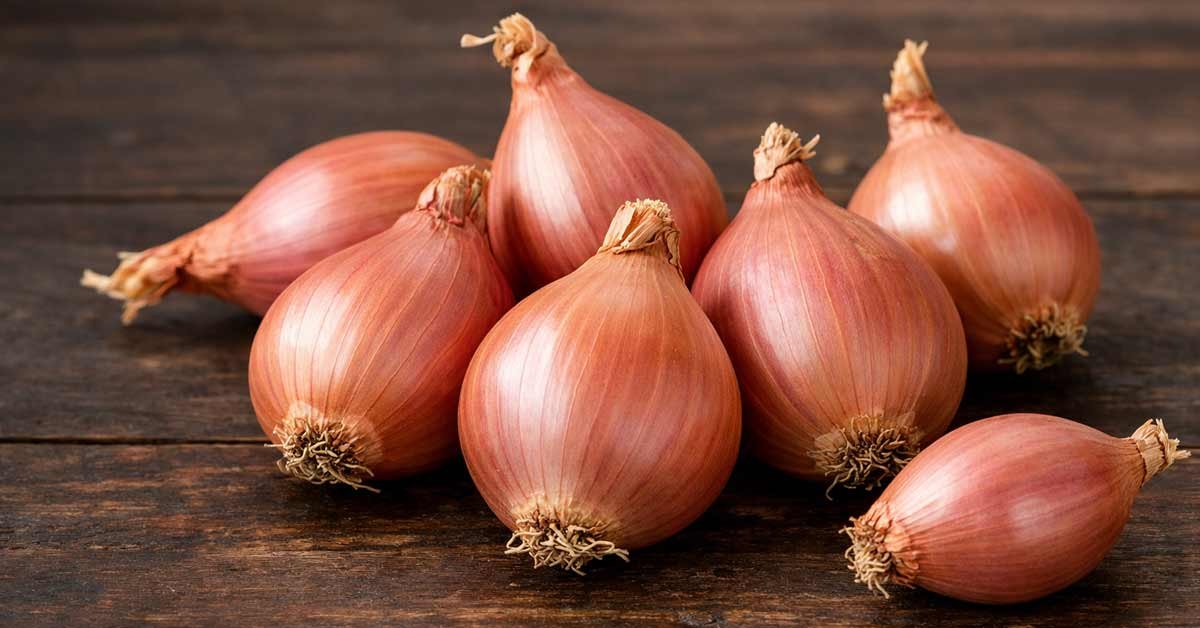
The Quiet Power of Shallot in Everyday Cooking
There is something easy to overlook about shallots. It sits there, usually off to the side of the cutting board, smaller than an onion, less assertive than garlic, and often treated like a supporting ingredient rather than the main event. And yet, once you start paying attention, it becomes clear that shallot quietly shapes the way food tastes, feels, and even how consistently you eat well.
If you cook even a few times a week, you have probably used shallots without thinking much about it. A quick vinaigrette, a pan sauce, maybe a light sauté to start a dish. It blends in. That is exactly its strength. Shallot does not dominate. It builds. It rounds out flavors and makes simple food feel more complete, which matters more than most people realize when it comes to long-term eating habits.
Table of Contents
What makes shallot particularly interesting is where it comes from. It belongs to the allium family, the same group that includes garlic, onions, and leeks. This is not just a botanical label. The allium group has been studied for decades because of its nutritional compounds, especially those tied to heart health. When you use shallot regularly, even in small amounts, you are tapping into that same pool of compounds, just in a more subtle, often more approachable form.

And that subtlety matters. Not everyone tolerates raw onion well. Garlic can be too strong for some dishes or too harsh on digestion for certain people. Shallot sits in a kind of middle ground. It delivers that familiar allium depth, but with a milder edge and a slight natural sweetness that makes it easier to use often, and in more situations.
Think about how you actually eat during a typical week. You are not preparing elaborate meals every day. Most meals are quick decisions. You open the fridge, grab what is available, and try to put something together without overthinking it. This is where shallot quietly does its job.
A finely chopped shallot can transform a basic salad from something flat into something you actually want to finish. Add it to olive oil and vinegar, and suddenly you have a dressing that feels intentional. Toss it into a pan with vegetables, and the aroma alone makes the dish feel more satisfying before you even take a bite.
There is also a psychological side to this. Food that smells good and tastes layered tends to slow you down. You eat a bit more mindfully. You feel more satisfied with simpler meals. That kind of shift, small as it seems, can influence how consistently you stick to better eating patterns. Shallot does not get credit for that, but it plays a role.
From a nutritional perspective, shallot carries more weight than its size suggests. It contains vitamin C, small amounts of potassium, and a range of phytonutrients that are characteristic of the allium family. These compounds are part of why allium vegetables are often associated with heart health in dietary patterns. Not because of a single dramatic effect, but because of repeated, consistent intake over time.
That is the part people often miss. It is not about adding a large amount of one ingredient once in a while. It is about what shows up on your plate again and again. Shallot fits into that pattern naturally because it is easy to use. You do not need a recipe built around it. You just need a habit.
In many kitchens, especially in European cooking, shallot already has a quiet presence. It shows up in sauces, spreads, roasted dishes, and simple preparations where the goal is not complexity, but balance. There is a reason chefs reach for it when they want flavor without aggression. It gives control. It allows the rest of the ingredients to stay visible.
And maybe that is the best way to think about shallot. Not as a star ingredient, but as a stabilizer. Something that helps everything else work better. When your meals taste better, you are more likely to cook. When you cook more, you rely less on processed options. Over time, those small shifts start to stack up.
If you step back for a moment, the connection becomes clearer. A small ingredient, used consistently, influencing flavor, satisfaction, and ultimately food choices. That is where shallot starts to move beyond the cutting board and into something more meaningful.
You do not need to force it into your meals or treat it like a superfood. Just notice where it already fits. A quick chop here, a light sauté there. Over time, it becomes part of your default way of cooking. And once that happens, the benefits tied to allium vegetables, including those linked to heart health, are no longer something abstract. They become part of your routine, almost without effort.
Shallot and the Allium Advantage for Heart Health
You can learn a lot about shallot by looking at the company it keeps. It belongs to the allium family, a group of vegetables that has been part of human diets for centuries, not just for flavor but for their functional value in everyday eating. Garlic, onion, leek, chives, they all share a similar chemical backbone. Shallot sits right in the middle of that group, carrying many of the same compounds, just expressed in a slightly different way.
The connection to heart health does not come from a single nutrient or a dramatic effect. It comes from a pattern. Regular exposure to the compounds found in allium vegetables has been associated in research with better cardiovascular markers over time. Shallot fits into that pattern quietly, but consistently.
What Makes Shallot Part of the Allium Family
At a basic level, allium vegetables share a set of sulfur containing compounds that define both their smell and their biological activity. That sharp, slightly pungent aroma you notice when cutting shallot is not just a sensory detail. It is a signal of these compounds being released.
Shallot, like onion and garlic, develops these compounds as a defense mechanism. When the cells are broken, enzymes convert precursor molecules into active sulfur compounds. This is why the flavor changes depending on how you cut or cook it.
Compared to other allium vegetables, shallot tends to have:
- A milder concentration of pungent compounds
- A slightly higher natural sugar content
- A more delicate texture when raw
That combination makes it easier to use frequently. And frequency matters more than intensity when you are thinking about long term dietary patterns linked to heart health.
Sulfur Compounds and Their Role in Circulation
The sulfur compounds in shallot are the part that gets the most attention in research. These include molecules derived from cysteine sulfoxides, which transform into various active forms once the vegetable is cut or crushed.
In practical terms, these compounds are studied for how they interact with the vascular system. Research on allium vegetables suggests several mechanisms that may support normal cardiovascular function:
- Influence on nitric oxide pathways, which are involved in vessel relaxation
- Interaction with platelet aggregation processes
- Contribution to maintaining balanced blood flow
It is important to keep this grounded. Eating shallot is not a direct intervention. It does not act like a medication. The effect is subtle and cumulative, shaped by how often these compounds appear in your diet.
One detail that often gets overlooked is preparation. The formation of active sulfur compounds depends on enzyme activity. If you chop shallot and let it sit for a few minutes before cooking, you allow more of these compounds to develop. High heat applied immediately can reduce that process.
That does not mean you need to overthink it. But small habits like this can slightly shift the nutritional profile without changing how you cook in any major way.
Antioxidants and Polyphenols in Shallot
Beyond sulfur compounds, shallot brings a mix of antioxidants and polyphenols that contribute to its overall value. One of the most studied is quercetin, a flavonoid also found in onions.
Quercetin and similar compounds are of interest because they interact with oxidative stress, which is a normal part of metabolism but becomes more relevant when it is not balanced properly. Diets rich in plant foods, especially those with diverse polyphenols, tend to support that balance.
Shallot contributes to this in a modest but consistent way:
- It provides flavonoids that are stable enough to remain through light cooking
- It adds to the total antioxidant intake across the day
- It pairs easily with other nutrient dense foods, enhancing overall meal quality
Again, the emphasis is not on quantity in a single serving. You are not eating large portions of shallot at once. But if it shows up daily, in dressings, cooked dishes, or simple toppings, the contribution becomes meaningful over time.
There is also a layering effect. When shallot is used alongside other vegetables, herbs, and healthy fats, the combined profile of the meal improves. That is how real diets work. Not in isolated nutrients, but in combinations that reinforce each other.
Shallot vs Other Allium Vegetables
It is tempting to compare shallot directly with garlic or onion and try to rank them. In reality, each allium vegetable has its own role, both nutritionally and practically.
Garlic is more concentrated. It delivers stronger sulfur compounds and has a sharper profile. Onion sits somewhere in the middle, widely used and versatile. Shallot is more refined in its effect, both in flavor and in how it fits into meals.
Here is where shallot stands out:
- It is easier to use raw without overwhelming a dish
- It integrates smoothly into light cooking methods
- It encourages more frequent use because of its balance
From a heart health perspective, variety across the allium group is more useful than relying on a single one. Each brings slightly different ratios of compounds. Including shallot regularly simply broadens that range.
There is also a practical angle. If an ingredient is too strong or inconvenient, you will use it less. Shallot lowers that barrier. You can add it to a quick meal without adjusting everything else around it.
Over time, that consistency matters more than choosing the most potent option once in a while. A small amount used daily tends to have a more stable impact on dietary patterns than a stronger ingredient used occasionally.
So instead of asking whether shallot is better than garlic or onion, it makes more sense to ask whether it helps you use allium vegetables more often. In many cases, the answer is yes. And that alone is enough to make it a valuable part of a routine that leans toward better heart health, without forcing major changes.
Everyday Benefits of Shallots Beyond the Plate
It is easy to reduce shallot to a flavor tool. Chop it, cook it, move on. But if you pay closer attention, shallot does more than just make food taste better. It changes how meals come together, how your body responds to them, and even how satisfied you feel after eating.
The interesting part is that most of these effects are not dramatic. They are small, layered, and easy to miss if you are looking for something obvious. But in real life, those are the changes that tend to stick. Shallot fits into that space. It does not demand attention, but it keeps showing up, quietly improving things in the background.
Nutrient Density in Small Portions
You are not eating large amounts of shallot in one sitting. A tablespoon here, half a bulb there. On paper, that might not look significant. But nutrient density is not always about volume. It is about concentration and frequency.
Shallot brings a mix of micronutrients that support everyday function:
- Vitamin C, involved in normal cellular processes
- Potassium, which plays a role in fluid balance and nerve signaling
- Small amounts of folate and B vitamins
- Trace minerals that contribute to overall metabolic activity
None of these are present in massive quantities on their own. But that is not the point. When an ingredient shows up regularly, even in small amounts, it contributes to the overall nutritional profile of your diet.
Think about it this way. If you prepare meals at home five days a week and use shallot in even half of them, that is a steady input of micronutrients you did not have to plan for. No supplements, no tracking. Just a byproduct of cooking in a certain way.
There is also a compounding effect. Shallot rarely shows up alone. It is usually paired with vegetables, healthy fats, herbs, maybe whole grains. That combination builds meals that are more complete without needing to chase perfection.
Digestive Support and Gut Interaction
Shallot has a milder reputation than garlic or onion, especially when it comes to digestion. For many people, that makes it easier to include regularly without discomfort. But beyond tolerance, there is a functional side worth noticing.
Like other allium vegetables, shallot contains types of carbohydrates that can act as prebiotic fibers. These are not digested directly by your body. Instead, they interact with gut bacteria.
What does that mean in practice?
- They can support the growth of certain beneficial bacterial strains
- They contribute to the production of short chain fatty acids during fermentation
- They play a role in maintaining a balanced gut environment
This is not something you feel immediately after a meal. It is a slow process shaped by repeated exposure. The key factor is consistency. A small amount of prebiotic input, repeated over time, tends to be more meaningful than occasional large amounts.
That said, tolerance varies. Some people are more sensitive to fermentable carbohydrates. In those cases, shallot often works better than stronger allium options because of its milder profile and smaller typical serving size.
A simple observation from everyday cooking: when meals include ingredients that are easier to digest, you are more likely to stick with them. Shallot supports that without forcing major adjustments.
Blood Sugar and Metabolic Considerations
Shallot does not get much attention in conversations about blood sugar, but it plays a small supporting role. Its impact is indirect, which is why it often goes unnoticed.
First, the basic composition matters. Shallot is low in calories and does not contribute significant amounts of rapidly absorbed carbohydrates when used in typical portions. That alone makes it a neutral addition to most meals.
More interesting is how it fits into the broader structure of a meal. When you add shallot to dishes, you tend to build more balanced combinations:
- A salad with shallot, olive oil, and vinegar instead of a processed dressing
- A sauté that starts with shallot and includes vegetables and protein
- A grain bowl where shallot adds flavor without relying on excess salt or sugar
These patterns influence how the body responds to food. Meals that are more balanced in fat, fiber, and plant compounds tend to lead to steadier energy levels compared to highly processed alternatives.
There are also compounds in allium vegetables that researchers have explored for their interaction with metabolic pathways. The findings are still evolving, and it is important to stay grounded. The takeaway is not that shallot has a direct effect, but that it contributes to a dietary pattern associated with better metabolic stability.
In real terms, it helps you build meals that do not spike and crash your energy as easily. That is something you notice over time, not in a single sitting.
The Sensory Experience: Flavor, Aroma, and Satisfaction
This is the part that rarely gets discussed, but it might be the most practical. Shallot changes how food feels to eat.
When you cut into a fresh shallot, there is a sharp but slightly sweet aroma. Cook it gently, and that sharpness softens into something round and almost buttery. That transformation matters because it affects how satisfying a meal becomes.
Satisfaction is not just about calories. It is about sensory signals:
- Aroma that makes you want to eat
- Flavor that feels complete
- Texture that adds variation
Shallot contributes to all three without overwhelming the dish. It fills in the gaps.
There is also a behavioral angle. When food tastes better, you are less likely to look for something extra afterward. You finish your meal and feel done, not like something is missing.
A simple example. Take a basic salad of greens and protein. Without shallot, it might feel flat. Add a finely chopped shallot to the dressing, and suddenly the same ingredients feel more cohesive. You eat it more slowly. You enjoy it more. You are less tempted to snack right after.
These small shifts shape habits. Over time, they influence how you build meals and how satisfied you feel with them. That is where shallot extends beyond the plate. It is not just about nutrients or compounds. It is about making better eating patterns easier to maintain.
And that might be its most practical advantage. It does not require effort to notice. You just start using it, and things improve in subtle ways that add up.
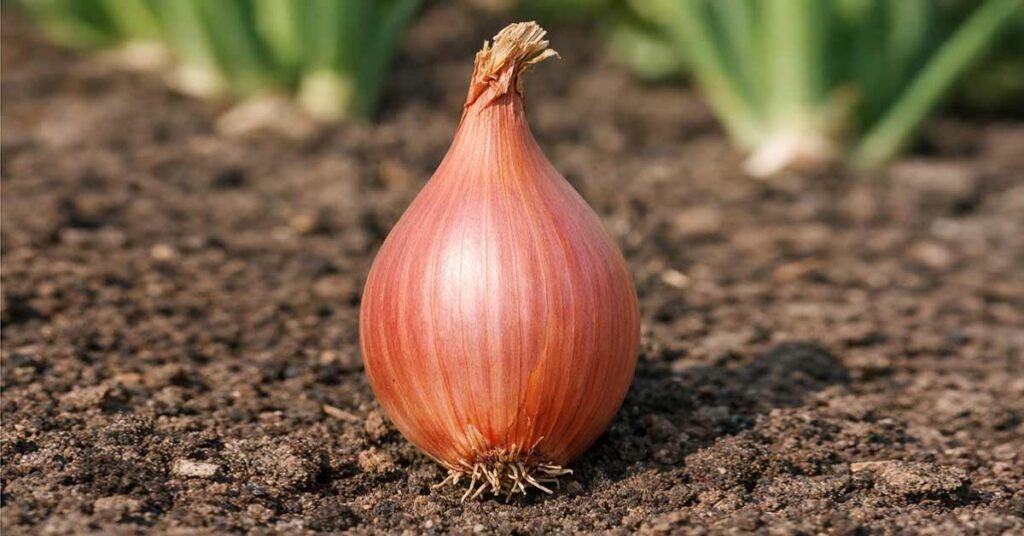
Making Shallot a Consistent Habit Without Overthinking It
Shallot has a quiet reputation, but that doesn’t mean it needs a complicated approach. The most effective way to benefit from it is to weave it into your daily routine naturally, without turning every meal into a chemistry experiment. The goal is consistent use, not perfection. Small, repeated choices add up over time, and shallot is one of those ingredients that rewards regular, simple attention.
Choosing and Storing Shallots Properly
Starting with the right shallot makes all the difference. Fresh, firm bulbs with smooth, unbroken skins are the easiest to work with. Avoid bulbs that feel soft, shriveled, or have dark spots. These signs indicate age or potential spoilage, which can reduce both flavor and nutrient content.
Storage is straightforward. Keep shallots in a cool, dry, and dark place. A pantry away from direct sunlight works well. Avoid storing them in plastic bags, which trap moisture and encourage mold. A loosely ventilated container or mesh bag preserves them for several weeks. Unlike garlic, they do not require refrigeration unless peeled. Once peeled, store cut pieces in an airtight container in the fridge, ideally using them within a few days.
Buying in small batches is often better than overstocking. Shallots are easy to keep fresh for everyday use, but they lose texture and flavor over time. Rotating your stock every week or two ensures you always have vibrant bulbs ready for meals.
Cooking Methods That Preserve Its Benefits
How you handle shallots in the kitchen can influence its nutritional profile. Many of the beneficial sulfur compounds develop when the shallot’s cell walls are broken, so chopping and letting it rest for a few minutes before cooking can help maximize those compounds. Heat can reduce these active molecules, but that doesn’t mean you should avoid cooking.
Gentle cooking methods preserve flavor and nutrients while softening the texture:
- Light sautéing in olive oil or butter
- Roasting at moderate temperatures alongside vegetables
- Steaming briefly to retain subtle sweetness
Raw use also retains the full spectrum of compounds. Finely chopped or thinly sliced shallot in dressings, dips, or cold salads delivers nutrients intact and adds crisp texture and aroma.
The key is balance. Overcooking can dull flavor and diminish active compounds, but undercooking raw shallot can be overpowering in some dishes. Experiment with small portions to find the level that works for your taste and meals.
Simple Ways to Use Shallot Daily
Frequency matters more than quantity. Here are practical approaches to integrate shallot without disrupting your routine:
- Toss chopped shallot into a salad dressing for immediate flavor enhancement
- Add a minced shallot to vegetable sautés for aroma and subtle sweetness
- Include sliced shallot in grain bowls or roasted vegetable medleys
- Fold thinly sliced shallot into scrambled eggs or omelets
- Stir into sauces or dips for a rounded flavor profile
These strategies work with everyday meals and require minimal prep. The idea is to make shallot an almost invisible habit—you notice the difference in taste, not effort.
How Much Shallot Makes Sense
You do not need large amounts to benefit. Typical daily portions are modest, usually between one to three small bulbs or roughly two to three tablespoons of chopped shallot. This provides a meaningful dose of flavor, antioxidants, and allium compounds without overwhelming the palate or causing digestive discomfort for most people.
Consistency is the secret. Using small amounts regularly across meals is more effective than occasional large quantities. For example, adding a tablespoon to a salad each day adds up over the week. The goal is to make shallot a natural part of cooking rhythm, rather than a rare “special ingredient” that appears sporadically.
By focusing on small, repeated habits—choosing fresh shallots, storing them correctly, cooking them gently, and including them daily—you turn a simple vegetable into a reliable ally in everyday nutrition. The practical impact may feel subtle, but over time, these small actions shape eating patterns that support heart health, culinary satisfaction, and a more nutrient-dense diet without ever feeling like a chore.
Best Selling Shallot Related Products




When a Small Ingredient Starts Carrying Its Weight
There is a surprising power in small, consistent habits, and shallot exemplifies this better than most ingredients. At first glance, it seems too modest to matter—tiny bulbs, subtle flavor, a supporting role in most recipes. Yet, over weeks and months, the quiet presence of shallot begins to shape your meals, your cooking patterns, and even your relationship with food in ways that are hard to quantify but impossible to ignore once you notice them.
Think of it like seasoning life itself. When shallot shows up regularly, it encourages balance without being pushy. A salad feels complete, a sautéed dish feels rounded, a roasted vegetable tray smells inviting. Those little shifts affect your eating behavior more than any single nutrient. You are more likely to stick with meals that feel satisfying, which indirectly supports the broader patterns of diet that align with heart health and overall wellness.
There is also a sensory feedback loop at work. The aroma of lightly cooked shallot is comforting and familiar; it triggers appetite and makes even simple meals feel intentional. That alone is enough to nudge you toward better food choices. A meal that smells inviting and tastes layered reduces the temptation to reach for processed alternatives. Over time, these subtle influences reinforce the habit of cooking thoughtfully, which compounds into meaningful changes without requiring dramatic effort.
Nutritionally, shallot quietly contributes to the broader benefits of allium vegetables. It provides a mix of sulfur compounds, antioxidants, and micronutrients that appear small in isolation but accumulate when used consistently. Unlike bold garlic or pungent onions, shallot fits seamlessly into daily routines, which makes it easier to maintain a steady intake. Frequency trumps intensity here: a little bit every day can be more valuable than a large serving once in a while.
There is also versatility to consider. Shallot integrates into nearly every type of meal—breakfast, lunch, dinner, or even snacks. It enhances flavor without overwhelming other ingredients, encourages lighter seasoning, and pairs naturally with vegetables, grains, and proteins. That flexibility helps you sustain better cooking habits without feeling constrained or repetitive.
Perhaps most importantly, using shallot regularly transforms the perception of healthy eating. It doesn’t feel like a compromise or a sacrifice. Instead, it becomes a reliable tool to make meals taste better while subtly aligning them with patterns known to support heart health. Over time, what began as a small ingredient grows into a foundational element of your kitchen, quietly carrying weight in both flavor and nutrition.
The lesson is simple: the impact of food is cumulative, not instantaneous. A humble shallot, sprinkled across weeks of meals, gently reshapes how you cook, eat, and think about food. It reminds you that meaningful change does not always come from grand gestures or expensive interventions. Sometimes, it is the small, consistent, thoughtfully applied choices—like incorporating shallot—that quietly make a measurable difference.
Shallot may not shout, but it earns its place in the diet through consistency, versatility, and the subtle ways it supports more mindful, nutrient-conscious eating. Over time, its presence can turn ordinary meals into opportunities for sustained wellness, proving that even the smallest ingredient can carry remarkable weight when used wisely.
Article Sources
At AncientHerbsWisdom, our content relies on reputable sources, including peer-reviewed studies, to substantiate the information presented in our articles. Our primary objective is to ensure our content is thoroughly fact-checked, maintaining a commitment to accuracy, reliability, and trustworthiness.
- Major, N., Perković, J., Palčić, I., Bažon, I., Horvat, I., Ban, D., & Goreta Ban, S. (2022). The phytochemical and nutritional composition of shallot species (Allium × cornutum, Allium × proliferum and A. cepa aggregatum) is genetically and environmentally dependent. Antioxidants, 11(8), 1547. https://doi.org/10.3390/antiox11081547
- Wiczkowski, W., Romaszko, J., Bucinski, A., Szawara‑Nowak, D., Honke, J., & Zielinski, H. (2008). Quercetin from shallots (Allium cepa L. var. aggregatum) is more bioavailable than its glucosides. The Journal of Nutrition, 138(5), 885‑888. https://doi.org/10.1093/jn/138.5.885
- Simopoulos, A. P. (2006). Quantitative evaluation of the antioxidant properties of garlic and shallot preparations. Nutrition, 22(3), 266‑274. https://doi.org/10.1016/j.nut.2005.05.010
- Li, J., Zhou, Y., & Schwingshackl, L. (2019). Beyond seasoning: nutrients, bioactive ingredients and healthcare effects of Allium vegetables. Nutrition Reviews Journal. (peer‑reviewed summary of allium bioactivity profiles).
- Zhang, D., & Morrison, E. (2019). What are shallots? Nutrition, benefits, and substitutes. Healthline. (review of shallot nutritional profile and potential benefits).
- Lanzotti, V. (2014). The analysis of onion and garlic flavonoids and organosulfur compounds. Journal of Chromatography A. (peer‑reviewed review of allium phytochemicals relevant to cardiovascular health).

- Phosphatidic Acid: Supporting Muscle Growth and Strength - July 31, 2026
- Ceramides: Supporting Healthy Skin From Within - July 31, 2026
- Synbiotics: Combining Prebiotics and Probiotics Together - July 31, 2026