
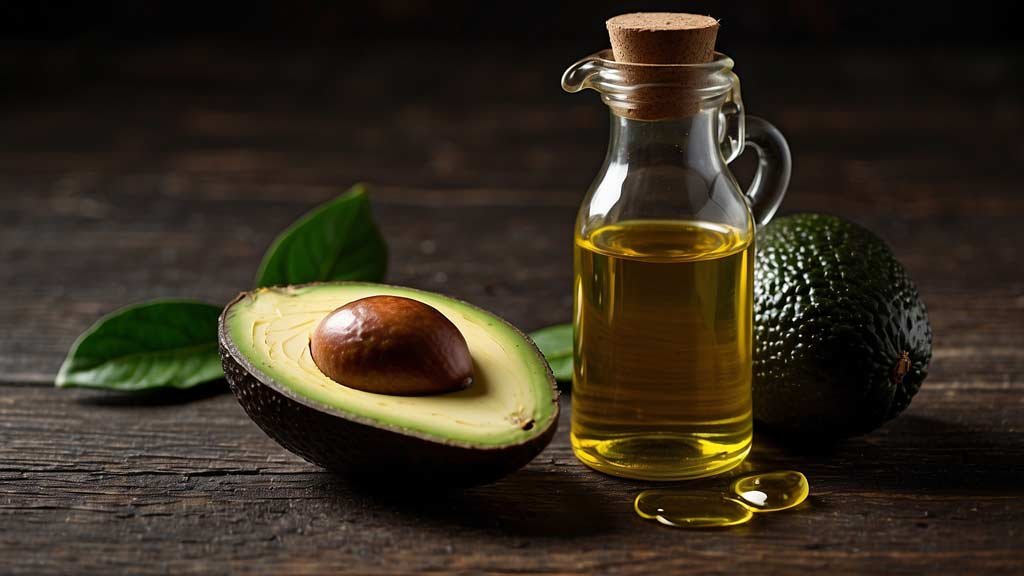
There’s something oddly satisfying about slicing into a ripe avocado. The flesh is buttery, vibrant green, and almost daring you to scoop it straight onto toast. But what often goes unnoticed is the golden oil hidden in that fruit—a rich, smooth liquid that’s been called “liquid sunshine” by more than one admirer. Avocado oil isn’t just another trendy addition to the superfood aisle. It’s been quietly winning over chefs, herbalists, and dermatologists alike, thanks to its versatility and health-supporting properties.
Now, here’s the thing: people either treat avocado oil like a miracle worker or dismiss it as overpriced olive oil in disguise. The truth sits somewhere in between. Let’s unravel this glossy, emerald-hued story and see what avocado oil really brings to the table—and to your skin, your hair, and even your heart.
Table of Contents

What Exactly Is Avocado Oil?
Avocado oil is pressed from the flesh of the avocado fruit (Persea americana). Unlike most fruit oils, which come from seeds or pits, this one is extracted directly from the creamy pulp. That’s why it has such a luxurious texture and a flavor that feels almost decadent compared to lighter oils.
There are a few main types:
- Cold-pressed, unrefined: deep green, nutty aroma, nutrient-rich.
- Refined: lighter in color and taste, more stable for high-heat cooking.
- Extra virgin: minimally processed, closer to what you’d drizzle over a salad.
Composition-wise, avocado oil is heavy on monounsaturated fats—especially oleic acid—and contains antioxidants like vitamin E, lutein, and phytosterols. Think of it as a close cousin to olive oil, but with its own personality.
A Brief History of Avocado Oil in Healing Traditions
The avocado tree, native to Central and South America, has a long-standing place in traditional medicine. Indigenous peoples used avocado pulp and oil for soothing dry skin, protecting wounds, and even as a natural hair conditioner. It wasn’t bottled up and marketed back then; it was simply practical, available medicine.
Over time, the fruit became a global commodity, and so did its oil. These days, avocado oil sits at a curious crossroads: praised in wellness circles for its skin and hair magic, yet increasingly researched for its cardiovascular benefits.
Nutritional Profile: What’s in the Oil
A tablespoon of avocado oil (about 14 grams) provides roughly:
- Calories: ~120
- Fat: ~14 g
- Monounsaturated fat: ~10 g
- Polyunsaturated fat: ~2 g
- Saturated fat: ~2 g
- Vitamin E: ~2 mg (about 10% of daily needs)
What makes avocado oil stand out isn’t just the numbers, but the balance. High monounsaturated fat means it’s stable enough for cooking yet still supportive for heart health. Vitamin E, carotenoids, and plant sterols add antioxidant power.
Avocado Oil and Skin Health
Here’s where avocado oil really shines. If you’ve ever rubbed a few drops onto dry hands, you know the immediate softness it brings. But the benefits go deeper.
Moisture and Barrier Repair
Avocado oil sinks in without leaving a heavy, greasy layer. Its fatty acids mimic the lipids in your skin barrier, helping repair cracks and lock in hydration.
Calming Irritation
People with eczema, psoriasis, or sunburn often find relief from its soothing effect. The oil’s anti-inflammatory compounds can reduce redness and swelling, making the skin feel less raw.
Antioxidant Protection
Vitamin E and lutein help fight oxidative stress from UV exposure and pollution. Some research even suggests that avocado oil can enhance wound healing when applied topically.
Practical tip? Mix a drop with aloe gel after a day in the sun. It’s not sunscreen, but it feels like a sigh of relief for your skin.
Avocado Oil for Hair
Shiny hair is practically a cultural obsession. Coconut oil usually hogs the spotlight, but avocado oil deserves its own round of applause.
- Penetration: The smaller fatty acids in avocado oil allow it to seep into the hair shaft, not just sit on top.
- Strengthening: Its nutrient profile helps reduce breakage and dryness.
- Scalp Health: Massaging warm avocado oil into the scalp can improve circulation, reduce flaking, and provide a soothing effect.
A simple routine: warm a tablespoon of avocado oil, massage it into your scalp, and leave it in for at least an hour—or overnight if you don’t mind oily pillowcases. Wash it out in the morning, and your hair feels thicker, stronger, less straw-like.
Heart Health and Avocado Oil
Now let’s get into the internal story. What happens when you eat avocado oil instead of just rubbing it on your skin?
Monounsaturated Fat Power
Oleic acid, the dominant fat in avocado oil, is the same superstar found in olive oil. It’s linked with lowering LDL cholesterol, raising HDL cholesterol, and reducing overall cardiovascular risk.
Blood Pressure Support
Some evidence suggests that diets rich in monounsaturated fats can help regulate blood pressure. Combine that with the potassium from avocados (if you’re eating the fruit too), and you’ve got a heart-friendly combo.
Inflammation Reduction
Chronic inflammation is a significant contributor to heart disease. The antioxidants in avocado oil—vitamin E, carotenoids, and polyphenols—play a role in reducing the inflammation that simmers.
Cooking with Avocado Oil
Here’s something that surprises many: avocado oil has one of the highest smoke points of any cooking oil, around 500°F (260°C) if refined. That means it’s safe for high-heat cooking like stir-frying, searing, and roasting.
Flavor-wise, unrefined avocado oil has a grassy, buttery taste that plays well in dressings or drizzled over grilled vegetables. Refined versions are almost neutral, making them versatile in the kitchen.
Everyday Uses Beyond the Kitchen
- Massage oil: Combine with essential oils for a deeply hydrating blend.
- Makeup remover: A few drops on a cotton pad can dissolve stubborn mascara.
- Cuticle treatment: Massage into nails to soften and strengthen.
- DIY scrubs: Mix with sugar or salt for an exfoliating body polish.
Sometimes the simplest uses are the most effective.
Myths and Misconceptions
Let’s clear a few things up:
- “Avocado oil cures everything.” It doesn’t. It’s supportive, not miraculous.
- “It’s low in fat.” Not true—it’s pure fat. But the kind of fat matters.
- “It’s only for beauty.” Wrong again. Cooking with avocado oil has as many benefits as slathering it on your skin.
Precautions and Considerations
Avocado oil is generally safe. But a couple of notes:
- Allergies to avocado are rare, but if you have latex allergy, test cautiously—cross-reactivity is possible.
- Like all oils, it’s calorie-dense. A tablespoon here and there is fine, but don’t go guzzling it.
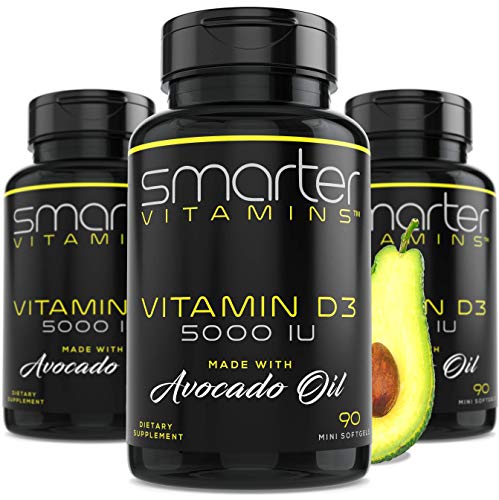
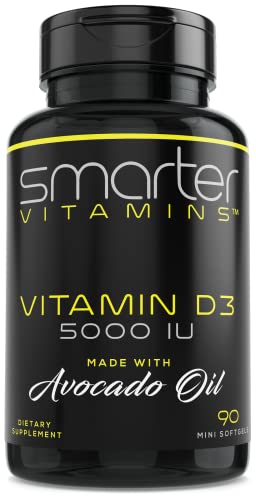
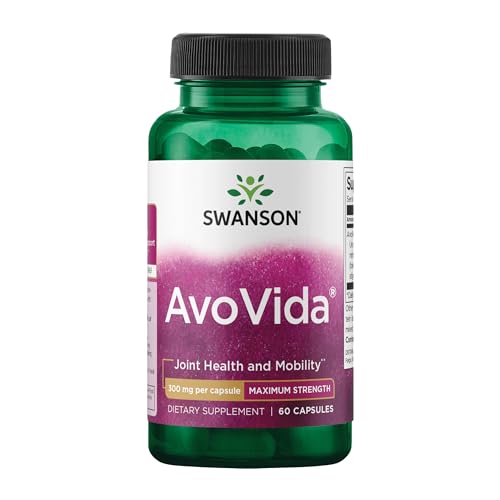
Best Selling Avocado Oil Supplements





Final Thoughts
Avocado oil isn’t hype dressed in green packaging. It’s a versatile, nutrient-rich oil that supports skin hydration, hair strength, and heart health. Is it the only oil you should use? No. But it deserves a seat at the table—and on your bathroom shelf.
It’s the kind of ingredient that feels almost indulgent but works quietly in the background, keeping things balanced. A spoonful in your salad dressing, a drizzle over roasted vegetables, a rub into dry cuticles—that’s where avocado oil’s truth lies.

- Nectarine: Stone Fruit for Heart Health and Antioxidants - March 8, 2026
- Peach: Hydrating Fruit for Skin Health and Digestion - March 8, 2026
- Plum: Fiber-Rich Fruit for Digestion and Heart Health - March 8, 2026
