
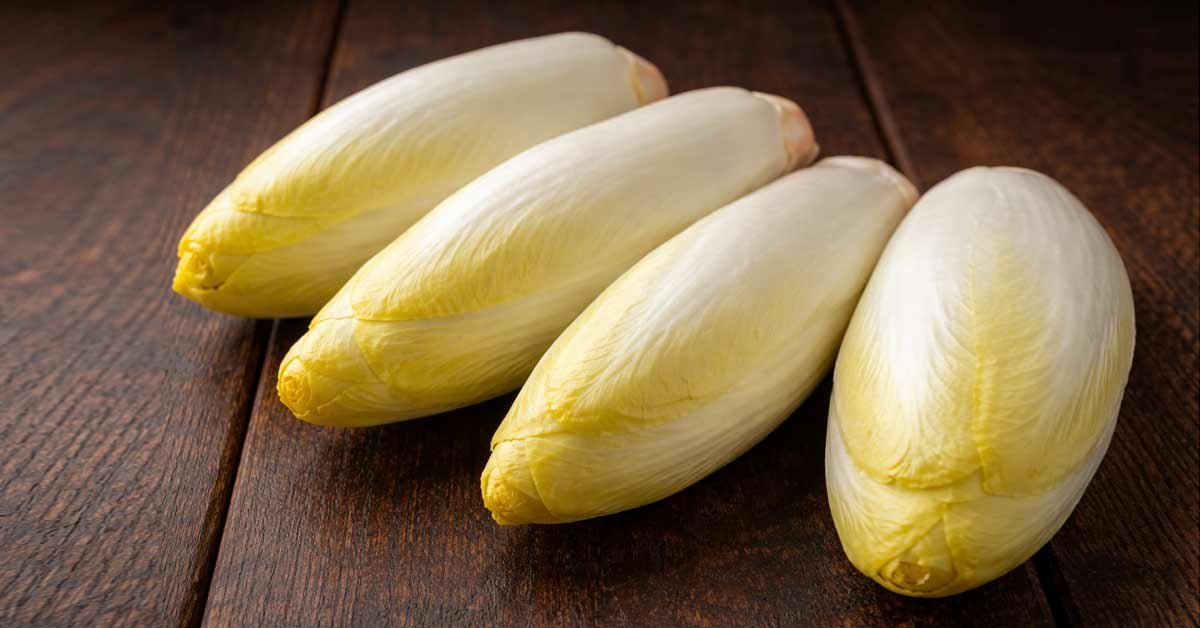
Bitter Yet Beneficial: Discovering Endive for Gut Health
If you’ve ever passed by endive at the grocery store and hesitated, you’re not alone. Its crisp, slightly bitter leaves can seem intimidating compared with sweeter lettuces or leafy greens you’re used to. But there’s a reason nutritionists and gut health enthusiasts alike keep returning to this unassuming green. Endive is one of those vegetables that quietly works in the background, supporting digestion and the overall health of your gut in ways that aren’t flashy but are surprisingly effective.
The first thing you notice about endive is the bitterness. That initial bite can be sharp, almost bracing, but that bitterness signals a fascinating array of compounds called sesquiterpene lactones. These molecules don’t just contribute to taste—they trigger digestive responses in your body. When your tongue detects bitterness, it prompts your stomach to release digestive juices and bile, which helps your body process food more efficiently. It’s like giving your digestive system a gentle nudge to perform better. People often overlook how important this small signaling effect is. It’s subtle, yes, but over time, it can support smoother digestion and even help with occasional bloating or sluggish gut function.
Table of Contents

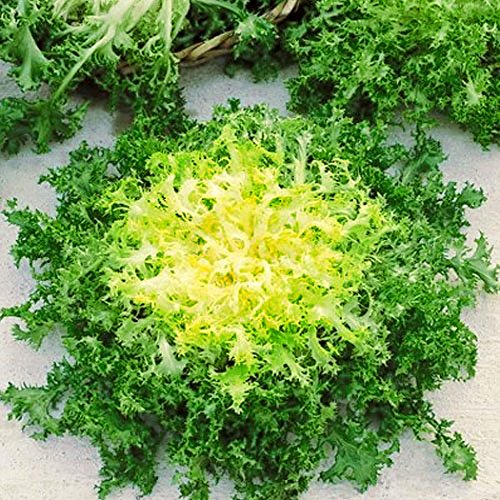
Fiber is another reason endive earns its reputation for gut health. Each leaf may seem delicate, but it’s packed with dietary fiber, particularly insoluble fiber. Insoluble fiber acts as a broom in your intestines, helping move food along and supporting regular bowel movements. Beyond this mechanical role, fiber serves as nourishment for your gut microbiome. The trillions of microbes living in your digestive tract thrive on plant fibers, producing short-chain fatty acids that help maintain gut lining integrity and reduce inflammation. In other words, endive doesn’t just feed you; it feeds the microscopic ecosystem inside you that plays a crucial role in digestion.
Endive also brings a subtle hydration benefit. Its leaves are over 90 percent water, which may seem minor compared with a glass of water, but every bit counts. Hydration supports digestive processes by softening stool and maintaining smooth intestinal function. Eating endive can be a simple, tasty way to contribute to your fluid intake, especially in meals that are heavier or lower in water content.
Even small servings of endive can make a difference over time. You don’t need to eat a full salad bowl at every meal; a few leaves added to sandwiches, wraps, or mixed with other greens can be enough to gently influence digestion. Its bitterness balances richer flavors, making it surprisingly versatile in recipes. Some people enjoy it raw with a splash of citrus to mellow the taste, while others prefer lightly sautéing or braising it. The preparation method can subtly change how the bitterness and fiber interact with your digestive system. Light cooking softens the fiber slightly and may make the lactone compounds easier for some people to tolerate.
Beyond the physiological benefits, endive is a green that invites mindfulness around eating. Its distinctive flavor encourages slower eating and savoring each bite. Chewing thoroughly is a foundational part of digestion, allowing enzymes in your saliva to begin breaking down food before it even reaches your stomach. In this way, endive’s strong flavor can indirectly support gut health by promoting a more intentional, deliberate eating pattern.
Scientific interest in endive has been growing in recent years. Studies suggest that the bitter compounds in endive and related chicory-family greens may influence digestive hormones and microbiota composition, contributing to balanced gut function over time. While research is ongoing, the early findings align with centuries of traditional use in Europe and other regions, where endive has been appreciated for its role in stimulating appetite and aiding digestion.
It’s worth noting that endive works best as part of a broader dietary pattern. Eating it occasionally is fine, but regular inclusion—say a few times per week—helps the digestive system adapt and benefit fully from the fiber and bitter compounds. Pairing it with other fiber-rich foods, healthy fats, and adequate hydration amplifies its effects without requiring drastic changes to your routine.
Ultimately, endive is an example of a food that doesn’t scream health benefits. Its work is quiet, cumulative, and surprisingly influential. It’s a vegetable that rewards patience, attention, and experimentation. The first bite may make you wrinkle your nose, but with each addition to a salad, wrap, or side dish, you’re supporting digestion and gut health in ways that few other greens manage with such subtle efficiency. Over time, those small contributions can add up, helping your body process food more smoothly and supporting the microscopic communities in your gut that play a larger role in overall health than many people realize.
Endive asks little of you—a bit of preparation, an open mind toward its bitter flavor—but in return, it delivers a quiet, reliable boost to your digestive rhythm. For anyone curious about natural ways to nurture their gut, this green deserves a place on the plate.
Why Endive Matters for Digestion
Endive is one of those vegetables that quietly but consistently nudges your digestive system toward better function. It doesn’t make bold promises, and it won’t replace lifestyle habits like balanced meals or proper hydration—but it has several distinct properties that make it genuinely supportive of digestion. From its bitterness to its fiber content, endive acts on multiple levels, helping your gut operate more efficiently.
Bitter Compounds and Digestive Signals
The bitterness in endive comes from a class of compounds called sesquiterpene lactones. These molecules are responsible for the slightly sharp, tangy taste that makes some people hesitate on first bite. While bitterness can be off-putting, it actually serves an important digestive function. When your tongue detects bitter flavors, your body responds by increasing the production of digestive enzymes and gastric juices. This includes saliva in the mouth, bile from the gallbladder, and hydrochloric acid in the stomach.
This signaling effect isn’t just theoretical. Research into bitter compounds from the chicory family, which includes endive, shows that they can stimulate appetite and promote better nutrient absorption by priming the digestive system before food reaches the stomach. In practical terms, including endive in a meal can help your body prepare for efficient digestion, particularly when paired with richer or protein-heavy foods. People who struggle with sluggish digestion often notice subtle improvements after introducing small amounts of bitter greens like endive into their routine.
Beyond enzyme stimulation, the bitter compounds may have a mild effect on gut motility. While not a laxative per se, these molecules can encourage the muscles in the gastrointestinal tract to move food along more smoothly. This contributes to regularity and prevents the sluggish feeling that can come from occasional digestive slowdown.
Fiber Content and Regularity
Endive’s fiber content is another reason it stands out for digestion. Each leaf is rich in dietary fiber, especially insoluble fiber. Insoluble fiber adds bulk to stool and helps it pass more easily through the intestines, promoting regular bowel movements. For people who experience constipation or irregularity, this can be a subtle but effective way to support digestive rhythm.
The fiber in endive doesn’t just act mechanically; it also helps regulate the rate at which food moves through the digestive system. This can prevent sudden spikes in blood sugar after meals and reduce digestive discomfort. Even small servings of endive, a few leaves in a salad or sandwich, can provide meaningful fiber that contributes to daily recommended intake. Unlike processed fiber supplements, the fiber in endive comes packaged with water, micronutrients, and bioactive compounds, making it more versatile for the body to use.
Adding endive to your diet consistently—rather than sporadically—amplifies these effects. Fiber works cumulatively, and the gut adapts over time. Regular inclusion of endive can lead to smoother digestion, fewer episodes of bloating, and a more comfortable post-meal feeling. It’s a gentle but reliable addition for anyone looking to maintain digestive regularity without relying on harsh interventions.
Supporting Healthy Gut Microbes
The benefits of endive extend beyond fiber and bitterness. Your gut microbiome, the vast community of bacteria living in your intestines, thrives on plant-based foods rich in fiber and bioactive compounds. Insoluble fiber in endive provides food for beneficial bacteria, which ferment it to produce short-chain fatty acids like butyrate. These fatty acids are essential for maintaining the integrity of the gut lining and reducing low-level inflammation that can interfere with digestion.
In addition to feeding microbes, the bitter compounds in endive may influence the composition of the gut microbiome. Studies on related chicory-family vegetables suggest that sesquiterpene lactones and polyphenols can promote the growth of favorable bacterial strains while keeping potentially harmful bacteria in check. This subtle modulation helps maintain a balanced microbiome, which in turn supports efficient digestion, nutrient absorption, and even immune function.
Eating endive raw preserves the most bioactive compounds for your gut. Light cooking is also an option but may slightly reduce the potency of certain bitter molecules. The key is consistency: small, regular portions can gradually create a more favorable environment in the gut, improving both digestive comfort and overall gut health.
By combining its bitterness, fiber, and prebiotic properties, endive acts on several fronts to support digestion. It primes digestive enzymes, encourages regular bowel movements, and nourishes the gut microbiome—all without overwhelming your system. While no single food can fix digestive issues on its own, endive’s layered effects make it a standout choice for anyone seeking gentle, natural digestive support.
In practice, adding endive is simple: toss a few leaves into a salad, layer it in a sandwich, or lightly braise it with other vegetables. Over time, these small incorporations can translate into noticeable improvements in digestive rhythm and gut comfort, demonstrating that even subtle dietary choices can have a cumulative impact.
Nutrients Beyond Fiber: What Endive Offers
Endive doesn’t just support digestion through its bitterness and fiber; it also provides a suite of nutrients that quietly reinforce gut health. While you might not notice these effects immediately, the vitamins, minerals, and phytonutrients in endive interact with digestive processes and the gut microbiome in ways that compound over time. Eating endive regularly is like adding a layer of nutritional insurance for your digestive system.
Vitamins and Minerals That Play a Role
Endive is a low-calorie vegetable, but what it lacks in calories it makes up for in micronutrients. Its leaves are a rich source of vitamin K, vitamin A in the form of beta-carotene, and folate, along with minerals like manganese, potassium, and small amounts of calcium and iron.
Vitamin K is most commonly associated with bone health and blood clotting, but it also contributes to intestinal integrity. Research indicates that vitamin K may support healthy mucosal barriers in the gut, which is crucial for protecting against irritation and maintaining smooth digestive function.
Vitamin A, particularly from beta-carotene, supports epithelial cells, the lining of your digestive tract. Healthy epithelial cells are vital for nutrient absorption and a resilient gut barrier. Adequate vitamin A ensures that the intestinal lining functions effectively, reducing the risk of minor inflammation or digestive discomfort over time.
Folate plays a subtle but meaningful role in gut function as well. Folate supports cellular replication and repair, including cells in the digestive tract. This means that eating folate-rich greens like endive can indirectly help maintain the structural health of your gut lining. Minerals like potassium also contribute by supporting muscle function, including the smooth muscles of the digestive tract. Efficient muscle contractions are necessary for proper peristalsis—the wave-like movements that move food through your intestines.
Taken together, these micronutrients make endive more than just a fiber vehicle. They provide the building blocks your digestive system uses daily to operate efficiently and recover from minor stresses caused by diet or lifestyle.
Phytonutrients With Subtle Gut Benefits
Endive is a member of the chicory family, which is known for its diverse phytonutrient profile. Sesquiterpene lactones are the bitter compounds that stimulate digestive juices, but endive also contains polyphenols and flavonoids. These molecules interact with the gut in nuanced ways.
Polyphenols act as antioxidants and can help reduce low-grade inflammation in the digestive tract. Chronic, low-level gut inflammation is increasingly recognized as a factor in digestive discomfort and irregularity, so even small reductions in oxidative stress can make a meaningful difference over time. Polyphenols also influence the gut microbiome, promoting beneficial bacterial strains that support digestion and discourage overgrowth of harmful species.
Flavonoids in endive contribute similarly. They have been studied for their ability to modulate digestive enzymes and support smooth gut motility. Though the effects are subtle, regular consumption creates a cumulative benefit that complements the fiber and bitter compounds in the leaves. The combination of phytonutrients and micronutrients makes endive a multi-layered ally for your digestive system. It works on chemical, microbial, and mechanical levels simultaneously.
Hydration and Digestive Ease
One often-overlooked aspect of endive is its high water content. With over 90 percent water in its leaves, endive helps support hydration alongside dietary fiber. Proper hydration is essential for softening stool, maintaining smooth bowel movements, and aiding nutrient transport through the digestive tract. In combination with fiber, the water in endive helps bulk up stool without causing hardness or dryness, which can make digestion easier and more comfortable.
Hydration also indirectly supports gut microbiota. A well-hydrated intestinal environment allows beneficial bacteria to thrive, enhancing fermentation processes that produce short-chain fatty acids—important compounds for gut lining health and overall digestive efficiency. Including water-rich greens like endive in your diet is a subtle, practical way to complement your fluid intake without adding additional beverages or calories.
In addition, water content contributes to satiety. Including endive in meals can help moderate overall intake, which may reduce digestive strain from overeating. The crisp texture combined with high water volume creates a sense of fullness that doesn’t weigh on the digestive system.
When you combine the nutrient density, phytonutrients, and hydration benefits, endive emerges as more than a “bitter green.” It is a vegetable designed by nature to support your digestive system across multiple dimensions. Each leaf contributes fiber for movement, compounds for enzyme stimulation, antioxidants for cellular health, and water for smooth transit—making it a comprehensive digestive ally.
The key to maximizing these benefits is consistency and versatility. Endive can be enjoyed raw in salads, lightly sautéed with a splash of olive oil, or even braised as part of a mixed vegetable dish. Each preparation retains a portion of its nutrients and digestive benefits while allowing you to integrate it into meals naturally. Over time, these small, cumulative contributions to gut function help maintain digestive comfort and support a balanced gut microbiome, demonstrating the quiet but significant role endive can play in daily nutrition.
Practical Ways to Include Endive in Your Diet
Endive’s health benefits are easy to tap into once you know how to handle and prepare it. While it’s slightly bitter and delicate, integrating endive into everyday meals doesn’t have to be complicated. With the right selection, storage, preparation, and pairing strategies, you can enjoy its crisp texture, subtle bitterness, and digestive advantages without any fuss.
Selecting and Storing Fresh Endive
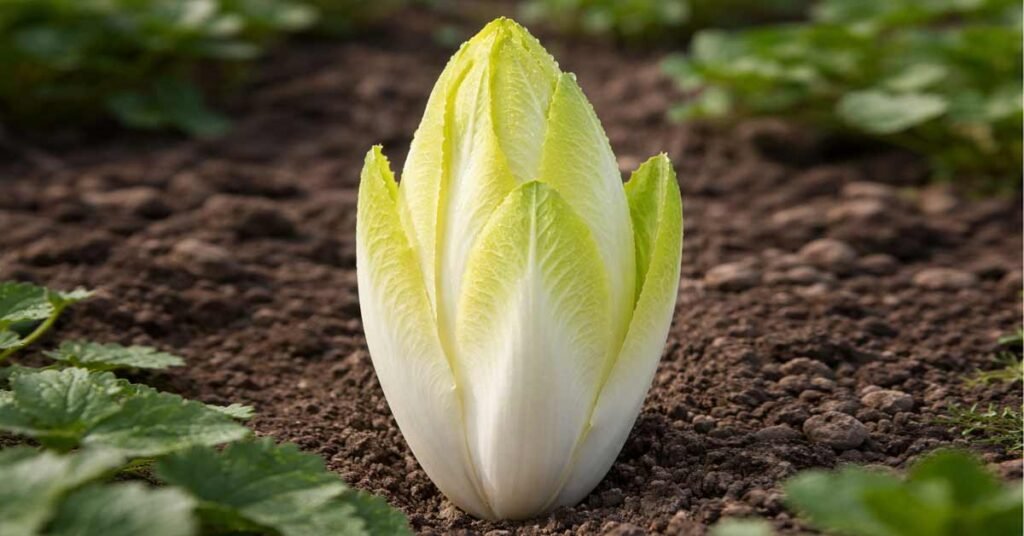
When choosing endive, look for heads that feel firm and compact. The leaves should be crisp, with a pale green to yellowish hue, and free from dark spots, wilting, or excessive browning at the tips. The smaller, tighter heads tend to be sweeter and less intensely bitter, making them a good option if you’re new to this green.
Storage is straightforward but crucial for maintaining both texture and nutrients. Endive should be kept in the vegetable drawer of your refrigerator, ideally wrapped loosely in a paper towel and placed in a perforated plastic bag. The paper towel absorbs excess moisture, which prevents the leaves from becoming slimy, while the perforated bag allows air circulation to keep them crisp. Stored this way, endive can last up to a week, though it’s best consumed within a few days for optimal flavor and nutrient retention.
Avoid washing endive before storing unless you plan to eat it immediately. Excess water can accelerate spoilage. Instead, rinse or soak just before use, then gently pat dry. Paying attention to these details ensures that every leaf contributes its full fiber, vitamins, and bitter compounds for digestive support.
Simple Preparations That Preserve Nutrients
One of the advantages of endive is its versatility. It can be eaten raw, lightly cooked, or incorporated into more complex dishes, and each method affects its flavor and nutrient profile slightly differently. Raw endive retains the highest concentration of bitter compounds and water-soluble vitamins like vitamin C and folate, making it ideal for salads, slaws, or as a crunchy topping for sandwiches. Pairing it with a small amount of healthy fat, such as olive oil, helps your body absorb fat-soluble nutrients like vitamin K and beta-carotene.
Light sautéing or steaming is another option, especially if you prefer a milder flavor. A quick toss in a pan with a drizzle of olive oil and a pinch of salt softens the leaves without significantly diminishing their fiber or phytonutrient content. Overcooking can reduce water-soluble vitamins and the bitter compounds that stimulate digestion, so keep cooking times short—usually just a few minutes until the leaves are tender but still slightly crisp.
Braised endive can also work well in mixed vegetable dishes. Braising involves cooking the leaves slowly with a small amount of liquid, such as vegetable broth or citrus juice. This method preserves moisture, slightly mellows bitterness, and maintains much of the fiber, making the endive easy to digest while still delivering nutritional benefits. Even roasting works for adding depth of flavor, though it concentrates sweetness and reduces some of the digestive-stimulating compounds.
Pairing Endive With Other Foods for Gut Support
Endive pairs particularly well with ingredients that enhance both taste and digestion. Citrus, like a squeeze of lemon or orange segments, balances the bitterness while adding vitamin C, which supports overall gut health. Healthy fats—such as olive oil, avocado, or nuts—improve absorption of fat-soluble vitamins and provide a richer mouthfeel.
Combining endive with other fiber-rich foods, like shredded carrots, celery, or beans, can further enhance regularity and support beneficial gut microbes. Fermented foods like yogurt, kefir, or lightly pickled vegetables also complement endive by adding live probiotics, which work synergistically with the fiber to nourish a healthy microbiome.
Even simple pairings, such as endive leaves used as natural “boats” for protein-rich fillings like chickpeas or hummus, make digestion-friendly snacks that are easy on the gut. The bitterness of endive encourages slower chewing, which in turn supports more effective digestion and nutrient absorption.
Small, consistent servings work best. A few leaves daily, incorporated into salads, sandwiches, or cooked dishes, can provide a gentle but steady contribution to digestive comfort and gut microbiome support. The key is variety and repetition: mixing endive with complementary vegetables, fats, and fermented foods ensures you’re supporting multiple aspects of digestion while keeping meals enjoyable.
By following these practical strategies—selecting the freshest leaves, storing them properly, preparing them in ways that preserve nutrients, and pairing them thoughtfully—you make endive an easy, enjoyable, and effective addition to your diet. Over time, these small choices accumulate, subtly enhancing your digestive efficiency, supporting gut microbes, and making endive a reliable green for daily nutrition.
Best Selling Endive Related Products


Small Habits, Big Impact: Making Endive Part of Daily Life
Incorporating endive into your daily routine doesn’t require a major lifestyle overhaul. Its subtle benefits for digestion and gut health accumulate quietly, rewarding consistency more than intensity. Small, intentional habits—like adding a few leaves to a salad or sandwich—can create meaningful changes in your digestive rhythm over time.
One of the easiest ways to make endive a habit is to keep it visible and accessible. A crisp head of endive in the vegetable drawer, or pre-washed leaves in the fridge, invites regular use. When healthy options are easy to reach, you’re far more likely to include them naturally. Even placing it alongside other greens you enjoy—spinach, arugula, or romaine—can normalize its presence in meals without feeling like a chore.
Start simple. Raw endive works well in salads or as a crunchy addition to sandwiches. For example, layering a few endive leaves on a whole-grain wrap adds texture, mild bitterness, and fiber without overpowering other flavors. You can also use the leaves as edible “boats” for hummus, tuna, or roasted vegetables. This makes the green more approachable and integrates it seamlessly into familiar dishes. Over time, these small servings—just a few leaves per day—create a subtle but consistent digestive support system.
Light cooking methods also encourage routine use. Sautéing endive with garlic or olive oil for just a couple of minutes softens the bitterness while preserving most nutrients, making it easier to pair with a variety of dishes. Braised or roasted endive can complement proteins like chicken, fish, or legumes, creating balanced meals that support gut function while being satisfying. The key is not to force large portions but to make the vegetable a reliable, recurring component of your diet.
Another practical approach is pairing endive with other gut-supportive foods. Combining it with fiber-rich vegetables, fermented foods, or healthy fats amplifies its effects. A salad that includes shredded carrots, chickpeas, a drizzle of olive oil, and a few endive leaves becomes a complete, digestion-friendly dish. Over time, your gut microbiome adapts to this variety, encouraging more efficient digestion and supporting beneficial bacteria.
Mindfulness also plays a role. Endive’s distinct flavor naturally slows eating, encouraging thorough chewing. Chewing well initiates the digestive process in the mouth, allowing enzymes in saliva to break down food before it reaches the stomach. By engaging more actively with your food, you reduce the likelihood of bloating or discomfort while maximizing nutrient absorption. Even if it’s just a few leaves at lunch, the act of slowing down can have a surprisingly positive effect on digestive ease.
Consistency is more important than quantity. You don’t need to eat a full bowl of endive every day; a few leaves regularly integrated into meals are sufficient for cumulative benefits. Over weeks and months, the fiber, bitter compounds, phytonutrients, and hydration from endive combine to support smoother digestion, healthier gut bacteria, and a more resilient digestive system.
It’s also worth experimenting to find what you enjoy most. Some people prefer raw leaves with citrus to offset the bitterness, while others appreciate lightly braised or roasted endive. Finding a preparation method that feels enjoyable rather than like a chore increases the likelihood of sticking with the habit. When a habit feels effortless, the impact is far more sustainable.
Ultimately, making endive part of daily life is about small, repeatable choices. Each leaf you add to a meal is a quiet investment in your digestive system. Over time, these small actions create a foundation for smoother digestion, balanced gut microbes, and a healthier, more comfortable digestive experience. By focusing on consistency, flavor, and ease, endive can move from a curious vegetable to a regular, trusted companion for gut health.
Article Sources
At AncientHerbsWisdom, our content relies on reputable sources, including peer-reviewed studies, to substantiate the information presented in our articles. Our primary objective is to ensure our content is thoroughly fact-checked, maintaining a commitment to accuracy, reliability, and trustworthiness.
- Donadio, G., Bellone, M. L., Mensitieri, F., & De Tommasi, N. (2023). Characterization of health beneficial components in discarded leaves of three escarole (Cichorium endivia L.) cultivars and study of their antioxidant and anti‑inflammatory activities. https://www.researchgate.net/publication/225840591_Chicory_and_Endive
- Figueira, G. M., et al. (2015). Variation of sesquiterpene lactones and phenolics in chicory and endive germplasm. Journal of Food Composition and Analysis, 39, 77‑86. https://doi.org/10.1016/j.jfca.2014.11.014
- Janda, K. (2021). The common cichory (Cichorium intybus L.) as a source of bioactive elements displaying digestion‑promoting and appetite‑stimulating action. PMC. https://www.ncbi.nlm.nih.gov/articles/PMC8005178/
- Sandoya, G. (2024). Escarole and endive: Nutritious leafy vegetables with high prebiotic fiber content. University of Florida IFAS Extension. https://ask.ifas.ufl.edu/publication/HS1489
- Daley, S. F. (2025). The role of dietary fiber in health promotion and digestive function. In Dietary Fiber in Health and Disease (pp. 1‑25). NCBI Bookshelf. https://www.ncbi.nlm.nih.gov/books/NBK559033/
- Wikipedia contributors. (2024). Endive. Wikipedia. https://en.wikipedia.org/wiki/Endive
- Wikipedia contributors. (2026). Inulin. Wikipedia. https://en.wikipedia.org/wiki/Inulin

- Endive: Bitter Green for Digestion and Gut Health - April 4, 2026
- Drumstick: Moringa Pods for Digestion and Vitamin C - April 4, 2026
- Collards: Greens for Bone Health and Fiber - April 4, 2026