
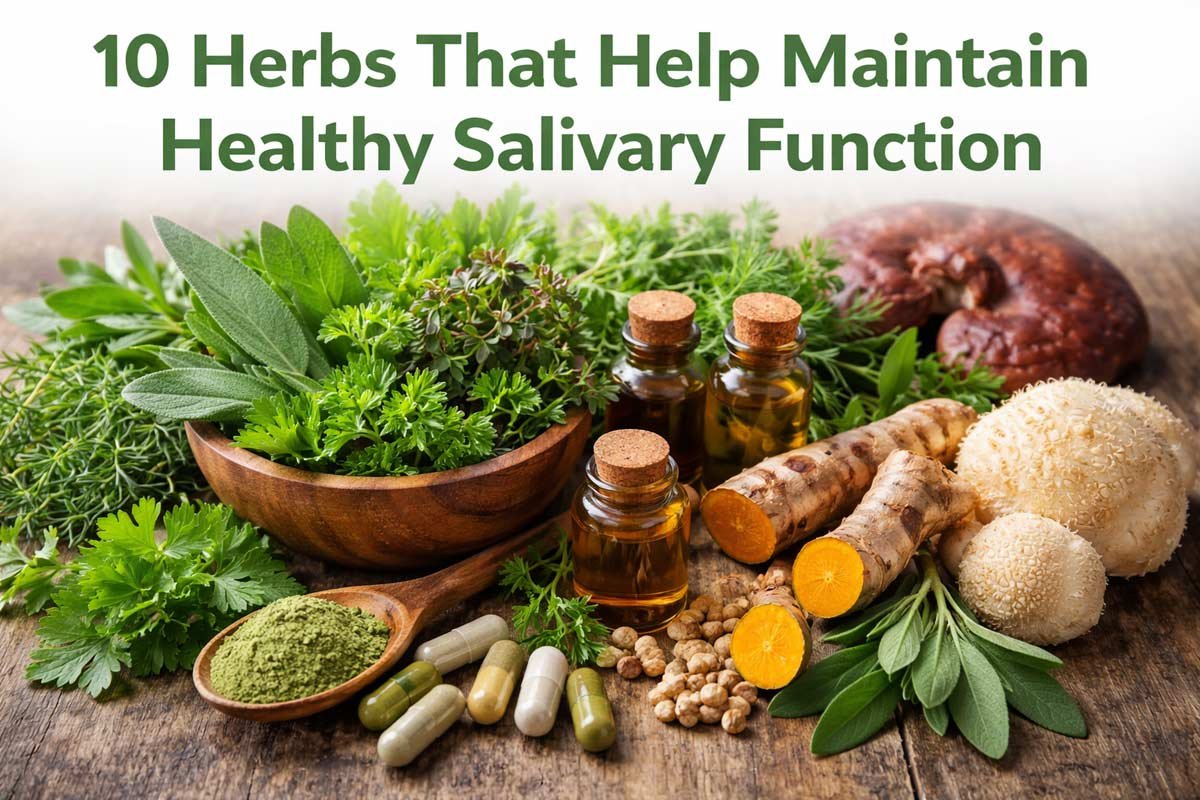
Awakening the Mouth’s Hidden Helpers
We often take saliva for granted, imagining it as just a slippery substance that helps us chew and swallow our meals. But in reality, saliva is a quiet powerhouse, a first responder in our digestive system, a guardian of oral health, and a subtle regulator of taste, sensation, and comfort in the mouth. Every time you sip water, bite into a crisp apple, or savor a piece of chocolate, your salivary glands are orchestrating a complex chemical symphony—releasing enzymes that begin breaking down food, antibodies that fend off bacterial invaders, and electrolytes that keep your tissues balanced and healthy. It’s astonishing how much is happening behind the scenes with almost no effort on your part.
Yet when saliva production drops, even slightly, it can make life uncomfortable. A dry, sticky mouth isn’t just annoying; it’s a signal that something is out of balance. Chewing and swallowing become laborious, speech can feel strained, the risk of dental decay rises, and simple flavors can feel muted or distorted. Chronic dryness, medically known as xerostomia, is more than a nuisance—it can subtly affect nutrition, oral health, and quality of life. Some people notice dryness after a long day at the office, while others feel it creeping in with age, medications, or stress. The reasons are varied, but the response can be natural and supportive if approached wisely.
Table of Contents

Herbs and medicinal mushrooms have been allies for salivary health for centuries. Across cultures, herbalists have recommended specific plants to encourage moisture in the mouth, protect delicate mucous membranes, and stimulate the body’s own production of saliva. These plants are not just stopgap solutions; they help address the underlying needs of the oral tissues, support immune balance, and maintain the functional integrity of the salivary glands over time. Unlike synthetic stimulants or sugar-heavy lozenges, which can temporarily trigger saliva but may harm teeth or create dependency, herbs work gently, nurturing the glands while also enhancing overall oral comfort.
Consider marshmallow root, for example. Its mucilaginous properties coat and soothe, creating a gentle environment where the salivary glands can operate without irritation. Or licorice root, which encourages secretion while simultaneously calming inflammation. Even aromatic herbs, like fennel or peppermint, play a subtle role—they signal the body through taste and smell that it’s time to produce saliva, a reflex often overlooked in modern life. When herbs are combined thoughtfully, they can create a synergistic effect, promoting moisture, comfort, and resilience in the mouth.
Saliva itself is more than water. It contains digestive enzymes like amylase, which begins the breakdown of carbohydrates, and lipase, which helps with fat digestion. It delivers immunoglobulins that patrol the oral cavity for pathogens, and mucins that lubricate surfaces to prevent friction and damage. Each component is carefully balanced, and herbal support can help maintain that balance. For example, antioxidant-rich herbs and mushrooms like reishi or chaga protect mucosal tissues from oxidative stress, which can compromise salivary gland function over time. These botanicals act quietly, supporting the glands at a cellular level, reducing inflammation, and keeping the tissues supple.
Environmental and lifestyle factors also play a role. Stress, dehydration, excessive caffeine, and certain medications can all tip the scales toward dryness. Herbs offer a twofold benefit here: some act directly on the glands to encourage saliva flow, while others help the body adapt, regulate, and restore balance. Adaptogenic plants, like holy basil, don’t just stimulate; they help the entire system remain resilient. A few sips of tulsi tea in the morning or afternoon can subtly shift the body’s internal rhythms, ensuring that salivary function isn’t compromised during busy or stressful periods.
There’s also a sensory dimension to salivary support. Chewing herbs such as fennel or small pieces of ginger awakens the nerve endings in the mouth, naturally triggering saliva. The aroma and taste of these plants create a kind of gentle dialogue with the body: “It’s time to moisten, protect, and prepare.” Even the ritual of preparing a warm herbal tea—watching the steam curl, inhaling the scent, savoring the first sip—can enhance the salivary reflex. It’s a reminder that oral health isn’t just about mechanics; it’s about engaging the senses and nourishing the tissues in a holistic way.
Sometimes, the mouth signals more than local dryness. Persistent dryness can indicate that the body’s hydration or glandular health is off balance. Regular use of herbs and medicinal mushrooms for salivary support can act as a preventive measure, maintaining function before noticeable discomfort arises. Marshmallow, licorice, ginger, and the like work synergistically, keeping glands supple, protecting membranes, and maintaining enzymatic activity. Mushrooms like reishi and chaga bolster the tissues at a systemic level, providing antioxidants and polysaccharides that support overall oral and digestive health. Together, these botanicals form a layered approach, addressing immediate moisture needs while building long-term resilience.
It’s worth noting that supporting salivary function is as much about consistency as potency. Herbal teas, tinctures, or small chews taken regularly integrate into daily habits in a way that mimics natural stimulation. Unlike pharmaceutical sialogogues, which may cause overproduction or dependency, herbs guide the body gently. Over time, habitual use can restore balance, improve comfort, and even enhance taste perception, as saliva’s role in dissolving flavor compounds is restored. The difference can be subtle but significant—a sense of moisture, a smoother texture when chewing, and a mouth that feels alive rather than dry or fatigued.
In short, awakening the mouth’s hidden helpers requires attention, patience, and a respectful use of nature’s bounty. Herbs and mushrooms don’t just act as stopgap solutions—they invite the salivary glands to perform at their best, protect delicate tissues, and create a harmonious environment for digestion and oral comfort. They offer a holistic approach that engages the senses, nurtures the tissues, and reinforces the body’s inherent wisdom. By understanding these gentle yet potent allies, we can maintain salivary function, protect oral health, and enjoy the simple pleasure of a mouth that is comfortable, hydrated, and responsive—a mouth fully alive to the taste, texture, and joy of eating.
Herbal Stimulators of Salivary Flow
Saliva is more than a convenience; it’s the first step in digestion, a natural cleanser, and a shield for your oral tissues. When production dips, herbs can act as gentle stimulators, encouraging the glands to do their work while also supporting overall oral comfort. Some plants soothe, some invigorate, and some do a little of both—creating a balanced approach to maintaining moisture and function in the mouth. The herbs below are time-tested allies for promoting salivary flow, each bringing its own unique properties to the table.
1. Marshmallow Root (Althaea officinalis)
Marshmallow root is one of the most soothing herbs you can use for your mouth. Its mucilaginous compounds coat the oral mucosa, calming irritation and creating a protective layer that allows the salivary glands to operate without strain. People often describe the sensation as a gentle slipperiness, like a soft shield over tender tissues, which can immediately ease discomfort from dryness or inflammation.
Drinking marshmallow root tea or chewing a small piece of the dried root encourages saliva flow while simultaneously hydrating the tissues. Unlike herbs that merely stimulate secretion, marshmallow supports the environment of the mouth itself. It’s particularly useful for anyone experiencing chronic dryness, whether from stress, medication, or age-related changes. Herbalists have used it for centuries to treat conditions ranging from mild oral irritation to more persistent dryness, and it’s easy to incorporate into daily routines without any risk of overstimulation.
2. Licorice Root (Glycyrrhiza glabra)
Licorice root is naturally sweet and soothing, making it a pleasant way to encourage saliva production. Its glycyrrhizin compounds not only stimulate the glands but also protect mucous membranes from inflammation and irritation. Sipping a warm infusion of licorice root or holding a licorice chew in your mouth can create a gentle, sustained salivary response.
Beyond hydration, licorice has mild antimicrobial properties that help balance the oral flora, reducing the risk of infections or irritation caused by harmful bacteria. It’s particularly helpful for people who experience dryness with burning or soreness in the mouth. Licorice provides a dual effect: it comforts the tissues while signaling the body to increase saliva, a combination that is both practical and nurturing.
3. Ginger (Zingiber officinale)
Ginger is well-known as a digestive powerhouse, but it’s equally effective for salivary stimulation. Its pungent compounds activate sensory receptors in the mouth, prompting the glands to release saliva. Chewing a small piece of fresh ginger or sipping a warm ginger infusion triggers a reflexive salivary response that is immediate and noticeable.
The beauty of ginger lies in its ability to do more than just stimulate secretion. It improves circulation to the oral tissues, which helps the glands function efficiently. Its natural warmth awakens the senses, creating a subtle but undeniable signal to the body: “time to secrete, time to hydrate.” For those who experience dryness due to low circulation or sluggish glandular activity, ginger is a practical, sensory-rich tool that can be used daily without harsh side effects.
4. Fennel Seeds (Foeniculum vulgare)
Fennel seeds are a classic herbal sialogogue, meaning they naturally encourage saliva production. Chewing a few seeds after meals not only freshens the breath but also gently stimulates the salivary glands. Their aromatic oils and slightly sweet flavor create a pleasant oral experience that invites moisture.
Fennel is versatile and easy to use. It can be chewed whole, brewed into a tea, or combined with other herbs for synergistic effects. Beyond hydration, fennel has mild digestive benefits, helping to calm occasional bloating or gas. Its dual action—promoting saliva while supporting digestion—makes it particularly useful for people who notice dryness after meals or during periods of stress.
5. Holy Basil (Ocimum sanctum)
Holy basil, or tulsi, is an adaptogen that supports systemic balance, including the secretions of the mouth. It encourages gentle salivary production while protecting oral tissues with its antioxidant and anti-inflammatory properties. Sipping tulsi tea or holding a few fresh leaves in the mouth can create a subtle, sustained moisture that feels natural and restorative.
Tulsi also helps regulate the body’s stress response, which is important because stress can significantly reduce salivary flow. By integrating holy basil into a daily routine, the body receives both a direct signal to hydrate the oral tissues and a systemic benefit that keeps glandular function steady. This dual approach is one reason tulsi has been valued in traditional medicine systems for centuries—it works on multiple levels, quietly supporting oral and overall health.
These five herbs—marshmallow root, licorice root, ginger, fennel seeds, and holy basil—represent a well-rounded approach to stimulating salivary flow. Each works in its own way: some coat and protect, some gently awaken the glands, and some balance the system while promoting moisture. Using them consistently, either individually or in combination, can create a natural rhythm of hydration in the mouth. Chewing, sipping, or holding these botanicals engages sensory pathways that your body recognizes, prompting saliva production in a way that feels intuitive rather than forced.
Herbal stimulation of saliva is not just about addressing dryness as a symptom. It’s about creating an environment where the oral tissues can thrive. Healthy saliva supports taste perception, aids digestion from the very first bite, and protects the teeth and gums from damage. By choosing herbs that nourish both the glands and the mucosa, you’re investing in long-term oral resilience rather than temporary relief.
In practice, you might start your morning with a warm marshmallow or licorice tea, chew a piece of fresh ginger before meals, and finish with a few fennel seeds or a tulsi rinse in the evening. Over time, these small, deliberate habits can make the mouth feel hydrated, comfortable, and responsive. The flow of saliva becomes natural again, and the oral environment is better protected from dryness, irritation, and bacterial imbalance.
Herbal stimulators of salivary flow are versatile, gentle, and rooted in centuries of traditional use. They provide a sensory experience, practical hydration, and a subtle, systemic benefit that modern medicine often overlooks. By leaning on these time-tested botanicals, you can maintain oral comfort, enhance digestion, and support a mouth that feels alive, vibrant, and naturally lubricated.
Nutrient-Rich and Protective Herbs
Supporting salivary function isn’t just about stimulating flow—it’s also about nurturing and protecting the tissues that produce and manage saliva. A mouth with healthy, resilient mucous membranes is better able to maintain moisture, fight infection, and respond to the subtle cues that trigger secretion. Nutrient-rich and protective herbs work in this space, delivering hydration, antioxidants, and gentle antimicrobial action to the oral tissues. They don’t just prompt saliva—they fortify the environment in which the salivary glands operate.
6. Aloe Vera (Aloe barbadensis)
Aloe vera is widely known as a healing plant, but its benefits for the mouth are often overlooked. Its gel contains polysaccharides that soothe and hydrate mucous membranes, creating a protective layer that reduces irritation and supports glandular function. Using aloe as a gentle rinse or sipping a diluted aloe infusion can bring immediate relief to dry or inflamed oral tissues.
Beyond hydration, aloe supports tissue repair. The delicate lining of the mouth is subject to constant wear—from food, teeth, and even environmental factors like dry air. Aloe’s compounds promote cellular repair and maintain mucosal integrity, indirectly supporting natural saliva production. People who use aloe regularly often notice a smoother, more comfortable sensation in the mouth, particularly during periods of chronic dryness or mild irritation.
The sensory experience of aloe is noteworthy too. Its cool, slightly viscous texture engages the mouth in a soothing, almost meditative way. Unlike stimulant herbs, which provoke saliva through sensory excitement, aloe works quietly, providing the conditions that allow the glands to function optimally. It’s a subtle, supportive approach that complements more active stimulatory herbs.
7. Sage (Salvia officinalis)
Sage is a herb with dual action: it’s both a gentle protector and a subtle regulator. Its astringent qualities can balance oral moisture, preventing bacterial overgrowth while still supporting natural salivary flow. In practice, sage can be used as a tea or a mild rinse to maintain oral hygiene and comfort.
Sage’s antimicrobial and antioxidant properties protect the mouth from oxidative stress and inflammation. Oxidative damage can compromise the health of salivary glands and mucous membranes, reducing their efficiency over time. Regular use of sage ensures that the oral environment remains robust, hydrated, and resilient.
Beyond the biochemistry, sage engages the senses. Its warm, slightly pungent aroma triggers reflexive salivation and provides a comforting, aromatic presence in the mouth. It’s an herb that feels alive—inviting, familiar, and subtly stimulating—making it a versatile ally for anyone looking to maintain healthy salivary function. A simple sage tea or rinse can become part of a daily ritual that supports both moisture and oral defense.
8. Peppermint (Mentha × piperita)
Peppermint is both refreshing and functionally effective. Its menthol compounds activate sensory receptors in the mouth, naturally increasing salivary production. A few fresh leaves, a light infusion, or even a mild mouth rinse with peppermint can awaken the glands and improve oral comfort.
The effect of peppermint is immediate. The cooling sensation signals the body to release moisture, providing a refreshing counterbalance to dry or sticky oral tissues. Beyond stimulation, peppermint has mild antimicrobial and antioxidant properties, contributing to overall oral health. It’s particularly useful in combination with other herbs, offering a pleasant flavor and sensory experience that encourages regular use.
Peppermint also engages the mind and senses in subtle ways. The aroma itself can be invigorating, making the act of sipping a tea or holding a leaf in the mouth a deliberate, mindful practice. This gentle ritual reinforces salivary reflexes, encouraging glands to produce moisture naturally.
Taken together, aloe vera, sage, and peppermint offer a layered approach to maintaining salivary function. Aloe provides hydration and tissue repair, sage balances and protects the oral environment, and peppermint stimulates the glands while offering sensory delight. These herbs complement stimulatory botanicals like marshmallow or licorice, creating a full spectrum of support that addresses both the production of saliva and the health of the tissues that depend on it.
Integrating nutrient-rich and protective herbs into daily life doesn’t have to be complicated. A morning aloe rinse, a mid-day sage tea, and an afternoon peppermint infusion can keep the mouth hydrated, resilient, and comfortable. Over time, these practices encourage natural salivary rhythm, strengthen oral tissues, and reduce the risk of chronic dryness or irritation. The result is not only a mouth that functions optimally but a sensory experience that makes oral care enjoyable rather than purely functional.
Herbs like these also teach a subtle lesson: maintaining salivary function isn’t about forcing secretion through artificial means; it’s about creating a nourishing environment where the glands can do their work efficiently. By focusing on hydration, protection, and sensory engagement, you’re reinforcing the mouth’s inherent ability to maintain moisture, balance, and health naturally.
Mushrooms and Adaptogens for Oral Hydration
When we think of salivary support, herbs often come to mind first—but medicinal mushrooms have quietly carved a role in maintaining oral health. These fungi offer a systemic, adaptogenic approach, supporting not just the glands themselves but the tissues and immune environment that sustain healthy salivary function. Unlike stimulatory herbs that provoke immediate secretion, mushrooms work in a subtler, longer-term way, enhancing resilience, hydration, and tissue integrity throughout the mouth.
9. Reishi Mushroom (Ganoderma lucidum)
Reishi is often called the “mushroom of immortality,” and its benefits extend well beyond immune support. In the context of salivary health, reishi’s polysaccharides and triterpenes provide protective support for the mucous membranes in the mouth. These compounds help maintain the tissues’ moisture balance, reduce inflammation, and support the glands’ long-term function.
Regular consumption of reishi—whether as a tea, tincture, or powdered extract—can enhance overall hydration of oral tissues. Its effects aren’t immediate like chewing licorice or ginger, but over time, the mouth feels less dry, the mucosa becomes more resilient, and the glands operate with greater efficiency. Reishi also has antioxidant properties that protect the delicate tissues from oxidative stress, which can impair both glandular function and tissue repair.
There’s a subtle ritual to using reishi that complements its gentle effects. Sipping a warm reishi infusion, with its earthy, slightly bitter flavor, encourages slow, mindful drinking. This not only hydrates the oral tissues directly but also triggers small reflexes of saliva production as you sip, a quiet interplay between the sensory experience and the systemic benefits of the mushroom. People who integrate reishi into their daily routines often report a sense of oral comfort that builds gradually, supporting both hydration and a feeling of overall oral health.
10. Chaga Mushroom (Inonotus obliquus)
Chaga, another revered medicinal mushroom, complements reishi with its own unique strengths. Rich in antioxidants, Chaga protects oral tissues from oxidative damage that can compromise salivary function. Its compounds reduce inflammation, support tissue repair, and help maintain the delicate balance of moisture and enzymatic activity in the mouth.
Chaga is particularly effective when consumed as a gentle tea. The ritual of slow sipping allows the body to engage sensory pathways, subtly promoting saliva flow while providing long-term mucosal support. Its earthy, slightly astringent taste encourages mindful drinking, and this interaction between flavor and glandular response enhances the natural reflexes that maintain salivary production.
Beyond hydration, Chaga strengthens the overall oral environment. Its antioxidant-rich profile protects against free radicals and supports the integrity of the mucous membranes, ensuring that the salivary glands are operating in optimal conditions. While it doesn’t directly stimulate saliva in the same way as peppermint or ginger, Chaga’s protective and adaptogenic properties make it invaluable for long-term oral resilience.
Combining Reishi and Chaga with herbs like marshmallow, licorice, and aloe creates a holistic approach to salivary health. The mushrooms provide a foundation of systemic support and tissue protection, while the herbs stimulate, soothe, and hydrate. Together, they ensure that salivary function is supported on multiple levels: immediate secretion, tissue resilience, immune protection, and overall glandular efficiency.
In practice, a daily routine could include a morning Reishi infusion to nourish tissues, a midday Chaga tea to support hydration and antioxidants, and herbals like fennel or tulsi interspersed for immediate salivary stimulation. Over time, this layered approach encourages natural rhythm in saliva production, protects the mucous membranes, and promotes comfort even during stressful or dry periods.
Mushrooms remind us that oral health is not just local—it’s systemic. They teach a lesson in patience and consistency: supporting salivary function isn’t always about quick fixes. Instead, it’s about building resilience, protecting tissues, and creating the conditions for glands to work efficiently over the long term. By integrating adaptogenic mushrooms with stimulatory and protective herbs, you engage both immediate and long-term pathways for optimal oral hydration.
The benefits of this approach are noticeable in subtle ways: less dryness, smoother oral tissues, reduced irritation, and a mouth that feels naturally alive and responsive. Beyond function, there’s an experiential element—the earthy, grounding qualities of these mushrooms create a mindful connection to the act of nourishing the mouth. It becomes a daily ritual rather than a chore, reinforcing healthy salivary habits and supporting overall oral well-being.
Moisture Matters: Nurturing Salivary Health Naturally
Saliva is one of the body’s quiet miracles. It lubricates, digests, protects, and communicates with the immune system in ways most of us never consciously notice—until it’s gone or diminished. A mouth that is dry, sticky, or irritated is more than an inconvenience; it is a signal that the delicate balance of glands, tissues, and systemic health has shifted. Maintaining salivary function requires attentiveness, consistency, and, most importantly, a holistic approach that addresses both stimulation and protection. Nature offers a remarkable array of tools to meet this need, from herbs that actively encourage flow to mushrooms that quietly support tissue integrity and glandular resilience.
The key to nurturing salivary health lies in understanding the interplay between immediate secretion and long-term tissue support. Herbs like marshmallow root and licorice root act quickly, soothing irritated tissues while coaxing the glands to produce moisture. Ginger, fennel, and holy basil stimulate salivary reflexes through taste and aroma, engaging sensory pathways that trigger secretion. These herbs provide tangible, near-instant relief, allowing the mouth to function comfortably during meals, speaking, and daily activities. Their effects are noticeable and rewarding, creating a natural rhythm of oral hydration that feels intuitive rather than forced.
At the same time, protective and nutrient-rich herbs—aloe vera, sage, and peppermint—create the conditions for glands to operate optimally. Aloe hydrates, repairs, and coats the mucous membranes, reducing friction and irritation. Sage balances moisture while offering antimicrobial and antioxidant benefits, safeguarding oral tissues from environmental and oxidative stress. Peppermint refreshes the mouth and gently stimulates saliva, engaging the senses in a ritualistic, mindful way that reinforces natural production. These herbs work synergistically with stimulatory botanicals, addressing both the cause and effect of dry mouth.
Medicinal mushrooms like reishi and Chaga bring another layer of support. They act systemically, fortifying tissues, reducing inflammation, and providing antioxidants that protect the oral environment. While their effects are less immediate, they are no less critical. Over time, regular consumption of these mushrooms supports resilience, keeps mucous membranes healthy, and ensures that the glands function efficiently within a nourished environment. The combination of stimulatory herbs, protective botanicals, and adaptogenic mushrooms creates a comprehensive strategy—one that mirrors the way traditional herbalists have approached oral care for centuries.
Integrating these plants into daily life doesn’t need to be complicated. Simple routines, such as a morning marshmallow tea, a midday ginger or tulsi infusion, and an evening Reishi or Chaga brew, can establish a natural rhythm of hydration and glandular stimulation. Small habits like chewing fennel seeds after meals, sipping aloe water, or rinsing with sage create immediate relief and ongoing support. The sensory experience—taste, aroma, texture—reinforces these practices, turning functional hydration into a mindful, enjoyable ritual. Over time, these daily engagements become second nature, subtly training the salivary glands to maintain steady, healthy function.
It’s important to remember that salivary health is influenced by more than just local stimulation. Hydration, diet, stress, and overall glandular function all play a role. Herbs and mushrooms provide a supportive framework, but they work best in combination with mindful attention to lifestyle. Drinking water throughout the day, managing stress, and maintaining a balanced diet enhance the effects of these botanicals, ensuring that saliva production remains consistent and tissues stay resilient. In this sense, herbal and mushroom interventions are not replacements for care—they are amplifiers, helping the body maintain its natural balance.
Observing changes in your oral comfort can also be instructive. A moist, comfortable mouth, responsive to the taste and texture of food, is a sign that glands are functioning well and that the mucous membranes are healthy. Subtle reductions in dryness, irritation, or sensitivity indicate that the herbs and mushrooms are having a positive effect. Because these interventions are gentle, progress may be gradual, but the cumulative benefits—improved digestion, oral comfort, and even enhanced taste perception—are significant.
A mindful approach also allows for experimentation and personalization. Some people respond more strongly to stimulatory herbs like ginger and fennel, while others benefit from protective botanicals like aloe or sage. Mushrooms may offer systemic resilience that complements herb-based rituals. By tuning into how the mouth feels, which herbs evoke the strongest response, and which mushrooms make the tissues feel healthier, you can create a routine tailored to your own needs. This personal engagement not only supports salivary function but strengthens the connection between sensory experience and bodily response, a subtle but profound aspect of holistic oral health.
Ultimately, nurturing salivary function naturally is about balance. Immediate stimulation, tissue protection, and systemic support all work together to create a mouth that is hydrated, comfortable, and resilient. Herbs and mushrooms do more than temporarily moisten—they restore rhythm, protect membranes, and maintain glandular efficiency. Incorporating these botanicals into everyday life can transform dry, sticky discomfort into consistent oral hydration, improved comfort while eating, and a sense of natural vitality in the mouth.
Saliva is the unsung hero of oral and digestive health. Paying attention to it, supporting it with herbs and mushrooms, and integrating mindful routines honors this quiet workhorse of the body. By combining immediate stimulatory effects with protective and adaptogenic strategies, you’re investing in a mouth that functions optimally and feels naturally alive. Moisture matters—every sip, chew, and inhale contributes to an environment where salivary glands thrive, tissues remain resilient, and the simple pleasure of a comfortable, responsive mouth becomes a daily reality.
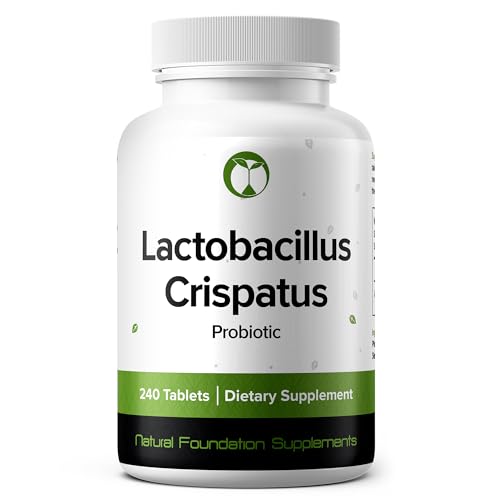
Best-selling Supplements for Salivary Function




Article Sources
At AncientHerbsWisdom, our content relies on reputable sources, including peer-reviewed studies, to substantiate the information presented in our articles. Our primary objective is to ensure our content is thoroughly fact-checked, maintaining a commitment to accuracy, reliability, and trustworthiness.
- Sangiovanni, E., Brivio, P., Dell’Agli, M., & Calabrese, F. (2017). Botanicals as Modulators of Neuroplasticity: Focus on BDNF. Neural Plasticity, 2017, 5965371. https://doi.org/10.1155/2017/5965371
- Bone, K., & Mills, S. (2013). Principles and Practice of Phytotherapy: Modern Herbal Medicine (2nd ed.). Elsevier Health Sciences.
- Blumenthal, M., Goldberg, A., & Brinckmann, J. (2000). Herbal Medicine: Expanded Commission E Monographs. American Botanical Council.
- Fugh-Berman, A., & Ernst, E. (2001). Herbal Medicines: Toxicity and Adverse Effects. British Journal of Clinical Pharmacology, 52(3), 251–262. https://doi.org/10.1046/j.1365-2125.2001.01475.x
- Wachtel-Galor, S., & Benzie, I. F. F. (2011). Herbal Medicine: Biomolecular and Clinical Aspects (2nd ed.). CRC Press.
- Chandrasekaran, A., & Sathasivam, K. (2018). Medicinal uses of Aloe vera in traditional and modern medicine. Journal of Herbal Medicine, 12, 1–10. https://doi.org/10.1016/j.hermed.2018.03.001
- Cao, J., He, X., & Zhang, L. (2019). Bioactive compounds from Reishi mushroom (Ganoderma lucidum) and their health-promoting effects. Food & Function, 10(4), 1975–1987. https://doi.org/10.1039/c8fo02467j
- Zhang, M., Lin, Z., & Wang, Q. (2020). Chaga (Inonotus obliquus) and its bioactive compounds: A review on pharmacological activities. Food & Function, 11(5), 4080–4094. https://doi.org/10.1039/d0fo00855k
- Plumb, G. W., & Price, K. R. (2003). Bioactive components of Licorice root (Glycyrrhiza glabra) and their pharmacological effects. Phytotherapy Research, 17(9), 904–915. https://doi.org/10.1002/ptr.1276
- Singh, S., & Pandey, A. (2016). Ginger (Zingiber officinale) in traditional medicine and modern research: A review. Journal of Herbal Medicine, 6(3), 91–101. https://doi.org/10.1016/j.hermed.2016.05.001
- Ali, B., Al-Wabel, N., Shams, S., et al. (2015). Fennel (Foeniculum vulgare Mill.) essential oil: Composition, antioxidant, antimicrobial and anti-inflammatory activities. Journal of Food Science and Technology, 52(7), 3587–3595. https://doi.org/10.1007/s13197-014-1520-3
- Prakash, P., & Gupta, N. (2005). Therapeutic uses of Tulsi (Ocimum sanctum Linn.) with a note on eugenol and its pharmacological actions: A short review. Indian Journal of Physiology and Pharmacology, 49(2), 125–131.

- Nectarine: Stone Fruit for Heart Health and Antioxidants - March 8, 2026
- Peach: Hydrating Fruit for Skin Health and Digestion - March 8, 2026
- Plum: Fiber-Rich Fruit for Digestion and Heart Health - March 8, 2026
