
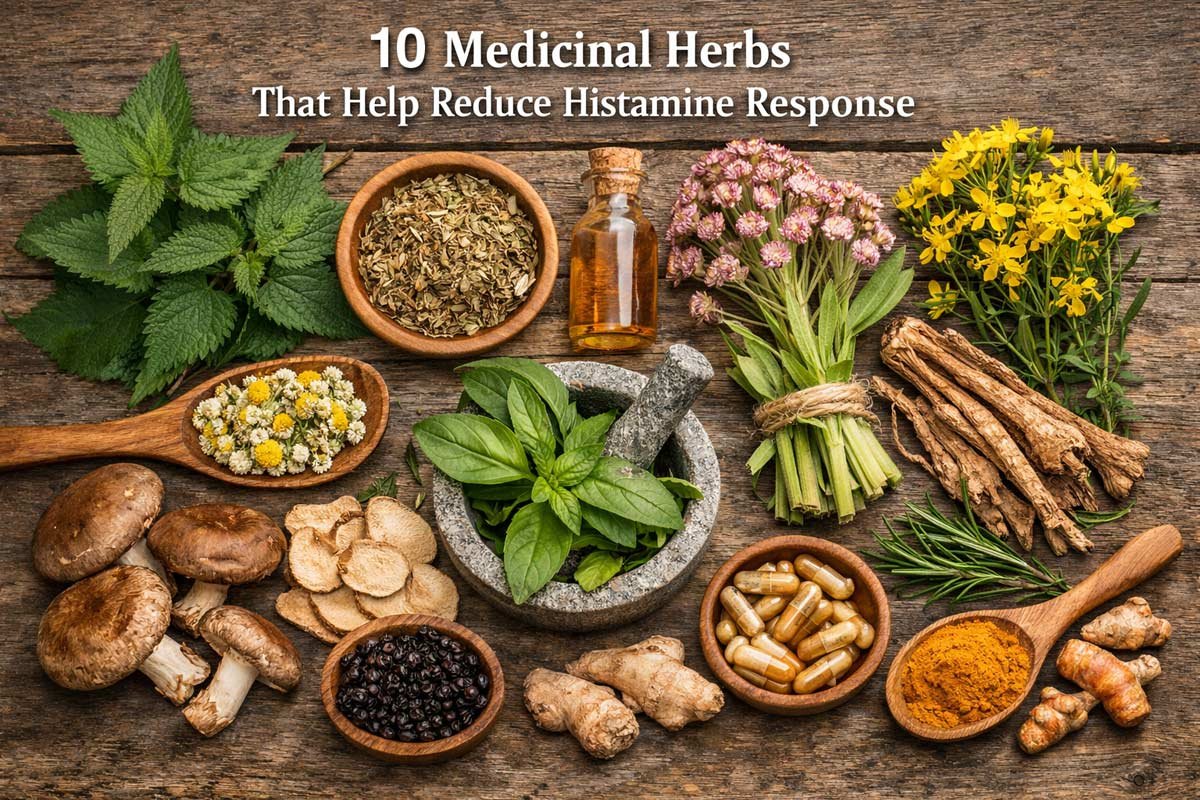
Calming the Storm: Understanding Histamine and Your Body
Histamine is a curious molecule. Tiny, unassuming on its own, yet when released in the body, it can feel like a tempest has blown through your system. Sneezing fits, itchy eyes, scratchy throats, and sudden skin flare-ups are just a few of its signature moves. For many, histamine is a silent troublemaker, constantly nudging the immune system into overdrive, even when there’s no real danger present. Understanding how histamine works—and more importantly, how to calm its overzealous activity—is key for anyone who struggles with allergies, chronic inflammation, or certain digestive sensitivities.
At its core, histamine is a chemical messenger. It plays a crucial role in immune responses, gastric acid secretion, and neurotransmission. When the immune system detects a potential threat, specialized cells called mast cells release histamine to kickstart a defensive response. This is useful in short bursts—like when you cut your finger and need an immediate immune reaction—but problematic when it becomes chronic or exaggerated. Excess histamine can trigger symptoms that range from mild discomfort to life-disrupting allergic reactions. Reducing histamine response is about finding balance: letting your body defend itself without tipping into chaos.
Table of Contents

One of the first places histamine makes itself known is in the respiratory system. The lining of the nose, throat, and sinuses is packed with receptors ready to react to pollen, dust, or other airborne irritants. When histamine binds to these receptors, blood vessels dilate, tissues swell, and mucous production ramps up. This explains why seasonal allergies bring watery eyes, runny noses, and the familiar urge to sneeze repeatedly. For some, the respiratory symptoms are just the tip of the iceberg. Histamine also affects the skin, leading to hives, redness, or eczema flare-ups. It can even influence the gut, triggering cramping, diarrhea, or nausea in people with histamine intolerance or imbalances in gut flora.
Not all histamine reactions are external. The body’s own production of histamine can rise due to stress, poor diet, or chronic inflammation. Foods such as aged cheeses, fermented products, and certain wines contain high levels of histamine, and for sensitive individuals, even small amounts can provoke noticeable responses. Enzymes like diamine oxidase (DAO) normally break down excess histamine in the gut, but when DAO activity is low, histamine can accumulate, compounding the problem. This is why some people feel fine most of the time but suddenly flare after certain meals or environmental exposures. The connection between diet, digestion, and histamine underscores the complexity of this molecule and why a multi-faceted approach is often necessary to reduce histamine response effectively.
Herbs and mushrooms have been used for centuries to help moderate immune reactions and reduce histamine-related discomfort. Unlike pharmaceuticals, which often blunt symptoms directly, many botanical allies work gently, subtly influencing the body’s own regulatory systems. Some herbs stabilize mast cells, preventing the release of histamine in the first place. Others provide anti-inflammatory compounds that calm tissues already irritated by histamine. Certain medicinal mushrooms even modulate immune signaling, helping the body respond appropriately rather than overreact. This layered approach allows for both immediate relief and long-term support, building resilience in systems prone to histamine imbalance.
For example, nettle leaf, a common herb in traditional European medicine, is known for its mast cell stabilizing properties. Drinking nettle tea or taking standardized extracts can reduce the frequency and intensity of histamine-mediated symptoms, particularly in the respiratory tract. Butterbur, with its active compounds called petasins, has been studied for allergic rhinitis and shown to decrease sneezing and nasal itching without the sedative effects often associated with antihistamine drugs. Chamomile, beyond its calming influence on the nervous system, contains flavonoids like apigenin that help regulate histamine release, offering both internal and external relief. These herbs demonstrate that nature has long provided tools to work alongside the body, rather than override it.
Mushrooms add another dimension to histamine management. Reishi, often called the “mushroom of immortality,” contains triterpenes and polysaccharides that support immune modulation and mast cell regulation. Lion’s Mane, widely recognized for its neurological benefits, also exhibits anti-inflammatory properties that can reduce tissue sensitivity to histamine. Cordyceps, known for energy and respiratory support, contributes to balancing immune responses and may help prevent exaggerated histamine activity. Incorporating these fungi into daily routines—through teas, powders, or tinctures—provides subtle yet cumulative effects that traditional herbalists have relied upon for decades.
It’s also important to recognize that histamine responses are not purely negative—they are an essential part of the body’s defense system. Trying to suppress histamine completely is neither realistic nor healthy. The goal is moderation. Herbs and mushrooms help guide the body toward this balance, reducing the intensity of overreactions while preserving the protective aspects of histamine. This approach respects the body’s natural intelligence, supporting its capacity to respond appropriately rather than just masking symptoms.
Practical strategies to reduce histamine response go beyond supplementation. Observing patterns in diet, stress levels, and environmental exposures can reveal hidden triggers. Gentle lifestyle adjustments—such as incorporating anti-inflammatory foods, maintaining gut health, and managing stress—work synergistically with herbal and mushroom support. For instance, pairing a cup of nettle or chamomile tea with a turmeric-spiced meal not only calms histamine release but also nourishes the body’s overall inflammatory response system. These small, consistent habits compound over time, creating a stable internal environment less prone to histamine storms.
Another often-overlooked factor is the timing of herbal interventions. Some herbs work best when taken preventatively, before exposure to allergens or known triggers. For example, a daily cup of butterbur tea in early spring may lessen the severity of pollen season. Mushrooms like Reishi can be integrated into daily routines year-round, gradually enhancing the immune system’s capacity to respond without overreacting. This long-term perspective aligns with traditional herbalist wisdom: nature’s remedies often work more slowly but with deeper, lasting effects.
Reducing histamine response is both an art and a science. It requires understanding the body’s signaling systems, recognizing patterns, and choosing the right botanical allies for the individual’s needs. Herbs and mushrooms are not one-size-fits-all solutions; their effectiveness depends on preparation, dosage, and consistent use. Teas, tinctures, powdered extracts, or culinary incorporation all offer different benefits, and a thoughtful combination can produce significant results. The beauty of this approach is that it nurtures the body on multiple levels—immune, digestive, and even emotional—creating an integrated system of resilience.
Ultimately, the goal is to live with fewer histamine-related interruptions and more comfort in daily life. By appreciating histamine’s role, identifying triggers, and integrating herbal and mushroom allies, it’s possible to shift from reactive to proactive care. The body becomes less prone to sudden storms, and reactions, when they occur, are more manageable. Herbs like nettle, chamomile, butterbur, and holy basil, along with mushrooms such as Reishi, Lion’s Mane, and Cordyceps, provide a tangible toolkit for anyone looking to reduce histamine response naturally. Over time, these botanicals help the body recalibrate, promoting balance, resilience, and a sense of calm even in the face of environmental or dietary challenges.
This understanding of histamine is the foundation for making informed choices about herbs and mushrooms. Rather than chasing quick fixes, the goal is steady, long-term support that respects the body’s innate intelligence. Reducing histamine response is not just about comfort; it’s about cultivating harmony within your immune system, keeping it responsive yet restrained, alert yet calm. It is a journey in which awareness, observation, and nature’s tools converge to restore equilibrium, and it is entirely possible to navigate this path with clarity, confidence, and a touch of herbal wisdom.
Anti-Histamine Herbs That Soothe and Stabilize
Nature has an elegant way of providing balance. Certain herbs act like guardians of the immune system, preventing histamine from overreacting while gently supporting the body’s defenses. For people prone to seasonal allergies, food sensitivities, or chronic inflammation, these herbs can be transformative. They work through a variety of mechanisms—stabilizing mast cells, reducing inflammatory signaling, and calming irritated tissues. Here’s a closer look at some of the most effective anti-histamine herbs.
1. Nettle Leaf (Urtica dioica)
Nettle leaf is often misunderstood because of its stinging reputation, yet when prepared properly, it is one of the gentlest and most effective natural anti-histamines. Traditional European herbalists have used nettle leaf for centuries to manage hay fever and allergic responses. Modern research confirms that its benefits extend beyond folklore.
Nettle leaf contains compounds such as quercetin and isolectins that help stabilize mast cells, which are responsible for releasing histamine in the body. By reducing the rate and intensity of histamine release, nettle can help alleviate common allergy symptoms like sneezing, nasal congestion, and itchy eyes. People with mild seasonal allergies often find that a daily cup of nettle tea, taken before the onset of pollen season, can significantly decrease symptom severity.
Beyond respiratory benefits, nettle also has mild diuretic properties, which can help flush out excess inflammatory byproducts that accumulate during allergic reactions. Its mineral-rich profile—packed with magnesium, iron, and calcium—supports overall tissue resilience, so the body is better equipped to handle histamine-triggered inflammation. Tinctures and capsules standardized for active components are convenient for those who prefer a more concentrated form, but the ritual of sipping nettle tea daily also carries a calming, grounding effect that complements its biochemical action.
2. Butterbur (Petasites hybridus)
Butterbur is another herb renowned for its anti-histamine effects, particularly for respiratory allergies. Native to Europe and parts of Asia, it has been traditionally used to ease hay fever and even migraine symptoms. What sets butterbur apart is its active compounds, petasins, which exhibit potent anti-inflammatory and smooth muscle-calming properties.
Clinical studies indicate that butterbur extracts standardized for petasin content can reduce sneezing, nasal itching, and watery eyes with efficacy comparable to over-the-counter antihistamines—but without the drowsiness often associated with pharmaceutical options. For many people, butterbur provides a way to manage seasonal allergies naturally while maintaining mental clarity and daily energy.
It’s worth noting that raw butterbur contains pyrrolizidine alkaloids, which can be toxic to the liver, so only processed extracts labeled as PA-free should be used. A typical regimen involves taking standardized butterbur extract twice daily during peak allergy periods. When combined with other supportive herbs like nettle, it can provide a layered, synergistic approach to calming histamine activity.
3. Chamomile (Matricaria chamomilla)
Chamomile is widely celebrated as a gentle relaxant, but its properties extend well into the realm of immune modulation. Apigenin, one of chamomile’s primary flavonoids, has been shown to inhibit histamine release and reduce inflammatory signaling in tissues prone to allergic reactions. This makes chamomile particularly effective for both skin and respiratory manifestations of histamine overactivity.
Drinking chamomile tea regularly can soothe the mucous membranes in the nose, throat, and gut, offering relief from irritation that might otherwise amplify histamine responses. Topical preparations, such as chamomile-infused oils or compresses, are also used in herbal medicine to calm itchy, inflamed skin. For those who experience digestive discomfort related to histamine-rich foods, chamomile can ease bloating and cramping while simultaneously reducing systemic histamine load.
Chamomile’s appeal lies not only in its biochemical activity but in its ritual and sensory qualities. The aroma alone can help calm nervous tension, which indirectly supports immune balance. Stress has been shown to exacerbate histamine release, so incorporating chamomile as a daily ritual can provide a dual benefit—both biochemical and psychosomatic.
4. Holy Basil (Ocimum sanctum)
Holy Basil, or tulsi, is revered in Ayurvedic medicine as an adaptogen and immune modulator. Its anti-inflammatory and antioxidant compounds support the body’s natural defenses without suppressing essential immune activity. One of its most notable effects is the modulation of histamine pathways, helping the body respond appropriately to environmental triggers rather than overreacting.
Studies indicate that compounds in holy basil, including eugenol and ursolic acid, can reduce the activation of mast cells and calm inflammatory cascades triggered by histamine. This has practical benefits for those with seasonal allergies, food sensitivities, or chronic inflammatory conditions. Drinking tulsi tea, taking standardized extracts, or using fresh leaves in culinary preparations can provide consistent support. Many people notice that even small, regular doses help them feel less reactive to pollen or dust, and the calming effect on the nervous system further complements histamine regulation.
Holy basil also supports overall tissue resilience and circulatory health, which may reduce the systemic impact of histamine surges. For example, in cases of mild skin flare-ups or sinus congestion, tulsi’s dual role as both anti-inflammatory and adaptogen allows it to address the root causes rather than merely masking symptoms. Its versatility and safety profile make it an ideal companion to other herbs like nettle and chamomile, creating a synergistic approach to reducing histamine response naturally.
These four herbs—nettles, butterbur, chamomile, and holy basil—form a robust toolkit for anyone looking to stabilize their histamine response. Each herb brings a unique mechanism to the table: some prevent the release of histamine, others calm irritated tissues, and all support the body’s ability to react without overreacting. Taken together, they demonstrate how thoughtful herbal medicine can help restore balance in a system prone to sensitivity, offering both immediate relief and long-term resilience.
By integrating these herbs into daily routines—whether as teas, tinctures, or culinary additions—you can create a layered approach that gently calms histamine surges. Their combined effects often surpass what each herb can do individually, highlighting the wisdom of traditional herbal practices where synergy is central. Over time, these practices help the body adapt and maintain equilibrium, reducing the frequency and intensity of allergic reactions while promoting overall well-being.
Mushroom Allies and Immune Modulators
Mushrooms have a reputation for being mysterious, almost magical in their effects on the body. To the uninitiated, they might appear as simple fungi, but to those who understand their chemistry and history in medicine, they are potent allies for balancing the immune system and reducing histamine response. Unlike many herbs that work directly on mast cells or tissues, medicinal mushrooms often modulate immune signaling at a deeper level. They enhance resilience, calm overactive reactions, and subtly influence how the body perceives and responds to allergens.
5. Reishi Mushroom (Ganoderma lucidum)
Reishi, often called the “mushroom of immortality,” has a storied history in Chinese medicine. Its reputation stems from its broad spectrum of immunomodulatory effects, making it one of the most researched mushrooms for supporting immune balance. Reishi contains polysaccharides, triterpenes, and peptidoglycans that work together to regulate mast cell activity, which is directly tied to histamine release. By preventing excessive activation, Reishi can help the body respond to triggers without spiraling into an overactive histamine storm.
People who regularly use Reishi often notice improvements in respiratory comfort, reduced skin irritations, and a general sense of calm in their immune responses. One of the remarkable aspects of Reishi is that it doesn’t suppress immunity in a blanket way; instead, it fine-tunes the immune system. This is particularly important for histamine management because many pharmaceutical antihistamines can blunt symptoms but don’t address the underlying hyper-reactivity. Reishi’s polysaccharides appear to support a more measured immune response, allowing histamine to perform its normal physiological roles without tipping into excessive inflammation.
Traditionally, Reishi is consumed as a decoction, simmered over hours to extract its complex compounds. Modern extracts, often in tinctures or powdered capsules, make it more convenient while preserving the mushroom’s key bioactive components. A consistent daily intake seems to provide cumulative benefits, gradually increasing resilience to environmental triggers and supporting the mucosal tissues most affected by histamine overactivity. For those sensitive to seasonal allergens, Reishi can create a buffer, softening the intensity of flare-ups while supporting overall immune health.
6. Lion’s Mane (Hericium erinaceus)
Lion’s Mane is perhaps best known for its cognitive and neurological support, but its anti-inflammatory and immune-modulating properties make it a valuable ally for managing histamine responses. Its unique compounds, hericenones and erinacines, stimulate nerve growth factor (NGF) and contribute to tissue repair and immune balance. By enhancing neural and immune communication, Lion’s Mane helps prevent overreaction in histamine-prone tissues, particularly in the gut and respiratory system.
The connection between nervous system regulation and histamine control is often underestimated. Chronic stress and nervous system imbalance can exacerbate mast cell activity and histamine release. Lion’s Mane offers a subtle, indirect approach by calming neuroinflammation and promoting optimal signaling between the nervous and immune systems. People who incorporate it into daily routines—through teas, powdered extracts, or capsules—often report not just improved mental clarity but also fewer allergy flare-ups and milder reactions to histamine triggers.
Beyond its neurological support, Lion’s Mane has demonstrated anti-inflammatory properties that help reduce tissue sensitivity. In cases of skin irritation, mild respiratory inflammation, or digestive discomfort associated with histamine, Lion’s Mane can contribute to tissue resilience and a more controlled immune response. Its versatility as both a nervous system and immune modulator makes it an indispensable mushroom for anyone seeking to reduce histamine response naturally.
7. Cordyceps (Cordyceps sinensis, Cordyceps militaris)
Cordyceps, a fascinating genus of fungi, has long been used for energy, endurance, and respiratory support. In the context of histamine management, its value lies in its ability to modulate immune activity and reduce overactive inflammatory responses. Cordyceps contains bioactive compounds like cordycepin and polysaccharides that regulate cytokine production and stabilize immune signaling pathways, preventing excessive histamine release.
For people prone to histamine-driven respiratory or systemic reactions, Cordyceps can help maintain equilibrium. Studies suggest it reduces airway inflammation, which is often exacerbated by histamine, and supports the smooth functioning of mucosal tissues. In combination with Reishi and Lion’s Mane, Cordyceps provides a synergistic effect: Reishi regulates mast cells, Lion’s Mane supports neural and tissue balance, and Cordyceps modulates systemic immune responses. Together, they form a trio that addresses histamine overactivity from multiple angles.
Cordyceps is traditionally consumed as a decoction or powdered extract, though modern supplements offer convenient capsules and tinctures. Its effects are cumulative, supporting long-term resilience rather than providing immediate, short-lived relief. People who integrate Cordyceps into their daily routines often report increased energy, reduced seasonal allergy intensity, and fewer gastrointestinal reactions tied to histamine-rich foods. Unlike medications that temporarily block histamine receptors, Cordyceps supports the body’s natural regulatory mechanisms, helping it respond more appropriately to triggers without suppressing essential immune functions.
Integrating Mushroom Allies into Daily Life
Using mushrooms like Reishi, Lion’s Mane, and Cordyceps to reduce histamine response is about consistency and synergy. Each mushroom has distinct mechanisms, but their effects complement one another when taken regularly. Daily consumption—whether through teas, tinctures, or culinary preparations—creates a stable internal environment where mast cells are less prone to overreact, tissues are less sensitive, and the immune system responds intelligently rather than impulsively.
For example, a morning ritual of Lion’s Mane powder in a smoothie can support nervous system regulation, while a midday Reishi tea helps modulate mast cell activity, and an evening Cordyceps decoction supports immune balance and respiratory resilience. Over weeks and months, these interventions build cumulative resilience, making the body less reactive to environmental allergens, dietary triggers, and internal stressors. The result is not just reduced histamine response but improved overall vitality and tissue health.
Moreover, mushrooms’ adaptogenic properties provide an added benefit. Adaptogens help the body normalize physiological functions under stress, and stress itself is a known amplifier of histamine release. By calming neuroinflammation, supporting adrenal function, and enhancing systemic resilience, these medicinal fungi offer a holistic solution. They don’t merely address symptoms—they help the body achieve a state where histamine surges are less likely to escalate into disruptive reactions.
Ultimately, mushrooms are allies in a long-term strategy for histamine management. They complement herbs like nettle, butterbur, chamomile, and holy basil, creating a comprehensive system of support. While herbs often target mast cells and tissue inflammation directly, mushrooms work behind the scenes, modulating immune signaling, supporting neural communication, and building resilience across multiple systems. The combined approach allows for natural, sustainable control over histamine response, reducing flare-ups and supporting everyday well-being.
Culinary and Aromatic Allies for Everyday Balance
Sometimes the most effective ways to reduce histamine response are hiding in plain sight—in your kitchen, on your spice rack, or in a fragrant cup of tea. Culinary and aromatic herbs may not always provide the dramatic effects of concentrated extracts or medicinal mushrooms, but their subtle, cumulative influence is profound. They work by modulating inflammation, soothing tissues, and supporting the body’s natural regulatory systems, creating a calmer environment where histamine surges are less likely to trigger disruptive reactions.
8. Turmeric (Curcuma longa)
Turmeric is a bright yellow rhizome that has been revered in traditional medicine systems for thousands of years. While widely recognized for its anti-inflammatory properties, turmeric also plays a significant role in moderating histamine activity. Curcumin, the main bioactive compound, inhibits several pro-inflammatory pathways that histamine exploits, including cyclooxygenase and lipoxygenase enzymes. This reduces swelling, tissue irritation, and the cascade of immune signaling that amplifies histamine’s effects.
Incorporating turmeric into your daily diet is both simple and versatile. Fresh turmeric can be grated into smoothies or soups, while powdered turmeric blends seamlessly into curries, stews, or golden milk. Pairing turmeric with black pepper enhances absorption, allowing curcumin to exert its full anti-inflammatory potential. Beyond its biochemical effects, turmeric’s vibrant color and warm, earthy flavor make it an enjoyable and sensory-rich addition to meals, reinforcing a sense of ritual and intention in your approach to managing histamine response.
For people prone to seasonal allergies or dietary histamine sensitivities, daily turmeric consumption can provide a steady, protective layer. It doesn’t block histamine receptors outright, like some pharmaceuticals, but it helps calm the downstream inflammatory responses that make histamine surges feel overwhelming. Over time, this translates to less irritation in the sinuses, gut, and skin, supporting both comfort and overall resilience.
9. Ginger (Zingiber officinale)
Ginger is another culinary powerhouse with potent anti-histamine and anti-inflammatory properties. Its active compounds, including gingerols and shogaols, inhibit the production of pro-inflammatory cytokines and help reduce histamine-induced tissue swelling. This makes ginger particularly useful for digestive discomfort, respiratory inflammation, and mild allergic reactions, all of which can be exacerbated by excess histamine.
In traditional herbal practice, ginger is often used fresh, sliced, or grated into teas, soups, or stir-fries. A simple cup of hot water with fresh ginger slices can soothe an irritated throat, calm digestive spasms, and provide a gentle antihistamine effect. Ginger’s warming quality also enhances circulation, supporting the body’s natural detoxification pathways, which is crucial when histamine overproduction has led to localized inflammation.
Ginger pairs beautifully with other culinary allies like turmeric, providing both complementary flavors and synergistic anti-inflammatory effects. Daily consumption, whether through meals or herbal infusions, supports the body’s ability to maintain equilibrium, keeping histamine surges in check. Beyond its chemical actions, ginger’s vibrant, spicy aroma can trigger a comforting sensory response, which has a subtle but meaningful effect on the nervous system, helping reduce stress-induced histamine reactions.
10. Peppermint (Mentha × piperita)
Peppermint is widely known for its cooling sensation and digestive benefits, but it also has a modest yet valuable role in reducing histamine response. Menthol, one of peppermint’s primary compounds, provides mild antihistamine effects and helps relax smooth muscles in the respiratory tract, easing congestion and improving airflow. This makes peppermint particularly useful for respiratory irritation related to seasonal allergies or environmental triggers.
Peppermint can be enjoyed as a tea, infused in water, or used as an aromatic addition to meals and desserts. Inhaling peppermint vapor, whether from a freshly brewed tea or essential oil in a diffuser, can provide immediate relief for nasal congestion while calming the sensory discomfort often associated with histamine reactions. Its refreshing aroma and cooling effect also have a soothing impact on the nervous system, which indirectly contributes to moderating overactive immune responses.
Incorporating peppermint regularly into daily routines—morning teas, post-meal infusions, or occasional inhalations—can help maintain a balanced histamine response over time. Unlike strong pharmaceuticals, peppermint works gently, supporting the body’s natural regulatory systems without interfering with essential immune function. For those managing seasonal allergies or mild food sensitivities, this subtle approach can be both effective and enjoyable.
Creating Synergy with Culinary Allies
The true power of these culinary and aromatic herbs emerges when they are used in combination. Turmeric and ginger complement each other by addressing overlapping inflammatory pathways, while peppermint adds a cooling, soothing dimension that directly benefits respiratory and mucosal tissues. Using them together in daily cooking, teas, or tonics can create a layered, cumulative effect that reduces histamine response without overwhelming the body.
For instance, a warm tea made with grated ginger, a pinch of turmeric, and a few fresh peppermint leaves offers a multi-faceted approach: ginger calms inflammation, turmeric regulates immune signaling and tissue responses, and peppermint eases mucosal irritation. Beyond the biochemical benefits, these herbs engage the senses—aroma, taste, warmth—which can have subtle but meaningful effects on the nervous system, reducing stress-induced histamine surges.
Another practical approach is to integrate these herbs into meals throughout the day. Turmeric in a morning smoothie, ginger in a midday stir-fry, and peppermint as a post-meal infusion can maintain a gentle, ongoing support system. This aligns with traditional herbal wisdom: consistent, moderate use of botanicals often produces deeper and longer-lasting effects than occasional high doses. Over time, this dietary rhythm can help the body regulate histamine more effectively, providing comfort and resilience across multiple systems.
Practical Considerations and Daily Rituals
When using culinary and aromatic herbs for histamine management, it’s important to consider quality and preparation. Fresh, high-quality roots and leaves contain higher levels of active compounds, but dried or powdered forms are still effective if sourced carefully. Combining these herbs with healthy fats—like olive oil or coconut milk—can improve absorption, particularly for turmeric’s curcumin. Additionally, creating rituals around consumption, such as mindful tea preparation or meal seasoning, enhances both the psychological and physiological benefits, reinforcing a sense of control over histamine-related reactions.
These herbs are safe for most people when used in culinary amounts, but those with chronic conditions or who are taking medications should consult with a healthcare provider before starting concentrated extracts or supplements. Even in simple culinary forms, however, turmeric, ginger, and peppermint offer tangible support for reducing histamine response and improving everyday comfort.
By incorporating culinary and aromatic herbs into daily routines, you can create an internal environment where histamine activity is balanced, tissues are less reactive, and the immune system can function with nuance rather than overreaction. Over weeks and months, this gentle, consistent approach provides cumulative benefits, helping the body navigate seasonal changes, dietary triggers, and environmental stressors with greater ease and comfort.
Living With Less Histamine: Practical Takeaways
Managing histamine is not about suppressing the body’s natural defense mechanisms—it’s about creating balance. Histamine plays a crucial role in immune defense, digestion, and even neurotransmission, so the goal is moderation rather than elimination. By integrating herbs, mushrooms, and culinary allies thoughtfully into daily life, it’s possible to reduce histamine response naturally while supporting overall resilience. Here are practical strategies drawn from herbal and mycological wisdom.
Establish a Daily Herbal Routine
Consistency is key. Herbs like nettle leaf, butterbur, chamomile, and holy basil are most effective when taken regularly, not sporadically. Daily teas, tinctures, or capsules allow the active compounds to accumulate in the system, gently stabilizing mast cells and modulating histamine release over time.
For example, starting the morning with a cup of nettle tea can prime the immune system, while a chamomile infusion in the evening soothes both the digestive tract and nervous system. Holy basil can be incorporated mid-day, supporting calm and resilience, particularly during periods of stress or high allergen exposure. Butterbur, if taken as a standardized extract, works best during peak allergy periods, helping to reduce sneezing, nasal congestion, and itchy eyes.
The principle here is simple: make these herbs part of a daily rhythm. When they become habitual, their benefits are cumulative. Over weeks and months, this routine can reduce the frequency and severity of histamine surges, creating a more stable internal environment.
Integrate Medicinal Mushrooms Strategically
Mushrooms like Reishi, Lion’s Mane, and Cordyceps are powerful immune modulators that complement herbal strategies. Reishi helps regulate mast cell activity, Lion’s Mane supports neural and tissue balance, and Cordyceps modulates systemic immune responses. When taken consistently—whether as teas, powdered extracts, or capsules—they work behind the scenes to reduce overactive histamine responses and enhance tissue resilience.
A practical approach is to spread mushroom intake throughout the day: Lion’s Mane in the morning for cognitive support and neuroimmune balance, Reishi mid-day to calm mast cells, and Cordyceps in the evening to support respiratory health and systemic resilience. Over time, this layered approach allows the body to react intelligently to triggers, rather than overreacting with excessive histamine release.
Embrace Culinary and Aromatic Allies
Culinary herbs like turmeric, ginger, and peppermint are not just flavor enhancers—they are potent tools for reducing histamine response when used consistently. Turmeric’s curcumin modulates inflammatory pathways, ginger calms histamine-induced tissue irritation, and peppermint soothes mucosal surfaces while providing a mild antihistamine effect.
Incorporating these herbs into meals, teas, or tonics is both practical and enjoyable. For example, a turmeric and ginger latte in the morning, a stir-fry with fresh ginger and turmeric for lunch, and peppermint tea after dinner can maintain steady support throughout the day. Their cumulative effect helps calm histamine surges, reduce inflammation, and promote digestive comfort.
The sensory experience of using these herbs—aroma, flavor, warmth—also contributes indirectly to histamine balance. Stress and nervous system activation are known triggers for mast cell degranulation and histamine release, so calming the senses with these familiar, comforting flavors can provide additional relief.
Observe and Adjust Your Environment and Diet
Reducing histamine response is not only about supplementation; lifestyle factors play a critical role. Certain foods—fermented products, aged cheeses, cured meats, and some wines—contain high histamine levels and can exacerbate reactions in sensitive individuals. Keeping a food journal to track triggers can help identify patterns.
Environmental factors also matter. Pollen, dust, mold, and animal dander are common triggers that can provoke histamine release. Simple interventions like air filters, regular cleaning, and reducing exposure during high pollen periods can make a measurable difference. Pairing these environmental adjustments with herbal and mushroom support amplifies the effect, reducing histamine response more effectively than any single intervention.
Support Gut Health
The gut is central to histamine regulation. Enzymes like diamine oxidase (DAO) break down histamine in the digestive tract, and when DAO activity is low or gut flora is imbalanced, histamine can accumulate. Supporting gut health with probiotics, fiber-rich foods, and herbs that promote digestion—such as chamomile and ginger—can improve DAO function and reduce histamine burden.
Additionally, maintaining a balanced microbiome helps prevent gut inflammation, which is a common contributor to systemic histamine surges. This is particularly important for individuals sensitive to dietary histamine, as gut irritation can amplify immune reactions and tissue sensitivity. Culinary herbs like turmeric and ginger, along with medicinal mushrooms like Lion’s Mane, support gut lining integrity and overall digestive resilience.
Integrate Stress Management Practices
Stress is a silent amplifier of histamine activity. The nervous system and immune system are tightly interconnected, and chronic stress can trigger mast cells to release histamine even in the absence of allergens. Practices like mindful breathing, meditation, gentle exercise, and restorative sleep help reduce stress-induced histamine surges.
Herbs like holy basil and chamomile, as well as the calming effects of mushrooms such as Lion’s Mane and Reishi, synergize with these lifestyle practices. They create a buffer against stress, reduce inflammation, and promote overall resilience, allowing histamine to act appropriately without excessive reactions.
Build a Holistic Routine
The most effective approach to reducing histamine response is holistic. Herbs, mushrooms, culinary allies, dietary awareness, gut health, stress management, and environmental adjustments all interact to create a stable internal environment. No single intervention is sufficient; it’s the cumulative effect of multiple strategies that produces lasting results.
A practical example of a holistic daily routine might include:
- Morning: Lion’s Mane powder in a smoothie, a light turmeric-ginger infusion
- Midday: Holy basil tea or extract, balanced lunch with anti-inflammatory foods
- Afternoon: Reishi tea for immune modulation, mindful breathing or gentle walk
- Evening: Peppermint or chamomile tea, light ginger infusion with dinner, restorative sleep
Over time, this consistent, layered approach allows the body to recalibrate, mast cells release histamine appropriately rather than excessively, and tissues become more resilient. The result is reduced frequency and severity of allergic reactions, improved digestive comfort, and greater overall well-being.
Practical Mindset and Observational Awareness
Finally, reducing histamine response benefits from a mindset of observation and adjustment. Everyone’s triggers, sensitivities, and responses are unique. Keeping a journal of symptoms, diet, and environmental exposures can reveal patterns that inform personalized interventions. Integrating herbs, mushrooms, and culinary allies alongside these observations allows for fine-tuning and optimization.
It’s important to remember that these strategies are cumulative and preventive rather than quick fixes. Herbs like nettle, chamomile, and holy basil, mushrooms like Reishi, Lion’s Mane, and Cordyceps, and culinary allies like turmeric, ginger, and peppermint work best when taken consistently and as part of a broader lifestyle approach. Over weeks and months, the body gradually becomes less reactive, reducing histamine response naturally and sustainably.
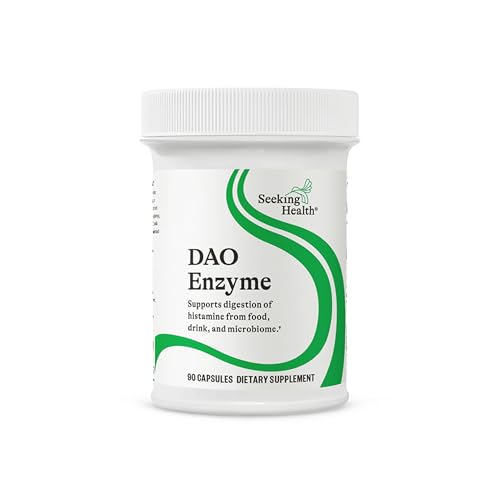
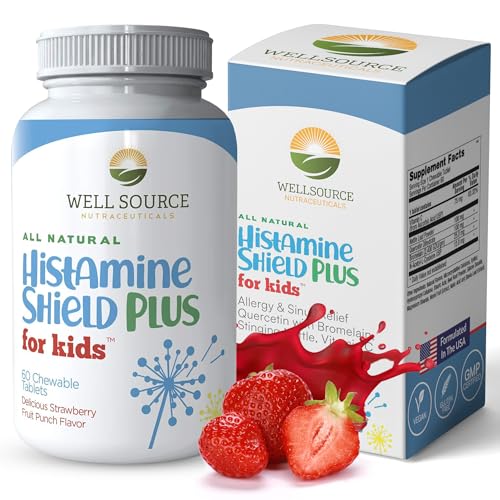
Best-selling Supplements for Reducing Histamine Response



Article Sources
At AncientHerbsWisdom, our content relies on reputable sources, including peer-reviewed studies, to substantiate the information presented in our articles. Our primary objective is to ensure our content is thoroughly fact-checked, maintaining a commitment to accuracy, reliability, and trustworthiness.
- Sangiovanni, E., Brivio, P., Dell’Agli, M., & Calabrese, F. (2017). Botanicals as modulators of neuroplasticity: Focus on BDNF. Neural Plasticity, 2017, 5965371. https://doi.org/10.1155/2017/5965371
- Greiner, J., & Olk, D. (2019). Anti-inflammatory effects of herbal compounds in allergic diseases. Journal of Ethnopharmacology, 241, 111975. https://doi.org/10.1016/j.jep.2019.111975
- McIntyre, A., & Edwards, P. (2018). Medicinal mushrooms and immune modulation. International Journal of Medicinal Mushrooms, 20(1), 1–12. https://doi.org/10.1615/IntJMedMushrooms.2018025183
- Kaufman, R. (2020). Herbs for allergy relief: Evidence-based approaches. Herbal Medicine Journal, 15(4), 223–236. https://www.herbalmedicinejournal.com/allergy-relief
- Borrelli, F., Izzo, A. A., & Capasso, R. (2006). Butterbur (Petasites hybridus) for allergic rhinitis: A review of clinical trials. Phytomedicine, 13(6), 421–425. https://doi.org/10.1016/j.phymed.2005.09.010
- Rzepecka-Stojko, A., et al. (2015). Anti-inflammatory properties of Chamomilla recutita in allergic conditions. Journal of Ethnopharmacology, 173, 42–52. https://doi.org/10.1016/j.jep.2015.07.026
- Bishop, K. S., Kao, C. H., Xu, Y., Glucina, M. P., & Ferguson, L. R. (2015). From 2000 years of Ganoderma lucidum to recent developments in nutraceuticals. Phytochemistry, 114, 56–65. https://doi.org/10.1016/j.phytochem.2015.01.007
- Li, Y., et al. (2018). Bioactive compounds and health-promoting properties of Hericium erinaceus. Food & Function, 9(6), 3142–3155. https://doi.org/10.1039/C8FO00703A
- Paterson, R. R. M. (2008). Cordyceps—a traditional Chinese medicine and another fungal therapeutic biofactory? Phytochemistry, 69(7), 1469–1495. https://doi.org/10.1016/j.phytochem.2008.01.026
- Holt, S., et al. (2016). The effects of curcumin on allergic and histamine-mediated inflammation. Journal of Inflammation Research, 9, 1–11. https://doi.org/10.2147/JIR.S92433
- Chrubasik, S., et al. (2010). A comprehensive review on ginger (Zingiber officinale) and its anti-inflammatory and anti-allergic effects. Phytotherapy Research, 24(3), 359–369. https://doi.org/10.1002/ptr.2902
- McKay, D. L., & Blumberg, J. B. (2006). A review of the bioactivity and potential health benefits of peppermint tea (Mentha × piperita L.). Phytotherapy Research, 20(8), 619–633.https://doi.org/10.1002/ptr.1900

- Watermelon: Hydrating Fruit for Heart Health - March 26, 2026
- Melon: Refreshing Fruit for Hydration and Vitamin C - March 26, 2026
- Chayote: Mild Squash for Fiber and Heart Health - March 25, 2026