
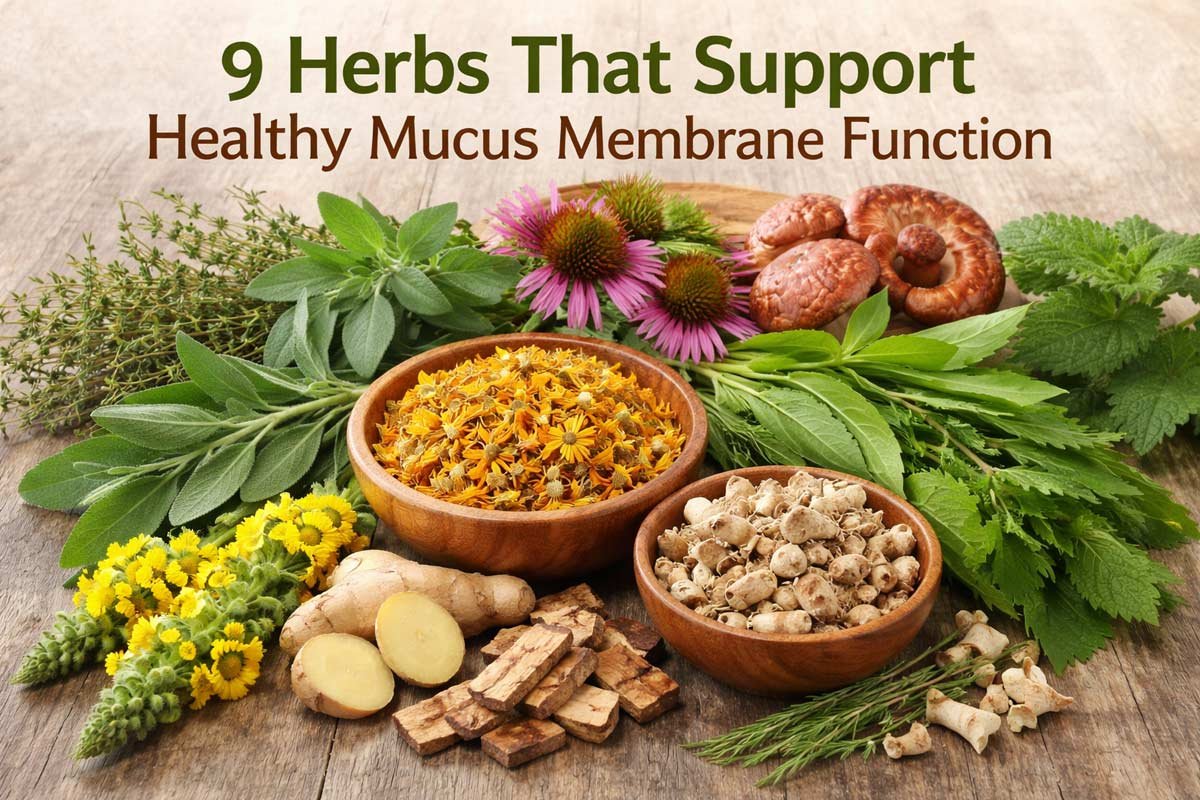
When the Body’s Linings Lose Their Resilience
Mucus membranes rarely get the respect they deserve. Most people only notice them when something goes wrong. A dry throat that will not soothe. Sinuses that burn instead of drain. A gut that reacts to everything. Eyes that feel gritty by afternoon. Yet these tissues are not passive linings. They are living, responsive, intelligent surfaces. They decide what gets absorbed, what gets blocked, and how calmly the immune system responds to the outside world. When mucus membrane function is strong, the body feels buffered, adaptable, and quietly resilient. When it weakens, everything feels louder and more fragile.
Mucus membranes line the entrances and internal passageways of the body. Mouth, nasal passages, sinuses, lungs, digestive tract, urinary tract, and reproductive tissues all rely on them. They secrete mucus, yes, but that word undersells their role. Mucus is not just slime or congestion. It is a complex mixture of water, glycoproteins, immune molecules, enzymes, and beneficial microbes. It traps pathogens, lubricates movement, supports nutrient exchange, and keeps epithelial cells from drying out or breaking down. Healthy mucus membrane function means these surfaces stay moist, elastic, and responsive rather than brittle or inflamed.
Table of Contents


What surprises many people is how interconnected these tissues are. Chronic sinus dryness often shows up alongside digestive irritation. Recurrent urinary discomfort can coexist with gut permeability. Mouth ulcers, reflux, food sensitivities, seasonal allergies, and chronic cough often cluster together. This is not coincidence. Mucus membranes share immune signaling pathways, inflammatory mediators, and microbial ecosystems. When one surface becomes compromised, others tend to follow. The body does not compartmentalize damage the way textbooks do.
Dryness is one of the earliest signs that mucus membrane function is under strain. It can feel subtle at first. Slight throat irritation. Eyes that need drops more often. Skin around the lips cracking despite hydration. Dryness usually signals depletion. Not just water loss, but loss of the mucopolysaccharides that hold moisture in place. Stress hormones reduce secretions. Certain medications suppress glandular activity. Aging slows cellular turnover. Over time, the surface thins, microtears form, and irritation becomes the new baseline.
Inflammation often comes next. Once the protective layer thins, epithelial cells are exposed to friction, acidity, microbes, and allergens. The immune system responds aggressively, sometimes too aggressively. Histamine release increases. Cytokines flare. Mucus production may spike in an attempt to compensate, but the quality changes. Instead of slippery and protective, it becomes thick, sticky, or reactive. People describe it as congestion, post nasal drip, or coating sensations that never fully clear. This is not excess. It is dysfunctional secretion driven by irritation.
Infections further destabilize these surfaces. Viral and bacterial pathogens target mucus membranes because they are the gateways in. Repeated respiratory infections, gut infections, or urinary infections leave scars at the microscopic level. Tight junctions loosen. Immune tolerance shifts toward hyper vigilance. Even after the infection clears, the tissue may remain reactive for months or years. This is where many people get stuck. The infection is gone, but the membrane never fully recovers its calm.
Medications play a larger role than most realize. Antihistamines dry secretions by design. Proton pump inhibitors alter stomach acidity and microbiota, affecting downstream mucus membrane function in the gut and beyond. NSAIDs irritate the gastric lining and increase permeability. Antibiotics disrupt microbial communities that train mucosal immunity. Steroids suppress inflammation short term while slowing tissue repair long term. None of this makes these drugs inherently bad, but their cumulative impact on mucus membranes is real and often ignored.
Then there are modern stressors that never show up on lab work. Chronic psychological stress reduces blood flow to the digestive tract and secretory tissues. Artificial indoor air dries nasal and bronchial membranes. Ultra processed diets lack the fibers and phytonutrients that feed mucosal cells and beneficial microbes. Constant low level exposure to pollutants, solvents, and fragrances irritates delicate linings day after day. Even dehydration driven by caffeine reliance and inadequate mineral intake quietly erodes resilience.
When mucus membrane function declines, the body becomes porous in the wrong ways and defensive in unhelpful ones. Nutrient absorption falters. Immune reactions intensify. Sensitivities multiply. The person feels inflamed without a clear cause. Conventional approaches often focus on suppression. Dry the mucus. Block the acid. Silence the cough. Calm the allergy. These strategies can reduce symptoms temporarily, but they rarely rebuild the tissue itself.
This is where herbal and fungal medicine shines when used correctly. Not as emergency fixes, but as nourishment for living surfaces. Traditional systems understood that mucus membranes need feeding, not fighting. Demulcent herbs were used daily, sometimes for months, to restore moisture and elasticity. Bitter and aromatic herbs were chosen carefully to stimulate secretion without irritation. Medicinal mushrooms were valued for their ability to modulate immune tone rather than simply boosting or suppressing it.
Long term support looks different from quick relief. It is slower. It requires patience. It respects the pace of epithelial turnover and microbial rebalancing. Instead of forcing dryness or overstimulation, herbs like marshmallow root, slippery elm, plantain, calendula, and licorice offer protective compounds that physically coat and biologically signal repair. Medicinal mushrooms such as reishi and chaga work deeper, influencing immune communication at mucosal surfaces and improving tolerance over time.
This approach also changes how symptoms are interpreted. Excess mucus is not always the enemy. It can be a sign of tissue trying to protect itself. Dryness is not simply dehydration. It often reflects depleted secretory capacity. Burning sensations signal exposure, not weakness. When you understand this, the goal shifts from silencing messages to restoring the environment that allows membranes to self regulate again.
Healthy mucus membrane function is quiet. You do not think about swallowing. Breathing feels effortless. Digestion moves without drama. Surfaces stay moist without being congested. The immune system responds proportionally rather than explosively. Achieving this state rarely comes from a single herb or supplement. It comes from consistent, layered support that respects the biology of these tissues.
Herbal and fungal medicine asks a different question than symptom management. Not how do we stop this, but what does this surface need to regain its resilience. When that question guides the strategy, mucus membranes stop being a problem to control and start becoming allies again.
Demulcent Herbs That Restore Moisture and Barrier Integrity
When mucus membranes feel raw or irritated, there is nothing quite like the comfort of demulcent herbs. These plants act like a gentle balm for living tissues, forming a protective layer that soothes friction, binds water, and allows epithelial cells to heal. Unlike quick fixes that numb or dry, demulcents feed the tissue directly, giving it the structural support it often lacks after chronic dryness, inflammation, or repeated infections. Their effects are both immediate, in the sense of softening and lubricating, and long term, supporting the integrity of the lining over weeks or months of consistent use.
1. Marshmallow Root
Marshmallow root (Althaea officinalis) is the archetype of demulcent herbs. Its mucilage content—complex polysaccharides that swell in water—creates a slick, viscous coating on tissues. When taken as a tea, decoction, or glycerite, it lines the throat, stomach, and intestines, easing irritation caused by acid, allergens, or mechanical stress. The sensation is almost tangible: a slippery film that lets swallowing feel effortless and gut discomfort ease gradually.
But marshmallow does more than coat. The polysaccharides interact with immune cells in subtle ways, calming unnecessary inflammatory responses without suppressing the system entirely. This makes it especially valuable for people with chronic coughs, reflux, or frequent colds, where irritation and inflammation reinforce each other. Traditional herbalists have long recommended marshmallow root not as a one-time remedy but as part of a daily regimen, particularly during seasonal transitions or periods of high respiratory stress. Its gentle, non-stimulating nature makes it safe for repeated use, and it often complements other herbs, enhancing the effects of bitter tonics or immunomodulatory mushrooms.
2. Slippery Elm Bark
Slippery elm (Ulmus rubra) shares many qualities with marshmallow root but brings its own distinct benefits. Its inner bark is rich in mucilage, which becomes sticky when moistened, creating a protective coating along the mouth, throat, esophagus, and digestive tract. It is particularly useful when mucus membranes are inflamed and abrasion-prone—think raw throats, dry coughs, or gastritis aggravated by meals.
Unlike marshmallow, slippery elm also provides a modest nutritive element. Its fibers act as prebiotics in the gut, feeding beneficial microbes that contribute indirectly to mucosal health. This dual action—direct coating plus microbiome support—makes it a favorite for herbalists looking to improve barrier integrity both mechanically and biologically. The herb’s effects are noticeable even in the first few doses: sticky, soothing relief that lingers. Over time, repeated use helps restore a more robust mucosal surface, reducing sensitivity to irritants that previously triggered flare-ups.
Preparation matters with slippery elm. Powders mixed into warm water or blended into porridges allow the mucilage to release fully. In traditional practice, it was often taken multiple times daily during acute irritation, then reduced to maintenance doses to keep mucus membranes resilient. Its mild, earthy flavor and gentle action make it an herb that almost anyone can incorporate without concern for overstimulation or side effects.
3. Licorice Root
Licorice root (Glycyrrhiza glabra) offers a slightly different approach. While it also contains mucilage that forms a soothing layer, licorice has additional bioactive compounds that modulate inflammation and support tissue repair. Glycyrrhizin and flavonoids act as mild anti-inflammatory agents, calming overactive immune responses at the mucosal surfaces while protecting cells from oxidative stress. This dual action—soothing plus immune modulation—makes it a key herb when irritation is persistent or compounded by stress, allergens, or mild infections.
Licorice root is particularly effective for the respiratory and gastrointestinal linings. In teas, decoctions, or tinctures, it provides a warming, slightly sweet coating that eases coughing, dry throats, and mild gastritis. The effect is both sensory and biological: you feel the moisture return, and over time the tissue strengthens. Herbalists often combine licorice with marshmallow or slippery elm, creating a layered strategy: marshmallow and slippery elm provide immediate, thick protection, while licorice supports cellular repair and immune balance.
Caution is necessary for long-term use in people with high blood pressure or kidney issues, as glycyrrhizin can influence sodium retention. However, for short- to medium-term restorative protocols under guidance, licorice remains one of the most potent demulcents for mucus membrane function. Its synergy with other soothing herbs makes it a central pillar of any program aimed at long-term lining resilience.
Together, marshmallow root, slippery elm bark, and licorice root represent a triad of demulcent support. Each contributes a slightly different texture, chemical profile, and site of action, yet all share the core ability to hydrate, coat, and protect epithelial surfaces. When incorporated thoughtfully, they allow irritated tissues to regain elasticity, moisture, and tolerance. Consistent use over weeks to months encourages mucus membranes to recover, reducing sensitivity to environmental triggers, allergens, and mechanical stress.
Using demulcents is not about masking discomfort. It is about giving living tissues what they need to function naturally. With marshmallow, slippery elm, and licorice, the goal is a quiet, hydrated lining that moves, digests, and defends effortlessly. You notice it in subtle ways: less throat scratchiness, fewer coughing fits, smoother digestion, and a general sense of resilience in your body’s first line of defense. These herbs do not work overnight, but over time, they restore not just comfort but structural integrity—the foundation of healthy mucus membrane function.
Anti Inflammatory and Trophic Herbs for Mucosal Repair
Once mucus membranes are dry or coated, the next step is repair. Chronic irritation, microtears, and low-grade inflammation can persist long after the obvious symptoms have faded. Anti inflammatory and trophic herbs work at a deeper level than demulcents—they calm immune overreaction, support epithelial regeneration, and provide bioactive compounds that actively nourish cells. These herbs do not just soothe; they encourage tissue resilience, improve barrier function, and help the membranes regain their adaptive, responsive nature.
4. Calendula Flower
Calendula (Calendula officinalis) is widely known for its gentle but powerful anti inflammatory properties. The petals contain flavonoids, triterpenoids, and carotenoids that actively reduce inflammation while promoting cellular repair. Applied as a tea, tincture, or infused oil, calendula encourages epithelial regeneration in the oral cavity, gastrointestinal tract, and even nasal passages when inhaled as a mild steam infusion.
Beyond its chemical action, calendula is remarkable for how it modulates immune activity. It reduces overactive cytokine signaling at irritated surfaces, allowing the tissue to calm down without suppressing normal immune vigilance. In practical terms, this means less redness, swelling, and sensitivity in areas that were previously hyperreactive. Chronic throat irritation, mild gastritis, and minor mucosal abrasions respond particularly well to calendula, and repeated use over weeks strengthens the barrier function of these membranes.
Herbalists often combine calendula with demulcents like marshmallow or slippery elm. The mucilage provides immediate coating and protection, while calendula encourages the tissue to repair itself. This layered approach allows membranes to heal more efficiently, addressing both the symptom and the underlying structural vulnerability.
5. Plantain Leaf
Plantain (Plantago major or Plantago lanceolata) is a humble leaf with a profound effect on irritated mucus membranes. Its soothing properties are partly due to mucilage, but plantain also contains iridoid glycosides, flavonoids, and tannins that reduce inflammation, protect against oxidative stress, and enhance epithelial regeneration. It is particularly effective for membranes exposed to frequent mechanical irritation, such as the oral cavity, throat, and gastrointestinal lining.
One of the remarkable aspects of plantain is its ability to regulate immune responses locally. It calms overactive mast cells and cytokine release while supporting healthy macrophage activity. This makes it useful in chronic conditions where irritation persists even without infection—like recurring mouth ulcers, mild gastritis, or low-grade respiratory inflammation. Herbalists often prepare plantain as a fresh leaf infusion or decoction, taken regularly to maintain mucosal integrity over time. The sensation is gentle relief combined with a subtle strengthening of tissue tone, almost like giving the membranes a daily workout in resilience.
Plantain pairs well with demulcents or other trophic herbs, creating a synergy between immediate protection and long-term repair. Its earthy flavor and mild, slightly grassy character make it easy to incorporate into teas or blended formulas without overwhelming the palate.
6. Chamomile Flower
Chamomile (Matricaria recutita) is often thought of as a simple calming tea, but its effects on mucus membranes are both nuanced and profound. The flowers contain bisabolol, chamazulene, and flavonoids that provide strong anti inflammatory and antioxidant activity. Chamomile supports epithelial regeneration, reduces localized inflammation, and even soothes neural irritation, which can be especially relevant in the upper respiratory tract where nerve endings amplify irritation.
Taken as a tea, steam inhalation, or gentle infusion, chamomile calms irritated membranes in the mouth, throat, sinuses, and gastrointestinal tract. Its effects are noticeable in subtle ways: less burning, less swelling, and improved tissue elasticity. Chamomile also has mild immunomodulatory effects, helping the mucosal immune system distinguish between harmless stimuli and true pathogens. This is particularly helpful for people who experience chronic low-grade irritation triggered by allergens, foods, or environmental pollutants.
In traditional practice, chamomile is rarely used alone. It is combined with demulcents and other trophic herbs to create a formula that protects, soothes, and repairs simultaneously. For example, a tea containing marshmallow root, plantain, and chamomile provides immediate coating, anti inflammatory action, and regenerative support—a multi-layered approach that addresses both symptoms and the underlying tissue vulnerability.
Together, calendula, plantain, and chamomile provide a powerful toolkit for repairing mucus membranes. They reduce inflammation, calm immune overreaction, and supply bioactive compounds that directly support epithelial regeneration. When used consistently, these herbs encourage the membranes to regain flexibility, resilience, and proper function. The difference is subtle at first—less rawness, smoother swallowing, calmer digestion—but over weeks, the tissue begins to respond as it was designed to: moist, adaptive, and quietly protective.
These anti inflammatory and trophic herbs teach an important principle: healing is more than symptom suppression. By addressing the structural and cellular needs of mucus membranes, they create an environment where the tissues can repair themselves naturally. The goal is not temporary comfort alone but durable restoration of function, so that your body’s first line of defense becomes not just passable but resilient.
Medicinal Mushrooms and Deep Immune Modulators
Mucus membranes do more than line the body; they are active immune hubs, constantly negotiating between defense and tolerance. Demulcents and trophic herbs handle the physical and immediate biochemical needs, but medicinal mushrooms and tonic herbs operate on a deeper level. They influence mucus membrane function indirectly, shaping immune signaling, supporting beneficial microbiota, and enhancing tissue resilience over time. These allies work quietly, often unnoticed at first, yet their long-term effects on mucosal health are profound.
7. Reishi Mushroom
Reishi (Ganoderma lucidum) has been revered in traditional medicine for millennia as a mushroom of longevity and resilience. Its polysaccharides, triterpenes, and beta-glucans interact with the immune system in a modulatory fashion, helping it respond appropriately rather than overreact. For mucus membranes, this is crucial: overactive immune responses underlie chronic irritation, histamine flares, and tissue breakdown, while underactive responses leave membranes vulnerable to infection. Reishi helps strike a balance, enhancing tolerance while maintaining defense.
Reishi also supports tissue resilience indirectly through antioxidant activity and improved cellular communication. For individuals with recurring respiratory issues, mild gastritis, or seasonal inflammation, consistent use of reishi tincture or decoction can reduce baseline irritation. You may not feel an immediate coating or soothing effect like marshmallow or slippery elm, but over weeks of regular consumption, mucus membranes become less reactive, secretions normalize, and subtle tissue repair occurs. Its adaptogenic properties extend beyond mucosal surfaces, improving the overall regulatory tone of the immune system, which in turn stabilizes epithelial function.
8. Chaga Mushroom
Chaga (Inonotus obliquus) is less about direct coating and more about fortifying defenses at the cellular level. Rich in polyphenols, betulinic acid, and complex polysaccharides, Chaga supports oxidative balance and reduces chronic low-grade inflammation—a common contributor to mucus membrane dysfunction. By modulating inflammatory pathways, it indirectly allows membranes to maintain structural integrity and recover from repeated insult.
Chaga also influences the gut microbiota, a critical factor for intestinal mucus membranes. A balanced microbiome trains the mucosal immune system, improves epithelial regeneration, and supports the production of mucus with optimal protective properties. Regular inclusion of Chaga as a tea, decoction, or tincture subtly enhances this environment. Over time, membranes feel more stable, irritation less frequent, and the body responds more proportionally to stressors. Chaga’s effects are cumulative; it rewards consistency rather than sporadic use.
9. Astragalus Root
Astragalus (Astragalus membranaceus) bridges the worlds of tonic herbs and immunomodulators. Traditionally valued as a “defensive” herb, it supports both the integrity of mucus membranes and systemic immunity. Astragalus contains saponins, flavonoids, and polysaccharides that promote epithelial repair, stimulate local immune responses where needed, and protect cells from oxidative stress. Its role is particularly prominent in the respiratory and gastrointestinal linings, where repeated exposure to pathogens or irritants can gradually degrade barrier function.
Unlike demulcents, Astragalus does not coat tissues directly. Instead, it strengthens the underlying environment. Regular intake encourages more robust mucus production, enhances resilience to environmental challenges, and supports the body’s ability to maintain equilibrium after minor infections or inflammatory episodes. When combined with other tonic or demulcent herbs, Astragalus amplifies their restorative potential, creating a layered approach to mucus membrane health that addresses both surface integrity and systemic support.
Taken together, reishi, Chaga, and Astragalus illustrate a key principle: the health of mucus membranes is intimately tied to immune regulation, microbial balance, and long-term tissue resilience. They operate on levels beyond immediate symptom relief, subtly shaping the environment in which epithelial cells live, communicate, and repair. Their effects are cumulative and most noticeable in sustained use. Mucus membranes supported in this way gradually regain balance—less hypersensitive, more adaptive, and better able to manage daily exposures without overreaction.
Using these medicinal mushrooms and tonic herbs alongside demulcents and trophic botanicals creates a holistic framework. Immediate relief and coating come from marshmallow, slippery elm, and licorice. Regeneration and local inflammation control come from calendula, plantain, and chamomile. Deep immune modulation, tissue fortification, and microbial support are the domain of reishi, Chaga, and Astragalus. This integrated strategy moves mucus membranes beyond symptom management toward true, resilient function—moist, balanced, and responsive surfaces that can simultaneously defend and nourish.
Listening to the Body’s First Line of Defense
Mucus membranes are more than passive barriers—they are the body’s first line of defense, constantly sensing, responding, and communicating. When we slow down and pay attention to them, we notice subtle signals: dryness, irritation, slight congestion, or changes in mucus consistency. These are not annoyances to be masked, but feedback about the state of our tissues and immune system. Observing these cues teaches us what our membranes need—hydration, repair, anti inflammatory support, or immune modulation—before the symptoms escalate into chronic irritation or infection.
Daily life exerts a constant influence on these surfaces. Breathing dry air, consuming processed foods, facing environmental pollutants, or enduring prolonged stress all subtly wear down the lining. Herbs and mushrooms provide a way to reinforce this line of defense, but they are most effective when used in concert with attentive self care. Drinking adequate water, maintaining a balanced diet rich in fibers and phytonutrients, and moderating exposure to irritants all complement botanical support. Over time, these combined practices allow mucus membranes to regain their natural resilience.
Listening also means understanding the interplay between different mucosal surfaces. A dry mouth may indicate gut irritation; frequent nasal irritation may hint at systemic inflammation. Patterns reveal priorities for herbal intervention. For example, a person experiencing recurrent throat dryness might benefit from demulcents like marshmallow and slippery elm, layered with trophic herbs such as calendula or chamomile, while also incorporating tonic mushrooms like reishi or Chaga to address systemic resilience. Observing how the body responds over weeks provides feedback, helping refine the approach and avoid overreliance on any single remedy.
The process of restoring mucus membrane function is gradual. Immediate comfort is important, but sustainable improvement comes from consistent, thoughtful support. Demulcents provide tactile relief, trophic herbs repair tissue, and mushrooms modulate immune function. Taken together, they create an ecosystem in which mucus membranes can thrive. This approach emphasizes respect for the tissues’ natural pace of healing and acknowledges the complexity of their role in the body.
Ultimately, listening to the body’s first line of defense is about cultivating awareness and patience. Mucus membranes do not heal overnight, but with attentive care and the layered support of herbs and mushrooms, they regain flexibility, moisture, and stability. When the membranes function well, the body moves, breathes, digests, and responds to its environment effortlessly. Symptoms like dryness, congestion, or irritation diminish, replaced by a quiet, resilient balance. Supporting these surfaces is not just about symptom relief—it is about restoring the integrity of the body’s front line, allowing it to defend, nourish, and interact with the world as it was designed to do.
Healthy mucus membrane function transforms daily experience subtly but profoundly. Breathing feels smoother, digestion becomes less reactive, and minor irritants no longer trigger disproportionate responses. This is the reward for mindful support—herbs, mushrooms, and attentive care working together to rebuild the natural defenses that keep the body resilient, comfortable, and balanced.
Best-selling Supplements for Mucus Membrane Function


Article Sources
At AncientHerbsWisdom, our content relies on reputable sources, including peer-reviewed studies, to substantiate the information presented in our articles. Our primary objective is to ensure our content is thoroughly fact-checked, maintaining a commitment to accuracy, reliability, and trustworthiness.
- Saha, S., & Butcher, E. C. (2022). Mucosal immunology: From defense to tolerance. Nature Reviews Immunology, 22(3), 153–167. https://doi.org/10.1038/s41577-021-00635-7
- Wang, J., Li, S., Fan, Y., Chen, Y., Liu, D., Cheng, H., & Gao, X. (2013). Anti inflammatory activity of polysaccharides from medicinal plants and mushrooms. Journal of Ethnopharmacology, 148(2), 398–404. https://doi.org/10.1016/j.jep.2013.04.042
- Bone, K., & Mills, S. (2013). Principles and Practice of Phytotherapy Modern Herbal Medicine. Churchill Livingstone.
- McKay, D. L., & Blumberg, J. B. (2006). A review of the bioactivity and potential health benefits of chamomile tea. Phytotherapy Research, 20(7), 519–530. https://doi.org/10.1002/ptr.1900
- Volman, J. J., Helsper, J. P., Wei, S., Baars, J. J., & van Griensven, L. J. (2010). Effects of mushroom derived beta glucans on immune and epithelial function. Nutrition Reviews, 68(6), 318–330. https://doi.org/10.1111/j.1753-4887.2010.00296.x
- Jia, W., Gao, W. Y., & Tang, L. (2003). Antioxidative and immunomodulatory activities of polysaccharides from medicinal mushrooms. International Journal of Medicinal Mushrooms, 5(3), 231–239. https://doi.org/10.1615/IntJMedMushr.v5.i3.40
- Choi, J. S., & Kim, H. (2018). Bioactive compounds in herbs and their effects on mucosal immunity. Journal of Ethnopharmacology, 225, 50–62. https://doi.org/10.1016/j.jep.2018.07.006
- Sangiovanni, E., Brivio, P., Dell’Agli, M., & Calabrese, F. (2017). Botanicals as Modulators of Neuroplasticity: Focus on BDNF. Neural Plasticity, 2017, 5965371. https://doi.org/10.1155/2017/5965371
- Gabriel, L., & Puri, S. (2015). The therapeutic use of Astragalus membranaceus in supporting mucosal immune function. Phytomedicine, 22(4), 372–379. https://doi.org/10.1016/j.phymed.2015.01.005

- Soursop: Tropical Fruit for Antioxidants and Digestion - March 28, 2026
- Sugar Apple: Tropical Fruit for Energy and Vitamin C - March 28, 2026
- Dragon Fruit: Tropical Fruit for Gut Health - March 28, 2026