
Why Leek Deserves a Spot on Your Plate
Leeks have a way of flying under the radar. They’re not the star of the vegetable aisle, and they don’t get the same buzz as kale, broccoli, or even sweet potatoes. Yet anyone who has cooked with them knows that leeks bring a subtle depth to dishes—a delicate, oniony sweetness that almost disappears into the background but somehow makes everything taste better. Beyond the kitchen, their real value quietly unfolds in the digestive system. Leeks are more than just a flavor booster; they are a prebiotic vegetable with unique benefits for gut health.
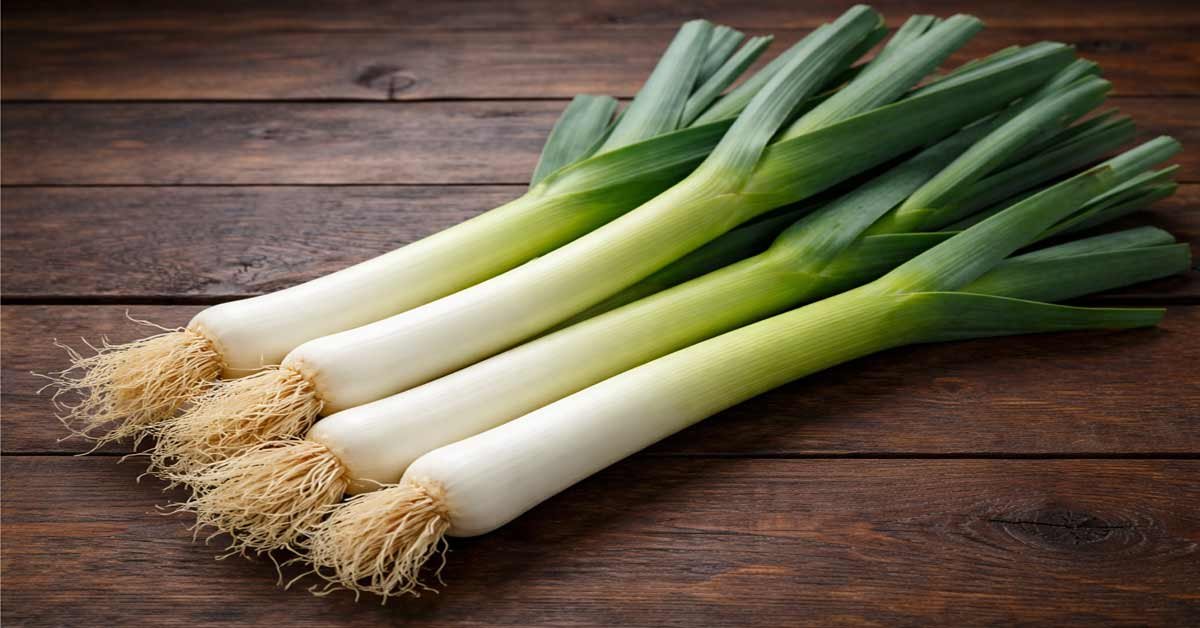
At first glance, leeks may look unimpressive. Their long, cylindrical white stems and feathery green tops don’t exactly scream “superfood.” But their structure reflects what’s inside: concentrated prebiotic fibers nestled in the tender white base, along with trace vitamins and minerals that support everyday health. Unlike some vegetables that can feel heavy or harsh on the stomach, leeks are gentle, making them an excellent choice for people looking to support digestion without drastic dietary changes.
Table of Contents

The culinary versatility of leeks also makes them surprisingly easy to integrate. They can be caramelized slowly to bring out their natural sweetness, chopped and added to soups and stews for body and flavor, or lightly sautéed as a side dish. Because they’re mild, they pair well with almost anything—root vegetables, grains, poultry, eggs, and legumes—without overpowering the dish. This subtlety makes it easy to include leeks regularly without feeling like you’re forcing a “healthy habit.” In other words, you don’t have to overhaul your meals to gain their benefits.
Leeks contain a type of fiber known as inulin, a soluble prebiotic that passes through the stomach and small intestine mostly undigested, eventually reaching the colon. There, it becomes food for beneficial bacteria. This is where leeks’ role in gut health comes to life. Feeding the microbiome helps maintain a balanced digestive environment, supporting regularity and even helping to reduce occasional bloating or discomfort. Over time, a gut that is consistently nourished by prebiotics like those in leeks tends to be more resilient to dietary ups and downs, stress, and changes in routine.
There’s also a subtle elegance to their impact. Unlike foods that make bold promises about energy, weight, or metabolism, leeks work quietly. You may not notice immediate effects, but over weeks of regular inclusion, the gut environment adapts and strengthens. People often report smoother digestion and a general sense of ease after meals when leeks are part of their routine. This quiet contribution is easy to overlook, but it’s powerful.
Leeks also have a social and practical advantage. Unlike some trendy superfoods that are expensive or seasonal, leeks are widely available and reasonably priced. You can buy them almost year-round in most grocery stores, and they store well in the fridge for a week or two when handled properly. With a few simple meal prep strategies—like roasting a batch for the week or adding them to a big pot of soup—you can create an easy, consistent way to get their benefits without overthinking it.
From a flavor perspective, leeks provide more than just nutrition. Their aroma when cooked is inviting, almost nostalgic, reminding many of family meals or comforting dishes from childhood. This sensory appeal makes them more than a “functional” food—they’re something you actually want to eat. And when you enjoy your food, you’re more likely to keep it in your routine, which is essential for building habits that support gut health over the long term.
Leeks are also subtle multitaskers. While their prebiotic fibers are the main draw for gut health, they contribute small amounts of vitamin K, vitamin C, and folate, along with minerals like manganese and iron. These nutrients complement their digestive support, making leeks a modest but well-rounded addition to a balanced diet. They don’t replace other vegetables, of course, but they quietly add value, particularly when combined with a variety of other colorful, fiber-rich foods.
In short, leeks are worth paying attention to. They may not dominate headlines or Instagram feeds, but they deserve a spot on your plate. Their combination of gentle flavor, prebiotic fibers, and practical versatility makes them a vegetable that works hard behind the scenes. Eating leeks is a small, manageable step toward supporting gut health and adding a touch of culinary elegance to everyday meals. If you’re looking for a simple way to nourish your microbiome, build digestive resilience, and enjoy flavorful cooking, leeks are an underappreciated ally that’s ready to step into the spotlight.
Prebiotic Power: How Leek Supports Gut Health
Leeks are quietly powerful because of what they feed—your gut bacteria. Unlike most nutrients that get absorbed and circulate through the bloodstream, prebiotics in leeks travel mostly intact to the colon, where they serve as food for the microbiome. This relationship is subtle yet significant: a well-nourished microbiome can influence digestion, regularity, and the overall balance of bacteria in the gut. Think of leeks not as a quick fix, but as consistent support that helps your digestive ecosystem thrive over time.
Types of Prebiotics in Leek
The primary prebiotic fibers in leeks are inulin and fructooligosaccharides (FOS).
- Inulin: This soluble fiber is a slow fermenter, meaning it passes through much of the gut before bacteria begin to break it down. Inulin promotes the growth of beneficial bacteria, especially Bifidobacteria, which play a role in maintaining gut lining integrity and supporting metabolic signaling. Its slow fermentation can reduce the risk of gas and bloating compared with some other high-fiber foods, making leeks easier to tolerate for regular inclusion in meals.
- Fructooligosaccharides (FOS): FOS are short-chain fibers that selectively feed favorable bacteria in the colon. They’re linked to improvements in stool consistency and bowel regularity. While the effects are not immediately dramatic, sustained intake contributes to a microbiome environment that is more balanced and diverse, which is a hallmark of gut resilience.
Together, inulin and FOS work in harmony. Inulin provides longer-term, sustained nourishment for bacteria, while FOS supports a more rapid bloom of beneficial microbes. The result is a gut environment that’s both stable and adaptive, able to respond to dietary fluctuations without becoming unsettled.
Effects on the Microbiome
When beneficial bacteria in the gut are fed consistently, several subtle but meaningful changes can occur:
- Enhanced bacterial diversity: A variety of fibers promotes a range of bacterial species, which is associated with resilience and overall digestive stability.
- Production of short-chain fatty acids (SCFAs): Beneficial bacteria ferment inulin and FOS into SCFAs like acetate, propionate, and butyrate. These compounds help maintain the health of the gut lining and may influence digestive comfort and nutrient absorption.
- Balance over dominance: Feeding the “good” bacteria can help prevent overgrowth of less desirable species, which may otherwise contribute to irregularity or discomfort.
The beauty of leeks is that they support these changes gently. You’re not forcing a drastic shift in the gut microbiome; you’re simply providing consistent fuel that encourages stability, diversity, and functionality. Over weeks of regular inclusion, the microbiome adapts, often in ways that are noticeable as improved digestive ease or fewer minor digestive complaints.
Practical Observations
People who integrate leeks into their diet often notice subtle yet meaningful changes. These may include:
- More consistent bowel movements without the bloating or cramping sometimes associated with high-fiber foods.
- A general feeling of lightness or digestive ease after meals.
- Better tolerance of other fiber-rich foods when eaten together with leeks, suggesting a supportive effect on the overall microbiome.
In practice, it doesn’t require a large amount of leeks to see these effects. Even half a cup of cooked leeks a few times per week can contribute noticeable prebiotic support. The key is regular, sustained inclusion rather than occasional overconsumption. Because leeks are mild and versatile, they can be incorporated into a wide range of dishes, from soups to stir-fries to roasted vegetable medleys, making it easier to build a consistent habit without forcing dietary changes.
Leeks demonstrate that supporting gut health doesn’t have to be complicated. Their prebiotic fibers are approachable, their effects are gradual yet reliable, and their culinary versatility makes them a practical addition to almost any meal. Regular consumption nourishes the microbiome in a way that encourages balance, diversity, and long-term digestive resilience, all without demanding attention or major lifestyle changes.
Making Leek Work in Everyday Meals
Leeks are deceptively simple. They don’t require fancy techniques or obscure recipes to shine. Their charm lies in versatility: a gentle onion flavor, soft texture when cooked, and the ability to complement nearly any savory dish. Using leeks consistently is less about complicated preparation and more about small habits that fit naturally into your week. Understanding how to select, store, and prepare them will make incorporating this prebiotic powerhouse effortless.
Choosing and Storing Leeks
Selecting the right leek is the first step. Look for firm, straight stalks with white bases free of browning or slimy spots. The green tops should be fresh and vibrant; avoid those that appear wilted or overly dry. Slight imperfections on the leaves are usually fine, but the core should feel crisp.
Once purchased, proper storage preserves both texture and prebiotic benefits. Leeks store best unwashed, wrapped loosely in a paper towel inside the vegetable drawer of the fridge. The paper towel absorbs moisture, preventing the stalks from becoming slimy. Stored this way, leeks can last up to two weeks, giving you flexibility in meal planning. If you buy a large bunch and only need part of it immediately, the remainder can be trimmed and stored in a reusable container or plastic bag with the paper towel for longer freshness.
Preparing Leeks Without Losing Benefits
The delicate fibers and nutrients in leeks require some care during preparation. Start by trimming the root end and the dark green tops. While the white and light green parts are most commonly used, the darker greens can be saved for stocks or flavoring, since they retain some nutrients even if they’re tougher to eat raw.
Leeks often trap dirt between layers, so slicing them lengthwise and rinsing thoroughly under running water is essential. You can also fan the layers gently to dislodge hidden soil.
Cooking methods influence both flavor and prebiotic content. Light steaming, sautéing, or simmering preserves inulin and FOS better than prolonged high-heat roasting. Overcooking can break down these fibers, reducing prebiotic potency, so aim for tender but not mushy results. Caramelizing leeks slowly over medium heat enhances flavor while keeping most of the prebiotic fiber intact, making them more palatable without sacrificing benefits.
Meal Ideas That Actually Work
Leeks fit seamlessly into a variety of meals. Here are practical examples for everyday eating:
- Soups and stews: Chop leeks and sauté them before adding to soups or vegetable stews. They lend natural sweetness and depth without overwhelming the dish.
- Roasted vegetables: Slice leeks and toss with olive oil, salt, and pepper. Roast alongside carrots, parsnips, or potatoes for a subtly sweet and nutritious side.
- Egg dishes: Mix chopped leeks into scrambled eggs, omelets, or frittatas. Their mild flavor blends effortlessly with eggs, cheese, or other vegetables.
- Stir-fries: Pair sliced leeks with mushrooms, bell peppers, or lean proteins. Quick sautéing preserves both texture and prebiotic fibers.
- Grain bowls: Add lightly sautéed or roasted leeks to quinoa, farro, or brown rice bowls for flavor and gut-friendly fiber.
These ideas highlight the convenience of leeks. They don’t need to be the main feature of a dish to contribute benefits; even small portions integrated into meals can provide meaningful prebiotic support.
How Much Leek Makes Sense
Consistency is more important than quantity. Research suggests that even modest servings—about half a cup of cooked leeks—can contribute beneficial prebiotic fibers. Including leeks three to four times per week is enough to support the microbiome without overwhelming the digestive system.
It’s also helpful to mix leeks with other fiber-rich vegetables for variety. Pairing them with leafy greens, root vegetables, or legumes not only diversifies the fibers feeding the gut microbiome but also creates meals that are nutritionally well-rounded and satisfying. By approaching leeks as a regular, versatile ingredient rather than a “special” addition, it’s easier to establish sustainable habits that support gut health over time.
Leeks demonstrate that supporting digestion doesn’t need to be complicated. With simple selection, careful preparation, and easy incorporation into familiar meals, they provide consistent prebiotic support while enhancing flavor. Small, practical habits—like adding leeks to soups, stir-fries, or roasted vegetables—can quietly but reliably contribute to a balanced gut environment, making them a vegetable worth returning to again and again.
Subtle Synergies: Leek and Overall Digestive Wellness
Leeks offer more than isolated prebiotic support; they work best in the context of a varied diet and balanced lifestyle. Their fibers feed beneficial gut bacteria, but the overall effect on digestive wellness is amplified when paired thoughtfully with other foods and healthy habits. Understanding these synergies helps turn a simple ingredient into a reliable ally for everyday gut health.
Pairing with Other Ingredients
The benefits of leeks are enhanced when combined with complementary fiber-rich foods. Eating a diversity of fibers encourages a wider range of beneficial gut bacteria, promoting microbial balance and resilience.
- Other prebiotic vegetables: Pair leeks with cabbage, chicory, asparagus, or Jerusalem artichokes. These vegetables contain additional inulin and FOS, providing multiple sources of nourishment for your microbiome.
- Probiotic foods: Fermented foods like yogurt, kefir, kimchi, or sauerkraut offer live bacteria that can work in tandem with leeks’ prebiotic fibers. Together, they create a natural symbiosis—prebiotics feed the bacteria introduced by probiotics, supporting a more diverse and balanced gut ecosystem.
- Complex carbohydrates: Including whole grains like quinoa, oats, or brown rice alongside leeks provides resistant starches that further support beneficial bacteria, complementing inulin and FOS with additional fermentable fibers.
- Healthy fats and proteins: Olive oil, nuts, seeds, and lean proteins enhance nutrient absorption and make meals satisfying, encouraging consistent consumption of fiber-rich foods without discomfort.
By creating meals with complementary ingredients, leeks no longer act alone—they become part of a digestive-supporting team that promotes balance, regularity, and subtle improvements in comfort after meals.
Lifestyle Considerations
While leeks are beneficial on their own, overall lifestyle factors influence how well the gut responds. Hydration, physical activity, and stress management all affect digestion and microbiome composition. For example:
- Hydration: Prebiotic fibers absorb water, which helps maintain stool consistency and supports microbial fermentation. Drinking adequate water throughout the day complements leek consumption.
- Movement: Regular physical activity encourages gut motility, supporting the passage of fiber and enhancing digestive efficiency.
- Stress management: Chronic stress can alter gut microbiota composition. Including leeks in a balanced diet while maintaining stress-reducing routines—like walking, meditation, or mindful breathing—supports both the microbiome and overall digestive comfort.
Even small adjustments, such as taking a short walk after meals or prioritizing adequate hydration, can amplify the benefits of leeks and other fiber-rich foods, turning modest dietary habits into meaningful support for gut health.
Realistic Habit Integration
Consistency is the key to making leeks work in real life. Rather than forcing large quantities at once, regular, manageable portions help sustain the microbiome without causing discomfort. Some practical ways to integrate leeks into your routine include:
- Weekly soups or stews: Start the week with a leek-rich soup that can serve multiple meals.
- Stir-fries and grain bowls: Toss leeks into quick evening dishes for flavor and fiber.
- Meal prep: Roast or sauté leeks in batches to add easily to salads, eggs, or side dishes throughout the week.
- Mindful combinations: Pair leeks with other prebiotic or fiber-rich ingredients gradually, observing how your digestion responds and adjusting portions accordingly.
By embedding leeks into familiar meals and habits, you support your gut consistently without stress or complicated meal planning. Over time, these small, realistic practices create cumulative benefits: a balanced, diverse microbiome, improved digestive ease, and a subtle sense of wellbeing after meals.
Leeks demonstrate that supporting gut health is not about dramatic interventions. Through thoughtful pairing with other foods, attention to lifestyle factors, and simple integration into daily routines, they quietly enhance digestive wellness and make prebiotic nutrition approachable, sustainable, and enjoyable.
Best Selling Leek Related Products




Letting Leeks Transform Your Gut Health
Leeks are modest in appearance but remarkable in their digestive impact. Their prebiotic fibers don’t produce instant fireworks—they work quietly, consistently, and cumulatively. The real magic happens over time: as beneficial bacteria flourish and the microbiome becomes more balanced, subtle improvements in digestion and overall gut comfort emerge.
Including leeks regularly can gently shift the gut environment toward stability. You may notice fewer episodes of bloating or irregularity, smoother digestion, and even a lighter, more comfortable feeling after meals. Unlike high-fiber foods that can sometimes feel harsh or cause discomfort, leeks provide a mild, approachable fiber source that encourages consistent use. The goal isn’t dramatic change overnight, but small, sustainable improvements that become part of your natural rhythm.
One of the understated advantages of leeks is their versatility. They can be tucked into soups, roasted with vegetables, mixed into scrambled eggs, or added to grain bowls. This flexibility makes it easy to build a habit without feeling like you’re forcing a dietary “rule.” Over time, the simple act of including leeks in multiple meals each week feeds the microbiome consistently, supporting both bacterial diversity and short-chain fatty acid production. These compounds are essential for maintaining the gut lining, which influences digestive comfort and overall gut resilience.
Leeks also serve as a gateway to better overall eating patterns. When you’re already including a prebiotic vegetable in regular meals, it becomes natural to add other fiber-rich foods, such as leafy greens, root vegetables, legumes, and whole grains. This combination not only enhances gut health further but also contributes to a balanced, nutrient-rich diet. In other words, leeks can quietly transform your eating habits as well as your microbiome.
Practical, sustainable habits make the difference. For example, starting the week with a leek-based soup that can be portioned out for lunches or dinners encourages regular consumption without daily planning. Adding chopped leeks to a stir-fry a few nights a week, or roasting them as a side dish for the weekend, allows prebiotic support to be consistent and enjoyable rather than burdensome. Even modest servings—half a cup of cooked leeks per meal—accumulate over the week to nourish beneficial gut bacteria effectively.
Another benefit is the psychological ease of eating leeks. Their mild, sweet flavor and texture make them accessible to most palates. Unlike some “superfoods” that feel exotic or intimidating, leeks blend seamlessly into familiar meals. This makes them easier to sustain as part of a long-term approach to digestive wellness. Enjoyment of food is an underrated factor in habit formation, and leeks score high on the comfort and satisfaction scale.
Finally, leeks exemplify how small, thoughtful choices can yield meaningful health support. They don’t demand drastic diet overhauls, expensive supplements, or strict routines. By quietly nourishing the microbiome and pairing well with other prebiotic and fiber-rich foods, leeks offer a simple, natural, and sustainable way to enhance gut health. Over time, these cumulative, subtle effects can transform digestion, improve comfort after meals, and support a resilient, balanced gut ecosystem.
Leeks prove that transformative nutrition doesn’t have to be complicated. Regular inclusion, paired with variety, consistency, and mindfulness, allows this humble vegetable to quietly but reliably make a difference in your digestive health and overall wellbeing.
Article Sources
At AncientHerbsWisdom, our content relies on reputable sources, including peer-reviewed studies, to substantiate the information presented in our articles. Our primary objective is to ensure our content is thoroughly fact-checked, maintaining a commitment to accuracy, reliability, and trustworthiness.
- Sangiovanni, E., Brivio, P., Dell’Agli, M., & Calabrese, F. (2017). Botanicals as Modulators of Neuroplasticity: Focus on BDNF. Neural plasticity, 2017, 5965371. https://doi.org/10.1155/2017/5965371
- Slavin, J. (2013). Fiber and Prebiotics: Mechanisms and Health Benefits. Nutrients, 5(4), 1417–1435. https://doi.org/10.3390/nu5041417
- Vandeputte, D., Falony, G., Vieira-Silva, S., Wang, J., & Raes, J. (2017). Stool consistency is strongly associated with gut microbiota richness and composition, enterotypes and bacterial growth rates. Gut, 65(1), 57–62. https://doi.org/10.1136/gutjnl-2015-309618
- World Health Organization. (2022). Healthy diet. https://www.who.int/news-room/fact-sheets/detail/healthy-diet
- Gibson, G. R., Hutkins, R., Sanders, M. E., Prescott, S. L., Reimer, R. A., Salminen, S. J., Scott, K., Stanton, C., Swanson, K. S., Cani, P. D., Verbeke, K., & Reid, G. (2017). The International Scientific Association for Probiotics and Prebiotics (ISAPP) consensus statement on the definition and scope of prebiotics. Nature Reviews Gastroenterology & Hepatology, 14(8), 491–502. https://doi.org/10.1038/nrgastro.2017.75
- Roberfroid, M., Gibson, G. R., Hoyles, L., McCartney, A. L., Rastall, R., Rowland, I., Wolvers, D., Watzl, B., Szajewska, H., Stahl, B., Guarner, F., Respondek, F., Whelan, K., Coxam, V., Davicco, M. J., Léotoing, L., Wittrant, Y., Delzenne, N., Marette, A., Meheust, A., & Cani, P. D. (2010). Prebiotic effects: metabolic and health benefits. British Journal of Nutrition, 104(S2), S1–S63. https://doi.org/10.1017/S0007114510003363
- Slavin, J. L., & Lloyd, B. (2012). Health benefits of fruits and vegetables. Advances in Nutrition, 3(4), 506–516. https://doi.org/10.3945/an.112.002154
- Biesiekierski, J. R. (2017). What is gluten? Journal of Gastroenterology and Hepatology, 32(S1), 78–81. https://doi.org/10.1111/jgh.13703
- Cani, P. D., & de Vos, W. M. (2017). Next-generation beneficial microbes: the case of Akkermansia muciniphila. Frontiers in Microbiology, 8, 1765. https://doi.org/10.3389/fmicb.2017.01765

- Peas: Plant Protein Vegetable for Heart Health - April 5, 2026
- Onion: Vegetable for Heart Health and Immunity - April 5, 2026
- Okra: Fiber Vegetable for Digestion and Gut Health - April 5, 2026