
The Quiet Power of a Leafy Staple
Lettuce rarely gets credit. It sits in the background of meals, often treated as filler, something you add for volume or crunch without thinking twice. But that’s a narrow way to look at it. When you slow down and actually consider what lettuce brings to the table, it starts to feel less like decoration and more like a quiet, steady contributor to how your body functions day to day.
Start with the obvious. Lettuce is mostly water. Depending on the variety, it can be over 90 percent water by weight. That alone makes it different from many other vegetables. You’re not just eating something green. You’re adding hydration through food, which is something people tend to overlook. Drinking water matters, of course, but water that comes packaged inside whole foods behaves differently. It’s absorbed more gradually, often alongside fiber and micronutrients that help your body actually use it.
Table of Contents
And that matters for digestion. Not in a dramatic, overnight-change kind of way, but in a steady, background sense. When your meals consistently include water-rich foods like lettuce, things tend to move a bit more smoothly. There’s less friction, literally. It’s one of those small shifts that doesn’t feel like much in the moment but adds up over time.
Then there’s the texture. Crisp, light, easy to chew. That might sound trivial, but it plays a role. Foods that require gentle chewing and don’t sit heavily in the stomach often feel more comfortable, especially if your digestion is sensitive or your appetite fluctuates. Lettuce doesn’t demand much from your system. It doesn’t overwhelm. It just fits in.
You see this in real life more than in nutrition charts. Think about the difference between a heavy, dense meal and one that includes a generous handful of lettuce. The latter tends to feel more balanced, less taxing. It’s not because lettuce is doing something extreme. It’s because it’s not getting in the way. That’s a subtle but important distinction.
Now, if you stop at hydration and texture, you’d still be underselling it. Lettuce also carries nutrients that often fly under the radar, especially folate. This is where things get more interesting. Folate plays a role in processes that are constantly happening in your body, like cell turnover and DNA synthesis. These aren’t flashy functions, but they’re foundational. You don’t notice them working until something is off.
What’s surprising is how easily lettuce can contribute here. Not all varieties are equal, and that’s worth knowing. Darker leaves, like romaine or leaf lettuce, tend to provide more folate than something like iceberg. But even then, the point isn’t to chase the highest number. It’s to recognize that a simple, everyday food can quietly support something essential, especially when eaten regularly.
And that’s really the theme with lettuce. It works through consistency. You’re not eating it once and expecting a result. You’re including it in meals without much effort, and over time, it becomes part of a pattern that supports digestion and nutrient intake in a low-key, sustainable way.
There’s also a psychological angle that’s easy to miss. Lettuce makes meals feel lighter. Not just physically, but mentally. A plate that includes fresh greens tends to feel more balanced, more intentional. That can influence how you eat overall. You might slow down a bit, chew more, or simply feel less weighed down after eating. These are small shifts, but they shape habits.
If you’ve ever had a meal where something felt off but you couldn’t quite explain why, sometimes it comes down to balance. Too heavy, too dry, too dense. Lettuce can correct that without trying too hard. It adds moisture, freshness, and a kind of structural contrast that changes the entire experience of eating.
And yet, it doesn’t ask for attention. That’s probably why it’s so easy to ignore. There’s no bold flavor demanding recognition, no dramatic effect that makes you stop and take notice. It just shows up, does its job, and leaves quietly.
From a practical standpoint, that’s exactly what makes it valuable. You don’t need a complicated recipe. You don’t need to prepare it in a specific way to unlock its benefits. A simple handful added to a sandwich, a side salad next to a warm meal, even a few leaves tucked into a wrap. It all counts.
A few grounded ways lettuce tends to show up in daily eating:
- A base for quick meals when you don’t want to overthink food
- A way to add volume without heaviness
- A simple addition that nudges digestion in a better direction
- An easy source of folate that doesn’t require planning
None of these are dramatic on their own. That’s the point. Lettuce works best when it’s not treated like a project. It’s a background habit, something you return to without effort.
There’s also something to be said about how accessible it is. Lettuce doesn’t require a specific season in most places. It’s widely available, relatively affordable, and familiar. That lowers the barrier to actually using it. Because no matter how beneficial a food is on paper, it doesn’t matter if it never makes it onto your plate.
So instead of thinking of lettuce as the least interesting part of a meal, it helps to reframe it. It’s the part that quietly supports everything else. It brings hydration, contributes to digestion, and offers folate in a way that fits into real life without friction.
Not every food needs to stand out. Some do their best work in the background. Lettuce is one of them.
Lettuce and Digestion: What Actually Happens in Your Gut
There’s a reason lettuce keeps showing up in meals that are meant to feel light, balanced, and easy to digest. It’s not a trend or a coincidence. It comes down to how lettuce behaves once it’s actually inside your digestive system. No hype, no dramatic effects, just a series of small, reliable contributions that support how your gut works on a daily basis.
If you expect lettuce to act like a high-fiber supplement or a probiotic-rich food, you’ll miss the point. Lettuce plays a different role. It supports digestion in a quieter way, mostly through hydration, structure, and consistency.
Water Content and Digestive Function
Lettuce is, first and foremost, a water-rich food. Most varieties sit above 90 percent water. That matters more than people think.
When you eat lettuce, you’re not just adding bulk to your meal. You’re introducing water that is naturally bound within plant cells. This slows down how quickly it moves through your system compared to drinking water on its own. The result is a more gradual hydration effect along the digestive tract.
That has a few practical implications:
- It helps soften stool by increasing water content in the intestines
- It supports smoother movement through the colon
- It reduces the likelihood of dry, slow digestion when meals are otherwise dense
Think about a typical meal that lacks fresh components. Bread, meat, maybe something fried. It can feel heavy, sometimes even stagnant. Add lettuce to that same meal, and it often feels easier to handle. That’s not just perception. The added water changes the physical dynamics of digestion.
There’s also a pacing effect. Foods with high water content tend to increase chewing and slow down eating slightly. That gives your digestive system a head start before food even reaches the stomach. It’s a small advantage, but it stacks up over time.
Fiber in Lettuce: Gentle but Consistent
Lettuce isn’t a fiber powerhouse. That’s important to acknowledge upfront. If you’re comparing it to beans or whole grains, it won’t compete. But that doesn’t make its fiber irrelevant.
What lettuce offers is a modest amount of fiber delivered consistently and in a form that’s easy to tolerate.
Most of the fiber in lettuce is insoluble, which adds bulk to stool and helps move things along the digestive tract. There’s also a small amount of soluble fiber, which interacts with water to form a softer, gel-like consistency. Together, they create a mild but useful effect.
Here’s where lettuce stands out. It doesn’t overwhelm your system.
High-fiber foods can sometimes feel like too much, especially if your body isn’t used to them. Bloating, discomfort, or irregular digestion can follow. Lettuce rarely causes that kind of response. Its fiber content is low enough to be gentle, but present enough to contribute.
In practical terms:
- It supports regularity without pushing too hard
- It pairs well with higher-fiber foods, balancing their intensity
- It can be eaten daily without digestive resistance
That last point matters. Consistency beats intensity when it comes to digestion. A moderate amount of fiber you eat every day is often more effective than large amounts you eat occasionally.
Why Lettuce Feels Easy on the Stomach
Some foods feel heavy almost immediately. Others don’t. Lettuce falls firmly into the second category, and there are a few reasons for that.
First, its structure is simple. Lettuce has soft cell walls and low starch content, which means it breaks down easily during digestion. There’s less mechanical and chemical effort required from your body.
Second, it has a low energy density. You can eat a decent volume of lettuce without overwhelming your stomach. That creates a sense of fullness without the heaviness that often comes from calorie-dense foods.
Third, lettuce lacks the compounds that commonly trigger digestive discomfort in sensitive individuals. It’s low in fat, low in sugar, and generally mild in terms of fermentable carbohydrates. That makes it a reliable option when your digestion feels off or when you want something predictable.
You’ll notice this in everyday situations:
- After a long day when your appetite is low, lettuce-based meals feel manageable
- During warmer weather, meals with lettuce feel more comfortable and less taxing
- When digestion is slightly off, lettuce rarely makes things worse
It’s not that lettuce actively fixes problems. It simply doesn’t add stress to the system, which is often just as valuable.
Practical Ways Lettuce Supports Daily Digestion
The real value of lettuce shows up in how easily it fits into your routine. You don’t need a plan or a specific protocol. You just need to use it regularly.
A few simple patterns make a noticeable difference over time:
- Add a handful of lettuce to meals that feel dense
Sandwiches, wraps, or rice-based dishes benefit from the added moisture and structure - Use lettuce as a base for quick meals
Even a simple bowl with protein, some fats, and lettuce creates a more digestion-friendly balance - Pair lettuce with higher-fiber foods
Beans, lentils, or whole grains can feel heavy on their own. Lettuce softens that experience - Keep it raw and minimally processed
Lettuce loses its structure and water content when heavily cooked. Raw forms preserve what makes it useful - Eat it consistently, not occasionally
A small amount daily supports digestion better than large amounts once in a while
There’s also something practical about the speed. Lettuce requires almost no preparation. Wash it, tear it, add it. That lowers the friction between intention and action. And when it comes to digestion, habits matter more than perfect choices.
One small detail that often gets overlooked is timing. Lettuce tends to work well at the beginning of a meal or alongside it, rather than after. Starting with water-rich, fiber-containing foods can help set the tone for digestion before heavier components come in.
At the end of the day, lettuce supports digestion by making the entire process a little easier. It hydrates, adds gentle fiber, and keeps meals from tipping into that heavy, sluggish territory.
It’s not dramatic. It’s not meant to be. But if you pay attention over a few weeks of consistent intake, the difference is there. Subtle, steady, and hard to replace once you get used to it.
Folate in Lettuce: A Nutrient That Often Gets Ignored
Lettuce is rarely celebrated for its micronutrients, yet folate quietly holds a significant place in its profile. While many people associate folate with supplements or fortified foods, it’s naturally present in everyday greens like lettuce, and its role in the body goes deeper than most realize. Unlike flashy nutrients that promise immediate effects, folate works behind the scenes, supporting essential cellular processes that keep your system running smoothly. Understanding how lettuce contributes folate, how your body uses it, and practical ways to include it can turn this humble green into a surprisingly meaningful part of your diet.
What Folate Actually Does in the Body
Folate, also known as vitamin B9, is central to processes that are constantly occurring at the cellular level. It is a coenzyme in DNA and RNA synthesis, meaning it helps your cells replicate and repair themselves efficiently. Without enough folate, these fundamental processes slow down, which can affect energy levels, tissue repair, and even the production of certain neurotransmitters.
Folate also participates in methylation reactions, chemical processes that influence gene expression and the way your body manages homocysteine, an amino acid associated with cardiovascular health. While it’s easy to overlook, folate intake contributes to overall metabolic balance and helps keep cellular systems functioning optimally.
Even subtle deficiencies can manifest as fatigue or low energy. Including folate-rich foods like lettuce regularly ensures that your body has the building blocks it needs to support these continuous processes.
How Much Folate Lettuce Really Provides
Not all lettuce is created equal when it comes to folate. Darker, leafy varieties like romaine and green leaf typically contain higher levels than lighter greens such as iceberg. On average, one cup of shredded romaine lettuce can provide roughly 64 micrograms of folate, which is around 16% of the daily value recommended for adults. Iceberg, in contrast, offers about 29 micrograms per cup, less than half that amount.
It’s important to note that while lettuce alone is not going to meet your full daily folate requirement, it makes a meaningful contribution when included consistently. Over time, these small doses accumulate, helping to maintain adequate folate status without relying solely on supplements or fortified foods.
The subtlety here is key. Folate doesn’t produce immediate, dramatic effects, but its contribution to cellular and metabolic processes is constant. Think of it as a low-key partner supporting multiple systems quietly but effectively.
Absorption and Food Pairing
Folate in lettuce is most bioavailable when the leaves are eaten raw or minimally processed. High heat can degrade this water-soluble vitamin, so cooking methods like boiling can reduce its effectiveness significantly. Light steaming or tossing fresh leaves into a salad is optimal.
Folate absorption is also influenced by other components in your meal. Pairing lettuce with a small amount of healthy fats, such as olive oil or avocado, can improve absorption of other fat-soluble nutrients, which, while not directly related to folate, creates a synergistic effect that supports overall nutrient utilization. Vitamin C-rich foods, like tomatoes or bell peppers, don’t increase folate absorption per se, but they help maintain the overall nutrient quality of the meal, complementing the subtle benefits of folate intake.
Timing can also matter slightly. Eating folate-containing foods consistently across the day, rather than consuming a large portion in one meal, supports more stable nutrient status. Lettuce, with its versatility, makes this easy—you can add it to multiple meals without fuss.
Who Benefits Most from Folate-Rich Foods
While folate is important for everyone, certain groups derive particular benefit from consistent intake. Adults looking to maintain energy, support cellular repair, and manage homocysteine levels benefit from including folate-rich greens daily. People with diets low in fortified foods or processed grains also rely more heavily on natural sources like lettuce to maintain optimal levels.
Women of childbearing age often hear about folate because of its role in early cellular development, but it’s also valuable for men and older adults. For anyone seeking to support general health subtly without overcomplicating meal planning, lettuce offers a convenient, low-effort source that can slot into almost any meal.
The key takeaway is that folate in lettuce doesn’t demand attention or a special recipe. It works best as part of a pattern of consistent intake, quietly contributing to the metabolic and cellular systems that underpin energy, repair, and overall well-being. Even a small handful of romaine or green leaf lettuce daily can make a meaningful difference over time, especially when paired with other nutrient-rich foods.
Making Lettuce Work in Real Life Without Overthinking It
Lettuce is one of those foods that sounds simple but can feel complicated when you start thinking about freshness, preparation, and portions. The truth is, it doesn’t need to be complicated. A few practical habits go a long way toward making lettuce a consistent, useful part of your meals, without turning it into a chore or a dietary project.
Choosing and Storing Lettuce Properly
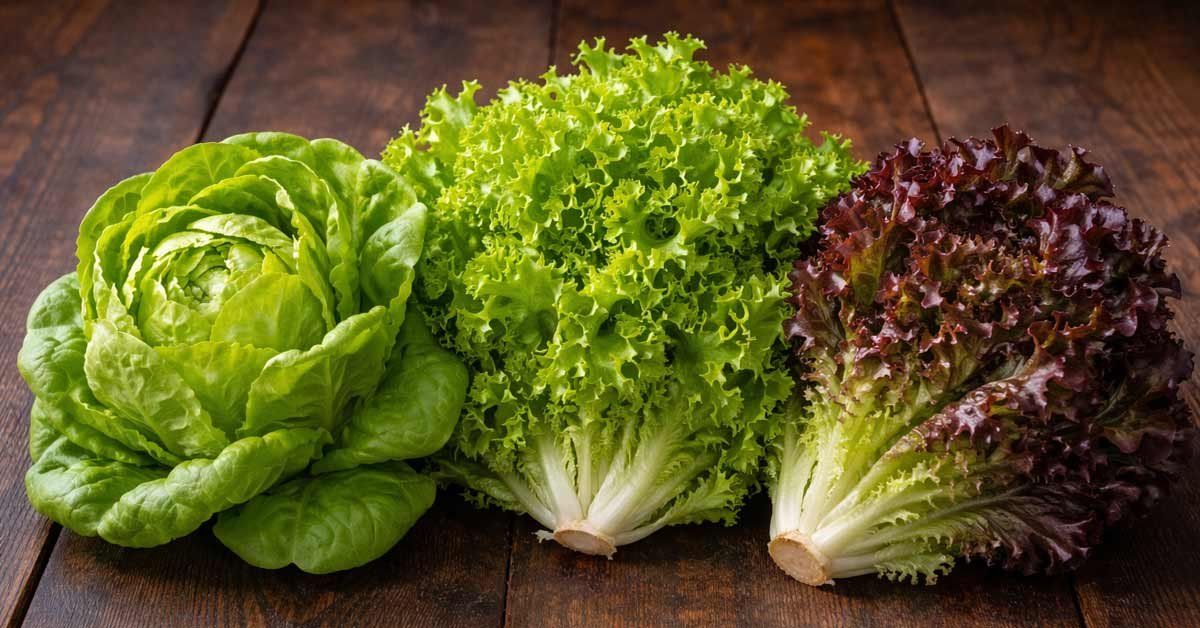
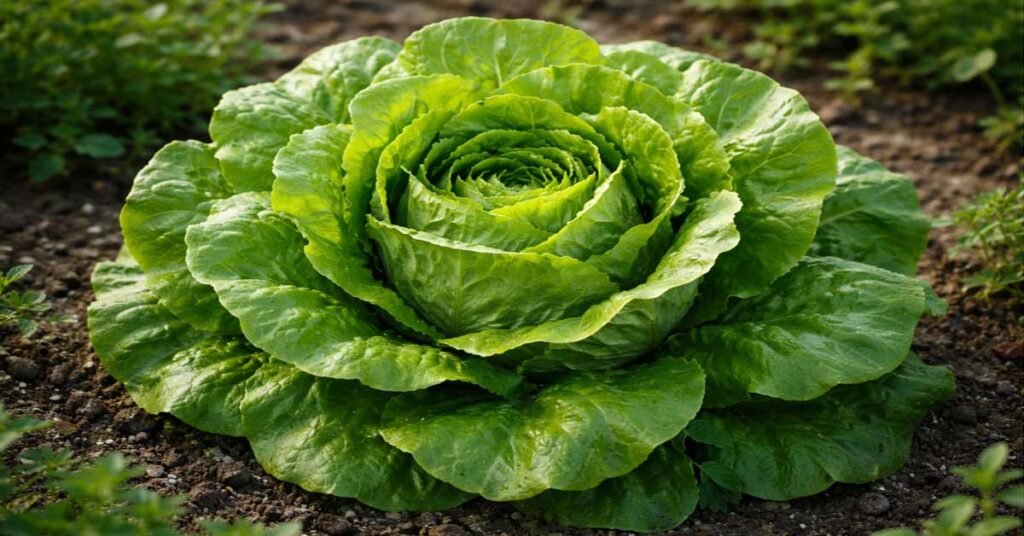
The first step to getting the most out of lettuce is knowing how to pick it. Look for leaves that are firm, crisp, and free of browning or wilting. Darker leaves often contain more folate and other nutrients, so consider romaine, green leaf, or red leaf varieties if your goal is maximizing value. Iceberg is fine for volume and crunch, but its nutrient density is lower.
Storage matters just as much as selection. Lettuce is sensitive to moisture and temperature fluctuations. Keep it in the crisper drawer of your fridge, ideally in a breathable bag or wrapped loosely in a paper towel to absorb excess water. Avoid storing it near fruits that emit ethylene gas, like apples or bananas, because this can accelerate spoilage. Proper storage preserves texture and nutrient content, making your daily use easier and more enjoyable.
Simple Ways to Prepare Lettuce That Don’t Kill Its Value
One of the biggest mistakes people make is overprocessing lettuce. Washing is essential, of course, but shredding or cutting too finely can speed nutrient loss. Tear leaves by hand when possible, and rinse under cool water. Drying gently with a salad spinner or a towel helps prevent sogginess while keeping cell structure intact.
Cooking methods can also affect nutrient retention. Boiling or prolonged steaming reduces water-soluble vitamins, including folate. If you want warm dishes, add lettuce at the very end, or briefly wilt it just enough to soften without turning it to mush. Raw consumption is ideal for preserving the subtle, hydration-focused benefits as well as delicate vitamins.
Easy Meal Ideas That Actually Stick
Lettuce is versatile, and incorporating it regularly doesn’t have to feel repetitive or restrictive. Some practical options include:
- Salad bases: Toss with a protein like grilled chicken or beans, add a splash of olive oil and lemon, and you have a quick, digestion-friendly meal.
- Wraps: Use whole leaves to replace bread or tortillas for sandwiches, tacos, or Asian-style wraps. It’s light, portable, and adds folate with almost no effort.
- Layered bowls: Add torn lettuce at the bottom of grain bowls or bowls with roasted vegetables to introduce moisture and a mild crunch.
- Smoothies: While unconventional, adding a handful of romaine or leaf lettuce to a green smoothie preserves folate and fiber without overpowering flavor.
- Side dishes: Even simple lettuce with a drizzle of vinaigrette can complement heavier mains, aiding digestion and hydration.
The key is consistency. A small portion regularly is more effective than occasional large servings. Lettuce works best when it’s integrated into routine meals without feeling like a special project.
How Much Lettuce Makes Sense Day to Day
Portion size doesn’t need to be precise, but a practical target is around 1–2 cups of raw leaves per day. That provides meaningful hydration, a moderate fiber contribution, and a steady folate intake without taking over your plate. For people who enjoy variety, mixing lettuce types—romaine for folate, butterhead for tenderness, iceberg for crunch—keeps meals interesting and nutritionally balanced.
Frequency matters more than a single large serving. Including lettuce in multiple meals—breakfast bowls, lunch sandwiches, or dinner salads—ensures a steady supply of hydration, gentle fiber, and folate. Over time, this small habit accumulates, supporting digestion and micronutrient intake without any complex planning or measurement.
At the end of the day, lettuce succeeds in your diet by being easy to access, easy to prepare, and easy to eat. Focus on fresh selection, gentle handling, and incorporating it consistently. These habits create a low-effort framework that maximizes its subtle benefits, allowing this simple green to quietly enhance digestion and nutrient intake every day.
Best Selling Lettuce Related Products




When a Simple Green Starts Pulling Its Weight
It’s funny how the simplest foods can end up making the biggest difference. Lettuce isn’t flashy. It won’t turn a meal into a superfood extravaganza, and it won’t give you an immediate, noticeable boost. But over time, it quietly becomes a reliable player in your diet, pulling more weight than you might expect. Its impact isn’t dramatic; it’s cumulative, steady, and surprisingly practical.
Part of lettuce’s appeal is that it integrates without fuss. You don’t need to plan a special recipe or dedicate time to preparation. A few leaves on your sandwich, a handful tossed into a salad, or tucked into a wrap—these small, repeated actions start adding up. Each serving contributes hydration, mild fiber, and folate, and when these small contributions combine across days and weeks, you start to notice subtle shifts in how your body handles meals. Digestion feels smoother. Meals feel lighter. You may even find yourself naturally craving more vegetables because your palate adjusts to balance.
The magic is in consistency. Unlike foods that require precise timing or large portions to make a difference, lettuce rewards regularity. Its gentle fiber supports gut movement, its water content contributes to overall hydration, and its folate quietly assists in cellular processes. You don’t feel it instantly, but over time, it reduces friction in your daily nutritional routine. It’s the kind of food that makes every other part of your diet work a little better because it’s laying the groundwork for smooth digestion and steady micronutrient intake.
Another reason lettuce matters is psychological. Meals with fresh greens simply feel lighter and more balanced. That feeling can influence your choices, nudging you to eat more slowly, chew thoroughly, and pay attention to satiety cues. It subtly reinforces habits that improve overall digestion and nutrient absorption without anyone having to think in terms of “healthy eating.” It’s almost like a behavioral hack built into a food.
Even its accessibility plays a role in its weight. Lettuce is inexpensive, widely available, and versatile. You don’t have to seek out specialty markets or exotic varieties to make it part of your day. That means the barrier to using it consistently is low, which is exactly what allows it to pull its weight without requiring effort or special attention.
Finally, there’s a quiet satisfaction in knowing that such a modest green can do so much. It’s a reminder that impactful nutrition doesn’t always come from extremes or supplements. Sometimes, it’s the low-key, reliable elements—like a crisp handful of lettuce—that sustain your system day after day. You start to appreciate its subtle presence: how it lightens a meal, softens digestion, and contributes nutrients that support ongoing cellular functions. You realize that over time, these small, unassuming choices add up in a way that feels effortless yet meaningful.
Lettuce earns its place not through intensity or flash, but by being consistent, accessible, and quietly effective. It’s a green that pulls weight precisely because it doesn’t demand attention, yet it steadily supports hydration, digestion, and nutrient intake. By embracing it as part of your routine, you allow this simple green to work in the background, making your meals more balanced, your digestion smoother, and your nutritional habits more sustainable—all without overthinking a single leaf.
Article Sources
At AncientHerbsWisdom, our content relies on reputable sources, including peer-reviewed studies, to substantiate the information presented in our articles. Our primary objective is to ensure our content is thoroughly fact-checked, maintaining a commitment to accuracy, reliability, and trustworthiness.
- Sangiovanni, E., Brivio, P., Dell’Agli, M., & Calabrese, F. (2017). Botanicals as Modulators of Neuroplasticity: Focus on BDNF. Neural plasticity, 2017, 5965371. https://doi.org/10.1155/2017/5965371
- Slavin, J. L., & Lloyd, B. (2012). Health benefits of fruits and vegetables. Advances in Nutrition, 3(4), 506–516. https://doi.org/10.3945/an.112.002154
- U.S. Department of Agriculture. (2023). FoodData Central: Lettuce, romaine, raw. https://fdc.nal.usda.gov/fdc-app.html#/food-details/169910/nutrients
- World Health Organization. (2020). Healthy diet. https://www.who.int/news-room/fact-sheets/detail/healthy-diet
- Institute of Medicine (US) Panel on Micronutrients. (1998). Dietary Reference Intakes for Thiamin, Riboflavin, Niacin, Vitamin B6, Folate, Vitamin B12, Pantothenic Acid, Biotin, and Choline. National Academies Press (US). https://www.ncbi.nlm.nih.gov/books/NBK114310/
- Slavin, J. (2013). Fiber and prebiotics: Mechanisms and health benefits. Nutrients, 5(4), 1417–1435. https://doi.org/10.3390/nu5041417
- Brouwer-Brolsma, E. M., et al. (2017). Folate intake and status in European adults: A review of the current literature. Annals of Nutrition and Metabolism, 70(3), 209–218. https://doi.org/10.1159/000475062
- Harvard T.H. Chan School of Public Health. (2022). The Nutrition Source: Vegetables. https://www.hsph.harvard.edu/nutritionsource/what-should-you-eat/vegetables/
- Micha, R., et al. (2017). Effectiveness of plant-based diets in reducing cardiometabolic risk: Systematic review and meta-analysis. JAMA Internal Medicine, 177(7), 1061–1070. https://doi.org/10.1001/jamainternmed.2017.1493

- Peas: Plant Protein Vegetable for Heart Health - April 5, 2026
- Onion: Vegetable for Heart Health and Immunity - April 5, 2026
- Okra: Fiber Vegetable for Digestion and Gut Health - April 5, 2026