
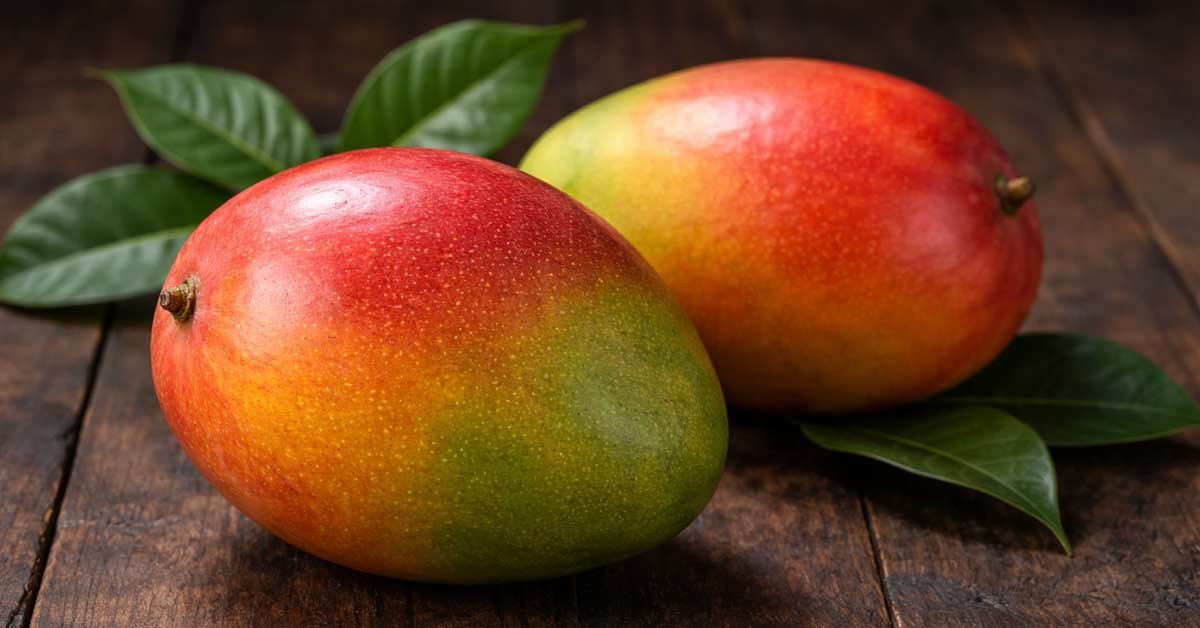
A Fruit That Feels Like Sunshine
Few fruits create the kind of reaction a mango does. Slice one open and the aroma hits first. Sweet, floral, unmistakably tropical. The bright orange flesh feels almost indulgent, the sort of flavor that makes you slow down for a moment. Yet beyond that sensory appeal sits a fascinating nutritional story. Mango has quietly earned attention among nutrition researchers and dietitians because of how many beneficial compounds are packed into a single fruit.
The mango, scientifically known as Mangifera indica, has been cultivated for more than 4,000 years in South Asia and has since spread to tropical and subtropical regions worldwide. Today it ranks among the most widely consumed fruits globally. India, Mexico, Thailand, Brazil, and the Philippines all produce enormous quantities of mango each year, and in many of these cultures mango is woven deeply into everyday cooking and seasonal traditions.
Table of Contents
But popularity alone does not explain the scientific interest. When researchers analyze the nutrient composition of mango, they consistently find a combination of vitamins, plant pigments, antioxidants, and fiber that stand out even among nutrient dense fruits.
A typical fresh mango delivers several key compounds associated with general wellness:
- Vitamin C
- Beta carotene and other carotenoids
- Dietary fiber
- Polyphenols and flavonoids
- Potassium and trace minerals
Each of these nutrients plays a role in normal biological functions. Vitamin C contributes to immune cell activity and antioxidant defense. Carotenoids serve as precursors for vitamin A, which is essential for vision and epithelial tissue health. Fiber helps regulate digestion and supports the gut microbiome. Polyphenols act as protective plant compounds that help neutralize oxidative stress in cells.
Taken together, this nutritional mix explains why mango continues to appear in nutritional research focused on diet patterns that support immunity and eye health.
Another interesting point about mango is how the fruit naturally concentrates these nutrients in a form that is easy to eat. Whole fruits deliver vitamins and phytochemicals within a matrix of fiber and water. That structure changes how nutrients are absorbed and used by the body. Nutrition scientists often highlight this “food matrix” concept when explaining why whole fruits behave differently than isolated supplements.
A ripe mango is roughly 83 percent water by weight. That water content contributes to hydration while helping deliver micronutrients in a relatively low energy food. According to data from the United States Department of Agriculture, a cup of sliced mango provides roughly:
- 99 calories
- 2.6 grams of fiber
- about 60 milligrams of vitamin C
- significant levels of beta carotene
For context, that amount of vitamin C represents around two thirds of the recommended daily intake for many adults.
Of course, numbers only tell part of the story. The real appeal of mango is how easily it fits into daily eating habits. In many households around the world, mangos are simply peeled and eaten fresh, juice dripping down your hands in the process. There is something satisfying about that simplicity.
Others slice mango into cubes and toss it into salads, yogurt bowls, or breakfast oatmeal. Smoothie enthusiasts rely on frozen mango chunks for their creamy texture. Some cooks blend mango into salsas with lime and chili peppers. In Southeast Asia, green unripe mango is even eaten with salt or chili powder for a sharp, tangy snack.
That flexibility matters more than people realize. Nutrition habits that last tend to revolve around foods that people genuinely enjoy eating.
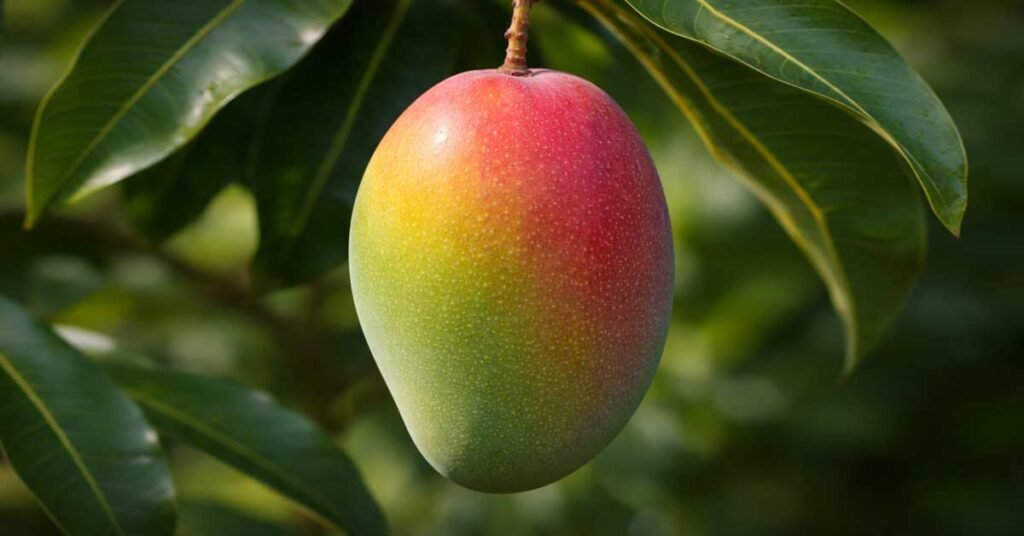
There is also a seasonal aspect that gives mango a certain charm. When mango season arrives in tropical climates, markets suddenly fill with dozens of varieties. Some are small and honey sweet. Others are large and fibrous with a slight tang. The colors shift from green to golden yellow to deep red depending on the variety and ripeness.
This diversity reflects thousands of years of cultivation. Farmers have selected mango varieties for flavor, texture, aroma, and yield. The result is a fruit that exists in hundreds of cultivars worldwide, each with slightly different nutritional nuances and culinary uses.
Despite that variety, the core nutritional profile remains consistent. Mango continues to stand out as a fruit rich in carotenoids and vitamin C, nutrients closely linked with immune defenses and visual health. Carotenoids such as beta carotene give mango its deep orange color. Inside the body, beta carotene can be converted into vitamin A, which plays a role in maintaining the surface of the eye and supporting low light vision.
Meanwhile vitamin C participates in numerous biological processes. Immune cells use it during their normal activity, and it contributes to collagen formation that supports skin and connective tissue.
Many people do not think about fruit in these terms when they eat it. They simply enjoy the taste. Yet this is exactly how healthy dietary patterns often develop. A single food becomes a regular habit. A bowl of fruit after dinner. A smoothie in the morning. A sliced mango on a hot afternoon.
Over time those small habits accumulate nutrients that support the body in quiet, background ways.
There is also something refreshing about how uncomplicated mango feels. No complicated preparation. No special equipment. Just a knife, a ripe fruit, and a plate.
Some people slice mango along the large flat pit and score the flesh into cubes. Others scoop it out with a spoon. In parts of Mexico you might see street vendors serving mango on a stick, sprinkled with chili powder and lime juice. It sounds unusual until you taste the balance of sweet, sour, and heat.
Moments like that remind you why fruits like mango remain central to traditional diets. They are satisfying, naturally sweet, and nutritionally dense without needing much explanation.
And perhaps that is why mango keeps returning to the conversation whenever nutrition experts discuss foods that support overall health. It is simple, accessible, and packed with compounds that the body recognizes and uses.
Sometimes the foods that feel the most like a treat turn out to carry surprising nutritional depth. Mango sits comfortably in that category.
Mango and the Body’s Immune Defenses
When people talk about foods that support immunity, the conversation often drifts toward supplements. Capsules, powders, fortified drinks. Yet many of the nutrients involved in immune function show up naturally in fruits and vegetables that have been part of traditional diets for centuries. Mango sits comfortably in that category.
A single mango delivers a combination of vitamin C, fiber, and plant compounds that interact with several systems tied to immune balance. None of these nutrients act alone. The immune system is not a single organ or switch that flips on and off. It is a network of cells, signaling molecules, physical barriers, and microbial partners working together.
Foods like mango contribute to that network in small but meaningful ways. Think of it less like a miracle ingredient and more like steady support that builds over time.
Vitamin C and Immune Cell Activity
Vitamin C is one of the most widely studied nutrients in relation to immune function. Mango happens to be a generous source. A cup of sliced mango provides roughly 60 milligrams of vitamin C, according to nutrient data from the United States Department of Agriculture. For many adults, that covers a large portion of daily requirements.
Why does vitamin C attract so much attention in immunology research?
Several biological roles explain the interest.
First, vitamin C acts as an antioxidant. During normal metabolism and immune responses, cells produce reactive oxygen species. These molecules are part of the body’s defense system, yet they can also damage tissues when they accumulate excessively. Vitamin C helps neutralize these reactive molecules and maintain cellular balance.
Second, immune cells themselves actively accumulate vitamin C. White blood cells such as neutrophils and lymphocytes rely on it during their normal activity cycles. Research shows that vitamin C participates in processes related to cell signaling, migration, and communication between immune cells.
Third, vitamin C contributes to collagen formation. Collagen is the structural protein that supports skin, connective tissue, and the lining of the respiratory and digestive tracts. These tissues form part of the body’s physical barrier against environmental pathogens.
In practical terms, this means the vitamin C found in mango becomes part of several layers of immune defense:
- antioxidant protection against oxidative stress
- support for immune cell communication
- maintenance of tissue barriers such as skin and mucous membranes
One mango does not transform immunity overnight. That is not how nutrition works. But consistent intake of vitamin C rich foods helps maintain adequate levels that the body can draw upon during everyday immune activity.
Polyphenols and Natural Antioxidant Protection
Beyond vitamins, mango contains a diverse set of plant compounds known as polyphenols. These are bioactive molecules that plants produce for their own protection against environmental stress. When humans eat plant foods, those same compounds interact with cellular pathways related to oxidative balance and inflammation.
Researchers have identified several polyphenols in mango, including mangiferin, quercetin, catechins, and gallic acid. Mangiferin in particular has drawn attention because it appears in relatively high concentrations in mango pulp, peel, and leaves.
These compounds function primarily as antioxidants. They help neutralize reactive molecules that form during metabolism or exposure to environmental stressors.
Why does this matter for immune health?
Immune responses involve bursts of biochemical activity. When immune cells respond to a threat, they generate reactive oxygen species as part of their defensive strategy. This response is normal and necessary. But an imbalance between reactive molecules and antioxidant defenses can contribute to cellular stress.
Polyphenols help maintain that balance.
Laboratory and nutritional studies suggest that polyphenol rich foods may influence signaling pathways that regulate oxidative stress and inflammatory responses. This does not mean mango acts as a medication. Rather, it contributes to the broader dietary pattern that supports cellular resilience.
Another interesting feature of mango polyphenols is their interaction with the digestive system. Some of these compounds pass through the small intestine largely unchanged and reach the colon, where gut bacteria break them down into smaller metabolites.
Those metabolites may then enter circulation and participate in antioxidant processes elsewhere in the body.
In other words, the benefits of mango polyphenols do not stop at the digestive tract. Their effects can extend through complex metabolic pathways that scientists are still exploring.
Gut Health and Its Relationship to Immunity
If you ask immunologists where much of the immune system actually resides, many will point to the gut.
The digestive tract contains a large portion of the body’s immune cells. It also hosts trillions of microorganisms collectively known as the gut microbiota. These microbes interact constantly with the immune system, helping regulate responses to food, environmental particles, and potential pathogens.
Diet plays a major role in shaping that microbial community.
Mango contributes to gut health through its fiber content and its supply of plant compounds that interact with intestinal bacteria. One cup of mango provides around 2 to 3 grams of dietary fiber. That fiber acts as a substrate for beneficial gut microbes.
When gut bacteria ferment fiber, they produce short chain fatty acids such as acetate, propionate, and butyrate. These compounds help support the intestinal lining and influence immune signaling pathways in the gut.
In addition to fiber, mango polyphenols can serve as metabolic fuel for certain microbes. This interaction encourages the growth of bacterial species associated with balanced microbial ecosystems.
Researchers sometimes refer to this as a prebiotic effect. In simple terms, it means that components of a food help nourish beneficial bacteria.
A healthy gut microbiome contributes to immune balance in several ways:
- supporting the integrity of the intestinal barrier
- helping train immune cells to distinguish harmless substances from threats
- producing metabolites that influence immune signaling
This relationship between diet, microbes, and immunity has become one of the most active areas of nutrition research over the past decade.
Mango fits naturally into that discussion because it combines fiber, water, and plant compounds in a form that gut bacteria can easily process.
There is also a practical side to this story. Many people struggle to consume enough fiber rich foods during the day. Whole fruits like mango make that goal easier because they provide fiber alongside flavor and natural sweetness.
Instead of forcing down a bland fiber supplement, you can slice up a ripe mango and enjoy something that actually feels like a treat.
Over time, habits like that shape the nutritional environment in which the immune system operates. A piece of fruit here. A bowl of vegetables there. Gradually those small choices add up.
And that is really the quiet power of foods like mango. They deliver nutrients and plant compounds that support several biological systems at once, including the intricate network that keeps the immune system running smoothly.
Mango and Eye Health: Nutrients That Matter
Vision depends on a delicate balance of nutrients that support the structure and function of the eye. The retina, the lens, the cornea, and even the tear film rely on vitamins, antioxidants, and carotenoids to maintain normal function. When researchers examine diets associated with long term eye health, fruits and vegetables rich in carotenoids tend to appear repeatedly.
Mango fits naturally into this category. The deep orange color of ripe mango is not just visually appealing. It reflects the presence of carotenoids, a family of plant pigments that serve as precursors to vitamin A and contribute to antioxidant activity in human tissues.
This connection between mango and eye health comes mainly from three groups of compounds found in the fruit:
- beta carotene
- lutein and zeaxanthin
- antioxidant polyphenols and vitamin C
Each plays a slightly different role in supporting the biological systems that allow the eyes to process light and maintain healthy tissue over time.
Beta Carotene and Vitamin A Formation
Beta carotene is one of the best known carotenoids in nutrition science. It is often associated with brightly colored fruits and vegetables such as carrots, sweet potatoes, and mango. Inside the body, beta carotene can be converted into vitamin A, an essential nutrient for normal vision.
Vitamin A contributes to several processes within the eye. One of its most critical roles involves the formation of rhodopsin, a pigment found in the retina. Rhodopsin allows the eye to adapt to low light conditions. Without sufficient vitamin A, this adaptation process can become impaired.
The retina is packed with specialized cells called photoreceptors. These cells detect light and convert it into electrical signals that travel to the brain. Vitamin A derivatives help maintain the molecular cycle that allows these cells to reset after exposure to light.
Mango provides beta carotene that the body can convert into vitamin A as needed. According to nutritional analyses from the United States Department of Agriculture, a cup of sliced mango contains several hundred micrograms of beta carotene equivalents. While the exact amount varies by variety and ripeness, mango consistently ranks among fruits with notable carotenoid content.
Another important function of vitamin A involves the surface tissues of the eye. The cornea and conjunctiva rely on adequate vitamin A to maintain healthy epithelial cells and proper tear film production. These tissues form part of the protective barrier that shields the eye from environmental irritation.
This explains why nutrition researchers often emphasize vitamin A rich foods in discussions about eye comfort and surface integrity. Mango contributes to this nutritional pool in a way that feels natural and accessible. Instead of focusing on isolated nutrients, people can simply eat fruits that contain them.
Lutein, Zeaxanthin, and Retinal Protection
Beyond beta carotene, mango also contains smaller amounts of two carotenoids that have attracted significant attention in eye research: lutein and zeaxanthin.
These compounds behave differently from beta carotene. Rather than converting into vitamin A, lutein and zeaxanthin accumulate directly in the retina, particularly in a region called the macula. The macula is responsible for central vision, the sharp focus needed for reading, recognizing faces, and performing detailed tasks.
Inside the macula, lutein and zeaxanthin form what researchers call macular pigment. This pigment serves two key functions.
First, it helps filter high energy blue light before it reaches sensitive retinal cells. Blue light carries shorter wavelengths and higher energy compared with other visible light. Filtering part of this energy reduces the amount of oxidative stress experienced by photoreceptor cells.
Second, lutein and zeaxanthin function as antioxidants within retinal tissues. The retina has one of the highest metabolic rates in the body. It constantly processes incoming light signals and consumes oxygen at a rapid pace. That high metabolic activity naturally generates reactive molecules.
Antioxidant carotenoids help neutralize these molecules before they accumulate and damage cellular structures.
Mango does not contain as much lutein and zeaxanthin as dark leafy greens like spinach or kale. Still, it contributes to the overall dietary intake of these compounds, particularly when included in a diet rich in fruits and vegetables.
One interesting aspect of carotenoids in mango is how they interact with dietary fat. Carotenoids are fat soluble compounds. When mango is eaten alongside foods that contain small amounts of healthy fats, the body absorbs these pigments more efficiently.
A simple example might look like this:
- mango blended into yogurt
- mango served with nuts or seeds
- mango added to a salad with olive oil
These combinations often appear in traditional cuisines without much deliberate planning. They simply taste good together, and the nutritional synergy follows naturally.
Oxidative Stress and the Aging Eye
As people age, the eye gradually experiences changes related to oxidative stress and metabolic wear. The retina processes light continuously throughout life. Exposure to light and oxygen creates an environment where reactive molecules form regularly.
Under normal conditions, the body manages these molecules through antioxidant systems. Nutrients such as vitamin C, carotenoids, and polyphenols help maintain that balance.
Mango contains several of these compounds at once.
Vitamin C in mango contributes to antioxidant protection by donating electrons that neutralize reactive molecules. This mechanism helps prevent oxidative damage to lipids, proteins, and DNA within cells.
Carotenoids, including beta carotene, lutein, and zeaxanthin, add another layer of defense. These pigments absorb excess energy from reactive oxygen species and dissipate it in a way that reduces cellular stress.
Polyphenols found in mango, including compounds such as mangiferin and quercetin, also participate in antioxidant activity. Laboratory studies suggest these molecules can interact with signaling pathways related to oxidative stress regulation.
The important point is not that mango acts as a protective treatment for eye disease. Scientific evidence does not support framing individual foods that way. Instead, mango contributes to the broader dietary pattern that supplies nutrients involved in maintaining cellular balance.
Dietary patterns rich in fruits and vegetables consistently appear in observational studies examining long term health outcomes. The common factor is diversity. A variety of colorful plant foods tends to deliver a wide spectrum of carotenoids, vitamins, and polyphenols.
Mango fits comfortably within that pattern.
Picture a simple meal on a warm afternoon. A bowl of yogurt topped with sliced mango and a handful of nuts. Bright color, natural sweetness, a little crunch. It feels like a small indulgence. Yet inside that bowl are carotenoids, vitamin C, fiber, and healthy fats interacting in ways that nutrition science continues to explore.
Sometimes eye health begins with simple choices. A piece of fruit that tastes good enough to become part of a daily routine. Mango happens to be one of those fruits.
Nutritional Value of Mango and Everyday Ways to Eat It
The reputation of mango often begins with flavor. Sweet, aromatic, almost creamy when perfectly ripe. Yet when you step back and examine the nutritional profile, mango turns out to be far more than a tropical treat. The fruit carries a diverse mix of vitamins, minerals, fiber, and plant compounds that make it nutritionally interesting as well as enjoyable.
Nutrition scientists often talk about nutrient density. In simple terms, that means how many useful nutrients appear in a food relative to the calories it provides. Mango performs well by that measure. A moderate portion delivers several essential micronutrients while remaining relatively light in calories.
That balance helps explain why mango shows up frequently in dietary patterns that emphasize whole fruits as part of everyday eating.
Key Vitamins, Minerals, and Plant Compounds
Looking at the nutrient composition of mango reveals why the fruit draws attention from dietitians and researchers. A typical serving, roughly one cup of fresh mango slices or about 165 grams, contains a variety of nutrients involved in normal physiological functions.
Data from the United States Department of Agriculture show that this portion provides approximately:
- about 99 calories
- around 2 to 3 grams of dietary fiber
- roughly 60 milligrams of vitamin C
- measurable levels of beta carotene
- potassium and smaller amounts of magnesium
- various polyphenols and flavonoids
The most notable nutrients in mango tend to be vitamin C and carotenoids.
Vitamin C supports many biochemical processes. It participates in collagen formation, antioxidant protection, and several immune related functions. Because the body does not store large amounts of vitamin C, regular intake from foods like mango helps maintain stable levels.
Carotenoids represent another major nutritional feature of mango. These pigments give the fruit its deep golden orange color. Beta carotene is the most prominent one present in mango, and inside the body it can be converted into vitamin A.
Vitamin A plays a role in vision, epithelial tissue health, and immune signaling. Fruits that naturally supply beta carotene therefore contribute to overall vitamin A intake through normal dietary patterns.
Fiber adds another layer of value. Although mango is not as fiber rich as legumes or whole grains, the amount it contains still supports digestive function and contributes to satiety after meals. Fiber also interacts with gut microbes, which metabolize certain components into short chain fatty acids associated with intestinal health.
Then there are the polyphenols. Mango contains several bioactive plant compounds, including mangiferin, catechins, and quercetin derivatives. These molecules function mainly as antioxidants within plant tissues and may interact with metabolic pathways when consumed in food.
Taken together, the nutrient composition of mango shows why nutrition experts often recommend a wide range of fruits. Each fruit contributes a different mix of compounds. Mango happens to deliver a particularly colorful combination.
Fresh Mango vs. Dried Mango
One interesting question people often ask involves the difference between fresh mango and dried mango. At first glance they appear similar, since both originate from the same fruit. In practice, drying changes the nutritional characteristics in several ways.
Fresh mango contains a high water content. Roughly four fifths of the fruit is water. This contributes to the refreshing quality of fresh mango while also spreading the natural sugars across a larger volume.
Drying removes most of that water. The remaining nutrients become concentrated into a much smaller portion.
For example, consider the difference in energy density. A cup of fresh mango contains about 99 calories. A comparable portion of dried mango can exceed 300 calories because the natural sugars and carbohydrates are concentrated during dehydration.
That concentration changes how people typically consume the fruit.
Fresh mango is usually eaten in generous portions. A whole mango sliced into cubes might serve as a snack or dessert. Dried mango, on the other hand, tends to appear in smaller amounts because the flavor and sweetness become more intense.
There are also differences in fiber and micronutrients. Some vitamins, particularly vitamin C, can decrease during the drying process because they are sensitive to heat and air exposure. Carotenoids tend to remain more stable, though their concentration per gram increases as water disappears.
Another factor involves added sugar. Many commercial dried mango products include extra sweeteners. When choosing dried mango, it helps to look for versions that list only mango as the ingredient.
Both forms have a place in the kitchen. Fresh mango offers hydration and bright flavor. Dried mango provides convenience and portability. The key difference lies mainly in portion size and sugar concentration.
Practical Ways to Add Mango to Daily Meals
One of the best things about mango is how easily it slips into everyday meals. No complicated preparation is required. A ripe mango can become part of breakfast, lunch, or dessert with very little effort.
The simplest approach remains the classic one. Slice the fruit and eat it fresh.
But once you start experimenting, mango opens up dozens of possibilities. Here are some practical ideas that many people find surprisingly easy to incorporate into their routine:
Breakfast options
- Stir diced mango into yogurt with a handful of nuts
- Add mango chunks to oatmeal for natural sweetness
- Blend frozen mango with milk or plant based alternatives for smoothies
Lunch ideas
- Toss mango cubes into green salads for contrast with leafy vegetables
- Combine mango with avocado, lime juice, and cilantro for a quick salsa
- Add mango slices to grain bowls with quinoa or brown rice
Snack possibilities
- Fresh mango slices with cottage cheese
- Frozen mango cubes eaten straight from the freezer
- Dried mango mixed with nuts and seeds for a simple trail mix
Dessert-style treats
- Mango blended into frozen yogurt or smoothie bowls
- Mango layered with chia pudding
- Fresh mango topped with lime juice and a pinch of chili powder
Small habits like these often make the biggest difference in long-term nutrition patterns. When fruit becomes convenient and enjoyable, people tend to eat it regularly.
Mango also pairs well with other nutrient-rich foods. Yogurt contributes protein and calcium. Nuts add healthy fats. Leafy greens provide additional vitamins and minerals. Combining mango with these ingredients creates meals that feel satisfying rather than restrictive.
There is another advantage to mango that often goes unnoticed. The fruit freezes extremely well. Cubed mango stored in the freezer can last for months and becomes an easy addition to smoothies or quick desserts.
Many people discover that keeping a bag of frozen mango on hand makes it easier to reach for fruit instead of processed snacks.
All of this reinforces a simple idea. Nutrition does not have to revolve around complicated plans or strict rules. Sometimes it begins with a piece of fruit that tastes good enough to become a habit.
Mango happens to be one of those fruits. Its flavor invites you in. The nutrients quietly do the rest.
Best Selling Mango Related Products


Why Mango Deserves a Regular Place in the Kitchen
Some foods earn a permanent spot in the kitchen because they are practical. Others stay because people genuinely enjoy eating them. Mango manages to do both, and that combination is rare enough to matter.
When you look at the broader picture of nutrition habits, the foods people eat consistently tend to be simple ones. A bowl of fruit after dinner. A smoothie in the morning. Something sweet that does not come from a packaged dessert. Mango fits neatly into those everyday patterns.
From a nutritional perspective, mango offers a balance of compounds that contribute to several physiological systems at once. Vitamin C supports antioxidant defenses and participates in immune cell activity. Carotenoids provide the precursors the body uses to form vitamin A, a nutrient involved in vision and epithelial tissue maintenance. Fiber contributes to digestive function and supports the microbial ecosystem in the gut.
None of these nutrients work in isolation. Human physiology depends on networks of compounds interacting with each other over long periods of time. This is one reason dietary patterns rich in fruits and vegetables consistently appear in nutrition research examining long term health outcomes.
Mango contributes to that pattern without asking much in return.
It requires no complicated preparation. No cooking technique. No special equipment. A knife and a ripe fruit are usually enough.
There is also something refreshing about the way mango naturally replaces less balanced sweets. Many people struggle with cravings for sugary snacks during the afternoon or after dinner. A ripe mango often satisfies that same desire for sweetness while delivering fiber, vitamins, and plant compounds that processed desserts rarely provide.
It is a small shift, yet those small shifts accumulate.
A practical example appears in many households during summer. Instead of reaching for ice cream every evening, someone slices a chilled mango and places it on the table. The sweetness is still there. The experience still feels like a treat. But the nutritional profile changes dramatically.
Over time, habits like that become routine rather than effort.
Another reason mango adapts so easily to daily meals is its versatility. The fruit moves effortlessly between sweet and savory dishes. One day it appears in breakfast yogurt. The next day it becomes part of a salsa served with grilled vegetables or fish.
A few simple preparations come up again and again because they work:
- fresh mango slices with yogurt or cottage cheese
- mango blended into smoothies with banana or berries
- diced mango mixed into salads with lime and olive oil
- mango cubes frozen for quick snacks
None of these ideas require strict recipes. They are flexible enough to adjust depending on what happens to be in the refrigerator that day.
This flexibility matters because real kitchens rarely operate with perfect planning. People cook between meetings, after long workdays, or while helping children with homework. Foods that adapt easily to those situations tend to survive in the routine.
Mango also has an advantage that nutrition experts often emphasize. It encourages people to eat more fruit overall. When a fruit tastes good enough to look forward to, people rarely need reminders to include it in their meals.
Taste drives habit.
The sensory experience of mango is difficult to ignore. The bright orange color signals ripeness before the fruit is even cut. The aroma becomes stronger as the skin is peeled away. Then comes the soft texture and sweetness that feels almost creamy compared with many other fruits.
That sensory appeal is not trivial. It is one reason mango has remained a staple food across tropical cultures for centuries. In many regions the arrival of mango season still creates excitement in local markets. Dozens of varieties appear at once, each with slightly different flavors and textures.
Some are honey sweet and smooth. Others have a faint tang that balances the sweetness. Some varieties are small and intensely aromatic. Others grow large with thick flesh that can be sliced into neat cubes.
This diversity keeps mango interesting even for people who eat it frequently.
There is also a broader lesson hidden in foods like mango. Nutrition often works best when it follows pleasure rather than restriction. When people feel forced into rigid eating patterns, those patterns rarely last. But when a food naturally becomes part of daily life because it tastes good and feels satisfying, the habit tends to stick.
Mango falls into that category.
A bowl of mango after dinner does not feel like a nutritional strategy. It feels like dessert. Yet within that simple habit come carotenoids, vitamin C, fiber, and a range of plant compounds interacting quietly with the body’s biological systems.
Over months and years, those quiet contributions add up.
So the case for mango is not complicated. It is a fruit that people enjoy eating. It delivers a meaningful collection of nutrients. It works in dozens of recipes or simply on its own. And it fits easily into routines that people already follow.
Sometimes the best additions to the kitchen are the ones that do not require convincing.
Mango tends to be one of those.
Article Sources
At AncientHerbsWisdom, our content relies on reputable sources, including peer-reviewed studies, to substantiate the information presented in our articles. Our primary objective is to ensure our content is thoroughly fact-checked, maintaining a commitment to accuracy, reliability, and trustworthiness.
- Boeing, H., Bechthold, A., Bub, A., Ellinger, S., Haller, D., Kroke, A., Leschik Bonnet, E., Müller, M., Oberritter, H., Schulze, M., Stehle, P., & Watzl, B. (2012). Critical review: Vegetables and fruit in the prevention of chronic diseases. European Journal of Nutrition, 51(6), 637–663. https://doi.org/10.1007/s00394-012-0380-y
- Krinsky, N. I., Landrum, J. T., & Bone, R. A. (2003). Biologic mechanisms of the protective role of lutein and zeaxanthin in the eye. Annual Review of Nutrition, 23, 171–201. https://doi.org/10.1146/annurev.nutr.23.011702.073307
- Slavin, J. L., & Lloyd, B. (2012). Health benefits of fruits and vegetables. Advances in Nutrition, 3(4), 506–516. https://doi.org/10.3945/an.112.002154
- Tanaka, T., Shnimizu, M., & Moriwaki, H. (2012). Cancer chemoprevention by carotenoids. Molecules, 17(3), 3202–3242. https://doi.org/10.3390/molecules17033202
- United States Department of Agriculture. (2019). FoodData Central: Mangos, raw. U.S. Department of Agriculture. https://fdc.nal.usda.gov/fdc-app.html#/food-details/169910/nutrients
- Institute of Medicine. (2000). Dietary Reference Intakes for Vitamin C, Vitamin E, Selenium, and Carotenoids. National Academies Press. https://doi.org/10.17226/9810
- World Health Organization. (2020). Healthy diet. World Health Organization. https://www.who.int/news-room/fact-sheets/detail/healthy-diet

- Kiwi: Nutrient Dense Fruit for Immunity and Digestion - March 21, 2026
- Redcurrant: Berry for Vitamin C and Immune Support - March 21, 2026
- Yumberry: Asian Fruit for Antioxidants and Circulation - March 21, 2026
