
A Plant That’s Hard to Forget
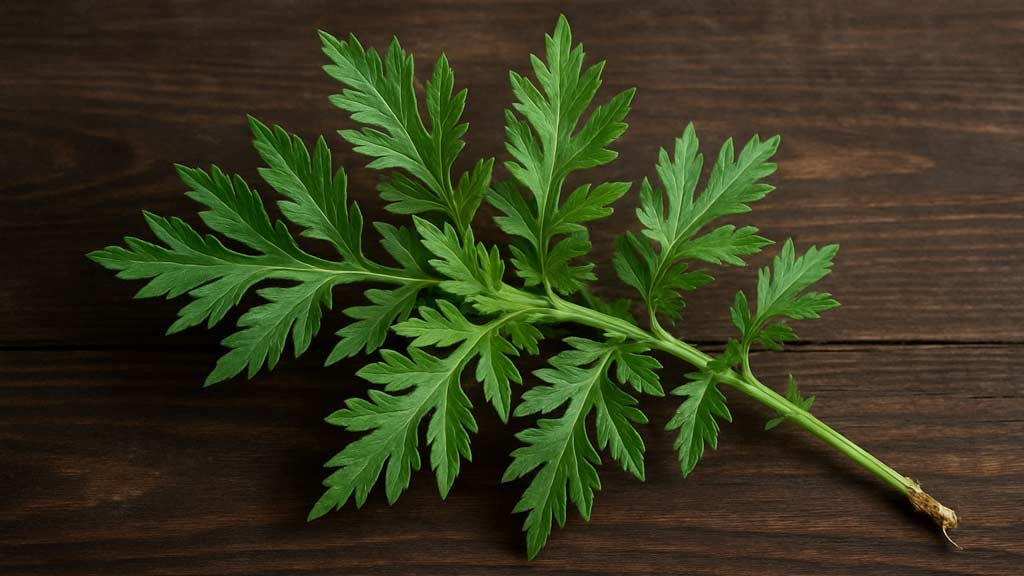
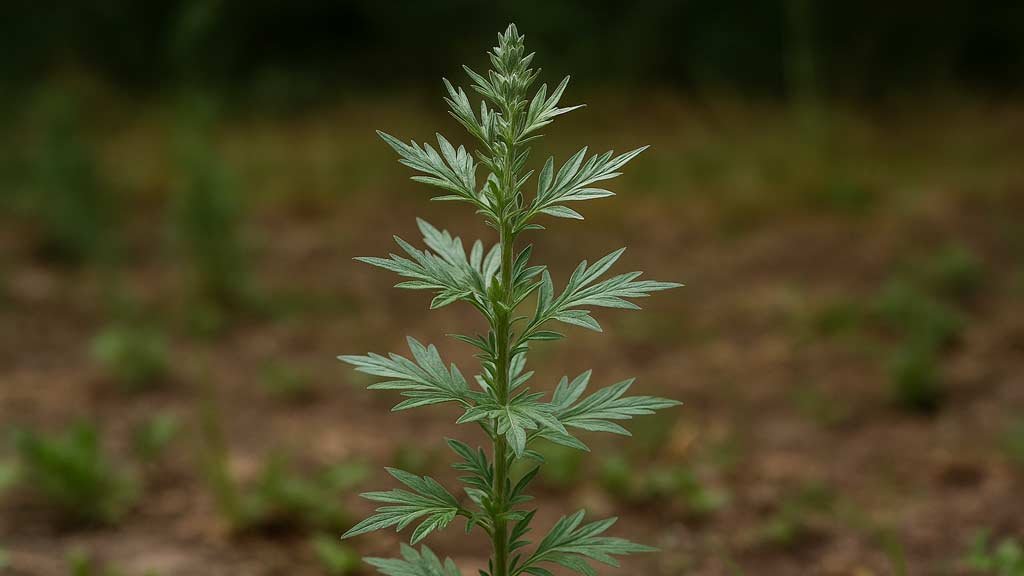
Walk through the edges of a field in late summer and you might notice a tall, somewhat ragged plant with silvery undersides to its leaves. That’s mugwort—Artemisia vulgaris. It doesn’t demand your attention like roses or sunflowers, but once you learn its look, it jumps out at you everywhere. For centuries, this hardy herb has followed humans, clinging to roadsides, gardens, and forgotten corners. People didn’t just let it grow wild—they carried it with them, burned it, brewed it, and trusted it.
Mugwort is often called “the dream herb,” and there’s truth to that. But it’s more than dreamwork. It’s digestion, women’s cycles, calm sleep, even a plant ally for rituals. Somehow it’s both practical and mystical, rooted in the body yet reaching into imagination.
Table of Contents

A Glimpse into Mugwort’s Past
The story of mugwort goes back a long way. Roman soldiers supposedly tucked it in their sandals to prevent foot fatigue. In medieval Europe, it was one of the nine sacred herbs listed in an old Anglo-Saxon charm. In Asia, it’s long been used in traditional Chinese and Korean medicine, especially in the practice of moxibustion, where dried mugwort is burned near acupuncture points to warm the body and move stagnant energy.
Think about that range: soldiers, peasants, healers, mystics. Mugwort’s history stretches across continents and roles. It was as likely to be hung over a doorway to ward off spirits as it was to be simmered in a simple digestive tea. That versatility is rare.
Mugwort and Digestion
Let’s start with the gut. Mugwort belongs to the bitter family of herbs. If you’ve ever nibbled a raw leaf, you know—there’s a sharp, earthy bitterness that lingers on the tongue. That bitterness isn’t just flavor. It stimulates digestive secretions, helping your body prepare for and break down food.
Benefits for the Digestive System
- Encourages appetite when it’s low
- Stimulates bile flow, easing the digestion of fats
- Reduces bloating and gas
- Supports sluggish digestion after heavy meals
I’ve made a simple tea of mugwort before dinner on days when my stomach just feels slow. Within minutes, there’s that slight tingling in the mouth, then a gentle warmth in the belly. It’s not dramatic, but it sets things right.
Mugwort and Women’s Health
Mugwort has a long-standing reputation as an herb for women. Traditionally, it was used to stimulate delayed or absent menstruation. Herbalists considered it an emmenagogue—a plant that encourages menstrual flow. It was also seen as a way to ease cramps and move stagnant blood.
Common Uses in Women’s Health
- Promoting a regular cycle
- Reducing menstrual pain
- Supporting recovery after childbirth
- Balancing mood around PMS
Of course, it’s not recommended during pregnancy because of those same uterine-stimulating qualities. Historically, midwives knew this well. They used mugwort carefully, with respect for its potency.
There’s also the role in moxibustion I mentioned earlier. Burning mugwort near acupuncture points, especially the one near the little toe, has been used in attempts to turn breech babies. Modern studies have even explored this with mixed but intriguing results.
Mugwort and Sleep
Here’s where mugwort earns its nickname: the dream herb. Drink a cup of mugwort tea or place dried leaves under your pillow, and many people report vivid, memorable dreams. Some say the dreams are more colorful. Others say they’re more lucid, easier to steer and explore.
It doesn’t knock you out like valerian or hops. Instead, mugwort seems to deepen the texture of the dream world. If you’re interested in dream journaling, this plant can become a nightly ally.
I once tucked a small sachet of mugwort under my pillow out of curiosity. The dreams that night were strange, layered, like watching several films overlapping. Whether it was suggestion or chemistry, it left me with a sense that mugwort does indeed open a door.
How People Use Mugwort for Sleep and Dreams
- Tea before bed (not too strong, or it gets bitter fast)
- Burning as incense before sleep
- A pouch of dried leaves under the pillow
- Adding to dream pillows with lavender or hops
Mugwort in Ritual and Folklore
You can’t talk about mugwort without touching its mystical side. Across Europe, it was burned as a protective smoke, believed to drive away evil spirits or wandering ghosts. Some cultures used it in divination, to open the mind to visions.
It was called “the Mother of Herbs” in some traditions, hinting at its role as a nurturer and protector. Harvesting mugwort at midsummer, under the solstice sun, was thought to bring extra potency. These practices may sound quaint, but they remind us of how deeply plants were woven into both health and spirituality.
Mugwort Compared with Other Herbs
When you line mugwort up with other well-known herbs, its uniqueness pops out.
- Like wormwood, it’s bitter and linked to digestion, but gentler.
- Like chamomile, it can soothe menstrual cramps, but mugwort carries a more stimulating edge.
- Unlike valerian, it doesn’t sedate but instead enhances sleep quality through dream depth.
- Unlike sage, it’s not just culinary but steeped in ritual and vision.
It’s that mix—digestive, gynecological, dream-inviting—that gives mugwort a special place.
Safety and Precautions
Mugwort isn’t for everyone. As mentioned, it should be avoided during pregnancy because of its potential uterine effects. Some people with allergies to the ragweed family (Asteraceae) may also react to mugwort with sneezing, rashes, or other sensitivities.
High doses can be too stimulating for the nervous system, leading to restlessness or even mild hallucinations. And though mugwort has been used for centuries, moderation is key. A little goes a long way.
Growing Mugwort at Home
If you’re inclined, mugwort is surprisingly easy to grow. It likes poor soil and full sun, and it spreads—sometimes too much. Once it’s in your garden, it tends to take over like a stubborn houseguest who won’t leave.
Harvest the aerial parts (leaves and stems) before the plant flowers for the best medicinal use. Dry them in a well-ventilated place, and you’ll have your own stash for teas or dream pillows. Something is grounding about preparing your own mugwort, even if it’s just a few sprigs hung to dry in the kitchen.
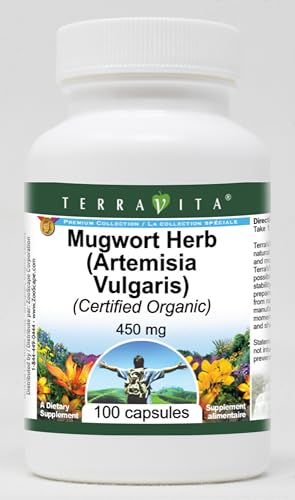
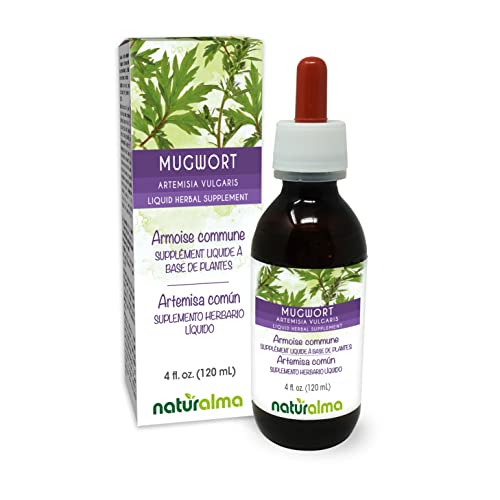
Best Selling Mugwort Supplements






A Plant That Lives Between Worlds
What strikes me most about mugwort is how it straddles boundaries. It’s practical—helping with digestion, cramps, and sleep. But it’s also otherworldly—tied to visions, protection, and dreams. Few plants manage that balance so gracefully.
Maybe that’s why mugwort has lasted in human culture for so long. It’s not just another bitter herb for the stomach or another sleep aid. It’s a bridge. Between waking and dreaming. Between body and spirit. Between the ordinary and the enchanted.
When I see mugwort waving in the wind along a roadside, I don’t just see a weed. I see an old companion. A plant that has walked beside us for centuries, quiet but persistent, ready to help when we remember to ask.
Article Sources
At AncientHerbsWisdom, our content relies on reputable sources, including peer-reviewed studies, to substantiate the information presented in our articles. Our primary objective is to ensure our content is thoroughly fact-checked, maintaining a commitment to accuracy, reliability, and trustworthiness.
- Ekiert, H., & Pluta, S. (2020). Significance of Artemisia vulgaris L. (Common Mugwort) in traditional medicine and modern research. International Journal of Molecular Sciences, 21(18). https://www.ncbi.nlm.nih.gov/pmc/articles/PMC7583039/
- Siwan, D., et al. (2022). Artemisia vulgaris Linn.: an updated review on its multiple pharmacological activities. Future Journal of Pharmaceutical Sciences, 8, Article 36. https://fjps.springeropen.com/articles/10.1186/s43094-022-00436-2
- Healthline. (n.d.). Mugwort: Possible Benefits and Other Health Effects. Healthline.
- Verywell Health. (n.d.). Mugwort: Benefits, Uses, Side Effects, and More. Verywell Health.
- Abiri, R., et al. (2018). Towards a better understanding of Artemisia vulgaris. Journal of Ethnopharmacology.
- Christopher Hobbs, Ph.D. (n.d.). Mugwort (Artemisia vulgaris) in Herbal Therapeutics Database.
- Health.com. (n.d.). Mugwort: Benefits, Uses, Side Effects, and More.

- Nectarine: Stone Fruit for Heart Health and Antioxidants - March 8, 2026
- Peach: Hydrating Fruit for Skin Health and Digestion - March 8, 2026
- Plum: Fiber-Rich Fruit for Digestion and Heart Health - March 8, 2026
