
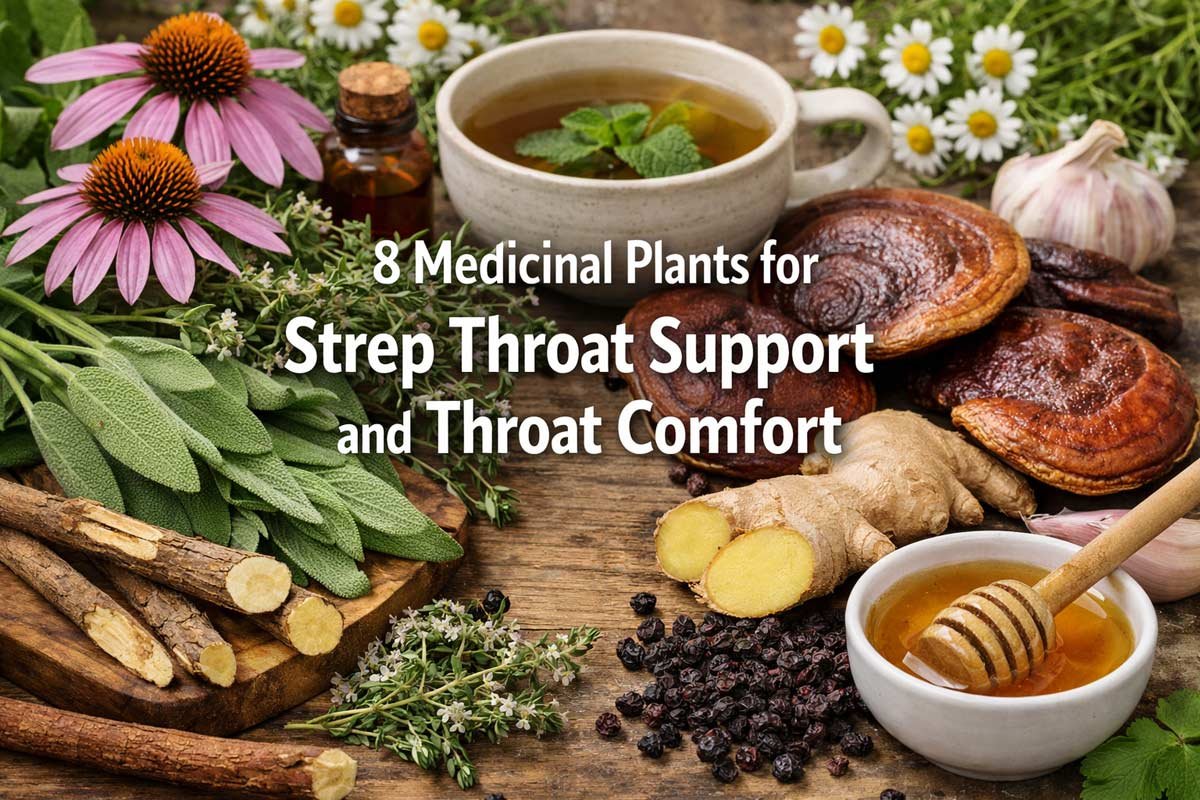
Nurturing Your Throat: Natural Ways to Soothe and Heal
There’s something almost universally uncomfortable about strep throat. That raw, scratchy sensation, the sharp twinge with every swallow, the tightness that makes speaking a minor ordeal—it can turn even a simple conversation into a chore. While antibiotics are often the standard treatment, the body’s natural defenses and a few well-chosen plants can do a surprising amount to ease symptoms, soothe irritation, and support the throat’s recovery. Over centuries, herbalists and mycologists have documented remedies that target both comfort and resilience, blending immediate relief with long-term support for the immune system.
The first thing to understand is the role of inflammation in strep throat. The bacteria responsible—Streptococcus pyogenes—trigger an immune response that inflames the throat tissue. This inflammation, while necessary for fighting the infection, produces the pain, burning, and swelling that are the hallmarks of strep. So, when considering natural remedies, the goal isn’t just to mask discomfort—it’s to support the tissues, calm inflammation, and aid the immune system in clearing the infection efficiently.
Table of Contents

Mucilage-rich herbs are particularly helpful in this context. These are plants that contain a gelatinous, slippery substance capable of coating the mucous membranes of the throat. Think of it as a natural protective film that cushions inflamed tissue, reducing friction when swallowing and providing almost instant relief from the raw, scratchy sensation. Marshmallow root and slippery elm are classic examples. Drinking a warm tea made from these herbs is like giving your throat a soft, calming blanket. It doesn’t fight the bacteria directly, but it helps the throat tolerate the infection while the body does the work of healing.
Alongside soothing herbs, antimicrobial plants can offer direct support against bacterial colonization in the throat. Thyme and sage, for instance, contain compounds that can inhibit bacterial growth. While they won’t replace antibiotics when an infection is serious, they can complement the immune response, reducing bacterial load locally and helping the throat feel less irritated. A warm thyme tea or a gentle sage gargle can provide a combination of soothing relief and antimicrobial support—a two-pronged approach that aligns with centuries of traditional herbal practice.
Immune-supporting herbs like echinacea also play a crucial role. These plants modulate the immune system, stimulating white blood cell activity and enhancing the body’s ability to fight infection. During a strep infection, this can translate to shorter symptom duration and potentially less severe pain and swelling. Unlike mucilage herbs, these plants work systemically, supporting the body’s overall defenses rather than just calming the throat. Combining soothing herbs with immune-modulating ones creates a layered, comprehensive approach: immediate comfort paired with proactive support for recovery.
Mushrooms deserve mention here as well. Reishi and chaga are not your everyday culinary mushrooms—they’re powerful allies in immune resilience. Rich in beta-glucans and antioxidants, they enhance immune function and reduce systemic inflammation. Drinking a gentle reishi infusion can feel like sending reinforcements to your immune army, allowing your body to handle the bacterial assault more efficiently while keeping inflammation in check. Chaga, with its deep earthy taste, not only supports immunity but also provides antioxidant protection, mitigating oxidative stress that can accompany infections.
Hydration and warmth are also critical components of natural throat care. Herbal teas, broths, and warm infusions keep tissues hydrated, promote mucus flow, and make swallowing less painful. Adding honey or a squeeze of lemon can further soothe irritation and provide mild antibacterial support. Even simple practices, like gargling with warm saline or herbal decoctions, can make a noticeable difference in comfort.
Finally, there’s an experiential component to herbal support that often gets overlooked: ritual and mindfulness. Taking the time to prepare a tea, inhale the steam of a herbal infusion, or slowly sip a warm decoction signals the body to slow down, rest, and focus energy on healing. It’s not just psychological—it can influence the nervous system, reduce stress-related immune suppression, and enhance the perception of relief. The throat isn’t isolated from the rest of the body; a calm, supported system allows tissue repair and immune responses to work more efficiently.
The beauty of approaching strep throat with herbs and mushrooms is that it’s both immediate and cumulative. Soothing herbs provide fast relief, antimicrobial plants target the bacterial presence locally, immune-modulating herbs and mushrooms support systemic defenses, and simple supportive rituals enhance overall resilience. When combined thoughtfully, these strategies create an environment in the body where discomfort is reduced, the immune system is bolstered, and the throat can recover with less strain.
This holistic perspective reflects centuries of natural medicine experience. It acknowledges the discomfort, respects the bacterial challenge, and leverages the body’s innate healing capacity with strategic, plant-based support. Strep throat may be a temporary annoyance, but the right herbs and mushrooms can transform the experience from purely painful to tolerable, even nurturing—a small yet significant demonstration of the power of nature in everyday health.
Herbal Allies to Calm Irritation and Soothe the Throat
When strep throat strikes, the burning, scratchy sensation can make even swallowing water feel like a challenge. At this stage, the most immediate relief often comes from herbs that coat and soothe the throat, reducing friction and calming inflamed tissues. These are typically mucilaginous plants—herbs that contain a gelatinous, slippery substance capable of forming a protective layer over irritated mucous membranes. They don’t attack bacteria directly but create an environment that allows your throat to heal more comfortably. Among these, marshmallow root, slippery elm, and licorice root have long histories in herbal medicine, each bringing unique properties to the table.
1. Marshmallow Root (Althaea officinalis)
Marshmallow root is one of the gentlest yet most effective herbs for soothing irritated throats. Its high mucilage content swells when mixed with water, forming a slippery coating that protects inflamed tissue and reduces pain when swallowing. Traditional herbalists have recommended marshmallow root tea for centuries, particularly during throat infections and laryngitis.
Beyond its soothing effect, marshmallow root has mild anti-inflammatory properties that can help calm swelling in the throat. The combination of lubrication and anti-inflammation makes it particularly useful during the early stages of strep throat when the pain is sharpest. A simple infusion—steeping a teaspoon of dried root in hot water for 10–15 minutes—can be sipped slowly throughout the day. For additional relief, some people mix it with a touch of honey, which adds a natural antibacterial element and enhances the coating effect.
In my experience, marshmallow root is most effective when used consistently over a day or two, especially alongside other soothing herbs. It’s not just about immediate comfort; it gently supports tissue repair by maintaining a protective layer that keeps irritation from worsening.
2. Slippery Elm (Ulmus rubra)
Slippery elm has a similar mucilaginous profile to marshmallow root but carries its own unique flavor and soothing qualities. When the inner bark is mixed with warm water, it transforms into a gelatinous substance that lubricates the throat and eases the burning sensation caused by strep throat. Its long-standing use in traditional Native American medicine attests to its reliability in calming irritated mucous membranes.
One of the advantages of slippery elm is its versatility. It can be taken as a tea, a lozenge, or even mixed into a small amount of warm water for a quick swallow. It’s particularly comforting in the evening before bed, when throat discomfort tends to feel more pronounced due to dryness or nighttime congestion. Many people notice that using slippery elm can reduce the need for repeated clearing of the throat, which itself can aggravate inflamed tissue.
Slippery elm also has a mild nutritive quality. The inner bark contains small amounts of vitamins and minerals, which can support overall health during an infection. While it’s not a replacement for immune-supporting herbs or medical treatment, it functions as a reliable “first layer” of care, providing immediate relief while other remedies take effect.
3. Licorice Root (Glycyrrhiza glabra)
Licorice root brings a different dimension to soothing the throat. Known for its naturally sweet flavor, it is also a potent anti-inflammatory and mild antimicrobial agent. When prepared as a tea or warm decoction, licorice root can calm swelling in the throat and reduce pain, making it easier to swallow. Its anti-inflammatory properties are particularly helpful in strep throat, where the immune response itself contributes to discomfort through swelling and irritation.
Beyond its local effects in the throat, licorice root can support systemic immune responses. It contains compounds called glycyrrhizins, which have been studied for their role in modulating inflammation and enhancing the body’s response to infections. In practical terms, sipping licorice root tea throughout the day provides both topical relief for the throat and gentle systemic support.
Caution is advised for individuals with high blood pressure or heart conditions, as long-term or high-dose use of licorice can affect sodium retention and blood pressure. For most people using moderate amounts in tea form over a few days, it is both safe and remarkably effective for easing the discomfort of strep throat.
Combining these three herbs—marshmallow root, slippery elm, and licorice root—creates a layered approach to soothing the throat. Marshmallow and slippery elm provide immediate lubrication and protection, while licorice adds anti-inflammatory and mild antimicrobial support. Together, they form a reliable, comforting foundation that can significantly reduce the pain and irritation of strep throat, making the infection more tolerable and giving the body a better environment to heal.
Immune-Enhancing Herbs to Combat Infection
Strep throat isn’t just about discomfort—it’s a bacterial infection that tests your body’s defenses. While soothing herbs help calm irritation, immune-supporting plants target the infection itself, equipping your body to respond more effectively. Herbs like echinacea, thyme, and sage have long-standing reputations in traditional medicine for their ability to modulate the immune system, reduce bacterial activity, and support the body’s natural healing processes.
4. Echinacea (Echinacea purpurea)
Echinacea is perhaps the most celebrated immune-supporting herb in Western herbalism. Native to North America, it has been used for centuries to prevent and treat infections, including those affecting the respiratory tract. The roots and aerial parts of the plant contain bioactive compounds, such as alkamides, polysaccharides, and caffeic acid derivatives, which stimulate immune activity and enhance white blood cell function.
In the context of strep throat, echinacea can help shorten the duration of symptoms and support the body in fighting off the Streptococcus bacteria. A daily tincture or a strong tea made from the roots can prime the immune system, making it more responsive to infection. Anecdotally, patients and herbalists alike note that using echinacea early during the onset of throat pain can reduce severity and make the healing process smoother. It’s important to use fresh or properly prepared extracts, as potency can vary widely in commercial products.
5. Thyme (Thymus vulgaris)
Thyme is not only a culinary herb but also a potent antimicrobial agent. The essential oils in thyme, especially thymol and carvacrol, have been shown to inhibit the growth of various bacteria, including those implicated in strep throat. When used as a tea or gargle, thyme provides local support to the throat tissues, helping to reduce bacterial load while offering mild anti-inflammatory effects.
A simple thyme infusion—steeping fresh or dried leaves in hot water—can be sipped slowly to coat the throat. Alternatively, a warm thyme gargle can provide targeted relief, delivering the antimicrobial compounds directly to inflamed tissues. Beyond its bacterial-fighting properties, thyme also has a gentle warming effect, which increases circulation in the throat area and can make swallowing less painful. Its aromatic qualities add another layer of comfort, making the experience of relief almost immediate.
6. Sage (Salvia officinalis)
Sage is one of the most trusted herbs for throat health. Its leaves contain phenolic acids and flavonoids, compounds that exhibit both antimicrobial and anti-inflammatory properties. Traditionally, sage has been used in teas, gargles, and steam inhalations to address sore throats, laryngitis, and other upper respiratory infections.
Gargling with sage tea or using it in steam therapy helps reduce local inflammation and bacterial presence in the throat, while also providing a soothing, warming sensation. Sage’s anti-inflammatory properties calm swollen tissues, reducing the sharpness of pain when swallowing. It’s particularly effective when combined with other immune-supportive herbs, as it addresses both the infection and the discomfort associated with it.
Using echinacea, thyme, and sage together creates a comprehensive immune-support strategy. Echinacea strengthens systemic defenses, preparing the body to fight the bacteria effectively. Thyme delivers localized antimicrobial support, while sage soothes inflamed tissue and enhances comfort. Together, these herbs not only support recovery from strep throat but also reduce the intensity of symptoms, making the infection easier to manage while the body works to heal.
The combination of systemic immune support and targeted antimicrobial action mirrors the approach of experienced herbalists who treat infections holistically: you address both the cause and the symptom, creating an environment where the throat can recover efficiently and comfortably. By integrating these herbs into teas, tinctures, or gentle gargles, you provide the body with practical tools to fight the infection while maintaining comfort—a layered, thoughtful strategy rooted in centuries of herbal wisdom.
Medicinal Mushrooms and Adaptogens for Throat Resilience
When strep throat sets in, it’s not only the local discomfort that matters—it’s the overall resilience of your immune system. Medicinal mushrooms have long been valued for their unique ability to support systemic immunity, reduce inflammation, and enhance the body’s capacity to respond to infections. Unlike soothing herbs that target immediate pain or immune herbs that modulate white blood cells directly, mushrooms provide a broader, adaptogenic approach: they strengthen the body’s defenses, improve recovery, and help the throat heal more efficiently. Among the most powerful allies are reishi and chaga mushrooms.
7. Reishi Mushroom (Ganoderma lucidum)
Reishi is often called the “mushroom of immortality” for good reason. In traditional East Asian medicine, it has been used for centuries to boost vitality, support immunity, and calm inflammation. Modern research confirms that reishi contains beta-glucans, triterpenes, and polysaccharides that modulate immune responses, enhancing the activity of natural killer cells and supporting white blood cell function. This immune modulation is particularly valuable during bacterial infections like strep throat, where the body must mount an effective response without excessive inflammation.
Drinking reishi as a tea or taking it as a tincture provides gentle systemic support. Its bitter, earthy flavor can be surprising at first, but many find that simmering the dried mushroom slowly for several hours produces a smoother, richer infusion. While reishi doesn’t directly kill the Streptococcus bacteria in the throat, it primes the immune system, helping the body respond more efficiently and reducing the duration of symptoms. The calming properties of reishi also help regulate stress responses, which is crucial because stress can suppress immune function and slow healing.
8. Chaga Mushroom (Inonotus obliquus)
Chaga is another remarkable mushroom for supporting throat resilience. Native to birch forests in northern climates, chaga is packed with antioxidants, polysaccharides, and betulinic acid. These compounds help reduce systemic inflammation and protect cells from oxidative stress, which often accompanies infections. Consuming chaga as a tea or infusion can give the immune system a boost while subtly reducing the inflammation that aggravates a sore throat.
In addition to its systemic effects, chaga’s soothing qualities contribute to overall comfort. A warm cup of chaga tea coats the throat with gentle moisture, much like a mucilaginous herb, and the earthy flavor carries a grounding, restorative sensation. People with strep throat often notice that regular, moderate consumption of chaga during an infection helps reduce fatigue, supports energy levels, and maintains overall resilience, even as the body focuses on healing the throat.
The combination of reishi and chaga exemplifies the adaptogenic approach to managing strep throat. Reishi modulates immune responses and regulates inflammation, while chaga provides antioxidant protection and systemic support. Together, they don’t just address the infection—they strengthen the body, making the throat and the entire system more resilient. For anyone recovering from strep throat, these mushrooms offer a unique form of care that complements soothing herbs and immune-supportive plants, creating a holistic path to recovery that is both practical and deeply restorative.
Integrating medicinal mushrooms into daily routines during infection is simple. Slow-simmered teas, tinctures, or even powdered extracts can be consumed throughout the day. Their effects accumulate gradually, supporting not just the throat but the immune system as a whole. This layered approach—mucilage herbs for immediate comfort, antimicrobial and immune herbs for targeted action, and adaptogenic mushrooms for systemic resilience—creates a comprehensive, natural strategy that aligns with centuries of traditional medicine and modern understanding of immune function.
Gentle Relief and Ongoing Support for Your Throat
Recovering from strep throat is as much about nurturing comfort as it is about combating infection. The herbs and mushrooms we’ve explored—marshmallow root, slippery elm, licorice root, echinacea, thyme, sage, reishi, and chaga—each play distinct roles, but their combined effect creates a layered approach that addresses both symptoms and systemic resilience. By integrating these plants into a daily routine, you provide your throat and immune system with continuous support, easing discomfort and enhancing recovery.
One of the most effective strategies is to maintain consistent hydration with herbal teas and infusions. Warm liquids soothe inflamed tissues, keep mucus flowing, and reduce the rawness that makes swallowing painful. Incorporating mucilaginous herbs like marshmallow root and slippery elm ensures the throat is coated and protected throughout the day, while licorice adds a gentle anti-inflammatory effect. A daily regimen of sips from these teas can make the difference between a painfully dry throat and one that feels cushioned and supported.
Gargling with antimicrobial herbs such as sage and thyme provides targeted relief to the areas most affected by strep bacteria. A simple preparation—steeping fresh or dried leaves in hot water, letting the infusion cool to a safe temperature, and gargling for 30–60 seconds—can help reduce bacterial presence while calming inflammation. Repeating this a few times daily reinforces the protective effects and keeps the throat more comfortable, especially when paired with systemic immune support from echinacea.
Medicinal mushrooms like reishi and chaga enhance resilience on a deeper level. They don’t act immediately on the throat’s surface, but by modulating immune function and reducing systemic inflammation, they help the body handle infection more efficiently. Incorporating these mushrooms as teas or tinctures into your daily routine creates an ongoing foundation of support, ensuring that the immune system remains responsive while the throat heals.
Beyond the herbs and mushrooms themselves, there are small but impactful habits that support throat health. Rest is essential; the body does most of its repair work during sleep. Maintaining a humid environment can prevent further irritation from dry air, while gentle swallowing exercises can help keep the muscles around the throat flexible and reduce stiffness. Even simple practices like mindful sipping of warm herbal liquids throughout the day serve both a physiological and psychological purpose: they hydrate, soothe, and signal the body to focus energy on healing.
The cumulative effect of these strategies is remarkable. Mucilage herbs provide immediate comfort, antimicrobial and immune herbs actively support recovery, and adaptogenic mushrooms enhance systemic resilience. Together, they create a comprehensive approach that eases pain, reduces inflammation, and helps the body fight off infection efficiently. In my experience, those who integrate these natural supports consistently find that recovery feels smoother, less irritating, and more manageable than relying solely on symptomatic relief.
Ultimately, gentle relief and ongoing support are about respecting the throat’s vulnerability while actively nurturing its recovery. Using these herbs and mushrooms isn’t just about easing discomfort—it’s about giving your body the tools it needs to respond, heal, and regain strength. By maintaining consistent, thoughtful use, you can transform the experience of strep throat from one of relentless irritation to one of manageable discomfort, supported by nature’s remedies every step of the way.
Best-selling Supplements for Strep Throat


Article Sources
At AncientHerbsWisdom, our content relies on reputable sources, including peer-reviewed studies, to substantiate the information presented in our articles. Our primary objective is to ensure our content is thoroughly fact-checked, maintaining a commitment to accuracy, reliability, and trustworthiness.
- Barnes, J., Anderson, L. A., & Phillipson, J. D. (2007). Herbal Medicines (3rd ed.). Pharmaceutical Press.
- Bone, K., & Mills, S. (2013). Principles and Practice of Phytotherapy: Modern Herbal Medicine (2nd ed.). Elsevier Health Sciences.
- Bisset, N. G. (1994). Herbal Drugs and Phytopharmaceuticals: A Handbook for Practice on a Scientific Basis. CRC Press.
- Wachtel-Galor, S., & Benzie, I. F. F. (2011). Herbal Medicine: Biomolecular and Clinical Aspects (2nd ed.). CRC Press.
- Sangiovanni, E., Brivio, P., Dell’Agli, M., & Calabrese, F. (2017). Botanicals as modulators of neuroplasticity: Focus on BDNF. Neural Plasticity, 2017, 5965371. https://doi.org/10.1155/2017/5965371
- Hobbs, C. (2000). Medicinal Mushrooms: An Exploration of Tradition, Healing, & Culture. Botanica Press.
- Mills, S., & Bone, K. (2000). The Essential Guide to Herbal Safety. Elsevier Health Sciences.
- Mancini, M., & Filippini, R. (2020). Anti-inflammatory and immune-modulatory properties of medicinal mushrooms. Journal of Fungi, 6(4), 204. https://doi.org/10.3390/jof6040204

- Zucchini: Hydrating Vegetable for Digestion and Heart - April 6, 2026
- Yams: Energy Rich Root for Fiber - April 6, 2026
- Turnip: Root Vegetable for Digestion and Vitamin C - April 6, 2026