
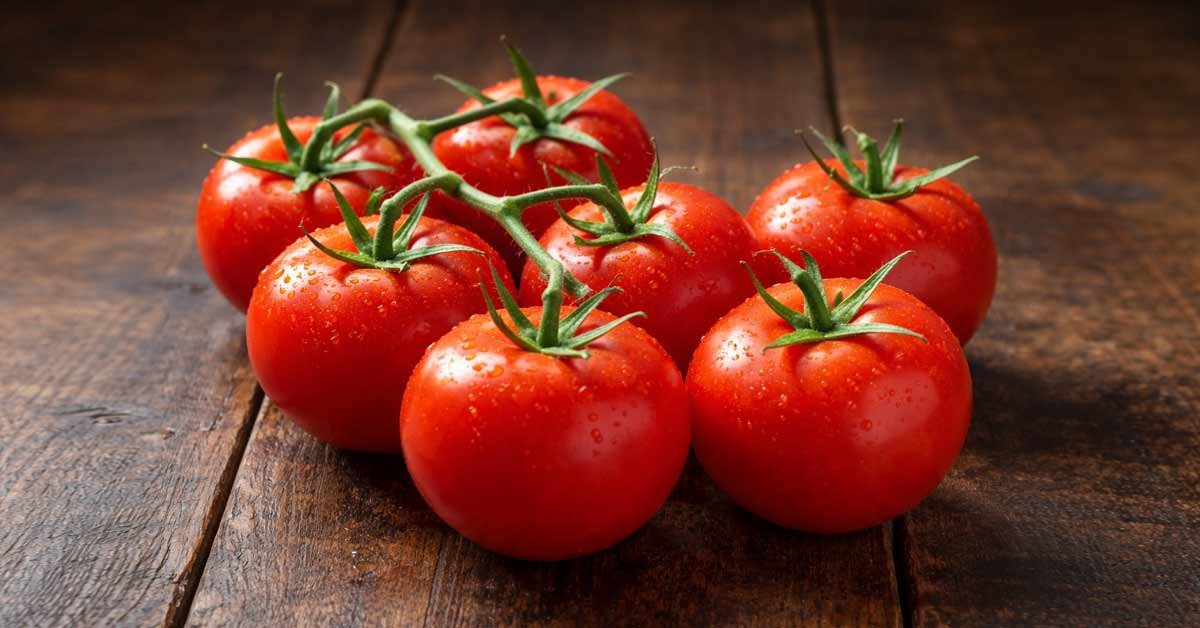
A Simple Fruit With a Complicated Reputation
Tomato sits in a strange place. Everyone knows it. Almost everyone eats it. Yet the moment you start talking about a tomato in a health context, the conversation shifts. Is it better raw or cooked? Is lycopene actually doing anything meaningful? Should you eat more tomatoes or does it not really matter?
That tension is what makes the tomato interesting. It is familiar, but not fully understood.
Table of Contents

From a botanical point of view, a tomato is a fruit. In everyday life, it behaves like a vegetable. It shows up in salads, sauces, soups, sandwiches, and juices. It is one of the most consumed foods globally, which makes even small nutritional effects worth paying attention to. If something is eaten frequently, consistency matters more than intensity.
What brought the tomato into the spotlight for heart health is one compound: lycopene.
Lycopene is a carotenoid. It gives tomatoes their red color. You also find it in watermelon and pink grapefruit, but tomatoes remain the primary source in most diets. What makes lycopene stand out is how it interacts with oxidative processes in the body. It has been studied for its role in reducing oxidative stress, especially in relation to lipids in the bloodstream.
That sounds technical, but it becomes practical quickly.
When lipids in the blood oxidize, they become more reactive. This is one of the early steps involved in the development of atherosclerosis. Lycopene appears to interact with these processes. Not as a magic shield, but as one small factor in a much larger system that includes diet, activity, and overall lifestyle.
Still, this is where things often go wrong in how people think about tomatoes.
There is a tendency to isolate one nutrient and build the entire story around it. Lycopene becomes the headline, and tomato becomes just a delivery system. That approach misses the bigger picture. Tomato is not just lycopene. It also provides vitamin C, potassium, folate, and a range of other plant compounds that work together.
When you eat tomatoes regularly, you are not consuming a single compound. You are engaging with a food matrix.
That matters because the body does not process nutrients in isolation. Absorption, metabolism, and biological effects depend on combinations. For example, lycopene is fat-soluble. That means its absorption improves when tomatoes are eaten with a source of fat. A simple drizzle of olive oil changes how much your body can actually use.
Cooking also changes the equation.
Raw tomatoes contain lycopene in a less bioavailable form. Heat breaks down cell walls and converts lycopene into forms that are easier to absorb. This is why tomato sauce, paste, and slow cooked dishes often deliver more usable lycopene than fresh slices, even though the raw fruit still has value.
So now you have a paradox.
Fresh tomatoes feel healthier. Cooked tomatoes may deliver more of the compound people care about. Both are useful. The difference is not about choosing one over the other, but understanding how each fits into a routine.
This is where tomato earns its reputation as complicated.
Not because the food itself is complex, but because the way we interpret it tends to be oversimplified. People look for clear answers. Raw or cooked. Good or bad. Superfood or irrelevant. Tomato does not fit neatly into those categories.
It works quietly, in the background, as part of a pattern.
If you look at dietary patterns associated with better cardiovascular outcomes, tomatoes show up often. Not alone, but alongside olive oil, vegetables, legumes, and whole grains. Think of Mediterranean-style eating. Tomato is not the star. It is part of the structure.
That context changes how you should think about it.
Instead of asking, “What does a tomato do on its own?” a better question is, “What happens when a tomato is part of what I eat regularly?”
In real life, this looks simple:
- Sliced tomatoes with olive oil and a pinch of salt
- A slow-cooked tomato sauce with garlic and vegetables
- Tomatoes added to soups or stews
- A fresh salad where tomato adds texture and acidity
None of these feel like a targeted health intervention. That is the point.
The impact of tomatoes does not come from occasional large amounts. It comes from repeated, moderate intake over time. This aligns with how most nutritional effects work. Small inputs, repeated consistently, shape outcomes more than sporadic extremes.
There is also a sensory side to this that often gets ignored.
Tomatoes bring acidity, sweetness, and umami. They make other foods more palatable. That matters because food you enjoy is food you repeat. And repetition is where any potential benefit lives.
So the reputation of tomato ends up being layered.
It is simple because it is accessible, versatile, and widely used. It is complicated because its value depends on context, preparation, and consistency. It does not act dramatically. It accumulates influence over time.
If you strip away the noise, the takeaway is straightforward.
Tomato is not a miracle food. It is not nutritionally insignificant either. It sits somewhere in the middle, where most useful foods tend to be. Quietly contributing, meal after meal, without demanding attention.
And that is exactly why it deserves a closer look.
Lycopene in Tomato: What Actually Matters
Lycopene tends to carry the entire reputation of tomato on its back. You see it on labels, in headlines, and in nutrition conversations that try to reduce everything to a single compound. That framing is convenient, but it misses the nuance. Lycopene matters, but how it behaves in the body depends on context, preparation, and consistency of intake.
If you want to get practical value from tomatoes, you need to understand what lycopene actually does, how your body handles it, and what changes how much you absorb.
What Lycopene Is and How It Works in the Body
Lycopene is a carotenoid. It belongs to the same family as beta carotene, but it does not convert into vitamin A. Its main role is tied to its chemical structure, which allows it to interact with reactive oxygen species. In simple terms, lycopene can help neutralize unstable molecules that form during normal metabolism.
That interaction is what links lycopene to oxidative stress.
Oxidative stress is not inherently bad. It is part of normal physiology. The issue arises when there is an imbalance between reactive molecules and the body’s ability to manage them. Over time, that imbalance can affect lipids, proteins, and cellular structures.
This is where lycopene becomes relevant.
Research shows that lycopene can integrate into lipoproteins in the bloodstream. These are the particles that transport lipids, including LDL cholesterol. When lycopene is present, it appears to reduce the susceptibility of these lipids to oxidation. This does not stop the process entirely, but it may influence how quickly or intensely it happens.
That distinction matters. You are not “blocking” anything. You are shifting conditions slightly.
Another detail that often gets overlooked is where lycopene accumulates. It tends to concentrate in tissues like the liver, adrenal glands, and prostate. Its presence there suggests a longer term role rather than a short burst effect after a single meal.
So if you eat tomatoes once, the impact is minimal. If you eat tomatoes regularly, the body maintains a more stable level of lycopene. That is where any meaningful interaction with oxidative processes can occur.
Consistency beats intensity.
Absorption Factors: Raw vs Cooked Tomatoes
This is where theory meets reality. You can eat tomatoes, but how much lycopene your body actually absorbs varies a lot.
Two main factors influence this:
- The physical structure of the tomato
- The presence of dietary fat
Raw tomatoes contain lycopene bound within intact plant cell walls. Your digestive system can break some of that down, but not completely. As a result, a portion of lycopene passes through without being absorbed.
Cooking changes that.
Heat breaks down cell walls and transforms lycopene into forms that are easier for the body to absorb. Studies consistently show higher blood levels of lycopene after consuming processed tomato products like sauce, paste, or juice compared to raw tomatoes, even when the total lycopene content is similar.
Then there is fat.
Lycopene is fat soluble. Without dietary fat, absorption is limited. Add a small amount of fat, and absorption increases significantly. This is not theoretical. It has been measured in controlled feeding studies.
So a few practical combinations make a real difference:
- Tomato sauce with olive oil
- Cooked tomatoes in a vegetable stew with added fat
- Tomato paste used in dishes that include oils or fats
Compare that to eating raw tomato slices on their own. You still get nutrients, but less of the lycopene becomes available for use.
This does not mean raw tomatoes are ineffective. They provide vitamin C and other compounds that are sensitive to heat. The point is not to replace one with the other, but to understand that preparation changes outcomes.
A mix of both tends to cover more ground.
Oxidative Stress and Vascular Function
Now to the part that connects lycopene with heart health in a practical way.
Blood vessels are dynamic. They expand, contract, and respond to signals from the body. The inner lining of blood vessels, called the endothelium, plays a key role in this process. It helps regulate blood flow, pressure, and interactions between circulating particles and vessel walls.
Oxidative stress can interfere with endothelial function.
When reactive molecules increase, they can reduce the availability of nitric oxide. This molecule is essential for vasodilation, the process that allows blood vessels to relax and widen. Reduced nitric oxide availability is associated with less efficient vascular function.
Lycopene appears to interact with this system indirectly.
By reducing oxidative pressure, it may help preserve nitric oxide availability. Some clinical studies have observed modest improvements in markers of endothelial function with higher lycopene intake, particularly from tomato-based foods. The changes are not dramatic, but they are measurable.
There is also the lipid angle.
Oxidized LDL is more reactive than non oxidized LDL. It is more likely to be taken up by immune cells and contribute to plaque formation. Lycopene’s ability to reduce lipid oxidation may influence this step in the process.
Again, this is not a switch you turn off. It is a gradual influence.
What is important here is scale and expectation.
You are not going to eat tomatoes for a week and noticeably change vascular function. The research that shows effects typically involves consistent intake over weeks or months. The body responds to patterns, not isolated actions.
This brings everything back to how tomatoes are actually used.
A diet that regularly includes tomato based foods tends to deliver steady amounts of lycopene. Over time, that can contribute to a lower oxidative environment and support normal vascular responses. It is one piece of a much larger system that includes other nutrients, physical activity, and overall dietary patterns.
If you zoom out, the practical takeaway is clear.
Lycopene matters, but only if you absorb it. Absorption depends on preparation and fat intake. The effects build slowly and require consistency. Tomatoes are not powerful because of a single meal. They are useful because they are easy to repeat.
That is where the real value sits.
Tomato and Heart Health: Mechanisms That Make Sense
When people connect tomato to heart health, the conversation often drifts into vague territory. You hear phrases like “good for the heart” without much explanation. That is not very useful. If something is worth paying attention to, you should be able to trace how it interacts with real physiological processes.
Tomato does not act through one single pathway. It influences several small mechanisms that, over time, can shape cardiovascular function. None of these are dramatic on their own. Together, they form a pattern that makes sense when you look at how the body actually works.
Cholesterol Oxidation and Lipid Stability
Cholesterol itself is not the issue. Your body needs it. The problem starts when certain lipoproteins, especially LDL particles, become oxidized.
Oxidized LDL behaves differently:
- It is more reactive
- It is more likely to be taken up by immune cells
- It contributes to the formation of foam cells, an early step in plaque development
This is where tomato starts to matter.
Tomatoes provide lycopene along with other antioxidants such as vitamin C and polyphenols. Lycopene, in particular, integrates into LDL particles. Once there, it can reduce their susceptibility to oxidation. This has been observed in controlled studies where higher intake of tomato products led to lower markers of lipid oxidation.
Think of it as improving the stability of what is already circulating in your bloodstream.
You are not removing LDL. You are influencing how it behaves under stress.
There is also a broader dietary effect. Diets that include tomatoes regularly often include other plant foods, healthy fats, and fewer ultra processed products. That combination tends to reduce oxidative load overall, which further supports lipid stability.
A simple example most people can relate to:
- A meal built around refined carbs and processed fats tends to increase oxidative stress
- A meal that includes tomatoes, olive oil, vegetables, and fiber creates a different metabolic environment
Tomato is not acting alone, but it contributes to the direction things move.
Blood Pressure and Endothelial Function
Blood pressure is tightly regulated. It responds to fluid balance, nervous system input, and the condition of blood vessels themselves.
The inner lining of blood vessels, the endothelium, plays a central role here. It produces nitric oxide, a molecule that signals vessels to relax. When nitric oxide is available, vessels dilate more easily. When it is reduced, vessels become less responsive.
Tomato contributes to this system through a few overlapping factors.
First, potassium.
Tomatoes provide potassium, a mineral involved in balancing sodium levels and supporting normal blood pressure regulation. Higher potassium intake is consistently associated with better blood pressure control, especially when sodium intake is moderate to high.
Second, antioxidant activity.
As mentioned earlier, oxidative stress can reduce nitric oxide availability. Lycopene and other compounds in tomatoes may help preserve nitric oxide by lowering oxidative pressure. Some intervention studies using tomato products have shown modest improvements in endothelial function, often measured through flow mediated dilation.
These changes are not extreme, but they are consistent enough to be taken seriously.
Third, the food context again matters.
Tomatoes are rarely eaten in isolation. When they are part of meals that include healthy fats, fiber, and minimally processed ingredients, the overall effect on vascular function tends to be more favorable. Blood pressure responds to the whole pattern, not just one food.
From a practical standpoint, this is what it looks like:
- Regular inclusion of tomatoes in meals
- Pairing with sources of healthy fat
- Keeping overall dietary patterns balanced
No single serving will shift blood pressure in a meaningful way. Repeated exposure over time is what matters.
Inflammation Markers and Dietary Patterns
Inflammation is often misunderstood. It is not something you eliminate. It is something you regulate.
Short term inflammation is part of normal immune function. Chronic low grade inflammation is where problems start. It is associated with a range of cardiovascular risks, including changes in blood vessels and lipid metabolism.
Tomato interacts with this system in a subtle but relevant way.
Studies have examined markers like C reactive protein and inflammatory cytokines in response to diets rich in tomato products. Some show modest reductions, particularly when tomatoes are part of a broader dietary pattern rich in plant foods.
This is an important distinction.
Tomato on its own has a limited effect. Tomato within a consistent dietary pattern shows more meaningful changes.
Why?
Because inflammation responds to cumulative inputs:
- Dietary quality
- Body composition
- Physical activity
- Sleep and stress
Tomatoes contribute antioxidants and bioactive compounds that can support a lower inflammatory environment, but they are one piece of a larger system.
There is also the role of food replacement.
When tomatoes are added to meals, they often replace more energy dense, less nutrient dense ingredients. For example:
- Adding tomatoes to a sandwich instead of processed spreads
- Using tomato based sauces instead of cream based sauces
- Including tomatoes in salads instead of relying on refined side dishes
These small shifts change the overall nutritional profile of meals. Over time, that influences inflammation markers more than any single compound could.
If you zoom out, a pattern emerges.
Tomatoes support:
- More stable lipids
- Better vascular responsiveness
- A slightly lower inflammatory load
None of these effects are strong enough to stand alone as a solution. Together, repeated over months and years, they become meaningful.
That is the key idea.
Tomato does not “fix” heart health. It nudges several mechanisms in a favorable direction. If those nudges happen consistently, within a balanced diet, they can contribute to better long term outcomes.
That is a mechanism that actually makes sense.
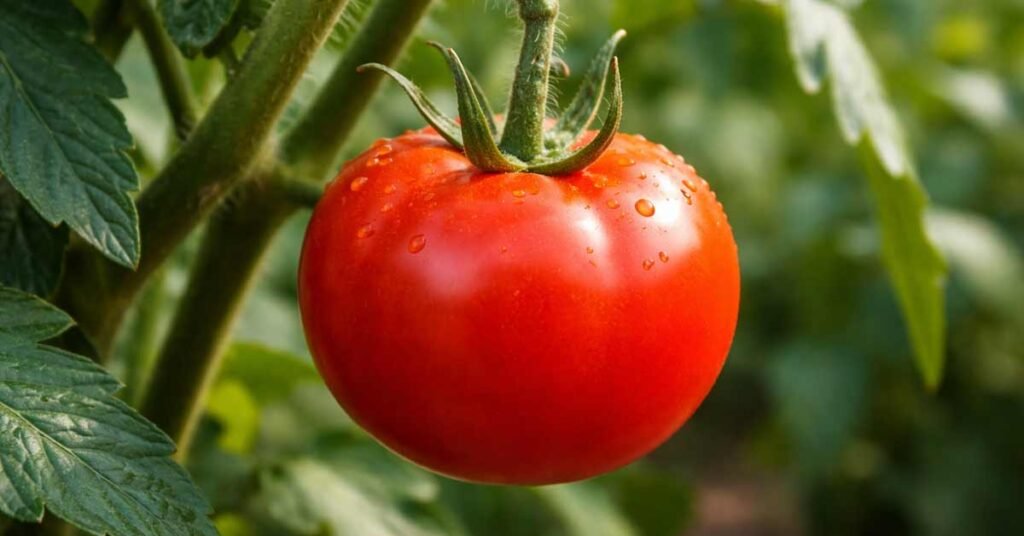
Practical Ways to Use Tomato Daily Without Overthinking It
This is where most people get stuck. Not on the science, not on lycopene, not on heart health. The real friction shows up in the kitchen. You understand that tomato can be useful, but how do you actually make it part of your day without turning it into a project?
The answer is simpler than it sounds. You stop treating tomato as a “health move” and start treating it as a default ingredient. Something that shows up without effort.
Consistency beats precision here. You do not need perfect combinations. You need repeatable habits.
Fresh vs Cooked Tomatoes: What Changes Nutritionally
There is a lot of noise around this. Raw tomatoes are often seen as cleaner or more natural. Cooked tomatoes are sometimes framed as less nutritious. That is only partially true.
What actually changes comes down to two main things:
- Heat sensitive nutrients
- Lycopene availability
Raw tomato keeps more vitamin C. This vitamin is sensitive to heat, so cooking reduces its levels. If you eat tomatoes fresh, you get more of that component.
Cooked tomato, on the other hand, changes the structure of lycopene. Heat breaks down the plant matrix and converts lycopene into forms your body absorbs more easily. That means tomato sauce, paste, or slow cooked tomatoes can deliver more usable lycopene than raw slices.
So you are not choosing between good and bad. You are choosing between different strengths.
A practical way to think about it:
- Raw tomato supports vitamin C intake and hydration
- Cooked tomato supports lycopene absorption
There is also the fat factor. Lycopene is fat soluble. Without fat, absorption is limited. Add a small amount of fat, and things change quickly.
Simple examples:
- Fresh tomato salad with olive oil
- Tomato sauce cooked with olive oil
- Roasted tomatoes with a bit of fat added during cooking
No complicated strategy needed. Just avoid eating tomatoes completely on their own every time.
If you mix raw and cooked forms across your week, you cover both sides without overthinking it.
Simple Meal Ideas That Fit Real Life
This is where tomato really earns its place. It is one of the easiest foods to integrate because it works in so many contexts. You do not need recipes. You need patterns.
Think in terms of adding, not replacing everything.
A few examples that actually stick:
- Sliced tomato with olive oil and salt next to eggs or cheese
- Tomato added to sandwiches or wraps for moisture and acidity
- A basic tomato salad with onion and a simple dressing
- Tomato sauce over whole grain pasta or legumes
- Cooked tomatoes added to soups or stews
You can also build meals around it without making it complicated:
- A bowl with rice, vegetables, and a tomato based sauce
- Roasted vegetables with tomatoes as a base layer
- A quick pan dish with garlic, tomatoes, and whatever protein you already use
The key is familiarity. If a meal already exists in your routine, tomato can usually fit into it without changing everything else.
One thing that often gets overlooked is how tomato improves other foods. It adds acidity, which balances fats. It adds moisture, which makes meals easier to eat. It adds flavor, which increases the chance you will repeat the meal.
That last point matters more than anything.
If you enjoy the meal, you will come back to it. If you repeat it, you get the long term benefit.
Portion Size, Frequency, and Consistency
This is where expectations need to stay grounded.
There is no precise “optimal” amount of tomato that guarantees a specific outcome. Research often uses ranges, and results vary depending on the overall diet. What is consistent across studies is frequency.
Regular intake matters more than large occasional amounts.
A practical range most people can follow without effort:
- One medium tomato
- Or a handful of cherry tomatoes
- Or a serving of tomato sauce
You do not need to track it exactly. The goal is to include tomato in meals most days of the week.
For example:
- Tomato in breakfast a few times per week
- Tomato based lunch or dinner regularly
- Occasional snacks that include fresh tomatoes
That pattern is enough to maintain a steady intake of lycopene and other compounds.
What tends to fail is the “all or nothing” approach.
People either ignore tomatoes completely or try to force large amounts into their diet for a short period. Neither works well. The body responds to steady exposure, not extremes.
There is also a seasonal and practical side.
Tomatoes taste different depending on quality and season. When they are in season, fresh tomatoes are easier to eat regularly. When they are not, cooked forms like canned tomatoes, paste, or sauces become more reliable.
This is not a compromise. In many cases, processed tomato products provide more concentrated lycopene and are easier to use daily.
So instead of chasing perfect freshness, focus on availability and consistency.
Keep it simple:
- Use fresh tomatoes when they taste good
- Use cooked or canned tomatoes when they are more practical
- Combine with a source of fat when possible
- Repeat without overthinking
That is enough.
When you step back, tomato works best when it fades into the background of your routine. No tracking, no strict rules, no pressure to optimize every detail. Just a steady presence in meals you already enjoy.
That is how small nutritional advantages turn into something that actually sticks.
Best Selling Tomato Related Products


A Habit That Feels Small but Adds Up Over Time
Most people expect visible results from visible effort. Eat something “healthy” for a few days, look for a change, then decide if it is worth continuing. Tomato does not work like that. It is too subtle for short term feedback. That is exactly why it tends to be underestimated.
What tomato does well is accumulate influence.
You include tomato in a meal. Nothing dramatic happens. You repeat that a few times during the week. Still nothing you can feel. But inside the body, small shifts begin to stack. Slightly more lycopene circulating. Slightly better conditions for lipid stability. Slightly less oxidative pressure after meals.
None of these changes announce themselves. They build quietly.
This is how most meaningful dietary effects work. Not through intensity, but through repetition.
If you look at long term dietary patterns associated with better cardiovascular outcomes, they share a common structure. They are not built around single foods. They are built around habits that are easy to maintain. Tomato fits into that structure because it is easy to repeat without effort.
That ease matters more than people think.
A habit only works if it survives real life. Busy days, low energy, limited options. Tomato adapts well to all of that. You can slice it, cook it, blend it, or just add it to something you are already eating. No planning required.
That lowers the barrier to consistency.
And consistency is where the effect lives.
Think about the difference between two approaches:
- Eating a large amount of tomatoes for one week, then stopping
- Eating moderate amounts of tomatoes most days for months
The second approach leads to a more stable internal environment. Lycopene levels in the blood remain more consistent. The body is not constantly cycling between low and high exposure. That stability is what supports gradual changes in oxidative balance and vascular function.
This is not speculation. Blood levels of lycopene have been measured in dietary studies. They rise with regular intake and decline when intake stops. The curve is gradual, not immediate. That tells you something important.
You are shaping a baseline, not triggering a spike.
There is also a behavioral side to this that often goes unnoticed.
When you make tomato part of your routine, it tends to influence other choices indirectly. Meals become more balanced. You add vegetables more often. You rely slightly less on heavily processed options. These are small shifts, but they compound.
For example:
- A sandwich with tomato is usually more satisfying than one without it
- A tomato based sauce often replaces heavier alternatives
- A salad with tomatoes becomes easier to enjoy and repeat
Over time, these adjustments change the overall pattern of your diet.
And that pattern is what drives outcomes.
It is easy to get distracted by details. Raw or cooked. Exact portion sizes. Specific timing. Those details matter at the margins, but they are not the foundation.
The foundation is simple:
- Include tomato regularly
- Pair it with meals you already eat
- Combine it with a source of fat when possible
- Keep the habit going without interruption
That is enough to create a consistent input.
There is also a point where you stop thinking about it.
At first, adding tomato might feel intentional. You remember to buy it, you look for ways to use it. After a while, it becomes automatic. It shows up in your meals without effort. That is when the habit becomes stable.
And stability is what allows long term effects to emerge.
It is worth keeping expectations realistic.
Tomato is not going to transform heart health on its own. It does not override other factors like overall diet quality, physical activity, or metabolic health. What it does is support a direction. It favorably nudges multiple small mechanisms.
If the rest of your routine aligns with that direction, those nudges add up.
If not, the effect remains limited.
So the real value of tomato is not in what it does in isolation. It is in how easily it fits into a pattern that you can sustain.
That is what makes it useful.
A simple food, repeated often, with small but consistent effects. Over time, that is exactly the kind of input the body responds to.
Article Sources
At AncientHerbsWisdom, our content relies on reputable sources, including peer-reviewed studies, to substantiate the information presented in our articles. Our primary objective is to ensure our content is thoroughly fact-checked, maintaining a commitment to accuracy, reliability, and trustworthiness.
- Agarwal, S., & Rao, A. V. (2000). Tomato lycopene and its role in human health and chronic diseases. CMAJ, 163(6), 739–744. https://www.cmaj.ca/content/163/6/739
- Böhm, V., Puspitasari-Nienaber, N. L., Ferruzzi, M. G., & Schwartz, S. J. (2002). Trolox equivalent antioxidant capacity of different geometrical isomers of alpha-carotene, beta-carotene, lycopene, and zeaxanthin. Journal of Agricultural and Food Chemistry, 50(1), 221–226. https://doi.org/10.1021/jf010888t
- Burton-Freeman, B., & Sesso, H. D. (2014). Whole food versus supplement: Comparing the clinical evidence of tomato intake and lycopene supplementation on cardiovascular risk factors. Advances in Nutrition, 5(5), 457–485. https://doi.org/10.3945/an.114.005231
- Cheng, H. M., Koutsidis, G., Lodge, J. K., Ashor, A. W., Siervo, M., & Lara, J. (2017). Tomato and lycopene supplementation and cardiovascular risk factors: A systematic review and meta-analysis. Atherosclerosis, 257, 100–108. https://doi.org/10.1016/j.atherosclerosis.2017.01.009
- Clinton, S. K. (1998). Lycopene: Chemistry, biology, and implications for human health and disease. Nutrition Reviews, 56(2 Pt 1), 35–51. https://doi.org/10.1111/j.1753-4887.1998.tb01691.x
- Di Mascio, P., Kaiser, S., & Sies, H. (1989). Lycopene as the most efficient biological carotenoid singlet oxygen quencher. Archives of Biochemistry and Biophysics, 274(2), 532–538. https://doi.org/10.1016/0003-9861(89)90467-0
- Gartner, C., Stahl, W., & Sies, H. (1997). Lycopene is more bioavailable from tomato paste than from fresh tomatoes. The American Journal of Clinical Nutrition, 66(1), 116–122. https://doi.org/10.1093/ajcn/66.1.116
- Giovannucci, E. (1999). Tomatoes, tomato-based products, lycopene, and cancer: Review of the epidemiologic literature. Journal of the National Cancer Institute, 91(4), 317–331. https://doi.org/10.1093/jnci/91.4.317
- Rao, A. V., & Shen, H. (2002). Effect of low dose lycopene intake on lycopene bioavailability and oxidative stress. Nutrition Research, 22(10), 1125–1131. https://doi.org/10.1016/S0271-5317(02)00436-8
- Story, E. N., Kopec, R. E., Schwartz, S. J., & Harris, G. K. (2010). An update on the health effects of tomato lycopene. Annual Review of Food Science and Technology, 1, 189–210. https://doi.org/10.1146/annurev.food.102308.124120
- World Health Organization. (2012). Guideline: Potassium intake for adults and children. https://www.who.int/publications/i/item/9789241504829
- Zhu, Y., Bo, Y., & Liu, Y. (2011). Dietary total antioxidant capacity and the risk of cardiovascular disease: A systematic review and meta-analysis of prospective studies. Journal of the American College of Nutrition, 30(6), 475–485. https://doi.org/10.1080/07315724.2011.10719989

- Chayote: Mild Squash for Fiber and Heart Health - March 25, 2026
- Cantaloupe: Hydrating Melon for Eye Health and Vitamin A - March 25, 2026
- Pomegranate: Fruit for Heart Health and Antioxidants - March 25, 2026