
Ancient Roots of Bhringraj
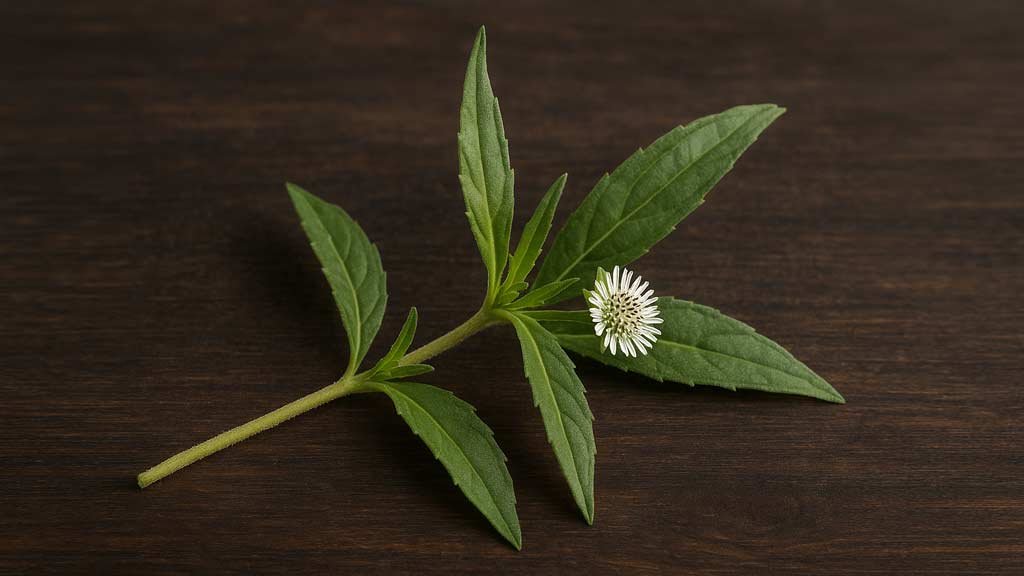
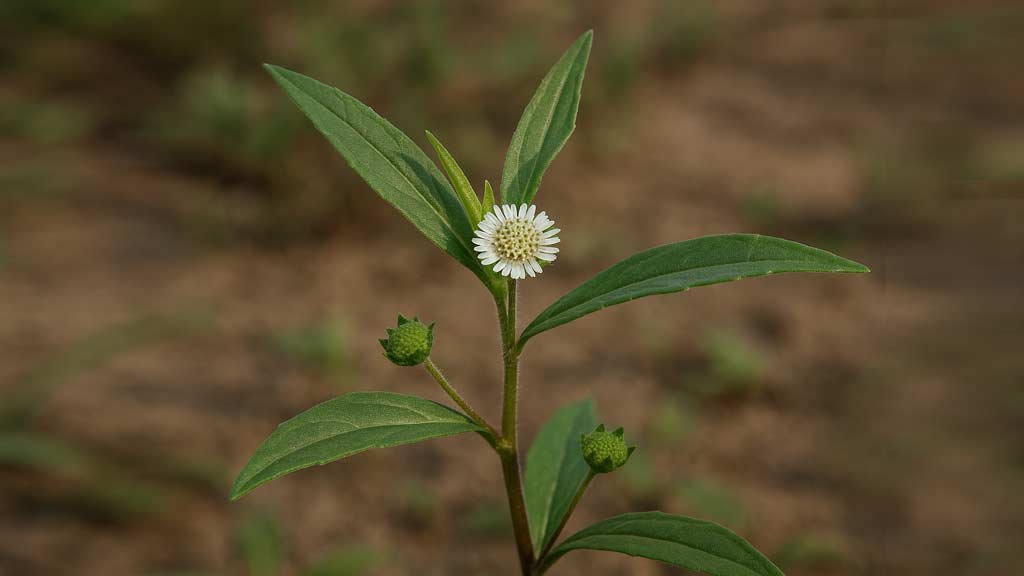
Bhringraj, or Eclipta alba, is a small, humble plant that doesn’t exactly stand out in a field. Its leaves are slender, and its flowers are tiny and white, but its reputation is massive. For centuries, Ayurveda has regarded it as “Kesharaja”—the king of hair. That title alone hints at how seriously this herb has been taken across India and beyond. But the story of Bhringraj isn’t limited to hair oils and black, shiny locks. In fact, many traditional practitioners prize it just as much for its impact on the liver, digestion, and even overall longevity.
You’ll find it mentioned in classic Ayurvedic texts like the Charaka Samhita and Bhavaprakasha, where it’s categorized as a rasayana, or rejuvenating herb. Rasayanas are considered not just remedies but tonics meant to extend vitality and life force. That’s a tall order for any plant, but Bhringraj has managed to hold onto that reputation across generations.
Table of Contents

What Makes Bhringraj Special?
Ayurveda teaches that Bhringraj has a bitter, pungent taste and a cooling energy. That makes it excellent for balancing pitta dosha, the fiery energy tied to metabolism, inflammation, and digestion. When pitta gets too high, you might see things like premature greying, hair loss, skin irritation, or liver congestion. Bhringraj’s cooling, detoxifying qualities soothe that fire.

Modern herbalists often highlight its:
- Hepatoprotective effects—supporting and protecting the liver
- Keshya properties—nourishing hair roots, reducing hair fall, promoting growth
- Anti-inflammatory actions—calming skin and scalp irritations
- Digestive support—aiding bile flow and fat metabolism
- Nervine qualities—easing stress and promoting sound sleep
So while Bhringraj oil massaged into the scalp might be the most famous use, drinking a decoction or taking the powdered leaf is just as important in traditional practice.
Bhringraj for Hair: Why It Earned the Name Kesharaja
If you’ve ever been handed a green bottle of herbal hair oil in India, chances are it listed Bhringraj right on the label. It’s not just folklore. The plant is rich in phytochemicals like wedelolactone and ecliptine, compounds studied for their effect on hair follicle activity.
Ask around, and you’ll hear anecdotes like, “I started using Bhringraj oil when my hairline was thinning, and within months it felt thicker and healthier.” While science hasn’t fully explained the mechanism, what’s clear is that Bhringraj improves circulation to the scalp and nourishes the roots. Oils infused with the plant, especially when combined with coconut or sesame oil, deliver those compounds directly to the hair follicles.
Ayurveda doesn’t separate external use from internal health either. A strong liver and balanced pitta mean less premature greying and hair fall. So when someone says Bhringraj helped their hair, they might not realize it was also working quietly on their digestion and blood purification.
Bhringraj and Liver Health
Here’s where Bhringraj really shines beyond the cosmetic. The liver is one of Ayurveda’s central organs for managing pitta. Too much alcohol, processed food, or stress? That fire builds up and overburdens the liver.
Bhringraj has been used traditionally to treat conditions like jaundice, fatty liver, and hepatitis. Some modern studies even show it helps regenerate liver cells after injury and protects against toxins. This isn’t surprising when you look at its rasayana classification—it’s meant to rejuvenate tissues at the deepest level.
Think about the liver as the body’s main filter. When that filter gets clogged or sluggish, everything downstream suffers—skin, digestion, even mood. By keeping the liver clear and functioning, Bhringraj indirectly benefits hair, skin, and energy levels.
Other Traditional and Modern Uses
Bhringraj doesn’t stop at hair and liver care. Ayurvedic doctors often reach for it when dealing with a range of imbalances:
- Respiratory health: Helps ease cough, asthma, and congestion
- Skin issues: Applied as a paste to treat eczema, itching, or minor wounds
- Sleep support: Taken as a tea or powder to calm the mind and promote rest
- Anti-aging: Used in rasayana formulas to keep vitality strong with age
In some regions, people still prepare fresh juice from the leaves and take it with honey as a daily tonic. It’s simple, accessible, and still practiced in villages where herbal traditions remain unbroken.
How People Use Bhringraj Today
There are many ways to bring Bhringraj into your life. Some of the common ones include:
- Bhringraj oil massage: Warmed and applied to the scalp before bed
- Powdered leaf: Mixed with warm water or ghee, taken daily
- Decoction: Leaves boiled in water and sipped like tea
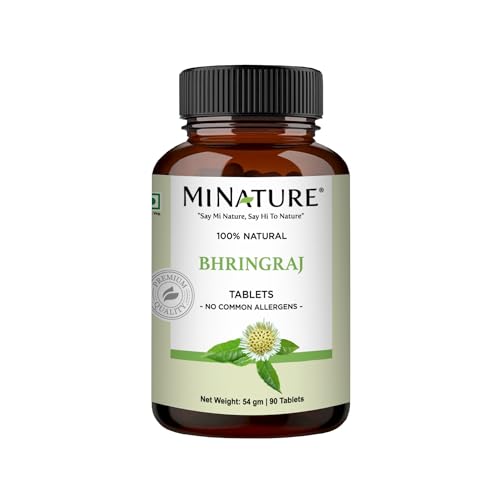
- Herbal capsules: A more modern, convenient form
Each method has its context. Oils work best for external nourishment, while powders and decoctions reach the deeper organs like the liver. Many practitioners recommend combining internal and external use for the full effect.
My Own Reflections on Bhringraj
I’ll admit, the first time I smelled Bhringraj oil, I wrinkled my nose. It’s earthy, slightly sharp, not the sort of fragrance you’d expect in something meant to beautify hair. But give it time. After a few nights of massage, you notice how soothing it feels, how your scalp warms under your fingertips, how sleep comes easier.
And that, I think, is the true essence of Bhringraj. It’s not glamorous. It doesn’t taste sweet or smell like roses. But it works in that quiet, grounding way that good herbs often do. The kind of work you don’t notice until weeks later, when your hair shines a little brighter, your digestion feels lighter, or you realize you’ve been sleeping through the night without tossing.
Best Selling Bhringraj Supplements




Closing Thoughts
Bhringraj may be a small weed in the field, but it carries the weight of centuries of respect. Whether you’re using it to protect your liver, soothe your scalp, or simply bring more balance into your day, it offers more than surface-level results. In the language of Ayurveda, it doesn’t just fix symptoms—it restores harmony.
Sometimes the herbs that look the most ordinary are the ones that deserve a permanent place in your kitchen cabinet or garden patch. And Bhringraj, the king of hair and protector of the liver, has certainly earned that place.
Article Sources
At AncientHerbsWisdom, our content relies on reputable sources, including peer-reviewed studies, to substantiate the information presented in our articles. Our primary objective is to ensure our content is thoroughly fact-checked, maintaining a commitment to accuracy, reliability, and trustworthiness.
- Kumar, S., Pandey, S., & Gupta, Y. K. (2013). Hepatoprotective activity of Eclipta alba Linn. on experimental liver injury in rats. Journal of Ethnopharmacology, 148(1), 189–196. https://pubmed.ncbi.nlm.nih.gov/23218326/
- Singh, V., & Singh, D. (2010). Anti-inflammatory and antioxidant activities of Eclipta alba extracts. Pharmacognosy Research, 2(5), 291–296. https://pubmed.ncbi.nlm.nih.gov/21180434/
- Patel, S., & Mishra, G. (2011). Pharmacological review on Eclipta alba (Bhringraj): A potent herb for hair and liver care. Journal of Ayurveda and Integrative Medicine, 2(4), 179–185. https://pubmed.ncbi.nlm.nih.gov/22253509/
- Chaurasia, S., & Sharma, A. (2014). Hair growth promoting activity of Eclipta alba in experimental models. International Journal of Green Pharmacy, 8(1), 42–47. https://www.greenpharmacy.info/text.asp?2014/8/1/42/128361
- World Health Organization (WHO). (2004). Guidelines on safety monitoring of herbal medicines in pharmacovigilance systems. WHO Press.

- Phosphatidic Acid: Supporting Muscle Growth and Strength - July 31, 2026
- Ceramides: Supporting Healthy Skin From Within - July 31, 2026
- Synbiotics: Combining Prebiotics and Probiotics Together - July 31, 2026