
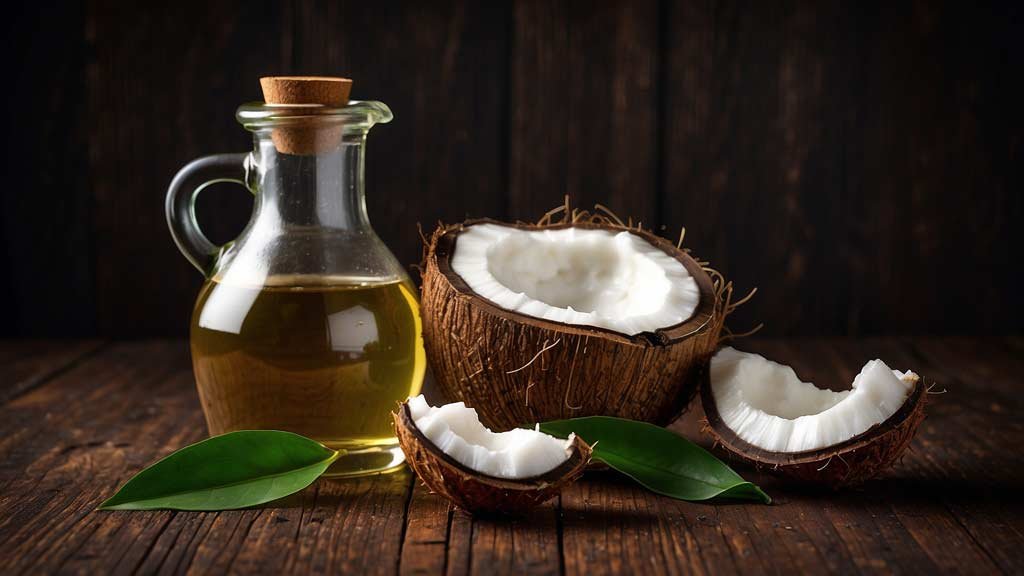
Walk into any health food store, and you’ll see it. Gleaming jars of coconut oil lined up like little promises of vitality. Some swear it’s the cure-all—good for your skin, your gut, even your brain. Others dismiss it as just another overhyped trend. The truth? Somewhere in the middle, as always. Coconut oil has roots deep in traditional medicine and food culture, especially across tropical regions where coconuts are a way of life, not just a fad in a jar.
So let’s talk honestly about coconut oil. No miracle claims, no fearmongering. Just the messy, fascinating reality of what this rich, fragrant oil can (and can’t) do.
Table of Contents

What Exactly Is Coconut Oil?
Coconut oil is extracted from the meat of mature coconuts harvested from the coconut palm (Cocos nucifera). Depending on how it’s processed, it can be:

- Virgin or unrefined: cold-pressed, retaining its natural coconut aroma and flavor.
- Refined: deodorized, bleached, and stripped of most of its scent.
- Fractionated: processed so it remains liquid at room temperature, often used in skincare.
At its core, coconut oil is about 90% saturated fat. That sounds scary if you grew up hearing saturated fats are the villains of nutrition, but the type of saturated fat here—medium-chain triglycerides (MCTs)—behaves differently in the body. These fats are metabolized quickly, heading straight to the liver for energy rather than being stored as easily in fat tissue.
Coconut Oil in Traditional Medicine
Long before coconut oil was branded as a “superfood,” it had a steady, practical place in folk healing.
- Ayurveda: In Indian traditions, coconut oil is cooling, nourishing, and balancing to pitta. It’s applied to the skin, hair, and even used in oil pulling for oral health.
- Polynesian and Pacific cultures: Coconut oil was used as food, as a skin protectant under harsh sun, and in rituals. Its resilience in tropical climates made it invaluable.
- Southeast Asia: From cooking curries to treating wounds and infections, coconut oil served as both food and medicine.
The point is, this oil isn’t new. What’s new is the West rediscovering it, packaging it, and sometimes exaggerating its abilities.
The Nutritional Profile
A tablespoon of coconut oil (about 14 grams) contains:
- Calories: ~120
- Fat: ~14g
- Saturated fat: ~12g
- Monounsaturated fat: ~1g
- Polyunsaturated fat: ~0.5g
It also contains trace amounts of vitamin E and phytochemicals, though not in amounts that would make it a reliable nutrient source. The real punch is in the fatty acids—especially lauric acid, which makes up about half. Lauric acid has antimicrobial properties, giving coconut oil part of its reputation for supporting immune health.
The Health Benefits People Swear By
1. Digestive Support
Coconut oil is often touted as being easy to digest. MCTs don’t require bile salts for absorption, which can be helpful for people with gallbladder issues or malabsorption problems. Some find it soothes bloating or sluggish digestion.
2. Antimicrobial Action
The lauric acid and monolaurin in coconut oil have been shown in lab studies to inhibit bacteria, fungi, and even viruses. This doesn’t mean coconut oil will cure infections, but it might support the body’s natural defenses.
3. Skin Health
Apply a thin layer, and coconut oil melts into the skin, locking in moisture. People use it for:
- Dry elbows and heels
- Eczema-prone patches
- Makeup removal
- Massage oil
Does it work for everyone? No. For acne-prone skin, it can be comedogenic (clogging). But for many, especially those with dry or sensitive skin, it’s deeply soothing.
4. Hair Care
Coconut oil penetrates the hair shaft better than many oils. It can reduce protein loss in hair, making strands stronger and shinier. A small scoop rubbed into the ends before washing—or left overnight as a mask—does wonders for some.
5. Brain Energy
This is where coconut oil’s hype really took off. Some research on MCTs suggests they can provide an alternative energy source for brain cells, which is especially intriguing in conditions like Alzheimer’s. The science isn’t conclusive, but there’s enough curiosity here that many experiment with coconut oil in their coffee (the so-called “bulletproof” trend).
Myths About Coconut Oil
Let’s clear the smoke.
- “It burns fat magically.” Not exactly. MCTs may slightly boost metabolism, but coconut oil alone won’t make fat melt off.
- “It lowers cholesterol.” Mixed results here. Some studies show HDL (“good”) cholesterol goes up, but LDL (“bad”) cholesterol may also rise. Context matters—what else are you eating?
- “It’s the healthiest oil.” Again, not quite. Olive oil, with its monounsaturated fats and antioxidants, is far more consistently linked with cardiovascular benefits. Coconut oil is useful, but it’s not king.
- “It detoxes the body.” Oils don’t detox you. Your liver and kidneys do. What coconut oil can do is support digestion and provide a clean-burning fat source.

Everyday Uses Beyond the Hype
Here’s where coconut oil shines: versatility.
In the Kitchen
- Sautéing vegetables at medium heat
- Adding creaminess to curries and soups
- A vegan butter substitute in baking
- Blending into smoothies for extra calories
In Self-Care
- Lip balm substitute
- Shaving oil
- Carrier oil for essential oils
- After-sun skin soother
In Folk Remedies
Some still practice oil pulling with coconut oil—swishing it around the mouth for 10–20 minutes. Anecdotally, it freshens breath and may reduce bacteria in the mouth.
The Cautionary Side
Coconut oil isn’t without caveats.
- Calories add up fast. A couple of tablespoons daily is already 240 calories.
- High in saturated fat. For those with heart disease risk, moderation is wise.
- Not for everyone’s skin. If you’re acne-prone, patch-test before slathering it on.
Too much of a good thing can backfire. A tablespoon or two daily in food or topical use is plenty for most.
Coconut Oil vs. Other Oils
How does it stack up?
- Olive oil: Excellent for the heart, less stable at high heat than coconut oil.
- Avocado oil: Similar monounsaturated profile, neutral taste, great for cooking.
- Butter or lard: Heavier in long-chain saturated fats, less metabolically efficient.
Coconut oil isn’t superior to all oils, but it does hold its ground as a versatile option.
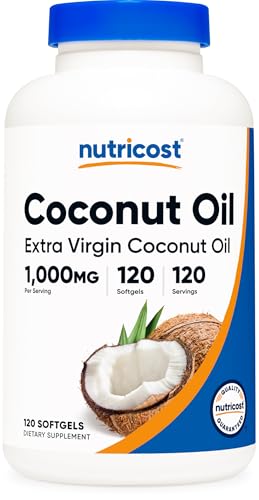
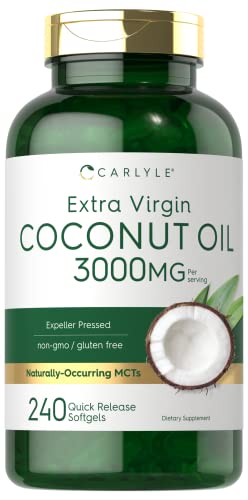
Best Selling Coconut Oil Supplements




Final Thoughts
Coconut oil is neither the villain some nutritionists painted it to be, nor the miracle cure marketers want you to believe. It’s a useful, flavorful fat with unique properties, deeply rooted in cultural traditions, and worth keeping in your kitchen and bathroom cabinet alike.
When used thoughtfully—in balance with other oils and whole foods—it can play a supportive role in health. And sometimes, honestly, it’s just about the sensory joy: the smell of coconut drifting up from a curry, the silky feel on dry skin, the glossy shine on hair after a warm oil massage.
That’s not hype. That’s human experience woven into daily life, one spoonful of coconut oil at a time.
Article Sources
At AncientHerbsWisdom, our content relies on reputable sources, including peer-reviewed studies, to substantiate the information presented in our articles. Our primary objective is to ensure our content is thoroughly fact-checked, maintaining a commitment to accuracy, reliability, and trustworthiness.
- Eyres, L., Eyres, M. F., Chisholm, A., & Brown, R. C. (2016). Health effects of coconut oil – a narrative review of current evidence. Journal of the American College of Nutrition, 35(3), 202–208. https://pubmed.ncbi.nlm.nih.gov/30395784/
- da Silva, T. L. N., Cândido, F. G., Valente, F. X., et al. (2022). The effects of coconut oil on the cardiometabolic profile: a systematic review. Lipids in Health and Disease, 21, 18. https://lipidworld.biomedcentral.com/articles/10.1186/s12944-022-01685-z
- Santos‐Bentura, A., González, M. E., Ramírez, C. A., et al. (2022). A narrative review on use of virgin coconut oil in dermatology. Journal of Investigative and Clinical Dentistry, 13(4), e12525.
- Rele, A. S., & Mohile, R. B. (2003). Effect of hair oils on prevention of hair damage. Journal of Cosmetic Science, 54(2), 175–192. (study showing coconut oil reduces protein loss in hair)
- Veiga, F. D., Ribeiro, E. A., & Neves, C. M. P. (2023). Benefit of coconut-based hair oil via hair porosity quantification. Journal of Cosmetic Dermatology, (advance online publication).
- The American Heart Association. (2017). Saturated Fat and Cardiovascular Disease: A Presidential Advisory. Circulation, 136(3), e1–e23. (context on replacing saturated fats including tropical oils)
- Nutrition Source (Harvard T.H. Chan School of Public Health). Coconut Oil. (n.d.). The Nutrition Source. Retrieved March 2025, from https://nutritionsource.hsph.harvard.edu/food-features/coconut-oil/
- Medical News Today. (2025, March). Coconut oil: Benefits, uses, and controversy.
- Healthline (Medically Reviewed). (2019, December). Coconut Oil for Hair and Skin: Miracle or Mismatch?
- WebMD. (n.d.). Health Benefits of Coconut Oil for Your Hair.

- Phosphatidic Acid: Supporting Muscle Growth and Strength - July 31, 2026
- Ceramides: Supporting Healthy Skin From Within - July 31, 2026
- Synbiotics: Combining Prebiotics and Probiotics Together - July 31, 2026