

When the Gut Barrier Breaks and Why Plants Matter
Most people come to the idea of the gut barrier late. Usually after years of bloating, food reactions that seem to come out of nowhere, skin flare ups, joint stiffness, or that vague sense that something is always inflamed but never obvious. The gut barrier rarely gets the spotlight until it fails. And when it does, the body lets you know in subtle and not so subtle ways.
The gut barrier is not a single wall. It is a living, responsive interface made of mucus, epithelial cells, tight junction proteins, immune tissue, enzymes, and microbial partners. Every meal, every stress response, every medication, and every infection passes through this system. When the gut barrier is intact, nutrients pass through and threats stay out. When it weakens, fragments of food, bacterial byproducts, and inflammatory signals slip through and trigger immune reactions that ripple outward.
Table of Contents

This is where herbs and mushrooms quietly excel. Not because they are aggressive or fast acting, but because they speak the same language as the gut barrier. Mucilage, bitters, polysaccharides, flavonoids, resins. These compounds evolved to interact with membranes, tissues, and microbes. Long before tight junctions had names, traditional medicine recognized patterns that pointed back to gut barrier dysfunction. Burning digestion. Alternating stools. Fatigue after meals. A sense of internal dryness or irritation.

I have seen the gut barrier respond best when approached as terrain, not as an enemy. Trying to annihilate symptoms with harsh antimicrobials or extreme elimination diets often leaves the gut barrier thinner and more reactive. Plants work differently. They restore moisture where there is dryness. Tone where there is laxity. Calm where there is immune overreaction. Feed where there is depletion.
The gut barrier is also deeply rhythmic. It responds to circadian cues, nervous system tone, and emotional states. Stress hormones directly alter tight junction integrity. Poor sleep disrupts microbial signaling. Rushed meals reduce digestive secretions and thin the protective mucus layer. This is why gut barrier repair never succeeds with supplements alone. Herbs and mushrooms act as mediators between habits and healing. They slow things down. They create space for repair.
One of the most misunderstood aspects of gut barrier health is inflammation. Inflammation is not always the problem. It is often the response to repeated barrier breaches. Suppressing inflammation without strengthening the gut barrier is like turning off a smoke alarm while the fire keeps burning. Certain herbs reduce inflammatory signaling while simultaneously supporting epithelial regeneration and mucus production. That dual action matters.
Mushrooms add another layer. Their polysaccharides interact with gut associated lymphoid tissue, shaping immune responses rather than silencing them. This is critical for the gut barrier because immunity here must be alert but restrained. Overreaction damages tissue. Underreaction invites infection. Medicinal mushrooms help recalibrate that balance over time.
Another overlooked piece is texture. Thick teas. Slippery decoctions. Bitter infusions. The sensory experience of herbs matters for the gut barrier. Mucilaginous herbs physically coat irritated tissue. Bitters stimulate bile flow and digestive secretions that maintain microbial balance. Aromatics improve circulation to the gut lining. These are not abstract mechanisms. You can feel them working if you pay attention.
Diet trends often frame gut barrier repair as restriction. Remove gluten. Remove dairy. Remove lectins. Sometimes removal helps, but absence alone does not rebuild tissue. The gut barrier needs building materials and signals that tell the body it is safe to regenerate. Herbs provide both. They supply minerals, antioxidants, and structural polysaccharides while signaling safety through taste and nervous system engagement.
The gut barrier also remembers. Past infections, antibiotic use, chronic stress, and inflammatory diets leave patterns in tissue responsiveness. Herbs work well here because they can be used long term without exhausting the system. Slow repair is real repair. Fast fixes often unravel.
There is also a microbial conversation happening at the gut barrier. Beneficial microbes reinforce tight junctions and stimulate mucus production. Opportunistic microbes do the opposite. Herbs influence this ecosystem gently. Some inhibit pathogenic overgrowth. Others act as prebiotic substrates. Mushrooms in particular feed beneficial strains while discouraging inflammatory dominance. This microbial shift is one of the quiet ways the gut barrier regains strength.
I have watched people chase gut barrier healing through protocols that change every few weeks. New powders. New exclusions. New rules. The gut barrier responds better to consistency. Repetition of soothing inputs. Predictable meals. Regular herbal preparations. Mushrooms taken through seasons, not cycles. The tissue needs time to trust that the environment has stabilized.
There is also an emotional component that rarely gets acknowledged. The gut barrier is innervated. It listens to the vagus nerve. Anxiety tightens it in the wrong places and loosens it in others. Calming herbs that also support digestion create coherence between mind and gut. This is not poetic language. It is physiology.
When the gut barrier is supported correctly, symptoms resolve sideways. Skin improves before digestion. Energy stabilizes before stools normalize. Food tolerance expands quietly. These are signs that the barrier is sealing itself again. Herbs and mushrooms shine in this phase because they do not force outcomes. They allow them.
We are going to explore plants and fungi that repeatedly show up when the gut barrier needs rebuilding. Some soothe. Some regulate immunity. Some regenerate tissue. Others protect against ongoing damage. None act alone. The gut barrier never heals in isolation. It heals in relationship with what you consume, how you rest, and how consistently you support it.
If there is one principle that guides gut barrier restoration, it is this: protect first, then rebuild. Herbs and mushrooms understand that order instinctively.
Mucosal Soothers and Intestinal Lining Protectors
When the gut barrier is irritated, raw, or thin, the first priority is protection. Not stimulation. Not cleansing. Protection. Think of a scraped knee. You do not exfoliate it. You cover it, keep it moist, and let the tissue knit itself back together. The gut barrier works the same way, just on a surface area the size of a tennis court.
Mucosal soothers are often underestimated because they feel gentle. No burn. No dramatic sensation. But that gentleness is exactly why they matter. These herbs interact directly with the mucus layer that shields the intestinal lining. They reduce friction, buffer acids, calm immune reactivity, and create a physical environment where epithelial cells can regenerate and tight junctions can reseal.
In cases of increased gut permeability, dryness is almost always present, even when symptoms look inflammatory. Dry tissue cracks more easily. It transmits inflammatory signals faster. Mucilage restores hydration at the tissue level, not just systemically. This is one of the most overlooked aspects of gut barrier repair.
These herbs also slow things down. Transit time. Nervous system signaling. Immune activation. That slowing effect gives the gut barrier time to respond appropriately rather than defensively. Over the years, I have found that introducing mucosal soothers early often determines whether gut barrier work feels stabilizing or chaotic.
1. Slippery Elm (Ulmus rubra)
Slippery elm is one of the most reliable allies when the gut barrier feels inflamed, reactive, or fragile. Its inner bark is rich in mucilage, a thick, gel forming polysaccharide that swells when mixed with water. That texture is not incidental. It is the medicine.
When slippery elm reaches the digestive tract, it coats the esophagus, stomach, and intestines in a protective layer that mimics and reinforces the body’s own mucus. This matters because the gut barrier depends heavily on that mucus layer to separate microbes from epithelial cells. When the mucus thins, immune reactions spike.
Slippery elm does not force the gut barrier to close. It shields it while repair happens underneath. That distinction matters. Forced tightening often leads to rebound irritation. Slippery elm allows tight junctions to recalibrate naturally by reducing ongoing irritation.
I have seen slippery elm calm burning sensations that no antacid touched. Not because it neutralizes acid, but because it buffers tissue from direct exposure. That buffering effect reduces inflammatory signaling and gives damaged areas a chance to regenerate.
Another benefit is its effect on bowel regularity. Slippery elm normalizes transit without pushing. It absorbs excess fluid in loose stools and adds moisture in dry, sluggish digestion. Both extremes stress the gut barrier. Balance protects it.
The timing of slippery elm matters. Taken away from meals or between meals, it acts as a barrier protectant. Taken too close to medications or supplements, it can interfere with absorption. Used correctly, it becomes a temporary scaffolding for gut barrier repair.
2. Marshmallow Root (Althaea officinalis)
If slippery elm is a shield, marshmallow root is a balm. It contains even higher levels of mucilage, along with flavonoids that calm irritated tissue. Marshmallow root has a cooling, moistening quality that is invaluable when the gut barrier feels hot, inflamed, or reactive.
Marshmallow root works best when prepared slowly. Cold infusions extract its mucilage without degrading it. That thick, slightly sweet liquid coats the gut lining from top to bottom. You can feel it as it goes down. That sensory feedback matters for nervous system signaling, which directly affects gut barrier integrity.
One of marshmallow root’s strengths is its effect on immune overreaction. When the gut barrier is compromised, immune cells embedded in the intestinal lining often over respond to harmless stimuli. Marshmallow root dampens that reactivity without suppressing immunity. It encourages tolerance.
This herb is especially useful when gut barrier issues show up alongside urinary irritation, dry cough, or throat discomfort. That pattern points to systemic mucosal dryness, not just a localized problem. Supporting moisture across tissues improves overall barrier function.
Marshmallow root also pairs well with more active herbs. It softens their impact, making protocols sustainable. Without a mucosal soother, even beneficial interventions can aggravate a sensitive gut barrier.
There is a patience required with marshmallow root. Its effects are cumulative. But when used consistently, it often becomes the herb people miss most when they stop. That tells you something.
3. Licorice Root DGL (Glycyrrhiza glabra)
Licorice root occupies a unique place in gut barrier work. It is both soothing and regenerative. Deglycyrrhizinated licorice, or DGL, removes the compound that can raise blood pressure while preserving the constituents that support mucosal healing.
Licorice stimulates mucus production in the stomach and intestines. This is critical for gut barrier integrity because mucus is the first line of defense. More mucus means less direct contact between irritants and epithelial cells.
DGL also supports prostaglandin activity involved in tissue repair. That translates into faster regeneration of damaged intestinal lining. In cases of long standing gut barrier compromise, this regenerative signal can be the turning point.
Another reason licorice matters is its effect on stress physiology. Chronic stress thins the gut barrier by altering blood flow and immune signaling. Licorice modulates cortisol metabolism in a way that protects tissue without overstimulation. This indirect support often shows up as improved digestion during stressful periods.
Licorice also has mild antimicrobial effects, but that is not its main value here. Its real strength is reducing inflammation while encouraging repair. That combination is rare.
DGL is often taken before meals, allowing it to coat the upper digestive tract. Over time, its influence extends throughout the intestines. Consistency matters more than dose. Small, regular exposures reinforce the gut barrier gently.
4. Plantain Leaf (Plantago major)
Plantain leaf is often overlooked because it grows everywhere and looks unremarkable. That is a mistake. Plantain is one of the most versatile gut barrier herbs available.
It contains mucilage, but also tannins and allantoin. This gives it a dual action. It soothes irritated tissue while gently tightening and toning it. For gut barrier issues marked by weeping inflammation or excessive permeability, this toning effect is essential.
Plantain leaf shines when the gut barrier feels both inflamed and lax. Loose stools. Mucus in the stool. A sense that digestion lacks structure. Plantain brings coherence back to the tissue.
Its tannins help reduce excessive secretion without drying the gut excessively. That balance is hard to achieve. Too much astringency damages the gut barrier further. Plantain walks that line well.
Plantain also supports lymphatic drainage in the gut. When the intestinal immune system is congested, inflammation lingers. Improving lymph movement reduces pressure on the gut barrier from the inside.
This herb works quietly. People rarely describe dramatic sensations. Instead, stools become more formed. Food reactions lessen. Abdominal discomfort fades into the background. These are signs that the gut barrier is stabilizing.
Plantain pairs well with slippery elm or marshmallow root. Together, they protect while rebuilding structure. That combination mirrors how tissue actually heals.
Mucosal soothers do not fix everything, but they create the conditions where fixing becomes possible. When the gut barrier is protected, other interventions finally have something solid to work with.
Anti Inflammatory and Immune Modulating Gut Allies
Once the gut barrier is shielded and no longer under constant abrasion, inflammation becomes easier to work with. Not eliminate. Work with. Inflammation in the gut is not the villain it is often made out to be. It is a response to repeated barrier stress. The problem is not that the immune system reacts, but that it reacts too often, too intensely, and for too long.
At the intestinal wall, immune cells sit just beneath the epithelial layer, constantly sampling what passes through. When the gut barrier becomes permeable, these cells are bombarded with signals that were never meant to reach them. The result is chronic immune activation that further weakens tight junctions, creating a self reinforcing loop.
Anti inflammatory herbs do their best work here when they are not used as blunt suppressors. The most effective gut barrier allies calm inflammatory signaling while preserving immune vigilance. They reduce noise without silencing the conversation. This distinction is critical. Over suppression leads to infections, dysbiosis, and delayed healing.
The herbs in this category also reduce oxidative stress at the gut lining. Inflammation generates reactive compounds that damage epithelial cells and the proteins that hold them together. By neutralizing this stress, these plants protect the structural integrity of the gut barrier itself.
5. Turmeric (Curcuma longa)
Turmeric is often talked about as a systemic anti inflammatory, but its relationship with the gut barrier is more intimate than that. Curcumin and its related compounds interact directly with intestinal epithelial cells, influencing gene expression related to inflammation and tight junction function.
One of turmeric’s most valuable actions is its ability to reduce inflammatory cytokines that specifically disrupt gut barrier integrity. When these signals calm, tight junction proteins are better able to maintain their structure. This is not theoretical. It shows up as reduced gut permeability and improved tolerance to foods over time.
Turmeric also supports bile flow, which indirectly affects the gut barrier. Adequate bile helps regulate microbial populations and prevents overgrowth that would otherwise irritate the intestinal lining. A balanced microbial environment is less inflammatory by default.
There is a sensory wisdom to turmeric. Its bitterness stimulates digestive secretions that prepare the gut for incoming food. Better digestion upstream means less antigenic material reaching the intestinal wall downstream. That alone reduces immune burden on the gut barrier.
Turmeric works best when taken with fats and warming herbs. Used alone in high doses, it can be irritating to sensitive guts. Paired wisely, it becomes protective rather than abrasive.
6. Ginger (Zingiber officinale)
Ginger is a mover. In gut barrier work, movement matters. Stagnation breeds inflammation. Poor circulation deprives the intestinal lining of oxygen and nutrients needed for repair. Ginger improves both.
At the gut wall, ginger reduces inflammatory mediators while enhancing blood flow. That combination allows damaged epithelial cells to regenerate more efficiently. Better circulation also supports mucus production, strengthening the first line of gut barrier defense.
Ginger’s effect on motility is another quiet gift. It normalizes gastric emptying and intestinal transit without forcing. When food lingers too long, fermentation increases, irritating the gut lining. When it moves too fast, the gut barrier lacks time to absorb nutrients and regulate immune exposure. Ginger helps restore rhythm.
It also interacts with serotonin receptors in the gut. This influences not only motility but also immune signaling. Many people notice that ginger reduces gut related anxiety. That is not incidental. Nervous system tone directly affects gut barrier integrity.
In inflammatory gut patterns marked by nausea, cramping, or cold sensations in the abdomen, ginger often provides immediate relief. Over time, that relief translates into less immune stress on the gut barrier.
7. Chamomile (Matricaria chamomilla)
Chamomile is often dismissed as mild or purely calming. In gut barrier work, that calm is exactly the point. Chamomile reduces inflammatory signaling while gently relaxing smooth muscle and calming immune hypersensitivity.
Its flavonoids interact with inflammatory pathways involved in gut permeability. Chamomile reduces the over release of histamine and other mediators that loosen tight junctions. This makes it particularly helpful in gut barrier issues linked to food sensitivities or allergic tendencies.
Chamomile also supports the vagus nerve. When the nervous system shifts toward parasympathetic dominance, digestion improves and inflammation recedes. The gut barrier thrives in this state.
One of chamomile’s overlooked benefits is its effect on spasms and micro tension in the intestinal wall. Chronic tension impairs circulation and healing. Chamomile softens that tension, allowing repair to proceed.
Taken regularly, chamomile often reduces that background digestive discomfort people stop noticing because it has been there so long. When that hum quiets, the gut barrier is usually stabilizing.
8. Holy Basil (Ocimum sanctum)
Holy basil bridges gut inflammation and stress physiology. Few herbs address both as elegantly. Chronic stress is one of the most reliable ways to damage the gut barrier, and holy basil works upstream of that damage.
At the intestinal wall, holy basil modulates immune responses, reducing excessive inflammation without suppressing defense. It influences cytokine balance in a way that protects tight junction integrity.
Holy basil also reduces oxidative stress. In an inflamed gut barrier, oxidative damage weakens epithelial cells and delays healing. By neutralizing this stress, holy basil preserves tissue resilience.
Its adaptogenic qualities matter here. Stress hormones alter blood flow to the gut and thin the mucus layer. Holy basil helps normalize this response, indirectly supporting the gut barrier even when life does not slow down.
There is also a subtle digestive effect. Holy basil improves appetite regulation and reduces bloating linked to stress eating or irregular meals. These patterns often aggravate gut barrier dysfunction more than people realize.
Used consistently, holy basil brings steadiness. Fewer flare ups. Less reactivity. A sense that the gut is no longer constantly on edge. That steadiness is fertile ground for true gut barrier repair.
Anti inflammatory and immune modulating herbs do not replace mucosal protectors. They refine the environment in which protection becomes lasting. When inflammation calms without suppression, the gut barrier can finally remember how to hold itself together.
Medicinal Mushrooms and Regenerative Gut Support
When we think about gut barrier repair, herbs often come first because they soothe, calm, and protect. Mushrooms operate differently. They are slow, subtle engineers. Their compounds interact with the gut and immune system in ways that feel invisible at first, but their effects accumulate over weeks and months. While mucosal soothers shield and anti inflammatory herbs calm, medicinal mushrooms rebuild, reinforce, and recalibrate.
Fungi are rich in polysaccharides, beta-glucans, triterpenes, and other bioactive compounds that communicate directly with gut associated lymphoid tissue. This tissue sits at the interface between the lumen and the immune system, monitoring what comes through and orchestrating responses. Mushrooms help this system make smarter decisions, reducing inappropriate immune activation that would otherwise stress tight junctions and damage the barrier.
Mushrooms also support the microbiome in profound ways. They act as prebiotic substrates for beneficial bacteria while inhibiting pathogens. A balanced microbial community reduces inflammatory signaling at the gut wall and supports mucus production. Over time, this fosters an environment where epithelial cells can regenerate efficiently and tight junctions can reseal more robustly.
9. Reishi Mushroom (Ganoderma lucidum)
Reishi is often called the “mushroom of immortality,” but its reputation in gut barrier work comes from precision rather than hype. Its triterpenes modulate immune responses, reducing chronic low grade inflammation without suppressing defense mechanisms. In gut barrier compromise, this is critical because overactive immunity damages tight junctions and slows epithelial repair.
Beta-glucans in reishi interact with gut immune tissue to promote tolerance rather than hyperreactivity. That means food particles or microbial signals are less likely to trigger an exaggerated immune response. Reishi also supports detoxification pathways in the liver, indirectly reducing the burden of metabolites that can inflame the gut barrier.
Regular consumption of reishi often shows subtle but steady improvements: less bloating, calmer digestion, and a feeling that the gut is “holding together” even during dietary challenges. The effect is cumulative, building resilience rather than producing an immediate, noticeable change.
10. Lion’s Mane Mushroom (Hericium erinaceus)
Lion’s mane is distinct because it directly influences tissue regeneration. Its hericenones and erinacines stimulate nerve growth factor (NGF), which affects not only the nervous system but also the enteric nervous system embedded in the gut wall. A healthy enteric nervous system improves motility, secretion, and immune signaling—key components of gut barrier maintenance.
In addition, lion’s mane polysaccharides support mucus production and epithelial repair. In cases where the gut barrier has been thin or damaged for months, lion’s mane helps reestablish structural integrity. People often report a feeling of “rebuilding from the inside out,” as if the gut has more stability and digestion flows more smoothly.
Lion’s mane also appears to reduce inflammatory cytokine activity at the gut lining. That means tissues experience less oxidative and immune stress, which accelerates repair. The combination of regenerative stimulation and immune modulation makes it unique among gut barrier allies.
11. Turkey Tail Mushroom (Trametes versicolor)
Turkey tail is a powerhouse for microbial balance and immune education. Its polysaccharopeptides feed beneficial gut bacteria, promoting short-chain fatty acid production that nourishes epithelial cells. Healthy SCFA levels are strongly linked to tighter junctions, increased mucus production, and lower inflammation.
Turkey tail also modulates immune responses through the gut-associated lymphoid tissue. This action helps the gut barrier distinguish between real threats and benign molecules, reducing chronic immune activation that weakens tight junctions. Over time, the lining becomes more resilient and less reactive.
One of turkey tail’s underappreciated effects is its support of intestinal tissue repair indirectly via the microbiome. By shifting bacterial populations toward those that produce protective compounds, it creates an environment where epithelial cells receive consistent support and inflammation is naturally limited.
Taken together, reishi, lion’s mane, and turkey tail address gut barrier dysfunction on multiple fronts. They are not quick fixes but long term allies. They stabilize immunity, foster microbial balance, and enhance tissue resilience. When combined with mucosal soothers and anti inflammatory herbs, they create a comprehensive strategy that moves beyond protection and calm into actual restoration of the gut barrier’s strength and function.
Mushrooms are a reminder that gut barrier repair is systemic, not isolated. The lining cannot heal in a vacuum; it requires communication with immune cells, nerves, microbes, and tissues throughout the digestive tract. Fungi help orchestrate that communication, guiding repair with intelligence rather than force.
The result is a gut that feels steady, digestion that flows, and a barrier that begins to remember how to hold itself together—a resilience built over weeks of consistent support rather than sudden interventions.
Rebuilding the Gut Barrier One Habit at a Time
Repairing the gut barrier is rarely a dramatic event. It does not happen overnight, and it rarely shows in sudden relief. It is a process, slow and steady, built from consistent actions that signal safety, nourishment, and restoration. Herbs and mushrooms set the stage, but habits determine whether that stage holds over time.
The first principle is protection. Mucosal soothers like slippery elm, marshmallow root, licorice DGL, and plantain leaf create a shield. They give the epithelial cells a chance to rest and rebuild without being bombarded by irritants or excessive immune signals. Protecting the barrier is the foundation. Without it, all other interventions risk destabilizing fragile tissue.
The next principle is modulation. Inflammation is part of healing, but chronic immune activation is destructive. Anti-inflammatory and immune balancing herbs—turmeric, ginger, chamomile, holy basil—reduce excessive signaling while keeping defenses functional. They act like traffic controllers at a busy intersection, preventing collisions and allowing repair to proceed efficiently.
Regeneration follows. Medicinal mushrooms such as reishi, lion’s mane, and turkey tail provide building blocks and signals for tissue restoration. Polysaccharides and triterpenes guide immune responses, stimulate mucus production, and foster epithelial repair. They work best over time, reinforcing resilience rather than forcing immediate changes.
This three layer approach—protection, modulation, regeneration—must be embedded in daily habits. Regular meals, slow eating, adequate hydration, and stress management complement herbal strategies. Sleep, movement, and mindful attention to digestion are part of the repair process. Herbs and mushrooms amplify the effects of these foundational practices.
Consistency is key. The gut barrier remembers past insults and adapts slowly. Sporadic use of herbs may soothe temporarily, but long term stability comes from repeated, predictable signals that the environment is safe. That means daily or near daily support, rather than bursts of intensive intervention. Over time, tissues rebuild, tight junctions strengthen, and mucus layers thicken.
Mindful awareness of digestion is another habit that matters. Noticing bloating, stool consistency, reactions to foods, and abdominal sensations provides feedback that guides herbal use and lifestyle adjustments. The gut barrier is reactive, not passive. Listening to it informs timing, combinations, and dosing of supportive herbs and mushrooms.
Finally, integrating herbs and mushrooms is most effective when they complement one another. Mucosal soothers prepare the tissue, anti inflammatory herbs reduce stress, and mushrooms regenerate resilience. Together, they form a coherent system that mirrors the gut barrier’s natural repair processes.
Restoring the gut barrier is ultimately a conversation between tissue, microbes, immune cells, and the nervous system. Herbs and mushrooms act as interpreters and guides, but the conversation must be sustained. Habits are the medium in which this dialogue occurs. Daily nourishment, calm, and consistency teach the gut barrier to hold, repair, and maintain its function long term.
In practical terms, that means creating routines: a morning decoction of slippery elm or marshmallow root, turmeric or ginger infused in meals, chamomile tea in the evening, and medicinal mushrooms incorporated throughout the week. Over weeks and months, these actions compound, slowly but surely strengthening the gut barrier and restoring digestive confidence.
Gut barrier repair is not glamorous, but it is profoundly stabilizing. The subtle improvements—less bloating, smoother digestion, improved energy, fewer food reactions—are signs that the barrier is learning to do its job again. Patience, consistency, and intelligent use of herbs and mushrooms yield results that modern medicine struggles to replicate, because the gut barrier is a system, not a symptom.
By embracing this approach, you shift from reactive treatment to proactive restoration. You build not just a barrier, but resilience—an internal environment where digestion, immunity, and overall health can thrive. This is the art and science of supporting gut barrier function through plants and fungi: a process that honors tradition, respects physiology, and rewards persistence.
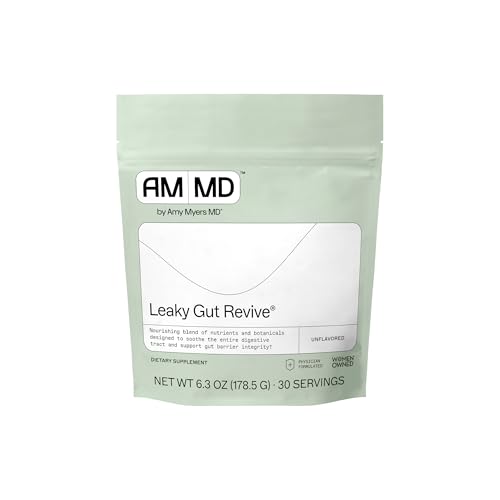
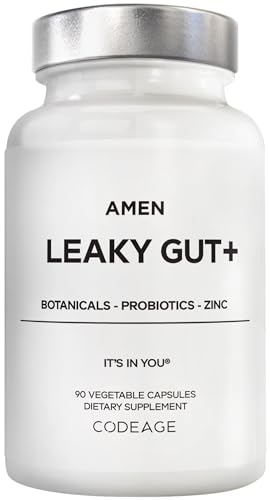
Best Selling Supplements for Gut Barrier


Article Sources
At AncientHerbsWisdom, our content relies on reputable sources, including peer-reviewed studies, to substantiate the information presented in our articles. Our primary objective is to ensure our content is thoroughly fact-checked, maintaining a commitment to accuracy, reliability, and trustworthiness.
- Farhadi, A., Banan, A., Fields, J., & Keshavarzian, A. (2003). Intestinal barrier: an interface between health and disease. Journal of Gastroenterology and Hepatology, 18(5), 479–497. https://pubmed.ncbi.nlm.nih.gov/12702039/
- Bischoff, S. C., Barbara, G., Buurman, W., et al. (2014). Intestinal permeability – a new target for disease prevention and therapy. BMC Gastroenterology, 14, 189. https://bmcgastroenterol.biomedcentral.com/articles/10.1186/s12876-014-0189-7
- Dharmananda, S. (2003). Demulcent herbs and mucilage. Institute for Traditional Medicine. https://www.itmonline.org/arts/demulcent.htm
- Mahady, G. B., Pendland, S. L., Yun, G., & Lu, Z. Z. (2002). Turmeric and curcumin: biological actions relevant to intestinal inflammation. Alternative Therapies in Health and Medicine, 8(2), 66–71. https://pubmed.ncbi.nlm.nih.gov/11991718/
- Gibson, G. R., Hutkins, R., Sanders, M. E., et al. (2017). Expert consensus document: The International Scientific Association for Probiotics and Prebiotics. Nature Reviews Gastroenterology & Hepatology, 14(8), 491–502. https://www.nature.com/articles/nrgastro.2017.75
- Wasser, S. P. (2014). Medicinal mushroom science: history, current status, future trends, and unsolved problems. International Journal of Medicinal Mushrooms, 16(1), 1–16. https://www.ncbi.nlm.nih.gov/pmc/articles/PMC4320140/
- Borrelli, F., Capasso, R., & Izzo, A. A. (2002). The gastrointestinal pharmacology of licorice. Planta Medica, 68(10), 901–910. https://pubmed.ncbi.nlm.nih.gov/12427330/
- Wachtel-Galor, S., & Benzie, I. F. F. (2011). Herbal medicine: an introduction to its history, usage, regulation, current trends, and research needs. CRC Press.
- Slippery elm and marshmallow root pharmacology. (n.d.). University of Michigan Herb Research.https://www.herbresearch.org/slippery-elm-marshmallow-root

- Phosphatidic Acid: Supporting Muscle Growth and Strength - July 31, 2026
- Ceramides: Supporting Healthy Skin From Within - July 31, 2026
- Synbiotics: Combining Prebiotics and Probiotics Together - July 31, 2026