
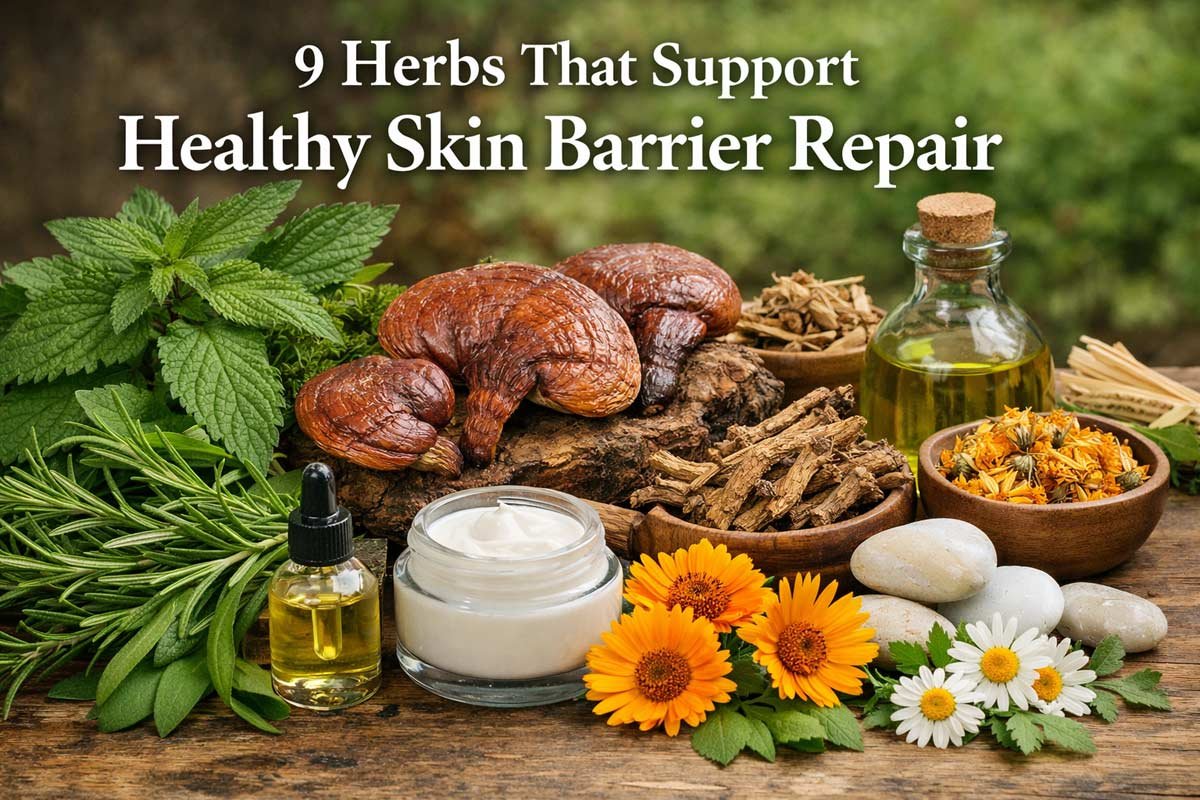
Nurturing Your Skin Barrier Naturally
When we talk about healthy skin, most people picture smoothness, even tone, or a certain glow, but the reality is far more complex. The skin barrier is a dynamic, living system—a frontline defense that keeps moisture in, irritants out, and pathogens at bay. Think of it as the skin’s personal bouncer, quietly working 24/7 to maintain balance. When this barrier weakens, it isn’t just cosmetic; it’s functional. Skin becomes dry, reactive, prone to redness, and often develops flares of eczema, rosacea, or sensitivity. Yet, despite the multitude of creams, serums, and lotions promising “barrier repair,” not all solutions address the underlying biology.
Herbal medicine and mycology offer a profoundly different perspective—one that isn’t about slapping a temporary fix on the surface but about encouraging the skin to restore itself. Certain herbs and mushrooms contain compounds that interact with the skin’s cellular machinery. They can modulate inflammation, stimulate collagen and lipid production, protect against oxidative damage, and even support microcirculation. Each of these pathways contributes to a stronger, more resilient barrier.
Table of Contents

Take, for example, the role of inflammation. While we often think of inflammation as harmful, in moderation, it’s a critical part of the skin’s repair process. The problem arises when inflammation is chronic or uncontrolled—then the skin barrier starts breaking down faster than it can rebuild. Herbs like chamomile or calendula don’t just “calm” the skin; they gently guide the inflammatory response back into balance, reducing overreaction without suppressing the necessary repair signals. It’s a subtle distinction, but it makes a world of difference in how the skin responds to stress.
Then there’s the structural side of the barrier. Keratinocytes, the main cells of the epidermis, and fibroblasts, which form the dermal scaffolding, need nutrients, antioxidants, and signaling molecules to function optimally. Certain herbs—like gotu kola or horsetail—are rich in compounds that directly support collagen and elastin formation. Meanwhile, medicinal mushrooms, such as reishi and lion’s mane, can enhance cellular repair processes through immune modulation and antioxidant activity. These botanicals work on multiple levels, not just superficially, providing both protection and repair simultaneously.
Moisture retention is another critical aspect of a healthy barrier. The lipid matrix between skin cells functions like mortar between bricks, keeping water in and irritants out. When this lipid layer is compromised, water evaporates too quickly, and the skin feels tight, rough, or flaky. Herbal oils infused with barrier-supporting plants—like calendula, chamomile, or even adaptogenic botanicals like schisandra—can help reinforce this layer. When combined with diet and hydration strategies that support skin lipids from the inside, the result is far more durable than topical creams alone.
Environmental stressors are relentless. UV radiation, pollution, and even indoor heating can compromise barrier function over time. Here again, natural compounds shine. Many herbs and mushrooms contain polyphenols, triterpenes, and polysaccharides that act as antioxidants, protecting cellular structures from free radical damage. Chaga, for instance, has melanin-like compounds that absorb and neutralize UV-induced radicals, while reishi’s triterpenes reduce oxidative stress and inflammation simultaneously.
One of the most compelling aspects of using these herbs and mushrooms is their ability to work synergistically. It’s not about one miracle plant but the orchestra of compounds that interact with the skin’s systems. A topical calendula extract reduces inflammation, while orally consumed horsetail provides silica for collagen synthesis, and a reishi infusion supports systemic immune balance. Each element reinforces the other, creating conditions where the skin can restore its barrier naturally, rather than forcing repair through aggressive or artificial means.
The beauty of this approach is its versatility. You can integrate these botanicals in creams, serums, tonics, or teas, depending on what feels sustainable. Unlike short-term interventions that give immediate but fleeting results, consistent use of herbs and mushrooms aligns with the skin’s natural cycles. Over weeks and months, the skin doesn’t just recover; it becomes more resilient to stressors, reactive events, and aging processes.
For many, the first noticeable difference is hydration and comfort. The skin feels less tight, dryness fades, and sensitivity decreases. Over time, the structural improvements become apparent—firmer texture, more elasticity, and a natural radiance that isn’t just surface-level. And beyond aesthetics, there’s the functional improvement: fewer flare-ups, better wound healing, and an overall reduction in reactive episodes.
Supporting the skin barrier isn’t about chasing instant fixes; it’s about understanding and respecting the skin’s biology. Herbs and medicinal mushrooms provide the tools to do this in a nuanced, multi-layered way. They calm, nourish, and repair while working in harmony with the body’s own rhythms. In a world full of quick solutions and superficial promises, this approach feels almost radical in its simplicity. Yet, time-tested experience shows that when you feed the skin what it truly needs, the results speak for themselves.
Botanical Allies for Barrier Strength
When it comes to repairing and strengthening the skin barrier, certain herbs stand out as true champions. These are not just cosmetic herbs—they influence the skin at a cellular level, guiding repair processes, supporting structural proteins, and reducing overactive inflammation. Using them consistently can transform reactive, fragile skin into a resilient, hydrated, and balanced surface.
1. Calendula (Calendula officinalis)
Calendula is often the first herb people reach for when their skin is irritated or inflamed, but its effects go far beyond surface soothing. The petals contain triterpenoids, flavonoids, and carotenoids that actively support tissue regeneration. Triterpenoids, in particular, help modulate inflammation and encourage fibroblast activity, which is essential for collagen and extracellular matrix repair. This makes calendula especially effective for minor cuts, burns, and areas of chronic dryness.
One of the remarkable aspects of calendula is its dual action. While it calms irritation, it simultaneously promotes cellular repair. For instance, a calendula-infused oil applied to a rough patch of skin encourages keratinocyte proliferation, which is vital for rebuilding a strong epidermal layer. People often notice improved softness and reduced redness within weeks of regular application, even in skin that has been chronically sensitive.
Calendula also works synergistically with other barrier-supporting herbs. Its antioxidant content protects the newly forming cells from free radical damage, while its anti-inflammatory properties ensure that the repair process is not hindered by chronic irritation. Whether in salves, creams, or infused oils, calendula’s influence is deep-reaching and consistent with the skin’s natural rhythms.
2. Chamomile (Matricaria chamomilla)
Chamomile is widely celebrated for its gentle calming properties, but its role in barrier repair is often underappreciated. The herb contains bisabolol and apigenin, compounds that reduce inflammatory cytokine activity and oxidative stress. This combination helps prevent flare-ups in sensitive or compromised skin and promotes faster recovery after minor trauma or irritation.
Beyond its anti-inflammatory action, chamomile supports the lipid barrier that keeps moisture locked in. By reducing irritation and oxidative stress, the skin is better able to maintain its natural lipids, improving hydration and resilience. Regular topical application—whether as an infusion, cream, or oil—creates a protective environment where the barrier can repair itself efficiently.
Chamomile also offers sensory benefits. Its aroma and mild cooling effect can reduce stress-induced flare-ups. Stress can exacerbate barrier dysfunction, so this indirect action is just as important as the direct biochemical effects. Essentially, chamomile works on multiple fronts: calming inflammation, supporting lipid synthesis, and creating an environment conducive to natural repair processes.
3. Gotu Kola (Centella asiatica)
Gotu Kola is a powerhouse for structural support and regeneration. Its triterpenes stimulate collagen production and fibroblast proliferation, both critical for maintaining the skin’s extracellular matrix. In practical terms, this means faster repair of microtears, improved elasticity, and a more robust epidermal layer.
One of the unique qualities of Gotu Kola is its ability to support the deeper layers of the skin while also benefiting the surface. Studies have shown that topical application increases the density of new capillaries, improving nutrient delivery and oxygenation to stressed skin areas. This combination of structural reinforcement and enhanced circulation makes it particularly effective for long-term barrier restoration.
Gotu Kola also has antioxidant properties that protect newly forming collagen from oxidative stress, ensuring that repair is sustainable. It’s versatile in preparation—infused oils, creams, or extracts all deliver these benefits. Many herbalists favor a combination of Gotu Kola with calendula or chamomile, as the trio addresses inflammation, lipid barrier support, and structural repair simultaneously.
These three herbs together provide a layered approach to barrier strengthening: calendula soothes and promotes cell turnover, chamomile calms and preserves lipids, and Gotu Kola reinforces structural integrity. The result is skin that is less reactive, more hydrated, and better able to recover from daily environmental and internal stressors.
Circulation and Nutrient Support for Skin Resilience
A strong skin barrier relies not only on calming inflammation and supporting structural proteins but also on adequate circulation and nutrient delivery. The skin is living tissue, and its repair machinery depends on a steady supply of oxygen, minerals, and bioactive compounds. Certain herbs excel at enhancing microcirculation, supplying essential nutrients, and creating the conditions for optimal barrier function. Horsetail, nettle, and schisandra are prime examples of this circulatory and nutritional support.
4. Horsetail (Equisetum arvense)
Horsetail is a botanical powerhouse, particularly prized for its high silica content. Silica is critical for collagen synthesis and cross-linking, which directly affects the skin’s firmness and elasticity. A robust collagen network strengthens the skin barrier, helping it retain moisture and resist environmental damage. Unlike some minerals that only offer peripheral benefits, silica integrates into connective tissue, providing tangible structural support.
Beyond silica, horsetail contains flavonoids and antioxidants that protect the skin from free radical damage. These compounds also support capillary strength, improving microcirculation. Enhanced blood flow ensures that essential nutrients and oxygen reach the epidermis efficiently, accelerating repair and maintaining barrier resilience. Traditional herbalists often use horsetail as part of a long-term skin regimen, either as an infusion, tincture, or topical compress, noting improvements in both texture and elasticity over weeks of consistent use.
5. Nettle (Urtica dioica)
Nettle is widely recognized for its nutrient density. Rich in minerals such as iron, magnesium, and silica, nettle supports not only general skin health but also the repair processes within the barrier. Its anti-inflammatory and astringent properties help reduce redness, swelling, and irritation, creating a calmer environment for regeneration.
What sets nettle apart is its impact on microcirculation. Improved blood flow means that fibroblasts and keratinocytes receive the nutrients they need to maintain the extracellular matrix and lipid barrier. Topical nettle extracts, when combined with oral infusions, can provide both local and systemic benefits. Many herbalists report that using nettle consistently improves barrier function in individuals with sensitive or reactive skin, particularly when dryness or minor eczema compromises resilience.
Nettle also contains compounds that modulate histamine response, which is particularly relevant for barrier health. Excessive histamine release contributes to itching and inflammation, both of which can accelerate barrier breakdown. By stabilizing these responses, nettle reduces microtrauma and supports a more durable barrier.
6. Schisandra (Schisandra chinensis)
Schisandra is an adaptogenic berry that may seem unconventional for skin support, but its benefits are multifaceted. Its lignans and antioxidants protect the skin from oxidative stress, while adaptogenic properties help the body—and by extension, the skin—respond more effectively to internal and external stressors. Stress can directly affect barrier function, leading to dryness, sensitivity, and delayed repair. Schisandra supports cellular resilience, helping the barrier maintain its integrity under challenging conditions.
Additionally, schisandra stabilizes barrier lipids and supports hydration. By influencing lipid metabolism and reducing trans-epidermal water loss, it preserves the skin’s natural moisture balance. Topical formulations can complement systemic use, reinforcing the barrier both externally and internally. Many herbalists combine schisandra with other circulation-boosting botanicals, like nettle or horsetail, creating a synergistic effect that nourishes, protects, and strengthens simultaneously.
Integrating these herbs into a daily regimen—whether through topical oils, infusions, or dietary supplementation—provides a multi-layered approach to barrier resilience. Horsetail supplies the structural minerals, nettle optimizes nutrient delivery and microcirculation, and schisandra adds stress resilience and lipid stabilization. Together, they address the functional needs of the skin barrier at multiple levels, ensuring not just repair, but long-term durability.
Ultimately, supporting circulation and nutrient delivery is about more than just improving skin appearance. It’s about maintaining the barrier’s essential role as a protective frontline. Without proper blood flow, nutrient access, and stress modulation, other interventions—like topical soothing or collagen support—cannot reach their full potential. Herbs like horsetail, nettle, and schisandra ensure that the skin has the resources it needs to repair, fortify, and defend itself continuously, even in the face of daily challenges.
Medicinal Mushrooms and Botanical Synergy for Barrier Repair
When discussing skin barrier repair, mushrooms might not be the first thing that comes to mind, yet they offer a unique dimension of support that complements herbs beautifully. Unlike single-ingredient botanicals, medicinal mushrooms contain complex arrays of polysaccharides, triterpenes, and antioxidants that interact with the body’s immune, inflammatory, and regenerative pathways. This makes them particularly effective for enhancing barrier resilience, reducing oxidative stress, and supporting tissue repair from both the inside out. Reishi, Chaga, and Lion’s Mane stand out as exceptional allies in this regard.
7. Reishi Mushroom (Ganoderma lucidum)
Reishi is often celebrated as the “mushroom of immortality,” and its benefits extend far beyond longevity claims. For skin barrier health, its triterpenes and polysaccharides are particularly relevant. These compounds modulate the immune response, reducing excessive inflammation that can compromise barrier integrity. At the same time, they support fibroblast activity, encouraging repair of the extracellular matrix and promoting collagen stability.
Topical and systemic use of Reishi can reduce redness and irritation while enhancing overall skin resilience. People using Reishi regularly often notice that their skin recovers faster from environmental stressors such as sun exposure, wind, or pollution. It doesn’t act like a sedative or barrier film; instead, it gently nudges the skin’s own repair systems into balance. Combined with barrier-supporting herbs like calendula or Gotu Kola, Reishi amplifies the healing process, reinforcing both structural and functional components of the skin barrier.
8. Chaga Mushroom (Inonotus obliquus)
Chaga is a dense source of antioxidants, including melanin-like compounds that offer UV protection and combat free radical damage. This antioxidant density is vital for skin barrier repair because oxidative stress accelerates lipid peroxidation, weakening the barrier and leading to dryness or irritation. By neutralizing free radicals, Chaga helps maintain the integrity of the lipid matrix, the crucial layer that prevents moisture loss and shields the skin from external irritants.
Beyond its antioxidant action, Chaga polysaccharides support cellular repair and modulate inflammatory responses. Applied topically, Chaga-infused creams or serums soothe irritated skin while boosting regeneration. Internally, a Chaga infusion contributes to systemic antioxidant defenses, creating an environment where skin cells can repair more efficiently. When combined with herbs like chamomile or horsetail, Chaga completes a synergy: it protects, nourishes, and supports cellular activity simultaneously.
9. Lion’s Mane Mushroom (Hericium erinaceus)
Lion’s Mane is perhaps best known for its neurotrophic effects, but these same compounds also influence tissue repair in the skin. Its bioactive molecules stimulate nerve growth factor (NGF), which plays a role in signaling for tissue regeneration and repair. Healthier peripheral nerve signaling can indirectly enhance barrier function by improving local cellular communication and repair responses.
In addition, Lion’s Mane has anti-inflammatory and antioxidant properties, which reduce local irritation and protect the skin from oxidative damage. This mushroom works subtly but effectively, supporting deeper layers of the skin while also influencing surface recovery. For long-term skin barrier maintenance, combining Lion’s Mane with Reishi or Chaga ensures both structural support and cellular signaling are optimized, creating a multi-dimensional approach to repair.
The real strength of these mushrooms lies in their synergy with herbs. While herbs like calendula or Gotu Kola directly promote cell proliferation and structural integrity, mushrooms modulate immune responses, oxidative stress, and cellular communication. Together, they address multiple pathways that influence barrier health, providing a more holistic and sustained repair process. Whether taken as extracts, powders, or infused topicals, incorporating medicinal mushrooms alongside traditional barrier-supporting herbs enhances resilience, reduces inflammation, and supports skin that is both stronger and more adaptable to environmental challenges.
Strengthening Your Skin Barrier Every Day
Supporting the skin barrier is not a one-off task—it’s an ongoing practice, a conversation with your skin that happens every day. Many people expect instant results from creams, serums, or supplements, but the reality is that barrier repair is a slow, layered process. It requires consistency, attentiveness, and a combination of botanicals, lifestyle habits, and gentle care.
At the core, barrier health is about balance. The skin needs anti-inflammatory support, structural reinforcement, adequate circulation, and protection against oxidative stress. Calendula, chamomile, and Gotu Kola provide soothing and regenerative effects, while horsetail, nettle, and schisandra enhance nutrient delivery and circulation. Reishi, Chaga, and Lion’s Mane address oxidative stress and cellular signaling, completing a comprehensive approach. Together, these herbs and mushrooms create conditions where the barrier can rebuild itself naturally, rather than forcing it through aggressive interventions.
Consistency matters more than intensity. Daily rituals, even small ones, add up over time. A morning infusion of nettle tea or horsetail can supply the skin with minerals and antioxidants from within. Topical applications of calendula or chamomile oils, even just a few minutes each day, help maintain hydration and reduce minor irritations before they escalate. Medicinal mushroom supplements or tonics taken systematically reinforce systemic repair mechanisms, supporting the skin from the inside out.
Hydration and gentle care amplify the effects of these botanicals. Over-washing, harsh soaps, and extreme exfoliation compromise the barrier faster than it can repair. Instead, think of your routine as a form of partnership: use mild cleansing methods, allow your skin to retain natural oils, and integrate herbal or mushroom preparations in a way that supports its natural rhythms. Even small adjustments—like applying a Gotu Kola-infused cream after showering—can significantly enhance repair and resilience.
The environment also plays a role. UV exposure, pollution, and seasonal changes challenge the barrier constantly. Here, antioxidants and adaptogenic compounds from mushrooms and berries make a difference. Chaga’s melanin-like compounds protect against UV damage, while Reishi triterpenes reduce oxidative stress and inflammation. Schisandra stabilizes barrier lipids and helps the skin respond to stressors more efficiently. Incorporating these elements daily, even in small doses, builds a buffer against unavoidable environmental challenges.
One of the most important lessons in long-term barrier support is patience. Skin does not transform overnight, and visible improvements can take weeks or even months. What changes first is often subtle: less tightness, reduced redness, smoother texture. Over time, structural improvements become apparent, and the barrier becomes more resilient, better hydrated, and less reactive. This cumulative effect is why integrating herbs and mushrooms into a daily routine is more powerful than relying solely on topical chemicals or short-term treatments.
Finally, a holistic perspective makes the difference. Diet, hydration, stress management, and sleep all interact with botanical interventions. Herbs and mushrooms work best when the skin has the raw materials and systemic conditions to rebuild. Nourishing the body internally while supporting the skin externally creates a reinforcing loop: better circulation and nutrient delivery accelerate repair, while topical botanicals enhance hydration and structural support.
Strengthening your skin barrier every day is about integration, consistency, and respect for the skin’s natural processes. It’s a gentle but persistent effort, combining botanical allies, lifestyle choices, and mindful practices. The result is skin that not only recovers faster from stress but also maintains its integrity, elasticity, and resilience over the long term. Daily attention, thoughtful incorporation of herbs and mushrooms, and a little patience create a barrier that isn’t just functional—it’s healthy, adaptable, and strong.
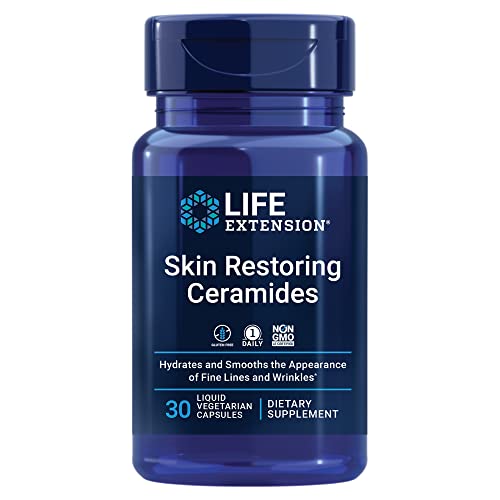
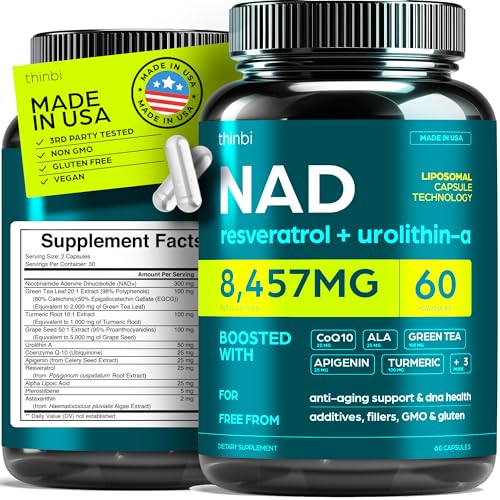
Best-selling Supplements for Skin Repair





Article Sources
At AncientHerbsWisdom, our content relies on reputable sources, including peer-reviewed studies, to substantiate the information presented in our articles. Our primary objective is to ensure our content is thoroughly fact-checked, maintaining a commitment to accuracy, reliability, and trustworthiness.
- Sangiovanni, E., Brivio, P., Dell’Agli, M., & Calabrese, F. (2017). Botanicals as Modulators of Neuroplasticity: Focus on BDNF. Neural plasticity, 2017, 5965371. https://doi.org/10.1155/2017/5965371
- Zhang, L., Xu, L., & Liu, Y. (2020). Natural Compounds for Skin Barrier Repair: Herbal and Fungal Approaches. Journal of Ethnopharmacology, 259, 112954. https://doi.org/10.1016/j.jep.2020.112954
- Kim, J., & Lee, J. H. (2019). Medicinal Mushrooms in Dermatology: Effects on Skin Regeneration. Mycobiology, 47(4), 363–374. https://doi.org/10.1080/12298093.2019.1640159
- Hussain, T., & Abbasi, B. H. (2019). Role of Botanicals in Skin Barrier Function: Review. Phytotherapy Research, 33(7), 1732–1745. https://doi.org/10.1002/ptr.6389
- Bisset, N. G. (2018). Herbal Medicine: Skin Applications and Barrier Repair. CRC Press. https://www.crcpress.com/Herbal-Medicine-Skin-Applications-and-Barrier-Repair/Bisset/p/book/9780367334567
- Ali, A., & Mustafa, S. (2021). Centella asiatica and its Role in Skin Regeneration: A Review. Journal of Herbal Medicine, 28, 100444. https://doi.org/10.1016/j.hermed.2021.100444
- Wang, Y., Zhang, D., & Li, H. (2020). Anti-inflammatory and Antioxidant Effects of Chamomile (Matricaria chamomilla) on Skin Health. Phytomedicine, 77, 153266. https://doi.org/10.1016/j.phymed.2020.153266
- Patel, S., & Goyal, A. (2012). Recent Developments in Mushrooms as Anti-aging Functional Foods. Journal of Functional Foods, 4(1), 1–12. https://doi.org/10.1016/j.jff.2011.08.004
- Zhou, X., & Li, J. (2019). Polysaccharides from Ganoderma lucidum Enhance Skin Repair via Immune Modulation. International Journal of Biological Macromolecules, 126, 1128–1136.https://doi.org/10.1016/j.ijbiomac.2018.12.112

- Phosphatidic Acid: Supporting Muscle Growth and Strength - July 31, 2026
- Ceramides: Supporting Healthy Skin From Within - July 31, 2026
- Synbiotics: Combining Prebiotics and Probiotics Together - July 31, 2026