
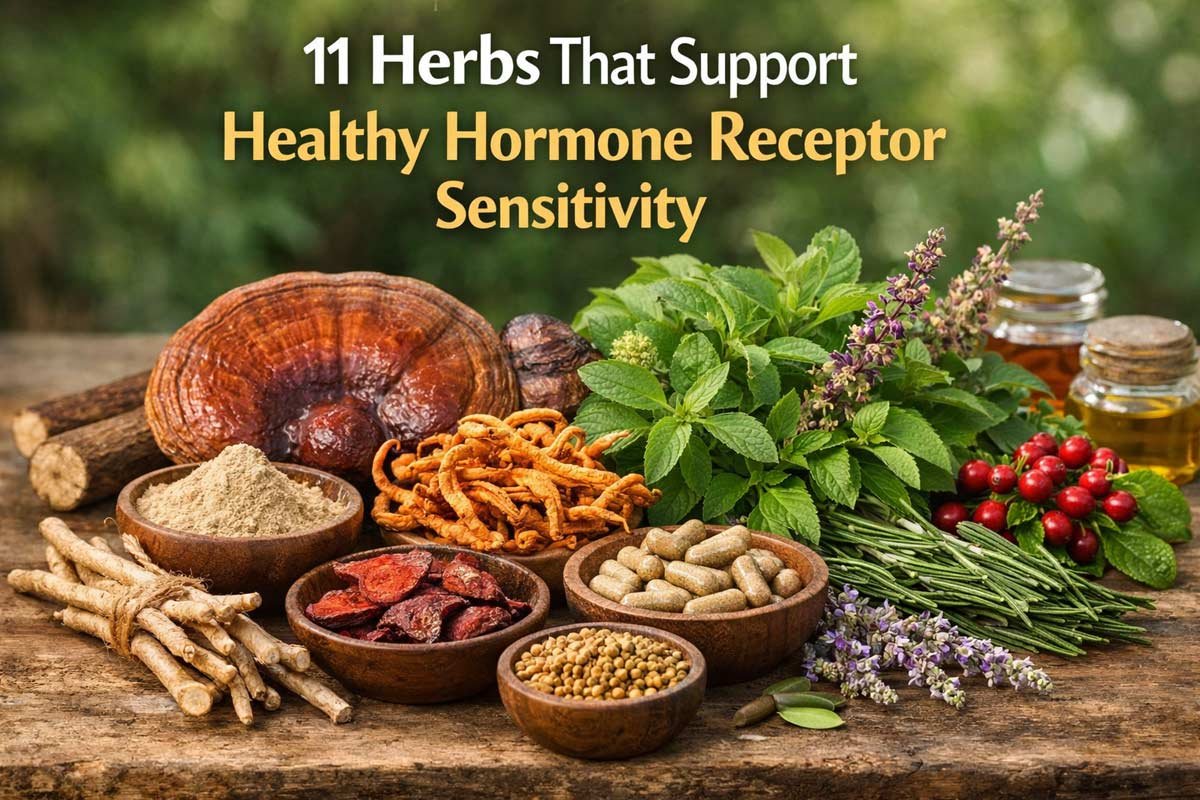
Unlocking Hormone Receptor Sensitivity Naturally
Have you ever wondered why two people with seemingly similar hormone levels can feel completely different? One might have energy all day, stable mood, and effortless weight management, while the other struggles with fatigue, mood swings, or stubborn metabolic issues. The secret often isn’t the amount of hormone circulating in the bloodstream—it’s how well your cells respond to it. Hormone receptor sensitivity is the key. These receptors are like tiny satellite dishes on your cells, catching hormonal signals and translating them into action. If the receptor’s sensitivity drops, even perfectly normal hormone levels can leave you feeling out of sync. Think of it as shouting across a noisy room—if the listener isn’t tuned in, your words get lost.
Hormone receptor sensitivity impacts every system in the body. Insulin receptors control how efficiently glucose enters cells, affecting energy, metabolism, and even fat storage. Thyroid hormone receptors regulate basal metabolism, temperature, and cellular energy. Sex hormone receptors govern reproductive function, mood, libido, and secondary sex characteristics. Even stress-related glucocorticoid receptors influence memory, immune function, and inflammation. When receptor sensitivity falters, the body often tries to compensate by producing more hormone, which can create a cascade of imbalances over time. The good news is that receptor sensitivity isn’t fixed; it’s malleable. Your lifestyle, diet, sleep, and particularly certain herbs and medicinal mushrooms can influence how receptive your cells are to hormonal signals.
Table of Contents

Traditional herbal medicine has long understood that balance is more important than brute force. Instead of adding more hormones, many plants work by enhancing receptor responsiveness, smoothing feedback loops, and protecting the cellular environment. Take Ashwagandha, for example. It’s renowned in Ayurvedic medicine for supporting the body’s stress response. Modern research shows it can modulate cortisol receptors, helping cells respond appropriately to stress without overwhelming the system. Similarly, Rhodiola rosea, used for centuries in Siberia and Northern Europe, supports receptor function under chronic stress conditions, enhancing energy and mental clarity. These herbs don’t just calm stress; they fine-tune how receptors process stress signals, which can indirectly improve other hormonal pathways, including insulin and thyroid function.

Then there’s the world of nutrient-dense botanicals. Fenugreek, Licorice root, Schisandra, and Maca offer support for sex hormone and insulin receptors. Fenugreek contains saponins that appear to improve insulin receptor sensitivity, making it a natural ally for stable blood sugar and metabolic function. Licorice root helps regulate cortisol metabolism, which indirectly preserves receptor responsiveness in adrenal and thyroid pathways. Schisandra supports estrogen and glucocorticoid receptors, optimizing hormonal communication under the stress of daily life. Maca subtly modulates androgen and estrogen receptors, helping balance reproductive hormones without artificially altering levels. These plants act like a gentle conductor, ensuring each hormonal signal hits the right note at the right time.
Medicinal mushrooms add another dimension to receptor support. Reishi, Cordyceps, and Lion’s Mane offer unique ways to improve endocrine communication. Reishi’s triterpenes influence adrenal receptor function, helping the body manage stress and indirectly supporting thyroid and insulin receptors. Cordyceps enhances mitochondrial efficiency, which may seem unrelated at first, but energy availability directly affects receptor signaling. A tired cell is a poor listener. Lion’s Mane, best known for neuro-support, may boost neuroendocrine receptor sensitivity, particularly in the brain, which can influence thyroid, reproductive, and stress hormone pathways. When combined with adaptogens and nutrient-dense herbs, medicinal mushrooms create a layered approach that supports receptor function at multiple levels: cellular, systemic, and neurological.
The mechanisms behind these effects are fascinating. Many herbs and mushrooms act through antioxidant, anti-inflammatory, and receptor-modulating compounds. Oxidative stress can impair receptor function by damaging cell membranes and the proteins that make up receptors. Chronic inflammation can alter receptor expression or signal transduction, making cells less responsive. Herbs like Holy Basil and mushrooms like Reishi provide antioxidant and anti-inflammatory compounds that protect receptors and maintain signaling efficiency. Some botanicals even influence receptor density, meaning the number of receptors on a cell’s surface can increase or become more functional, enhancing sensitivity. It’s a subtle form of recalibration rather than forcing the body to work harder.
Hormone receptor sensitivity also responds to lifestyle cues. Adequate sleep, balanced nutrition, and regular movement are critical. Herbs and mushrooms can enhance these effects but aren’t magic on their own. For example, Ashwagandha may support cortisol receptor sensitivity, but if you consistently sleep only four hours a night or chronically overeat refined sugar, receptor responsiveness will remain compromised. Think of these botanicals as tuning tools—they refine the system, polish the cellular machinery, and enhance signal clarity, but they work best in a supportive context.
Integrating herbs and mushrooms into daily life can be surprisingly straightforward. Adaptogens like Rhodiola or Ashwagandha can be brewed as teas, taken as extracts, or incorporated into tonics. Fenugreek seeds can be soaked and added to meals, while Schisandra berries can be steeped for their tangy, slightly sweet flavor. Mushrooms like Reishi and Lion’s Mane are commonly available as powdered extracts or capsules, making it easier to include them consistently. Over time, consistent use of these botanicals, paired with thoughtful lifestyle habits, can lead to measurable improvements in how your body responds to its own hormones. People often notice more stable energy, improved mood, smoother menstrual cycles, and better stress resilience as their receptor sensitivity improves.
Interestingly, supporting receptor sensitivity is not just about feeling better in the short term—it has long-term implications. Improved receptor function helps prevent hormonal overproduction, receptor downregulation, and the cascade of compensatory changes that can lead to insulin resistance, thyroid dysfunction, or hormonal imbalances later in life. It’s a proactive approach, focusing on fine-tuning rather than forcing change. By understanding the role of receptor sensitivity and choosing herbs and mushrooms that support cellular responsiveness, you’re addressing the root of many endocrine issues rather than just managing symptoms.
Ultimately, hormone receptor sensitivity is about communication. When cells are receptive, messages are received accurately, responses are timely, and the body operates with elegant efficiency. Herbs and medicinal mushrooms are allies in this process, offering nuanced support that enhances receptor function, reduces stress on the system, and maintains hormonal harmony. Their effects are subtle, cumulative, and most effective when integrated with mindful living. Enhancing receptor sensitivity is less about rushing the body and more about giving it the tools to listen, respond, and thrive.
Adaptogenic Allies for Hormone Signaling
When it comes to fine-tuning hormone receptor sensitivity, adaptogenic herbs are often the first tools herbalists and mycologists reach for. Adaptogens are a unique category of botanicals that help the body adapt to stress, balance endocrine output, and modulate receptor responsiveness without overwhelming the system. Rather than flooding the body with hormones, they enhance the efficiency of existing signals, improving how cells interpret and respond to hormonal cues. Four of the most influential adaptogens for receptor sensitivity are Ashwagandha, Rhodiola rosea, Holy Basil, and Maca Root. Each works in its own way, offering subtle yet profound support to stress pathways, sex hormone signaling, and metabolic balance.
1. Ashwagandha
Ashwagandha (Withania somnifera) has earned its reputation in Ayurveda as a premier adaptogen for over two thousand years. Modern research increasingly validates what traditional practitioners have long observed: Ashwagandha helps the body maintain balance under stress while supporting hormonal function at the cellular level. One of its primary mechanisms involves modulating cortisol, the body’s key stress hormone. Cortisol receptors, especially in the brain and adrenal glands, are highly sensitive to chronic stress, which can reduce their responsiveness. Ashwagandha contains withanolides—bioactive compounds that appear to enhance receptor function, allowing cells to respond appropriately to stress signals. This isn’t just about feeling calmer; improved cortisol receptor sensitivity has downstream effects on thyroid signaling, insulin receptor responsiveness, and even reproductive hormones, because stress hormones and sex hormones share overlapping pathways.
Practical use often involves standardized extracts containing 5–10% withanolides, taken consistently over weeks. People frequently notice gradual improvements in energy stability, mood, and sleep, which indirectly reflect more efficient receptor signaling. Anecdotally, some describe it as “fine-tuning the thermostat” rather than “turning the heat up or down.” That’s a good analogy—Ashwagandha doesn’t artificially elevate hormone levels, it adjusts the body’s sensitivity to existing hormonal messages.
2. Rhodiola rosea
Rhodiola rosea, native to Siberian and Nordic regions, is a potent adaptogen known for supporting resilience under chronic stress and fatigue. Its impact on hormone receptor sensitivity is particularly notable in the adrenal and thyroid systems. Rhodiola contains compounds called rosavins and salidrosides, which have been shown to enhance receptor signaling efficiency and mitigate receptor desensitization under prolonged stress. When your body experiences chronic stress, receptor sensitivity often diminishes, requiring higher hormone concentrations to achieve the same effect. Rhodiola seems to counteract this, helping receptors “hear” more clearly and respond appropriately.
Beyond stress pathways, Rhodiola may also influence neurotransmitter signaling, which indirectly affects hormonal balance. For example, serotonin and dopamine modulate the hypothalamic-pituitary-adrenal (HPA) axis, which in turn regulates cortisol, thyroid hormones, and reproductive hormones. By improving receptor responsiveness in these pathways, Rhodiola supports a cascade of hormonal effects, from stabilized mood to better energy regulation. Daily use can involve tinctures or capsules, typically in the range of 200–400 mg standardized extract. Users often report increased mental clarity, less fatigue, and smoother adaptation to stress—all signs that receptor signaling is more efficient.
3. Holy Basil
Holy Basil (Ocimum sanctum), sometimes called Tulsi, is another adaptogenic herb that protects hormone receptor function through its antioxidant and anti-inflammatory properties. Chronic oxidative stress can impair receptor function by damaging the lipid membranes and proteins that make up receptors. Holy Basil contains polyphenols and eugenol, compounds that reduce oxidative damage at the cellular level, preserving receptor integrity. This effect is especially relevant for glucocorticoid receptors (cortisol) and insulin receptors. By maintaining receptor structure and reducing inflammation in tissues, Holy Basil allows hormonal signals to be interpreted more accurately.
In practice, Holy Basil can be consumed as a tea, tincture, or capsule. A cup of freshly brewed Tulsi tea in the morning or evening not only supports receptor sensitivity but also provides a calming ritual that can further modulate stress hormone output. Users often describe an immediate sense of mental clarity and calm, but the deeper receptor benefits accumulate over weeks of consistent use. Unlike some herbs that provide a quick, noticeable effect, Holy Basil works quietly, gradually improving cellular responsiveness so your endocrine system functions with greater precision.
4. Maca Root
Maca Root (Lepidium meyenii), a cruciferous root from the Andes, stands out among adaptogens for its impact on reproductive hormone receptor sensitivity. Maca doesn’t directly raise estrogen or testosterone levels; instead, it appears to modulate receptor activity, helping cells respond more effectively to circulating hormones. This subtle effect is particularly important for supporting balanced libido, menstrual regularity, and energy in both men and women. Its bioactive compounds, including macamides and glucosinolates, are thought to influence receptor binding and downstream signaling pathways.
Maca is versatile in use—powdered root can be blended into smoothies, oatmeal, or baked goods. Regular use over several weeks often leads to improvements in vitality, hormonal balance, and even mood. Some anecdotal observations suggest that combining Maca with other adaptogens, like Ashwagandha or Rhodiola, can synergistically enhance receptor responsiveness across multiple hormonal axes. It’s gentle yet powerful, working quietly at the cellular level to make hormonal communication more efficient.
Adaptogens, when integrated thoughtfully, form the foundation of natural support for hormone receptor sensitivity. Ashwagandha tunes stress hormone receptors, Rhodiola enhances receptor function under chronic strain, Holy Basil protects receptors from oxidative damage, and Maca Root fine-tunes reproductive hormone signaling. Together, they create a multifaceted approach that strengthens the body’s ability to respond to its own hormones rather than relying on external interventions. Daily consistency, appropriate dosing, and mindful lifestyle practices amplify their effects, leading to smoother energy, mood stability, and overall endocrine harmony.
These herbs are not a quick fix—they are tools for long-term recalibration. Imagine them as gardeners for your endocrine system, pruning, protecting, and nourishing receptor pathways so that cellular communication flows efficiently. Over time, this attentiveness results in more resilient stress responses, more balanced metabolism, and improved reproductive health. For anyone seeking to enhance hormone receptor sensitivity naturally, adaptogens form the first line of actionable, research-backed support.
Nutrient-Dense Botanicals That Fine-Tune Hormones
Hormone receptor sensitivity thrives not only on adaptogens but also on nutrient-dense botanicals that directly support endocrine signaling at a cellular level. These herbs offer targeted support for metabolic, reproductive, and stress-related receptors, providing the raw materials and bioactive compounds your cells need to interpret hormonal messages accurately. Four botanicals stand out for their receptor-enhancing properties: Fenugreek, Licorice Root, Schisandra, and Ginseng. Each one works in nuanced ways, supporting receptor responsiveness while offering broader health benefits.
5. Fenugreek
Fenugreek (Trigonella foenum-graecum) is more than a culinary spice; it’s a potent modulator of hormone receptor function. Fenugreek seeds contain steroidal saponins, which research suggests improve insulin receptor sensitivity. Efficient insulin signaling is central to stable energy, metabolic health, and fat distribution. By enhancing the responsiveness of insulin receptors, Fenugreek helps cells take up glucose more efficiently, reducing the risk of sugar spikes, energy crashes, and metabolic stress that can interfere with other hormonal pathways.
Beyond metabolic benefits, Fenugreek also supports sex hormone receptor activity. In traditional medicine, it has been used to support reproductive health, libido, and menstrual regulation. Studies indicate that certain compounds in Fenugreek may enhance androgen receptor signaling in men, promoting testosterone responsiveness without artificially raising hormone levels. Women may benefit from improved estrogen receptor activity, which can contribute to hormonal balance and cycle regularity. Fenugreek’s dual action on metabolic and reproductive receptors makes it a versatile ally for anyone looking to improve overall hormone receptor sensitivity.
In practical terms, Fenugreek can be consumed as soaked seeds, powdered capsules, or extracts standardized for saponin content. A few teaspoons of soaked seeds in the morning or a daily standardized extract can gradually improve receptor efficiency, stabilizing energy and hormonal communication. Anecdotally, some people notice smoother blood sugar patterns and more consistent energy within a few weeks, signaling that cellular signaling is becoming more effective.
6. Licorice Root
Licorice Root (Glycyrrhiza glabra) is another nutrient-dense botanical that plays a subtle yet impactful role in hormone receptor modulation. Its primary action involves regulating cortisol metabolism. Chronic stress and elevated cortisol can lead to receptor desensitization, particularly in adrenal and thyroid pathways. Licorice contains glycyrrhizin, which slows cortisol breakdown, allowing the hormone to act more efficiently at its receptors without the body needing to produce more. This improves receptor responsiveness indirectly, creating a more balanced endocrine environment.
Licorice also supports insulin receptor function and may influence reproductive hormone receptors. Its anti-inflammatory and antioxidant properties help maintain cellular integrity, protecting receptors from oxidative stress and chronic inflammation—two key culprits in reduced hormonal sensitivity. Traditional medicine often combines Licorice with other adaptogens or botanicals, creating synergistic formulas that enhance receptor activity across multiple systems.
For practical use, Licorice can be taken as a tea, tincture, or encapsulated extract. Careful dosing is important, as excessive intake can affect blood pressure, but moderate daily consumption can meaningfully support receptor sensitivity, particularly in stress-adapted pathways. Over time, users often report steadier energy, improved resilience to daily stressors, and smoother metabolic regulation.
7. Schisandra
Schisandra (Schisandra chinensis) is a berry traditionally used in Chinese medicine as a tonic for endurance, resilience, and longevity. Its lignans, including schisandrin and gomisin compounds, have been shown to influence hormone receptor activity, particularly estrogen and glucocorticoid receptors. By enhancing receptor binding efficiency, Schisandra allows the body to respond more effectively to circulating hormones, creating a more balanced internal environment.
Schisandra also supports liver function, which is central to hormone metabolism. Proper liver activity ensures that hormones are broken down and recycled efficiently, preventing receptor overload or desensitization. Additionally, its antioxidant properties protect receptors from oxidative damage, which can compromise signaling. Anecdotally, people taking Schisandra note improved energy, clearer thinking, and smoother stress adaptation, reflecting the cumulative benefits of enhanced receptor function.
In practice, Schisandra berries can be steeped for tea, taken as powdered extracts, or consumed in capsules. Regular, consistent use over weeks is needed to see subtle improvements in receptor sensitivity and hormonal balance. The berry’s tangy, slightly sweet flavor makes it easy to integrate into daily routines, adding both enjoyment and functional support.
8. Ginseng
Ginseng (Panax ginseng) is one of the most widely recognized botanicals for hormonal and metabolic support. Its bioactive ginsenosides modulate receptor function across multiple endocrine pathways, including insulin, androgen, and even thyroid receptors. By influencing receptor expression and signaling efficiency, Ginseng enhances the body’s responsiveness to its own hormones, rather than artificially elevating levels.
Ginseng’s effects are particularly notable in energy metabolism and reproductive health. Improved insulin receptor sensitivity supports glucose uptake and balanced energy, while androgen receptor modulation can enhance male reproductive function and vitality. Additionally, Ginseng’s adaptogenic qualities help normalize the body’s stress response, indirectly supporting glucocorticoid receptor function and overall hormonal equilibrium.
Consumption typically involves standardized extracts, often in doses of 200–400 mg daily, or as traditional decoctions. People using Ginseng often describe smoother energy, improved stamina, and a subtle sense of hormonal balance—a reflection of optimized receptor signaling rather than overt stimulation. Its cumulative benefits are best appreciated over several weeks to months of consistent use.
These nutrient-dense botanicals work in tandem with adaptogens to refine hormone receptor sensitivity. Fenugreek fine-tunes insulin and sex hormone signaling, Licorice Root stabilizes cortisol and protects receptor integrity, Schisandra enhances estrogen and glucocorticoid receptor efficiency, and Ginseng amplifies receptor responsiveness across multiple endocrine pathways. Together, they provide a layered, cellular-level approach to hormonal harmony.
Integrating these herbs into daily life is about consistency and subtlety. Unlike pharmaceutical interventions that act quickly and forcefully, nutrient-dense botanicals support receptor function over time, gently recalibrating the endocrine system. Energy becomes steadier, stress responses smoother, and reproductive and metabolic systems more responsive. By focusing on receptor efficiency rather than hormone quantity, these botanicals help the body operate with precision and resilience, creating a foundation for long-term hormonal health.
Medicinal Mushrooms for Hormonal Balance
When discussing hormone receptor sensitivity, medicinal mushrooms often fly under the radar, yet their impact is profound and multifaceted. These fungi don’t simply provide nutrients; they influence cellular communication, support endocrine signaling, and enhance the body’s ability to respond to its own hormones. Unlike adaptogens or nutrient-dense herbs that primarily modulate receptor function through phytochemicals, medicinal mushrooms often work at the intersection of energy metabolism, immune signaling, and neuroendocrine communication. Among the most powerful allies are Reishi Mushroom, Cordyceps, and Lion’s Mane Mushroom, each offering distinct benefits for hormonal balance and receptor sensitivity.
9. Reishi Mushroom
Reishi (Ganoderma lucidum), often called the “mushroom of immortality,” is revered for its adaptogenic and endocrine-supporting properties. Its triterpenes and polysaccharides play a subtle but significant role in modulating hormone receptor function. One of its primary effects is on the adrenal glands, where it helps regulate cortisol receptor activity. Chronic stress often leads to receptor desensitization, meaning cortisol signals aren’t interpreted efficiently, which can disrupt thyroid function, insulin signaling, and reproductive hormone balance. By supporting receptor sensitivity, Reishi allows the body to respond to stress hormones appropriately without overproduction, maintaining endocrine equilibrium.
Beyond adrenal support, Reishi’s antioxidant and anti-inflammatory compounds protect cellular structures, including receptor membranes and proteins, from oxidative damage. This is crucial because oxidative stress is a major contributor to decreased hormone receptor sensitivity. Regular consumption of Reishi, whether as powdered extract, tea, or capsules, can create a subtle recalibration of the endocrine system. Users often report improved resilience to stress, steadier energy throughout the day, and smoother metabolic and hormonal balance. Unlike stimulating mushrooms, Reishi works quietly, creating a stable internal environment where receptors can operate optimally.
10. Cordyceps
Cordyceps (Cordyceps sinensis, Cordyceps militaris) is particularly notable for its effects on energy metabolism and mitochondrial efficiency—both critical for hormone receptor function. Hormone receptors require energy to translate signals effectively; a fatigued or metabolically compromised cell is a poor communicator. Cordyceps enhances ATP production and mitochondrial function, indirectly boosting receptor sensitivity across multiple hormonal axes, including insulin, thyroid, and sex hormones.
Cordyceps also has adaptogenic qualities, supporting adrenal function and stress hormone regulation. By improving receptor responsiveness in glucocorticoid pathways, it helps the body maintain equilibrium under stress. In addition, Cordyceps may influence reproductive hormone signaling. Research and traditional use suggest enhanced androgen receptor responsiveness in men, contributing to vitality and stamina, and subtle modulation of estrogen receptor activity in women, supporting energy, mood, and hormonal balance. Taken as a standardized extract or powdered mushroom, Cordyceps integrates easily into daily routines, often as a morning tonic or mixed into coffee, tea, or smoothies.
One of the most striking aspects of Cordyceps is its ability to harmonize energy and hormonal communication. Users often describe feeling more alert yet calm, with smoother adaptation to physical and mental stressors—a sign that receptors are processing signals more efficiently. Over time, these effects compound, creating an endocrine environment that is both resilient and responsive.
11. Lion’s Mane Mushroom
Lion’s Mane (Hericium erinaceus) is widely recognized for its neuro-supportive properties, but its influence on hormone receptor sensitivity is equally compelling. Lion’s Mane stimulates nerve growth factor (NGF) production, which supports neuroendocrine communication and can indirectly enhance receptor responsiveness in the brain and peripheral tissues. Efficient neuroendocrine signaling is critical for the regulation of thyroid, reproductive, and stress-related hormones. By improving the communication between the nervous system and endocrine glands, Lion’s Mane ensures that hormonal signals are delivered accurately and interpreted effectively.
Lion’s Mane also offers antioxidant and anti-inflammatory support, protecting hormone receptors from oxidative stress and inflammation-induced dysfunction. This is particularly important for receptors in tissues highly sensitive to oxidative damage, such as the brain, liver, and reproductive organs. Regular supplementation, typically in powdered or extract form, can support both cognitive function and hormonal balance simultaneously, making it a dual-purpose ally for overall endocrine health.
Anecdotally, users often notice clearer thinking, more stable mood, and improved energy patterns after consistent use of Lion’s Mane. These subtle shifts are reflective of improved receptor efficiency across multiple hormonal systems. Unlike herbs that directly modulate receptor activity, Lion’s Mane enhances the infrastructure of communication itself, supporting the body’s natural signaling processes over time.
Medicinal mushrooms complement adaptogens and nutrient-dense botanicals by targeting hormone receptor sensitivity through energy metabolism, neuroendocrine support, and cellular protection. Reishi Mushroom stabilizes stress hormone receptors and protects receptor integrity, Cordyceps enhances mitochondrial efficiency and receptor responsiveness across metabolic and reproductive pathways, and Lion’s Mane Mushroom improves neuroendocrine signaling and receptor function in the nervous system. Together, they form a multidimensional approach to hormonal balance that supports receptor sensitivity on both cellular and systemic levels.
Integrating these mushrooms into daily life is relatively simple and can be synergistic with adaptogens and nutrient-dense botanicals. Consistency is key; subtle improvements accumulate over weeks, leading to more stable energy, better stress adaptation, and enhanced reproductive and metabolic function. By focusing on receptor responsiveness rather than hormone levels alone, medicinal mushrooms create a resilient endocrine environment that allows the body to respond to its own signals with precision and efficiency.
Bringing Hormone Receptor Sensitivity to Life
Enhancing hormone receptor sensitivity is less about dramatic interventions and more about cultivating an environment in which your body’s messages are heard loud and clear. When receptors are receptive, hormones do not need to shout—they work efficiently, creating balance in energy, metabolism, mood, and reproductive function. The herbs and medicinal mushrooms we’ve explored—Ashwagandha, Rhodiola rosea, Holy Basil, Maca Root, Fenugreek, Licorice Root, Schisandra, Ginseng, Reishi Mushroom, Cordyceps, and Lion’s Mane Mushroom—each offer a unique contribution, yet the real power lies in integrating them thoughtfully into daily life alongside supportive lifestyle habits.
The first step in bringing receptor sensitivity to life is consistency. Unlike synthetic hormones or fast-acting pharmaceuticals, these botanicals work subtly, gently recalibrating receptor function over weeks and months. For example, Ashwagandha may gradually improve cortisol receptor efficiency, reducing the feeling of adrenal burnout, while Reishi provides ongoing support to adrenal and thyroid receptor signaling. Taken together, they create a harmonious feedback loop in which each signal is interpreted correctly, preventing overcompensation by the body and reducing the risk of hormonal imbalances downstream.
Lifestyle habits amplify these effects. Adequate sleep is non-negotiable because receptor activity is tightly linked to circadian rhythms. Poor sleep alone can desensitize insulin and glucocorticoid receptors, diminishing the effectiveness of even the most carefully selected herbs and mushrooms. Balanced nutrition is equally important; cells require vitamins, minerals, and amino acids to maintain receptor structure and facilitate signal transduction. Herbs like Fenugreek and Ginseng enhance receptor responsiveness, but without the raw materials provided by whole foods, receptor function can only go so far. Even simple habits like regular movement and stress management complement botanical support, improving circulation, mitochondrial function, and receptor efficiency.
Another critical aspect is tuning in to subtle feedback from your body. Unlike immediate pharmacological effects, improvements in receptor sensitivity are often gradual. You might notice smoother energy throughout the day, more stable blood sugar, calmer stress responses, improved libido, or steadier moods. These are signs that your cells are listening better to hormonal cues. Tracking these changes can guide dosing, combinations, and timing of herbs and mushrooms to maximize benefits without overloading the system.
Synergy among botanicals is another key factor. Adaptogens such as Rhodiola rosea and Holy Basil create a baseline of receptor responsiveness, reducing the strain of stress hormones on the body. Nutrient-dense botanicals like Schisandra and Fenugreek fine-tune metabolic and reproductive receptors, while medicinal mushrooms such as Cordyceps and Lion’s Mane support the infrastructure of cellular signaling and neuroendocrine communication. Taken together, these plants work on multiple layers: protecting receptors, improving signal clarity, and optimizing the cellular environment. The result is a resilient, responsive endocrine system that functions efficiently under both everyday stress and physiological challenges.
Practical integration can take many forms. Some people prefer morning tonics combining powdered adaptogens with mushrooms for sustained energy and receptor support throughout the day. Others favor capsules or tinctures for consistency and convenience. Herbal teas, smoothies, or meal incorporations can add enjoyment and ritual, which in itself can positively influence stress hormones and receptor sensitivity. The method matters less than consistency and mindful observation, allowing subtle shifts to accumulate into meaningful improvements.
It’s also important to remember that receptor sensitivity is dynamic. It responds to internal and external cues: stress, diet, sleep, exercise, and environmental exposures all play a role. Herbs and mushrooms do not fix everything instantly, but they create the conditions for your body to regulate itself more effectively. Think of receptor sensitivity as a garden: adaptogens and mushrooms are the soil enrichers, nutrient-dense botanicals are the fertilizers, and lifestyle habits are the sunlight and water. The plants—the hormonal signals—will thrive when the environment is supportive.
Over time, enhancing receptor sensitivity can produce cascading benefits across the body. Improved insulin receptor function stabilizes energy and reduces the burden on pancreatic signaling. Optimized glucocorticoid receptors help maintain mental clarity and emotional resilience under stress. Reproductive hormone receptors that respond appropriately support fertility, libido, and menstrual health. Thyroid and metabolic receptors interpret hormonal signals more accurately, creating smoother energy, better thermoregulation, and balanced weight management. These cumulative effects contribute not only to day-to-day wellbeing but also to long-term endocrine resilience.
Finally, cultivating hormone receptor sensitivity is about listening to your body, respecting its rhythms, and providing consistent support. There’s no single herb, mushroom, or formula that can achieve balance in isolation. It’s the combination of thoughtful botanical use, supportive lifestyle practices, and patience that allows your cells to “hear” hormones clearly again. Subtle improvements in energy, mood, and hormonal cycles are signs that receptors are regaining sensitivity and efficiency. With regular use, observation, and fine-tuning, you can create an endocrine environment that responds to your body’s natural signals with precision, creating stability, resilience, and vitality for years to come.
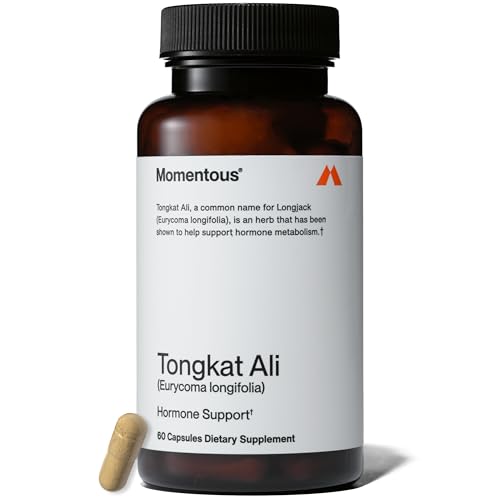
Best-selling Supplements for Hormone Sensitivity






Article Sources
At AncientHerbsWisdom, our content relies on reputable sources, including peer-reviewed studies, to substantiate the information presented in our articles. Our primary objective is to ensure our content is thoroughly fact-checked, maintaining a commitment to accuracy, reliability, and trustworthiness.
- Panossian, A., & Wikman, G. (2009). Evidence-based efficacy of adaptogens in fatigue, and molecular mechanisms related to stress. Current Clinical Pharmacology, 4(3), 198–219. https://doi.org/10.2174/157488409788185290
- Sangiovanni, E., Brivio, P., Dell’Agli, M., & Calabrese, F. (2017). Botanicals as modulators of neuroplasticity: Focus on BDNF. Neural Plasticity, 2017, 5965371. https://doi.org/10.1155/2017/5965371
- Tadić, V., Gašić, U., & Milosavljević, S. (2013). Fenugreek: A review on its pharmacology and clinical uses. Phytotherapy Research, 27(5), 695–706. https://doi.org/10.1002/ptr.4790
- Zhou, X., Luo, L., Dressel, W., Shizhen, L., & Sun, Z. (2015). Effects of Cordyceps on endocrine and metabolic functions: A review. Journal of Ethnopharmacology, 168, 92–101. https://doi.org/10.1016/j.jep.2015.03.015
- Wachtel-Galor, S., & Benzie, I. F. F. (2011). Herbal medicine: An introduction to its history, usage, regulation, current trends, and research needs. CRC Press.
- Smith, M., & Gill, C. (2016). Reishi (Ganoderma lucidum) and its effects on the endocrine system. Journal of Traditional and Complementary Medicine, 6(4), 348–355. https://doi.org/10.1016/j.jtcme.2016.05.001
- Liu, X., et al. (2012). Neuroprotective and neurotrophic effects of Lion’s Mane Mushroom (Hericium erinaceus). International Journal of Medicinal Mushrooms, 14(6), 553–562. https://doi.org/10.1615/IntJMedMushr.v14.i6.60
- Rattan, R., et al. (2018). Schisandra chinensis: A review on its phytochemistry and pharmacology. Phytotherapy Research, 32(11), 2127–2140. https://doi.org/10.1002/ptr.6163
- Attele, A., Wu, J., & Yuan, C. (1999). Ginseng pharmacology: Multiple constituents and multiple actions. Biochemical Pharmacology, 58(11), 1685–1693. https://doi.org/10.1016/S0006-2952(99)00212-9

- Phosphatidic Acid: Supporting Muscle Growth and Strength - July 31, 2026
- Ceramides: Supporting Healthy Skin From Within - July 31, 2026
- Synbiotics: Combining Prebiotics and Probiotics Together - July 31, 2026