

Where Bile Flow Begins and Why It Matters More Than You Think
Bile flow is one of those quiet processes the body handles so well that most people never think about it until something feels off. Heavy meals sit like stones. Fatty foods suddenly feel wrong. Bloating shows up where it never used to. Skin changes. Energy dips after eating instead of rising. When I hear these patterns, my mind almost always goes to bile flow before anything else.
Bile is not just digestive juice. It is a signaling fluid. It tells the liver, gallbladder, intestines, and even the microbiome how to behave. Produced by liver cells and stored in the gallbladder, bile carries cholesterol, bile acids, phospholipids, and waste products that the body wants gone. When bile flow is smooth and responsive, fats emulsify easily, fat soluble vitamins absorb properly, and the bowels move with a natural rhythm. When bile flow slows, thickens, or releases at the wrong time, the whole digestive cascade loses its timing.
Table of Contents



Most people assume bile problems only mean gallstones. That is a narrow view. Suboptimal bile flow often shows up long before stones ever form. I see it in people who eat clean but feel worse on healthy fats. I see it in those who crave coffee just to feel digestion start moving. I see it in pale stools, floating stools, greasy residue in the toilet bowl, or a sense that meals never fully digest. These are not random symptoms. They are classic signs that bile flow is struggling to keep up.

The liver produces bile continuously, but the gallbladder releases it in pulses, mainly when fat enters the small intestine. This release depends on nerve signaling, hormones like cholecystokinin, and the tone of the biliary ducts themselves. Stress alone can disrupt this rhythm. Chronic stress tightens smooth muscle and changes nerve firing. Over time, bile flow becomes hesitant. Thick bile sits too long in the gallbladder. Pressure builds. Digestion becomes inconsistent.
Modern diets add another layer. Low fat eating starves the gallbladder of its reason to contract. Ultra processed fats confuse bile chemistry. Add long gaps between meals, late night eating, or constant grazing, and bile flow loses its natural pulse. The body thrives on rhythm. Bile flow is no exception.
What often gets overlooked is how deeply bile flow shapes gut health. Bile acids are antimicrobial by design. They keep certain bacteria in check while allowing others to thrive. When bile flow weakens, microbial balance shifts. Small intestinal bacterial overgrowth becomes more likely. Gas increases. Inflammation follows. People chase probiotics without realizing the terrain itself is the problem. Restore bile flow, and the microbiome often starts correcting itself without much force.
Bile also plays a detox role that rarely gets the respect it deserves. The liver packages toxins, hormones, and metabolic waste into bile for elimination through stool. If bile flow slows, these compounds linger. Some get reabsorbed. Estrogen balance shifts. Skin becomes one of the backup exit routes. That is why sluggish bile flow often shows up as acne, itching, or unexplained rashes. The body is simply trying to compensate.
I have always found it interesting how traditional herbal systems prioritized bile flow long before modern physiology caught up. Bitter herbs were not added for flavor. They were used to wake up digestion, stimulate bile secretion, and restore timing. Bitterness triggers taste receptors not only on the tongue but throughout the gut. These receptors signal the liver and gallbladder to prepare for work. One sip of a bitter infusion before a meal can shift bile flow in minutes. You can feel it. A subtle warmth. A sense of readiness.
Medicinal mushrooms work differently but just as intelligently. Rather than forcing bile flow, they tend to support liver resilience, reduce inflammatory drag, and improve signaling over time. When the liver feels supported, bile production becomes steadier. When inflammation drops, bile ducts relax. This is slow medicine, but it lasts.
Another piece rarely discussed is bile thickness. Bile flow is not just about quantity. It is about quality. Thick bile moves poorly. It sticks. It irritates tissue. Dehydration, low phospholipid intake, poor liver function, and chronic inflammation all contribute to sluggish bile texture. Certain herbs thin bile gently, making it easier to move without pushing the gallbladder into spasm. This distinction matters. For sensitive people, aggressive stimulation can backfire.
Fat digestion sits at the center of this conversation. Without adequate bile flow, fats remain in large globules that enzymes cannot break down. Fat soluble vitamins A, D, E, and K slip through unabsorbed. Over time, deficiencies appear even in people eating nutrient dense diets. Dry skin, weak nails, poor night vision, bruising, low mood. These are not always nutrient intake problems. Often they are bile flow problems wearing different masks.
There is also an emotional layer that deserves mention. Traditional medicine linked bile to decisiveness, courage, and forward movement. Modern language might call it metabolic confidence. When bile flow is strong, people often describe feeling lighter after meals, clearer in thought, more grounded in their bodies. When it is weak, hesitation shows up everywhere. Even appetite loses its sharpness. Food becomes confusing rather than nourishing.
Supporting bile flow does not mean forcing it. This is where many protocols go wrong. The goal is responsiveness. The gallbladder should contract when it needs to and relax when it does not. The liver should produce bile steadily without congestion. The ducts should remain calm, not inflamed or tense. Herbs and mushrooms shine here because they work with physiology rather than against it.
I often tell people to pay attention to the first ten minutes after eating. That window reveals a lot about bile flow. Do you feel warmth and gentle movement, or heaviness and pressure. Does hunger resolve cleanly, or does it turn into bloating. Does energy rise, or do you want to lie down. These signals are honest. They are the body reporting on bile flow in real time.
When bile flow improves, changes ripple outward. Meals feel satisfying instead of taxing. Cravings stabilize. Stools normalize in color and consistency. Skin clarity improves without topical obsession. Even mood steadies. This is not magic. It is physiology finally getting the support it has been asking for.
Bile flow begins in the liver, but its influence reaches far beyond digestion. It shapes detox pathways, microbial balance, nutrient absorption, and metabolic rhythm. Ignore it, and the body compensates in messy ways. Respect it, and many stubborn symptoms soften without a fight. This is why bile flow matters more than most people think, and why plants and fungi that support it deserve a central place in digestive care.
Classic Bitter Herbs That Stimulate Bile Flow
Bitterness is one of the most misunderstood tastes in modern nutrition. We train it out of food, mask it with sugar, and then wonder why digestion feels dull and unreliable. Bitter herbs exist for one reason above all others. They restore bile flow by reminding the digestive system how to respond. A bitter signal is like a knock on the door of the liver and gallbladder. It says wake up, food is coming, do your job.
Bitter herbs stimulate bile flow through multiple pathways at once. They activate taste receptors on the tongue that immediately increase vagal tone. They trigger bitter receptors along the intestinal lining that increase bile secretion and gallbladder contraction. They thin bile, reduce stagnation, and improve the timing of release. This is why bitter herbs often work quickly. You do not need weeks to notice a shift. Sometimes you feel it after the first dose.
What matters is choosing the right bitter and using it with intention. Strong does not always mean better. The goal is responsiveness, not force. These classic bitter herbs have stood the test of time because they support bile flow without overwhelming the system when used correctly.
1. Dandelion Root
Dandelion root is one of the most reliable bile flow allies I know. It is bitter, earthy, and quietly effective. Unlike harsher bitters, it supports bile flow while also nourishing the liver itself. That combination matters. You want bile moving, but you also want the organ producing it to feel supported rather than stressed.
Dandelion root increases bile production and promotes its release into the small intestine. It also supports mild diuresis, which helps reduce the burden on the liver by assisting waste elimination through the kidneys. This dual action often makes digestion feel lighter within days. Stools darken to a healthy brown. Fat tolerance improves. That sluggish feeling after meals begins to lift.
One thing I appreciate about dandelion root is how it works over time. Early on, bile flow increases. Later, bile quality improves. The root contains inulin, a prebiotic fiber that feeds beneficial gut bacteria. As the microbiome stabilizes, bile acids get recycled more efficiently. This feedback loop strengthens digestion instead of exhausting it.
Dandelion root is especially helpful for people who feel worse on fatty foods despite eating well. It suits those with pale stools, dry skin, or inconsistent bowel movements. Taken before meals as a decoction or tincture, it prepares the digestive system without pushing too hard. Bile flow improves because the liver feels supported, not pressured.
2. Artichoke Leaf
Artichoke leaf is more assertive. It has a sharp bitterness that directly stimulates bile flow and gallbladder contraction. When digestion feels stuck and heavy, artichoke often brings noticeable relief. The leaf contains compounds that increase bile secretion and improve fat emulsification, which is why it has such a strong reputation for post meal discomfort.
Artichoke leaf shines when bile feels thick and sluggish. People often describe a sense of pressure under the right rib cage or nausea after rich meals. In these cases, artichoke helps bile move with more fluidity. Stools become less greasy. Bloating eases. Meals stop lingering.
What makes artichoke leaf unique is its effect on cholesterol metabolism. Bile is one of the primary exit routes for excess cholesterol. By improving bile flow, artichoke indirectly supports healthy cholesterol balance. This is not about suppression. It is about elimination. When bile moves, cholesterol moves with it.
Artichoke leaf works best when taken shortly before or with meals that contain fat. Used daily for several weeks, it can retrain bile flow patterns that have been sluggish for years. That said, sensitivity matters. For those prone to gallbladder spasms, lower doses are wiser. The goal remains coordination, not force.
3. Gentian Root
Gentian root is the archetype of bitter. There is no subtlety here. One taste and the message is delivered loud and clear. Gentian stimulates bile flow through intense bitter receptor activation, making it one of the most effective herbs for jump starting digestion.
Gentian is ideal when appetite is low, digestion feels inert, and bile flow seems asleep. It increases gastric secretions, pancreatic enzymes, and bile release in a coordinated cascade. This makes it especially useful when multiple digestive signals are weak, not just bile flow alone.
Because gentian is so strong, timing matters. Taken ten to fifteen minutes before meals, it prepares the entire digestive tract. Taken with food, it can feel overwhelming for some. Small doses go a long way. A few drops of tincture are often enough to spark a noticeable shift.
Gentian is not an everyday tonic for everyone. It is more like a reset button. Used for short periods, it can reawaken bile flow that has gone quiet from stress, long term restrictive eating, or chronic digestive suppression. Once responsiveness returns, gentler bitters often maintain the effect.
4. Turmeric Rhizome
Turmeric is often talked about for inflammation, but its relationship with bile flow is just as important. Turmeric stimulates bile secretion and improves bile composition while calming inflammatory tension in the biliary system. This makes it uniquely suited for people who need movement without irritation.
Turmeric supports bile flow by increasing bile acid output from the liver and improving gallbladder responsiveness. It also reduces bile duct inflammation, which can otherwise restrict flow. When bile ducts relax, bile moves more freely. This is a subtle but powerful effect.
Turmeric works best when paired with fats. This is not just about absorption. Fat intake triggers bile release, and turmeric rides that wave. Over time, fat digestion improves, stools normalize, and post meal heaviness fades. Unlike sharper bitters, turmeric rarely feels harsh. It supports bile flow while protecting tissue integrity.
Another strength of turmeric is its antioxidant role within bile itself. Bile can become oxidative and irritating when stagnant. Turmeric helps stabilize bile chemistry, making it less inflammatory to the gut lining. This often shows up as reduced bloating and better tolerance of a wider range of foods.
Classic bitter herbs restore bile flow by reintroducing a conversation the body has been missing. They remind the digestive system how to anticipate food, respond with precision, and clear waste efficiently. When used thoughtfully, these plants do not just stimulate bile flow. They retrain it, bringing digestion back into a rhythm that feels natural and reliable.
Liver Protectors and Cholagogues That Keep Bile Moving
Stimulating bile flow is only half the equation. If the liver itself is overwhelmed, inflamed, or metabolically tired, bile will never move well for long. This is where liver protectors and true cholagogues earn their place. They do not just increase bile flow in the moment. They improve the liver’s capacity to produce, package, and deliver bile consistently.
These plants work more quietly than sharp bitters, but their impact runs deeper. They protect hepatocytes, improve bile acid metabolism, reduce inflammatory congestion in the biliary tree, and support long term bile flow resilience. When digestion improves slowly but steadily, these herbs are often involved.
5. Milk Thistle Seed
Milk thistle seed is often described as a liver protector, but that label undersells its role in bile flow. Healthy bile starts inside liver cells. If those cells are damaged or under oxidative stress, bile production becomes erratic and inefficient. Milk thistle strengthens the foundation.
The seed contains silymarin complexes that stabilize liver cell membranes and support regenerative processes. When liver cells function efficiently, bile production becomes steadier. This alone improves bile flow, even without direct stimulation. Over time, bile becomes less congested and more chemically balanced.
Milk thistle also influences bile composition. It increases bile acid secretion while reducing the buildup of toxic bile components that can irritate ducts. This makes bile easier to move and less likely to stagnate. People often notice improved stool color and consistency after several weeks, a sign that bile flow has normalized.
One of milk thistle’s quiet strengths is how it supports bile flow without forcing gallbladder contraction. For sensitive individuals who react poorly to strong bitters, this is crucial. Milk thistle works upstream. It improves bile quality at the source so that release feels natural rather than abrupt.
This herb fits well in long term protocols where bile flow has been compromised by medications, alcohol history, environmental toxins, or chronic inflammation. It restores confidence to the liver. When the liver trusts itself again, bile flow follows.
6. Schisandra Berry
Schisandra berry occupies a fascinating middle ground between tonic and stimulant. It is sour, slightly bitter, and deeply intelligent in how it interacts with bile flow. Rather than pushing, it coordinates.
Schisandra improves bile flow by supporting phase I and phase II liver detox pathways. As the liver processes waste more efficiently, bile becomes the preferred exit route again. This reduces back pressure within the liver and improves the rhythm of bile secretion.
One of schisandra’s most valuable effects is its impact on bile duct tone. It helps smooth muscle tissue relax and contract appropriately. This prevents the spasmodic patterns that cause discomfort while still allowing bile to move. People who experience right sided tightness or stress related digestive shutdown often respond well to schisandra.
Schisandra also improves liver resilience under stress. Cortisol, adrenaline, and inflammatory signals all influence bile flow. When stress is chronic, bile production and release become inconsistent. Schisandra buffers this response. It helps maintain bile flow even when life is demanding.
Over time, schisandra tends to improve tolerance to fats and alcohol, not by numbing the system but by improving metabolic clearance. Bile flow becomes more adaptable. Meals feel easier. Energy remains steadier after eating. This is not a quick fix herb. It is a pattern corrector.
7. Bupleurum Root
Bupleurum root is one of the most underrated bile flow herbs outside of traditional East Asian medicine. It is a classic cholagogue with a specific talent for moving constrained liver energy and restoring bile flow that has become stuck due to tension or emotional holding.
Bupleurum supports bile flow by increasing bile secretion and improving bile duct openness. It is particularly effective when bile stagnation is tied to stress, frustration, or long standing nervous system tension. In these cases, purely mechanical stimulation often fails. Bupleurum works because it addresses the underlying pattern.
This root has a strong affinity for the liver and gallbladder channels. It helps resolve the feeling of fullness or pressure under the ribs that does not respond to dietary changes alone. As bile begins to move, digestion improves, and a sense of internal spaciousness returns.
Bupleurum also modulates inflammatory signaling within the liver. Chronic low grade inflammation thickens bile and narrows ducts. By reducing this background irritation, bupleurum allows bile flow to normalize without aggressive stimulation.
Because bupleurum is potent, formulation matters. It is traditionally used in blends where its directional action is balanced by nourishing and grounding herbs. When used appropriately, it restores bile flow in a way that feels relieving rather than forceful.
Liver protectors and cholagogues create the conditions for sustainable bile flow. They repair what has been strained, soften what has tightened, and improve what has been overworked. When the liver feels safe and supported, bile moves with confidence. Digestion stops feeling like a battle and starts behaving like the coordinated process it was always meant to be.
Medicinal Mushrooms and Supportive Botanicals for Bile Balance
Bile flow does not exist in isolation. It reflects immune tone, inflammatory load, liver resilience, and even how the body responds to long term stress. This is where medicinal mushrooms and a few deeply supportive botanicals step in. They do not act like classic bitters or sharp cholagogues. Instead, they reshape the environment in which bile is produced and released.
When bile flow problems linger despite dietary changes and bitter herbs, it is often because the liver is carrying too much background stress. Inflammation, oxidative load, immune activation, and microbial imbalance all thicken bile and disrupt its timing. Medicinal mushrooms address these deeper layers. They support bile flow by making the system calmer, cleaner, and more adaptive.
8. Reishi Mushroom
Reishi is one of the most valuable allies for long term bile flow balance. It works slowly, but its influence reaches everywhere bile touches. Reishi supports liver function by reducing inflammatory signaling, improving antioxidant capacity, and modulating immune responses that otherwise tax hepatic tissue.
When the liver is inflamed, bile flow becomes erratic. Bile acids irritate ducts. Gallbladder contractions feel uncomfortable. Reishi calms this terrain. Over time, bile becomes less aggressive and more fluid. People often notice improved tolerance to fats without the sharp digestive sensations that stimulants sometimes provoke.
Reishi also influences the nervous system, which is inseparable from bile flow. The gallbladder and bile ducts are richly innervated. Chronic sympathetic activation tightens these pathways. Reishi shifts the balance toward parasympathetic tone. Digestion becomes less rushed, more coordinated. Bile flow responds naturally to meals rather than lagging or overshooting.
Another important aspect of reishi is its effect on lipid metabolism. Bile acids regulate cholesterol recycling. By improving liver sensitivity to bile acid signaling, reishi indirectly supports healthier bile composition. This shows up as steadier digestion and more consistent bowel patterns over months, not days.
Reishi is not about forcing movement. It is about restoring trust in the system. When used regularly, bile flow becomes reliable again because the liver is no longer operating in a constant state of defense.
9. Chaga Mushroom
Chaga works differently than reishi. Where reishi soothes and regulates, chaga stabilizes and protects. Its antioxidant density is remarkable, and this matters for bile flow more than most people realize.
Bile is chemically active. When oxidative stress is high, bile becomes irritating to intestinal tissue and biliary ducts. This irritation triggers inflammation, which narrows pathways and slows bile flow. Chaga helps break this cycle by reducing oxidative load within the liver and bile itself.
Chaga supports bile flow indirectly by improving liver antioxidant status and reducing chronic low grade inflammation. Over time, bile becomes less thick and less reactive. Digestion feels smoother, especially in people who experience bloating or discomfort hours after meals rather than immediately.
Another overlooked role of chaga is its interaction with gut immune balance. Bile acids shape the microbiome, and the microbiome modifies bile acids in return. When this relationship becomes dysregulated, bile flow suffers. Chaga helps normalize immune signaling in the gut, which stabilizes bile acid recycling. This leads to more predictable digestion and fewer downstream symptoms.
Chaga is particularly useful when bile flow issues coexist with skin flare ups, joint stiffness, or systemic inflammatory patterns. These signs often point to bile that is not moving efficiently or being reabsorbed improperly. Chaga supports clearance by calming the terrain rather than pushing the exit.
10. Oregon Grape Root
Oregon grape root bridges the worlds of bitter herbs and supportive tonics. It is strongly bitter, yet grounding and antimicrobial in a way that makes it ideal for bile flow problems tied to microbial imbalance.
Oregon grape root stimulates bile flow through its bitterness while also supporting liver detox pathways. Its alkaloids increase bile secretion and improve gallbladder responsiveness. At the same time, they reduce microbial overgrowth in the small intestine that often interferes with bile signaling.
When bile flow is weak, bacteria that should be kept in check begin to thrive. These microbes deconjugate bile acids prematurely, making them less effective and more irritating. Oregon grape root helps restore balance by reducing this microbial interference. Bile flow improves because bile remains intact and functional longer.
This root is especially helpful when bile flow issues show up alongside alternating constipation and loose stools, skin eruptions, or a coated tongue. These patterns often indicate that bile is present but not behaving properly. Oregon grape root sharpens its function.
Used carefully, Oregon grape root retrains bile flow without overwhelming the system. It is best introduced slowly and paired with nourishing supports like reishi or milk thistle to maintain balance.
Medicinal mushrooms and supportive botanicals restore bile flow by changing the conditions in which it operates. They reduce inflammation, stabilize immune signaling, and improve liver resilience. When these deeper layers are addressed, bile no longer needs to be forced. It moves because the body is finally ready to let it move.
Teaching the Gallbladder When to Release and When to Rest
Healthy bile flow is not about constant stimulation. It is about timing. The gallbladder is not a pump that should be running all day. It is a reservoir with intelligence. It fills, concentrates, releases, and then rests. Problems begin when this rhythm breaks down. Either the gallbladder holds on too long, or it releases too weakly, or it spasms when it should stay calm. Teaching it when to act and when to pause is one of the most overlooked aspects of restoring bile flow.
The gallbladder responds primarily to fat. When fat enters the small intestine, a hormonal signal tells the gallbladder to contract. If fat intake is too low for too long, the gallbladder loses tone. It forgets how to contract fully. Bile sits, thickens, and becomes less responsive. This is why long term low fat eating so often ends with bile flow problems, even in people who eat otherwise well.
On the other extreme, constant snacking or grazing keeps the digestive system half activated all day. The gallbladder never fully empties, but it never fully rests either. Bile flow becomes dribbly instead of decisive. Meals blur together. Digestion loses its beginning and end. Teaching the gallbladder to release properly requires clear signals, not constant noise.
One of the simplest ways to retrain bile flow is through meal structure. Eating defined meals with adequate fat gives the gallbladder a reason to contract fully. Then allowing several hours between meals gives it time to refill and concentrate bile. This rhythm alone can change bile flow dramatically, even before herbs are added.
Fat quality matters just as much as fat quantity. Whole food fats trigger bile flow more effectively than refined oils. Olive oil, butter, ghee, egg yolks, and naturally fatty fish send a clear signal. Highly processed seed oils often confuse the response. People notice this intuitively. Some fats feel satisfying. Others feel heavy and incomplete. That sensation is bile flow reporting back.
Bitters remain one of the most direct teachers of gallbladder timing. Taken shortly before meals, bitter herbs tell the gallbladder that fat is coming. This pre signal matters. When bile is released proactively rather than reactively, digestion feels smoother. There is less pressure, less gas, less after meal fatigue. Over time, the gallbladder relearns anticipation.
However, bitters should not be used all day long. Sipping bitter teas constantly keeps the gallbladder in a state of low level activation. This erodes rest. A small dose before meals works better than large amounts scattered randomly. Bile flow improves because the gallbladder trusts the signal.
Rest is just as important as release. Chronic stress interferes here more than most people realize. Stress hormones tighten smooth muscle and disrupt vagal tone. The gallbladder becomes hesitant, then irritable. It may contract poorly or spasm unpredictably. This is where supportive herbs and mushrooms play a key role. Reishi, schisandra, and similar allies help reestablish a calm baseline so bile flow can respond appropriately.
Breathing patterns influence bile flow more than digestion advice usually acknowledges. Shallow chest breathing keeps the nervous system alert. Deep diaphragmatic breathing massages the liver and gallbladder mechanically while activating parasympathetic tone. This combination encourages proper bile release. Even a few slow breaths before meals can change how bile moves.
Hydration also teaches timing. Bile is largely water. When hydration is poor, bile thickens. Thick bile resists movement, even when the gallbladder contracts. Drinking water between meals rather than flooding the stomach during meals supports bile flow without diluting digestive signals. Again, rhythm matters.
Physical movement plays a role as well. Gentle walking after meals encourages bile flow through mechanical motion and improved circulation. Prolonged sitting compresses the abdomen and slows biliary movement. This is why digestion often feels better on vacation when people move more naturally throughout the day.
One pattern I see repeatedly is people chasing bile flow with constant supplements. They stack bitters, enzymes, acids, and stimulants, yet digestion remains unpredictable. The issue is rarely a lack of stimulation. It is a lack of coordination. The gallbladder has been yelled at for too long. It needs clear cues and quiet space.
Teaching the gallbladder also involves knowing when not to stimulate bile flow. Late night eating, heavy meals under stress, and constant caffeine all disrupt the release rest cycle. Bile flow works best earlier in the day when circadian rhythms support digestion. Evening meals benefit from being simpler and lighter, allowing the gallbladder to wind down.
There is also an emotional dimension that shows up consistently. The gallbladder has long been associated with decision making and follow through. People stuck in indecision or chronic frustration often present with bile flow issues. While this can sound abstract, the physiology makes sense. Chronic emotional tension keeps the nervous system activated, which tightens biliary pathways. Addressing this does not require forcing positivity. It requires creating space for the body to feel safe enough to rest.
Herbs and mushrooms support this learning process by reinforcing signals without overriding them. Bitters teach anticipation. Liver protectors improve confidence at the source. Medicinal mushrooms create a calm internal environment where bile flow can self regulate. Together, they form a conversation rather than a command.
When the gallbladder relearns when to release and when to rest, digestion stops feeling fragile. Meals become predictable. Energy stabilizes. Fat stops being feared and starts being nourishing again. Bile flow no longer needs to be micromanaged. It responds because the body remembers what to do.
This is the deeper work of bile flow support. Not forcing movement, not suppressing symptoms, but restoring rhythm. Once that rhythm returns, many digestive complaints resolve quietly, without drama. The gallbladder does not need perfection. It needs clarity.
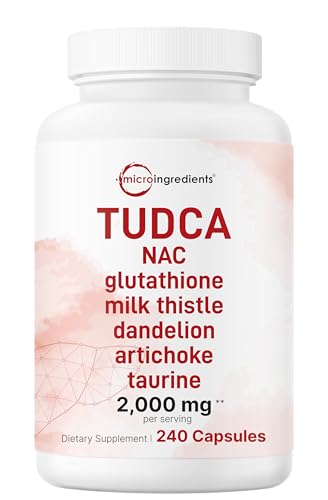
Best-selling Supplements for Bile Flow



Article Sources
At AncientHerbsWisdom, our content relies on reputable sources, including peer-reviewed studies, to substantiate the information presented in our articles. Our primary objective is to ensure our content is thoroughly fact-checked, maintaining a commitment to accuracy, reliability, and trustworthiness.
- Abenavoli, L., Izzo, A. A., Milic, N., Cicala, C., Santini, A., & Capasso, R. (2018). Milk thistle in liver diseases: Past, present, future. Phytotherapy Research, 32(11), 2202–2213. https://doi.org/10.1002/ptr.6183
- Ammon, H. P. T., & Wahl, M. A. (1991). Pharmacology of Curcuma longa. Planta Medica, 57(1), 1–7. https://doi.org/10.1055/s-2006-960004
- Bundy, R., Walker, A. F., Middleton, R. W., Wallis, C., & Simpson, H. C. (2004). Artichoke leaf extract reduces symptoms of functional dyspepsia: A placebo controlled, double blind, multicentre trial. Phytomedicine, 11(7–8), 553–561. https://doi.org/10.1016/j.phymed.2003.11.006
- Chen, S., Liu, J., Liu, X., Fu, Y., Zhang, M., Lin, Q., Zhu, J., Mai, L., Shan, Z., Yu, X., & Yang, M. (2014). Ganoderma lucidum polysaccharides improve liver function and decrease hepatic inflammation. International Journal of Biological Macromolecules, 68, 49–56. https://doi.org/10.1016/j.ijbiomac.2014.04.009
- ESCOP Monographs. (2003). Gentianae radix. European Scientific Cooperative on Phytotherapy. https://escop.com
- Panossian, A., Wikman, G., & Sarris, J. (2010). Rosenroot (Rhodiola rosea) in stress induced fatigue: A review. Phytomedicine, 17(7), 481–493. https://doi.org/10.1016/j.phymed.2010.01.005
- Saller, R., Melzer, J., Reichling, J., Brignoli, R., & Meier, R. (2001). An updated systematic review of the pharmacology of silymarin. Forschende Komplementarmedizin und Klassische Naturheilkunde, 8(2), 78–85. https://doi.org/10.1159/000057241
- Wasser, S. P. (2011). Current findings, future trends, and unsolved problems in studies of medicinal mushrooms. International Journal of Medicinal Mushrooms, 13(2), 1–16. https://doi.org/10.1615/IntJMedMushr.v13.i1.10
- Zhu, L., Zhang, D., Zhu, H., Zhu, J., & Weng, S. (2018). Bupleurum chinense polysaccharides regulate bile acid metabolism and liver inflammation. Journal of Ethnopharmacology, 220, 1–8.https://doi.org/10.1016/j.jep.2018.03.019

- Phosphatidic Acid: Supporting Muscle Growth and Strength - July 31, 2026
- Ceramides: Supporting Healthy Skin From Within - July 31, 2026
- Synbiotics: Combining Prebiotics and Probiotics Together - July 31, 2026