
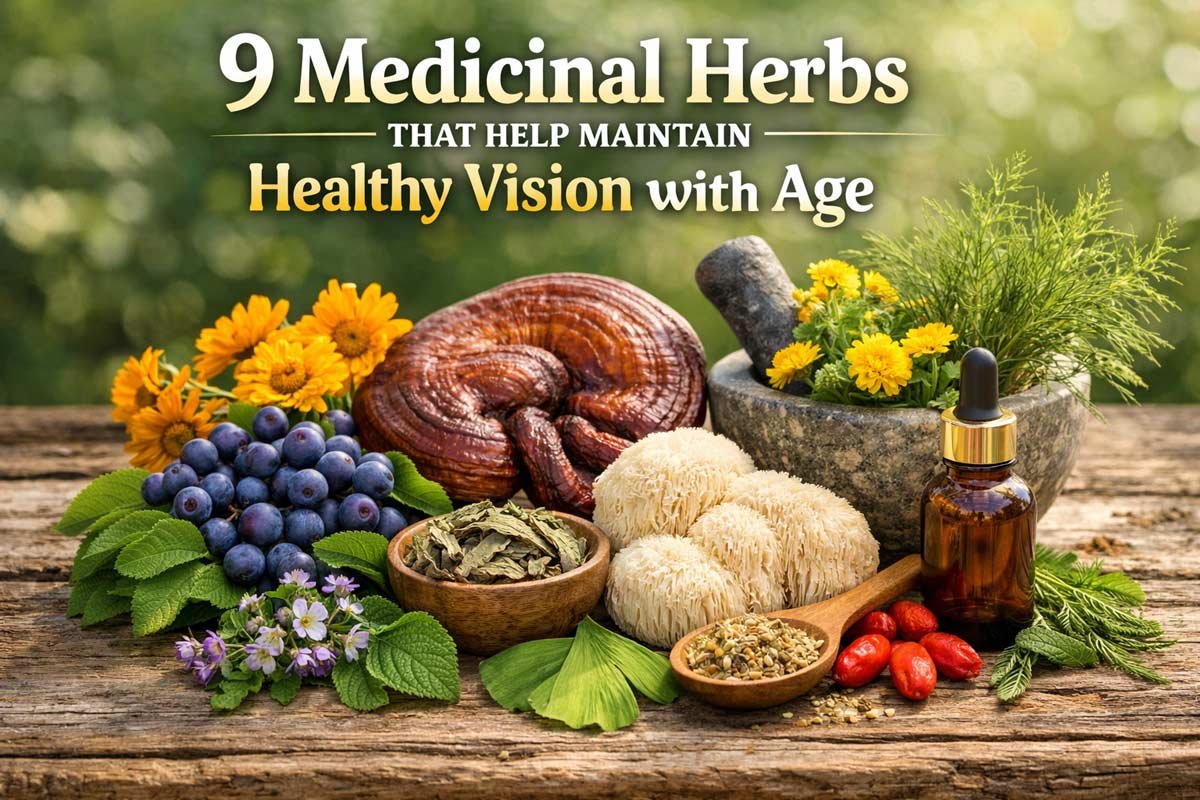
When Clear Sight Starts to Fade With Time
Most people do not wake up one morning and suddenly lose their vision. It slips. Quietly. Colors lose some depth. Night driving becomes annoying instead of effortless. Fine print asks for more light than it used to. These are not dramatic failures. They are slow negotiations between time, biology, and how well the eyes are supported along the way. When we talk about ways to maintain vision, we are really talking about how gracefully the visual system adapts to aging instead of resisting it until something breaks.
Vision is not just about the eyes. That idea alone changes everything. The retina is nervous tissue. The optic nerve is brain tissue. Blood flow, mitochondrial energy, inflammatory tone, and antioxidant status all shape how well sight holds up with age. Yet most conventional conversations about aging eyes revolve around correction rather than preservation. Stronger glasses. Brighter screens. Surgical fixes once degeneration has already taken hold. Very little attention goes to the long game of maintaining vision before damage accumulates.
Table of Contents

Age brings predictable stressors to the visual system. Oxidative load increases because retinal cells are constantly exposed to light and oxygen. Circulation becomes less efficient, especially in the tiny vessels that feed the macula and optic nerve. Inflammatory signaling drifts upward, subtly at first, then more persistently. At the same time, the eye’s natural antioxidant defenses decline. This combination explains why conditions like macular degeneration, cataracts, and glaucoma rise sharply later in life. They are not random. They are patterned outcomes of stress exceeding support.

This is where medicinal herbs and mushrooms earn their place. Not as miracle cures. Not as replacements for medical care. But as long-term allies for maintaining vision by feeding the tissues that sight depends on. Plants and fungi work differently than isolated nutrients. They carry complex phytochemical profiles that influence circulation, cellular resilience, nerve signaling, and inflammation all at once. That multi-layered action matters when the goal is to maintain vision across decades, not weeks.
One of the most overlooked aspects of visual aging is blood flow. The retina has one of the highest metabolic demands in the body. It needs a steady, precise supply of oxygen and nutrients. Even mild reductions in microcirculation can impair contrast sensitivity and night vision long before structural damage shows up on a scan. Many traditional herbs used for eye health were never described in terms of antioxidants or flavonoids. They were described as plants that sharpen sight, clear visual haze, or strengthen the eyes. Modern physiology now explains those observations through improved vascular tone and endothelial function.
Then there is the nervous system side of vision. Aging affects how visual information is processed, not just how light enters the eye. Slower signal transmission, reduced neuroplasticity, and cumulative oxidative stress on neurons all play a role. Maintaining vision means supporting the brain’s ability to interpret what the eyes see. This is where certain mushrooms and adaptogenic herbs quietly shine. They do not act like stimulants. They nourish nerve tissue, support mitochondrial efficiency, and reduce background inflammation that interferes with signaling.
Inflammation deserves its own moment here. Low-grade, chronic inflammation accelerates nearly every form of age-related visual decline. It disrupts retinal pigment epithelium function, contributes to vascular fragility, and worsens oxidative damage. You rarely feel it happening. There is no pain, no redness, no warning sign. Yet it is always there, nudging tissues toward degeneration. Herbs that modulate inflammation without suppressing immune function offer a more intelligent approach than blunt anti-inflammatory strategies. They help maintain vision by restoring balance rather than forcing silence.
Another factor that often goes unmentioned is recovery. Eyes work hard. Screens, artificial lighting, glare, and long hours of focus exhaust visual tissues. Younger eyes bounce back quickly. Older eyes need more support. When recovery lags, strain accumulates. Herbal traditions recognized this long before blue light filters existed. Many classic eye herbs were used in ways that encouraged rest, nourishment, and repair, not just sharper sight in the moment.
Maintaining vision also requires patience. Herbs and mushrooms do not behave like painkillers. Their effects build slowly as tissues respond. This frustrates people who expect immediate changes. But it is also why they work so well for aging systems. They shift terrain rather than chasing symptoms. Over months, circulation improves. Antioxidant capacity rises. Inflammatory signaling softens. Neural resilience increases. None of this is dramatic on day ten. It becomes obvious on year ten.
There is also a psychological aspect to vision that rarely gets discussed. Sight is how we engage with the world. As it declines, even subtly, confidence changes. People avoid driving at night. Reading becomes work instead of pleasure. These adaptations seem practical, but they reinforce a narrative of decline. Supporting vision early, before fear enters the picture, keeps engagement intact. Herbs do not just act on tissue. They support continuity. The ability to keep doing what you love without constantly compensating.
Modern research often isolates single compounds like lutein or zeaxanthin when talking about eye health. Those nutrients matter. But traditional systems never relied on isolated pieces. They relied on whole organisms. A berry, a leaf, a root, a mushroom. Each brings dozens, sometimes hundreds, of bioactive compounds that interact synergistically. This complexity is not a flaw. It is the reason herbs remain relevant for maintaining vision in a world far more visually demanding than the one they evolved in.
Light exposure today is intense and unnatural. Screens dominate waking hours. Artificial lighting extends days well past sunset. The retina was not designed for this environment. Herbs and mushrooms that enhance antioxidant recycling and mitochondrial efficiency help the eyes cope with this mismatch. They do not block light. They help the tissue process it with less collateral damage. That distinction matters if the goal is long-term visual resilience.
Another quiet contributor to vision decline is metabolic health. Blood sugar fluctuations, insulin resistance, and lipid imbalances directly affect retinal vessels and nerve tissue. Maintaining vision is inseparable from maintaining metabolic balance. Several herbs traditionally used for eye health also influence glucose regulation, lipid metabolism, and stress response. This overlap is not accidental. Systems medicine recognized that the eyes reflect internal balance long before laboratory markers existed.
It is tempting to think of vision loss as inevitable. Age equals decline. That story is convenient, but incomplete. Aging increases vulnerability. It does not guarantee failure. Many people maintain usable, comfortable vision well into advanced age. When you look closely, they tend to share patterns. Better circulation. Lower inflammatory load. Strong antioxidant defenses. Stable nervous systems. These are exactly the areas where medicinal herbs and mushrooms excel.
Maintaining vision is not about chasing perfect eyesight forever. It is about preserving clarity, contrast, comfort, and confidence for as long as possible. It is about slowing degeneration enough that adaptation feels natural instead of forced. Herbs and mushrooms offer tools for that process because they work with physiology rather than against it. They support what the body already wants to do when given the right resources.
We will explore specific plants and fungi that have earned their reputation through centuries of use and, increasingly, modern research. Each one contributes differently to maintaining vision, whether through vascular support, neuroprotection, antioxidant activity, or inflammatory balance. Taken together, they form a practical, grounded approach to visual aging that respects complexity instead of oversimplifying it.
Clear sight does not disappear overnight. And it does not have to fade unchallenged. The earlier the terrain is supported, the more gracefully vision ages. Herbs and mushrooms do not promise eternal sharpness. They offer something more realistic and more valuable. A way to maintain vision by staying ahead of decline rather than reacting to it after the fact.
Nutrient-Dense Herbs That Protect the Aging Eye
When people think about nutrients for the eyes, they usually picture vitamins in capsules. That view misses something essential. The eye evolved alongside plants, not pills. Retinal tissue thrives on complex, food-like compounds delivered in balanced forms. This is why certain herbs, especially those rich in carotenoids, flavonoids, and broad-spectrum antioxidants, have such a consistent reputation for helping maintain vision as the years move on.
The retina is constantly under oxidative pressure. Light exposure alone creates free radicals every single day. Add aging, slower circulation, and reduced antioxidant recycling, and you have a perfect recipe for gradual visual decline. Nutrient-dense herbs work at this front line. They do not force change. They reinforce defenses. Over time, this reinforcement helps maintain vision by protecting delicate retinal cells from cumulative damage.
What matters here is density and delivery. Herbs offer concentrated phytochemicals bound in matrices the body recognizes. Flavonoids that stabilize capillaries. Anthocyanins that regenerate visual pigments. Bitter compounds that subtly improve nutrient absorption. These are not isolated effects. They overlap, reinforce, and adapt to individual physiology. That adaptability is exactly what aging systems need.
1. Bilberry (Vaccinium myrtillus)
Bilberry has earned its place in eye herbalism the hard way. Not through trends, but through reliability. Long before lab assays confirmed its anthocyanin content, people noticed clearer night vision, sharper contrast, and less visual fatigue when bilberry was used consistently. Those observations were not exaggerated. They were practical.
The deep blue pigments in bilberry are anthocyanins, a class of flavonoids with a particular affinity for retinal tissue. These compounds support rhodopsin regeneration, the light-sensitive pigment critical for low-light vision. As rhodopsin turnover slows with age, night vision often declines first. Bilberry gently nudges that cycle back toward efficiency. This is one of the simplest ways it helps maintain vision without stimulating or straining the eyes.
Bilberry also strengthens capillaries. The retina depends on fragile microvessels that are easily compromised by oxidative stress and inflammation. Anthocyanins improve capillary integrity and reduce permeability, meaning nutrients get in and waste gets out more effectively. Over time, this improves oxygen delivery to photoreceptor cells. You rarely feel this happening, but you notice it when visual endurance improves.
Another overlooked aspect of bilberry is its effect on visual fatigue. Extended screen use drains antioxidant reserves quickly. Many people describe a dull, aching tiredness behind the eyes after long days. Bilberry does not numb that sensation. It reduces the underlying oxidative load that creates it. That distinction matters when the goal is to maintain vision across decades rather than mask discomfort for a few hours.
Quality matters with bilberry. True Vaccinium myrtillus has a much higher anthocyanin content than common blueberries. Extracts standardized for anthocyanins or whole dried berries used consistently tend to show the most reliable effects. This is not an herb for sporadic use. It rewards patience.
2. Ginkgo biloba
If bilberry feeds the retina, ginkgo feeds the roads that lead to it. Vision depends on blood flow as much as it depends on light. Ginkgo’s primary contribution to maintaining vision lies in its effect on circulation, particularly cerebral and ocular microcirculation.
Ginkgo flavone glycosides and terpene lactones improve blood flow by reducing platelet aggregation and supporting endothelial function. In practical terms, this means better delivery of oxygen and glucose to the optic nerve and retina. Aging often narrows this supply quietly. Vision dims not because the eye is broken, but because it is underfed. Ginkgo addresses that bottleneck directly.
There is also a neuroprotective side to ginkgo that often gets overshadowed by its reputation for memory. The optic nerve is central nervous tissue. It is vulnerable to oxidative stress and mitochondrial dysfunction. Ginkgo’s antioxidant profile helps stabilize neuronal membranes and improve mitochondrial efficiency. This supports signal transmission from eye to brain, an essential but frequently ignored part of maintaining vision.
People sometimes expect ginkgo to produce dramatic changes. That expectation usually leads to disappointment. Its effects are subtle and cumulative. Colors may seem slightly brighter. Visual processing feels smoother. There is less lag when shifting focus from near to far. These changes reflect improved neural and vascular coordination, not stimulation.
Ginkgo also pairs well with other eye herbs because it improves delivery. Better circulation enhances the effectiveness of nutrients reaching retinal tissue. This is one reason it appears so often in traditional and modern formulas designed to maintain vision in aging populations.
One caution worth mentioning is dosing consistency. Ginkgo works best when taken steadily. Irregular use does little for long-term vascular remodeling. Think in months, not days.
3. Eyebright (Euphrasia officinalis)
Eyebright carries one of the most literal names in herbal medicine, and yet it is often underestimated. It does not contain flashy levels of carotenoids or anthocyanins. Its value lies elsewhere, in its affinity for the surface and functional tissues of the eye.
Eyebright is rich in iridoid glycosides, flavonoids, and mild astringent compounds that soothe irritated mucous membranes. Aging eyes are often dry, reactive, and easily strained. These surface issues may seem minor, but they affect visual clarity more than most people realize. Tear film quality directly influences how light enters the eye. Poor lubrication scatters light and reduces sharpness.
By supporting healthy tear production and reducing low-grade inflammation, eyebright helps maintain vision through comfort and clarity. Clear sight requires more than healthy retinas. It requires a stable, well-lubricated optical surface. Eyebright excels here.
There is also a traditional use of eyebright for visual haze and strain associated with prolonged focus. While this language sounds old-fashioned, it maps well onto modern complaints like screen fatigue and dry eye syndrome. Eyebright does not force moisture into the eye. It encourages the tissue to regulate itself more effectively.
Some people use eyebright topically as washes or compresses. Others take it internally. Both approaches aim at the same goal. Reducing irritation that interferes with clear vision. When irritation decreases, the eyes work more efficiently. That efficiency supports efforts to maintain vision over time.
Eyebright tends to work best as part of a broader strategy rather than as a standalone solution. It complements deeper-acting herbs by addressing the day-to-day stressors that accelerate visual fatigue. Comfort may sound secondary, but discomfort changes behavior. Squinting, avoiding light, and reducing visual engagement all influence long-term visual health.
Taken together, bilberry, ginkgo, and eyebright form a practical trio. One feeds the retina. One improves delivery. One maintains the optical environment. Each addresses a different layer of the visual system, yet all contribute to the same goal. To maintain vision not by forcing sharpness, but by protecting the structures that make sharpness possible.
These herbs do not compete with modern eye care. They fill in the spaces that technology often overlooks. The slow spaces. The preventative spaces. The spaces where maintaining vision is still possible, long before degeneration demands attention.
Circulatory and Neuroprotective Herbs for Visual Longevity
If the eyes were just cameras, aging vision would be simple to explain. Lenses cloud. Sensors wear out. Replace parts and move on. But vision does not work that way. It is a living process that depends on blood flow, nerve signaling, and the brain’s ability to interpret light into meaning. This is why some people with relatively healthy eyes still struggle with clarity, contrast, or visual processing as they age. The issue often sits upstream, in circulation and neurology.
To maintain vision over time, you have to think beyond the eyeball. The optic nerve is an extension of the brain. Retinal cells are among the most metabolically active cells in the body. They burn through oxygen and nutrients at a remarkable rate. Any decline in circulation or mitochondrial efficiency shows up quickly in visual performance. Herbs that protect blood flow and nerve tissue act like quiet insurance policies for aging sight.
Circulatory decline rarely announces itself. It creeps in as stiffness, reduced vessel elasticity, and slower capillary exchange. In the eyes, this translates to subtle dimming, slower adaptation to changes in light, and increased sensitivity to glare. Neuroprotective decline is even quieter. Signal transmission slows. Visual information feels less crisp. Reading takes more effort. These changes are often written off as normal aging, but they are also modifiable terrain.
The herbs in this group work on that terrain. They do not sharpen vision like stimulants. They stabilize it. They help maintain vision by keeping the infrastructure intact so that the eyes can keep doing their job with less friction.
4. Gotu Kola (Centella asiatica)
Gotu kola is often talked about as a brain herb, which is accurate but incomplete. It is also a circulation herb with a particular affinity for microvessels. That matters enormously for vision. The tiniest blood vessels in the body are some of the most vulnerable to aging, and the eyes depend on them completely.
The primary compounds in gotu kola, including asiaticosides and madecassosides, support connective tissue integrity and endothelial function. In plain terms, they help blood vessels stay flexible, resilient, and responsive. When capillaries lose tone, circulation becomes sluggish. Oxygen delivery drops. Waste removal slows. Retinal tissue feels that immediately.
Gotu kola also supports collagen synthesis. This is not cosmetic trivia. The structural framework of blood vessels and nerve sheaths depends on healthy collagen. As collagen quality declines, vessels become fragile and nerves less protected. Supporting this matrix helps maintain vision by preserving the physical pathways that feed and protect the optic nerve.
There is also a neurological side to gotu kola that fits beautifully with visual longevity. It supports cerebral circulation and has been shown to influence neuroplasticity. Vision is not static. The brain constantly adjusts how it processes visual input. As this adaptability declines with age, vision feels less forgiving. Gotu kola gently supports that adaptability without overstimulation.
People who use gotu kola consistently often describe clearer thinking alongside more comfortable vision. That overlap is not coincidence. Visual processing happens in the brain. Supporting one supports the other. For those focused on maintaining vision long term, gotu kola acts like a quiet stabilizer in the background.
5. Turmeric (Curcuma longa)
Turmeric is so widely discussed that its deeper value sometimes gets lost. It is not just an anti inflammatory spice. It is a systemic modulator with specific relevance to aging vision when used thoughtfully.
Curcuminoids, the active compounds in turmeric, influence multiple pathways involved in visual decline. They reduce oxidative stress. They modulate inflammatory signaling. They support mitochondrial function. Each of these matters on its own. Together, they shape the environment retinal and neural tissues live in.
Inflammation is a major driver of age related visual degeneration. Not acute inflammation, which the body handles well, but chronic low grade signaling that never quite turns off. This background noise interferes with cell repair, damages membranes, and accelerates oxidative injury. Turmeric does not suppress immune activity. It helps recalibrate it. That distinction is why it supports maintaining vision rather than dulling defenses.
Another underappreciated aspect of turmeric is its effect on blood flow. Curcumin improves endothelial function and reduces oxidative damage to blood vessels. This supports smoother circulation through the fine vasculature of the eyes. Better flow means better nutrient delivery to the retina and optic nerve.
Turmeric also influences insulin sensitivity and lipid metabolism. This matters because metabolic imbalance quietly damages retinal vessels over time. Many vision problems associated with aging are worsened by poor metabolic health. By supporting systemic balance, turmeric indirectly helps maintain vision where isolated eye nutrients cannot.
Absorption matters with turmeric. Traditional use often involved fats, heat, and companion herbs. Modern extracts address this through formulation. The goal is steady tissue exposure, not high peaks. When turmeric is used regularly and appropriately, its effects accumulate gently but meaningfully.
6. Schisandra Berry (Schisandra chinensis)
Schisandra is often described as an adaptogen, which is accurate but vague. Its relevance to vision lies in its ability to support both the nervous system and cellular resilience under stress. Vision is one of the first systems to suffer when stress accumulates, whether from aging, overwork, or environmental load.
Schisandra berries contain lignans that support liver detoxification, mitochondrial efficiency, and antioxidant recycling. The liver connection might seem distant from the eyes, but it is not. Efficient detoxification reduces systemic oxidative burden. Lower oxidative burden means less collateral damage to sensitive tissues like the retina.
Schisandra also supports stress adaptation. Chronic stress constricts blood vessels and disrupts autonomic balance. The eyes feel this as tension, fatigue, and reduced visual comfort. By improving stress resilience, schisandra indirectly improves ocular circulation and nerve signaling. This is one of the quieter ways it helps maintain vision.
There is also evidence that schisandra supports neuroprotection by stabilizing neuronal membranes and reducing oxidative injury. For the optic nerve, which must transmit clean signals over a lifetime, this support is invaluable. Signal degradation often precedes structural damage. Protecting signal quality helps preserve usable vision even as tissues age.
Many people notice that schisandra improves endurance. Less burnout. More consistency. Applied to vision, this translates to eyes that tire less easily and recover more fully after strain. That recovery capacity becomes increasingly important with age.
Schisandra tends to work best when used over long periods. It is not a quick fix. It is a background ally that strengthens the system so it can handle daily demands with less wear and tear.
Together, gotu kola, turmeric, and schisandra address the deeper layers of visual aging. Circulation. Nerve protection. Stress adaptation. They do not replace nutrient dense eye herbs like bilberry or eyebright. They make their work possible by keeping pathways open and signals clear.
Maintaining vision is not about focusing on one tissue in isolation. It is about supporting the network that allows sight to happen at all. These herbs operate at that network level. Quietly. Persistently. Effectively. Over time, that is exactly what aging vision needs.
Medicinal Mushrooms and Adaptogens for Retinal Resilience
Herbs tend to get most of the attention in conversations about eye health, but mushrooms deserve equal respect. They work differently. Where many herbs push specific pathways, medicinal mushrooms regulate. They do not aim for sharp spikes in activity. They build stability. For aging vision, that difference matters more than most people realize.
The retina is one of the most energy hungry tissues in the body. Every second, it converts light into electrical signals, manages oxidative byproducts, and maintains precise cellular order. Mitochondria carry most of that burden. As mitochondrial efficiency declines with age, retinal cells become more vulnerable to oxidative damage and inflammatory stress. This is one of the quiet engines behind visual decline.
Medicinal mushrooms excel at supporting mitochondrial health, immune balance, and antioxidant defenses at the same time. They help maintain vision not by targeting the eyes directly, but by improving the internal environment the eyes depend on. Think less intervention, more reinforcement.
Another advantage of mushrooms is their relationship with inflammation. Chronic, low-grade inflammation erodes retinal resilience over time. It disrupts cellular repair and accelerates degeneration. Mushrooms modulate immune signaling rather than suppress it. That nuance allows tissues to repair without drifting into constant inflammatory activation. For maintaining vision across decades, that balance is essential.
7. Reishi Mushroom (Ganoderma lucidum)
Reishi has a long history as a tonic for longevity, and its relevance to vision fits neatly within that tradition. It is not an eye stimulant. It is a systemic stabilizer. When vision declines due to accumulated stress rather than acute pathology, reishi often proves surprisingly relevant.
Reishi contains triterpenes, polysaccharides, and antioxidants that influence immune balance and inflammatory tone. In the context of the eyes, this translates to reduced inflammatory stress on retinal and vascular tissues. Inflammation in the eye rarely announces itself loudly. It simmers. Reishi helps turn down that simmer.
One of reishi’s most valuable contributions to maintaining vision is its effect on oxidative stress. Retinal cells are constantly exposed to light induced free radicals. Over time, antioxidant defenses falter. Reishi supports endogenous antioxidant systems, helping the body recycle and regenerate its own protective molecules. This is more sustainable than relying solely on external antioxidants.
Reishi also supports microcirculation indirectly by improving vascular relaxation and reducing oxidative injury to blood vessels. Better flow means better nutrient delivery to the retina and optic nerve. While this effect is subtle, it compounds over long periods of use.
Many people notice improved sleep and stress resilience with reishi. That matters for vision. Nighttime is when much of the body’s repair work happens, including in neural tissues. Better sleep supports retinal recovery and optic nerve health. Reishi does not sedate. It normalizes. That normalization supports efforts to maintain vision in ways that are easy to overlook.
8. Lion’s Mane Mushroom (Hericium erinaceus)
If reishi stabilizes the terrain, lion’s mane supports regeneration. Its reputation as a nerve mushroom is well earned, and the optic nerve is very much part of that story.
Lion’s mane contains hericenones and erinacines, compounds shown to stimulate nerve growth factor synthesis. Nerve growth factor supports neuron survival, repair, and communication. For vision, this is significant. The optic nerve must transmit high fidelity signals for a lifetime. Any support for its resilience pays dividends over time.
Age related visual decline often includes a neurological component. People describe slower visual processing, reduced contrast sensitivity, or difficulty tracking movement. These are not just eye problems. They reflect changes in neural signaling. Lion’s mane addresses this layer by supporting nerve health and plasticity.
There is also emerging interest in lion’s mane for retinal protection due to its antioxidant and anti inflammatory properties. While much of the research focuses on the brain, retinal tissue shares many vulnerabilities with central nervous system tissue. Supporting one often benefits the other.
In practical terms, lion’s mane tends to improve clarity rather than acuity. Things feel cleaner. Less mental strain accompanies visual tasks. That reduction in strain supports maintaining vision by reducing fatigue related wear and tear.
Lion’s mane works best when used consistently and patiently. Neural tissues adapt slowly. The benefits accumulate as resilience increases, not as stimulation spikes.
9. Cordyceps (Cordyceps militaris, Cordyceps sinensis)
Cordyceps brings a different quality to visual support. Where reishi calms and lion’s mane regenerates, cordyceps energizes. Not in a jittery way, but at the cellular level.
Cordyceps is known for its effect on ATP production and oxygen utilization. Retinal cells demand enormous amounts of energy. When mitochondrial efficiency drops, those cells struggle. Cordyceps helps improve how cells use oxygen and produce energy, supporting the metabolic needs of the retina.
Better energy metabolism also supports ocular circulation. Cordyceps has been shown to influence blood flow and vascular tone, helping deliver oxygen where it is needed most. For aging eyes, this can translate to better endurance and less visual fatigue.
Cordyceps also modulates inflammatory pathways and reduces oxidative stress. This combination supports retinal resilience in environments of high demand, such as prolonged screen exposure or low light conditions. Instead of forcing the eyes to work harder, cordyceps helps them work more efficiently.
Another often overlooked aspect of cordyceps is its effect on stress and recovery. Visual decline accelerates under chronic stress. By supporting adrenal balance and cellular recovery, cordyceps indirectly helps maintain vision in people whose lifestyles place heavy demands on their eyes.
Cordyceps tends to pair well with both herbs and other mushrooms. Its energizing qualities complement the stabilizing effects of reishi and the neurotrophic support of lion’s mane. Together, they create a balanced approach to visual aging.
Medicinal mushrooms operate in the background. They do not announce themselves with dramatic changes. Instead, they create conditions where retinal tissue can withstand stress, repair more effectively, and age more slowly. For those serious about maintaining vision, this kind of quiet resilience is exactly what keeps sight functional when time starts to test it.
Keeping Vision Sharp Without Fighting Your Eyes
There is a point where people start fighting their eyes instead of supporting them. More brightness. More correction. More force. That approach usually comes from fear. Fear of loss. Fear of limitation. Fear that once vision starts to change, decline is inevitable. The truth is quieter and more workable than that. Maintaining vision is less about resistance and more about cooperation.
The eyes are not failing machines. They are adaptive tissues responding to load, stress, circulation, and recovery. When those inputs improve, function often stabilizes in ways that surprise people. This is why a long-term herbal approach works best when paired with a shift in how you relate to your vision. Not as something to dominate, but something to listen to.
One of the biggest mistakes people make is expecting permanence. No herb, mushroom, or routine will freeze vision in time. Aging is real. Tissues change. What herbs offer is margin. They slow the slope. They extend the years where vision feels usable, comfortable, and trustworthy. That is what it means to maintain vision in real life, not in marketing language.
Consistency matters more than intensity. Taking a high dose of an eye herb for a few weeks and then stopping does very little. Retinal tissue responds to steady support. Circulation remodels slowly. Nerve resilience builds gradually. The people who see the best results are not chasing dramatic effects. They are layering small supports over time.
Daily habits amplify or undermine everything herbs do. Light exposure is a good example. Eyes evolved with cycles. Bright daylight. Soft evenings. Darkness at night. Constant artificial light disrupts that rhythm and increases oxidative stress. Simple changes, like reducing harsh lighting in the evening or stepping outside during the day without sunglasses for a few minutes, help the eyes recalibrate. These habits cost nothing and directly support efforts to maintain vision.
Hydration is another underestimated factor. Tear film quality, blood viscosity, and nutrient delivery all depend on adequate fluids. Aging blunts thirst signals. Many people simply drink less than their eyes need. No herb can fully compensate for chronic dehydration. Supporting vision starts with basics that allow herbs to work.
Movement matters more than eye exercises. Walking improves circulation. Gentle strength training improves insulin sensitivity. Both directly influence retinal blood flow. Vision responds to whole body patterns. Maintaining vision means respecting that the eyes are not isolated organs. They reflect systemic health.
Screen use deserves honesty. Staring at close objects for hours strains accommodation and dries the eyes. Breaks are not optional. They are maintenance. Looking into distance regularly relaxes the visual system and reduces cumulative strain. This is not about perfection. It is about interrupting patterns that accelerate fatigue.
Herbs and mushrooms fit into this landscape as stabilizers and buffers. They reduce the cost of modern living on ancient tissues. Bilberry helps the retina handle light. Ginkgo improves delivery. Gotu kola supports microvessels. Turmeric calms inflammatory noise. Schisandra improves stress tolerance. Reishi steadies immune tone. Lion’s mane supports neural resilience. Cordyceps fuels cellular energy. None of them work alone. Together, they create redundancy. If one pathway falters, another compensates. That redundancy is how biological systems maintain vision over time.
It is also important to respect individuality. Some eyes respond more to circulatory support. Others need anti inflammatory emphasis. Some struggle with dryness. Others with night vision. Paying attention to how your eyes feel over months, not days, guides adjustments better than rigid protocols.
A common question is when to start. The honest answer is before you feel like you need to. Maintaining vision is easiest when tissue still has reserve. Waiting until degeneration is advanced limits how much terrain can be recovered. This does not mean panic or over supplementation. It means gentle, ongoing support that becomes part of normal life.
Another important piece is expectation management. Herbs do not make vision perfect. They make it resilient. You may still need glasses. You may still notice change. What shifts is how quickly fatigue sets in, how well the eyes recover, and how stable vision feels day to day. Those are meaningful gains, even if they are not dramatic.
There is also value in trust. When people stop fighting their eyes, they often notice less strain. Squinting decreases. Tension around the face softens. These small changes reduce muscular and neural stress that feeds back into vision quality. Relaxation is not laziness. It is efficiency.
Maintaining vision is not about doing everything right. It is about doing enough consistently. Enough antioxidant support. Enough circulation. Enough recovery. Enough respect for limits. Herbs and mushrooms are tools, not crutches. They support physiology so the eyes can keep doing what they are designed to do.
Age brings change. That is unavoidable. What is avoidable is accelerated decline driven by neglect, stress, and isolation of the eyes from the rest of the body. Vision ages best when it is supported early, gently, and with patience.
Clear sight does not disappear because time passes. It fades when demand exceeds support for too long. The strategies discussed here aim to rebalance that equation. To reduce the load. To improve the support. To maintain vision without forcing it.
That mindset shift alone changes outcomes. Instead of chasing sharper sight, you start cultivating durable sight. Instead of reacting to problems, you build resilience. Instead of fighting your eyes, you work with them.
And when you do that, vision often stays clearer, steadier, and more comfortable than you expected. Not because you stopped aging, but because you stopped ignoring what aging eyes actually need to keep going.
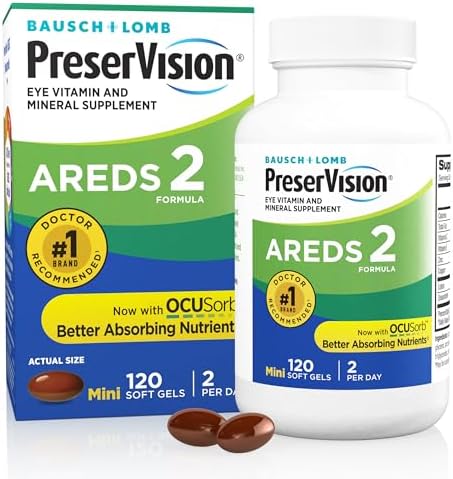
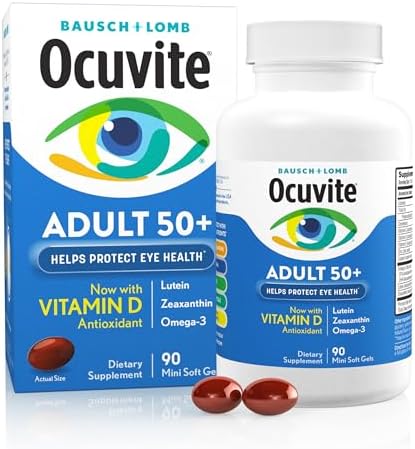
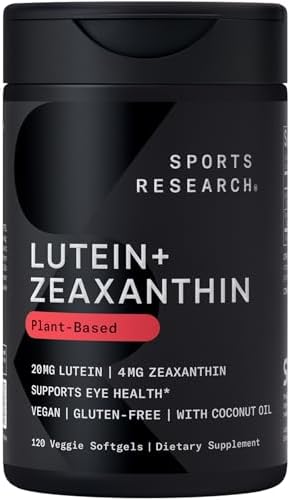
Best-selling Supplements for Maintaining Healthy Vision



Article Sources
At AncientHerbsWisdom, our content relies on reputable sources, including peer-reviewed studies, to substantiate the information presented in our articles. Our primary objective is to ensure our content is thoroughly fact-checked, maintaining a commitment to accuracy, reliability, and trustworthiness.
- Sangiovanni, E., & Dell’Agli, M. (2007). Review of clinical studies on bilberry (Vaccinium myrtillus) for vision disorders. Journal of Alternative and Complementary Medicine, 13(3), 343–356. https://doi.org/10.1089/acm.2006.6001
- Howes, M. J. R., & Houghton, P. J. (2003). Plants used in Chinese and Indian traditional medicine for improvement of memory and cognitive function. Pharmacology Biochemistry and Behavior, 75(3), 513–527. https://doi.org/10.1016/S0091-3057(03)00128-X
- Evans, J. R. (2013). Ginkgo biloba extract for age-related macular degeneration. Cochrane Database of Systematic Reviews, 2013(1), CD001775. https://doi.org/10.1002/14651858.CD001775.pub3
- Mantle, D., & Pickering, A. T. (1998). Therapeutic applications of ginkgo biloba in cerebral insufficiency. Journal of Pharmacy and Pharmacology, 50(7), 689–701. https://doi.org/10.1111/j.2042-7158.1998.tb02465.x
- European Medicines Agency. (2010). Community herbal monograph on Euphrasia officinalis L., herba. https://www.ema.europa.eu/en/documents/herbal-monograph/community-herbal-monograph-euphrasia-officinalis-l-herba_en.pdf
- Brinkhaus, B., Lindner, M., Schuppan, D., & Hahn, E. G. (2000). Chemical, pharmacological and clinical profile of the East Asian medical plant Centella asiatica. Phytomedicine, 7(5), 427–448. https://doi.org/10.1016/S0944-7113(00)80065-3
- Aggarwal, B. B., & Harikumar, K. B. (2009). Potential therapeutic effects of curcumin, the anti-inflammatory agent, against neurodegenerative, cardiovascular, pulmonary, metabolic, autoimmune and neoplastic diseases. International Journal of Biochemistry and Cell Biology, 41(1), 40–59. https://doi.org/10.1016/j.biocel.2008.06.010
- Hewlings, S. J., & Kalman, D. S. (2017). Curcumin: A review of its effects on human health. Foods, 6(10), 92. https://doi.org/10.3390/foods6100092
- Panossian, A., & Wikman, G. (2008). Pharmacology of Schisandra chinensis Bail.: An overview of Russian research and uses in medicine. Journal of Ethnopharmacology, 118(2), 183–212. https://doi.org/10.1016/j.jep.2008.04.020
- Boh, B., Berovic, M., Zhang, J., & Zhi-Bin, L. (2007). Ganoderma lucidum and its pharmaceutically active compounds. Biotechnology Annual Review, 13, 265–301. https://doi.org/10.1016/S1387-2656(07)13010-6
- Bishop, K. S., Kao, C. H. J., Xu, Y., Glucina, M. P., Paterson, R. R. M., & Ferguson, L. R. (2015). From 2000 years of Ganoderma lucidum to recent developments in nutraceuticals. Phytochemistry, 114, 56–65. https://doi.org/10.1016/j.phytochem.2015.02.015
- Ryu, S., Kim, H. G., Kim, J. Y., Kim, S. Y., Cho, K. O., & Oh, M. S. (2018). Neuroprotective effects of Hericium erinaceus against oxidative stress-induced neuronal damage. BMC Complementary and Alternative Medicine, 18, 229. https://doi.org/10.1186/s12906-018-2290-6
- Zhang, Z., Lv, G., Pan, H., Pandey, A., He, W., & Fan, L. (2012). Antioxidant and neuroprotective effects of cordyceps militaris polysaccharides. International Journal of Biological Macromolecules, 51(1–2), 24–30. https://doi.org/10.1016/j.ijbiomac.2012.04.003
- Paterson, R. R. M. (2008). Cordyceps: A traditional Chinese medicine and another fungal therapeutic biofactory? Phytochemistry, 69(7), 1469–1495. https://doi.org/10.1016/j.phytochem.2008.01.027

- Phosphatidic Acid: Supporting Muscle Growth and Strength - July 31, 2026
- Ceramides: Supporting Healthy Skin From Within - July 31, 2026
- Synbiotics: Combining Prebiotics and Probiotics Together - July 31, 2026