
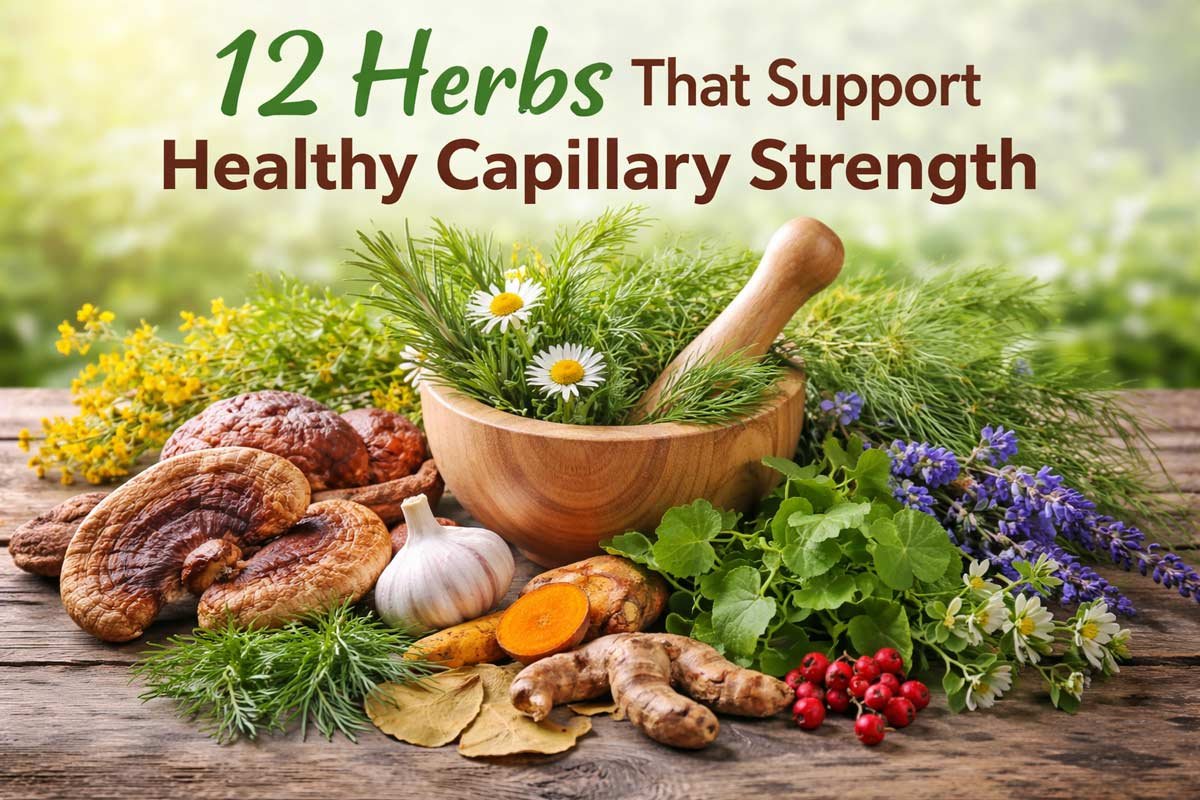
Where Capillary Strength Is Won or Lost
Capillary strength is one of those things you never think about until it starts failing. A little bruising that takes too long to fade. Cold hands even in mild weather. Spider veins appearing where skin used to look clear and calm. These are not cosmetic accidents. They are quiet messages from the smallest blood vessels in your body, the capillaries, asking for support.
Capillary strength is not fixed. It is not something you either have or do not have. It is a living quality, shaped every day by inflammation levels, oxidative stress, collagen turnover, blood flow patterns, and how well the endothelium is cared for. In herbal medicine, we do not treat capillaries as plumbing. We treat them as tissue. Responsive tissue. Fragile when neglected, resilient when supported.
Table of Contents

Capillaries sit at the edge of circulation. They are where oxygen leaves the blood and enters cells. Where nutrients are delivered. Where waste is picked up. Every inflammatory signal, every spike in blood sugar, every surge of stress hormones passes through these thin walls. Capillary strength depends on how well those walls hold shape under pressure without becoming rigid or leaky.

One of the first forces working against capillary strength is chronic low grade inflammation. Not the dramatic kind that comes with injury or infection, but the background noise inflammation that builds with age, poor sleep, processed food, and constant stress. Inflammatory cytokines weaken endothelial cells. They loosen tight junctions. Over time, this makes capillaries more permeable. Blood components leak out more easily. Bruises form faster. Swelling lingers longer. Capillary strength quietly erodes.
Oxidative stress works alongside inflammation like a corrosive mist. Free radicals damage the lipids and proteins that give capillary walls their elasticity. When oxidative load stays high, collagen fibers stiffen and fragment. Elastin loses its rebound. Capillary strength suffers not because vessels burst, but because they cannot adapt. They stop responding smoothly to changes in blood flow and pressure.
Collagen integrity is another pillar of capillary strength that often gets overlooked. Capillaries rely on a delicate collagen scaffold to maintain shape without becoming brittle. This collagen is constantly remodeled. When vitamin C is low, when glycation from excess sugar hardens fibers, or when inflammation disrupts normal turnover, the scaffold weakens. Herbal traditions have long paid attention to this. Not by isolating collagen, but by supporting the systems that build and protect it.
Blood flow dynamics also shape capillary strength more than most people realize. Capillaries thrive on steady rhythmic circulation. Long periods of stagnation, sitting for hours, shallow breathing, or cold extremities reduce flow and oxygen delivery. On the other extreme, sudden pressure spikes from stress or stimulants strain delicate walls. Capillary strength lives in balance. Enough movement to nourish tissue. Enough calm to prevent overload.
This is where herbal thinking becomes practical. Herbs are not used to force capillaries to behave. They are used to create conditions where capillary strength can rebuild itself. Reduce inflammatory signaling. Neutralize oxidative stress. Improve microcirculation. Support collagen formation. These actions overlap and reinforce each other.
Flavonoids are a perfect example. Traditional herbalists did not know the word flavonoid, but they knew which plants stopped bruising, cooled inflammation, and improved circulation. Modern research confirms that many of these plants stabilize endothelial cells, reduce capillary permeability, and protect against oxidative damage. This is capillary strength at a biochemical and experiential level lining up.
Capillary strength also responds to rhythm and consistency. Herbs do their best work when used gently over time. This mirrors how capillaries heal. There is no overnight fix. Fragile vessels do not become resilient in a week. But with steady support, the tissue responds. Skin tone improves. Cold sensitivity eases. Small signs add up.
Another factor rarely discussed is nervous system tone. Capillaries are influenced by autonomic signaling. Chronic sympathetic activation, the constant fight or flight state, causes constriction and uneven blood distribution. Some areas get overloaded. Others are starved. Over time, this imbalance weakens capillary strength. Herbs that calm the nervous system indirectly protect capillaries by restoring smoother vascular responses.
Hydration matters too, but not in the simplistic drink more water sense. Blood viscosity affects how much shear stress capillary walls experience. Thick sluggish blood strains vessels. Herbs that support liver function, bile flow, and metabolic clearance indirectly improve capillary strength by keeping blood chemistry within a healthier range.
In practice, when capillary strength is low, it rarely exists in isolation. It often shows up alongside joint stiffness, slow wound healing, gum sensitivity, or fatigue. These patterns point to systemic issues rather than local weakness. Herbal medicine excels here because it works systemically by design.
I have seen capillary strength improve in people who did nothing dramatic. They did not chase superfoods or supplements with exotic names. They focused on reducing inflammatory load, improving circulation, and using herbs that gently tone the vascular system. Over months, not days, the body responded.
It is important to say this clearly. Capillary strength does not mean rigid vessels. Strong capillaries are flexible. They expand and contract without tearing. They allow exchange without leakage. Many modern approaches miss this and focus only on tightening tissue. Herbs tend to avoid that mistake. They tone without constricting. They protect without hardening.
Another overlooked aspect of capillary strength is seasonal variation. Cold weather challenges microcirculation. Heat increases permeability. Herbal strategies often shift with seasons for this reason. What supports capillary strength in winter may differ slightly from summer needs. Traditional systems noticed this long before climate controlled living blurred the lines.
Age plays a role, but it is not destiny. Collagen production slows. Antioxidant defenses weaken. But herbs that support mitochondrial function, reduce oxidative stress, and improve circulation can meaningfully slow this decline. Capillary strength can be preserved far longer than most people expect.
When you start paying attention, capillaries tell you how they are doing. Skin color. Temperature. Healing speed. Even how your hands feel after holding something cold. These signals matter. Herbal medicine trains you to notice them and respond early rather than waiting for pathology.
Capillary strength is won in small daily choices. How inflammation is managed. How oxidative stress is buffered. How circulation is encouraged. Herbs and medicinal mushrooms fit naturally into this picture because they work with physiology instead of overriding it. They speak the same language as capillaries.
This is not about perfection. It is about tending the terrain. Capillaries are resilient when respected. Fragile when ignored. Capillary strength grows where circulation flows, collagen is nourished, inflammation stays in check, and oxidative stress is balanced rather than battled.
Once you understand that capillary strength is dynamic, not static, the whole approach shifts. You stop looking for a single solution and start building support from multiple angles. That is where herbal medicine shines.
Flavonoid Rich Herbs That Reinforce Capillary Walls
When capillary strength starts to fail, flavonoid rich herbs are usually where I look first. Not because they are trendy, but because they address the problem at the tissue level. Flavonoids interact directly with endothelial cells, the living lining of blood vessels. They stabilize membranes, reduce excessive permeability, and protect against oxidative damage that slowly thins capillary walls.
Capillary strength depends on the ability of vessels to stay intact under constant pressure while still allowing exchange. Too rigid and circulation suffers. Too loose and leakage begins. Flavonoids help capillaries stay intelligent. They tighten where needed, relax where appropriate, and buffer against inflammatory insults that would otherwise weaken structure over time.
These herbs do not act like drugs. They accumulate effects gradually. That slow build is exactly what fragile capillaries need. Consistency matters more than intensity here. Used regularly, flavonoid rich plants teach the vascular system how to behave again.
1. Bilberry (Vaccinium myrtillus)
Bilberry has earned its reputation the old fashioned way. Through observation. Long before laboratory assays, herbalists noticed that bilberry improved night vision, reduced bruising, and supported circulation in cold sensitive people. All of those signs point back to capillary strength.
Bilberry is rich in anthocyanins, a class of flavonoids that strongly protect endothelial tissue. These compounds reduce capillary fragility by strengthening collagen cross linking and limiting oxidative breakdown of vessel walls. They also reduce excessive permeability, which is why bilberry is so often useful where swelling and easy bruising are present.
One of the most interesting things about bilberry is how it improves microcirculation without overstimulation. Blood moves more smoothly through capillaries. Oxygen delivery improves. This reduces localized hypoxia, one of the hidden drivers of capillary weakness. When tissue gets oxygen consistently, repair processes work as they should.
Bilberry also supports capillary strength in metabolically stressed states. Elevated blood sugar damages capillaries through glycation and oxidative stress. Anthocyanins help blunt this damage, which explains why bilberry often shows benefits in people with slow wound healing or tingling extremities.
2. Hawthorn Berry and Leaf (Crataegus spp.)
Hawthorn is often spoken about in terms of the heart, but its influence on capillary strength deserves just as much attention. Hawthorn flavonoids improve endothelial function throughout the entire vascular system, not just large vessels.
The berries and leaves contain oligomeric procyanidins and flavone glycosides that protect capillary walls from oxidative stress and inflammation. These compounds enhance nitric oxide signaling in a balanced way, improving blood flow without forcing dilation. Capillaries experience steadier pressure as a result.
Hawthorn supports capillary strength by improving the quality of circulation rather than simply increasing it. Blood moves with less turbulence. Vessels respond more smoothly to changes in demand. This reduces mechanical strain on fragile capillaries over time.
Another overlooked aspect is hawthorn’s mild connective tissue supporting action. It does not directly build collagen, but it protects existing collagen from oxidative breakdown. That preservation matters. Capillary strength depends as much on what you protect as what you build.
In practice, hawthorn shines when capillary weakness accompanies fatigue, cold hands, or mild circulatory stagnation. It feels nourishing rather than stimulating, which makes it suitable for long term use.
3. Buckwheat Herb (Fagopyrum esculentum)
If capillary strength had a signature herb, buckwheat herb would be a strong contender. Not the grain, but the aerial parts harvested while flowering. This plant is one of the richest natural sources of rutin, a flavonoid specifically known for strengthening capillary walls.
Rutin reduces capillary permeability and increases resistance to rupture. It reinforces the connective tissue matrix surrounding capillaries, making vessels less likely to leak under pressure. This is why buckwheat herb has a long history of use for varicose tendencies, easy bruising, and visible surface vessels.
Buckwheat also improves venous tone, which indirectly supports capillary strength. When venous return improves, pressure does not back up into capillary beds. This reduces stress on the smallest vessels and allows them to function normally.
What makes buckwheat herb especially valuable is its specificity. It does not broadly stimulate circulation. It targets fragility. Used consistently, it quietly restores resilience to vessels that have lost it through inflammation, aging, or mechanical stress.
4. Ginkgo biloba
Ginkgo often gets boxed into brain health, but its real strength lies in microcirculation. Ginkgo flavonol glycosides and terpene lactones improve blood flow at the capillary level while protecting endothelial cells from oxidative injury.
Capillary strength benefits from ginkgo because it improves deformability of red blood cells. When blood cells move more easily through narrow vessels, capillaries experience less mechanical strain. Flow becomes smoother. Pressure normalizes.
Ginkgo also reduces platelet aggregation, which helps prevent micro blockages that stress capillary walls. This effect is gentle but meaningful over time, especially in people with cold extremities or uneven circulation.
Another important feature of ginkgo is its antioxidant capacity within vascular tissue. It scavenges free radicals generated during ischemia and reperfusion cycles. These cycles silently damage capillaries when circulation fluctuates. By buffering this damage, ginkgo preserves capillary strength.
Ginkgo is most useful when capillary weakness shows up alongside cognitive fatigue, dizziness, or sensitivity to cold. It works best when taken steadily rather than sporadically.
5. Citrus Peel and Bioflavonoids
Citrus peel is one of the most underappreciated allies for capillary strength. The white pith and outer peel contain hesperidin, diosmin, and other bioflavonoids that directly reduce capillary permeability and inflammation.
These compounds stabilize endothelial junctions, making capillary walls less leaky without stiffening them. This balance is critical. Many people focus on tightening tissue, but true capillary strength comes from resilience, not rigidity.
Citrus bioflavonoids also improve lymphatic drainage, which reduces local fluid buildup around capillaries. Less pressure outside the vessel means less stress on the wall itself. Over time, this supports structural integrity.
Historically, citrus peel was used to address bleeding gums, bruising, and sluggish circulation. Modern understanding confirms that these uses were all expressions of improved capillary strength.
Citrus peel works especially well when paired with vitamin C rich foods or herbs. Vitamin C supports collagen synthesis. Bioflavonoids protect that collagen from breakdown. Together, they create a favorable environment for capillary repair.
Flavonoid rich herbs work because they respect the intelligence of capillaries. They do not override physiology. They support it. When used with patience and consistency, they rebuild capillary strength from the inside out, restoring the quiet resilience that healthy microvessels are meant to have.
Anti Inflammatory and Connective Tissue Supporting Botanicals
Flavonoids stabilize capillary walls, but they cannot do the job alone when inflammation keeps chewing through connective tissue. Capillary strength depends just as much on the environment surrounding the vessel as the vessel itself. Chronic inflammation degrades collagen, disrupts the extracellular matrix, and weakens the structural support that keeps capillaries resilient under pressure.
This is where connective tissue focused herbs matter. They do not simply reduce symptoms. They influence how tissue repairs, remodels, and maintains integrity over time. When inflammation quiets down and collagen turnover becomes orderly again, capillary strength has room to return.
These botanicals are especially relevant when capillary fragility shows up alongside slow healing, joint stiffness, gum sensitivity, or visible skin changes. Those signs tell you the issue is not just vascular. It is structural.
6. Gotu Kola (Centella asiatica)
Gotu kola is one of the most reliable plants for rebuilding capillary strength from the connective tissue side. It has a long history of use wherever circulation and tissue repair intersect. Traditional use focused on wound healing, skin integrity, and venous support, all of which reflect healthier capillaries.
The triterpenoids in gotu kola stimulate fibroblast activity and collagen synthesis. This is not collagen dumping. It is organized rebuilding. Capillaries rely on a fine collagen matrix to maintain shape without becoming brittle. Gotu kola supports this balance by improving collagen quality rather than simply increasing quantity.
Gotu kola also reduces inflammation in the vascular wall. By calming inflammatory signaling, it prevents ongoing breakdown of the extracellular matrix. This matters because collagen loss happens quietly. You rarely feel it until capillary strength is already compromised.
Another reason gotu kola stands out is its effect on microcirculation. It improves tone in small vessels without constricting them. Blood flow becomes more even. Pressure normalizes. Capillaries experience less mechanical stress.
In practice, gotu kola shines when capillary weakness shows up as visible veins, easy bruising, or slow tissue repair. It is especially useful for long term support, where steady rebuilding is needed rather than quick symptom control.
7. Horse Chestnut Seed (Aesculus hippocastanum)
Horse chestnut is often associated with venous health, but its impact on capillary strength deserves attention. The active compounds, especially aescin, reduce capillary permeability and protect connective tissue from inflammatory degradation.
Aescin stabilizes endothelial cells and strengthens the surrounding matrix, making capillaries less prone to leakage. This is particularly relevant when swelling and fluid retention accompany capillary fragility. Excess fluid puts outward pressure on vessel walls, accelerating damage. Horse chestnut reduces this cycle.
Horse chestnut also improves venous tone, which indirectly supports capillary strength. When venous return improves, pressure does not accumulate in capillary beds. Less back pressure means less strain on fragile vessels.
What makes horse chestnut distinctive is how clearly its effects can be observed. Reduced swelling. Less heaviness. Improved skin tone. These are not abstract changes. They reflect improved integrity of capillary and venous tissue.
Horse chestnut works best when inflammation and stagnation are part of the picture. It is not a general tonic. It is a targeted support for vessels under mechanical and inflammatory stress.
8. Turmeric Root (Curcuma longa)
Turmeric influences capillary strength by addressing one of its biggest enemies: persistent inflammation driven by oxidative stress. Curcumin modulates inflammatory pathways that directly damage endothelial cells and connective tissue proteins.
Chronic inflammation increases enzymes that break down collagen and elastin. Over time, this weakens the scaffolding that capillaries rely on. Turmeric slows this breakdown. It preserves what is already there while creating a more favorable environment for repair.
Turmeric also reduces oxidative damage within vascular tissue. Free radicals generated during inflammation stiffen collagen fibers and impair elasticity. By neutralizing this oxidative load, turmeric helps capillaries remain flexible rather than brittle.
Another subtle but important effect is turmeric’s influence on blood viscosity and platelet activity. Smoother blood flow means less shear stress on capillary walls. This mechanical protection adds up over time and contributes to improved capillary strength.
Turmeric fits well into long term strategies. It is not about dramatic changes. It is about lowering the background inflammatory noise that quietly erodes microvascular integrity.
9. Rosehip Fruit (Rosa canina)
Rosehip is often dismissed as a simple vitamin C source, but its value for capillary strength goes far beyond that. Rosehip delivers vitamin C in a complex matrix alongside flavonoids, carotenoids, and polyphenols that protect collagen and vascular tissue.
Vitamin C is essential for collagen synthesis. Without it, capillary walls weaken quickly. Rosehip provides this support in a form that is gentle and well tolerated. The accompanying compounds help prevent oxidative degradation of newly formed collagen.
Rosehip also has mild anti inflammatory effects that protect connective tissue from breakdown. This combination of building and protecting is exactly what fragile capillaries need.
Another benefit of rosehip is its influence on tissue hydration and elasticity. Healthy connective tissue holds water appropriately. This cushioning effect reduces mechanical stress on capillaries embedded within the matrix.
Rosehip works quietly. People often underestimate it because it feels simple. But simplicity is sometimes what allows consistent use, and consistency is what restores capillary strength.
Anti inflammatory and connective tissue supporting herbs do not act overnight. They change the terrain. When inflammation calms, collagen stabilizes, and the extracellular matrix regains integrity, capillaries stop fighting an uphill battle. Capillary strength becomes a natural outcome rather than a forced correction.
Medicinal Mushrooms and Circulatory Tonics for Microvascular Resilience
Capillary strength is not only about structure. It is also about adaptability. Capillaries live in a constantly changing environment. Blood pressure shifts. Immune signals rise and fall. Oxygen demand fluctuates from one moment to the next. When microvessels lose the ability to adapt, fragility follows. This is where medicinal mushrooms and circulatory tonics earn their place.
Mushrooms work differently from most herbs. They influence signaling rather than forcing outcomes. They modulate immune responses, regulate oxidative stress, and improve how cells communicate under pressure. For capillary strength, this matters because chronic immune activation and poor signaling are silent drivers of microvascular damage.
Circulatory tonics like schisandra bridge the gap between herbs and mushrooms. They do not stimulate in a crude way. They improve resilience. Over time, capillaries become better at responding to stress without breaking down.
10. Reishi Mushroom (Ganoderma lucidum)
Reishi is often described as calming, but that word does not fully capture what it does for capillary strength. Reishi reduces unnecessary immune activation while preserving defense. That balance protects capillaries from inflammatory damage that accumulates quietly over years.
Chronic immune signaling releases cytokines that weaken endothelial junctions and increase permeability. Reishi modulates this process. It does not suppress immunity. It teaches it restraint. Capillary walls benefit directly from this calmer internal environment.
Reishi also influences nitric oxide balance. Nitric oxide regulates vessel tone and blood flow. Too little leads to constriction and stagnation. Too much increases permeability and leakage. Reishi helps normalize this signaling, which supports steady circulation without stressing fragile vessels.
Oxidative stress is another area where reishi supports capillary strength. Its triterpenes and polysaccharides protect endothelial cells from free radical damage. This protection preserves elasticity in capillary walls and prevents stiffening over time.
Reishi tends to show its benefits slowly. Skin tone improves. Cold sensitivity decreases. Bruising becomes less frequent. These changes reflect deeper improvements in microvascular resilience rather than superficial effects.
11. Cordyceps Mushroom (Cordyceps militaris, Cordyceps sinensis)
Cordyceps works on capillary strength through energy and oxygen dynamics. Capillaries exist to deliver oxygen. When tissue demand exceeds supply, hypoxia damages microvessels. Cordyceps improves oxygen utilization at the cellular level, reducing this strain.
Cordyceps enhances mitochondrial efficiency. Cells use oxygen more effectively. This reduces the pressure on capillaries to over deliver. Blood flow becomes more efficient. Capillary walls experience less mechanical stress.
Cordyceps also influences nitric oxide signaling in a way that improves microcirculation without excessive dilation. Capillaries open when needed and rest when demand drops. This rhythmic responsiveness is a hallmark of capillary strength.
Another overlooked aspect of cordyceps is its effect on adrenal and stress physiology. Chronic stress alters blood flow patterns, shunting circulation away from peripheral tissues. Over time, this weakens capillaries in the skin and extremities. Cordyceps supports a more balanced stress response, indirectly protecting microvessels.
Cordyceps is especially useful when capillary weakness shows up as cold hands, poor endurance, or slow recovery from exertion. It restores circulation from the inside out rather than forcing it externally.
12. Schisandra Berry (Schisandra chinensis)
Schisandra is a circulatory tonic that excels at improving vascular adaptability. It does not target capillaries directly. It improves the systems that regulate them.
Schisandra influences liver detoxification pathways, which has downstream effects on blood chemistry. Cleaner blood places less oxidative and inflammatory stress on capillary walls. This alone supports capillary strength over time.
Schisandra also modulates stress hormones. Cortisol and adrenaline influence vascular tone. Chronic elevation leads to constriction followed by rebound dilation. This cycle damages fragile capillaries. Schisandra smooths these extremes, allowing vessels to respond more evenly to stress.
At the endothelial level, schisandra’s lignans protect cell membranes from oxidative damage. This preserves tight junction integrity and reduces permeability. Capillary walls stay intact under pressure rather than becoming leaky.
Schisandra is also mildly astringent without being constrictive. This quality helps tone capillaries that have become overly relaxed while preserving flexibility. It is a subtle effect, but subtlety is often what microvessels need.
In practice, schisandra supports capillary strength when fatigue, stress sensitivity, and circulation issues overlap. It works well as part of long term strategies rather than short interventions.
Medicinal mushrooms and circulatory tonics restore capillary strength by improving communication. Immune signals calm down. Nitric oxide finds balance. Oxygen delivery becomes efficient rather than excessive. Capillaries regain their ability to respond without tearing or leaking.
This kind of resilience cannot be rushed. Mushrooms work through repetition and time. They rebuild trust between systems that have been in conflict for too long. When immune tone steadies and circulation adapts smoothly, capillary strength becomes the natural state again.
These allies remind you that microvessels are not fragile by design. They are sensitive because they are meant to respond. When signaling improves, sensitivity becomes strength instead of vulnerability.
Teaching Capillaries to Stay Flexible Under Pressure
Capillary strength is not about making vessels tougher in the way leather gets tough. That kind of toughness cracks. True capillary strength looks more like supple fabric. It bends, stretches, recovers, and holds together under changing conditions. When you approach microvascular health with that image in mind, your choices become clearer.
The herbs and mushrooms discussed throughout this article work because they respect how capillaries actually behave. They reduce inflammatory noise so endothelial cells can communicate again. They protect collagen so the scaffold holding vessels in place stays intact. They improve blood flow quality rather than forcing circulation. All of this teaches capillaries how to stay flexible under pressure.
One of the biggest mistakes people make is expecting capillary strength to return quickly. Fragile vessels usually reflect years of accumulated strain. Inflammation did not rise overnight. Oxidative stress did not suddenly appear. Collagen did not weaken in a single season. Rebuilding capillary strength means working on the same timeline the damage occurred on. Slow. Steady. Consistent.
This is where herbal strategies shine. Flavonoid rich plants like bilberry, hawthorn, buckwheat herb, ginkgo, and citrus peel can be used daily without overwhelming the system. They quietly reinforce capillary walls, reduce permeability, and protect endothelial tissue. Over time, bruising fades faster. Swelling becomes less common. Circulation feels more even.
Connective tissue supporting botanicals like gotu kola, horse chestnut, turmeric, and rosehip address the deeper terrain. They calm chronic inflammation and support collagen turnover. Capillary strength improves not because vessels are forced to tighten, but because the tissue around them becomes healthier and more resilient.
Medicinal mushrooms add another layer. Reishi and cordyceps improve immune signaling and oxygen efficiency. Schisandra helps the body adapt to stress without burning through vascular resilience. These allies support capillary strength by improving adaptability, which is often the missing piece.
Seasonal use matters more than most people realize. Cold constricts capillaries and challenges microcirculation. Winter is when warming circulatory herbs and mushrooms shine. Heat increases permeability and inflammatory load. Summer often calls for more flavonoid rich and cooling plants. Paying attention to seasons helps capillary strength stay stable instead of swinging between extremes.
Movement is part of this conversation too. Capillaries depend on rhythm. Gentle walking, stretching, and deep breathing encourage steady flow without pressure spikes. Long periods of sitting create stagnation. Intense bursts without recovery strain fragile vessels. Herbal support works best when paired with movement that respects circulation rather than overwhelming it.
Nutrition plays a supporting role. Adequate vitamin C, bioavailable minerals, and healthy fats protect collagen and endothelial membranes. Excess sugar and ultra processed foods accelerate glycation and oxidative damage. You do not need perfection. You need fewer repeated insults. Capillary strength improves when damage slows down.
Stress deserves special mention. Chronic stress disrupts blood flow patterns and increases inflammatory signaling. Capillaries bear the cost. Herbs that calm the nervous system indirectly support capillary strength by restoring smoother vascular responses. This is why people often notice warmer hands, better skin tone, or fewer headaches once stress is addressed.
Realistic expectations matter. Capillary strength does not mean you never bruise or feel cold again. It means your vessels recover faster. They leak less. They respond more smoothly. Subtle changes are meaningful here. Pay attention to them.
It is also worth saying that capillary strength is not isolated from the rest of the body. When digestion improves, blood chemistry improves. When sleep deepens, repair accelerates. When inflammation drops system wide, microvessels benefit. Herbal strategies work best when integrated into a broader pattern of care rather than used as isolated fixes.
One of the most satisfying things about working with capillary strength is how observable the results can be. Skin tone evens out. Healing speeds up. Cold sensitivity decreases. These are not abstract metrics. They are daily lived experiences.
Patience is the real teacher here. Capillaries respond to repetition. They learn from consistent signals. Flavonoids say stabilize. Mushrooms say adapt. Connective tissue herbs say rebuild. Over time, these messages accumulate and capillary strength becomes the default rather than the exception.
Teaching capillaries to stay flexible under pressure is ultimately about trust. Trusting the body to respond when given the right conditions. Trusting herbs and mushrooms to work slowly and intelligently. Trusting that small daily choices shape vascular health more than dramatic interventions.
Capillary strength is not something you chase. It is something you cultivate. When inflammation is calmed, collagen is protected, circulation flows smoothly, and stress responses soften, capillaries do what they have always known how to do. They adapt. They endure. They hold.
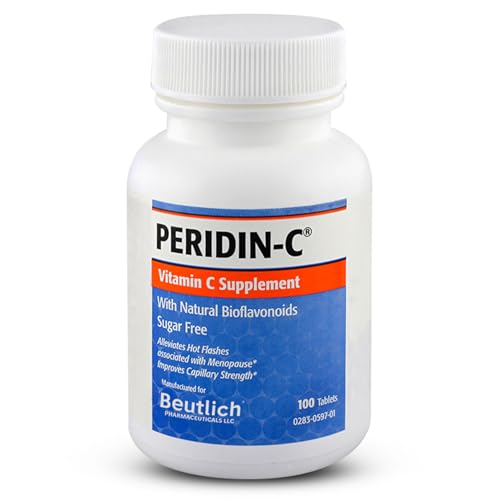
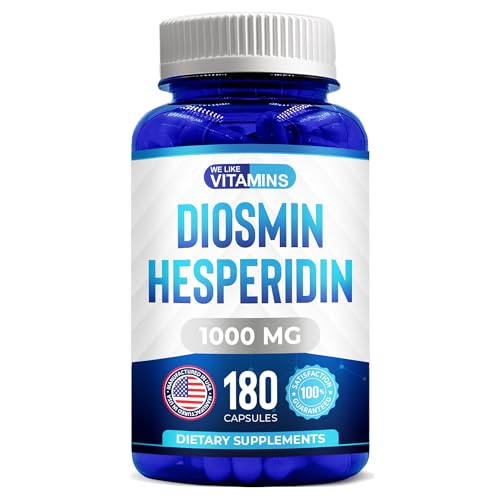
Best-selling Supplements for Capillary Strength




Article Sources
At AncientHerbsWisdom, our content relies on reputable sources, including peer-reviewed studies, to substantiate the information presented in our articles. Our primary objective is to ensure our content is thoroughly fact-checked, maintaining a commitment to accuracy, reliability, and trustworthiness.
- Koch, W. (2019). Anthocyanins as anti inflammatory agents in cardiovascular disease. Nutrients, 11(3), 602. https://www.mdpi.com/2072-6643/11/3/602
- Packer, L., Rimbach, G., & Virgili, F. (1999). Antioxidant activity and biologic properties of a procyanidin rich extract from pine bark, Pycnogenol. Free Radical Biology and Medicine, 27(5–6), 704–724. https://www.sciencedirect.com/science/article/pii/S0891584999001605
- Wang, L., Wang, J., Fang, L., & Zheng, Z. (2018). Effects of flavonoids on endothelial function and microvascular health. Oxidative Medicine and Cellular Longevity, 2018, 6847981. https://doi.org/10.1155/2018/6847981
- James, J. T., & Dubery, I. A. (2009). Pentacyclic triterpenoids from the medicinal herb Centella asiatica. Molecules, 14(10), 3922–3941. https://www.mdpi.com/1420-3049/14/10/3922
- Sirtori, C. R. (2001). Aescin pharmacology, pharmacokinetics and therapeutic profile. Pharmacological Research, 44(3), 183–193. https://www.sciencedirect.com/science/article/pii/S1043661801908771
- Hewlings, S. J., & Kalman, D. S. (2017). Curcumin a review of its effects on human health. Foods, 6(10), 92. https://www.mdpi.com/2304-8158/6/10/92
- Carr, A. C., & Maggini, S. (2017). Vitamin C and immune function. Nutrients, 9(11), 1211. https://www.mdpi.com/2072-6643/9/11/1211
- Bishop, K. S., Kao, C. H., Xu, Y., Glucina, M. P., Paterson, R. R. M., & Ferguson, L. R. (2015). From 2000 years of Ganoderma lucidum to recent developments in nutraceuticals. Phytochemistry, 114, 56–65. https://www.sciencedirect.com/science/article/pii/S0031942215000581
- Zhu, J. S., Halpern, G. M., & Jones, K. (1998). The scientific rediscovery of an ancient Chinese herbal medicine Cordyceps sinensis. Journal of Alternative and Complementary Medicine, 4(3), 289–303. https://pubmed.ncbi.nlm.nih.gov/9764768
- Panossian, A., Wikman, G., & Sarris, J. (2010). Rosenroot Rhodiola rosea versus placebo in stress related fatigue. Phytomedicine, 17(7), 481–493.https://www.sciencedirect.com/science/article/pii/S0944711309002713

- Phosphatidic Acid: Supporting Muscle Growth and Strength - July 31, 2026
- Ceramides: Supporting Healthy Skin From Within - July 31, 2026
- Synbiotics: Combining Prebiotics and Probiotics Together - July 31, 2026