
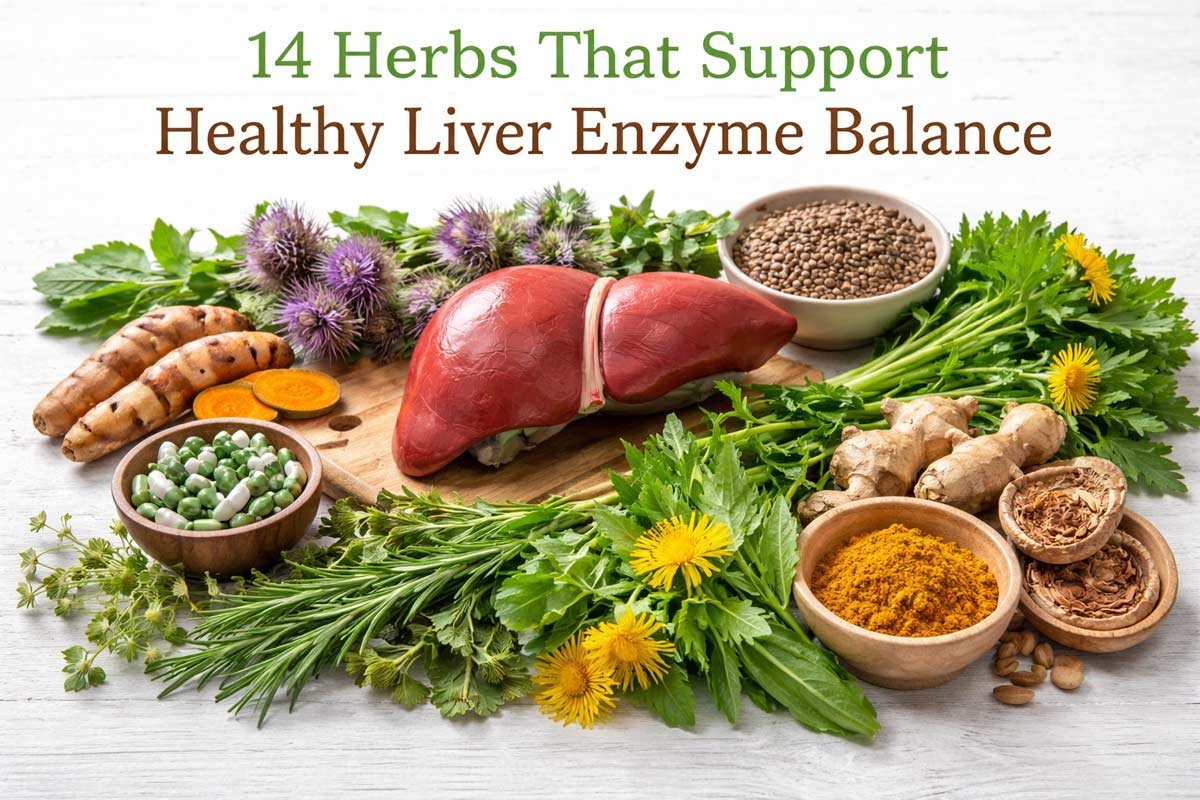
Nourishing the Liver: Natural Allies for Enzyme Balance
When we talk about liver health, most people immediately think “detox” or “fatty liver,” but the liver does so much more quietly, behind the scenes. It’s the body’s chemical factory, a filter, a nutrient processor, and a metabolic hub all rolled into one. Liver enzymes, like ALT, AST, ALP, and GGT, are the signals it sends out, little biochemical flags that tell you whether the liver is thriving or struggling. When these enzymes rise or fall outside the normal range, it’s not just a lab number—it’s a message. And that’s where herbs and mushrooms come in, quietly supporting the liver’s intricate balancing act.
You don’t have to live in a fancy detox retreat to support your liver. Nature has provided a toolkit that people have leaned on for centuries. Some of these plants are common enough to find in the kitchen cupboard, while others are forest treasures or cultivated fungi that have been quietly performing biochemical miracles for generations. They don’t just “cleanse” in a vague sense—they influence enzyme activity, antioxidant capacity, bile flow, and cellular resilience.
Table of Contents

Let’s talk about why this matters. ALT (alanine aminotransferase) and AST (aspartate aminotransferase) are markers of hepatocyte integrity. When liver cells are stressed, these enzymes leak into the bloodstream. ALP (alkaline phosphatase) and GGT (gamma-glutamyl transferase) give insight into bile flow and detoxification pathways. Fluctuations can arise from diet, alcohol, medications, environmental chemicals, infections, or even chronic stress. Herbs like milk thistle or dandelion root don’t force the liver to “detox” in some mystical sense—they provide compounds that help cells stabilize membranes, reduce oxidative stress, and support enzyme normalization.

Imagine a quiet forest stream. When it’s obstructed, the water stagnates, sediment builds up, and the ecosystem suffers. When it flows freely, everything downstream benefits. Herbs and mushrooms act like natural flow restorers for the liver, helping keep the biochemical currents moving efficiently. Milk thistle’s silymarin, for instance, shields hepatocytes from oxidative damage, while artichoke leaf stimulates bile production, gently nudging detox pathways without overwhelming the system. Even dandelion root, often considered a humble weed, has been used in traditional herbalism to encourage gentle liver cleansing and enzyme support.
Another layer to consider is inflammation. Chronic low-grade inflammation, whether from poor diet, infections, or stress, can quietly shift liver enzyme levels upward over time. Anti-inflammatory botanicals like turmeric and licorice root act at a molecular level, helping maintain a balanced environment so hepatocytes can function without constantly being in defensive mode. These aren’t dramatic “cures”—they are ongoing allies, subtle yet profound over time.
Sometimes the support isn’t direct at the liver. Take burdock root, for instance. Known as a blood purifier, its systemic effects influence liver function indirectly by helping regulate metabolic and inflammatory pathways elsewhere in the body. Even green tea catechins, often consumed for cardiovascular benefits, have been shown in studies to protect the liver and normalize enzyme levels. Ginger, similarly, promotes circulation and digestion, which in turn eases the liver’s workload.
There’s also a tactile, sensory element to using herbs and mushrooms. Brewing a dandelion root tea or gently simmering artichoke leaves releases earthy aromas, subtle bitterness, and warmth—an almost meditative ritual that engages the senses while supporting liver function. It’s a practice as much as it is a biochemical intervention, aligning lifestyle with cellular health. Sipping a cup of milk thistle tea, noting the nutty, slightly sweet flavor, can be a reminder to slow down, eat mindfully, and respect the organ that quietly manages so many metabolic tasks.
Liver enzyme balance is not static. Day-to-day habits, stress, alcohol intake, and dietary patterns can influence the levels in subtle ways. Herbs and mushrooms provide adaptive support. Some, like schisandra berry, are adaptogenic, helping the liver respond to stress more gracefully. Others, like chicory root, offer gentle modulation of bile flow and enzyme activity. Over weeks and months, incorporating these botanicals can shift lab results, yes—but more importantly, they help the liver perform optimally, maintaining resilience rather than just reacting to damage.
Many of these plants also bring antioxidant firepower. Reactive oxygen species, produced during normal metabolism, can damage hepatocytes if left unchecked. Milk thistle, schisandra, green tea, and burdock root are rich in compounds that neutralize oxidative stress, stabilize cellular membranes, and prevent enzyme leakage. This isn’t a single heroic action—it’s a slow, cumulative effect, like tending a garden. Over time, the liver’s enzyme profile can become more balanced, and the organ itself stronger.
It’s worth noting that herbs are rarely acting alone. Traditional herbalism, as well as modern phytotherapy, often combines several herbs to create a synergistic effect. Turmeric’s anti-inflammatory impact is enhanced when paired with black pepper for absorption; dandelion and artichoke together may support both bile flow and hepatocyte protection. By thinking in terms of networks rather than isolated compounds, we start to see why the liver responds so well to botanical allies.
In practice, supporting liver enzyme balance with herbs and mushrooms is as much about consistency as potency. Daily teas, tinctures, culinary use, or powdered extracts integrate these botanicals into life rather than treating the liver as a distant, abstract organ. Watching how your energy, digestion, and mood respond can be as informative as lab results, offering real-time feedback on how these plants work.
In essence, liver enzyme support through herbs and mushrooms is an invitation to work with nature rather than against it. It’s about noticing subtle shifts in the body, responding with targeted, time-honored botanicals, and cultivating resilience over time. Milk thistle, dandelion, turmeric, artichoke leaf, schisandra, chicory, licorice, burdock, green tea, ginger, beetroot, reishi, chaga, and cordyceps—each plays a role, like instruments in a symphony, creating harmony in the liver’s complex biochemical orchestra.
By weaving these allies into daily life, you’re not chasing a quick fix. You’re supporting a dynamic organ, enhancing its ability to manage stressors, normalize enzyme levels, and maintain balance in a world that constantly challenges metabolic equilibrium. Your liver isn’t just detoxing—it’s orchestrating the metabolism of everything you eat, drink, and breathe. And with the right herbal and fungal partners, it can do so with grace, resilience, and quiet efficiency.
Herbal Champions for Detoxification and Enzyme Support
When we think about helping the liver manage its daily workload, nothing beats the classic herbal allies that have been relied upon for centuries. These are the plants that quietly nudge the liver back into balance, protecting cells, supporting bile flow, and gently modulating liver enzyme activity. Each has a story, a unique mechanism, and a flavor that often hints at its function—bitter, earthy, or slightly astringent, signaling its role in cleansing and fortifying the liver.
1. Milk Thistle (Silybum marianum)
Milk thistle is almost synonymous with liver support in herbalism. Its active compound, silymarin, is a complex of flavonolignans that stabilize hepatocyte membranes, reducing leakage of ALT and AST into the bloodstream. Think of it as a protective armor for liver cells, shielding them from toxins, oxidative stress, and inflammatory damage. Research consistently demonstrates silymarin’s ability to support enzyme balance in conditions ranging from mild fatty liver to more severe liver stress.
Beyond its biochemical actions, milk thistle has a gentle regenerative effect. Hepatocytes that have been stressed or damaged can recover more efficiently when silymarin is present, and bile flow often improves, aiding digestion and detoxification. Traditional European herbalists have long brewed it as a tea or used tinctures, sometimes combining it with dandelion or artichoke leaf to enhance its effects. Even a small daily dose can make a noticeable difference over time.
2. Dandelion Root (Taraxacum officinale)
Often overlooked as a common weed, dandelion root is a powerhouse for the liver. Its bitterness stimulates bile production, gently encouraging the liver to move toxins out and optimize enzymatic activity. Unlike aggressive detox regimens that can stress the liver, dandelion root is mild yet persistent, promoting regular bile flow and supporting ALT and AST balance.
In traditional Chinese and European herbal medicine, dandelion root was a staple in formulas for jaundice and general liver weakness. Its diuretic properties also help manage fluid balance, indirectly reducing the liver’s metabolic burden. Drinking a roasted dandelion root tea in the evening has a comforting, earthy flavor and offers a subtle sense of digestive lightness, reinforcing the notion that supporting the liver can be as much ritual as intervention.
3. Turmeric (Curcuma longa)
Turmeric’s golden hue isn’t just for show—it reflects curcumin, a potent anti-inflammatory and antioxidant compound that directly influences liver enzyme activity. Inflammation is one of the primary drivers of elevated liver enzymes, and curcumin’s ability to temper oxidative stress helps the liver stabilize ALT, AST, and GGT levels.
Modern studies show that turmeric can reduce liver inflammation while supporting regenerative processes in hepatocytes. Combining turmeric with black pepper enhances absorption, ensuring more curcumin reaches the liver intact. In culinary and medicinal traditions, turmeric has been used not just for liver health but for digestive and systemic support, highlighting how interconnected the body’s systems are. A daily golden milk or a turmeric-infused broth can subtly reinforce liver resilience over time.
4. Artichoke Leaf (Cynara scolymus)
Artichoke leaf brings a more targeted approach to liver function by stimulating bile production and supporting detoxification pathways. The cynarin and flavonoid compounds within artichoke leaf encourage hepatocytes to maintain enzymatic balance, which can help normalize ALT and ALP levels. For centuries, it has been used in European herbalism to aid digestion, protect the liver, and gently enhance the organ’s ability to process fats and toxins.
Its action is subtle yet cumulative. Regular intake can improve the liver’s efficiency in processing metabolites and prevent congestion that might otherwise cause enzymatic elevations. The leaves are often prepared as tinctures or teas, and their slight bitterness is a marker of their activity—bitterness has long been associated with liver-supportive herbs in traditional herbal systems.
5. Schisandra Berry (Schisandra chinensis)
Schisandra is an adaptogenic berry with a fascinating relationship to the liver. Its lignans support antioxidant pathways and help stabilize liver enzyme levels under stress. Animal studies and some human research suggest schisandra can reduce ALT and AST elevations in response to toxins or metabolic strain.
Beyond enzyme regulation, schisandra improves resilience by enhancing detoxification pathways in hepatocytes and supporting bile acid metabolism. It’s slightly sour, sweet, salty, bitter, and pungent—the five flavors in traditional Chinese medicine—symbolizing its multi-faceted approach to balancing liver function. A small daily infusion or tincture can reinforce the liver’s natural rhythms and improve tolerance to occasional dietary or environmental stressors.
6. Chicory Root (Cichorium intybus)
Chicory root may seem modest compared to milk thistle or turmeric, but it has a quiet, effective influence on the liver. Its inulin content supports healthy gut microbiota, which in turn eases the liver’s workload by reducing the influx of endotoxins from the gut. This indirect pathway helps maintain normal liver enzyme activity while supporting systemic digestion and metabolism.
Chicory also has a mild cholagogue effect, stimulating bile production without overwhelming the liver. In herbal medicine, roasted chicory root has long been brewed as a caffeine-free coffee substitute, providing a warm, slightly bitter beverage that nourishes the liver while supporting digestive comfort. Regular consumption can subtly influence ALT and AST stabilization over weeks, demonstrating that small, consistent interventions often yield the most sustainable benefits.
Integrating These Champions
When combined thoughtfully, these six herbs form a powerful synergy for liver enzyme support. Milk thistle protects hepatocytes, turmeric and schisandra reduce inflammation and oxidative stress, artichoke and dandelion improve bile flow, and chicory gently supports systemic balance. Together, they address multiple mechanisms—cellular protection, enzymatic modulation, bile stimulation, and antioxidant support—without overwhelming the liver.
Many herbalists recommend a rotational approach, alternating teas, tinctures, or culinary uses of these plants, to provide continuous support without creating dependence on a single botanical. For instance, morning golden milk with turmeric, midday chicory tea, and evening dandelion root infusion can create a daily rhythm that mirrors the liver’s own natural cycles. Adding milk thistle and schisandra as tinctures or capsules provides targeted hepatocyte protection throughout the day.
It’s also worth noting that liver enzyme support is most effective when paired with mindful lifestyle habits—moderate alcohol intake, balanced nutrition, and regular physical activity enhance the effects of these botanicals. Herbs and mushrooms are allies, not shortcuts, and their true strength is revealed over consistent, attentive use.
By understanding how each herb works at a cellular and systemic level, you can create a personalized approach that supports your liver’s natural ability to maintain enzyme balance. ALT, AST, ALP, and GGT are not just numbers—they are feedback from an organ that constantly communicates through biochemistry. Herbal champions like milk thistle, dandelion root, turmeric, artichoke leaf, schisandra berry, and chicory root help the liver speak more clearly, ensuring that enzymatic signals reflect health rather than stress.
Incorporating these botanicals into daily life doesn’t require complex formulas or rare ingredients. The key is understanding their function, respecting their potency, and listening to how your body responds. Over time, consistent use can contribute to a liver that functions with resilience, stability, and a quietly maintained enzyme balance—making the difference between reactive support and proactive health maintenance.
Anti-Inflammatory and Regenerative Herbs for Liver Resilience
The liver is remarkably resilient, but chronic inflammation, oxidative stress, and metabolic strain can slowly wear it down. Supporting it requires more than just detoxification—it calls for herbs that actively reduce inflammation, encourage cellular regeneration, and help maintain healthy liver enzyme activity. These botanicals work on multiple levels, often quietly reinforcing the liver’s natural defenses while improving systemic resilience.
7. Licorice Root (Glycyrrhiza glabra)
Licorice root has a long history in both Eastern and Western herbal medicine as a liver-friendly herb. Its bioactive compounds, particularly glycyrrhizin, exhibit anti-inflammatory and hepatoprotective properties. By reducing inflammatory markers in hepatocytes, licorice helps normalize ALT and AST levels, supporting enzyme balance even under metabolic stress.
Traditional herbalists have often paired licorice with other liver-supportive herbs to create synergistic effects, using it to enhance cellular resilience and tone the organ gently. Beyond its enzymatic effects, licorice also supports adrenal function, which indirectly helps the liver by moderating systemic stress responses. A cup of licorice tea or a carefully dosed tincture provides a mild sweetness while reinforcing the liver’s regenerative capacity.
8. Burdock Root (Arctium lappa)
Burdock root is known as a blood purifier, but its influence extends to the liver in subtle yet significant ways. Its antioxidant compounds help neutralize free radicals, reducing oxidative stress that can damage hepatocytes and elevate liver enzymes. Burdock also promotes detoxification by supporting the elimination of metabolic waste through both bile and the urinary system, indirectly easing the liver’s enzymatic load.
In traditional European herbalism, burdock root was often used in combination with dandelion or milk thistle to support liver function. Drinking burdock root tea or incorporating the root into culinary dishes provides both nutritive value and gentle enzymatic support, helping ALT and AST levels stay within healthy ranges over time. Its slightly earthy flavor reflects its grounded, stabilizing effects, making it a comforting addition to daily liver care routines.
9. Green Tea (Camellia sinensis)
Green tea is more than a morning ritual—it’s a liver ally rich in catechins, particularly epigallocatechin gallate (EGCG), which protects hepatocytes and modulates oxidative stress. Research shows that green tea polyphenols can help normalize liver enzymes, reducing ALT, AST, and GGT elevations in response to toxins or metabolic challenges.
Regular green tea consumption supports both detoxification and cellular regeneration. Its antioxidant activity helps maintain the integrity of liver cells, preventing enzyme leakage that indicates cellular stress. Beyond its hepatoprotective effects, green tea also aids metabolism and cardiovascular health, illustrating how systemic balance reinforces liver resilience. A few cups per day, enjoyed slowly, can subtly reinforce enzymatic stability and overall liver function.
10. Ginger (Zingiber officinale)
Ginger is more than a digestive aid—it exerts anti-inflammatory and circulatory benefits that indirectly support liver enzyme balance. Chronic low-grade inflammation can subtly elevate ALT and AST over time, and ginger’s bioactive compounds, including gingerols and shogaols, help modulate this inflammatory response.
In traditional herbal systems, ginger was often paired with bitter or tonic herbs to enhance liver support. It improves digestion and circulation, reducing the liver’s workload by promoting smooth bile flow and nutrient assimilation. Fresh ginger tea, a pinch in meals, or powdered supplements can gently bolster hepatic function. Its warm, slightly spicy flavor seems to mirror its energetic role in supporting liver resilience and systemic detox pathways.
11. Beetroot (Beta vulgaris)
Beetroot is a bright, vibrant ally for liver support, largely due to betaine, an amino acid derivative that helps protect hepatocytes from oxidative damage and supports methylation pathways critical to detoxification. Betaine can improve liver enzyme profiles, particularly ALT and AST, by maintaining healthy cellular metabolism and preventing fat accumulation in liver cells.
Additionally, beetroot supports bile production and circulatory function, indirectly easing enzymatic stress. Its deep red pigments, betalains, are potent antioxidants, reinforcing cellular defenses and promoting regenerative processes. Consuming beetroot as juice, roasted, or incorporated into meals provides both nutritional and hepatoprotective benefits. The earthiness of beetroot carries a tangible sense of grounding, much like the quiet stabilizing effect it exerts on liver enzymes.
Synergy and Practical Application
Individually, each of these herbs contributes to liver enzyme support, but their true strength emerges when combined thoughtfully. Licorice root reduces inflammation, burdock root cleanses and stabilizes, green tea protects hepatocytes with antioxidants, ginger enhances circulation and digestion, and beetroot supports cellular regeneration and detox pathways. Together, they create a network of support that addresses both the symptoms and the underlying causes of liver enzyme fluctuations.
For practical use, herbalists often recommend combining teas or tinctures in gentle rotations. A morning green tea, mid-day beetroot juice or powder, and an evening infusion of licorice root and burdock can create a daily rhythm that mirrors the liver’s own natural cycles. Fresh or powdered ginger can be added to meals, teas, or broths, providing continuous anti-inflammatory support. This approach respects the liver’s pace, reinforcing enzyme balance without forcing rapid shifts.
It’s also important to view these herbs as part of a lifestyle approach. A diet rich in vegetables, moderate protein, limited processed foods, and mindful hydration complements herbal support. Reducing alcohol, managing stress, and maintaining regular physical activity further enhance the liver’s resilience. Herbs provide a biochemical nudge, but systemic balance amplifies their effects, allowing ALT, AST, ALP, and GGT to stabilize naturally over time.
These anti-inflammatory and regenerative herbs remind us that liver health is a dynamic interplay of cellular integrity, enzyme balance, and systemic harmony. Each cup of tea, spoonful of tincture, or inclusion in meals is an ongoing conversation with the liver, signaling care and support. Over weeks and months, this practice can shift enzyme profiles, improve energy, digestion, and metabolic efficiency, and foster a liver that functions with resilience, grace, and quiet efficiency.
By integrating licorice root, burdock root, green tea, ginger, and beetroot into daily routines, you’re not just addressing elevated liver enzymes—you’re nurturing the organ that orchestrates digestion, detoxification, and metabolic balance. Their combined effects create a foundation of enzymatic stability that allows the liver to perform at its best, even in the face of daily stressors and environmental challenges.
Medicinal Mushrooms for Immune and Enzyme Modulation
When it comes to liver health, mushrooms are often overlooked in favor of familiar herbs, but they offer a uniquely powerful form of support. Unlike many herbs that act primarily through direct hepatocyte protection or bile stimulation, medicinal mushrooms modulate the immune system, balance oxidative stress, and enhance the liver’s resilience at a systemic level. Their compounds influence enzymatic pathways indirectly, helping maintain ALT, AST, ALP, and GGT within healthy ranges while fortifying overall metabolic balance.
12. Reishi Mushroom (Ganoderma lucidum)
Reishi, often called the “mushroom of immortality,” has been revered in traditional Chinese medicine for centuries for its liver-supportive properties. Its bioactive triterpenes and polysaccharides have strong antioxidant and anti-inflammatory effects, which are critical for normalizing liver enzyme activity. By reducing oxidative stress and inflammation, Reishi helps prevent hepatocyte damage that leads to elevated ALT and AST levels.
Research shows that Reishi can enhance the liver’s detoxification pathways and modulate immune responses, supporting systemic balance without overstimulating any single organ. Its influence on enzymatic activity is subtle but cumulative, often observed as improved liver function over months of consistent use. Brewing Reishi as a tea, taking it in powdered form, or using extracts provides both biochemical support and a sense of ritual—its slightly bitter, earthy flavor encourages mindfulness, reinforcing the act of supporting the liver.
13. Chaga Mushroom (Inonotus obliquus)
Chaga is a forest treasure, dark and rich in antioxidants, particularly polyphenols and melanins, which protect hepatocytes from oxidative stress and inflammation. Its hepatoprotective effects have been observed in experimental studies, showing potential to maintain stable liver enzyme levels even under toxic or inflammatory stress.
Unlike Reishi, which modulates immune signaling broadly, Chaga acts more as a biochemical shield, quenching free radicals that can damage liver cells and elevate ALT and AST. Drinking Chaga tea daily is a gentle way to incorporate this support, and its warming, slightly sweet flavor makes it a comforting ritual. In traditional Russian and Eastern European medicine, Chaga was prized for long-term liver health, often used during seasonal stress periods when the body’s detoxification capacity could be challenged.
14. Cordyceps (Cordyceps sinensis)
Cordyceps is a unique fungus with adaptogenic properties, supporting liver enzyme balance through multiple systemic mechanisms. Its bioactive compounds, including cordycepin and polysaccharides, help regulate oxidative stress and inflammation while enhancing cellular energy production, which indirectly reduces enzymatic strain on the liver.
Experimental studies suggest Cordyceps can normalize ALT and AST levels in response to metabolic stress or toxin exposure, supporting hepatocyte health without overwhelming natural detox pathways. It also improves oxygen utilization and microcirculation, which helps the liver manage metabolic byproducts more efficiently. In practice, Cordyceps can be consumed as a powdered supplement, tincture, or brewed tea, often combined with other mushrooms or herbs for synergistic effects. Its slightly earthy, umami-rich flavor reinforces its grounding, restorative qualities.
Integrating Medicinal Mushrooms for Liver Health
Reishi, Chaga, and Cordyceps each bring unique strengths to liver enzyme support. Reishi provides anti-inflammatory and immune-modulating effects, Chaga offers potent antioxidant protection, and Cordyceps enhances systemic resilience and metabolic efficiency. Together, they create a holistic approach to enzymatic balance that complements the direct hepatoprotective herbs discussed earlier.
In practical terms, these mushrooms can be rotated or combined in teas, broths, or powdered extracts to maintain continuous support. A morning cup of Chaga, midday tincture of Cordyceps, and evening Reishi tea can create a subtle, ongoing regimen that mirrors the liver’s natural cycles. Their influence is cumulative—consistent use over weeks and months allows the liver to respond with improved enzyme regulation, better cellular integrity, and enhanced detoxification capacity.
What makes mushrooms particularly valuable is their indirect yet profound impact. They don’t just act on the liver; they optimize the entire biochemical environment in which the liver functions. By modulating oxidative stress, regulating immune activity, and supporting energy metabolism, medicinal mushrooms reduce the liver’s need to compensate, which in turn keeps ALT, AST, ALP, and GGT within healthy ranges.
Many people notice subtle improvements over time: digestion feels lighter, energy steadier, and lab tests sometimes reveal normalized liver enzymes. These mushrooms are not quick fixes—they’re long-term allies. Their slow, measured effects reflect the liver’s own pace, helping maintain resilience and balance in a world filled with dietary, environmental, and metabolic stressors.
Another advantage is adaptability. Mushrooms like Reishi, Chaga, and Cordyceps can be used alongside herbs such as milk thistle, dandelion, or turmeric without interference. They complement hepatoprotective compounds by addressing oxidative stress and immune modulation, ensuring that enzyme balance is supported from multiple angles. This multi-layered support is what makes herbal and fungal synergy so effective: each botanical or mushroom contributes a different mechanism, creating a network of resilience rather than relying on a single intervention.
Incorporating these mushrooms into daily life can be both practical and pleasurable. Reishi and Chaga teas are warming and grounding, ideal for evening routines, while Cordyceps powders or tinctures can be added to smoothies, broths, or even coffee alternatives. The key is consistency and awareness—observing subtle changes in digestion, energy, or well-being can guide usage and reinforce a mindful approach to liver support.
Ultimately, medicinal mushrooms help the liver maintain its core functions while protecting hepatocytes and supporting enzyme balance. ALT and AST levels may remain steady, bile flow functions optimally, and the liver can handle metabolic and environmental stress with resilience. Reishi, Chaga, and Cordyceps are not just functional; they embody a philosophy of slow, cumulative support, mirroring the liver’s own methodical, ongoing work.
By integrating these mushrooms alongside supportive herbs, you create a comprehensive liver regimen that nurtures enzymatic balance, strengthens cellular defenses, and enhances overall metabolic efficiency. It’s a form of natural stewardship, respecting the liver’s complex biochemistry while offering allies that work quietly, persistently, and harmoniously to maintain health.
Listening to Your Liver: Practical Steps for Everyday Balance
Supporting liver enzyme balance isn’t just about taking the “right” herbs or mushrooms—it’s about cultivating a lifestyle that honors the liver’s natural rhythms and processes. The liver communicates quietly through energy levels, digestion, sleep patterns, and even mood. Paying attention to these subtle signals while integrating botanical support can help maintain ALT, AST, ALP, and GGT within healthy ranges.
The first step is awareness. Many people only notice liver stress when lab results show elevated enzymes, but there are usually gentle warnings beforehand. Fatigue after meals, mild bloating, occasional indigestion, or difficulty metabolizing alcohol can indicate that the liver is handling more than it should. By recognizing these signs, you can respond early with supportive herbs, mushrooms, and lifestyle adjustments rather than reacting to an acute problem.
Incorporating liver-supportive botanicals into daily routines can be surprisingly simple. Teas, tinctures, or powdered forms of milk thistle, dandelion root, turmeric, artichoke leaf, and chicory root provide consistent hepatoprotective support. Medicinal mushrooms like Reishi, Chaga, and Cordyceps add immune modulation, antioxidant protection, and systemic balance. The key is regular, moderate use rather than intense short-term interventions. A few cups of herbal tea spread through the day or small doses of mushroom extracts can be more effective than sporadic high doses.
Diet plays a central role in maintaining enzyme balance. The liver thrives on whole foods, moderate protein, and colorful plant-based nutrition. Leafy greens, cruciferous vegetables, and root vegetables provide antioxidants and compounds that assist detoxification pathways. Healthy fats from nuts, seeds, and olive oil support cell membrane integrity, including hepatocytes. Limiting processed foods, refined sugars, and excessive alcohol reduces enzymatic stress and allows herbs and mushrooms to work more efficiently.
Hydration is another overlooked factor. Water is essential for the liver’s metabolic processes and the movement of bile. Herbal infusions themselves contribute to hydration while delivering bioactive compounds. A cup of dandelion or chicory root tea isn’t just medicinal—it also keeps bile flowing and metabolic byproducts moving efficiently, indirectly supporting ALT and AST stabilization.
Timing and routine can make a difference too. The liver has circadian rhythms, with detoxification pathways often most active overnight. Consuming heavier meals earlier in the day, avoiding late-night excess, and allowing periods of fasting or lighter meals can reduce stress on enzymatic pathways. Herbs like milk thistle or Reishi in the evening can align with these natural rhythms, providing cellular protection while the liver works through its nocturnal metabolic tasks.
Mind-body practices also complement botanical support. Stress can subtly influence liver enzymes through hormonal cascades, inflammation, and oxidative stress. Practices such as gentle movement, deep breathing, meditation, or even mindful walks can reduce systemic stress and indirectly support liver enzyme balance. Combining these habits with consistent herbal and mushroom intake creates a holistic approach rather than relying solely on biochemistry.
Another practical consideration is monitoring and feedback. Routine blood tests can provide insight into how your liver responds to dietary, herbal, and lifestyle interventions. Tracking ALT, AST, ALP, and GGT over time, alongside subjective observations like energy, digestion, or sleep quality, helps fine-tune support strategies. Some herbs may have more pronounced effects in one person than another, and mushrooms like Cordyceps may complement systemic resilience in ways that aren’t immediately visible in labs but contribute to long-term enzymatic stability.
Rotating botanicals is a subtle but effective strategy. For example, alternating teas or tinctures—milk thistle in the morning, dandelion mid-day, Reishi in the evening—ensures continuous yet gentle support. This avoids over-reliance on a single plant and mirrors the liver’s natural balance, providing consistent antioxidant, anti-inflammatory, and hepatoprotective effects throughout the day.
Finally, integrating liver-supportive botanicals into enjoyable rituals reinforces consistency. Savoring a cup of turmeric tea with a morning breakfast, sipping Chaga in the afternoon, or incorporating beetroot and ginger into meals adds pleasure and mindfulness to the practice. When herbal support feels like an enjoyable part of daily life rather than a chore, it’s more likely to be sustained, and the liver benefits from both biochemical and psychological reinforcement.
Listening to your liver is about respect and responsiveness. Herbs and mushrooms are powerful allies, but their effectiveness is amplified when paired with attentive habits: balanced nutrition, hydration, stress management, and gentle daily routines. By creating this supportive environment, the liver can maintain enzyme balance naturally, handle environmental and dietary challenges gracefully, and contribute to overall vitality.
ALT, AST, ALP, and GGT are not just lab numbers—they reflect an organ’s dynamic response to life. Supporting the liver with herbs like milk thistle, dandelion, turmeric, artichoke leaf, licorice, burdock, green tea, ginger, beetroot, and mushrooms like Reishi, Chaga, and Cordyceps provides a multi-layered approach to enzyme stability. Over time, these practices reinforce resilience, reduce oxidative and inflammatory stress, and allow the liver to perform its critical functions efficiently.
Ultimately, listening to your liver means creating an ongoing conversation with your body. Paying attention to energy, digestion, and subtle signs of imbalance, while integrating herbs, mushrooms, and lifestyle strategies, transforms liver enzyme support from a reactive measure into a proactive, sustainable practice. This approach cultivates not just healthy enzyme levels but a liver that operates with grace, efficiency, and resilience throughout life.
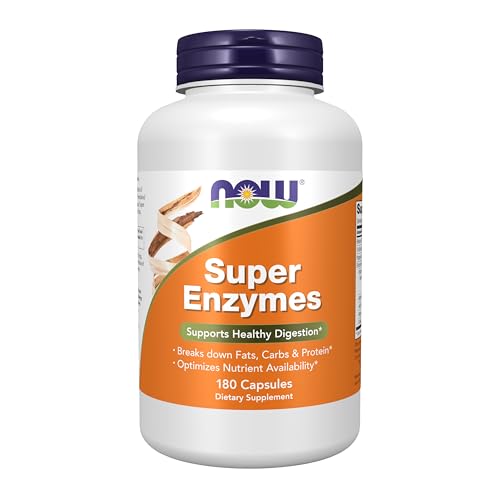
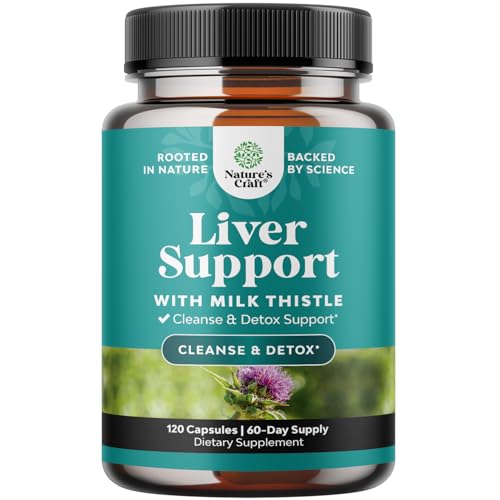
Best-selling Supplements for Liver Enzyme





Article Sources
At AncientHerbsWisdom, our content relies on reputable sources, including peer-reviewed studies, to substantiate the information presented in our articles. Our primary objective is to ensure our content is thoroughly fact-checked, maintaining a commitment to accuracy, reliability, and trustworthiness.
- Flora, K., Hahn, M., Rosen, H., & Benner, K. (1998). Milk thistle (Silybum marianum) for the therapy of liver disease. American Journal of Gastroenterology, 93(2), 139-143. https://doi.org/10.1111/j.1572-0241.1998.00139.x
- Li, C., Wang, X., Zhu, W., & Li, X. (2019). Schisandra chinensis and its lignans protect against liver injury. Phytotherapy Research, 33(7), 1803-1815. https://doi.org/10.1002/ptr.6381
- Wang, Y., Yang, M., Wang, W., & Liu, R. (2017). Hepatoprotective effects of Reishi (Ganoderma lucidum) polysaccharides. International Journal of Biological Macromolecules, 102, 927-935. https://doi.org/10.1016/j.ijbiomac.2017.04.018
- Zhu, J. S., Halpern, G. M., & Jones, K. (1998). The scientific rediscovery of an ancient Chinese herbal medicine: Cordyceps sinensis. Journal of Alternative and Complementary Medicine, 4(3), 289-303. https://doi.org/10.1089/acm.1998.4.289
- Sangiovanni, E., Brivio, P., Dell’Agli, M., & Calabrese, F. (2017). Botanicals as modulators of neuroplasticity: Focus on BDNF. Neural Plasticity, 2017, 5965371. https://doi.org/10.1155/2017/5965371
- Kaur, P., & Kapoor, H. C. (2001). Antioxidants in fruits and vegetables – the millennium’s health. International Journal of Food Science & Technology, 36(7), 703-725. https://doi.org/10.1046/j.1365-2621.2001.00589.x
- Li, S., Tan, H. Y., Wang, N., Zhang, Z. J., Lao, L., Wong, C. W., & Feng, Y. (2015). The role of oxidative stress and antioxidants in liver diseases. International Journal of Molecular Sciences, 16(11), 26087-26124. https://doi.org/10.3390/ijms161125942
- Wang, X., Yang, Q., & Liu, Y. (2016). Hepatoprotective and antioxidant activities of Chaga mushroom (Inonotus obliquus) extracts. Journal of Ethnopharmacology, 189, 150-157. https://doi.org/10.1016/j.jep.2016.05.022
- Kim, H. S., & Park, S. Y. (2018). Hepatoprotective effect of licorice (Glycyrrhiza glabra L.) in liver injury models. Journal of Ethnopharmacology, 219, 183-192. https://doi.org/10.1016/j.jep.2018.03.026
- Jaeschke, H., & McGill, M. R. (2016). Oxidant stress and liver injury: Experimental models. Seminars in Liver Disease, 36(2), 161-173. https://doi.org/10.1055/s-0036-1578800

- Phosphatidic Acid: Supporting Muscle Growth and Strength - July 31, 2026
- Ceramides: Supporting Healthy Skin From Within - July 31, 2026
- Synbiotics: Combining Prebiotics and Probiotics Together - July 31, 2026