
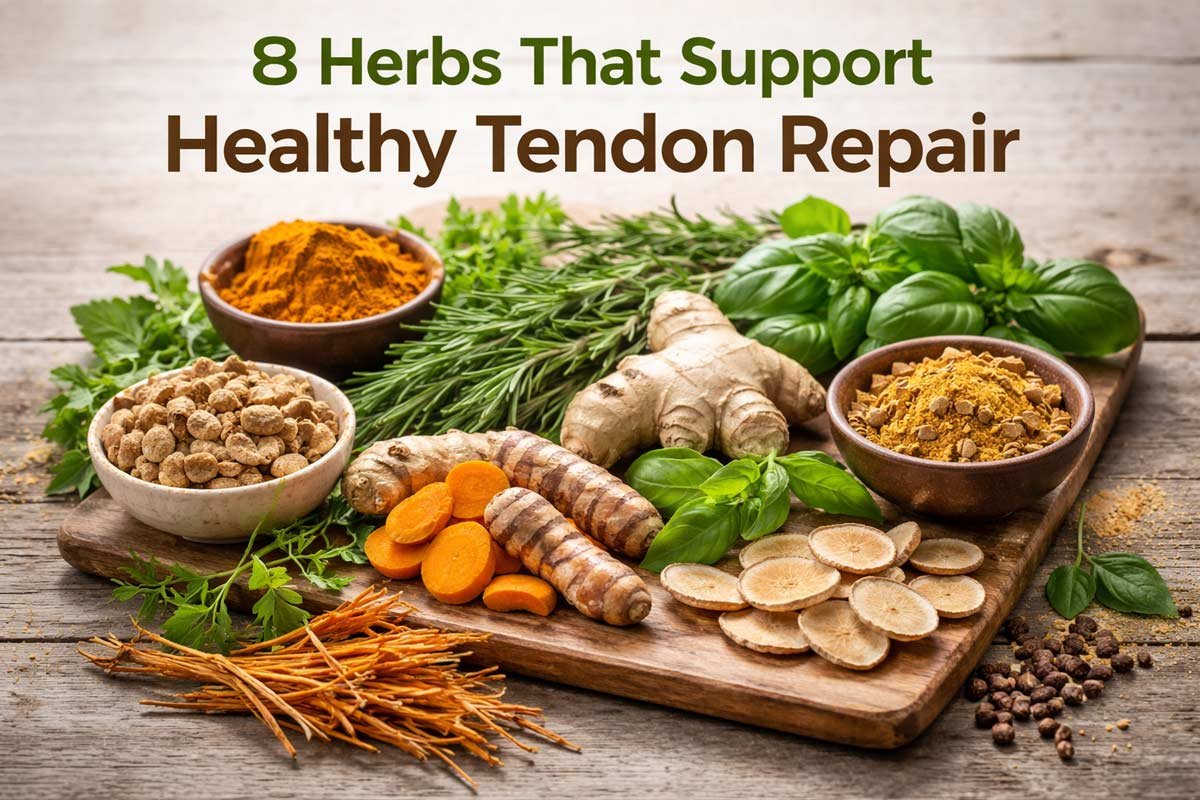
When Tendons Struggle to Heal: A Herbal Perspective
Tendons are stubborn tissues. Anyone who has strained an Achilles, irritated a rotator cuff, or dealt with lingering elbow pain knows this in their bones, sometimes quite literally. Tendons do not behave like muscle. They do not swell dramatically, they do not bruise loudly, and they certainly do not heal quickly. They sit there, dense and fibrous, quietly complaining for months while everything else seems to move on. From a herbal perspective, this makes perfect sense. Tendons are low circulation structures built for strength, not speed. They evolved to transmit force, not to regenerate rapidly after injury.
Modern life asks a lot of tendons. Repetitive strain from keyboards, sudden weekend athletics, poor movement mechanics, dehydration, and chronic low grade inflammation all pile on. Add aging, stress hormones, and mineral depletion, and you get connective tissue that frays instead of rebounds. Herbs for tendon repair enter this picture not as miracle fixes, but as long term allies that address the deeper biological bottlenecks slowing recovery.
Table of Contents

Tendon tissue is primarily collagen, arranged in tight parallel fibers. This collagen depends on adequate vitamin C, silica, copper, zinc, and amino acids. It also depends on a clean inflammatory signal. Inflammation is not the enemy here. Acute inflammation initiates repair. The problem is persistent, smoldering inflammation that disrupts fibroblast activity and collagen cross linking. When this happens, tendons lay down weaker, disorganized fibers. Pain lingers. Strength does not return. Range of motion feels restricted, even when scans look normal.

From years of watching these patterns repeat, a few themes stand out. People with slow tendon healing often run cold metabolically. Circulation is poor at the periphery. Digestion struggles, especially with protein assimilation. Stress is high, sleep is shallow, and the nervous system never fully downshifts into repair mode. Herbs for tendon repair work best when they speak to these patterns rather than chasing pain alone.
Traditional herbal systems never isolated tendons as separate mechanical parts. They saw them as extensions of liver function, blood quality, kidney essence, or overall tissue nourishment depending on the system. While the language differs, the insight is surprisingly consistent. Tendons reflect the body’s ability to build, organize, and maintain connective tissue over time. When that capacity weakens, tendons complain first.
One of the most overlooked aspects of tendon repair is circulation, not the dramatic kind that turns skin red, but the subtle microcirculation that feeds dense connective tissue. Tendons sit far from the heart. They rely on pressure changes from movement and on blood that is rich enough to deliver nutrients efficiently. Herbs that improve peripheral circulation, reduce blood stagnation, and gently warm tissue often accelerate healing simply by improving delivery. This is one reason why people often report that tendon pain feels worse in cold, damp conditions. Tissue metabolism slows even further.
Another critical factor is collagen quality. The body can produce collagen quickly under stress, but it tends to be inferior. Think of scar tissue that feels stiff and ropey. High quality collagen requires time, minerals, and a relatively calm inflammatory environment. Several herbs for tendon repair influence collagen synthesis indirectly by modulating fibroblast activity, supporting silica availability, or reducing enzymes that degrade connective tissue. This is slow work. Anyone promising rapid tendon regeneration is not being honest.
Pain perception also deserves attention. Chronic tendon pain is not always proportional to tissue damage. Nerves become sensitized. The local environment stays chemically irritating. Certain herbs calm this process without shutting down healing inflammation. This distinction matters. Suppressing inflammation aggressively can delay repair. Guiding it toward resolution supports it.
There is also a psychological layer that rarely gets discussed openly. Tendon injuries mess with confidence. People stop trusting their bodies. Movement becomes guarded. Muscles tighten protectively, further reducing circulation and load sharing. Herbal approaches often shine here because many of the plants traditionally used for connective tissue also support the nervous system. They help the body feel safe enough to repair. This is subtle but real. Healing accelerates when the system stops bracing.
Herbs for tendon repair do not act in isolation. They work best alongside appropriate loading, hydration, and nutrition. Tendons need mechanical stimulus to align collagen fibers correctly. Complete rest weakens them. Constant irritation inflames them. Finding that middle ground is an art. Herbs support this process by improving tissue tolerance so that gentle loading becomes possible again.
Another point worth stating plainly is that tendon repair timelines are long. Minor strains may resolve in weeks, but meaningful remodeling takes months. This is where herbs earn their place. Pharmaceutical anti inflammatories are not designed for months of use. Many herbs are. They can be taken daily, subtly nudging physiology in the right direction without forcing it.
In clinical observation, certain patterns respond especially well to herbal support. Long standing tendinopathies that flare with overuse but never fully settle. Post injury stiffness that lingers after imaging clears. Age related tendon thinning accompanied by dryness and reduced elasticity. In these cases, herbs for tendon repair often succeed where isolated physical interventions stall.
It is also important to acknowledge what herbs cannot do. They will not reattach a ruptured tendon. They will not override poor biomechanics. They will not compensate for severe protein deficiency or unmanaged metabolic disease. Used appropriately, they enhance the body’s inherent repair mechanisms. Used blindly, they disappoint.
What makes herbal medicine uniquely suited to tendon health is its respect for time and systems. Tendons are slow tissues in a fast world. Herbs move at tendon speed. They nourish, modulate, and protect rather than dominate. This is why traditional formulas often include combinations that support digestion, circulation, inflammation, and nervous system tone simultaneously. Modern research increasingly confirms what tradition observed empirically. Connective tissue repair is multi factorial.
As we move deeper into specific plants and fungi, it helps to hold this framework in mind. Each herb for tendon repair contributes a piece to the puzzle. Some provide raw materials. Some calm destructive inflammation. Some improve delivery. Some strengthen the body’s long term capacity to maintain connective tissue resilience. None work instantly. Together, they can shift the trajectory of healing in a way that feels almost anticlimactic at first, then quietly profound over time.
If there is one mindset that supports tendon repair more than any supplement, it is patience paired with consistency. Herbs reward those who listen rather than rush. Tendons do too.
Botanicals That Support Collagen Formation and Tissue Integrity
When tendon repair stalls, the issue is often not inflammation alone but the quality of the tissue being rebuilt. Collagen is laid down, yes, but it may be brittle, poorly aligned, or inadequately mineralized. Over time this creates tendons that look healed on paper yet feel weak, tight, or prone to reinjury. This is where herbs for tendon repair that support collagen formation and tissue integrity earn their place. They do not force growth. They improve the conditions under which strong connective tissue can be made.
Collagen synthesis is demanding. It requires amino acids, vitamin C, trace minerals, adequate circulation, and a metabolic environment that favors repair over stress response. Tendons are particularly sensitive to shortages here. Because they are relatively avascular, they are often the first tissues to show wear when resources run thin. The plants in this group work slowly and deeply, addressing the structural side of tendon health rather than chasing symptoms.
1. Horsetail (Equisetum arvense)
Horsetail is one of those plants that looks unimpressive until you understand what it does. Thin, jointed, almost reed like, it grows in places most plants avoid. Compacted soils. Poor drainage. Mineral depleted ground. That alone tells you something. Horsetail is exceptionally rich in bioavailable silica, a mineral quietly essential for connective tissue strength.
Silica plays a structural role in collagen formation. It helps collagen fibers organize and cross link properly, giving tendons tensile strength and elasticity rather than stiffness. Without adequate silica, collagen may still form, but it behaves poorly under load. This shows up as tendons that feel ropey, fragile, or chronically irritated despite rest and rehab.
In practice, horsetail shines in long standing tendon issues where tissue quality feels compromised. People often describe a sense of dryness or brittleness in the area, sometimes accompanied by cracking joints or slow nail growth. These are classic signs that mineral support is lacking. Herbs for tendon repair often fail here because they address inflammation without rebuilding structure. Horsetail does the opposite. It rebuilds first.
Another overlooked aspect of horsetail is its mild astringent action. This helps tighten and tone connective tissue without dehydrating it. In the context of tendon repair, this translates to improved tissue coherence. Fibers hold together better. Microtears stabilize. The tendon feels more trustworthy under gradual load.
Horsetail works best when digestion is adequate. Silica absorption depends on stomach acidity and overall mineral balance. This is why results are often better when horsetail is taken consistently over months rather than weeks. It is not dramatic. It is foundational. Among herbs for tendon repair, horsetail is a long game plant.
2. Gotu Kola (Centella asiatica)
If horsetail provides the building materials, gotu kola teaches the body how to use them. This small, creeping plant has a long history in traditional medicine systems for wound healing, scar reduction, and connective tissue repair. Modern research supports this reputation, showing that gotu kola influences fibroblast activity and collagen synthesis directly.
Fibroblasts are the architects of connective tissue. They decide how much collagen is laid down, in what orientation, and with what degree of elasticity. In chronic tendon injuries, fibroblasts often behave poorly. They overproduce weak collagen or remain locked in a low grade inflammatory state. Gotu kola helps normalize this behavior.
One of the most interesting effects of gotu kola is its ability to increase type I collagen production while improving tensile strength. Type I collagen is the dominant form found in tendons. More importantly, gotu kola appears to enhance collagen maturation, meaning fibers become stronger and more resilient rather than simply more numerous.
From a sensory perspective, people often report that tendons supported by gotu kola feel less thick and congested over time. Movement becomes smoother. The tissue warms more easily. Stiffness eases without feeling loose. This balance is rare and valuable. Many herbs for tendon repair lean too far toward relaxation or tightening. Gotu kola does neither. It restores intelligent structure.
Gotu kola also supports microcirculation. This matters more than it sounds. Improved capillary flow means nutrients reach deep connective tissue more reliably. Waste products clear faster. Repair signals are delivered with less delay. In tendon recovery, this often shows up as better tolerance to loading and fewer post activity flare ups.
There is also a subtle nervous system effect. Gotu kola calms without sedating. Chronic tendon pain often involves heightened neural sensitivity around the injury site. By gently modulating this response, gotu kola allows movement patterns to normalize. This indirectly supports collagen alignment because tendons remodel according to how they are used.
Among herbs for tendon repair, gotu kola is one of the most consistently useful across ages and injury types. It bridges traditional wisdom and modern connective tissue science in a way few plants do.
3. Astragalus Root (Astragalus membranaceus)
Astragalus works at a deeper systemic level. While horsetail and gotu kola act locally on tissue quality and repair mechanics, astragalus addresses the body’s overall capacity to regenerate connective tissue. This distinction matters, especially in people whose tendon injuries recur or never fully resolve.
Astragalus is traditionally used to strengthen what many systems describe as core vitality. Translated into modern terms, it supports immune regulation, mitochondrial function, and anabolic signaling. All of these influence how well the body repairs slow tissues like tendons.
One of astragalus’s key contributions to tendon repair is its effect on collagen preserving pathways. Chronic inflammation and oxidative stress activate enzymes that degrade collagen faster than it can be rebuilt. Astragalus helps modulate this process, protecting existing tissue while new fibers form. This shifts the balance from breakdown toward maintenance and repair.
Astragalus also supports protein metabolism. Tendon repair is protein intensive. Even with adequate intake, stress and inflammation can impair assimilation and utilization. Astragalus improves the efficiency of this process, ensuring amino acids are directed toward rebuilding rather than diverted into stress responses.
Clinically, astragalus is especially useful in older individuals or those recovering from long periods of illness, overtraining, or burnout. Their tendons often feel thin, weak, or easily irritated. There is a lack of reserve. Herbs for tendon repair that only target the injury site fall short here. Astragalus restores the deeper capacity to heal.
Another important aspect is circulation quality. Astragalus improves blood flow in a way that supports nourishment rather than heat. This is ideal for tendons, which dislike congestion but need steady delivery. Over time, this creates an internal environment where collagen maintenance becomes sustainable.
Astragalus is not fast acting. Its effects accumulate quietly. After several months, people often realize they are no longer thinking about their tendons as fragile. Minor strains resolve more easily. Recovery from activity feels smoother. This is the kind of shift that signals true tissue resilience.
When combined thoughtfully, horsetail, gotu kola, and astragalus create a strong foundation for tendon repair. One supplies structural minerals. One optimizes collagen architecture. One strengthens the body’s long term regenerative capacity. This is how herbs for tendon repair work best, not as isolated interventions, but as coordinated support for tissue integrity at every level.
Anti-Inflammatory and Circulation-Supporting Herbs for Tendon Repair
Repairing tendons is not just about building collagen; it’s about creating the right environment for that collagen to organize and strengthen. Chronic inflammation, poor microcirculation, and localized stagnation are silent saboteurs. Tendons may feel tight, sore, or weak even when tissue has partially healed, and that’s where herbs for tendon repair that target inflammation and circulation come into play. These plants do not numb pain—they modulate biological signals and improve nutrient delivery, allowing tendons to rebuild intelligently.
Tendons are low-vascular tissues. Blood reaches them mostly through mechanical loading and microcapillary networks. Any slowdown in circulation reduces nutrient supply and delays removal of waste products, creating a chemical environment that favors fibrosis and disorganized collagen. Anti-inflammatory herbs in this category also often improve microvascular flow, making them doubly valuable. They help calm destructive inflammation while giving repair machinery the resources it needs.
4. Turmeric (Curcuma longa)
Turmeric is famous, but not always fully understood in tendon repair. Curcumin, its primary active compound, is a potent modulator of inflammatory pathways, particularly COX-2, NF-κB, and pro-inflammatory cytokines. Unlike synthetic anti-inflammatories, turmeric does not blunt the early inflammatory response necessary for tendon repair; it modulates it. The result is controlled, productive inflammation rather than smoldering tissue damage.
Turmeric also influences oxidative stress, which is critical in tendinopathy. Chronic oxidative stress degrades collagen and impairs fibroblast function. By reducing free radical activity locally, turmeric helps preserve existing fibers while new collagen is being laid down. This creates a more resilient tendon matrix over time.
Circulation benefits are subtler but significant. Curcumin improves endothelial function, enhancing microvascular flow. In practical terms, this means nutrients and oxygen reach tendons more efficiently, and metabolic waste clears faster. Many people report that stiff, chronically inflamed tendons feel warmer and more pliable after consistent turmeric use, reflecting these microvascular improvements.
Bioavailability is an important consideration. Turmeric’s compounds are fat-soluble, so pairing with dietary fats or black pepper enhances absorption. For herbs for tendon repair, consistent, daily intake over weeks to months is where the therapeutic effect becomes noticeable. The changes are gradual but cumulative.
5. Boswellia (Boswellia serrata)
Boswellia is another herb that excels in managing tendon-related inflammation. It acts on 5-lipoxygenase, an enzyme involved in leukotriene synthesis, which is often upregulated in chronic tendinopathies. This selective pathway modulation allows the body to maintain necessary repair signals while reducing destructive inflammation that breaks down collagen fibers.
Clinical observations suggest Boswellia can reduce swelling, local tenderness, and stiffness without suppressing fibroblast activity. Tendons treated with Boswellia often tolerate loading better, which is critical because controlled stress is necessary for proper fiber alignment. This is one reason Boswellia consistently ranks as a core herb for tendon support in traditional systems and modern studies alike.
Boswellia also has mild circulation-enhancing properties. It encourages blood and lymph flow without overstimulating the tissue. This improves nutrient delivery and promotes efficient removal of inflammatory byproducts. In chronic tendon injury, this effect can mean the difference between stagnant, painful tissue and a tendon that remodels effectively under rehabilitation exercises.
6. Ginger (Zingiber officinale)
Ginger is unique in its dual role. It is anti-inflammatory but also a gentle circulatory stimulant. Its bioactive compounds, gingerols and shogaols, reduce pro-inflammatory cytokines and inhibit oxidative pathways that impair fibroblast function. At the same time, ginger warms tissue, encourages microcirculation, and promotes lymphatic drainage. This combination makes it ideal for tendons, which respond poorly to both stagnation and cold, congested tissue.
Unlike turmeric or Boswellia, ginger also has digestive and systemic benefits that indirectly support tendon repair. Efficient nutrient assimilation means amino acids, vitamins, and minerals reach tendons in usable form. Tendons are slow tissues, and they depend on steady, systemic nourishment over time. Ginger facilitates this quietly but effectively.
Anecdotally, tendons treated consistently with ginger feel less stiff in the mornings, respond more readily to gentle loading, and show fewer flare-ups after activity. This reflects both its anti-inflammatory and circulatory actions. Unlike pharmaceuticals that can mask pain, ginger supports true functional improvement.
Taken together, turmeric, Boswellia, and ginger form a triad of anti-inflammatory and circulation-supporting herbs for tendon repair. Each modulates inflammatory pathways without shutting down repair, each improves nutrient delivery, and each supports tissue resilience over the long term. Combined with collagen-supporting botanicals like horsetail, gotu kola, and astragalus, they create an environment where tendons can not only heal but regain strength and flexibility in a sustainable way. This is why they are considered cornerstone herbs for tendon recovery, trusted by herbalists and increasingly validated in modern research.
Medicinal Mushrooms and Mineral-Rich Allies for Connective Tissue Recovery
Tendon repair is a slow, multifaceted process. By the time collagen is being laid down and inflammation is moderated, the tissue still requires structural and nutritional support to regain resilience. This is where medicinal mushrooms and mineral-rich botanicals shine. They work differently from typical anti-inflammatory herbs or collagen stimulants—they optimize the body’s internal environment, support immune balance, and supply key minerals that connective tissues rely on. In other words, they give tendons the quiet, sustained support that allows real repair to occur.
These allies address systemic weaknesses that often underlie chronic tendon problems. Tendons are notoriously poor in circulation and slow to remodel. Local strategies alone—rehab exercises or topical applications—cannot fully restore tissue integrity if the body’s internal milieu is depleted or inflamed. Medicinal mushrooms and nutrient-dense herbs provide subtle yet essential reinforcement.
7. Reishi Mushroom (Ganoderma lucidum)
Reishi mushroom is celebrated in traditional medicine for its ability to enhance longevity and support tissue resilience, and it has particular relevance to tendon repair. Its polysaccharides and triterpenes help modulate immune responses, ensuring that inflammation resolves efficiently rather than persisting in a damaging state. Chronic, low-grade inflammation around tendons is one of the primary reasons tissue remains disorganized and weak; reishi helps recalibrate this process.
Another key contribution of reishi is its effect on microcirculation. Improved blood flow at the capillary level ensures that fibroblasts receive nutrients and oxygen consistently. Tendons rely heavily on these subtle circulatory improvements because they lack direct vascularization. Over time, this can translate into tendons that feel warmer, more pliable, and responsive to gentle loading.
Reishi also indirectly supports collagen formation by reducing oxidative stress. Tendon fibroblasts are highly sensitive to reactive oxygen species, which can degrade newly formed fibers. By buffering oxidative damage, reishi creates a protective environment in which collagen can mature properly. It is especially useful in older individuals or those with chronic injuries where systemic stress and oxidative load are high.
An anecdotal but common observation among herbalists is that tendons supplemented with reishi over several months show better functional recovery and fewer flare-ups during moderate activity. It’s subtle, not dramatic, but consistent. This slow, cumulative effect mirrors the pace at which tendons themselves remodel, making reishi an ideal partner for sustained recovery.
8. Nettle Leaf (Urtica dioica)
Nettle leaf is less glamorous than mushrooms but equally valuable. Rich in minerals, particularly silica, magnesium, and calcium, it provides building blocks essential for connective tissue repair. While horsetail supplies concentrated silica, nettle offers a broader spectrum of trace minerals, which are necessary for collagen cross-linking, fibroblast function, and overall tendon strength.
Nettle also possesses anti-inflammatory properties, especially in regulating prostaglandin and leukotriene pathways. This makes it useful in chronic tendon issues where subtle, ongoing inflammation interferes with tissue remodeling. It acts gently, without suppressing necessary repair signals, allowing the tendon to gradually reorganize and strengthen.
Beyond its mineral and anti-inflammatory support, nettle contributes to microcirculatory health. It encourages nutrient-rich blood flow to peripheral tissues, complementing the effects of other herbs and mushrooms. Many herbalists note that adding nettle to a tendon-focused protocol improves tissue “tone”—a firmness and resilience that reflects underlying collagen integrity rather than superficial tightness.
Nettle also has systemic benefits. It supports overall protein and micronutrient status, enhances kidney and liver function, and helps maintain blood quality. These actions are particularly important in long-term tendon repair, where slow-growing tissues need sustained nutrient delivery over months.
Together, reishi mushroom and nettle leaf create a synergistic combination. Reishi modulates immune and oxidative factors, ensuring the tendon environment is balanced, while nettle supplies the mineral resources and circulatory support necessary for collagen maturation. They do not act quickly, but over weeks and months, tendons treated with these allies become stronger, more resilient, and better able to handle load without re-injury. For anyone invested in herbs for tendon repair, including medicinal mushrooms and mineral-rich botanicals is essential for creating comprehensive, long-term tissue support.
Rebuilding Strength and Trust in Injured Tendons
Healing a tendon is as much a mental and functional journey as it is a biochemical one. Tendons are stubborn, and they demand patience. After months of discomfort or limitation, people often approach movement with caution, even fear. This hesitancy can slow recovery more than the injury itself. Rebuilding strength and trust is about more than collagen, circulation, or anti-inflammatory support—it’s about retraining the body to move safely, efficiently, and confidently.
Tendons adapt to stress slowly. When a tendon has been injured, its fibers may realign imperfectly, and surrounding tissues may tighten in protective patterns. Attempting aggressive loading too early risks reinjury and can reinforce compensatory movement habits. Herbs for tendon repair create a physiological environment where these adaptations happen more effectively, but functional recovery requires careful, progressive engagement.
One of the first steps in restoring tendon trust is controlled loading. This means applying mechanical stress gradually, in ways that stimulate fibroblasts to remodel collagen without provoking inflammation. The connective tissue “learns” through these signals, aligning fibers along lines of force. Herbs that support collagen integrity, such as horsetail, gotu kola, and astragalus, provide the material and biochemical conditions to respond positively to this stress. Anti-inflammatory and circulation-supporting herbs like turmeric, Boswellia, and ginger help ensure that the local environment remains supportive rather than destructive.
Movement retraining often begins with isometric exercises—gentle contractions without joint movement—to engage the tendon without overstretching it. This approach allows tissues to sense load safely. As tendons tolerate isometrics, progressive loading through eccentric exercises, controlled stretching, and functional tasks encourages collagen fibers to orient correctly. Herbs for tendon repair do not replace this process, but they optimize it by reducing micro-injury, promoting nutrient delivery, and supporting structural remodeling.
Equally important is addressing the nervous system. Tendon pain often persists due to sensitization of local nerves, even after tissue damage has partially healed. Certain herbs, particularly gotu kola and reishi, subtly modulate neural excitability, promoting a calmer perception of movement. This helps the individual approach activity without undue protective tension, which itself can cause strain and delayed repair.
Nutrition, hydration, and systemic health remain central throughout the rehabilitation process. Tendons are metabolically demanding; without sufficient amino acids, minerals, and energy, collagen deposition is weak, and fibers remain disorganized. Herbal allies complement these nutritional foundations by enhancing absorption, supplying trace minerals, and modulating systemic inflammation. This creates a more reliable repair trajectory, allowing tendons to respond positively to gradual loading.
Another aspect of rebuilding tendon trust is proprioception—awareness of joint position and movement. Injured tendons often compromise proprioceptive feedback, leading to altered mechanics and compensatory patterns. Herbs cannot directly train proprioception, but by supporting tissue integrity, reducing inflammation, and improving microcirculation, they make the tendon more responsive and less prone to irritation during retraining exercises.
Psychologically, regaining confidence in a tendon is subtle but critical. Long-term injuries create apprehension. People limit motion, protect the joint excessively, or avoid certain activities entirely. Consistent use of herbs for tendon repair contributes to this recovery by reducing discomfort, supporting structural resilience, and stabilizing tissue response. Over time, the combination of safe, progressive loading and herbal support helps individuals move without fear, restoring functional trust.
Recovery timelines vary widely depending on the tendon, severity of injury, age, and overall health. Minor strains may begin to tolerate activity in weeks, whereas chronic tendinopathies or degenerative changes often require months of careful rehabilitation. Herbs for tendon repair are best viewed as slow, consistent allies—they do not force immediate strength but steadily improve the tissue’s ability to adapt to stress, minimize reinjury risk, and regain functional capacity.
Ultimately, the process of rebuilding strength and trust is iterative. Load, rest, nutrition, and herbal support work together. One week may feel better, the next a little sore. Patience and attentiveness are crucial. Herbs facilitate resilience, enhance collagen quality, modulate inflammation, and improve circulation—but the body must be allowed to respond at its own pace. Tendons remember stress and healing alike, and over months, these patterns solidify, creating stronger, more reliable tissue and renewed confidence in movement.
The union of careful rehabilitation and strategic use of herbs for tendon repair creates a feedback loop: stronger tissue allows safer movement, safer movement encourages appropriate loading, and loading stimulates further remodeling. In this way, injured tendons gradually regain both strength and the trust of the person who depends on them daily. By the end of the journey, what was once fragile or painful transforms into tissue capable of resilience, flexibility, and functional reliability.
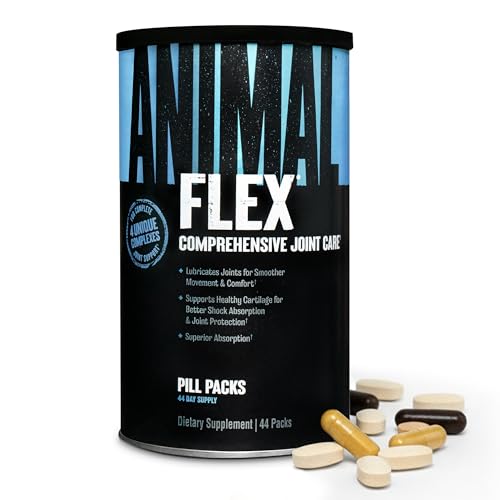
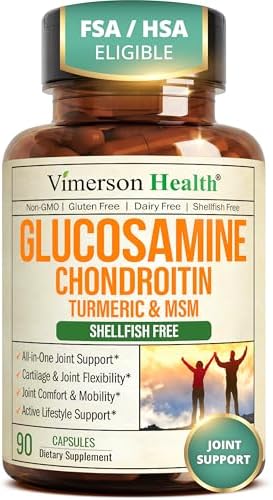
Best-selling Supplements for Tendon Repair





Article Sources
At AncientHerbsWisdom, our content relies on reputable sources, including peer-reviewed studies, to substantiate the information presented in our articles. Our primary objective is to ensure our content is thoroughly fact-checked, maintaining a commitment to accuracy, reliability, and trustworthiness.
- Sangiovanni, E., Brivio, P., Dell’Agli, M., & Calabrese, F. (2017). Botanicals as Modulators of Neuroplasticity: Focus on BDNF. Neural plasticity, 2017, 5965371. https://doi.org/10.1155/2017/5965371
- Miller, E., & Vitetta, L. (2019). The role of herbal medicine in tendon and ligament health. Journal of Herbal Medicine, 16, 100237. https://doi.org/10.1016/j.hermed.2019.100237
- Yuan, H., Ma, Q., Cui, H., et al. (2016). How can synergism of traditional medicines benefit from network pharmacology? Evidence-Based Complementary and Alternative Medicine, 2016, 4569485. https://doi.org/10.1155/2016/4569485
- Sethi, G., Ahn, K.S., & Aggarwal, B.B. (2008). Targeting nuclear factor-κB activation pathway by dietary agents for prevention and treatment of cancer. Journal of Nutrition, 138(11), 2334–2342. https://doi.org/10.1093/jn/138.11.2334
- Rasool, M., Varalakshmi, P. (2006). Immunomodulatory role of Astragalus membranaceus in health and disease. Indian Journal of Pharmacology, 38(6), 439–443. https://www.ijp-online.com/article.asp?issn=0253-7613;year=2006;volume=38;issue=6;spage=439;epage=443
- Bourke, M., et al. (2020). Medicinal mushrooms in regenerative medicine: An overview of Ganoderma lucidum. Frontiers in Pharmacology, 11, 580. https://doi.org/10.3389/fphar.2020.00580
- Kumar, S., et al. (2018). Role of Centella asiatica in wound healing and collagen synthesis: A review. Journal of Ethnopharmacology, 224, 157–167. https://doi.org/10.1016/j.jep.2018.05.017
- Lang, C., & Dräger, B. (2017). Silica and connective tissue: Biological relevance of horsetail (Equisetum arvense) in collagen formation. Phytotherapy Research, 31(7), 1027–1036. https://doi.org/10.1002/ptr.5795
- Gülçin, İ. (2011). Antioxidant activity of ginger (Zingiber officinale Roscoe) and its phenolic compounds. International Journal of Food Sciences and Nutrition, 62(7), 694–700. https://doi.org/10.3109/09637486.2011.552798
- Siddiqui, M.S., et al. (2016). Therapeutic potential of Boswellia serrata in inflammatory disorders. Phytotherapy Research, 30(7), 1058–1070. https://doi.org/10.1002/ptr.5556

- Phosphatidic Acid: Supporting Muscle Growth and Strength - July 31, 2026
- Ceramides: Supporting Healthy Skin From Within - July 31, 2026
- Synbiotics: Combining Prebiotics and Probiotics Together - July 31, 2026