
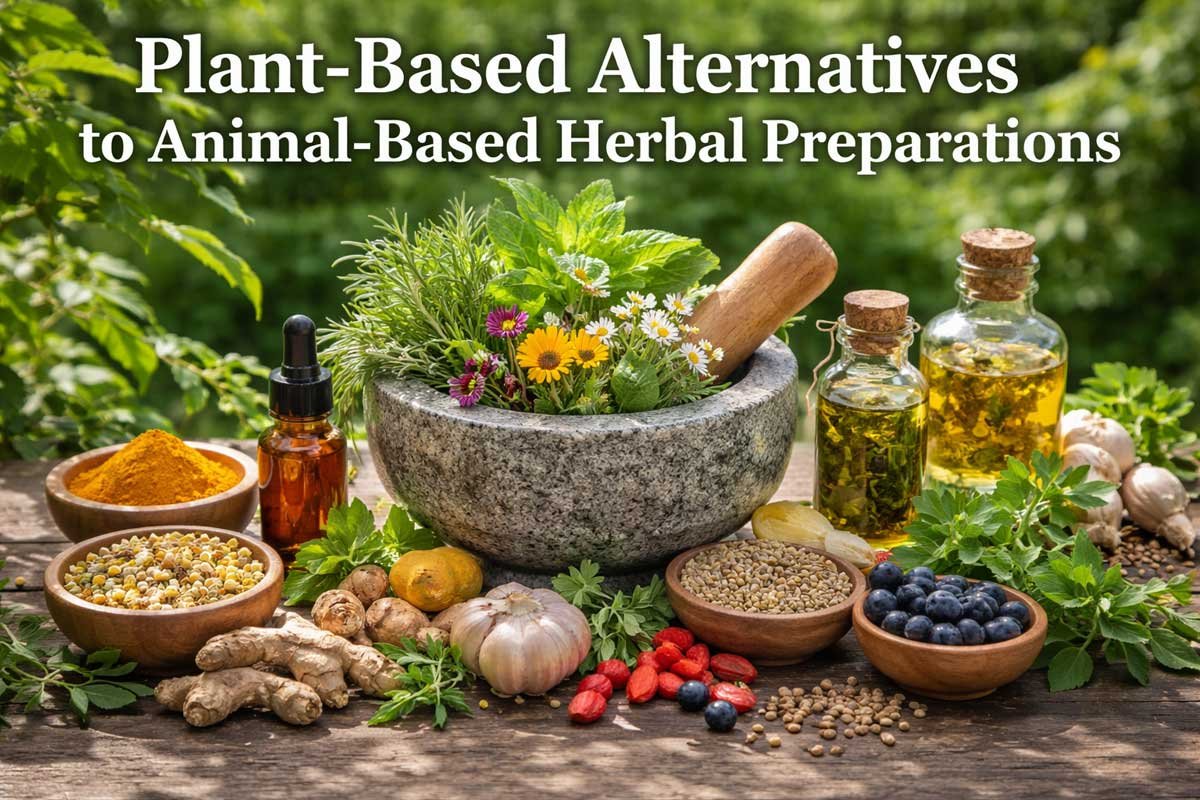
Rethinking Herbal Traditions for a Plant-Based World
Stepping into the world of plant‑based alternatives isn’t just about swapping ingredients. It’s a shift in how we think about herbal preparations that have been used for centuries. Traditional herbalism often conjures images of dried roots, fragrant teas, and tinctures. But in reality, many conventional herbal products also include animal‑based components, even when the primary focus is herbs and botanicals. Understanding this context helps you appreciate why plant‑based alternatives are gaining traction among people committed to vegan living and ethical sourcing.
Table of Contents

What Traditional Herbal Preparations Include
Herbal medicine is historically defined as the use of plants and plant extracts to support wellness and wellbeing. In practice, this spans teas, capsules, salves, and infusions made from botanical sources. Some traditions incorporate minerals and even animal‑derived substances alongside plants.
For example, in some herbal formulations you can find gelatin capsules—made by boiling animal bones and skin—used to encapsulate powdered herbs. Ingredients like lanolin, a waxy substance from sheep’s wool, are common in topical herbal creams. Beeswax and honey, often prized for their texture and purported benefits, also appear in herbal balms and salves. These ingredients serve functional purposes but are animal‑based and not plant‑based or vegan.

So while ‘herbal’ implies plant‑derived components, in many products the full ingredient list may include animal materials. This challenges the assumption that all herbal preparations are naturally aligned with a vegan or plant‑based lifestyle.
Why Plant‑Based Alternatives Matter
The rise of plant‑based alternatives to animal‑based herbal preparations reflects broader trends in consumer values. Many people choose vegan products to avoid contributing to animal exploitation beyond diet, extending into personal care and herbal wellness. Veganism and plant‑based lifestyles both prioritize reducing reliance on animals, though from slightly different angles—veganism emphasises ethical avoidance of all animal products, while plant‑based can be more flexible, sometimes focusing primarily on health and sustainability without the same ethical framing.
Practically, this means herbalists, formulators, and consumers are seeking alternatives to traditional excipients and carriers. For example:
- Capsules originally made from gelatin are replaced with plant‑derived alternatives like cellulose or pullulan capsules.
- Beeswax is swapped with plant waxes such as candelilla or carnauba wax in balms and ointments.
- Lanolin‑rich creams give way to shea and cocoa butters or plant oils for moisturizing bases.
These changes allow the same herbal actives or plant extracts to be delivered without animal‑based ingredients, aligning with vegan and plant‑based principles.
More Than a Label: Ethical and Practical Considerations
Understanding the differences between terms like vegan and plant‑based is part of this shift. A vegan label means no animal ingredients or testing methods were involved, linking directly to ethical concerns about animal welfare. Plant‑based usually emphasizes ingredient origin, with a focus on botanical components and often health or environmental motivations.
The movement towards plant‑based alternatives in herbal preparations isn’t purely ideological either. It intersects with sustainability and environmental concerns, as avoiding animal‑derived inputs also reduces pressure on animal agriculture and related environmental impacts. Although herbs are primarily plant materials, the wider supply chain—in which animal derivatives can hide in excipients or carriers—reveals the importance of mindful sourcing.
This rethinking doesn’t reject traditional herbal wisdom. Instead, it reimagines it for contemporary values and expectations: keeping the essence of botanical medicine while ensuring that the supporting components are consistent with plant‑based and vegan standards. In doing so, practitioners and consumers alike expand the relevance and accessibility of herbal preparations for a growing audience who want both efficacy and ethical alignment.
By focusing on plant‑based alternatives, you’re joining a wider shift—one that respects tradition while consciously choosing components that reflect modern values of sustainability, ethics, and inclusivity. This intersection of ancient practice and contemporary values is reshaping what herbalism means in the 21st century.
Exploring Plant‑Based Alternatives in Herbal Preparations
Herbal Gels, Creams, and Ointments Without Animal Inputs
When you look at many herbal topical preparations, it’s easy to think they’re purely plant‑centric. The truth is more nuanced. Many traditional balms, gels, and creams rely on animal‑derived binders and emollients to give them structure, feel, and stability. Beeswax and lanolin are classic examples of animal‑based ingredients that show up in herbal salves and ointments because they help thicken and moisturize formulations.
For someone committed to plant‑based alternatives, identifying and substituting these animal‑based materials changes how these products are formulated. Vegan herbalists and formulators use a growing array of plant‑derived components that mimic the functionality of traditional ingredients while aligning with ethical and botanical principles.
One of the most common animal‑derived ingredients in salves and balms is beeswax, which provides structure and a protective barrier. Fair replacements include candelilla wax and carnauba wax, both obtained from the leaves of specific plant species. These waxes offer structural integrity and surface feel similar to beeswax but without animal involvement.
Lanolin, a waxy substance from sheep’s wool, is prized for its moisturizing quality, but it is animal‑derived. Researchers studying plant‑based lanolin alternatives indicate that certain vegetable lanolin analogues—created from combinations of plant fatty acids and glycerides—show moisturizing and emulsifying properties close to traditional lanolin. These plant substitutes can be paired with rich botanical oils such as shea butter, coconut oil, or olive oil to produce creamy, nourishing bases for herbal balms that feel indulgent and effective without animal inputs.
Another plant‑based option that often appears in topical formulations is aloe vera gel. Aloe offers hydration and soothing properties while acting as a carrier for other herbal actives like calendula or chamomile. Aloe gel’s semi‑solid texture makes it a helpful base for light herbal ointments that need to be spreadable and gentle, without relying on animal‑derived thickeners.
Formulators also turn to plant gum and resin exudates—such as guar gum and xanthan gum—to stabilize creams and gels. These polysaccharide materials create viscosity and gel texture in ways that replace gelatin or animal‑based thickeners, especially in products seeking a truly natural and cruelty‑free label.
Crafting herbal gels and creams with plant‑based alternatives isn’t only about swapping ingredients. It’s about understanding how botanical carriers and plant waxes influence the delivery of herbal actives, skin feel, and user experience. When done thoughtfully, these vegan formulations often rival traditional versions in stability and sensory qualities, proving that ethical formulation doesn’t mean a compromise in quality.
Teas, Tinctures, and Decoctions Made Vegan
When it comes to herbal teas, tinctures, and decoctions, the plant‑based nature of the brew might seem obvious: you steep plant parts in water or solvent, and you get a botanical drink or extract. But beneath that simplicity, there are considerations about the solvents and additives used during processing that can affect whether a preparation aligns with rigorous plant‑based or vegan standards.
Traditional herbal teas are water infusions of dried roots, leaves, flowers, or barks. These are inherently plant‑based, but ethical interpretation requires you to look at how they are processed and packaged. Some commercial tea blends use natural flavorings or sweeteners derived from animal products such as honey powder or dairy‑derived flavor enhancers. Avoiding these ensures the final brew stays true to plant origins.
With tinctures, the choice of solvent is the primary concern. A tincture is typically made by extracting herb constituents using alcohol or glycerin. Both can be fully plant‑based. Alcohol in tinctures is usually derived from plant fermentation (e.g., grain, sugarcane), and plant‑based glycerin comes from vegetable oils. These carriers dissolve and preserve botanical actives effectively without using animal‑derived carriers, provided iodine‑clarified or animal‑sourced glycerin is avoided. Careful sourcing and certification help practitioners and consumers know whether the tincture is genuinely plant‑based.
The term decoction refers to boiling tougher plant materials—like bark and roots—to extract compounds in water. Decoctions are inherently plant‑based because they rely on heat and water interaction with plant matter. The only caveat arises when sweeteners or flavor‑enhancing additives are incorporated at the end of preparation: plant‑derived sweeteners like maple syrup or agave nectar maintain a plant‑based profile, while honey does not.
Practically, making teas, tinctures, and decoctions that are fully plant‑based is more about attention to all ingredients and processes than a fundamental change in technique. For many people committed to vegan herbal preparations, this means scrutinizing labels, choosing suppliers with explicit plant‑based certifications, and sometimes making preparations at home to control every ingredient. The result is a herbal extract or drink that feels both authentic and ethically aligned.
Capsules, Powders, and Supplements Without Animal‑Derived Fillers
Herbalists and supplement formulators often choose encapsulated herbs and powders for convenience and precise dosing. Here again, the assumption that all capsules are plant‑based can mislead. Traditional capsules are most often made from gelatin, a protein derived from boiling animal skins and bones. These gelatin capsules encase powdered herbs or nutraceuticals and have long been standard in supplement production because they are easy to produce and dissolve.
For those seeking plant‑based alternatives, the shift to capsules made from plant materials is fundamental. Two of the most common plant‑derived capsule types are pullulan and hydroxypropyl methylcellulose (HPMC). Pullulan is a polysaccharide produced through fermentation of starch by specific microbes and yields clear, stable capsules. HPMC, derived from plant cellulose, forms tough, moisture‑resistant shells suitable for a wide range of botanical powders.
Both pullulan and HPMC capsules are fully vegan and avoid animal‑derived gelatin. They also offer functional advantages: plant‑based capsules often dissolve predictably and are compatible with sensitive herbal extracts, including live cultures or antioxidants prone to oxidation. Pullulan capsules, in particular, provide a strong oxygen barrier, making them ideal for delicate herbal powders that could degrade when exposed to air.
Beyond the capsule shell, the other components in herbal supplements—like fillers, binders, and flow agents—matter for plant‑based integrity. Traditional fillers could include lactose or magnesium stearate derived from animal fats. Plant‑based formulations replace these with polysaccharides like rice or potato starch, pectin, and botanical gums. These alternatives help achieve consistent dosing and tablet integrity without animal ingredients.
In powders and standalone herbal supplements, plant‑based options are abundant. You can find moringa, turmeric, ashwagandha, ginger, and many other botanicals sold as pure powders without animal additives. Encapsulating these powders in plant‑based capsules maintains ethical alignment from herb to delivery.
Together, these plant‑based capsules and fillers form a delivery system that respects both the plant‑centric nature of the herbs themselves and the ethical commitments of people choosing vegan formulations. Whether local artisans are hand‑crafting formulas or large suppliers are meeting certification standards, the availability of plant‑based alternatives ensures you don’t have to compromise ethics for convenience in herbal supplementation.
Nutritional and Therapeutic Considerations in Plant‑Based Herbal Alternatives
When you commit to plant‑based alternatives in herbal preparations, the focus isn’t only on swapping ingredients. It’s also about understanding how those plant‑derived substances behave in the body, how they interact with each other, and how to use them safely. Herbal science isn’t simplistic; plant compounds follow complex biological patterns. This section examines key nutritional and therapeutic considerations—bioavailability, synergy, and safety—so you can make informed decisions about vegan herbal preparations.
Bioavailability and Efficacy of Plant‑Based Ingredients
Bioavailability describes how much of a compound your body can absorb and use after consumption. In herbal science, it’s an essential factor because many plant constituents—flavonoids, alkaloids, terpenes—vary widely in how well they are absorbed into circulation and reach target tissues. Simply put, even if an herb contains beneficial compounds, their effectiveness depends on how much of those compounds enter your system and in what form.
Plant‑based herbal extracts often include a complex mix of chemicals. Some are more soluble in water or alcohol than others, and these solubility differences influence uptake in the digestive tract. Modern pharmacokinetic research shows that various extracts are absorbed differently depending on factors such as molecular size, solubility, and interaction with transporters in the intestines.
Herbal bioavailability is also influenced by food matrix effects. For example, certain plant components co‑exist with natural compounds that enhance or inhibit absorption. Research on whole plant extracts highlights that isolated compounds often lose effectiveness when separated from their natural matrix because the complex interplay between constituents is lost. This is why extract standardization and preparation methods matter: two products labeled as the same herb can differ markedly in how the body handles their active constituents.
Bioavailability further hinges on how the preparation is made. Tea infusions, alcohol‑based tinctures, and encapsulated powders all deliver plant compounds differently because of how they influence solubility and degradation. Decoctions, for example, involve boiling roots or barks and may extract compounds less soluble at room temperature, while alcohol tinctures often pull out different constituents because of alcohol’s solvent properties. Each method shapes what ends up available for your body to use.
The practical takeaway is that simply having high levels of a compound in a plant doesn’t guarantee meaningful biological exposure. How that herb is prepared, extracted, and consumed will significantly influence whether it delivers what you expect based on traditional or marketed claims.
Synergy and Combinations in Vegan Herbal Preparations
Herbal preparations rarely rely on a single compound acting alone. Traditional systems of herbal medicine—Ayurveda, Traditional Chinese Medicine, and others—often use polyherbal formulations, where multiple plants are combined to enhance effects. This isn’t arbitrary; there is a biological basis for what scientists call synergy, where the combined impact of two or more plant compounds is greater than the sum of their individual effects.
Synergistic interactions occur in several ways. One common mechanism is when one plant’s constituents improve the absorption of compounds from another plant. Research indicates that co‑existing metabolites in extracts can enhance intestinal uptake by increasing solubility or modifying transporter mechanisms, effectively boosting bioavailability.
Another aspect of synergy lies in how different compounds target multiple biological pathways simultaneously. Many plant extracts contain a mix of flavonoids, phenolic acids, and other phytochemicals that can interact with various cellular processes. When these multi‑constituent extracts are combined, these interactions may lead to more robust physiological effects than any single compound might achieve alone.
A typical example in practice would be combining herbs with complementary profiles—one offering anti‑inflammatory compounds, another providing antioxidative flavonoids. In such cases, the overall action tends to be broader, acting on more than one pathway at once. This is why experienced herbalists often advocate for carefully balanced herbal mixtures rather than isolated compounds. The idea is not simply to stack herbs but to align their actions so that they support one another in a meaningful way.
It’s essential, however, to approach synergy with nuance. Not every combination yields positive interactions; some mixtures may dilute effects or even antagonize one another. High‑quality research, including pharmacological evaluations, is crucial to identifying which combinations reliably produce beneficial interactions.
Safety, Allergens, and Label Awareness
No matter how natural a plant is, it isn’t universally safe. The assumption that “plant‑based” automatically equals harmless is not supported by research. Plants produce chemical defenses that can be biologically active or toxic in certain contexts. Secondary metabolites—compounds evolved to deter herbivores or pathogens—can have potent effects in humans.
Safety concerns with herbal preparations extend beyond inherent plant chemistry. Contamination and inconsistency are real issues. Studies show that plant‑derived products can be affected by heavy metals, pesticide residues, microbial contamination, and adulterants unless strict quality control is applied. Inadequate regulation in many regions means that products marketed as supplements or herbal remedies don’t always undergo rigorous testing before reaching consumers.
Allergenicity is another important consideration. Just as some people react to foods like soy or nuts, plant extracts can trigger allergic responses. While plant‑based herbal supplements minimize exposure to some allergens found in animal products (like dairy proteins), they introduce their own potential triggers. Sensitive individuals should research ingredients carefully and consider consulting with a healthcare professional if they have known allergies.
Label transparency matters immensely. Because regulatory frameworks treat many herbal products as supplements rather than drugs, manufacturers are not always required to demonstrate efficacy or safety through clinical trials. This makes third‑party testing and clear labeling crucial tools for consumers aiming to assess the reliability of plant‑based herbal products.
Practical steps you can take include choosing products with standardized extract concentrations, seeking certifications for purity and vegan compliance, and avoiding undisclosed proprietary blends that give no specifics about ingredient amounts. Awareness of these factors helps ensure that your commitment to plant‑based alternatives also aligns with safety and reliability.
Living Fully Plant‑Based with Herbal Wellness
Adopting a plant-based herbal lifestyle isn’t just a dietary choice—it’s an approach that weaves ethical, environmental, and wellness considerations into daily routines. When you move from traditional herbalism toward fully plant-based alternatives, the goal is to maintain the richness and efficacy of herbal practices while eliminating animal-derived ingredients and prioritizing sustainability. This section explores how to integrate plant-based herbal practices, source herbs responsibly, and tailor a routine to your unique needs.
Everyday Herbal Practices with Plant-Based Preparations
Incorporating plant-based herbal preparations into your daily life can be surprisingly seamless. Whether you’re brewing a calming tea, applying a soothing balm, or taking encapsulated powders, these rituals can enhance both wellbeing and mindfulness.
Teas and Infusions are the most straightforward introduction to plant-based herbal wellness. Herbs like chamomile, peppermint, rooibos, and nettle provide comforting flavors and beneficial plant compounds without any animal-derived additives. You can experiment with blends, layering flavors and functional benefits—for example, combining peppermint and fennel for digestive support or chamomile with lemon balm for calming effects. Preparing these at home allows complete control over ingredients, ensuring they remain entirely plant-based.
Topical Applications like gels, salves, and creams can be incorporated into daily self-care routines. For instance, a shea butter–based calendula balm can be used after washing hands, applied to lips, or massaged into tense muscles. Plant-derived waxes such as candelilla or carnauba offer texture and stability, while botanical oils like jojoba or almond add hydration. These preparations make herbal wellness tangible and sensory, engaging touch, scent, and sight, creating moments of connection with plants every day.
Encapsulated Powders and Supplements provide a convenient way to integrate plant-based herbs for those with busy schedules. Ashwagandha, turmeric, moringa, and adaptogenic blends are available in plant-based capsules. These supplements ensure consistent dosing and allow you to benefit from complex botanical formulations without relying on gelatin or other animal-derived carriers. Combining capsules with teas or topical applications can create a holistic routine, covering multiple aspects of wellness simultaneously.
Ethical and Sustainable Sourcing
Living fully plant-based with herbal wellness extends beyond the products themselves; it encompasses the way herbs and botanical ingredients are cultivated, harvested, and processed. Ethical sourcing prioritizes minimizing harm to ecosystems, avoiding animal exploitation, and supporting responsible farming practices.
When selecting herbs, look for certifications and transparency in sourcing. Organic certification ensures the absence of synthetic pesticides, but plant-based herbalists may also seek suppliers practicing regenerative agriculture, which promotes soil health, biodiversity, and carbon sequestration. For example, sustainably harvested chamomile or turmeric not only maintains chemical integrity but also reduces environmental impact.
Wild-harvested herbs deserve careful consideration. Some species, if over-collected, risk ecological damage. Choosing suppliers who practice ethical wildcrafting ensures that plant populations remain healthy and ecosystems balanced. Additionally, local sourcing, when possible, reduces the carbon footprint associated with long-distance transport.
Sustainable packaging also plays a role in plant-based herbal wellness. Opting for reusable glass jars, compostable paper bags, or biodegradable capsules reflects the same ethos of reducing reliance on animal products and minimizing environmental harm. Paying attention to packaging materials reinforces the principle that plant-based living extends into every aspect of consumption, not just ingredient selection.
Personalizing a Plant-Based Herbal Routine
A plant-based herbal routine is not one-size-fits-all; it should reflect your personal health priorities, lifestyle, and preferences. Building a routine starts with identifying your wellness goals—whether supporting digestion, stress management, immunity, or skin health—and selecting herbs and preparations that align with those needs.
Start small, integrating one or two plant-based herbs at a time. For example, you might begin with a morning nettle infusion for minerals and a daily turmeric capsule for anti-inflammatory support. Observe how your body responds before adding more elements, allowing for adjustments and avoiding unnecessary combinations that could interfere with absorption or cause mild reactions.
Combination strategies are particularly useful in plant-based herbalism. Using synergistic blends, such as combining adaptogenic herbs with calming botanicals, can enhance effects while keeping the routine simple and manageable. A practical approach is to diversify forms—teas, tinctures, capsules, and topical applications—so that the routine engages multiple senses and maximizes both enjoyment and potential benefits.
Documentation and reflection help refine your routine over time. Keeping a simple journal of preparations used, frequency, and observed effects allows you to personalize the regimen effectively. This practice ensures that plant-based herbal wellness is not just a philosophy but a living, adaptive approach that responds to your changing needs, lifestyle, and seasonal considerations.
By integrating plant-based preparations thoughtfully, sourcing ingredients ethically, and tailoring routines to personal needs, a fully plant-based herbal lifestyle becomes practical, sustainable, and deeply satisfying. This approach respects both the wisdom of traditional herbal practices and the modern commitment to ethical, conscious living.
Embracing a Plant-Powered Herbal Lifestyle
Living a fully plant-powered herbal lifestyle is more than just a commitment to vegan or plant-based products—it’s an invitation to engage with herbs and botanical wisdom in a conscious, ethical, and practical way. It’s about aligning daily routines with values that honor both personal wellness and the planet, while keeping herbal practices accessible, effective, and enjoyable.
At its core, this lifestyle emphasizes intentionality. Choosing plant-based alternatives in herbal preparations isn’t a superficial swap; it reflects a deeper awareness of the sources, methods, and impacts of the products you use. Whether it’s selecting a cream made with candelilla wax instead of beeswax, brewing teas without honey, or taking adaptogenic powders in plant-derived capsules, every decision reinforces a commitment to sustainability, ethics, and personal health. This mindful approach extends beyond ingredients to how you interact with herbs: respecting their potency, understanding their preparation, and observing how they influence your body over time.
A plant-powered herbal lifestyle also encourages experimentation and education. Engaging with herbs in multiple forms—teas, tinctures, capsules, topical preparations—allows you to discover what works best for your unique physiology and preferences. You may find that a morning nettle infusion provides gentle nourishment, while a late-evening chamomile and lemon balm tea offers calming ritual. Plant-based topical balms can provide tactile enjoyment and subtle therapeutic support, reminding you that wellness is a sensory experience as much as a nutritional or physiological one.
Ethical sourcing and sustainability remain central. Choosing herbs harvested through regenerative farming, ethically wildcrafted, or sourced from local producers reduces environmental impact and supports ecosystems. This consciousness also extends to packaging and manufacturing practices, favoring biodegradable, recyclable, or reusable materials. By integrating these considerations into your lifestyle, plant-powered herbalism becomes a practice that values both human and environmental health.
Community and knowledge-sharing enhance this lifestyle. Engaging with herbalists, plant-based wellness groups, or educational resources helps you refine your routine and learn about innovative plant-based alternatives. Over time, you develop a nuanced understanding of herb synergy, seasonal variations, and preparation techniques that maximize benefits while adhering to plant-based principles. This shared knowledge fosters a sense of connection—both to the plants themselves and to others who prioritize conscious, ethical living.
Finally, embracing a plant-powered herbal lifestyle is about personal empowerment. By choosing plant-based alternatives, you assert agency over what you consume and apply to your body. It encourages thoughtful exploration, adaptation, and refinement of herbal practices to suit your needs, while maintaining alignment with your values. The lifestyle is flexible, responsive, and deeply personal, yet rooted in principles that prioritize ethics, sustainability, and efficacy.
Plant-powered herbalism blends tradition with conscious modern living. It allows you to engage fully with the richness of herbs, adapt practices for your personal and ethical priorities, and create a lifestyle that honors both your wellbeing and the natural world. By making intentional choices, experimenting with preparations, and sourcing responsibly, you transform everyday herbal routines into a sustainable, ethical, and empowering practice.
Best-selling Vegan Products


Article Sources
At AncientHerbsWisdom, our content relies on reputable sources, including peer-reviewed studies, to substantiate the information presented in our articles. Our primary objective is to ensure our content is thoroughly fact-checked, maintaining a commitment to accuracy, reliability, and trustworthiness.
- Clementine Suds. (2023). Vegan skincare ingredients to look out for. https://www.clementinesuds.com/blogs/news/vegan-skincare-ingredients-to-look-out-for
- Fevour Cosmetics. (2023). Plant-based alternatives to animal-derived ingredients in cosmetics. https://fevourcosmetics.com/ingredients-safety/cruelty-free-vegan-products/plant-based-alternatives-to-animal-derived-ingredients-in-cosmetics/
- GFACEMD. (2022). Cosmetic animal products and their vegan alternatives: A comprehensive guide. https://gfacemd.com/cosmetic-animal-products-and-their-vegan-alternatives-a-comprehensive-guide/
- Herbal Academy. (2023). Vegan herbalism: A practical guide. https://theherbalacademy.com/blog/vegan-herbalism/
- Iris Garden. (2023). Plant-based skincare 101: Start your routine. https://irisgarden.lk/plant-based-skincare-101-start-your-routine/
- Knowde. (2023). Raw material origin: Animal origin products in supplements. https://www.knowde.com/b/technologies-pharmaceuticals-nutraceuticals/excipients/f/f_raw-material-origin-animal-origin/products
- NV Gel. (2023). Vegan empty capsules: A guide. https://www.nvgel.com/vegan-empty-capsules/
- PubMed. (2023). Bioavailability of herbal compounds: Implications for efficacy. https://pubmed.ncbi.nlm.nih.gov/40481630/
- PubMed. (2020). Bioavailability and absorption of plant extracts: Molecular insights. https://pubmed.ncbi.nlm.nih.gov/32028739/
- PubMed. (2013). Synergy in herbal medicine: Mechanisms and evidence. https://pubmed.ncbi.nlm.nih.gov/24177191/
- ScienceDirect. (2022). Herbal preparations: Pharmacokinetic considerations and bioavailability. https://www.sciencedirect.com/science/article/pii/S0367326X2200140X
- ScienceDirect. (2020). Natural products: Safety, efficacy, and potential toxicity. https://www.sciencedirect.com/science/article/pii/S0254629920309716
- MDPI. (2020). Synergistic interactions in polyherbal formulations. https://www.mdpi.com/1999-4923/12/2/128
- The ASPD. (2020). Regulation and safety of herbal supplements. https://theaspd.com/index.php/ijes/article/download/381/340
- Green Sky Bio. (2022). Allergens in plant-based dietary supplements. https://www.greenskybio.com/plant_extract/are-dietary-supplements-containing-plant-extracts-784.html
- Vegans Society. (2023). Practical considerations: Vegan-friendly medicines. https://www.vegansociety.com/news/blog/practical-considerations-vegan-friendly-medicines
- Products PCC. (2023). Recognizing vegetarian and vegan cosmetic products. https://www.products.pcc.eu/en/blog/vegan-and-vegetarian-how-can-we-recognise-a-vegetarian-or-vegan-cosmetic-product/
- Wikipedia. (2023). Herbal medicine. https://en.wikipedia.org/wiki/Herbal_medicine

- Phosphatidic Acid: Supporting Muscle Growth and Strength - July 31, 2026
- Ceramides: Supporting Healthy Skin From Within - July 31, 2026
- Synbiotics: Combining Prebiotics and Probiotics Together - July 31, 2026