
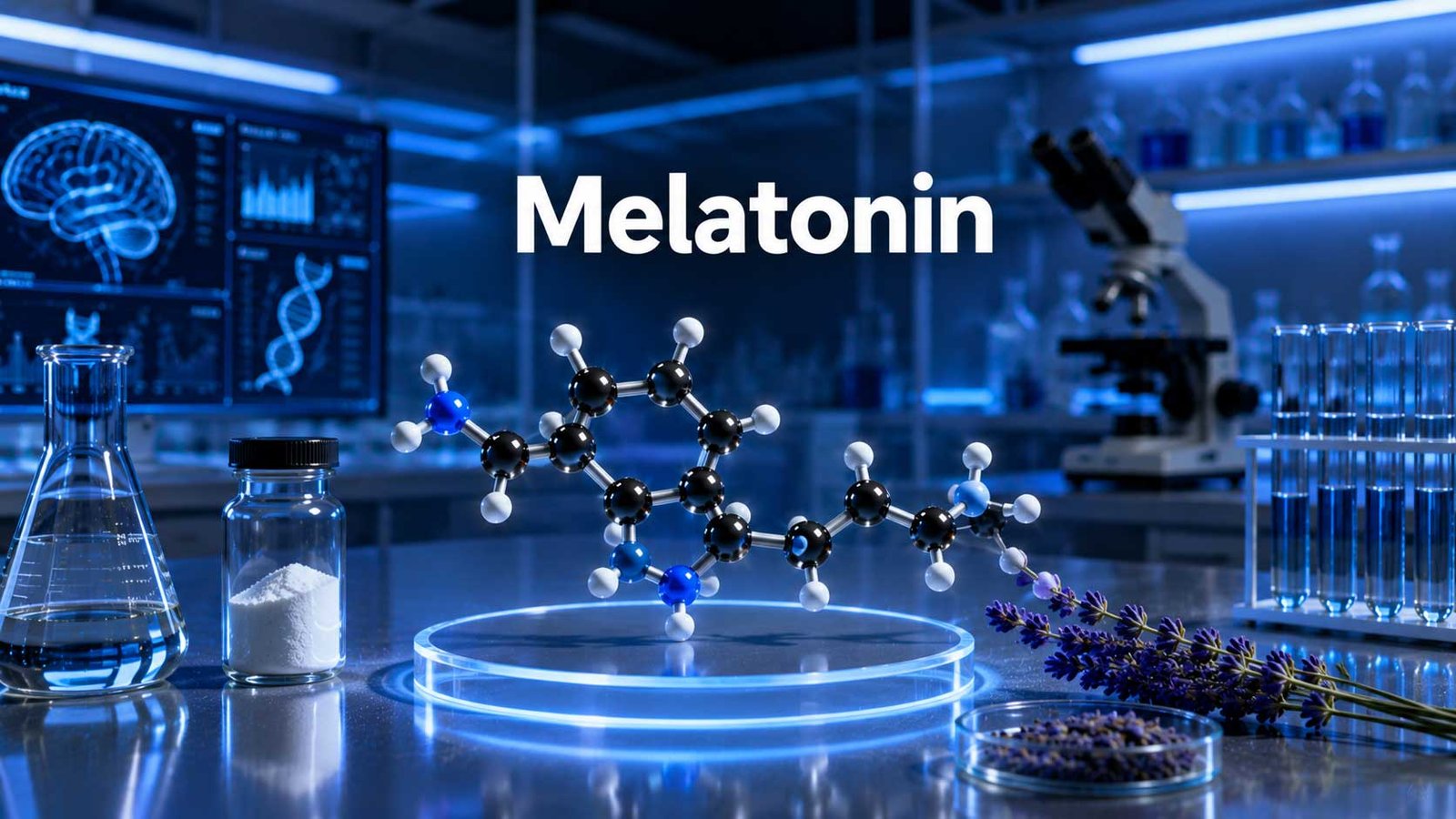
The Tiny Hormone Running Your Bedtime Routine
There’s a moment every evening, right around dusk, when something in your brain quietly flips a switch. The room dims, your eyelids get heavy, and without you doing a single thing on purpose, your body starts winding down for sleep. That switch has a name: melatonin. And after spending years reading through sleep research, fielding questions from friends who swear by their gummies, and watching this little hormone become a multi-billion-dollar supplement category, I’ve come to think most people know shockingly little about what melatonin actually does.
Here’s the short version. Melatonin is a hormone produced mainly by the pineal gland, a pea-sized structure tucked deep in the brain. It doesn’t knock you out like a sedative. It doesn’t force sleep on you the way alcohol or a sleeping pill might. Instead, it acts more like a timekeeper, whispering to your body that night has arrived and it’s time to prepare for rest. Light is the main cue that controls this. When your eyes register darkness, melatonin production ramps up. When morning light hits your retina, production drops off. This is your circadian rhythm at work, and melatonin is one of its most important messengers.
Table of Contents

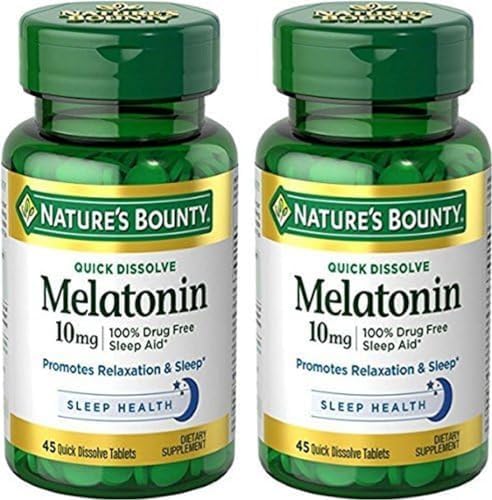

What’s interesting is how differently people talk about melatonin depending on who you ask. Walk into a pharmacy and you’ll see it stacked next to vitamins, sold in gummies, tablets, sprays, and even patches, marketed as a harmless natural sleep aid you can take every night without a second thought. Ask a sleep physician, though, and you’ll often get a more measured answer. It’s not that melatonin is dangerous in typical doses. It’s that the hormone’s role is more nuanced than “take it and sleep better,” and dosing, timing, and expectations matter more than the marketing suggests.

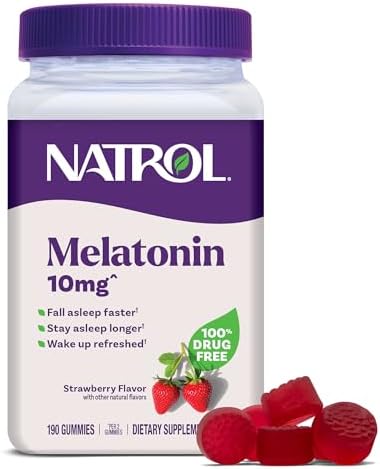
I remember a friend telling me she’d started taking 10 milligrams of melatonin every night because “more is more” when it comes to sleep. That’s actually backwards. Melatonin doesn’t work like a typical sedative where higher doses mean deeper effects. In fact, doses far above what your body naturally produces can sometimes work against you, leaving you groggy the next morning or, over time, potentially blunting your body’s own rhythm. We’ll get into the details of dosing later, but I bring this up now because so much of the public conversation around melatonin skips over the fact that this is a hormone, not candy, even though it’s sold that way.
There’s also a generational angle worth mentioning. Melatonin production naturally declines as we age. Children and teenagers typically produce plenty of it on their own, while older adults often see a noticeable drop, which is part of why sleep tends to get lighter and more fragmented later in life. This is one of the reasons melatonin supplementation has become especially popular among older populations, even though, as you’ll see, the evidence for how well it works isn’t always as strong as people assume.
What I find genuinely compelling about melatonin, beyond the sleep angle, is that its reach extends well past the bedroom. Researchers have been investigating its antioxidant properties, its interaction with the immune system, and its potential role in everything from jet lag to certain inflammatory conditions. It’s a hormone that touches far more of human physiology than most people realize, and that complexity is exactly why it deserves a closer look rather than a quick glance at the supplement aisle.
So where does that leave someone who just wants to sleep better tonight? Somewhere in the middle, honestly. Melatonin is not a miracle, and it’s not snake oil either. It’s a real physiological signal your body already makes, one that can be nudged, supported through diet, or supplemented carefully when circumstances call for it, like adjusting to a new time zone or dealing with a temporarily disrupted schedule. The trick is understanding what it can realistically do, what it can’t, and how to use it in a way that respects the fact that you’re working with your endocrine system, not just popping a vitamin.
Over the next several sections, I want to walk through what the research actually says about melatonin’s benefits, where you can find it naturally in food, how much of it you actually need, and what happens when things go sideways, whether that’s a child getting into a bottle of gummies or an adult chasing an ever-higher dose hoping for better results. My goal isn’t to tell you melatonin is either a cure-all or a scam. It’s to give you the kind of grounded, evidence-based picture that lets you make your own informed call about whether, and how, it fits into your life.
Sleep is one of those things everyone struggles with at some point, whether it’s from stress, travel, screens, or just a mind that won’t quiet down. Melatonin sits right at the intersection of biology and lifestyle, which is exactly why it’s worth understanding properly rather than treating it as just another bottle on the shelf.
Key Health Benefits
Sleep Onset and Circadian Regulation
The benefit melatonin is best known for is, unsurprisingly, sleep. But the way it helps isn’t quite what most people expect. Rather than sedating you, melatonin signals timing. It tells your body “night has started,” which helps align your internal clock with the external environment. This is why melatonin tends to shine brightest for problems related to timing, like jet lag or shift work, rather than as a general-purpose sleep aid for every kind of insomnia.
A widely cited meta-analysis published in PLOS ONE pooled data from multiple randomized trials and found that melatonin significantly reduced the time it took people to fall asleep, with sleep latency dropping by roughly seven minutes on average compared to placebo. The same analysis also found a modest increase in total sleep time, with people getting about eight minutes more sleep on average than those taking a placebo. These numbers might sound small, and honestly, they are modest. But the researchers noted that melatonin’s benefits appear smaller than those of prescription sleep medications, though its side-effect profile, cost, and low risk of dependence make it a reasonable option to consider in clinical practice.
More recent research paints a similarly nuanced picture. A systematic review looking specifically at chronic insomnia found melatonin produced a moderate increase in total sleep time of about 30 minutes and a moderate reduction in sleep onset latency of about 18 minutes when measured through sleep diaries. Interestingly, though, when the researchers broke results down by age group, melatonin was only significantly effective for sleep onset latency and total sleep time in children and adolescents, not in adults. That’s a detail that rarely makes it into supplement marketing, but it matters. If you’re an adult reaching for melatonin hoping for dramatic insomnia relief, the honest answer is that the evidence is more mixed than you’d think.
Jet Lag and Shift Work
This is where melatonin genuinely earns its reputation. Because jet lag is fundamentally a problem of circadian misalignment, giving your body a well-timed dose of the same hormone it uses to signal “nighttime” can help reset your internal clock faster when you cross time zones. This is one of melatonin’s most consistently supported uses, and it’s a good example of using the hormone for what it’s actually designed to do: shift timing, not force unconsciousness.
Antioxidant and Anti-Inflammatory Activity
Beyond sleep, melatonin has a surprisingly active role as an antioxidant. A comprehensive review published in the journal Nutrients described how, beyond its role in regulating circadian rhythms and sleep-wake patterns, melatonin has drawn considerable research attention for its involvement in disease management, with laboratory and clinical research pointing to anti-inflammatory and antioxidant activity, immune modulation, and even interest in cardiovascular and metabolic health. I want to be careful here, because a lot of these findings come from preliminary or lab-based research rather than large human trials, so it’s more accurate to say melatonin shows promise in these areas rather than claiming it’s a proven treatment for any of them.
Perioperative and Anxiety-Related Uses
One area that surprised me when I first came across it is melatonin’s use around surgery. A review on anesthesia and melatonin noted that surgery and anesthesia can disrupt the body’s normal melatonin secretion, contributing to postoperative sleep disturbances and neurocognitive issues, and that administering melatonin around the time of surgery has been explored for easing anxiety, reducing pain, and improving perioperative sleep quality. This isn’t something you’d try on your own, obviously, but it illustrates just how broad melatonin’s physiological footprint really is.
Where the Evidence Gets Thinner
Not every claim about melatonin holds up equally well. Research into its use for conditions like Alzheimer’s disease, for instance, remains genuinely mixed. One literature review concluded there was a potential favorable effect of melatonin for mild to moderate Alzheimer’s disease, but limited evidence supporting its use for moderate to severe cases, and even flagged that higher doses around 10 milligrams were associated with adverse effects like slowed reaction time, sedation, and confusion in this population. That’s a useful reminder that “natural” doesn’t automatically mean risk-free, especially in more vulnerable groups.


Dietary Sources
Melatonin Isn’t Just a Supplement
One thing that tends to surprise people is that melatonin isn’t exclusively something you take as a pill. It occurs naturally, in small amounts, throughout a surprisingly wide range of foods. Plants, fungi, and animal-derived foods all contain measurable melatonin, though the amounts vary enormously depending on the species and, honestly, on how the food was grown or processed.
A frequently referenced review in the journal Nutrients mapped out where melatonin shows up across the food supply and found that melatonin content differs enormously between food species, with notably higher concentrations found in nuts and certain medicinal herbs. The same review noted that, among whole food categories, eggs and fish tend to be the higher melatonin-containing options among animal foods, while among plant foods, nuts stand out as having the highest content, with mushrooms, cereals, and germinated legumes or seeds also serving as decent dietary sources.
Nuts, Especially Pistachios and Walnuts
If you’re looking to nudge your evening routine in a melatonin-friendly direction through food, nuts are a solid place to start. Pistachios in particular have been measured with notably high melatonin content compared to most other commonly eaten foods. Walnuts are another reliable source, and they bring along a nice bonus of omega-3 fatty acids, which support overall brain health independent of any melatonin effect. That said, processing matters. Roasting appears to reduce melatonin content in walnuts more than it does in pistachios, so if you’re specifically chasing the melatonin angle, raw or lightly processed nuts are the better bet.
Tart Cherries
Tart cherries, particularly the Montmorency variety, are probably the most studied fruit source of melatonin, and for good reason. Research measuring melatonin concentrations across fruit varieties has found meaningful levels in tart cherries, and a number of small human studies have looked at whether drinking tart cherry juice can meaningfully raise circulating melatonin and improve sleep outcomes. Some studies have reported modest improvements in sleep duration or quality with tart cherry consumption, though as with most food-based interventions, the effects tend to be gentler and slower than a concentrated supplement.
Tomatoes, Peppers, and Other Vegetables
Vegetables aren’t left out of the picture either. A detailed analysis of melatonin across food sources found that tomatoes and peppers were among the most studied vegetables and showed relatively high melatonin concentrations compared to other vegetables tested, while the same research noted melatonin remains undetectable in potatoes and is present only at very low levels in beetroots. This variation is a good reminder that you can’t assume all vegetables are equal sources just because they’re plants; the melatonin content genuinely depends on the specific food.
Eggs, Fish, and Milk
Among animal-based foods, eggs and fatty fish tend to rank as relatively strong sources. There’s also a long-standing folk wisdom around warm milk before bed, and it turns out there’s a bit of biological logic behind it. Milk naturally contains some melatonin, and it’s also a source of tryptophan, the amino acid your body uses as a building block to eventually produce both serotonin and melatonin. It’s not a guaranteed sleep switch, but it’s not just an old wives’ tale either.
Should You Rely on Food Alone?
Here’s the honest, slightly deflating truth: the amount of melatonin in food is measured in nanograms, while the doses used in most supplement studies are measured in milligrams, which are a million times larger. Realistically, you are not going to eat your way to supplement-level melatonin doses. What food-based melatonin likely does is support your body’s overall circadian environment in a gentler, more gradual way, working alongside good light exposure habits and a consistent sleep schedule rather than replacing them. If you’re dealing with a specific, temporary problem like jet lag, a targeted supplement is going to do far more than a bowl of walnuts. But as a general lifestyle habit, leaning into melatonin-containing foods as part of an overall sleep-friendly evening routine is a genuinely reasonable, low-risk strategy.
Dosage & Deficiency
There’s No Official Recommended Amount
This is probably the single most misunderstood part of melatonin use. Unlike vitamins or minerals, there is no established Recommended Dietary Allowance for melatonin, and that’s not an oversight, it’s because melatonin isn’t classified or regulated the same way. In the United States, it’s sold as a dietary supplement rather than a drug, which means the FDA doesn’t set standardized dosing the way it would for an approved medication.
According to a detailed clinical reference on melatonin, effective dosing isn’t well defined precisely because the FDA doesn’t regulate melatonin as a drug, and dosages used across studies have ranged anywhere from 0.1 milligrams to 10 milligrams, typically taken up to two hours before bedtime, with no clearly established maximum dose in trials. That’s a wide range, and it reflects genuine uncertainty in the field rather than sloppy science.
Lower Doses Often Work Just as Well, or Better
Something I find myself repeating to people who ask about melatonin is that more is rarely better here. In fact, plenty of research suggests the opposite. Lower doses, sometimes as small as half a milligram, can be just as effective for shifting sleep timing as much larger doses, and they come with a lower risk of next-day grogginess. This runs counter to how most people shop for supplements, where the instinct is often to grab the highest milligram count on the shelf.
For older adults specifically, dosing deserves even more care. A systematic review focused on this population, published in the journal Drugs & Aging, examined optimal melatonin dosing and found that lower doses tend to be preferable for restoring more natural melatonin patterns in older adults, since aging is already associated with reduced natural melatonin secretion, and adding excessive exogenous amounts doesn’t necessarily translate to better outcomes.
What Deficiency Actually Looks Like
True clinical “melatonin deficiency” isn’t a commonly diagnosed condition the way, say, iron deficiency is, but there are populations where naturally low melatonin production is well documented. Aging is the most consistent example. As people move into their sixties, seventies, and beyond, pineal gland output of melatonin tends to decline, which partly explains why older adults often report lighter, more fragmented sleep. Certain medications, chronic light exposure at night (hello, phones in bed), and some medical conditions can also suppress natural melatonin production.
It’s worth noting that low melatonin doesn’t always translate into a problem that needs a supplement fix. Sleep is influenced by dozens of factors, including stress, caffeine timing, alcohol, room temperature, and underlying health conditions. Melatonin supplementation tends to help most when the issue is specifically about circadian timing being off, rather than general difficulty sleeping for other reasons.
Practical Guidance on Timing and Amount
If you’re going to try melatonin, timing matters just as much as the dose. Taking it too close to your desired bedtime, or worse, in the middle of the night when you wake up, can shift your circadian rhythm in the wrong direction rather than helping it. Most research protocols use timing somewhere between 30 minutes and two hours before the target sleep time. Starting with a low dose and giving your body time to respond before increasing it tends to be a far more sensible approach than jumping straight to a high-milligram gummy because it happened to be what was on the shelf.
Toxicity & Risks
The General Safety Profile
For most healthy adults, short-term melatonin use appears to carry a relatively low risk profile. According to the National Center for Complementary and Integrative Health, short-term use of melatonin supplements appears to be safe for most people, though there isn’t yet enough information about the long-term safety of ongoing melatonin use to have a complete picture. The same source cautions that people taking other medications should consult their healthcare provider before using melatonin, with particular caution advised for those with epilepsy or those taking blood thinners, and notes there’s a possibility of allergic reactions along with a lack of research on melatonin use during pregnancy or breastfeeding.
Common, mild side effects that show up across the research include headache, daytime drowsiness, dizziness, and occasionally digestive upset. Most of these tend to resolve on their own and are generally more likely at higher doses or when melatonin is taken at the wrong time of day.
Interactions and Special Populations
Certain groups need to be more cautious. People with kidney impairment, for example, may have trouble clearing melatonin from their system efficiently, which can raise the risk of adverse effects. There’s also specific caution around pediatric use; melatonin production in the body typically begins around three months of age, and supplementing infants can push melatonin levels well above what the body would naturally produce, meaning the fact that it’s “natural” doesn’t automatically make added doses appropriate for very young children. Clinicians generally advise against assuming safety for this age group simply because melatonin is an endogenous hormone.
The Rise in Pediatric Ingestions
This is the part of the melatonin conversation that genuinely deserves more attention than it gets, especially now that melatonin gummies are sold in bright, candy-like packaging. A CDC report analyzing a decade of poison control data found that 260,435 pediatric melatonin ingestions were reported to the National Poison Data System between 2012 and 2021, with the annual number of ingestions increasing by 530 percent over that period, and by 2021, pediatric melatonin ingestions accounted for nearly 5 percent of all pediatric ingestion calls compared to just 0.6 percent a decade earlier. The same report noted that pediatric hospitalizations and more serious outcomes from melatonin ingestion increased over the study period, largely tied to a rise in unintentional ingestions among children five and younger, with five children requiring mechanical ventilation and two deaths recorded.
A follow-up analysis looking at emergency department visits specifically found that this overall rise coincided with a 530 percent increase in poison center calls for pediatric melatonin exposures from 2012 to 2021, alongside a 420 percent increase in emergency department visits for unsupervised melatonin ingestion by infants and young children between 2009 and 2020, and that a solid dosage form, meaning tablets or gummies rather than liquid, was involved in the vast majority of these emergency department visits among children five and under. To be fair, most of these ingestions were not medically serious. But the sheer scale of the increase is a genuine public health signal, not a footnote, and it’s a direct consequence of melatonin being sold, marketed, and packaged more like candy than like a hormone supplement.
The practical takeaway here isn’t complicated: if there’s melatonin in your house, especially in gummy form, it needs to be stored the same way you’d store any medication, out of reach and out of sight of small children, in a container that isn’t designed to look appealing to a curious four-year-old.
High-Dose Use and What We Still Don’t Know
On the other end of the spectrum, there’s emerging research into much higher melatonin doses, sometimes in the range of tens of milligrams, used in specific clinical contexts for older adults with complex sleep disturbances. Early findings suggest these higher doses can be tolerated with relatively few and generally mild adverse effects in supervised settings. But this kind of dosing is a world away from casually taking a 10-milligram gummy every night without medical guidance, and it shouldn’t be read as an endorsement of high-dose self-supplementation. The gap between “tolerated under clinical supervision in a specific population” and “safe for everyone to self-administer long term” is a big one, and it’s a distinction that tends to get lost in supplement marketing.
The bigger honest answer, and I think this needs to be said plainly, is that we simply don’t have great long-term data on what years of nightly melatonin supplementation does to a person’s own hormone production or broader endocrine function. That’s not meant to scare anyone away from occasional or short-term use. It’s meant to encourage a bit more respect for what melatonin actually is: a hormone, not a vitamin, and one worth using thoughtfully rather than reflexively.
Rethinking the Nightcap Habit
If there’s one thing I hope sticks after all of this, it’s that melatonin deserves more nuance than either the glowing supplement aisle marketing or the dismissive “it’s just placebo” crowd tends to give it. It’s a real hormone, doing real work every single night, whether or not you ever take a supplement version of it. Understanding that distinction changes how you think about using it.
The research paints a picture of something genuinely useful for specific problems, like resetting your clock after crossing time zones or nudging sleep timing in the right direction, and considerably less impressive as a blanket fix for chronic adult insomnia. That’s not a knock against melatonin. It’s just a more accurate expectation than what gets promised on the label. Pairing it with decent sleep hygiene, consistent light exposure, and a wind-down routine will always outperform relying on a supplement in isolation.
Food sources are a nice, low-stakes way to support your circadian rhythm gently over time, even if you’ll never get supplement-level doses from a handful of walnuts or a plate of tomatoes. And when it comes to actual supplementation, less truly tends to be more. Lower doses, taken at the right time, generally outperform megadoses taken carelessly.
The one area where I’d genuinely urge caution, more than any other, is storage and awareness around children. The numbers on pediatric ingestion aren’t small, and they’re not slowing down. If melatonin lives in your home, treat it like the hormone it is, not like a vitamin gummy left out on the counter.
Ultimately, melatonin is a tool, not a cure. Used with a bit of knowledge about timing, dose, and realistic expectations, it can genuinely help in the right circumstances. Used carelessly, it’s easy to either underwhelm yourself or, worse, create a false sense of security about how “natural” and risk-free it is. Somewhere between those two extremes is where the real value lies, and that’s exactly where I’d encourage anyone curious about melatonin to start.
Article Sources
At AncientHerbsWisdom, our content relies on reputable sources, including peer-reviewed studies, to substantiate the information presented in our articles. Our primary objective is to ensure our content is thoroughly fact-checked, maintaining a commitment to accuracy, reliability, and trustworthiness.
- Meng, X., Li, Y., Li, S., Zhou, Y., Gan, R.-Y., Xu, D.-P., & Li, H.-B. (2017). Dietary sources and bioactivities of melatonin. Nutrients, 9(4), 367. https://doi.org/10.3390/nu9040367
- National Center for Complementary and Integrative Health. (2022). Melatonin: What you need to know. https://www.nccih.nih.gov/health/melatonin-what-you-need-to-know
- Ferracioli-Oda, E., Qawasmi, A., & Bloch, M. H. (2013). Meta-analysis: Melatonin for the treatment of primary sleep disorders. PLOS ONE, 8(5), e63773. https://doi.org/10.1371/journal.pone.0063773
- Salanitro, M., Wrigley, T., Ghabra, H., de Haan, E., Hill, C. M., Solmi, M., & Cortese, S. (2022). Efficacy on sleep parameters and tolerability of melatonin in individuals with sleep or mental disorders: A systematic review and meta-analysis. Neuroscience & Biobehavioral Reviews, 139, 104723. https://www.sciencedirect.com/science/article/pii/S0149763422002123
- Vural, E. M., van Munster, B. C., & de Rooij, S. E. (2014). Optimal dosages for melatonin supplementation therapy in older adults: A systematic review of current literature. Drugs & Aging, 31(6), 441–451. https://pubmed.ncbi.nlm.nih.gov/24802882/
- Lelak, K., Vohra, V., Neuman, M. I., Toce, M. S., & Sethuraman, U. (2022). Pediatric melatonin ingestions—United States, 2012–2021. MMWR Morbidity and Mortality Weekly Report, 71(22), 725–729. https://www.cdc.gov/mmwr/volumes/71/wr/mm7122a1.htm
- Centers for Disease Control and Prevention. (2024). Notes from the field: Emergency department visits for unsupervised pediatric melatonin ingestion—United States, 2019–2022. MMWR Morbidity and Mortality Weekly Report, 73(9), 215–217. https://www.cdc.gov/mmwr/volumes/73/wr/pdfs/mm7309a5-H.pdf
- Savage, R. A., Zafar, N., Yohannan, S., & Miller, J.-M. M. (2024). Melatonin. In StatPearls. StatPearls Publishing. https://www.ncbi.nlm.nih.gov/books/NBK534823/
- Guo, R., Ye, J., Liao, B., Luo, X., & Rao, P. (2023). The relationship between anesthesia and melatonin: A review. Frontiers in Pharmacology, 14, 1255752. https://doi.org/10.3389/fphar.2023.1255752
- Chen, S. Y., Khan, F., Talib, S., & Toft, S. (2024). Review of melatonin’s effectiveness and the side effects on Alzheimer’s disease. BJPsych Open, 10(Suppl 1), S1-S2. https://doi.org/10.1192/bjo.2024.78

- Phosphatidic Acid: Supporting Muscle Growth and Strength - July 31, 2026
- Ceramides: Supporting Healthy Skin From Within - July 31, 2026
- Synbiotics: Combining Prebiotics and Probiotics Together - July 31, 2026