

The B Vitamin Your Mitochondria Have Been Quietly Waiting For
Instead of talking about “Nicotinamide Riboside” most people jump straight to talking about NAD+ itself, the molecule everyone in the longevity world can’t stop mentioning. But Nicotinamide Riboside is really where the conversation should start, because it’s one of the raw materials your body actually uses to build NAD+ in the first place. Skip the precursor, and you’re just talking about a finish line with no road leading to it.
Here’s the short version, and then we’ll get into the long version. Nicotinamide Riboside, often shortened to Nicotinamide Riboside, is a naturally occurring form of vitamin B3. It sits in the same family as niacin and nicotinamide, but it takes a more direct path into your cells and into the NAD+ pool that every single cell in your body depends on. NAD+, or nicotinamide adenine dinucleotide, is a coenzyme, meaning it’s not doing the heavy lifting itself so much as it’s making hundreds of other reactions possible. Without it, mitochondria can’t efficiently turn food into usable energy, DNA repair enzymes stall out, and cellular communication gets sloppy.
Table of Contents
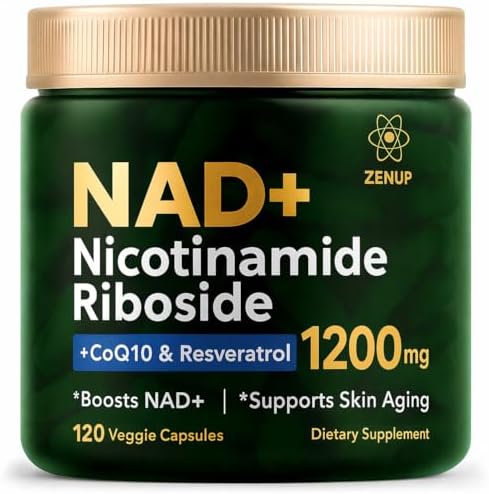
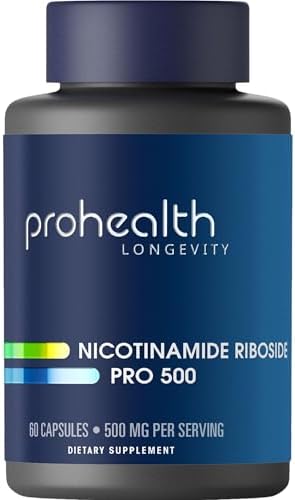
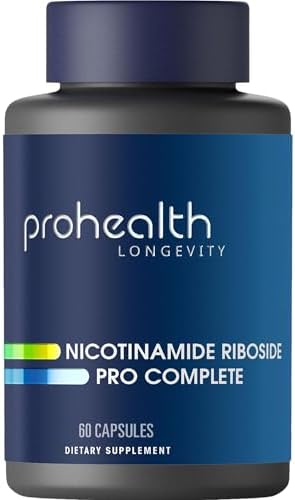
What makes this interesting, and honestly what makes it worth writing about, is that NAD+ levels don’t stay flat over a lifetime. They decline, sometimes dramatically, as we age. Researchers have documented this pattern across tissue types for years now, and it’s part of why the NAD+ conversation exploded from a niche biochemistry topic into something people bring up at dinner parties. Nicotinamide Riboside entered that conversation because, unlike straight niacin, it can raise blood NAD+ levels without the uncomfortable flushing reaction so many people associate with high-dose niacin therapy.
I want to be upfront about something before we go further: this is a supplement with real, peer-reviewed human trial data behind it, which honestly puts it ahead of most things sold in the wellness aisle. But it is not a miracle molecule, and I get a little wary when I see it marketed like one. The truth sits somewhere in the middle, and that’s usually where the useful information lives anyway.
So why does cellular energy matter so much in the first place? Think about what your body is doing right now, this exact second, without you noticing. Your heart is contracting roughly once per second. Your liver is filtering compounds out of your bloodstream. Neurons are firing to keep you upright and reading this sentence. All of that activity is expensive, metabolically speaking, and it’s paid for in ATP, the energy currency your mitochondria produce. NAD+ is essentially the accountant that makes sure that currency gets minted efficiently. When NAD+ levels drop, that accounting gets sloppier, and cells across the body, from muscle to brain tissue, start to show it.
There’s also a repair angle here that doesn’t get enough attention. NAD+ is a required substrate for enzymes called PARPs and sirtuins, both of which are involved in DNA repair and in regulating how genes get expressed over time. I find this part genuinely fascinating, because it means NAD+ isn’t just about energy in the narrow sense of “feeling tired versus feeling awake.” It’s tied into how well your cells maintain themselves at a structural level, day after day, year after year.
Nicotinamide Riboside was formally identified as a distinct NAD+ precursor vitamin relatively recently in scientific terms, and that discovery opened the door to a wave of clinical trials over the past decade. Some of those trials have looked at healthy adults simply wanting to support normal aging. Others have gone further, testing NR in conditions like Parkinson’s disease, mild cognitive impairment, heart failure with atrial fibrillation, and even long-COVID recovery. That range alone tells you something: researchers across very different specialties keep circling back to the same underlying molecule because the biology behind it is that fundamental.
Now, does that mean you should run out and buy the biggest bottle on the shelf? Not so fast. Dosing matters, timing matters, and so does understanding what Nicotinamide Riboside can and cannot realistically do for your particular body and your particular goals. Some people take it hoping for a noticeable jolt of energy within days, and that’s usually setting themselves up for disappointment, because this isn’t a stimulant. It works upstream, supporting a metabolic system that operates on a longer timescale than a cup of coffee.
Over the next several sections, we’re going to walk through what the actual clinical research shows about Nicotinamide Riboside’s health benefits, where you can find trace amounts of it in food, how dosing typically works in studies, what deficiency and toxicity look like, and what the honest safety picture is based on human trials rather than marketing copy. I’ve spent a long time reading through this literature, and I’ll tell you now: some of it is impressively rigorous, and some of it is still early and preliminary. Both things can be true, and a clear-eyed look at the topic respects that nuance rather than flattening it into a sales pitch. Let’s get into it.
Key Health Benefits
Let’s talk about what Nicotinamide Riboside actually does once it’s inside your body, because this is where the research gets genuinely interesting, and also where I think a lot of online content oversimplifies things into tidy little bullet points that promise more than the science supports. I’ll try to walk the line here between being informative and being honest about where the evidence is strong versus where it’s still emerging.
Raising NAD+ Levels, Reliably
This part isn’t really in dispute anymore. Multiple randomized, placebo-controlled trials in humans have shown that oral Nicotinamide Riboside increases whole blood NAD+ in a dose-dependent way. One well-known eight-week trial in overweight but otherwise healthy adults found that 100, 300, and 1000 milligrams of Nicotinamide Riboside increased whole blood NAD+ by roughly 22%, 51%, and 142% respectively, and those increases held steady for the remainder of the study rather than fading out. That’s a meaningful finding, because it confirms NR isn’t just theoretically capable of raising NAD+, it does so consistently and predictably across a range of doses in real people. Similar dose-dependent increases have shown up in other trials as well, including one combining nicotinamide with D-ribose that raised NAD+ metabolome markers, particularly NADP+, within just seven days.
Skeletal Muscle and Aging
Here’s where I think the research gets a bit more nuanced than the supplement industry likes to admit. A trial in older men supplemented with 1 gram of Nicotinamide Riboside daily for three weeks did successfully raise the NAD+ metabolome in aged human skeletal muscle tissue and triggered some anti-inflammatory gene expression changes. That’s a real, measurable biological effect. But the same study didn’t find changes in mitochondrial bioenergetics or whole-body metabolism over that short window. So the honest takeaway is: yes, Nicotinamide Riboside gets into muscle tissue and does something at the molecular level, but “does something molecularly” and “makes you noticeably stronger” are two different claims, and the second one needs more evidence before I’d feel comfortable making it.
Exercise Performance in Older Adults
One study I find particularly compelling looked at acute NR supplementation in older individuals and measured both redox balance and exercise performance using a double-blind, cross-over design. The researchers found improvements in redox homeostasis alongside performance benefits during exercise testing. Small study, but well-designed, and it points toward a physical performance angle that goes beyond just moving a blood marker.
Cognitive Function: A Mixed but Honest Picture
This is the area where I’d urge the most caution, because the data genuinely goes both directions depending on the population and outcome measured. A recent 12-week, placebo-controlled pilot trial in older adults with amnestic mild cognitive impairment found that Nicotinamide Riboside doubled blood NAD+ levels compared to placebo, which is a strong pharmacodynamic result. However, the same trial did not find improvements in the primary cognitive outcome, total cerebral blood flow, or blood pressure. There were some exploratory signals of increased regional cerebral blood flow, particularly in the hippocampus, but the researchers themselves were careful to frame that as exploratory rather than conclusive.
Meanwhile, a Phase I trial in Parkinson’s disease patients found that 1000 milligrams of Nicotinamide Riboside daily enhanced the cerebral NAD+ metabolome and was associated with mild clinical improvement alongside reduced inflammatory markers in both blood and cerebrospinal fluid. And a 2025 randomized controlled trial in long-COVID patients testing 2000 milligrams of NR daily didn’t show major differences in cognitive test scores between groups, but participants who stayed on Nicotinamide Riboside for at least ten weeks reported real improvements in fatigue, sleep quality, mood, and some executive function measures.
Put those three trials side by side and you get a realistic picture: Nicotinamide Riboside consistently does what it’s supposed to do at the biochemical level, but the downstream cognitive and functional benefits are still being worked out, and they seem to depend heavily on the population being studied, the dose, and how long people stay on it.
Cardiovascular and Metabolic Signals
NAD+ decline has been tied to mitochondrial dysfunction in cardiomyocytes, and that connection is currently being tested directly in heart failure patients with atrial fibrillation through ongoing clinical research examining whether Nicotinamide Riboside supplementation can support cardioprotective outcomes. Separately, that seven-day nicotinamide and D-ribose trial I mentioned earlier also found a significant reduction in blood glucose without a corresponding spike in insulin secretion, hinting at improved insulin sensitivity, though this was a small pilot study and needs replication before anyone draws firm conclusions.
Cellular Repair and Inflammation
Across several of these trials, a recurring theme keeps showing up: NR supplementation tends to reduce circulating inflammatory cytokines, whether in older adults, Parkinson’s patients, or long-COVID patients. Chronic low-grade inflammation is increasingly understood as a driver of age-related decline across nearly every organ system, so this anti-inflammatory signal, even when it doesn’t translate into an obvious symptom change within a 12-week trial window, may matter more over a longer timescale than any single study can capture.
If I had to summarize this section in one sentence, it would be this: Nicotinamide Riboside reliably does its core job of feeding the NAD+ pathway, and the ripple effects of that on inflammation, muscle tissue, cardiovascular function, and cognition are real but still being mapped out study by study, population by population.

Dietary Sources
Here’s something that surprises a lot of people the first time they hear it: you’re already eating trace amounts of Nicotinamide Riboside, probably without knowing it. It’s just that the amounts naturally present in food are so small that getting a therapeutic dose through diet alone would require eating quantities that aren’t remotely practical or, frankly, pleasant to imagine.
Cow’s Milk
Milk is the most studied natural food source of Nicotinamide Riboside, and it makes sense once you know the history. Cow’s milk has long been recognized as containing NAD+ precursor vitamins, dating back to its use in treating pellagra outbreaks in the early twentieth century, long before anyone had isolated Nicotinamide Riboside as a distinct compound. A landmark analysis published in The Journal of Nutrition measured cow milk and found it typically contains around 12 micromoles of NAD+ precursor vitamins per liter, with roughly 40% of that showing up specifically as nicotinamide riboside and the remaining 60% as nicotinamide. Other measurements have put NR concentrations in cow’s milk somewhere between about 1.6 and 3.2 milligrams per liter, depending on the specific sample and testing method, with some variation between organic and conventional sources.
To put that in perspective, and I think this is the number that really drives the point home: you’d need to drink an enormous volume of milk, something in the range of hundreds of liters, to match a single modest supplemental dose of Nicotinamide Riboside. That’s not a knock on milk as a food; it’s just a reflection of how concentrated supplemental forms are compared to anything found naturally.
Brewer’s Yeast
Brewer’s yeast is another recognized dietary source, showing up in beer and certain bread products because of the yeast strains used in fermentation. Like milk, the exact quantities are hard to pin down precisely, since Nicotinamide Riboside is notoriously difficult to measure in complex food matrices, but it’s consistently mentioned alongside milk in the scientific literature as one of the few identified natural sources.
Other Foods and Precursor Pathways
Small amounts of NR-related compounds have also been detected in foods like edamame and other legumes, though again, we’re talking about trace quantities. It’s worth remembering, too, that Nicotinamide Riboside isn’t the only route to NAD+. Your body can also generate NAD+ from tryptophan, from nicotinic acid, and from nicotinamide itself, collectively known as vitamin B3 in its various forms. Foods rich in general vitamin B3, like poultry, beef, and fish, contribute niacin equivalents that support the broader NAD+ system even if they’re not delivering Nicotinamide Riboside specifically. Fish in particular tends to carry a reasonable NAD+ contribution alongside other B3 forms.
Why Supplementation Became the Practical Answer
Given how dilute NR is in whole foods, and given that its stability can degrade with heat and water exposure during cooking and processing, it’s not hard to see why isolated Nicotinamide Riboside supplements became the primary way researchers and consumers alike access meaningful doses. The clinical trials I referenced in the benefits section, the ones using 100, 300, or 1000 milligrams, aren’t reflecting amounts you could reasonably eat your way to. This is one of those situations where dietary sources are worth knowing about for context and general nutritional awareness, but they’re not a realistic strategy if your actual goal is replicating what’s been tested in human trials.
I’ll also say this, because I think it’s an important, if slightly unglamorous, point: a diet that’s simply well-rounded in overall B-vitamin content, dairy, quality protein sources, whole grains, and legumes, supports your baseline NAD+ machinery even without focusing specifically on Nicotinamide Riboside. Precursor vitamins work as a family, feeding into overlapping metabolic pathways, so obsessing over one narrow compound in isolation can sometimes miss the bigger nutritional picture. That said, if your specific interest is in the elevated NAD+ increases documented in clinical research, food sources simply aren’t going to get you there, and a supplement becomes the only practical route.
One more thing worth mentioning: because dairy is the dominant natural dietary source identified so far, anyone avoiding dairy for allergy, intolerance, or lifestyle reasons is essentially getting negligible dietary Nicotinamide Riboside regardless. That’s not a problem in itself, since the contribution from food was always modest to begin with, but it’s a useful piece of context if you’re mapping out where your NAD+ precursors are actually coming from across a typical week of eating.
Plant-Based Milk Alternatives
Many people who’ve switched to almond, oat, or soy milk for various reasons ask: does plant-based milk carry any Nicotinamide Riboside? Based on what’s been measured so far, the answer is not meaningfully. Cow’s milk holds a fairly unique position here, likely tied to how ruminant digestion and mammary gland biology process and transmit B3 vitamins, and that pathway simply doesn’t exist in the same way in a soybean or an oat. If you’ve moved away from dairy entirely, it doesn’t mean you’re doing anything wrong nutritionally, it just means this particular micronutrient isn’t one you’re picking up incidentally the way a dairy drinker might.
A Quick Word on Measurement Difficulty
Part of why the dietary source data feels a little thin compared to other nutrients is genuinely technical. Nicotinamide Riboside is chemically unstable and tends to degrade during standard food analysis techniques, which historically caused researchers to underestimate or simply miss its presence in different foods entirely. It wasn’t properly identified and measured in cow’s milk until relatively sophisticated mass spectrometry techniques became available, which is part of why the compound has such a short scientific history compared to something like vitamin C or niacin itself. That measurement challenge is likely one reason the list of known dietary sources remains relatively short. There could be other foods carrying meaningful amounts that simply haven’t been tested using methods sensitive enough to detect it reliably.
Building a Practical Perspective
So where does that leave someone trying to think practically about diet versus supplementation? I’d frame it this way: eating a nutritionally complete diet with regular dairy, quality protein, and a mix of whole grains supports your general B3 status and gives your body the raw materials it needs for baseline NAD+ production. That’s worth doing regardless of anything else. But if your specific interest is replicating the elevated NAD+ increases documented in the clinical trials we’ve discussed, understand clearly that you’re looking at a different category of intervention entirely, one that isolated, concentrated supplementation addresses and ordinary eating patterns simply cannot.
Dosage & Deficiency
Dosage is where I see the most confusion, partly because there’s no single official recommended daily allowance for Nicotinamide Riboside specifically the way there is for niacin as a whole. NR is a relatively recent addition to the vitamin B3 family in scientific terms, so the regulatory and research landscape around it is still maturing, even though the underlying clinical data is fairly robust at this point.
What Clinical Trials Have Actually Used
If you look across the body of human research, doses cluster in a fairly consistent range. Most published trials in adult humans have used up to 1000 milligrams daily, and several have used 2000 milligrams daily without reporting meaningful safety concerns. The dose-ranging trial I mentioned earlier tested 100, 300, and 1000 milligrams and found that even the lowest dose produced a statistically significant rise in blood NAD+, while the highest dose produced the largest and most sustained increase. That gives you a rough sense of the dose-response curve: benefits scale up with dose, at least in terms of raising NAD+ itself, though that doesn’t necessarily mean higher is automatically better for every downstream outcome.
On the regulatory side, the European Food Safety Authority reviewed Nicotinamide Riboside as a novel food ingredient and recommended a daily dose of 300 milligrams for a healthy adult, with a lower recommendation of 230 milligrams for pregnant women. In the United States, commercial Nicotinamide Riboside products carrying GRAS status have typically recommended around 250 to 300 milligrams per day as a standard serving, which lines up reasonably well with the EFSA figure. That range, somewhere around 250 to 300 milligrams daily, is probably the most defensible starting point if you’re looking for a number grounded in both regulatory review and clinical trial data, rather than marketing enthusiasm.
Higher doses have absolutely been studied too. Trials in Parkinson’s disease research have pushed as high as 3000 milligrams daily under close medical supervision, specifically to establish safety ceilings for future therapeutic research, not as a general wellness recommendation. I want to be clear about that distinction, because I sometimes see people citing those high-dose trials as justification for casual daily use at levels never intended for a healthy person without medical oversight.
Timing and Practical Considerations
Studies generally show that blood NAD+ levels rise within the first one to two weeks of consistent NR supplementation and then plateau, meaning there doesn’t appear to be a strong case for cycling on and off, at least based on what the data currently shows. Most trial protocols split doses, taking them with food, which seems to support consistent absorption, though head-to-head comparisons of timing strategies remain limited.
What Deficiency Actually Looks Like
This is where things get interesting from a different angle. There’s no clinical entity called “Nicotinamide Riboside deficiency” in the way that, say, iron deficiency or vitamin D deficiency are recognized conditions. Instead, deficiency in this space is understood through the lens of niacin, the broader B3 family Nicotinamide Riboside belongs to. Severe niacin deficiency causes pellagra, a disease that was genuinely devastating in parts of the world where diets relied heavily on niacin-poor corn without adequate preparation methods. Pellagra classically presents with a pigmented, sunburn-like rash on skin exposed to sunlight, digestive disturbances including vomiting and diarrhea, and a cluster of neurological and psychiatric symptoms including confusion, memory problems, and in severe, untreated cases, progression toward death.
The recommended dietary allowance for niacin overall sits at 16 milligrams of niacin equivalents per day for men and 14 milligrams for women, according to established nutrition authorities, and that RDA is specifically calibrated to prevent pellagra with a reasonable safety margin, not necessarily to optimize NAD+ levels for longevity purposes. This distinction matters. You can be getting entirely adequate niacin to avoid deficiency disease while still having room, biochemically speaking, for NAD+ levels to decline with age due to increased breakdown and reduced synthesis efficiency rather than inadequate intake. That’s really the whole premise behind Nicotinamide Riboside supplementation as a concept: it’s not correcting a deficiency in the classic sense, it’s attempting to support a pathway that becomes less efficient over time independent of dietary intake.
Individual Variation
Worth noting, too, that absorption and response to Nicotinamide Riboside supplementation isn’t perfectly uniform across individuals. Baseline NAD+ status, age, body composition, and even factors like alcohol intake, which depletes NAD+ through its own metabolic pathway, can all influence how much of a bump someone sees from a given dose. This is part of why I’m generally cautious about blanket dosage advice, and why anyone with existing health conditions or who’s on other medications should talk to a healthcare provider before adding any new supplement, including this one, into a regular routine.
Reading a Supplement Label
If you do decide to try Nicotinamide Riboside, the label itself matters more than people tend to assume. Look for the actual milligram dose per capsule, not just a vague “proprietary blend” listing, since that’s the only way to compare what you’re buying against the amounts actually used in the research we’ve been discussing. Third-party testing certifications add another layer of confidence, particularly given how quickly this ingredient category has grown and how uneven quality control can be across smaller, less established brands.
Toxicity & Risks
I get asked some version of “but is it actually safe?” more than almost any other question on this topic, and I understand why. When a compound gets this much attention this quickly, skepticism is a reasonable default position. So let’s go through what the toxicology and clinical safety data actually show, rather than what a bottle label implies or what a headline promises.
Preclinical Toxicology
Before Nicotinamide Riboside chloride, the crystalline form used in most commercial supplements, ever reached human trials, it went through a standard battery of preclinical safety testing. That included a bacterial reverse mutagenesis assay, an in vitro chromosome aberration assay, an in vivo micronucleus assay, and both 14-day and 90-day toxicology studies in rats. In the 90-day rat study, researchers identified a no observed adverse effect level of 300 milligrams per kilogram of body weight per day, and a lowest observed adverse effect level of 1000 milligrams per kilogram per day, with a toxicity profile similar to that of plain nicotinamide at equivalent doses. That’s a reassuring baseline, because it means the safety margin identified in animal models was quite wide relative to the doses later tested in humans.
Regulatory Status
Based on that body of evidence, the U.S. Food and Drug Administration issued a “no objection” letter in response to a formal GRAS, or Generally Recognized as Safe, notification for nicotinamide riboside chloride, allowing its use in food and beverage applications in addition to dietary supplements. It has also been the subject of successful New Dietary Ingredient notifications submitted to the FDA. On the European side, the European Food Safety Authority independently reviewed the safety data and concluded that Nicotinamide Riboside is safe for use as a novel food ingredient within its recommended dosing guidance. Having two separate major regulatory bodies land on a similar safety conclusion, using different review processes, adds a reasonable degree of confidence, though it’s worth remembering that GRAS status and novel food approval reflect current evidence rather than an absolute guarantee for every possible individual circumstance.
What Human Trials Show
This is really the heart of the matter, because animal data and regulatory letters only get you so far. Across the six or more clinical trials that have now tested oral Nicotinamide Riboside in humans, a consistent pattern emerges: no significant differences in adverse events between NR and placebo groups, even at escalating doses. One notable safety-focused trial specifically tested 3000 milligrams daily, twice the highest dose used in most other human research, in Parkinson’s disease patients over four weeks and found no adverse events of clinical relevance. That’s a meaningfully high bar being cleared, and it was one of the primary reasons that trial existed in the first place, to establish whether doses beyond 2000 milligrams could be considered reasonably safe for future therapeutic research.
Importantly, and this addresses a specific concern some people bring up, Nicotinamide Riboside supplementation has not been shown to elevate LDL cholesterol or disrupt one-carbon metabolism in the trials that have measured those markers, which distinguishes it from high-dose niacin therapy, a different B3 form long associated with those particular side effects at pharmacological doses. Nicotinamide Riboside also hasn’t produced the uncomfortable skin flushing reaction that so often accompanies high-dose nicotinic acid, which is one of the practical reasons researchers found it appealing to study in the first place.
Reported Side Effects
None of this means NR is entirely without any reported side effects. Across various trials, mild gastrointestinal symptoms, occasional headache, and fatigue have been reported at rates that were often comparable between the active treatment and placebo groups, suggesting these aren’t necessarily specific to Nicotinamide Riboside itself. As with most supplements, individual sensitivity varies, and starting at a lower dose to assess personal tolerance before moving toward the upper end of studied ranges seems like reasonable practical advice, even though it isn’t a formal clinical recommendation.
What We Still Don’t Know
I think intellectual honesty matters here more than anywhere else in this article. Long-term data, meaning years rather than weeks or months, remains limited simply because Nicotinamide Riboside supplementation at scale is a relatively recent phenomenon. Most trials run anywhere from one week to six months. We don’t yet have robust, multi-year safety data in large diverse populations the way we do for something like a well-established vitamin such as vitamin C. Pregnant and breastfeeding individuals, along with people on complex medication regimens or with significant existing health conditions, generally weren’t the focus population in most of these trials, which is exactly why regulatory bodies like EFSA issued a more conservative recommendation for pregnancy specifically. If you fall into any of those categories, that’s precisely the kind of situation where a conversation with a physician before supplementing isn’t just a formality, it’s genuinely useful risk management given the gaps that still exist in the research record.
Taken together, the safety picture for Nicotinamide Riboside within studied dose ranges looks considerably better established than most trending supplements you’ll encounter, but “considerably better established” and “risk-free for absolutely everyone in every circumstance” are two different statements, and I’d rather you walk away from this section understanding that distinction than walking away with a false sense of blanket reassurance.
Where the Science Stands, and What to Do With It
After spending this much time in the research, here’s where I land, and I say this as someone who’s genuinely enthusiastic about the underlying biochemistry while also trying to stay grounded about what’s proven versus what’s promising. Nicotinamide Riboside earns its reputation as one of the better-studied compounds in the NAD+ supplementation space. It’s not a fringe internet trend built on a single mouse study; it’s been tested in randomized, placebo-controlled human trials across healthy adults, older populations, and people managing conditions ranging from Parkinson’s disease to long-COVID. That’s a genuinely unusual level of scrutiny for something sold over the counter.
What the evidence supports clearly: NR reliably raises NAD+ levels in a dose-dependent way, it does so without the flushing side effect associated with older B3 forms, and it’s shown a consistent safety profile across doses well beyond what most people would ever take for general wellness purposes. What the evidence supports more cautiously: dramatic, universally noticeable improvements in cognition, muscle strength, or energy levels within a matter of weeks. Some trials show real functional benefits, particularly around fatigue, inflammation, and exercise performance in older adults. Others, especially cognition-focused trials, show the biochemistry moving in the right direction without a matching shift in the outcome that actually matters most to the person taking it.
So what does that mean practically? If you’re someone drawn to this because you want to support your body’s underlying energy metabolism as you age, and you understand you’re supporting a process rather than chasing an overnight transformation, the data gives you a reasonable, evidence-backed foundation to have that conversation with a healthcare provider. If you’re expecting a switch to flip and immediate, dramatic results, I’d gently steer you toward recalibrating those expectations, because that’s not really what NAD+ biology tends to look like, based on everything we’ve covered.
My honest advice, the kind I’d give a friend over coffee rather than a polished marketing line, is this: pay attention to dose ranges that actually match what’s been studied, somewhere in the 250 to 1000 milligram range depending on your goals and in consultation with a doctor, understand that food sources alone won’t get you anywhere close to those amounts, and hold space for the fact that this field is still moving. New trials are publishing regularly, and some of what we think we know today will get refined, or occasionally overturned, as the research matures. That’s not a weakness of the science; that’s just what good science looks like while it’s actively happening.
I also think it’s worth asking yourself honestly what you’re hoping to get out of taking Nicotinamide Riboside before you start. If your goal is broad, general support for a metabolic pathway that naturally becomes less efficient with age, and you’re comfortable with a benefit profile that’s more subtle and cumulative than dramatic and immediate, the current evidence base gives you a reasonably solid foundation to stand on. If, on the other hand, you’re chasing a specific outcome, sharper memory within a month, noticeably more muscle strength, or a fix for chronic fatigue, the research so far suggests you should temper those expectations considerably, or at minimum treat supplementation as one small piece of a much larger picture that includes sleep, exercise, and overall diet quality, none of which any single compound can substitute for.
There’s also a quieter lesson buried in all of this that I find myself coming back to. The fact that Nicotinamide Riboside raises NAD+ so reliably, across so many different trials and populations, while the downstream clinical benefits remain genuinely mixed, tells us something important about how complicated human biology actually is. Moving a biomarker in the right direction is a real and meaningful accomplishment in research terms, but it isn’t automatically the same thing as changing how someone feels day to day or how their body performs under real-world demands. That gap between biomarker and lived outcome is exactly where good science needs to keep doing its slow, careful work, trial after trial, population after population.
If you decide to explore Nicotinamide Riboside for yourself, do it with your eyes open. Read labels carefully, favor products that disclose third-party testing or clinical-grade sourcing, start at a modest dose rather than jumping straight to the highest amount used in research trials, and give it a reasonable window, several weeks at minimum, before deciding whether it’s doing anything noticeable for you personally. And keep talking to your doctor along the way, especially if you’re managing any existing condition or taking other medications. That combination of curiosity, patience, and a healthy dose of skepticism is really the best approach to any supplement still actively being studied, and Nicotinamide Riboside, for all the genuine promise behind it, is very much still in that category. The science is compelling enough to take seriously. It’s also young enough to deserve a bit of humility.
Article Sources
At AncientHerbsWisdom, our content relies on reputable sources, including peer-reviewed studies, to substantiate the information presented in our articles. Our primary objective is to ensure our content is thoroughly fact-checked, maintaining a commitment to accuracy, reliability, and trustworthiness.
- Berven, H., Kverneng, S., Sheard, E., Søgnen, M., Af Geijerstam, S. A., Haugarvoll, K., Skeie, G. O., Nido, G. S., Dölle, C., Tzoulis, C. (2023). NR-SAFE: a randomized, double-blind safety trial of high-dose nicotinamide riboside in Parkinson’s disease. Nature Communications, 14, 7793. https://doi.org/10.1038/s41467-023-43514-6
- Conze, D., Brenner, C., & Kruger, C. L. (2019). Safety and metabolism of long-term administration of NIAGEN (nicotinamide riboside chloride) in a randomized, double-blind, placebo-controlled clinical trial of healthy overweight adults. Scientific Reports, 9, 9772. https://doi.org/10.1038/s41598-019-46120-z
- Dolopikou, C. F., Kourtzidis, I. A., Margaritelis, N. V., Vrabas, I. S., Koidou, I., Kyparos, A., Theodorou, A. A., Paschalis, V., & Nikolaidis, M. G. (2020). Acute nicotinamide riboside supplementation improves redox homeostasis and exercise performance in old individuals: a double-blind cross-over study. European Journal of Nutrition, 59(2), 505-515. https://doi.org/10.1007/s00394-019-01919-4
- Elhassan, Y. S., Kluckova, K., Fletcher, R. S., Schmidt, M. S., Garten, A., Doig, C. L., Cartwright, D. M., Oakey, L., Burley, C. V., Jenkinson, N., Wilson, M., Lucas, S. J. E., Akerman, I., Seabright, A., Lai, Y. C., Tennant, D. A., Nightingale, P., Wallis, G. A., Manolopoulos, K. N., Brenner, C., Philp, A., & Lavery, G. G. (2019). Nicotinamide riboside augments the aged human skeletal muscle NAD+ metabolome and induces transcriptomic and anti-inflammatory signatures. Cell Reports, 28(7), 1717-1728. https://doi.org/10.1016/j.celrep.2019.07.043
- Martens, C. R., Decker, K. P., DeConne, T. M., Sanjana, F., Horvat, F., Rizzi, N. A., Awad, C., Habash, E., Hobson, J. C., Kramer, M. K., Armstrong, M. L., Reisdorph, N., Pohlig, R. T., Lanzi, A. M., Johnson, C. L., Cohen, M. L., & Ellison, J. M. (2026). A phase-II randomized controlled pilot study of nicotinamide riboside supplementation in older adults with amnestic mild cognitive impairment. Alzheimer’s & Dementia, 22(7), e71605. https://doi.org/10.1002/alz.71605
- National Institutes of Health, Office of Dietary Supplements. (2022). Niacin: Fact sheet for health professionals. https://ods.od.nih.gov/factsheets/Niacin-HealthProfessional/
- Trammell, S. A. J., Yu, L., Redpath, P., Migaud, M. E., & Brenner, C. (2016). Nicotinamide riboside is a major NAD+ precursor vitamin in cow milk. The Journal of Nutrition, 146(5), 957-963. https://doi.org/10.3945/jn.116.230078
- U.S. Food and Drug Administration. (2016). GRAS Notice 635: Nicotinamide riboside chloride. https://www.fda.gov/files/food/published/GRAS-Notice-000635–Nicotinamide-riboside-chloride.pdf
- Wu, C. Y., Reynolds, W. C., Abril, I., McManus, A. J., Brenner, C., González-Irizarry, G., Gutiérrez-Martínez, L., Sun, O., Rosand, J., Tanzi, R. E., Arnold, S. E., & Guzmán-Vélez, E. (2025). Effects of nicotinamide riboside on NAD+ levels, cognition, and symptom recovery in long-COVID: a randomized controlled trial. eClinicalMedicine, 89, 103633. https://doi.org/10.1016/j.eclinm.2025.103633
- Xue, Y., Shamp, T., Gowda, G. A. N., Crabtree, M., Bagchi, D., & Raftery, D. (2022). A combination of nicotinamide and D-ribose (RiaGev) is safe and effective to increase NAD+ metabolome in healthy middle-aged adults: A randomized, triple-blind, placebo-controlled, cross-over pilot clinical trial. Nutrients, 14(11), 2219. https://doi.org/10.3390/nu14112219

- Phosphatidic Acid: Supporting Muscle Growth and Strength - July 31, 2026
- Ceramides: Supporting Healthy Skin From Within - July 31, 2026
- Synbiotics: Combining Prebiotics and Probiotics Together - July 31, 2026