
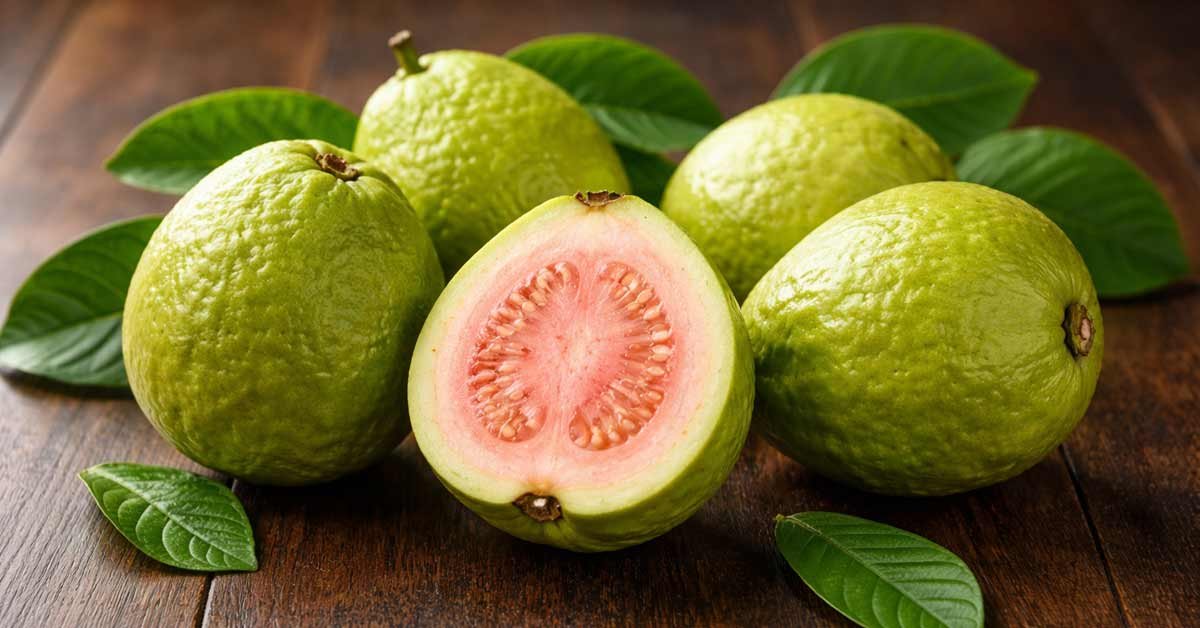
Why Guava Deserves a Spot in Your Daily Diet
If you’ve ever walked past a basket of guavas at the market and wondered what all the fuss is about, you’re not alone. Guavas are one of those fruits that quietly hold a reputation far beyond their unassuming appearance. The flavor alone is a reason to pay attention—think sweet, slightly tart, with a tropical brightness that lifts your taste buds almost immediately. But guavas are more than just a tasty snack; they’re a nutritional powerhouse that has been cherished across cultures for centuries.
Guavas are native to Central America but have traveled far and wide, now thriving in tropical and subtropical regions all over the world. They’ve been used traditionally not just as food but also in various cultural remedies and daily health practices. While it’s easy to dismiss them as “just another fruit,” a closer look at their composition reveals why they deserve a permanent place in your kitchen.
Table of Contents


One of the standout features of guavas is their high vitamin C content. A single medium-sized guava can contain more than twice the daily recommended intake, far surpassing oranges, lemons, and many other fruits often associated with vitamin C. Vitamin C isn’t just a number on a nutritional label; it plays a role in supporting a variety of bodily functions. From helping your body manage oxidative stress to contributing to skin health, it’s no wonder guavas have earned their “immunity-boosting” nickname.
Beyond vitamin C, guavas carry a surprising combination of nutrients. They are packed with dietary fiber, potassium, and a mix of antioxidants, including carotenoids and polyphenols. This combination makes them uniquely suited to support both day-to-day wellness and overall vitality. Eating guavas isn’t about chasing a single benefit—it’s about integrating a fruit that works on multiple levels, quietly nudging your body toward balance.
One of the nicest things about guavas is their versatility. You don’t need to be a smoothie aficionado or a professional chef to enjoy them. Slice them into a fruit salad, blend them into a tropical smoothie, or simply snack on them fresh. Even their seeds are edible, adding a bit of crunch if you like a textural contrast. In some cuisines, guavas are cooked into jams, jellies, or sauces, making them accessible for both sweet and savory dishes. This adaptability makes guavas easy to include consistently in your diet—a key factor when the goal is ongoing wellness rather than a one-off nutritional boost.
It’s also worth noting how approachable guavas are for everyday life. They store well at room temperature until fully ripe, and once ripe, a simple refrigeration step can extend their shelf life. This means that a week’s worth of guavas can easily be kept in your kitchen or fridge, ready to be added to breakfast bowls, snacks, or even a quick dessert. Their availability and shelf stability reduce the friction of healthy eating, turning a small habit into a consistent practice without much thought.
Taste and convenience aside, guavas have subtle health nuances that make them interesting beyond basic nutrition. The fiber content supports digestion gently, keeping your system regular without feeling forced or harsh. Their natural sugars release gradually, providing a mild, sustained energy lift, making them a better choice than processed sugary snacks for a midday pick-me-up. And while they are sweet, they’re not overwhelmingly so, meaning you can incorporate them in both indulgent and restrained ways depending on your mood and goals.
Eating guavas also brings an unexpected element of sensory satisfaction. The aroma alone—fruity, slightly floral, and fresh—is enough to make you pause and enjoy the moment. The color spectrum, from soft pinks to deep reds in the flesh, adds visual appeal to any meal, and the gentle crunch from seeds or the slight firmness of the fruit keeps the eating experience engaging. These are small details, but they matter; enjoyment is a huge part of dietary adherence, and guavas excel in turning a simple habit into something pleasurable.
Finally, guavas have a quiet elegance in the realm of tropical fruits. They’re not as trendy as acai or dragon fruit, yet they consistently deliver a dense package of nutrients and flavor without demanding exotic preparation or expensive supplements. Choosing guavas is a way to bring nature’s efficiency to your daily routine: simple, effective, and enjoyable. They work quietly in the background to provide vitamin C, fiber, and antioxidants, all while satisfying your taste buds in ways that make you want to come back for more.
In short, guavas aren’t just a fruit you eat when convenient—they’re a fruit worth prioritizing. Their combination of flavor, nutrient density, versatility, and subtle daily benefits positions them as a standout choice for anyone looking to support their immunity, heart health, and overall vitality. Keeping guavas in your kitchen isn’t just about snacking; it’s about embracing a small but meaningful habit that integrates seamlessly into your life. Whether you enjoy them fresh, blended, or even in a simple homemade jam, guavas prove that everyday nutrition can be both effective and delightful.
Guava and Vitamin C: Strengthening Your Immune System
When you think of vitamin C, oranges probably come to mind first, but guavas quietly outperform most other fruits in this department. A single medium guava contains around 200–250 milligrams of vitamin C, which is more than double the recommended daily intake for adults. That means just one guava can cover your needs for the day and then some, offering a simple, natural way to support your body without relying on supplements. Unlike some fruits where vitamin C content can vary widely, guavas are remarkably consistent, making them a reliable source of this essential nutrient.
Guava’s Vitamin C Power
Vitamin C in guavas isn’t just abundant; it’s highly bioavailable, meaning your body can use it efficiently. A few slices in a morning smoothie or a small bowl as a snack can quickly elevate your intake. What makes guava especially interesting is that it combines vitamin C with other antioxidants like lycopene, quercetin, and carotenoids. These compounds work together, enhancing the fruit’s overall protective qualities. For anyone looking to integrate more nutrient-dense foods into their diet, guavas offer a concentrated boost without the need for large portions.
Guavas also come in several varieties, from pink to white-fleshed, each delivering slightly different levels of antioxidants and vitamin C. While all types are beneficial, the pink-fleshed guavas tend to have higher antioxidant content overall. This subtle variation means you can rotate varieties to enjoy slightly different flavors and nutritional benefits, keeping your diet interesting while consistently supporting your nutrient intake.
How Vitamin C Supports Immunity
Vitamin C plays multiple roles in maintaining healthy immune function. It helps support the production and function of white blood cells, which are critical for identifying and responding to pathogens. It also contributes to the body’s antioxidant defense system, helping to neutralize free radicals that can damage cells and tissues. While it’s not a magic bullet, consistent intake of vitamin C through foods like guavas provides a foundation for a responsive and resilient immune system.
Additionally, vitamin C is involved in maintaining the integrity of skin and mucous membranes, the body’s first line of defense against pathogens. These subtle, often overlooked roles mean that regular consumption of guavas contributes to immunity in both direct and indirect ways. Rather than focusing on single-shot “immune boosts,” the idea is to create a diet that supports immune health steadily, and guavas fit perfectly into that approach.
Incorporating Guavas for Everyday Immunity Support
Adding guavas to your daily routine doesn’t require complicated meal prep. Here are some practical ways to include them:
- Fresh and simple: Eat them raw as a snack—just rinse, slice, and enjoy.
- Smoothies and juices: Blend guava with other fruits like pineapple, mango, or berries for a nutrient-packed drink.
- Salads: Dice guavas into leafy green or grain salads for a sweet, tangy kick.
- Spreads and sauces: Make a homemade guava jam with minimal added sugar, or blend into dressings for fruit-forward flavor.
- Frozen treats: Puree guavas and freeze into popsicles for a refreshing, vitamin-rich snack.
When using guavas, it’s best to eat them soon after ripening to preserve the vitamin C content. Overripe or poorly stored guavas may lose some potency, though they still offer fiber and other nutrients. For maximum benefit, try keeping a small batch in the fridge for the week or freezing some slices for smoothies.
Incorporating guavas in these simple ways ensures you get a steady intake of vitamin C and antioxidants without forcing a rigid routine. The combination of flavor, convenience, and nutritional density makes guavas an ideal fruit for supporting everyday immune resilience.
Heart Health Benefits of Guava
Guavas are often celebrated for their vitamin C content, but their impact doesn’t stop at immunity. These tropical fruits quietly provide nutrients that support cardiovascular wellness, making them a natural choice for anyone thinking about long-term heart health. While guavas are not a replacement for medical advice or treatment, their nutrient composition offers practical benefits that complement a balanced lifestyle.
Nutrients in Guava That Favor Heart Health
One of the standout nutrients in guavas for heart support is potassium. Potassium is a key mineral that helps maintain healthy blood pressure levels by balancing sodium in the body. A medium guava contains roughly 600 milligrams of potassium, which is about 12–15% of the daily recommended intake. Incorporating guavas into your diet provides a flavorful, natural way to help maintain that balance.
Fiber is another major contributor to cardiovascular well-being. Guavas are rich in soluble and insoluble fiber, which can aid digestion and promote a feeling of fullness. Soluble fiber, in particular, may help support healthy cholesterol levels by binding with cholesterol in the digestive tract and promoting its excretion. While guavas alone won’t drastically alter cholesterol, they are a reliable, low-calorie source of fiber that complements other heart-healthy foods.
Guavas also carry antioxidants beyond vitamin C. Flavonoids, carotenoids, and polyphenols present in the fruit may help protect blood vessels from oxidative stress. These compounds can contribute to maintaining the elasticity and integrity of arteries and veins, supporting overall circulation. Eating guavas regularly introduces these plant-based compounds into your diet naturally, without the need for specialized supplements.
Guava and Circulation
Maintaining healthy circulation is vital for heart function and overall energy levels. The combination of potassium, fiber, and antioxidants in guavas supports the cardiovascular system in multiple ways. Potassium helps manage fluid balance, reducing strain on blood vessels, while antioxidants combat free radicals that can damage the endothelium—the lining of the arteries. Together, these effects may help the cardiovascular system function smoothly and efficiently.
It’s worth noting that guavas also contain small amounts of magnesium and vitamin B3 (niacin), which contribute indirectly to circulation and energy metabolism. Magnesium is involved in muscle relaxation, including the smooth muscles of blood vessels, and niacin supports normal blood lipid levels. These nutrients work alongside potassium and antioxidants to create a fruit that is surprisingly comprehensive in supporting cardiovascular health.
Easy Ways to Add Guava to Heart-Friendly Meals
Incorporating guavas into a heart-healthy routine can be simple and enjoyable. Here are practical ways to make them a regular part of your meals:
- Breakfast bowls: Slice guava over oatmeal or yogurt to add natural sweetness and fiber.
- Salads: Combine diced guava with leafy greens, avocado, and nuts for a heart-friendly, nutrient-dense lunch.
- Smoothies: Blend guava with banana, spinach, and a splash of unsweetened almond milk for a nutrient-packed drink.
- Snacks: Keep fresh guavas on hand for a convenient, low-calorie snack between meals.
- Sauces and salsas: Mix guava with lime juice, herbs, and a touch of chili to create a flavorful topping for grilled fish or chicken, adding both taste and nutrients.
Even small, consistent additions of guava to meals can make a difference. The key is variety and frequency—enjoying guavas alongside other fruits, vegetables, and whole foods enhances nutrient intake without adding excess sugar or calories. By integrating guavas into your everyday meals, you’re adding not just flavor but a subtle, natural boost to your cardiovascular support system.
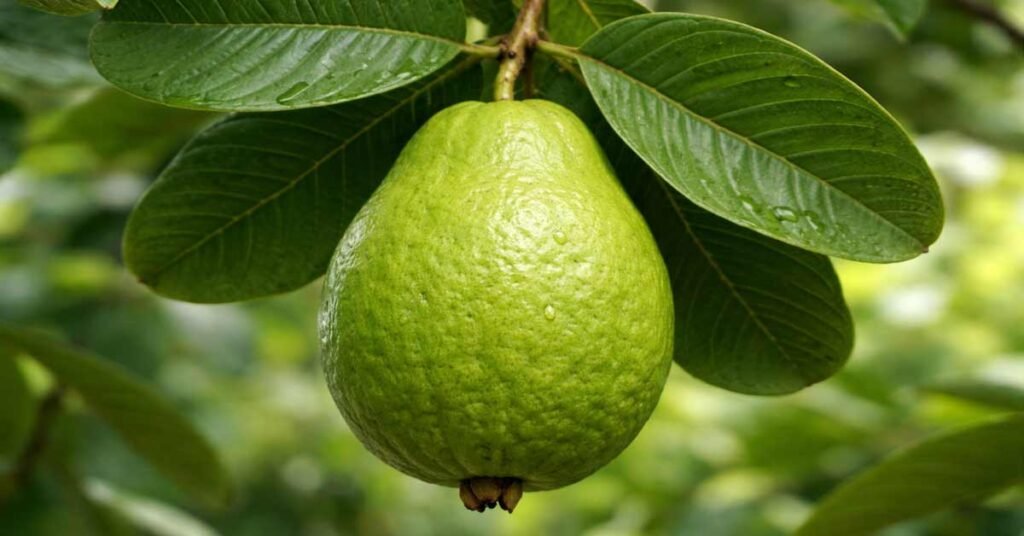
More Than Vitamin C: Other Health Perks of Guava
Guavas often get most of the spotlight for their vitamin C content, but there’s much more going on beneath the surface. Beyond the well-known immune support, guavas carry an array of compounds that contribute to overall wellness. From antioxidants to fiber, these fruits offer subtle benefits that touch digestion, metabolism, and even daily energy levels, making them more than just a “vitamin C fruit.”
Antioxidants Beyond Vitamin C
Guavas contain a variety of antioxidants, including carotenoids, flavonoids, and polyphenols. These compounds work in concert to protect cells from oxidative stress, the process by which free radicals can damage cellular structures. Oxidative stress is linked to aging and general wear on the body, so incorporating antioxidant-rich foods can support long-term wellness.
Pink-fleshed guavas are particularly notable for their lycopene content, the same antioxidant found in tomatoes that contributes to their red hue. Lycopene works synergistically with vitamin C and other flavonoids in guavas, providing a broader spectrum of protective compounds. Even white-fleshed guavas, while lower in lycopene, still offer quercetin and other polyphenols that contribute to cellular protection. The takeaway is that guavas deliver multiple layers of antioxidants, making them a small but potent addition to a nutrient-rich diet.
Supporting Digestive and Metabolic Health
Fiber is a defining feature of guavas, and its benefits extend far beyond just digestion. Each medium guava contains roughly 3 grams of fiber, contributing to regular bowel movements and supporting a balanced gut environment. Soluble fiber can help slow digestion slightly, which may contribute to more stable energy levels and better absorption of nutrients.
The combination of fiber, natural sugars, and phytonutrients in guavas also supports metabolic health. While not a substitute for a balanced diet, including guavas can gently support blood sugar balance due to their low glycemic index compared with processed snacks. Eating guavas as part of a varied diet may help maintain steady energy throughout the day without the spikes and crashes associated with refined sugars.
Creative Ways to Enjoy Guavas
Guavas are versatile, and the more ways you find to enjoy them, the easier it is to make them a regular part of your diet. A few creative ideas include:
- Guava smoothies: Blend with banana, spinach, or berries for a nutrient-rich breakfast or snack.
- Guava jam or puree: Make a simple, minimally sweetened spread for toast, crackers, or yogurt.
- Fruit salads: Pair diced guavas with pineapple, mango, or papaya for tropical flavor and a variety of nutrients.
- Frozen popsicles: Puree guava with a splash of orange or lime juice, freeze in molds for a refreshing treat.
- Savory pairings: Mix guava into salsas with cilantro, lime, and a touch of chili to top grilled chicken or fish, balancing sweet and savory flavors.
Even small daily habits, like keeping a bowl of fresh guavas on the counter or adding guava slices to morning cereal, can make a noticeable difference in nutrient intake. The beauty of guavas lies in their simplicity—they’re easy to eat, easy to store, and offer benefits that ripple across multiple aspects of health.
Best Selling Guava Related Products


The Everyday Magic of Guavas
There’s something quietly satisfying about guavas. They aren’t flashy like exotic berries or trendy superfruits, yet they bring a consistent, reliable burst of flavor and nutrition that fits naturally into daily life. The “magic” of guavas isn’t in dramatic effects—it’s in the small, steady contributions they make to overall wellness when incorporated consistently into your routine.
One of the most compelling aspects of guavas is how effortless they are to enjoy. A simple rinse and slice, and you have a snack that delivers vitamin C, antioxidants, fiber, and potassium. They don’t require complicated preparation, exotic ingredients, or a strict schedule. This ease makes it easy to turn them into a habit, whether eaten in the morning, as a mid-day snack, or as a sweet addition to meals.
Beyond convenience, guavas are remarkably versatile. You can pair them with other fruits, blend them into drinks, fold them into yogurt or oatmeal, or even add them to light salads or sauces. Each preparation preserves or complements their natural nutrients, making it simple to diversify your intake without feeling repetitive. This flexibility means guavas can satisfy both sweet cravings and savory curiosities, keeping daily eating exciting and enjoyable.
The flavor itself is another form of subtle magic. That delicate balance of sweet and tangy is instantly refreshing, creating a sensory satisfaction that few fruits can match. There’s also a tactile element—the firmness of the flesh, the slight crunch from seeds if you leave them in—giving each bite a satisfying mouthfeel. Enjoying guavas becomes not just about nutrition, but about a small moment of pleasure in your day.
The benefits ripple quietly. Vitamin C supports immunity, potassium and fiber contribute to heart health, and antioxidants work in the background to support cellular resilience. You don’t feel each of these effects immediately, but over time, the consistent inclusion of guavas helps you maintain a baseline of health that’s easier to sustain than chasing short-term “boosts” from supplements or processed foods.
Small habits around guavas can be surprisingly effective. Keep a few ripe guavas in the fridge for quick access, or freeze slices for smoothies. Add a guava to your morning cereal or lunch salad. Make a guava-based sauce for dinner. Each of these small steps integrates nutrition seamlessly into daily life, turning eating into both a nourishing and enjoyable activity.
Ultimately, the everyday magic of guavas lies in their combination of flavor, convenience, and nutrient density. They remind us that supporting health doesn’t always require complicated routines or expensive foods. Sometimes, a simple fruit, enjoyed regularly and thoughtfully, can quietly make a meaningful difference in immunity, heart health, and overall vitality. Guavas prove that consistent, pleasurable habits can be as impactful as grand dietary changes, making them a fruit worth keeping within easy reach every day.
Article Sources
At AncientHerbsWisdom, our content relies on reputable sources, including peer-reviewed studies, to substantiate the information presented in our articles. Our primary objective is to ensure our content is thoroughly fact-checked, maintaining a commitment to accuracy, reliability, and trustworthiness.
- USDA. (2019). FoodData Central: Guava. https://fdc.nal.usda.gov
- World Health Organization. (2020). Healthy Diet. https://www.who.int/news-room/fact-sheets/detail/healthy-diet
- Gutiérrez, R. M. P., Mitchell, S., & Solis, R. V. (2008). Nutritional and medicinal properties of guava (Psidium guajava L.). Journal of Food Composition and Analysis, 21(6), 556–600. https://doi.org/10.1016/j.jfca.2008.05.002
- Nascimento, G. G., Locatelli, J., Freitas, P. C., & Silva, G. L. (2000). Antioxidant activity of Brazilian medicinal plants. Phytotherapy Research, 14(1), 1–6. https://doi.org/10.1002/(SICI)1099-1573(200001)14:1<1::AID-PTR488>3.0.CO;2-J
- Chakraborty, S., Bandyopadhyay, S., & Bandyopadhyay, S. (2020). Role of guava (Psidium guajava L.) in cardiovascular health. Current Nutrition & Food Science, 16(5), 580–592. https://doi.org/10.2174/1573401315666190926114304
- Sangiovanni, E., Brivio, P., Dell’Agli, M., & Calabrese, F. (2017). Botanicals as Modulators of Neuroplasticity: Focus on BDNF. Neural Plasticity, 2017, 5965371. https://doi.org/10.1155/2017/5965371
- González, A., & Rojas, J. (2018). Guava consumption and metabolic health: A review. Food Science & Nutrition, 6(5), 1231–1240. https://doi.org/10.1002/fsn3.707

- Soursop: Tropical Fruit for Antioxidants and Digestion - March 28, 2026
- Sugar Apple: Tropical Fruit for Energy and Vitamin C - March 28, 2026
- Dragon Fruit: Tropical Fruit for Gut Health - March 28, 2026