
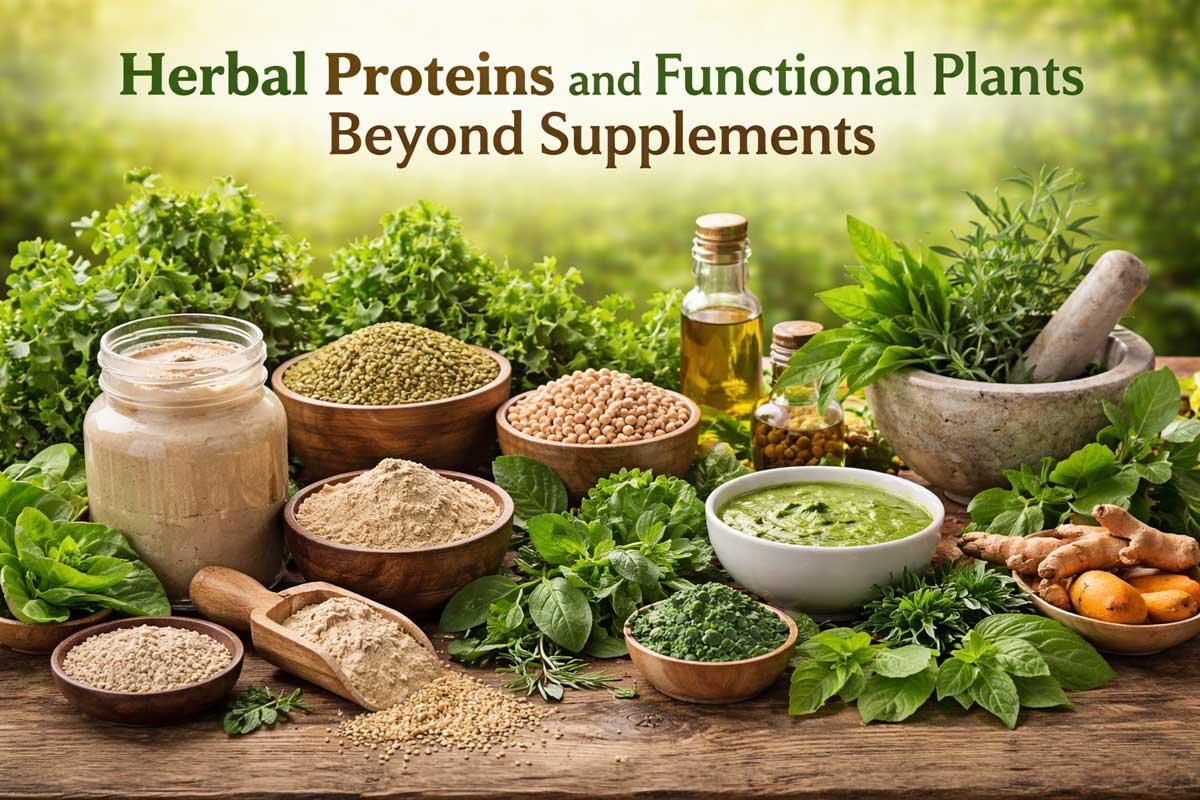
Herbal Proteins and Functional Plants: Beyond the Supplement Shelf
When most people think about plant-based protein, the first images that come to mind are protein powders, soy shakes, or maybe a few handfuls of lentils tossed into a salad. That narrow view misses a whole world of herbal proteins and functional plants quietly doing their work behind the scenes. These foods offer more than just protein; they provide fiber, antioxidants, phytonutrients, and subtle compounds that can enhance digestion, energy metabolism, and overall resilience. For a vegan lifestyle, they represent an opportunity to nourish the body in ways that processed supplements simply cannot replicate.
Take spirulina, for instance. This tiny blue-green algae is easy to overlook on the shelf, but it contains up to 60 percent protein by weight, along with essential amino acids, vitamins, and minerals. It’s a complete protein source, but it doesn’t stop there. Spirulina’s phycocyanins—pigments that give it a distinctive green-blue hue—act as antioxidants and anti-inflammatory agents, supporting cellular health in ways isolated protein powders often cannot. Similarly, moringa leaf powder is a modest source of protein but is rich in calcium, iron, and polyphenols. When these herbal proteins are incorporated into meals or smoothies, they contribute more than grams of protein—they contribute a cascade of functional benefits.
Table of Contents


The beauty of herbal proteins is how they integrate into everyday life. You can sprinkle hemp seeds over oatmeal, stir moringa powder into soups, or blend spirulina into a vibrant green smoothie. Each option delivers protein while also enhancing taste, texture, and nutritional complexity. Unlike isolated protein powders, which often come stripped of context and flavor, herbal proteins invite experimentation. They allow for subtle adjustments in flavor and nutrient density that can transform a simple meal into a holistic functional experience.
Herbal proteins also carry the advantage of tradition. Across cultures, people have relied on herbs and seeds to complement staples like rice, beans, or vegetables. Fenugreek leaves in Indian curries, pumpkin seeds in Mexican cuisine, and nettle in European soups all exemplify how herbal proteins have historically been woven into meals, often paired with herbs that aid digestion and absorption. These culinary practices reflect a sophisticated understanding of how plants work together to support nutrition—a synergy that modern supplements rarely replicate.
It’s not just the protein content that matters. Fiber, for example, plays a critical role in the absorption and utilization of protein. Many herbal proteins—like lentils, chickpeas, hemp seeds, or moringa leaves—contain both soluble and insoluble fiber. This fiber regulates blood sugar, supports healthy gut bacteria, and slows the digestion of protein, allowing a steadier release of amino acids into the bloodstream. In this way, herbal proteins work in tandem with the body’s physiology, rather than demanding quick fixes from high-dose isolated powders.
Functional plants amplify the benefits of herbal proteins. Herbs such as ginger, fennel, and peppermint enhance digestive efficiency, improving protein utilization. Ginger stimulates the release of digestive enzymes, supporting the breakdown of plant proteins, while fennel and peppermint reduce bloating and ease discomfort from high-fiber meals. This isn’t a matter of replacing protein with herbs; it’s about creating conditions where the protein is more effectively absorbed and used. When you pair hemp seeds with a pinch of ginger in a morning smoothie or a lentil stew with fennel, you’re not just eating protein—you’re optimizing its function.
There’s also a subtle but important synergy with stress-modulating herbs. Adaptogens like ashwagandha, holy basil, and maca may not be dense protein sources, but they influence energy metabolism, hormonal balance, and resilience. A simple shake with pea protein and ashwagandha powder, for instance, may support recovery from physical activity not solely through protein intake, but also by mitigating stress responses that can otherwise impair nutrient absorption and muscle repair. In other words, functional plants expand the impact of protein beyond muscle or energy support—they help create an environment in the body where protein can do its work efficiently.
Flavor and sensory experience matter too. Herbal proteins often carry distinctive tastes, colors, and aromas that make meals more enjoyable and encourage regular consumption. Spirulina has an earthy, umami flavor that blends well with citrus or nut butter. Moringa is subtly grassy and can brighten soups and smoothies. Hemp seeds are nutty and crunchy, adding texture to otherwise uniform dishes. When people enjoy what they’re eating, they are more likely to eat a balanced, nutrient-rich diet consistently—an effect supplements can rarely achieve on their own.
The combination of herbal proteins and functional plants also addresses gaps in modern vegan diets. While legumes, grains, and nuts provide most of the protein needed, certain micronutrients can be harder to obtain in sufficient amounts. Moringa, nettle, and spirulina help fill those gaps with iron, calcium, and magnesium, while herbs like turmeric, rosemary, and dandelion add polyphenols and antioxidants that protect protein molecules from oxidative stress during digestion. Pairing these herbs with protein-rich foods can therefore improve overall nutrient density and make meals more functionally effective.
Culinary flexibility is another benefit. Herbal proteins and functional plants are not limited to smoothies or breakfast bowls. They work in savory dishes, snacks, and even baked goods. Lentils and chickpeas with fenugreek or turmeric, roasted pumpkin seeds with rosemary and cumin, or a protein-packed salad with nettle and hemp seeds demonstrate how these ingredients integrate seamlessly into varied meals. This versatility ensures that protein is not treated as a standalone nutrient, but as part of a holistic, flavorful, and functional eating pattern.
Finally, there is a subtle psychological benefit. Engaging with herbal proteins and functional plants fosters a more intentional relationship with food. Rather than relying solely on pre-packaged powders or shakes, you’re making choices that engage your senses, curiosity, and creativity. You notice textures, flavors, and combinations, and you experiment with herbs to improve digestibility, energy, and taste. Over time, this practice encourages sustainable eating patterns that are enjoyable and nutritionally rich, reinforcing a lifestyle where plant-based nutrition goes beyond mere protein numbers.
Herbal proteins and functional plants offer a multidimensional approach to vegan nutrition. They provide amino acids, fiber, and micronutrients, support digestion, and offer bioactive compounds that promote overall resilience. They carry traditions of culinary and medicinal knowledge, flavor meals, and create opportunities for functional synergy. Rather than viewing protein as isolated grams in a shake, herbal proteins invite a more holistic perspective: they are not just nutrients; they are part of a living, dynamic ecosystem on your plate. Exploring this ecosystem opens the door to plant-based nutrition that is effective, enjoyable, and deeply connected to the natural properties of the foods themselves.
Unpacking Herbal Proteins: Nature’s Plant-Based Powerhouses
When it comes to vegan nutrition, legumes, seeds, and green superfoods are often mentioned, but their role as herbal proteins is richer than most people realize. They don’t just supply amino acids—they carry phytonutrients, fiber, and subtle compounds that support digestion, energy, and overall well-being. Understanding herbal proteins means looking beyond grams per serving and noticing how each plant works in context, both on your plate and in your body.
Legume-Based Herbal Proteins
Legumes have long been celebrated as protein staples, but combining them with herbs elevates their nutritional impact. Lentils, chickpeas, and mung beans are excellent protein sources, each with unique amino acid profiles. Yet they also contain oligosaccharides, which can sometimes cause digestive discomfort. This is where herbal allies come into play.
Fenugreek leaves, for instance, are often overlooked outside of Indian cuisine. They contain protein themselves, but they also help balance blood sugar and improve digestion when paired with lentils or chickpeas. Cumin and coriander, traditional additions to legume dishes, not only enhance flavor but stimulate digestive enzymes, making the protein more accessible. Even simple herbs like parsley or cilantro add micronutrients and antioxidants that support metabolic processes alongside protein utilization.
For those exploring legume-based protein in creative ways, consider spiced bean stews with turmeric and ginger, or lentil patties mixed with parsley, cumin, and garlic. These combinations are more than taste experiences—they create a digestive environment that maximizes protein absorption while mitigating bloating and gas. Over time, habitual inclusion of herbs with legumes can make plant-based meals more satisfying and nutritionally dense without relying on processed powders.
Seeds and Nuts as Protein and Functional Elements
Seeds and nuts are another powerhouse category in the herbal protein spectrum. Hemp seeds, pumpkin seeds, chia seeds, sunflower seeds, almonds, and walnuts all contribute significant protein, often with impressive amino acid profiles. Hemp seeds are particularly noteworthy because they contain nearly complete protein—uncommon among plant sources—and are rich in omega-3 fatty acids. The subtle nutty flavor makes them easy to sprinkle over oatmeal, salads, or smoothies.
But the story doesn’t end with protein content. Seeds are carriers of functional compounds that interact synergistically with amino acids. Pumpkin seeds contain magnesium and zinc, critical for enzymatic reactions that help the body process protein efficiently. Chia seeds absorb water and create a gel-like texture, slowing digestion and providing a steady release of amino acids. Pairing these seeds with herbs like nettle, moringa, or even rosemary introduces polyphenols that support antioxidant defenses, creating a meal that is protein-rich and functionally potent.
Nuts also add culinary versatility. Almond butter in a smoothie, walnut topping for a salad, or sunflower seeds roasted with a sprinkle of cumin or paprika can turn protein into a functional and flavorful experience. These combinations support energy metabolism, promote satiety, and add layers of taste and texture that make plant-based meals enjoyable and sustainable.
Green Superfoods and Herbal Protein Powders
Green powders are another category where herbal proteins shine, often delivering concentrated nutrition in a versatile form. Spirulina, chlorella, and moringa powders are high in protein, but they also provide vitamins, minerals, and bioactive compounds that enhance overall wellness. Spirulina, for example, can contain up to 60 percent protein by weight. Its amino acid profile is remarkably complete for a plant source, and its phycocyanins act as antioxidants, helping reduce oxidative stress in the body.
Moringa leaf powder offers slightly less protein than spirulina but compensates with high levels of calcium, iron, and polyphenols. Its grassy, earthy flavor can be integrated into soups, smoothies, and even savory dishes, making it more than just a supplement—it becomes a functional culinary ingredient. Chlorella, with its strong chlorophyll content, adds protein and detoxifying potential, particularly when combined with digestive herbs like ginger or fennel.
In practice, green powders allow flexibility. A breakfast smoothie with hemp seeds, moringa, and a pinch of ginger delivers protein, antioxidants, and digestive support in a single, easily absorbed meal. For savory applications, stirring spirulina or moringa powder into soups, sauces, or grain bowls provides protein while enriching flavor and color. These powders also allow precise portioning, making it easy to meet protein needs without relying solely on legumes or nuts.
Combining Herbal Proteins for Maximum Impact
One of the advantages of these herbal protein sources is the potential for synergy. Legumes provide bulk protein and fiber, seeds supply concentrated amino acids and healthy fats, and green powders deliver micronutrients and bioactive compounds. When combined thoughtfully, they form a complete nutritional ecosystem. For example, a lentil and hemp seed salad with moringa powder sprinkled on top offers complementary amino acids, digestive support, and antioxidant protection—all in one meal.
Culinary combinations can be guided by flavor as much as function. Fenugreek and lentils, rosemary and pumpkin seeds, or ginger and spirulina create meals that are pleasant to eat while maximizing nutrient uptake. These pairings also reflect long-standing culinary wisdom: across cultures, people have naturally combined protein sources with herbs that enhance digestibility and nutrient density. Modern plant-based nutrition can take advantage of these principles, moving beyond supplements into holistic meal design.
The Role of Herbal Proteins in Daily Life
Herbal proteins are not meant to replace staples but to complement and enrich them. They can fill gaps in amino acid intake, provide functional support, and add variety and flavor. Integrating seeds, nuts, and green powders into everyday meals helps ensure steady protein intake while also offering benefits beyond basic nutrition—such as digestive health, energy stability, and antioxidant support.
For a practical approach, consider these examples: sprinkling hemp seeds on oatmeal for breakfast, blending moringa powder with fruit in a smoothie mid-morning, adding pumpkin seeds and cumin to a lunch salad, and incorporating lentils with ginger and fenugreek into a dinner stew. This kind of thoughtful integration turns protein from a static nutrient into a dynamic, functional component of a plant-based lifestyle.
Ultimately, unpacking herbal proteins is about recognizing their multidimensional value. Each plant source contributes amino acids, but also fiber, polyphenols, antioxidants, and bioactive compounds that interact with digestion, metabolism, and overall health. By combining legumes, seeds, nuts, and green powders thoughtfully—and pairing them with supportive herbs—you create meals that are functional, flavorful, and sustainable.
Herbal proteins go beyond supplements because they are integrated, versatile, and rooted in culinary traditions that naturally support human nutrition. They invite experimentation, encourage enjoyment of whole foods, and provide the body with a spectrum of nutrients that isolated powders alone cannot deliver. In the context of a vegan diet, they demonstrate how plant-based nutrition can be sophisticated, effective, and deeply satisfying.
Functional Plants That Enhance Protein Utilization
Eating herbal proteins is only part of the story. How effectively the body absorbs and uses those proteins depends heavily on the supporting plants that accompany them. Functional herbs and adaptogenic plants influence digestion, metabolism, and recovery in subtle but meaningful ways. For a vegan lifestyle, incorporating these plants can make protein-rich meals more effective, enjoyable, and nutritionally complete.
Digestive Support Herbs
Protein, particularly from plant sources, requires efficient digestion to release amino acids for absorption. Herbs like ginger, fennel, and peppermint have long histories of supporting digestion. Ginger stimulates digestive enzymes and improves gastric motility, helping to break down plant proteins more effectively. A smoothie with hemp seeds and a pinch of fresh ginger isn’t just flavorful—it’s an intentional way to enhance nutrient uptake.
Fennel seeds are another versatile ally. When added to lentil stews, chickpea dishes, or sprinkled over roasted vegetables, they can reduce bloating and promote gut comfort. The aromatic compounds in fennel, particularly anethole, relax smooth muscles in the digestive tract, which helps manage gas and allows proteins and other nutrients to be absorbed more efficiently. Peppermint complements these effects with a soothing action that eases occasional digestive discomfort.
Even small culinary habits can make a difference. Brewing fennel or peppermint tea alongside meals, adding ginger to a stir-fry, or including caraway in a legume dish enhances protein assimilation while also improving flavor. These herbs don’t provide large amounts of protein themselves, but they create an internal environment where the proteins you do consume can be used more effectively.
Adaptogenic and Stress-Modulating Plants
Functional plants also interact with the body’s stress and energy systems, which indirectly influences protein utilization. Chronic stress can impair digestion, reduce appetite, and even slow recovery after exercise. Adaptogens like ashwagandha, holy basil, and maca help modulate the stress response, supporting hormonal balance and metabolic efficiency.
Ashwagandha, for instance, contains withanolides that help the body cope with physical and psychological stress. When consumed in a protein-rich smoothie or alongside legumes, it can indirectly support protein synthesis by creating a more balanced metabolic state. Holy basil similarly offers a calming effect and supports blood sugar stability, which can help regulate energy levels throughout the day. Maca root, while modest in protein content, provides nutrients that influence stamina and endurance, making protein-rich meals more functionally effective for energy and recovery.
Incorporating adaptogens is simple and flexible. A morning smoothie with hemp protein, moringa powder, and ashwagandha offers protein, micronutrients, and stress support in a single meal. Afternoon teas with holy basil can help maintain energy while supporting digestion and nutrient absorption. Even small habitual inclusions of these herbs create a cumulative effect, ensuring that protein is not just consumed but efficiently utilized to support overall vitality.
Anti-Inflammatory and Antioxidant Herbs
Chronic inflammation can compromise protein synthesis and slow recovery, particularly for active vegans or those engaging in regular exercise. Anti-inflammatory and antioxidant herbs—such as turmeric, rosemary, and dandelion—interact with protein metabolism in ways that support tissue repair and cellular resilience.
Turmeric contains curcumin, a compound that reduces inflammatory markers and oxidative stress. When consumed alongside plant proteins that contain fats, like hemp seeds or chia seeds, curcumin’s bioavailability improves, enhancing its functional impact. Adding turmeric to a lentil stew or blending it into a smoothie with a small amount of coconut milk creates a meal that combines protein with anti-inflammatory support.
Rosemary, often used in roasted seed or vegetable dishes, contributes polyphenols and antioxidants that can protect proteins from oxidative damage during digestion. Even dandelion leaves, typically consumed as greens or brewed in teas, offer antioxidants that promote liver function, which is crucial for protein metabolism and amino acid processing. Together, these herbs create meals that are not only protein-rich but also support the body’s internal environment for efficient utilization.
Integrating these functional herbs does not require complicated formulas. A simple approach is pairing legumes or green powders with one or two digestive herbs and an anti-inflammatory element. For example, a chickpea salad with ginger, turmeric, and fresh herbs combines digestibility, protein content, and anti-inflammatory support in one dish. The result is a synergistic effect where the body can extract maximum benefit from the protein consumed while also supporting overall resilience.
Practical Tips for Using Functional Plants
Timing and combination are key when incorporating functional plants with herbal proteins. Digestive herbs like ginger, fennel, and peppermint can be used before or during meals, while anti-inflammatory herbs like turmeric and rosemary are often most effective when included directly in the dish. Adaptogens can be consumed at any time of day, though morning or afternoon is preferable for energy modulation.
Portioning is intuitive. A small teaspoon of powdered ginger or turmeric, a pinch of fennel seeds, or a sprig of rosemary is often sufficient to provide functional benefits without overwhelming the meal. These herbs also enhance flavor, making meals more enjoyable and increasing adherence to a plant-based, protein-rich diet.
Experimenting with combinations encourages variety and ensures a broad spectrum of bioactive compounds. Lentils with ginger and fenugreek, chickpeas with rosemary and cumin, or smoothies with spirulina, ashwagandha, and a touch of turmeric illustrate how culinary creativity meets functional nutrition. Over time, this approach fosters a sustainable, flavorful, and effective way to meet protein needs while maximizing absorption and overall wellness.
Synergy Between Protein and Functional Plants
The overarching advantage of pairing herbal proteins with functional plants is synergy. Proteins provide the building blocks for the body, but functional herbs optimize how those building blocks are used. Digestive support ensures amino acids are accessible, adaptogens create a physiological state conducive to protein synthesis, and anti-inflammatory herbs protect and repair tissues. Together, they create a holistic nutritional strategy rather than relying solely on isolated supplements.
This approach is particularly valuable for vegans, who may depend heavily on plant sources for protein. By intentionally combining legumes, seeds, green powders, and functional herbs, meals become multifunctional: supplying amino acids, supporting digestion, enhancing energy metabolism, and contributing antioxidant protection. It’s a system that mirrors traditional dietary wisdom while aligning with modern nutritional science.
Herbal proteins and functional plants are also flexible across culinary applications. Breakfast smoothies, savory stews, roasted seed snacks, and infused teas can all carry combinations of protein and functional herbs. The key is integrating them thoughtfully to create meals that are both nutritionally dense and enjoyable, ensuring consistent consumption and maximum benefit.
Ultimately, functional plants transform protein-rich meals from simple nutrition into holistic nourishment. They amplify the impact of herbal proteins, support bodily processes essential for protein utilization, and contribute flavors, textures, and aromas that make a plant-based diet more satisfying. By paying attention to these plants, you move beyond supplements and powders and embrace a truly functional, plant-based approach to protein.
Integrating Herbal Proteins Into a Practical Vegan Lifestyle
Herbal proteins and functional plants are most effective when they become part of daily habits rather than isolated additions. The key is not just knowing which herbs and seeds are protein-rich, but finding ways to incorporate them seamlessly into meals, snacks, and beverages. A practical approach emphasizes enjoyment, convenience, and versatility while optimizing digestion, absorption, and nutrient synergy.
Breakfast and Smoothie Rituals
Breakfast offers a perfect opportunity to start the day with a protein- and herb-rich meal. Smoothies, overnight oats, and grain bowls can all serve as vehicles for herbal proteins. Hemp seeds, chia seeds, and moringa powder blend easily into liquid bases, while spirulina or pea protein powders create concentrated green smoothies. The flavor can be balanced with fruits like banana, mango, or berries, along with plant-based milks, to mask any grassy notes while keeping the protein content high.
Adding functional herbs to these breakfasts is simple and effective. A teaspoon of ginger or a pinch of cinnamon can support digestion, while adaptogens like ashwagandha or maca contribute subtle energy modulation. Even small additions like a sprinkle of nettle or moringa powder provide micronutrients and bioactive compounds. The result is a breakfast that delivers protein, antioxidants, and digestive support in one effortless meal.
Overnight oats are another versatile option. Chia seeds, hemp seeds, or ground flax can be soaked with plant-based milk and layered with berries or dried fruit. Including powdered greens like moringa or a few teaspoons of spirulina adds protein and phytonutrients without dramatically altering texture. Flavor can be enhanced with vanilla, nutmeg, or ginger, and a pinch of salt often brings out the sweetness naturally. These breakfasts are portable, nutrient-dense, and can be prepared in advance, making them ideal for busy mornings.
Savory Meals and Snacks
Herbal proteins are not confined to smoothies or breakfast bowls. Savory meals provide an opportunity to integrate legumes, seeds, and green powders with herbs that enhance flavor and digestion. Lentil stews, chickpea curries, and bean-based salads are natural platforms for herbal proteins and functional herbs. Adding turmeric, ginger, cumin, or fennel to these dishes not only improves digestibility but also boosts antioxidant content.
Seeds and nuts can elevate snacks into protein-rich, functional mini-meals. Roasted pumpkin or sunflower seeds with a pinch of rosemary, cumin, or smoked paprika become a portable, nutrient-dense snack. Nut butters mixed with ground flax, spirulina, or moringa powder provide a creamy, protein-packed spread for fruit or whole-grain crackers. Even simple hummus can be upgraded with a teaspoon of hemp seeds or a sprinkle of turmeric, creating a balance of protein, fiber, and bioactive compounds.
Herbal proteins in savory applications also allow for sensory creativity. The combination of texture, aroma, and flavor can turn a standard plant-based dish into a more satisfying experience. Chickpeas roasted with rosemary and cumin, or lentil patties infused with fenugreek and ginger, illustrate how culinary innovation and functional nutrition intersect. Over time, these combinations can become habitual, making protein-rich meals enjoyable and sustainable.
Timing, Portioning, and Combining Herbs
Understanding how to time, portion, and combine herbal proteins and functional plants enhances their effectiveness. Digestive herbs such as ginger, fennel, or peppermint are often most beneficial when included during or immediately after meals. Their compounds support enzyme activity, motility, and nutrient absorption, reducing bloating and enhancing protein utilization.
Adaptogens like ashwagandha, holy basil, or maca can be consumed at any time, but morning or afternoon consumption may help support energy levels and stress balance. Anti-inflammatory herbs like turmeric and rosemary are most effective when incorporated directly into meals, ideally with a source of fat, such as hemp seeds, chia seeds, or avocado, which enhances the bioavailability of fat-soluble compounds like curcumin.
Portioning is flexible but mindful. Small amounts of powdered herbs—often a teaspoon or less—can provide significant functional benefits without overpowering flavor. Seeds and nuts can be incorporated in handfuls, which naturally balance protein, fats, and micronutrients. For legumes, aim for standard serving sizes of around ½ to 1 cup cooked per meal, complemented by herbs that support digestibility and flavor.
Combining herbs thoughtfully is key. Pairing digestive herbs with legumes, anti-inflammatory herbs with protein-rich seeds, and adaptogens with meals that contain carbohydrates or protein ensures functional synergy. A lentil stew with turmeric and ginger, a smoothie with hemp seeds and ashwagandha, or roasted pumpkin seeds with rosemary demonstrates how simple adjustments can enhance both the nutritional and sensory impact of meals.
Consistency matters as much as composition. Integrating herbal proteins and functional plants across multiple meals ensures steady protein intake and repeated exposure to beneficial compounds. Over time, these habits support digestion, energy metabolism, and overall nutrient utilization in a way that isolated supplements cannot replicate.
Meal planning can make integration seamless. Prepping legumes, roasting seeds, or blending powders in advance allows for quick assembly of protein-rich meals and snacks. For example, overnight soaking of chia and hemp seeds creates a ready-to-go breakfast base; pre-roasted pumpkin or sunflower seeds provide convenient snacks; and pre-mixed green powders or adaptogens can be portioned into small containers for daily use. This approach reduces reliance on packaged protein powders while maintaining convenience, flavor, and functionality.
Herbal proteins and functional plants also support variety and creativity. Rotating legumes, seeds, nuts, and green powders ensures a spectrum of amino acids, micronutrients, and bioactive compounds. Pairing different herbs and spices prevents flavor fatigue and keeps meals interesting. For instance, one week could feature lentils with ginger and turmeric, another week chickpeas with fennel and rosemary, and a smoothie rotation might include moringa with ashwagandha one day and spirulina with maca another. These variations sustain long-term adherence to a plant-based, protein-rich diet.
Finally, it’s important to approach herbal proteins with flexibility and curiosity. They are functional, flavorful, and adaptable. You can adjust combinations, quantities, and timing based on your preferences, lifestyle, and digestive responses. Observing how meals affect energy, satiety, and digestive comfort allows you to refine your approach, making herbal proteins a personalized and sustainable component of daily vegan life.
Incorporating herbal proteins into breakfast, snacks, and main meals, while thoughtfully combining them with functional herbs, creates a practical and holistic approach to vegan nutrition. By attending to timing, portioning, and complementary herb pairings, you maximize protein utilization and functional benefits without relying solely on processed supplements. This approach transforms daily meals into opportunities for nutrition, flavor, and culinary exploration, making a plant-based lifestyle both effective and enjoyable.
Nourishing Beyond Protein: Lessons from Herbal Nutrition
When most people think about protein in a vegan diet, the focus is often on meeting numerical targets—grams per meal, per day, per workout. But herbal proteins and functional plants offer a much richer story. They teach that nutrition is not just about isolated macronutrients; it’s about synergy, variety, and the way foods interact with our bodies over time. In practical terms, learning from herbal nutrition means paying attention to digestion, flavor, functional compounds, and how meals fit into daily life.
One of the first lessons is that protein is most effective when it is part of a broader nutritional ecosystem. Legumes, seeds, nuts, and green powders supply amino acids, but pairing them with digestive herbs like ginger, fennel, or peppermint ensures those proteins are absorbed efficiently. Adding anti-inflammatory herbs such as turmeric, rosemary, or dandelion protects tissues and supports metabolism, while adaptogens like ashwagandha or holy basil influence stress responses that can otherwise interfere with nutrient use. The combined effect is more than the sum of its parts: protein is absorbed, utilized, and complemented by a host of bioactive compounds.
This approach also encourages mindfulness in meal preparation. Herbal proteins invite experimentation with flavors, textures, and combinations. Sprinkling hemp seeds over oatmeal, blending moringa into soups, roasting pumpkin seeds with rosemary, or stirring spirulina into a smoothie transforms functional nutrition into a sensory experience. When meals are enjoyable, they are easier to maintain consistently, which matters as much as protein quantity. Consistency over time, rather than perfection in a single meal, determines long-term nutritional outcomes.
Herbal nutrition also highlights the importance of variety. Each plant source—lentils, chickpeas, hemp seeds, spirulina, moringa, chia—offers unique nutrients beyond protein. Rotating these sources ensures a spectrum of amino acids, minerals, antioxidants, and polyphenols. This variety is a safeguard against nutrient gaps, particularly in a vegan diet where certain micronutrients may be harder to obtain. Functional herbs further expand this diversity, providing compounds that support digestion, energy metabolism, and resilience to stress. In this way, herbal proteins and functional plants are not just building blocks—they are part of a dynamic, multidimensional approach to nutrition.
Another insight is the role of timing and pairing. Digestive herbs work best during or immediately after meals, anti-inflammatory herbs often synergize with fat-containing foods, and adaptogens are flexible depending on energy and stress needs. Learning to pair herbal proteins with supportive plants turns each meal into an opportunity for optimized nutrient utilization. For example, a chickpea salad with fennel and rosemary supports protein absorption while delivering antioxidants, and a morning smoothie with hemp seeds, moringa, and ashwagandha provides protein, micronutrients, and stress-supporting compounds in one cohesive meal.
Herbal proteins also teach that nutrition is not just physiological—it is sensory, cultural, and psychological. Many functional plants have long histories of culinary and medicinal use, offering flavors, aromas, and textures that enhance the eating experience. Fenugreek, turmeric, and ginger, for instance, have been used for centuries in various cuisines to improve digestion and add depth to meals. Engaging with these plants connects the modern vegan diet to centuries of food wisdom, making eating both functional and enjoyable. This connection can also reinforce sustainable habits: when meals are flavorful and culturally meaningful, they are easier to maintain consistently.
Practical takeaways from herbal nutrition emphasize flexibility and experimentation. There is no single formula for combining herbal proteins and functional plants. Some meals may prioritize digestive support, others anti-inflammatory benefits, and some focus on adaptogenic effects. Observing your own energy, digestion, and satiety responses allows you to adjust combinations and timing to suit individual needs. Small adjustments—like adding a teaspoon of ginger to a stew, sprinkling hemp seeds over a salad, or rotating spirulina and moringa powders—can have cumulative benefits over time.
Another lesson is the importance of whole-food context. Herbal proteins are most effective when consumed as part of meals that include complementary foods. Pairing legumes with grains ensures a complete amino acid profile, adding seeds and nuts enhances nutrient density, and combining herbs strategically supports digestion and metabolic function. Unlike isolated protein powders, whole herbal proteins bring fiber, micronutrients, and bioactive compounds, making the meals multifunctional. This holistic approach encourages meals that are satisfying, nutrient-dense, and aligned with overall wellness goals.
Herbal proteins also demonstrate that functional nutrition is flexible and adaptive. Depending on activity level, digestive comfort, or seasonal needs, different herbal proteins and functional plants can be emphasized. In winter, warming herbs like ginger and turmeric support digestion and circulation. In summer, cooling herbs such as peppermint or chamomile can enhance comfort and hydration while still complementing protein-rich meals. Recognizing these seasonal or situational nuances allows plant-based eating to feel dynamic and responsive rather than rigid or monotonous.
Finally, herbal nutrition emphasizes the power of small, consistent habits. Integrating herbal proteins and functional plants into daily routines—breakfast smoothies, savory lunches, snack bars, and teas—creates a cumulative effect over time. It is not about perfect adherence or complex meal plans; it is about regular inclusion of herbs and protein-rich plants that collectively support digestion, energy, recovery, and overall health. Over weeks and months, these small practices can make plant-based nutrition feel effortless, sustainable, and highly functional.
In essence, nourishing beyond protein is about seeing meals as ecosystems rather than isolated nutrients. Herbal proteins supply amino acids, but functional herbs, adaptogens, and anti-inflammatory plants create conditions for those amino acids to be absorbed, utilized, and complemented. Flavor, texture, and tradition enhance enjoyment and consistency, while timing and combinations optimize absorption and metabolic efficiency. Together, these lessons from herbal nutrition demonstrate how a vegan diet can be both practical and sophisticated, delivering protein along with a spectrum of benefits that processed supplements alone cannot replicate.
By embracing herbal proteins and functional plants as integral, versatile components of daily meals, you move from counting grams to crafting meals that are purposeful, functional, and enjoyable. You discover the nuances of flavor, the subtlety of digestion, and the impact of bioactive compounds. In doing so, plant-based eating transcends the mechanics of macronutrients and becomes a holistic practice—one that nourishes body, mind, and culinary curiosity.
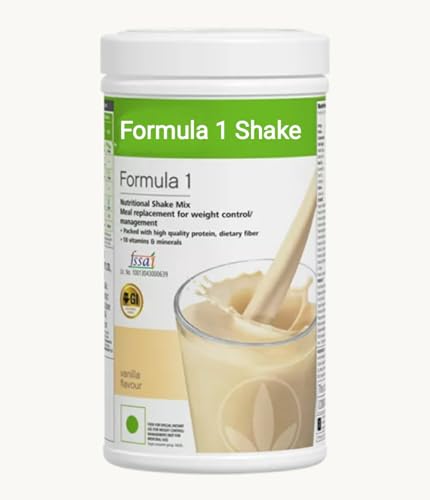
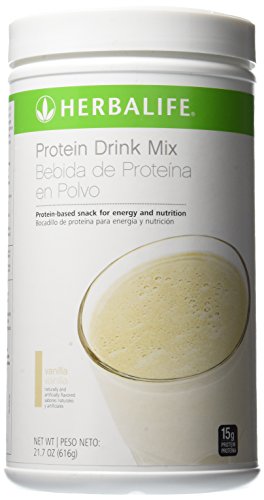
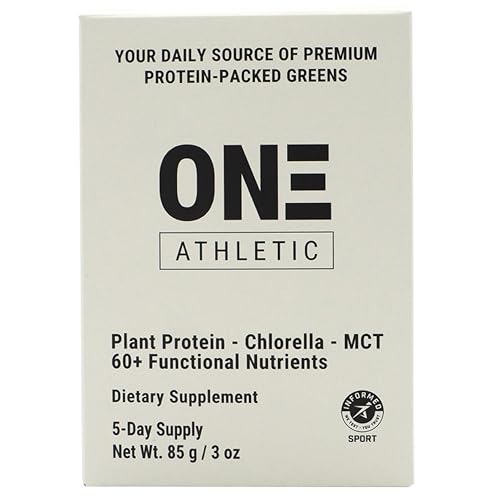
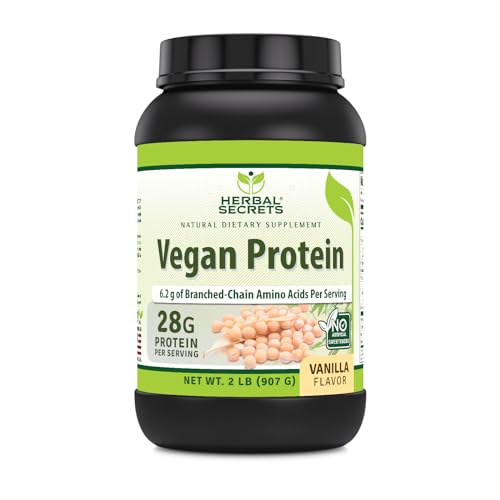
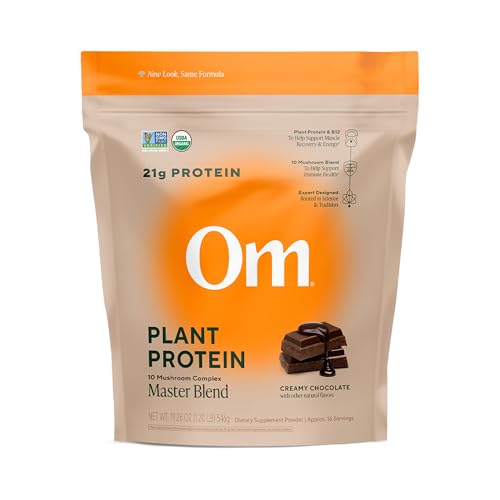
Best-selling Herbal Proteins Products





Article Sources
At AncientHerbsWisdom, our content relies on reputable sources, including peer-reviewed studies, to substantiate the information presented in our articles. Our primary objective is to ensure our content is thoroughly fact-checked, maintaining a commitment to accuracy, reliability, and trustworthiness.
- Hertzler, S. R., & et al. (2020). Plant Proteins: Assessing Their Nutritional Quality and Effects on Health and Physical Function. Journal of Nutrition and Metabolism. This review highlights the nutritional quality of plant proteins and strategies for meeting indispensable amino acid requirements through varied plant protein sources. https://www.ncbi.nlm.nih.gov/pmc/articles/PMC7760812/
- Opazo‑Navarrete, M., & et al. (2025). Comprehensive Review of Plant Protein Digestibility. Applied Sciences, 15(7), 3538. This review analyzes plant protein digestibility and factors affecting bioavailability, including molecular structure and processing methods. https://www.mdpi.com/2076-3417/15/7/3538
- Akyüz, A., & et al. (2024). Plant Protein Resources, Novel Extraction and Functional Applications. Journal of Food Processing and Preservation. Comprehensive overview of plant protein sources, extraction techniques, and functional uses. https://onlinelibrary.wiley.com/doi/10.1111/jfpe.14758
- Jamnekar, P. P., & et al. (2025). Ashwagandha as an Adaptogenic Herb. Journal of Herbal Medicine Research. Detailed review of Ashwagandha’s adaptogenic and immunomodulatory properties. https://www.ncbi.nlm.nih.gov/articles/PMC12680924/
- Liang, C. J. W., & et al. (2025). Safety Considerations for Natural Products with Adaptogenic and Immunomodulatory Properties. Pharmaceuticals, 18(8), 1208. Discusses adaptogenic herbs and their effects on stress responses and immune function. https://www.mdpi.com/1424-8247/18/8/1208
- Wikipedia contributors. (n.d.). Moringa oleifera. In Wikipedia, The Free Encyclopedia. Overview of moringa’s nutritional profile, traditional uses, and applications. https://en.wikipedia.org/wiki/Moringa_oleifera
- Wikipedia contributors. (n.d.). Fenugreek. In Wikipedia, The Free Encyclopedia. Nutritional data and traditional culinary use of fenugreek seeds. https://en.wikipedia.org/wiki/Fenugreek
- Sustainable Food Technology (2023). Sustainable plant protein: an up‑to‑date overview of sources, extraction techniques and utilization. RSC Publishing. Discusses plant protein composition and functional properties of seeds like flaxseed. https://pubs.rsc.org/en/content/articlehtml/2023/fb/d3fb00003f
- ScienceDirect (2025). Development and characterization of a sustainable plant‑based protein powder from peanut meal and Moringa oleifera for human nutrition. Food and Humanity, 5, 100706. Research on plant‑derived proteins and their nutritional value. https://doi.org/10.1016/j.foohum.2025.100706
- MDPI Nutrients (2020). Exploring Health‑Promoting Attributes of Plant Proteins as a Functional Ingredient for the Food Sector. Systematic review of plant protein sources and health outcomes in human studies. https://www.mdpi.com/2072-6643/12/8/2291
- Wikipedia contributors. (n.d.). Pea protein. In Wikipedia, The Free Encyclopedia. Overview of pea protein composition, digestibility, and nutrition. https://en.wikipedia.org/wiki/Pea_protein
- SDC Publishing (2025). Plant Source Protein – An Overview. Describes cereals and legumes as primary plant protein sources. https://www.sciencedirect.com/topics/agricultural-and-biological-sciences/plant-source-protein

- Nectarine: Stone Fruit for Heart Health and Antioxidants - March 8, 2026
- Peach: Hydrating Fruit for Skin Health and Digestion - March 8, 2026
- Plum: Fiber-Rich Fruit for Digestion and Heart Health - March 8, 2026
