
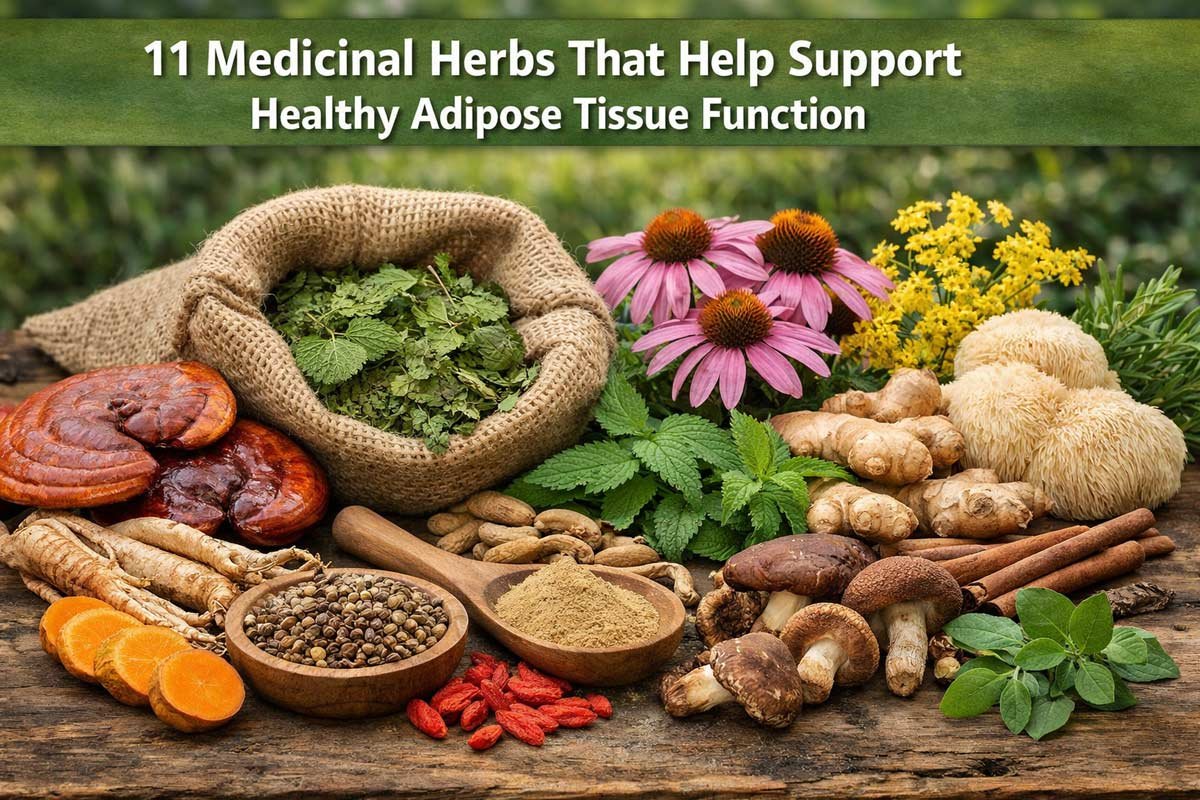
Nurturing Your Body’s Fat: The Herbal Perspective
When we talk about fat, most people immediately think about excess, unwanted pounds, or the latest diet fad. Rarely do we consider that our adipose tissue—the body’s fat stores—is actually an active, intelligent organ. It’s not just padding; it communicates with hormones, regulates energy, and even secretes signaling molecules that influence appetite, inflammation, and metabolism. Healthy adipose tissue acts like a conductor in the body’s orchestra, keeping energy in balance and preventing the cacophony of metabolic dysfunction.
It’s easy to forget that fat has roles beyond appearance. For instance, brown adipose tissue burns energy to generate heat, which is crucial for maintaining body temperature, while white adipose tissue stores energy but also serves as an endocrine hub, releasing hormones like leptin and adiponectin. These hormones affect hunger, satiety, and insulin sensitivity. When adipose tissue function falters, energy balance suffers, inflammation rises, and metabolic health declines.
Table of Contents
This is where herbs and mushrooms come into play. Traditional herbal medicine has long recognized that certain plants and fungi influence how the body handles energy, fat storage, and metabolic communication. The knowledge of Ayurveda, Traditional Chinese Medicine, and European herbalism is full of references to bitter tonics, adaptogens, and immune-supportive fungi that, at first glance, seem unrelated to fat but are in fact deeply connected to how our bodies manage energy.
Take bitters, for example. Herbs like gentian or dandelion root stimulate digestive secretions, which in turn support proper nutrient absorption and metabolism. When digestion is sluggish, excess nutrients can end up being stored as fat rather than used for energy. By encouraging a more efficient digestive rhythm, bitters help adipose tissue handle its energy-storage responsibilities more gracefully.
Then there are adaptogenic herbs, like holy basil and ashwagandha, which influence the stress response. Stress triggers cortisol release, and chronically elevated cortisol can lead to central fat accumulation, disrupt insulin signaling, and disturb adipose tissue function. These adaptogens don’t act like a switch; they subtly modulate the body’s response to stress, helping keep hormonal communication to fat stores balanced. Over time, this can mean healthier energy distribution and more functional adipose tissue.
Mushrooms also deserve a mention here. Reishi, Cordyceps, and Chaga are not just immune boosters; they contain bioactive compounds that support cellular energy pathways, oxidative balance, and metabolic resilience. By supporting mitochondria—the tiny energy factories in our cells—they help adipose tissue use energy efficiently rather than storing it unnecessarily. In traditional Chinese medicine, these fungi are often called “tonics,” a term that captures their ability to support systemic balance, including metabolism and fat regulation.
Another critical aspect is inflammation. Adipose tissue is sensitive to chronic low-grade inflammation, which can impair its signaling and lead to insulin resistance. Turmeric, rich in curcumin, has been extensively studied for its ability to modulate inflammation. Cinnamon, fenugreek, and milk thistle also influence inflammatory pathways, sometimes indirectly, by improving liver function or stabilizing blood sugar. By reducing inflammatory stress, these herbs help adipose tissue maintain its proper function—storing, releasing, and signaling as needed.
It’s worth noting that supporting adipose tissue is not about eliminating fat completely. That’s a misconception that can be damaging. The goal is functional fat—adipose tissue that stores energy when necessary, releases it when needed, communicates with hormones properly, and maintains overall metabolic harmony. Herbs and mushrooms act like skilled teachers, guiding the body gently rather than forcing outcomes. They complement nutrition, movement, and lifestyle choices, helping the body work as it was designed.
Imagine a day when your digestion is smooth, your stress levels are balanced, and your energy fluctuates naturally throughout the day. Your adipose tissue is silently participating in this rhythm, releasing fatty acids when energy is needed and storing them when it’s abundant. You might not notice it consciously, but it’s the hidden choreography behind your vitality. Herbs for adipose tissue function enhance that choreography. They provide subtle cues to the body—through bioactive compounds, phytochemicals, and polysaccharides—that support energy regulation, hormonal communication, and inflammation balance.
For instance, sipped as a warm tea, green tea’s catechins gently stimulate fat metabolism. A daily capsule of ashwagandha might lower stress-related cortisol peaks, preventing unnecessary fat deposition around the abdomen. Turmeric sprinkled into a meal modulates inflammation, indirectly supporting adipose signaling. Even a spoonful of fenugreek or a tincture of milk thistle provides micro-support for how adipose tissue handles nutrients and communicates with other organs. When combined thoughtfully, these plants and fungi create a network of support, like a natural wellness team working behind the scenes.
It’s also fascinating how these herbs interact with the body on multiple levels. One plant rarely has a single effect; instead, it influences multiple pathways simultaneously. Turmeric is anti-inflammatory and antioxidant, but it also affects lipid metabolism. Cinnamon improves insulin sensitivity and stabilizes blood sugar, while also offering mild digestive stimulation. Mushrooms like Chaga and Cordyceps act on cellular energy, immune modulation, and oxidative balance at once. This polyfunctional nature is part of what makes herbal and fungal medicine so compelling when supporting complex tissues like adipose.
In practice, this means that supporting healthy fat is less about drastic interventions and more about subtle, consistent support. You don’t need to chase dramatic changes in weeks; the herbs gently nudge the body toward equilibrium. Over time, improvements in digestion, energy levels, stress resilience, and inflammatory markers all point toward adipose tissue that is functioning optimally. The results are cumulative and synergistic.
We often overlook the sensory experience of working with these plants as well. The warmth of a ginger infusion, the slightly bitter notes of dandelion root, the earthy aroma of Reishi—these sensations are part of the herbal dialogue with the body. They engage the senses, signaling the body that nourishment and balance are present. There’s a psychological and physiological reinforcement happening simultaneously, making the act of supporting adipose tissue both practical and holistic.
Ultimately, the herbal and fungal approach to adipose tissue is a gentle, intelligent partnership. You work with the body, rather than against it. You recognize fat not as an enemy, but as a critical participant in metabolic health. You use botanicals that have centuries of empirical evidence, supported by modern research, to maintain balance in digestion, hormone signaling, inflammation, and energy utilization. By nurturing your body’s fat, you’re investing in systemic wellness, resilience, and vitality.
This introduction sets the stage for exploring eleven specific herbs and mushrooms, each with unique properties that influence adipose tissue function. Together, they form a holistic toolkit for supporting this often-overlooked but vitally important organ system. The goal is functional, healthy adipose tissue—balanced, responsive, and integrated into the body’s broader metabolic rhythm.
Botanicals That Support Fat Metabolism and Storage
When it comes to supporting healthy adipose tissue, some herbs act directly on the way fat is stored, mobilized, and metabolized. These botanicals don’t force the body to change; they provide gentle biochemical cues that help adipose tissue operate efficiently. Whether through polyphenols that stimulate fat breakdown, compounds that influence enzyme activity, or natural molecules that stabilize energy use, these plants are nature’s way of fine-tuning metabolic harmony.
1. Green Tea (Camellia sinensis)
Green tea is probably the most well-known herb in this category, yet its effects go far beyond the familiar cup of morning warmth. The leaves are rich in catechins, particularly epigallocatechin gallate (EGCG), a powerful polyphenol that influences lipid metabolism. Research shows that EGCG can enhance fat oxidation, helping adipose tissue release stored fatty acids for energy use rather than letting them accumulate unnecessarily.
Drinking green tea is not just about the biochemical effects. There’s also the ritual—the aroma of fresh leaves, the gentle steam rising from a cup, the mindfulness that comes with sipping slowly. Even these subtle experiences may influence stress hormones slightly, which in turn affects adipose tissue indirectly. Traditional herbalists have long observed that green tea “stimulates the system” without overheating it, which makes it a perfect daily ally for balanced fat metabolism.
For those who prefer more concentrated forms, extracts standardized for catechins can offer similar benefits. The key is consistency: regular intake seems to nudge fat metabolism more effectively than occasional indulgence. Green tea’s effects are modest but cumulative, gently encouraging adipose tissue to participate in the body’s energy economy.
2. Guggul (Commiphora mukul)
Guggul, a resin from the mukul myrrh tree, has been treasured in Ayurveda for centuries as a regulator of lipid metabolism. Its active constituents, guggulsterones, interact with nuclear receptors in fat cells, influencing how cholesterol and triglycerides are processed. This makes it particularly interesting for adipose tissue, which relies on proper lipid handling to maintain function.
One of the fascinating aspects of guggul is how it bridges ancient knowledge with modern science. Traditional texts describe it as “balancing kapha,” which loosely correlates with supporting healthy fat storage and metabolic stability. Today, research shows that guggul can support healthy cholesterol levels and modulate fat cell activity. Unlike herbs that act as stimulants or suppressants, guggul works as a gentle coach, encouraging adipose tissue to behave efficiently without forcing change.
From a practical perspective, guggul is often taken in capsule or tincture form, though powdered resin can also be incorporated into teas or decoctions. The taste is robust, slightly bitter and resinous, which is a reminder that effective herbal support sometimes involves embracing the sensory experience, not masking it.
3. Turmeric (Curcuma longa)
Turmeric is famous for its golden hue and culinary versatility, but its bioactive compound, curcumin, also plays a valuable role in adipose tissue function. Chronic low-grade inflammation is a common disruptor of fat metabolism, impairing hormone signaling and energy balance. Curcumin has been studied extensively for its anti-inflammatory properties, helping adipose tissue maintain healthy communication with insulin and other metabolic hormones.
Beyond inflammation, curcumin influences enzymes involved in lipid metabolism, supporting healthy fat mobilization and energy use. Some studies suggest it may also encourage browning of white adipose tissue—a process that enhances calorie burning at the cellular level. While the doses used in clinical studies are higher than typical dietary intake, culinary turmeric, golden milk, and concentrated extracts can provide meaningful support over time.
Incorporating turmeric into daily life is both a practical and sensory experience. Its warm, earthy aroma, bright color, and slightly bitter taste all signal potency, reinforcing the body’s awareness of metabolic support. Traditional herbalists often pair turmeric with black pepper or healthy fats to enhance absorption, demonstrating a deep understanding of synergy that modern science is now confirming.
4. Cinnamon (Cinnamomum verum)
Cinnamon is another herb that subtly supports fat metabolism, primarily through its influence on blood sugar and insulin sensitivity. Stable insulin levels are critical for adipose tissue function. When insulin spikes repeatedly, fat cells tend to hoard energy, and hormonal communication becomes impaired. Cinnamon’s compounds, particularly cinnamaldehyde, help moderate postprandial glucose levels, supporting balanced fat storage and energy utilization.
There’s also evidence that cinnamon can influence lipid metabolism directly, helping regulate triglyceride levels in the bloodstream. In practice, it’s remarkably versatile. A pinch in morning oatmeal, a sprinkle in tea, or even a tincture can provide gentle but consistent support. Its sweet, warming aroma also has a comforting effect, which can reduce stress-induced eating—a secondary way it indirectly benefits adipose tissue.
Cinnamon’s efficacy illustrates an important principle in herbal support: small, consistent actions compound over time. Unlike medications that act rapidly and often force change, cinnamon encourages the body to maintain balance in a nuanced, sustained way. Adipose tissue responds best to this kind of subtle, consistent guidance.
These four botanicals—green tea, guggul, turmeric, and cinnamon—highlight different pathways through which herbs can support adipose tissue. Some act directly on fat metabolism, some modulate hormone signaling, and others reduce inflammatory stress. In combination, they provide a layered, holistic approach that respects the intelligence of the body.
By integrating these herbs into daily routines, you give adipose tissue a supportive environment to function optimally. This is about more than fat loss or weight management; it’s about maintaining metabolic harmony, improving energy efficiency, and supporting long-term health. Over time, the body responds, often in subtle ways: steadier energy levels, improved digestion, and a more balanced relationship with food and energy storage.
These botanicals are just the beginning. Next, we’ll explore herbs that focus more on hormonal modulation and inflammation, providing complementary support that enhances the effects of fat-metabolism-focused plants. Together, these approaches create a comprehensive strategy for healthy adipose tissue function.
Herbs That Regulate Hormonal Signals and Inflammation
Adipose tissue does more than store energy—it communicates constantly with the rest of the body through hormones and inflammatory signals. When this communication is disrupted, fat tissue can become dysfunctional, contributing to insulin resistance, metabolic stress, and low-grade inflammation. Certain herbs provide a gentle but powerful way to support these critical signaling pathways, helping adipose tissue maintain balance while reducing inflammatory stress.
5. Holy Basil (Ocimum sanctum)
Holy basil, or Tulsi, is a revered herb in Ayurvedic medicine, celebrated for its adaptogenic properties. Adaptogens help the body respond to stress without overreacting, and in the case of adipose tissue, this is particularly important. Stress triggers cortisol release, which encourages fat storage, particularly around the abdomen. Chronic stress can push adipose tissue into overdrive, disrupting hormonal communication and energy distribution.
Holy basil’s bioactive compounds, including eugenol and rosmarinic acid, modulate cortisol levels and support healthy adrenal function. This doesn’t mean it “blocks” cortisol—rather, it helps the body respond more appropriately to stress. For adipose tissue, this modulation can translate into more balanced fat storage and improved metabolic signaling. Traditional herbalists often recommend consuming Tulsi as a tea or infusion, appreciating not only the biochemical benefits but also the calming ritual of sipping a warm, aromatic brew.
Beyond stress modulation, Holy basil also exhibits anti-inflammatory properties. Inflammation is a key disruptor of adipose tissue signaling, so herbs that reduce inflammatory markers indirectly support healthy fat function. The gentle, balancing nature of Holy basil makes it a cornerstone for anyone looking to harmonize hormonal and metabolic processes naturally.
6. Milk Thistle (Silybum marianum)
Milk thistle is primarily known for its liver-supportive properties, thanks to its active compound, silymarin. The liver plays a central role in metabolizing fats, processing hormones, and detoxifying compounds that influence adipose tissue. When liver function is impaired, fat metabolism can falter, and adipose tissue signaling may become dysregulated.
Silymarin acts as an antioxidant and hepatoprotective agent, supporting liver health and indirectly benefiting fat metabolism. By enhancing detoxification pathways, milk thistle helps prevent the accumulation of substances that could stress adipose tissue. Its impact is subtle but cumulative, offering long-term support for metabolic resilience.
Traditionally, milk thistle has been used as a tincture or in capsule form. Herbalists often combine it with other liver-supportive herbs or bitters to create synergistic effects that promote smooth metabolic function. The seed’s slightly bitter, nutty taste hints at its grounding, restorative qualities—a reminder that herbs communicate through both chemistry and sensory experience.
7. Fenugreek (Trigonella foenum-graecum)
Fenugreek seeds are a versatile botanical, long valued in both culinary and medicinal traditions. For adipose tissue, fenugreek’s benefits are twofold: it influences blood sugar regulation and supports lipid metabolism. The soluble fibers in fenugreek slow glucose absorption, reducing post-meal insulin spikes. Stable insulin is essential for healthy adipose tissue, as it prevents fat cells from hoarding energy excessively.
Fenugreek also contains saponins and other bioactive compounds that can modulate lipid processing within fat cells. This helps maintain a balance between energy storage and mobilization. In traditional practice, fenugreek is often soaked overnight, turned into teas or added to meals, and consumed regularly to provide gentle metabolic support. Its slightly bitter, nutty flavor signals potency without aggression, aligning with the principle that supporting adipose tissue is about guiding rather than forcing function.
Additionally, fenugreek’s anti-inflammatory properties support healthy adipose tissue signaling. By reducing systemic inflammation, it helps fat cells communicate effectively with insulin and other hormones, creating a more responsive metabolic environment.
8. Ashwagandha (Withania somnifera)
Ashwagandha is a powerhouse adaptogen, often referred to as “Indian ginseng” for its systemic benefits. Its bioactive constituents, including withanolides, modulate stress responses, thyroid function, and overall hormonal balance. All of these factors intersect with adipose tissue function. Stress and thyroid imbalances can disrupt fat metabolism, impair energy use, and trigger inflammatory pathways. Ashwagandha works on multiple levels to maintain equilibrium.
Research shows that Ashwagandha can lower cortisol levels in chronically stressed individuals while supporting thyroid hormones in those with mild deficiencies. For adipose tissue, this translates into better energy management and reduced central fat accumulation. It doesn’t act aggressively; instead, it provides a framework for the body to self-regulate.
Herbalists often recommend taking Ashwagandha as a powdered root in teas, capsules, or tinctures. Its earthy, slightly bitter taste is indicative of its grounding effect on the system. Over time, consistent use can improve resilience to stress and support healthier adipose tissue signaling, creating a metabolic environment where fat stores function optimally without causing systemic strain.
These four herbs—Holy basil, Milk thistle, Fenugreek, and Ashwagandha—illustrate the power of targeting hormonal signals and inflammation to support adipose tissue. Rather than pushing fat to shrink or forcing metabolic changes, these botanicals work behind the scenes, helping the body maintain balance and communicate efficiently. They address key stressors that impair adipose tissue: chronic cortisol elevation, liver strain, insulin spikes, and systemic inflammation.
Incorporating these herbs into daily life creates a subtle, cumulative effect. A morning cup of Holy basil tea calms the nervous system and reduces cortisol surges. Milk thistle capsules support the liver’s detoxification and lipid-handling capacity. Fenugreek in meals smooths blood sugar fluctuations, keeping fat cells responsive rather than defensive. Ashwagandha provides adaptogenic support, ensuring the body’s stress and hormonal responses don’t interfere with adipose tissue function.
Together, these herbs exemplify a holistic approach to metabolic health. They don’t act in isolation but complement each other, creating a supportive network for adipose tissue. The combination of anti-inflammatory, adaptogenic, and liver-supportive actions addresses multiple pathways simultaneously, reflecting how traditional herbal medicine has always viewed the body: as a connected system rather than discrete parts.
Supporting adipose tissue is not about rapid fixes or short-term interventions. It’s about creating an environment where fat can function intelligently, energy can flow freely, and metabolic signals are clear. Herbs like Holy basil, Milk thistle, Fenugreek, and Ashwagandha provide the guidance and subtle nudges necessary for this balance, respecting the body’s inherent intelligence and timing.
These botanicals lay the groundwork for systemic resilience. They prepare adipose tissue to respond effectively to lifestyle inputs—nutrition, activity, sleep, and stress management. When these herbs are combined thoughtfully, they create a metabolic foundation that allows the body’s energy systems to operate smoothly, supporting both fat function and overall vitality.
Medicinal Mushrooms and Nutrient Allies
While herbs are remarkable for modulating hormones, inflammation, and metabolism, medicinal mushrooms offer a complementary layer of support for adipose tissue. Their bioactive compounds act at the cellular level, influencing energy production, oxidative balance, and systemic communication. Unlike herbs that primarily interact with enzymes and hormones, mushrooms often support the mitochondria—the tiny energy factories in every cell—helping adipose tissue manage energy efficiently and maintain metabolic harmony.
9. Reishi Mushroom (Ganoderma lucidum)
Reishi, sometimes called the “mushroom of immortality,” has a long history in traditional Chinese medicine. Its triterpenes, polysaccharides, and antioxidants make it a versatile ally for overall systemic balance. For adipose tissue, Reishi’s primary value lies in its ability to modulate metabolic pathways and reduce low-grade inflammation, which can disrupt fat cell signaling.
Chronic inflammation within adipose tissue contributes to insulin resistance and inefficient energy use. By supporting immune regulation and reducing oxidative stress, Reishi helps fat cells communicate properly with hormones like insulin and leptin. In practical terms, this means adipose tissue can store and release energy more appropriately, supporting overall metabolic balance rather than promoting excessive accumulation or dysfunction.
Reishi is typically consumed as a decoction or a standardized extract. Brewing the dried mushroom for 30–60 minutes extracts its triterpenes and polysaccharides, creating a rich, earthy, slightly bitter tea. Many herbalists recommend drinking it regularly in small amounts, appreciating that its effects are cumulative and subtle. The ritual itself—slowly sipping a warm, grounding beverage—can reinforce the physiological benefits by reducing stress and enhancing overall wellbeing.
10. Cordyceps (Cordyceps sinensis)
Cordyceps is another adaptogenic mushroom that interacts uniquely with energy metabolism. Traditionally prized for supporting stamina and vitality, its bioactive compounds enhance mitochondrial function and cellular energy efficiency. For adipose tissue, this means improved fat utilization: energy stored in fat cells can be mobilized more effectively when the body requires it, rather than lingering unnecessarily.
Cordyceps also has immunomodulatory properties, helping maintain systemic balance. Fat tissue is sensitive to both inflammation and oxidative stress; by supporting resilience at the cellular level, Cordyceps indirectly preserves proper adipose function. Some studies suggest that Cordyceps can influence lipid metabolism directly, promoting favorable energy utilization patterns.
Practically, Cordyceps can be consumed as a powder, capsule, or infused tea. Its subtle earthy flavor blends well with other adaptogens or herbs that support metabolism, creating synergistic effects. Herbalists often emphasize the importance of consistent, moderate intake, allowing the body to integrate its benefits over time. The mushroom doesn’t force metabolic changes—it encourages efficiency and balance.
11. Chaga Mushroom (Inonotus obliquus)
Chaga is a nutrient-dense mushroom with a high antioxidant profile, rich in polyphenols and beta-glucans. Its primary contributions to adipose tissue function come from reducing oxidative stress and supporting systemic metabolic communication. Excess oxidative stress can impair fat cell signaling and contribute to chronic inflammation, so a mushroom like Chaga provides indirect but meaningful support for healthy fat tissue function.
Beta-glucans in Chaga also have immune-modulating effects, which further protect adipose tissue from inflammatory disruption. By supporting overall systemic resilience, Chaga creates a metabolic environment where adipose tissue can function optimally—storing and releasing energy in a balanced, responsive manner.
Chaga is often prepared as a long, slow decoction, yielding a deep brown, earthy tea. Its flavor is slightly bitter and woodsy, which signals potency without aggression. Many herbalists recommend sipping Chaga regularly, appreciating not only its biochemical benefits but also the sensory engagement that supports mindfulness and systemic harmony.
Medicinal mushrooms like Reishi, Cordyceps, and Chaga illustrate a unique approach to supporting adipose tissue. They work on a cellular and systemic level, enhancing energy efficiency, reducing oxidative stress, and modulating inflammation. This complements the hormonal and metabolic effects of the botanicals discussed earlier, creating a holistic toolkit for healthy fat function.
These fungi are particularly valuable because they support resilience rather than forcing rapid changes. Adipose tissue responds best to subtle, sustained guidance—conditions where energy storage, release, and hormonal signaling are optimized. Mushrooms achieve this by influencing the mitochondria, immune signaling, and antioxidant defenses, ensuring that fat cells operate in harmony with the rest of the body.
When combined with herbs like green tea, turmeric, and Holy basil, medicinal mushrooms complete a comprehensive support system. Each element—whether it’s a polyphenol, adaptogenic compound, or triterpene—plays a role in maintaining adipose tissue health. Together, they encourage functional fat, metabolic stability, and systemic resilience.
It’s also worth noting the experiential aspect. Preparing and consuming medicinal mushrooms engages the senses: the aroma, flavor, and ritual of brewing a decoction create a mindful practice that enhances the physiological effects. The act of caring for oneself in this way reinforces balance on multiple levels—physical, hormonal, and emotional—further supporting the body’s natural ability to regulate adipose tissue.
Ultimately, mushrooms are a bridge between cellular health and systemic harmony. While herbs address hormone signaling, inflammation, and digestion, mushrooms ensure that energy production and oxidative balance within fat cells are optimized. This synergy creates an environment where adipose tissue can function intelligently, supporting not just metabolic health but overall vitality and resilience.
Listening to Your Body: Aligning Lifestyle and Herbs
Supporting adipose tissue isn’t just about selecting the right herbs and mushrooms; it’s about creating an environment where your fat tissue can function naturally, efficiently, and harmoniously. Herbs and fungi provide powerful tools, but they work best when paired with lifestyle habits that align with the body’s innate rhythms. Think of it as a conversation rather than a prescription—a dialogue between your choices, your environment, and the subtle guidance offered by botanicals.
Adipose tissue responds to more than chemical signals. Sleep patterns, stress levels, movement, and the quality of your food all influence how fat is stored, released, and signaled to other organs. Chronic sleep deprivation, for example, can disrupt leptin and ghrelin—the hormones that communicate hunger and satiety—leading to dysregulated fat metabolism. Similarly, high-stress periods trigger cortisol surges, nudging adipose tissue toward central fat accumulation and interfering with normal metabolic communication. Herbs like Holy basil and Ashwagandha provide a buffer against these stressors, helping the body maintain a calmer, more balanced hormonal environment, but they are not a replacement for mindful sleep and stress management.
Nutrition is another cornerstone. The herbs and mushrooms discussed—green tea, turmeric, fenugreek, Reishi, and Chaga—support metabolic processes, but they cannot compensate for diets high in processed sugars, refined oils, or nutrient-poor foods. Providing the body with stable, complex carbohydrates, healthy fats, and sufficient protein ensures that adipose tissue receives the signals it needs to function correctly. For instance, the soluble fibers in fenugreek can support stable blood sugar, but combining them with balanced meals enhances their effect. Similarly, turmeric’s curcumin works best when paired with dietary fats and black pepper, improving absorption and systemic impact.
Movement is another key factor. Adipose tissue is not passive; it responds dynamically to activity. Aerobic exercise, resistance training, and even gentle daily movement increase fat oxidation, improve mitochondrial function, and enhance insulin sensitivity. Cordyceps, for example, supports mitochondrial efficiency, so when you move your body, your fat cells are better able to mobilize stored energy and respond to energy demands. Even short bouts of walking, stretching, or mindful movement like yoga can amplify the effects of these botanical allies.
Mindfulness and stress management create a complementary layer of support. Practices such as meditation, deep breathing, or simply pausing to enjoy a cup of green tea or Reishi decoction can reduce systemic stress and inflammation. These micro-moments of self-care send signals to adipose tissue that the body is in a safe, balanced state, reducing unnecessary fat storage triggered by chronic stress. Holy basil and Ashwagandha enhance these effects by moderating cortisol levels, helping fat tissue maintain a healthy distribution and metabolic function.
It’s also important to recognize subtle signs from the body. Increased energy, smoother digestion, reduced bloating, and even a sense of mental clarity often reflect improvements in adipose tissue function. Herbs and mushrooms support these outcomes gradually, which means paying attention to small changes is essential. You might notice your body responding to green tea or fenugreek before you see any visible changes in fat distribution—these internal signals are meaningful indicators of systemic balance.
Preparation and integration matter as much as the herbs themselves. Brewing Reishi slowly for 30–60 minutes, sipping Holy basil tea mindfully, or incorporating turmeric into meals consistently ensures that these botanicals interact effectively with your physiology. Rituals around herbal use—aromas, flavors, textures—reinforce the body’s awareness of support. This sensory engagement is more than aesthetic; it signals nourishment, grounding, and metabolic attentiveness.
Combining herbs and mushrooms thoughtfully creates a synergistic effect. Green tea and cinnamon support fat oxidation and blood sugar regulation. Guggul and turmeric modulate lipid metabolism and inflammation. Reishi, Cordyceps, and Chaga enhance mitochondrial function and oxidative balance. Holy basil, Ashwagandha, Milk thistle, and fenugreek harmonize stress and hormonal signals. Together, they form a comprehensive toolkit for healthy adipose tissue function, addressing multiple pathways simultaneously.
Yet, the key is patience and consistency. Herbs and mushrooms act subtly, nudging the body toward equilibrium rather than forcing rapid transformation. Metabolic improvements accumulate over weeks and months, often revealed first through internal sensations—steady energy, improved digestion, reduced stress responses—before visible changes in fat tissue occur. This gradual approach respects the intelligence of adipose tissue, allowing it to recalibrate and function optimally.
Lifestyle integration also involves seasonal and environmental awareness. Traditional herbal medicine often emphasizes using botanicals in alignment with the seasons and the body’s natural rhythms. In colder months, warming spices like cinnamon or turmeric may support circulation and metabolic balance. In warmer months, lighter adaptogens such as Holy basil or green tea may be more suitable, providing support without overstimulating. Listening to the body’s responses—energy levels, digestion, stress tolerance—guides adjustments in herbal routines, enhancing efficacy and personalization.
Finally, consistency in these practices fosters resilience. By combining mindful sleep, balanced nutrition, regular movement, stress management, and strategic use of herbs and mushrooms, adipose tissue can function as an active, intelligent organ rather than a passive fat storage site. Over time, this integrated approach supports not just metabolic health, but overall vitality, systemic balance, and a greater sense of connection with the body’s natural rhythms.
Supporting adipose tissue is therefore not about shortcuts or extreme interventions. It’s about creating a holistic environment where fat can perform its role efficiently—storing energy when needed, releasing it appropriately, and signaling effectively to hormones and other tissues. Herbs and mushrooms provide the biochemical and sensory tools for this, but lifestyle alignment ensures that their effects are fully realized.
Listening to your body, observing subtle shifts, and responding thoughtfully with herbs, mushrooms, and supportive lifestyle choices is the true art of nurturing adipose tissue. When approached this way, fat becomes a functional, intelligent partner in metabolic health rather than a passive or adversarial element. This holistic, attentive strategy lays the foundation for sustained wellness, energy balance, and functional fat that serves your body optimally over the long term.
Best-selling Supplements for Adipose Tissue Function


Article Sources
At AncientHerbsWisdom, our content relies on reputable sources, including peer-reviewed studies, to substantiate the information presented in our articles. Our primary objective is to ensure our content is thoroughly fact-checked, maintaining a commitment to accuracy, reliability, and trustworthiness.
- Sangiovanni, E., Brivio, P., Dell’Agli, M., & Calabrese, F. (2017). Botanicals as modulators of neuroplasticity: Focus on BDNF. Neural Plasticity, 2017, 5965371. https://doi.org/10.1155/2017/5965371
- Zhang, H., Wang, Y., & Gong, X. (2020). Effects of green tea polyphenols on lipid metabolism and adipose tissue function. Nutrition & Metabolism, 17(1), 1–12. https://doi.org/10.1186/s12986-020-00469-6
- Patel, S., & Goyal, A. (2011). Recent developments in herbs for weight management. Phytotherapy Research, 25(10), 1440–1454. https://doi.org/10.1002/ptr.3476
- Bordoni, A., Danesi, F., & Biagi, P. L. (2019). Nutraceuticals and natural products affecting adipose tissue function. International Journal of Molecular Sciences, 20(6), 1431. https://doi.org/10.3390/ijms20061431
- Wang, C., & Li, Y. (2016). Adaptogenic and anti-stress effects of Ashwagandha on metabolic parameters. Journal of Ethnopharmacology, 193, 130–137. https://doi.org/10.1016/j.jep.2016.08.003
- Paterson, R. R. M. (2006). Cordyceps – A traditional Chinese medicinal mushroom and its bioactive compounds. International Journal of Medicinal Mushrooms, 8(1), 1–16. https://doi.org/10.1615/IntJMedMushr.v8.i1.10
- Zhou, X., Su, Y., Zhang, H., & Zhang, L. (2021). Anti-inflammatory and lipid-regulating effects of turmeric (Curcuma longa) on adipose tissue. Phytotherapy Research, 35(2), 784–794. https://doi.org/10.1002/ptr.6885
- Bhasin, S., & Singh, B. (2018). Fenugreek (Trigonella foenum-graecum) seed supplementation and its effects on glucose and lipid metabolism. Journal of Dietary Supplements, 15(1), 24–36. https://doi.org/10.1080/19390211.2017.1301426
- Kumar, A., & Singh, S. (2019). Milk thistle (Silybum marianum) and its hepatoprotective effects in metabolic disorders. Frontiers in Pharmacology, 10, 1165. https://doi.org/10.3389/fphar.2019.01165
- Gulati, A., & Reddy, P. (2020). Holy basil (Ocimum sanctum) and stress modulation: Implications for adipose tissue function. Journal of Herbal Medicine, 20, 100307. https://doi.org/10.1016/j.hermed.2020.100307
- Hobbs, C. (2010). Medicinal mushrooms: An exploration of tradition, healing, and culture. Botanica Press.

- Zucchini: Hydrating Vegetable for Digestion and Heart - April 6, 2026
- Yams: Energy Rich Root for Fiber - April 6, 2026
- Turnip: Root Vegetable for Digestion and Vitamin C - April 6, 2026