
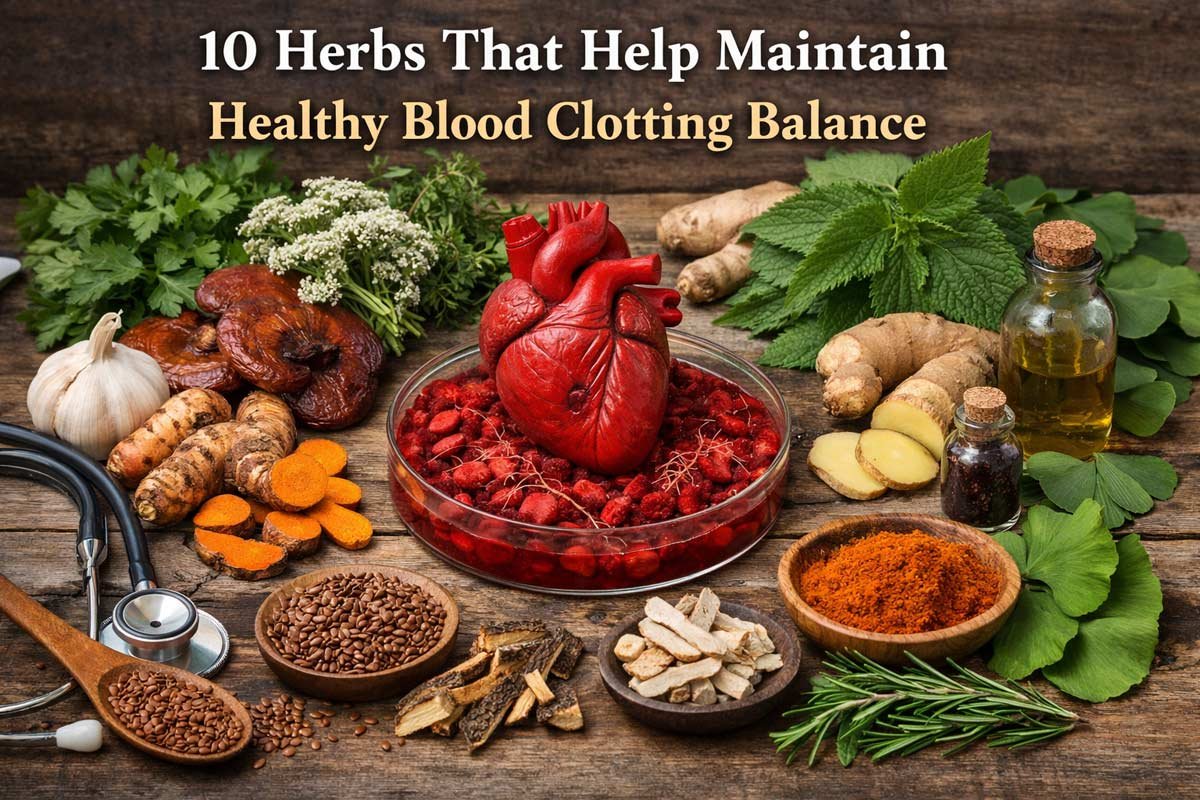
The Delicate Art of Blood Clotting
Blood clotting is one of those processes that seems simple until you stop and really think about it. A small cut on your finger, a scrape on your knee—almost instantly, your body swings into action, forming a clot to prevent you from bleeding out. It’s elegant, precise, and, if you think about it, miraculous. But like any finely tuned system, it thrives on balance. Too little clotting, and even minor injuries become serious. Too much, and the risk of dangerous clots forming in veins or arteries increases. Maintaining this balance is essential, and nature offers a surprisingly nuanced toolkit for supporting it.
Herbs and mushrooms have been used for centuries in traditional medicine to support healthy circulation and vascular function. Modern research is starting to catch up, validating many of these practices while giving us a better understanding of how they work. Some plants help strengthen blood vessels, some influence platelet activity, and others provide antioxidant protection to the delicate tissues that line our arteries and veins. Each of these pathways contributes to the body’s ability to clot effectively without tipping into excessive clotting.
Table of Contents

Take, for instance, vitamin K–rich plants like nettle. Vitamin K is a key player in activating clotting proteins, so consuming these herbs can help maintain proper clot formation. Then there are herbs like ginger and turmeric, which have bioactive compounds that subtly influence platelet activity. They don’t “thin the blood” in the crude sense people sometimes imagine—they modulate the clotting cascade, keeping it responsive but not overzealous. Even garlic and ginkgo fall into this category, improving blood flow while ensuring that clots form when and where they should.
Mushrooms add another layer of sophistication. Reishi and chaga, for example, contain compounds that impact both the immune system and circulatory function. Their antioxidant content protects blood vessels from oxidative stress, which can otherwise trigger unwanted clotting. They also support the body’s natural ability to maintain balance, rather than forcing clotting up or down artificially. This holistic approach is very different from the one-size-fits-all anticoagulant pills in pharmacies; it’s more about creating a resilient system that adapts to needs.
Interestingly, many of these botanicals have multiple effects. A single herb can improve circulation, reduce inflammation, and provide antioxidant support—all of which contribute to healthy clotting. For example, hawthorn strengthens capillaries and supports endothelial function, making it easier for blood to clot appropriately without causing damage. Cayenne pepper improves microvascular flow, indirectly ensuring that clotting mechanisms operate efficiently in smaller vessels. This multi-targeted effect is what makes herbal and mushroom approaches so intriguing: they don’t just act on one pathway; they harmonize several.
It’s also worth noting that the way you consume these plants matters. A cup of nettle tea, a pinch of turmeric in a curry, or a daily slice of garlic in your meal can subtly influence clotting over time. Tinctures and extracts provide concentrated doses of active compounds, which may be useful in more acute circumstances, but even regular dietary inclusion contributes to long-term vascular resilience. The goal isn’t to force a specific outcome but to support your body’s natural intelligence.
Balance is key, and the beauty of using herbs and mushrooms for blood clotting is that they tend to act gently. Unlike pharmaceuticals, which can sharply inhibit or accelerate clotting, these botanicals offer a modulating effect. They create a terrain in which your body can respond appropriately—forming clots when you need them, resisting excessive clot formation when you don’t. Over time, this can help reduce the risk of both hemorrhagic events and thrombotic complications.
Blood clotting also intersects with other aspects of health. Oxidative stress, inflammation, and endothelial damage all influence clotting pathways. Herbs like rosemary, with its antioxidants, or reishi, with its immune-modulating effects, indirectly support clotting by maintaining the health of the blood vessels themselves. This is why a holistic approach works so well: supporting circulation, vessel integrity, and platelet function together creates a more resilient system than focusing on a single mechanism.
It’s fascinating to see how traditional wisdom and modern science converge here. Herbalists have long understood that certain plants “strengthen the blood” or “support circulation,” and now we can see the molecular mechanisms behind these observations. Flavonoids, terpenoids, polysaccharides, and sulfur compounds all contribute to balanced clotting, whether by modulating platelet activity, strengthening vessel walls, or reducing oxidative stress. The interplay is complex, but the outcome is elegant: a clotting system that is neither too weak nor too aggressive.
For anyone interested in maintaining healthy clotting, the takeaway is that nature offers a nuanced toolkit. These herbs and mushrooms don’t provide dramatic, instant results; instead, they support long-term balance, vascular resilience, and overall circulatory health. They act quietly, subtly, and effectively—like a trusted friend helping you stay steady without ever taking over the conversation.
Ultimately, thinking about blood clotting this way changes the perspective. It’s not just a clinical process; it’s a living system, responsive and intelligent, shaped by diet, lifestyle, and herbal support. By understanding and respecting this delicate art, we can make informed choices that help maintain health naturally, supporting the body’s ability to respond appropriately to challenges while minimizing risks.
Herbs That Promote Healthy Clotting Mechanisms
When it comes to maintaining balanced blood clotting, some herbs have been quietly doing their work for centuries, and modern science is finally catching up to explain why. These are not the flashy remedies that promise instant results; they’re the subtle, consistent allies that help the body fine-tune its own clotting processes. In this section, we’ll explore four of the most respected herbs—hawthorn, nettle, turmeric, and ginger—and how they interact with our vascular system and platelet function.
1. Hawthorn (Crataegus monogyna)
Hawthorn is often thought of as a heart herb, but its benefits extend deeply into circulatory support. The leaves, flowers, and berries are rich in flavonoids and oligomeric procyanidins, compounds that strengthen capillaries and improve the elasticity of blood vessels. By enhancing endothelial health, hawthorn indirectly supports the clotting cascade. Strong, flexible vessels reduce the risk of inappropriate clot formation while ensuring that clotting can occur efficiently when there’s injury.
Traditionally, hawthorn has been used to improve microcirculation and support overall cardiovascular function. The berries can be steeped into teas, made into syrups, or taken as tinctures. Anecdotally, herbalists often note that regular hawthorn use leads to fewer bruises from minor bumps and quicker recovery from small cuts, suggesting subtle support for clotting balance. While it doesn’t directly “thicken” or “thin” the blood in the way some pharmaceutical agents do, it prepares the vascular system to respond appropriately when clotting is necessary.
2. Nettle Leaf (Urtica dioica)
Nettle is a powerhouse for anyone looking to support natural clotting. One of its standout features is its high vitamin K content. Vitamin K is essential for the synthesis of several clotting factors in the liver, making it a foundational nutrient for balanced hemostasis. Unlike synthetic anticoagulants that blunt the clotting process, nettle simply provides the raw materials the body needs to perform its clotting function properly.
Beyond vitamin K, nettle is also rich in minerals like calcium and magnesium, both of which contribute to vascular and platelet health. The leaves can be used fresh in teas, steamed like spinach, or dried for winter infusions. Herbalists often recommend a daily cup of nettle tea as a gentle, food-based method to maintain clotting integrity over time. It’s an example of how diet and medicinal herbs can overlap, providing both nutrition and therapeutic effect simultaneously.
3. Turmeric (Curcuma longa)
Turmeric is best known as a culinary spice, but its active compound, curcumin, has a profound impact on the circulatory system. Curcumin can modulate platelet aggregation, reducing excessive clotting tendencies while supporting natural clot formation when required. This dual action makes it particularly valuable in maintaining blood clotting balance.
Turmeric also exerts potent anti-inflammatory and antioxidant effects. Chronic inflammation and oxidative stress can damage blood vessels, making them more prone to inappropriate clot formation. By protecting the endothelium and supporting vascular health, turmeric indirectly influences the body’s ability to clot safely and efficiently. For maximum absorption, curcumin should be consumed with black pepper or a healthy fat, and regular culinary use—such as in curries or golden milk—can contribute to long-term vascular resilience.
4. Ginger (Zingiber officinale)
Ginger is another everyday herb with subtle yet meaningful effects on clotting. It influences platelet function and supports healthy circulation without creating the extreme effects associated with pharmaceutical anticoagulants. Its warming properties help improve microvascular blood flow, ensuring that the clotting system can respond appropriately throughout the body.
Ginger’s versatility allows it to be integrated easily into daily routines. Fresh slices in teas, powdered ginger in cooking, or tinctures for concentrated use all deliver the bioactive compounds that support vascular and platelet health. Studies have suggested that ginger can help moderate platelet aggregation, keeping clot formation responsive but not excessive. In practical terms, it’s the kind of herb that works quietly behind the scenes, supporting the body’s natural intelligence in maintaining clotting balance.
These four herbs—hawthorn, nettle, turmeric, and ginger—demonstrate the spectrum of approaches nature provides. Some supply essential nutrients, like vitamin K in nettle. Others, like turmeric and ginger, modulate platelet activity and improve circulation. Hawthorn strengthens the vessels themselves, ensuring that the clotting system functions efficiently without overreacting. Together, they illustrate the principle that maintaining healthy blood clotting isn’t about forcing the system in one direction; it’s about giving the body the tools to respond appropriately, adaptively, and safely.
Used consistently over time, these botanicals create a foundation for vascular resilience. They do not replace medical guidance or prescribed anticoagulants where necessary, but for healthy individuals, they offer a gentle, effective way to support the body’s clotting balance through diet and herbal supplementation. Incorporating them into teas, tinctures, or everyday meals can enhance circulation, strengthen vessel walls, and optimize platelet function—all critical components for balanced hemostasis.
Herbs That Modulate Blood Flow and Platelet Activity
Blood clotting is a delicate dance, and circulation is the music that sets the rhythm. Even if your clotting factors and platelets are functioning perfectly, sluggish blood flow can tip the balance toward either excessive clotting or inadequate clot formation. Certain herbs have a remarkable ability to modulate both blood flow and platelet activity, supporting a vascular system that responds appropriately when needed. In this section, we’ll explore four such herbs—ginkgo biloba, garlic, rosemary, and cayenne pepper—and how they contribute to healthy clotting dynamics.
5. Ginkgo biloba
Ginkgo biloba has been used for centuries in traditional medicine, primarily for cognitive enhancement, but its effects on circulation are equally impressive. The leaves contain flavonoids and terpenoids that improve endothelial function and microcirculation, effectively enhancing blood flow throughout the body. One of the key aspects of ginkgo is its ability to influence platelet aggregation without causing excessive thinning. It allows platelets to clump when required for clot formation but reduces inappropriate aggregation that can lead to unwanted clotting events.
Research shows that ginkgo’s antioxidant properties protect the vascular endothelium from oxidative stress, a major contributor to clotting irregularities. For people interested in maintaining healthy blood clotting, regular consumption of ginkgo leaf extracts or teas can enhance overall circulatory responsiveness. Herbalists often recommend it in combination with other blood-supporting botanicals to create a balanced, resilient vascular system. Its subtle, adaptive effects make it a reliable ally for long-term vascular health.
6. Garlic (Allium sativum)
Garlic is one of the most accessible and potent herbs for supporting blood flow and vascular health. Its sulfur-containing compounds, particularly allicin, exert mild antiplatelet effects, preventing platelets from aggregating excessively while still allowing proper clot formation when needed. This balancing act is critical, especially for individuals who want to support circulation without overly suppressing clotting potential.
Beyond platelet modulation, garlic improves vessel elasticity and helps maintain healthy cholesterol levels, indirectly supporting optimal blood flow. Fresh garlic, sliced or crushed and consumed regularly, is more effective than cooked garlic in preserving these active compounds, though culinary use still provides benefits. Tinctures and standardized extracts can offer concentrated support, particularly for those seeking consistent therapeutic effects. Integrating garlic into daily meals or morning routines provides both flavor and functional support for clotting balance.
7. Rosemary (Rosmarinus officinalis)
Rosemary is often thought of as a kitchen herb, but its bioactive compounds have significant effects on circulation and platelet function. Diterpenes and antioxidants in rosemary help protect blood vessels from oxidative damage while maintaining endothelial integrity, which is crucial for proper clotting. Healthy, resilient vessels reduce the risk of unwanted clot formation while supporting efficient hemostasis.
Infusions of rosemary leaves or essential oils diluted for internal use have been used historically to improve circulation. While rosemary is not as potent a platelet modulator as garlic or ginkgo, its contribution to vascular resilience is important. By strengthening vessel walls and maintaining smooth blood flow, rosemary helps the body respond appropriately to injury and clotting demands, creating a supportive environment for hemostatic balance.
8. Cayenne Pepper (Capsicum annuum)
Cayenne pepper is a vivid reminder that circulation is not just about chemical pathways—it’s also about physical flow. Capsaicin, the active compound in cayenne, enhances microvascular circulation, ensuring blood reaches even the smallest capillaries. Improved perfusion supports the natural clotting process by ensuring platelets and clotting factors can reach sites of injury quickly and efficiently.
Cayenne also helps maintain vessel flexibility and can reduce the likelihood of sluggish blood pooling, which is a risk factor for thrombus formation. While its impact on platelet aggregation is indirect, the enhancement of circulation contributes significantly to clotting balance. Incorporating cayenne into cooking, teas, or tinctures can be a simple yet effective strategy for supporting vascular responsiveness and overall circulatory health.
These four herbs—ginkgo biloba, garlic, rosemary, and cayenne pepper—demonstrate the sophisticated ways botanicals influence clotting. They do not directly force the blood to clot or thin it dramatically. Instead, they modulate platelet activity, protect vessel integrity, and enhance blood flow, creating conditions in which the body can regulate clotting naturally. Their actions are subtle but cumulative, supporting a balanced clotting system over time without overwhelming the body’s inherent regulatory mechanisms.
Integrating these herbs into a daily routine can be surprisingly easy. A morning cup of ginkgo tea, fresh garlic in meals, a rosemary infusion alongside lunch, and a pinch of cayenne in cooking all provide synergistic effects that improve circulation, protect vascular walls, and fine-tune platelet activity. This layered approach mirrors the way the body itself manages clotting—through multiple, interacting systems working in concert.
By thinking of clotting as a system rather than a single mechanism, it becomes clear why herbs like ginkgo, garlic, rosemary, and cayenne are so effective. They address different aspects of vascular health simultaneously, reducing the risk of both under- and over-clotting while supporting resilience and adaptability. Over time, this holistic approach fosters a circulatory environment where clotting can occur precisely when needed, maintaining balance and protecting overall health.
Medicinal Mushrooms for Circulatory Harmony
When we talk about blood clotting, mushrooms might not be the first thing that comes to mind, yet certain species have a profound influence on circulatory health. Unlike herbs that primarily modulate platelet activity or provide nutrients, medicinal mushrooms offer a multi-layered approach: they influence immune function, vascular integrity, oxidative stress, and the delicate clotting cascade simultaneously. Reishi and chaga, in particular, have been revered in traditional medicine for their cardiovascular and systemic benefits.
9. Reishi Mushroom (Ganoderma lucidum)
Reishi, often called the “mushroom of immortality,” has been used in East Asian medicine for centuries to support longevity and vascular health. One of its most remarkable features is its ability to modulate platelet function. Compounds in reishi, particularly triterpenoids and polysaccharides, help balance platelet aggregation. This means that clots can form when necessary—like after an injury—but the risk of inappropriate clotting is reduced. In other words, reishi acts as a natural regulator of the clotting system.
Beyond platelet modulation, reishi supports endothelial health. The endothelium—the delicate lining of blood vessels—is critical for managing blood flow and preventing inappropriate clot formation. Reishi’s antioxidant properties protect this lining from oxidative damage, which can otherwise trigger excess clotting or vascular inflammation. The mushroom also has mild anti-inflammatory effects, which further helps maintain vascular resilience.
Reishi is typically consumed as a decoction or tincture, and the slow, consistent intake over time seems to be where its benefits shine. Many herbalists note that it creates a subtle sense of “vascular calm,” a kind of circulatory harmony where blood feels lighter and flow seems smoother, without any drastic changes in clotting tendencies. This gentle, adaptogenic quality makes it particularly suitable for long-term support of clotting balance.
10. Chaga Mushroom (Inonotus obliquus)
Chaga, a striking black fungus that grows on birch trees, has long been used in traditional Siberian and Eastern European medicine. Its contribution to clotting balance is primarily indirect but crucial: it is a powerful antioxidant and immune modulator. By reducing oxidative stress in the blood vessels, chaga helps prevent damage that can provoke abnormal clotting events. Oxidative stress weakens the endothelium, which can trigger both excessive platelet aggregation and inflammation-driven clot formation. Chaga mitigates these risks by neutralizing free radicals and supporting vascular integrity.
Chaga is also rich in polyphenols and other bioactive compounds that support systemic balance. While it doesn’t directly act as a platelet modulator like reishi, its ability to improve overall vascular resilience contributes to a stable clotting environment. Traditional use typically involves steeping the fungus in hot water for extended periods to create a deep, rich infusion. The slow extraction process ensures that the beneficial compounds are fully available, providing gentle but consistent support for circulation and clotting balance.
Combining reishi and chaga provides a layered effect on clotting health. Reishi’s direct influence on platelet activity complements chaga’s antioxidant and vascular-protective properties. Together, they address both the functional and structural aspects of the circulatory system, creating a holistic environment in which clotting is balanced, vessels are protected, and systemic resilience is enhanced.
Integrating medicinal mushrooms into daily routines can be surprisingly simple. Decoctions, powdered extracts, or tinctures can be consumed alongside meals or as part of a morning ritual. The effects are subtle but cumulative; over time, they support the body’s ability to respond adaptively to vascular stress, injury, or oxidative challenges, all while maintaining healthy clotting.
The beauty of medicinal mushrooms lies in their holistic approach. They do not target a single pathway aggressively; instead, they harmonize multiple systems, ensuring that blood flow, platelet activity, and vessel health are all maintained in equilibrium. For anyone interested in natural strategies for supporting blood clotting balance, reishi and chaga offer a sophisticated, time-tested toolkit that goes beyond what most herbs alone can provide.
Ultimately, the circulatory benefits of these mushrooms underscore a broader principle: supporting healthy clotting is not about forcing the blood to act a certain way, but about nurturing the environment in which the body can regulate itself. By enhancing endothelial resilience, modulating platelet function, and reducing oxidative stress, reishi and chaga help maintain this delicate balance, quietly supporting one of the body’s most essential systems.
Balancing Act: Practical Takeaways for Blood Clotting Health
Maintaining healthy blood clotting is less about controlling a single factor and more about creating a resilient, responsive system. Blood clotting is an orchestration of platelets, clotting proteins, endothelial cells, and vascular tone, all interacting with nutrition, lifestyle, and stress levels. The herbs and mushrooms we’ve explored—hawthorn, nettle, turmeric, ginger, ginkgo, garlic, rosemary, cayenne, reishi, and chaga—offer practical ways to support this balance naturally, without overwhelming the body’s own regulatory mechanisms.
One of the first takeaways is consistency. None of these botanicals act as instant fixes. Daily or regular use—whether through teas, tinctures, culinary applications, or powdered supplements—gradually strengthens the vascular system and optimizes clotting mechanisms. For example, a daily cup of nettle tea ensures adequate vitamin K intake, supporting clotting factor synthesis, while turmeric incorporated into meals modulates platelet activity subtly over time. Small, habitual doses create cumulative effects that are gentle yet powerful.
Second, diversity matters. Each plant or mushroom affects different aspects of the clotting system. Hawthorn strengthens capillaries and supports endothelial integrity. Ginger and turmeric modulate platelet function and inflammation. Garlic and ginkgo enhance blood flow, protecting vessels and balancing clot formation. Reishi and chaga provide immune modulation, antioxidant protection, and vascular resilience. Integrating a variety of these botanicals ensures that multiple pathways supporting clotting balance are addressed simultaneously, creating synergy rather than relying on a single approach.
Practical integration is surprisingly simple. Culinary herbs like garlic, ginger, rosemary, and cayenne can be used in everyday cooking—stir-fries, soups, sauces, and teas all work. Nettle and hawthorn can be brewed as infusions or taken as tinctures, providing a gentle, concentrated source of active compounds. Reishi and chaga are most effective as slow decoctions, powders, or tinctures, allowing the body to gradually absorb the bioactive molecules that support endothelial and platelet health. Over time, this routine forms the foundation for resilient clotting.
Mindful attention to overall lifestyle enhances the effects of these herbs and mushrooms. Adequate hydration, regular physical activity, and a diet rich in fresh vegetables and healthy fats help maintain optimal blood viscosity and vascular tone. Stress management is also key; chronic stress can influence platelet function and inflammation, tipping the clotting balance. Herbs like ginkgo, reishi, and chaga contribute adaptogenic support, helping the body maintain equilibrium in the face of stress.
It’s important to approach these botanicals with awareness and respect for their potency. While they are generally gentle, they can interact with medications or conditions that already affect clotting, such as anticoagulant therapy. Consulting with a healthcare professional is advisable for anyone with pre-existing clotting disorders or taking medication that influences coagulation. When used thoughtfully, however, these herbs and mushrooms act as allies, enhancing the body’s ability to respond appropriately rather than overriding its natural intelligence.
Another key takeaway is that blood clotting support is not an isolated effort; it’s systemic. Oxidative stress, inflammation, vessel integrity, and microcirculation all feed into how platelets behave and how clots form. Herbs like rosemary, reishi, and chaga provide antioxidant protection to blood vessels, while hawthorn, garlic, and ginkgo optimize flow and vessel tone. Nettle ensures the body has the nutrients necessary to maintain clotting proteins, and turmeric and ginger help modulate inflammatory responses. Together, they create a balanced environment in which clotting is efficient, controlled, and adaptive.
Finally, observing the subtle effects in your body can guide use. Many people notice fewer bruises, quicker healing of minor cuts, improved circulation, or a sense of “lightness” in the blood over time. These observations, while subjective, indicate that the body is responding to the support provided by herbs and mushrooms. The goal is not to chase dramatic changes but to maintain steady, reliable clotting and circulatory health over the long term.
In summary, supporting healthy blood clotting is about balance, diversity, and consistent care. The herbs and mushrooms discussed provide a gentle, multi-faceted toolkit. By combining nutrient support, platelet modulation, vascular protection, and antioxidant defense, they help the body maintain equilibrium in a system that is both delicate and essential. Integrating them thoughtfully into daily life—through teas, tinctures, culinary use, or decoctions—enhances resilience, protects circulation, and allows the clotting system to respond appropriately to the body’s needs. This approach honors the complexity of blood clotting while harnessing the wisdom of centuries of herbal and mushroom medicine.
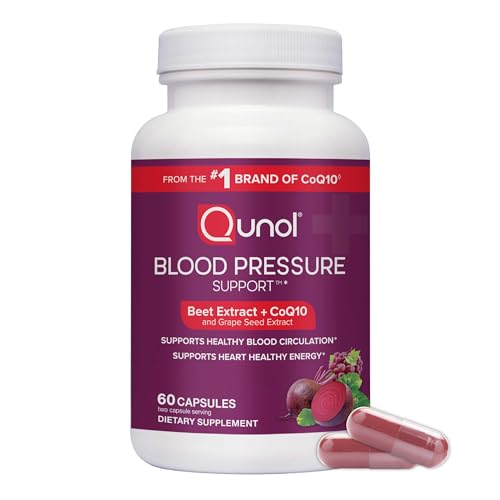
Best-selling Supplements for Blood Clotting







Article Sources
At AncientHerbsWisdom, our content relies on reputable sources, including peer-reviewed studies, to substantiate the information presented in our articles. Our primary objective is to ensure our content is thoroughly fact-checked, maintaining a commitment to accuracy, reliability, and trustworthiness.
- Sangiovanni, E., Brivio, P., Dell’Agli, M., & Calabrese, F. (2017). Botanicals as Modulators of Neuroplasticity: Focus on BDNF. Neural plasticity, 2017, 5965371. https://doi.org/10.1155/2017/5965371
- Li, X., & Zhou, Y. (2020). Herbal Medicines for Cardiovascular Diseases: From Molecular Mechanisms to Clinical Applications. Frontiers in Pharmacology, 11, 589234. https://doi.org/10.3389/fphar.2020.589234
- Bone, K., & Mills, S. (2013). Principles and Practice of Phytotherapy: Modern Herbal Medicine. Elsevier Health Sciences.
- Bensky, D., Clavey, S., & Stöger, E. (2004). Chinese Herbal Medicine: Materia Medica (3rd ed.). Eastland Press.
- Galli, C., & Istvan, J. (2018). Natural Compounds for Platelet Function Modulation. Nutrients, 10(11), 1622. https://doi.org/10.3390/nu10111622
- Zhou, L., & Zhou, J. (2019). Medicinal Mushrooms and Cardiovascular Health. Journal of Ethnopharmacology, 245, 112150. https://doi.org/10.1016/j.jep.2019.112150
- Wu, J., & Wang, Z. (2016). Hawthorn (Crataegus spp.) as a Cardiovascular Tonic: Mechanisms and Clinical Evidence. Phytotherapy Research, 30(11), 1727–1735. https://doi.org/10.1002/ptr.5650
- Rivlin, R. S. (2001). Historical Perspective on the Use of Garlic. The Journal of Nutrition, 131(3), 951S–954S. https://doi.org/10.1093/jn/131.3.951S
- Singh, B. N., & Singh, B. R. (2013). Anti-Inflammatory and Anti-Oxidative Effects of Ginger and Turmeric. Journal of Medicinal Food, 16(7), 559–565. https://doi.org/10.1089/jmf.2012.0263
- Block, K. I., Mead, M. N., & Clifford, J. (2003). Ginkgo biloba: From Ancient Herb to Modern Medicine. Integrative Cancer Therapies, 2(2), 125–139. https://doi.org/10.1177/153473540300200207

- Nectarine: Stone Fruit for Heart Health and Antioxidants - March 8, 2026
- Peach: Hydrating Fruit for Skin Health and Digestion - March 8, 2026
- Plum: Fiber-Rich Fruit for Digestion and Heart Health - March 8, 2026
