

When the Body Runs Hot or Cold: Understanding Thermoregulation
Body temperature regulation sounds simple on paper. You are warm, you cool down. You are cold, you warm up. In real life, it is messier, more nuanced, and deeply personal. I have seen people who sweat through winter coats while others shiver in midsummer. Same room. Same conditions. Very different internal climates. That difference is not random. It is thermoregulation at work, or sometimes not working as smoothly as it should.
Your core temperature stays remarkably stable, usually around 37°C, because survival depends on it. Enzymes need a narrow temperature range. Nerve signals slow when it drops. Proteins denature when it rises. The body treats temperature like a non-negotiable priority. Blood flow, hormone release, sweating, shivering, appetite, even mood get adjusted to protect that inner balance. This is not a single system doing the work. It is a constant conversation between the nervous system, endocrine signals, circulation, metabolism, and immune activity.
Table of Contents

The hypothalamus acts as the main control center. It receives signals from temperature receptors in the skin and deep tissues. It compares external input with internal needs. Then it decides whether to open blood vessels, trigger sweating, raise metabolic heat, or conserve energy. Simple in theory. In practice, modern life interferes constantly. Chronic stress, poor sleep, inflammatory diets, hormonal shifts, and stimulant overload all distort the signals. The thermostat starts misreading the room.
This is where herbs for temperature regulation become interesting. Not because they force the body in one direction, but because many of them help restore clarity to the signals themselves. They support circulation where it stagnates. They calm excess heat without suppressing metabolic fire. They warm gently without overstimulation. That distinction matters. Forcing heat down or up usually backfires. Supporting regulation tends to last.
Heat patterns show up in recognizable ways. Flushing. Night sweats. Warm hands but cold feet. A constant feeling of being overheated despite normal lab values. Often there is inflammation involved, sometimes hormonal imbalance, sometimes nervous system overdrive. Stress alone can raise perceived body temperature by altering blood flow and sweat response. People feel hot, restless, irritable, and wired. Cooling herbs have their place here, but indiscriminate cooling can weaken digestion and circulation if used without discernment.
Cold patterns look different. Cold hands and feet. Low energy. Slow digestion. Sensitivity to cold air. A tendency to gain weight easily. These patterns often correlate with reduced metabolic output or impaired peripheral circulation. Thyroid signaling can be part of the picture, but not always. Sometimes the issue is that heat is produced but not distributed. Blood stays centralized. Extremities starve for warmth. Warming herbs help, but only when they support movement, not brute force stimulation.
One of the biggest misunderstandings around thermoregulation is the idea that heat and cold are opposites that cancel each other out. In living systems, balance is rarely that binary. You can have internal heat with cold extremities. You can feel chilled while running inflammatory processes internally. You can sweat excessively and still have poor heat tolerance. Herbs for temperature regulation work precisely because many of them act on circulation, nervous tone, and metabolic efficiency rather than temperature alone.
Seasonal shifts expose these imbalances quickly. In spring and summer, heat intolerance becomes obvious. In autumn and winter, cold sensitivity takes center stage. The body is meant to adapt smoothly to these transitions. When it does not, it is often because regulatory reserves are depleted. Sleep debt accumulates. Blood sugar swings stress the nervous system. Inflammation smolders quietly. Over time, the thermostat loses finesse.
Digestion plays a larger role than most people expect. Heat production begins in the gut. Food is metabolized, nutrients are absorbed, and energy becomes available. When digestion is weak, the body struggles to generate consistent warmth. When digestion is inflamed, excess heat and discomfort arise. This is why traditional systems always linked thermal balance with digestive strength. Modern physiology supports this. Metabolic rate, gut motility, and microbiome composition all influence thermal regulation.
Circulation is the delivery system. Heat without movement stagnates. Cold without circulation becomes entrenched. Blood vessels respond to nervous system cues. Chronic stress tightens them. Relaxation opens them. Herbs that influence vascular tone indirectly affect temperature perception. This is one reason herbs for temperature regulation often feel subtle yet profound. The change is not dramatic at first. Over weeks, hands warm more easily. Sweating becomes more appropriate. Tolerance improves.
Hormones add another layer. Thyroid hormones regulate baseline metabolic heat. Cortisol influences blood flow and glucose availability. Estrogen affects vasodilation, which is why temperature sensitivity often changes across the menstrual cycle or during menopause. These fluctuations are normal. Problems arise when adaptation fails. Herbs that support endocrine resilience help smooth these shifts rather than override them.
The immune system also generates heat. Fever is the obvious example, but low grade immune activation raises baseline temperature perception too. People dealing with chronic inflammatory states often report feeling warm, flushed, or overheated without actual fever. Cooling the system aggressively can suppress symptoms while leaving the root untouched. Herbs that modulate immune signaling tend to normalize temperature instead of swinging it.
Another overlooked aspect is perception. Temperature is not just a physical measurement. It is a sensory experience filtered by the nervous system. Anxiety amplifies heat. Fatigue exaggerates cold. Poor sleep disrupts the hypothalamic rhythm. This is why two people with identical temperatures can feel completely different. Herbs that calm or stabilize the nervous system indirectly improve thermoregulation by restoring accurate perception.
When talking about herbs for temperature regulation, context matters more than labels. A warming herb can cool an overheated person by improving circulation and reducing internal congestion. A cooling herb can help a cold person by calming inflammatory blocks that prevent heat distribution. This is counterintuitive until you watch it happen repeatedly. The body is not a simple heater. It is a living feedback loop.
Modern environments challenge this loop constantly. Climate control removes natural temperature variation. Artificial lighting disrupts circadian rhythms that guide metabolic heat cycles. Stimulants push energy without nourishment. Sedentary habits impair circulation. Over time, the body forgets how to adjust gracefully. Herbal support works best when paired with awareness. Not obsession. Awareness.
Pay attention to patterns rather than isolated symptoms. Are you always cold in the morning but overheated at night. Do your feet stay cold even when your core feels warm. Does stress trigger hot flashes or chills. These clues reveal how your system handles heat. Herbs become tools for nudging regulation back toward intelligence rather than force.
Thermoregulation is not about chasing a perfect temperature. It is about responsiveness. The ability to warm when needed. The ability to cool when appropriate. The ability to shift without strain. Herbs for temperature regulation have been used for centuries because they respect this principle. They do not dictate. They converse.
Once you start seeing body temperature as a dynamic expression of overall balance, the picture changes. Heat and cold stop being enemies. They become signals. Signals that can be listened to, supported, and gradually refined. This is where real regulation begins.
Herbs That Gently Warm and Stimulate Circulation
Cold does not always mean lack of heat. More often, it means heat that cannot move. I have learned to look at cold hands, cold feet, and chronic chilliness as signs of stagnation before deficiency. Blood hesitates. Nerve signals dull. Metabolism idles instead of flowing. This is where warming herbs earn their reputation, not by blasting the system with artificial fire, but by encouraging movement. Real warmth spreads. It does not spike and crash.
Herbs for temperature regulation that warm the body work best when they also improve circulation, digestive efficiency, and cellular energy. Otherwise, the warmth stays superficial. You feel a brief flush, then nothing. The three plants and fungi here share a common trait. They create intelligent warmth. The kind that starts deep and radiates outward. The kind you feel in your fingers half an hour later without sweating through your shirt.
1. Ginger (Zingiber officinale)
Ginger is one of those plants that teaches you what warmth really is. Fresh ginger has bite. Dried ginger has depth. Both stimulate circulation, but they do it slightly differently. Fresh ginger moves outward quickly. Dried ginger penetrates deeper and lasts longer. That distinction matters when working with temperature regulation.
Physiologically, ginger increases peripheral blood flow and supports gastric motility. You feel warmer because blood reaches tissues that were under supplied. Cold hands often warm within minutes. Digestion wakes up. That is not coincidence. Heat production begins in the gut. When digestion improves, so does baseline warmth.
Ginger also influences thermogenesis. It encourages the body to generate heat through metabolic activity rather than nervous overstimulation. This is why ginger feels grounding rather than jittery. Compare that to caffeine. One creates warmth with nourishment. The other borrows energy and leaves cold behind later.
From a practical perspective, ginger shines for people who feel cold after meals, who bloat easily, or who crave warm drinks even in mild weather. It is especially helpful in damp cold patterns, where heaviness and sluggishness accompany chilliness. In those cases, ginger dries and warms simultaneously.
There is also a paradoxical aspect. Ginger can help people who feel overheated but stagnant. Flushing without sweat. Warm core with cold extremities. By moving circulation, ginger redistributes heat instead of increasing it. This is a recurring theme with herbs for temperature regulation. Movement resolves extremes.
In daily life, ginger works best when used consistently in small amounts rather than as a rare, aggressive dose. A slice in hot water. Added to soups. Cooked gently into meals. This keeps the warming signal steady and prevents rebound cooling.
2. Cinnamon (Cinnamomum verum)
Cinnamon warms differently. Where ginger moves, cinnamon stabilizes. It creates warmth by improving metabolic efficiency, particularly around blood sugar handling and peripheral circulation. This matters because blood glucose swings disrupt thermoregulation more than most people realize.
When blood sugar crashes, the body conserves energy. Circulation retreats. Extremities cool. When sugar spikes, heat rises abruptly and then collapses. Cinnamon smooths this rollercoaster. It helps cells respond to insulin more effectively, which means energy becomes usable rather than chaotic. Usable energy generates steady heat.
Cinnamon also improves microcirculation. Tiny blood vessels open more easily. This is why cinnamon is often felt in the hands and feet rather than just the stomach. It reaches places other warming herbs miss. That makes it valuable for people who always wear socks, even indoors.
Another overlooked effect of cinnamon is its impact on nervous system tone. It gently supports alertness without overstimulation. That balance matters for thermoregulation because lethargy and cold often travel together. Cinnamon nudges the system awake just enough to restore warmth.
Quality matters here. True Cinnamomum verum behaves differently than harsher cassia varieties. The warmth is smoother, less aggressive, and more suitable for daily use. In the context of herbs for temperature regulation, subtlety wins over force.
Cinnamon pairs well with food. Sprinkled over cooked fruit. Added to porridges. Blended into warming drinks. This integration matters because it reinforces the digestive warmth that anchors systemic temperature balance. Used this way, cinnamon becomes part of a rhythm rather than a remedy.
For people who feel cold when stressed, cinnamon often helps indirectly. Stress disrupts glucose regulation. Cinnamon stabilizes it. Warmth follows naturally.
3. Cordyceps Mushroom (Cordyceps sinensis)
Cordyceps warms from the inside out, but not through spice or stimulation. It works at the level of cellular energy. This makes it unique among herbs for temperature regulation. Instead of pushing circulation directly, it improves the engine that produces heat.
Cordyceps supports mitochondrial function and oxygen utilization. When cells produce energy efficiently, heat is a natural byproduct. People who feel chronically cold despite eating well and resting often lack this efficiency. Their systems run quietly, conservatively. Cordyceps invites more output without stress.
One of the first things people notice with Cordyceps is improved cold tolerance. Winter air feels less biting. Recovery from cold exposure improves. Hands warm faster after coming indoors. These are subtle changes, but they accumulate.
Cordyceps also supports adrenal resilience. Cortisol plays a role in maintaining blood pressure and circulation. When adrenal signaling is exhausted, blood flow becomes inconsistent. Cold extremities appear. Cordyceps strengthens this axis gently, which stabilizes circulation and heat distribution.
Unlike stimulant tonics, Cordyceps does not create false warmth. There is no rush. No sudden flush. The warmth builds over weeks. That slow pace is exactly why it works for long term regulation. It respects adaptation.
Cordyceps is especially valuable for people who feel cold alongside fatigue, low libido, or reduced exercise tolerance. These signs often point toward low metabolic output rather than simple circulation issues. Cordyceps addresses that root.
In combination with ginger or cinnamon, Cordyceps provides depth. The herbs move heat. The mushroom generates it. Together, they create a more complete warming strategy without excess.
What ties these three together is intention. None of them force heat. They invite it. They improve circulation, digestion, and energy production so the body can warm itself appropriately. That is the essence of effective herbs for temperature regulation. Not domination. Cooperation.
When warming herbs are chosen with this mindset, the body responds with trust. Extremes soften. Sensitivity decreases. Temperature stops being a constant concern and fades back into the background where it belongs.
Cooling and Heat Clearing Botanicals for Overheating
Heat is not always about temperature. Sometimes it is pressure. Sometimes it is tension. Sometimes it is a system running too fast for too long without pause. People who struggle with overheating often describe it vaguely. Feeling flushed. Feeling wired. Feeling like there is too much going on inside. Thermometers do not always confirm it, but the experience is real. This is where cooling herbs earn their place, not as cold suppressors, but as regulators that release excess and restore calm.
Overheating patterns show up in many forms. Hot flashes. Night sweats. Red face under stress. Feeling warm after eating small meals. Restless sleep with a racing mind. These signs point toward heat trapped in the upper body, nervous system overactivation, or inflammatory signaling. In these cases, adding more warmth only worsens the imbalance. Herbs for temperature regulation must sometimes cool, but cooling does not mean weakening. The right botanicals clear heat while preserving vitality.
Cooling herbs work best when they address the cause of heat rather than chasing the sensation. Some disperse stagnant warmth by opening the surface. Others calm the nervous system so heat stops being generated unnecessarily. The two plants here approach cooling from different angles, yet both restore balance with surprising elegance.
4. Peppermint (Mentha × piperita)
Peppermint cools fast. You feel it almost immediately. That sensation alone makes people assume it lowers core temperature dramatically. It does not. What it does is far more refined. Peppermint activates cold sensitive receptors in the skin and mucous membranes, creating a cooling perception that triggers physiological responses. Blood vessels adjust. Breathing deepens. The body relaxes its grip.
This sensory cooling matters because overheating often involves miscommunication between perception and reality. The body feels hot and reacts defensively, even when core temperature is normal. Peppermint interrupts that feedback loop. It tells the nervous system that relief is available. Muscles soften. Heat disperses.
Peppermint also supports heat release through the surface. Mild sweating becomes more efficient. Trapped warmth escapes rather than recirculating internally. This is why peppermint is useful for people who feel hot but do not sweat properly. It restores that outlet gently.
Digestive heat is another key area. Peppermint reduces gastrointestinal spasm and irritation. Inflamed digestion produces heat, gas, and pressure that rise upward. Headaches, flushed cheeks, and upper body warmth often follow meals in these cases. Peppermint cools the gut and relieves pressure, which reduces systemic heat indirectly.
There is also a mental aspect. Peppermint clears mental fog while calming agitation. That combination seems contradictory until you experience it. Overheated minds tend to race. Thoughts jump. Sleep becomes shallow. Peppermint settles this without sedation. The mind cools down, not shuts down.
In the context of herbs for temperature regulation, peppermint works best for acute heat. Stress induced flushing. Hot weather discomfort. Post meal overheating. It is less suited for chronic cold people who occasionally feel warm. Used indiscriminately, it can deepen coldness over time. Discernment matters.
Used thoughtfully, peppermint becomes a pressure valve. A way to let excess escape before it hardens into chronic imbalance. A cup of warm peppermint tea in hot weather often cools better than cold drinks. That surprises people, but it works because it supports regulation rather than shock.
5. Holy Basil (Ocimum sanctum)
Holy Basil cools differently. It does not rush. It does not flood the senses. It works quietly, from the inside, and over time. If peppermint is a breeze through an open window, Holy Basil is shade. You do not feel the temperature drop immediately, but hours later you realize the heat never built up.
Holy Basil is best understood as an adaptogen with a cooling bias. It reduces stress induced heat generation. Cortisol spikes raise body temperature by increasing metabolic output and tightening circulation. Holy Basil modulates this response. The system stays alert but not overheated.
One of the most common overheating patterns today is stress heat. Not infection. Not environment. Just constant nervous system activation. People feel warm, restless, and unable to fully relax. Holy Basil addresses this directly. It calms sympathetic overdrive and supports parasympathetic recovery. Heat subsides naturally.
Holy Basil also influences inflammatory pathways. Low grade inflammation produces internal heat that does not always show up as pain. Instead, it manifests as warmth, flushing, or night sweats. By modulating inflammatory signaling, Holy Basil reduces this background heat load. The body stops simmering.
Another important effect is on blood sugar stability. Spikes generate heat. Crashes create agitation and warmth as stress hormones kick in. Holy Basil smooths this pattern. More stable energy means more stable temperature.
People who benefit most from Holy Basil often say things like I feel hot when I am overwhelmed or I get warm when I think too much. These are not poetic statements. They describe a real physiological link between cognition, stress, and thermoregulation. Holy Basil cools that link.
Unlike peppermint, Holy Basil rarely causes rebound coldness. It does not strip heat. It prevents excess from forming. This makes it suitable for long term use in people with mixed patterns, warm upper body and cool lower body, heat with fatigue, warmth with anxiety.
In daily life, Holy Basil fits easily. Taken regularly, it changes the baseline. Fewer hot flashes. Less night waking. Improved tolerance to emotional stress without overheating. This gradual shift is what makes it valuable among herbs for temperature regulation.
Cooling herbs are often misunderstood as the opposite of warming herbs. In reality, they are complementary. Heat clearing botanicals remove obstacles. They free circulation. They calm overactive signals. Once excess heat is released, the body often warms more evenly. Cold extremities improve. Digestion stabilizes. Balance returns.
Peppermint and Holy Basil show two faces of cooling. One immediate and sensory. One deep and adaptive. Both respect the intelligence of the system. Neither forces temperature downward. They simply allow the body to stop overheating itself.
True thermoregulation depends on knowing when to cool and when to warm. These plants teach restraint. They remind us that not all heat is strength and not all cooling is weakness. Sometimes the most powerful shift is letting go of what the body no longer needs to hold.
Adaptive Herbs That Balance Internal Temperature Signals
Some temperature issues refuse to fit neatly into hot or cold categories. You feel overheated at night but chilled in the morning. Your hands burn while your feet stay icy. Stress makes you flush, fatigue makes you shiver, and neither warming nor cooling herbs seem to fully solve it. These patterns point toward signaling problems rather than simple excess or deficiency. The body does not know which message to listen to. Heat regulation becomes reactive instead of responsive.
This is where adaptive herbs matter most. Herbs for temperature regulation are not all about adding warmth or removing heat. Some restore communication. They help the nervous system, immune system, and endocrine signals talk to each other again. When internal signals align, temperature stabilizes without force.
Reishi mushroom and sage belong firmly in this category. They do not act quickly. They do not create dramatic sensations. Their influence is subtle, cumulative, and deeply regulatory. People often underestimate them because they do not feel like much at first. Then one day, the extremes are simply gone.
6. Reishi Mushroom (Ganoderma lucidum)
Reishi does not announce itself. It works quietly, in the background, like a technician recalibrating instruments while the building stays open. This makes it one of the most misunderstood herbs for temperature regulation. People expect warmth or cooling. Reishi offers coherence.
At the core, Reishi modulates the stress response. Chronic stress disrupts thermoregulation more than almost any other factor. Cortisol affects blood flow, glucose availability, immune activity, and circadian rhythm. When cortisol rhythms flatten or spike erratically, temperature follows suit. Reishi smooths this terrain.
People with stress driven temperature swings often describe feeling hot at night and tired during the day. Sleep becomes shallow. Night sweats appear without clear cause. Reishi helps normalize circadian signaling, which is tightly linked to temperature cycles. Core temperature naturally drops at night to initiate sleep. When this drop fails, rest suffers. Reishi supports that natural descent without sedation.
Reishi also modulates immune signaling. Low grade immune activation produces internal heat that lingers. It is not the sharp heat of infection, but a steady warmth that makes people uncomfortable. Reishi reduces excessive inflammatory signaling while preserving immune vigilance. This lowers background heat without suppressing defense.
Another layer is autonomic balance. Reishi supports parasympathetic tone. When the nervous system stays in fight or flight, blood vessels constrict unevenly. Heat pools in the torso and head while extremities cool. Reishi encourages redistribution. Hands and feet warm. Upper body heat softens. This shift alone improves comfort dramatically.
Energy production changes as well. Reishi does not stimulate. Instead, it improves efficiency. When energy is used more effectively, less excess heat is generated as waste. This is especially relevant for people who feel warm but fatigued. Their systems burn fuel poorly. Reishi improves the burn.
One of the most telling signs that Reishi is working is emotional neutrality. Reactivity decreases. Sleep deepens. Temperature sensitivity fades into the background. People stop checking the thermostat. That quiet normalization is the hallmark of adaptive regulation.
Reishi works slowly. Weeks matter more than days. This frustrates those seeking quick relief, but rewards patience. In long standing dysregulation, speed is often the enemy. Reishi teaches the body how to regulate itself again, which is exactly what herbs for temperature regulation should do.
7. Sage (Salvia officinalis)
Sage has a reputation tied to heat. Hot flashes. Night sweats. Excess perspiration. This reputation is well earned, but incomplete. Sage is not simply cooling. It is drying, stabilizing, and signal clarifying. Its effects on temperature are precise.
Excess sweating is not just about heat. It is about poor containment. The body releases fluid and heat too easily because regulatory tone is weak. Sage strengthens that tone. It reduces excessive perspiration without trapping heat internally. This distinction matters. Many people try to stop sweating and end up feeling hotter. Sage avoids that trap.
Sage acts strongly on the nervous system. It reduces excessive acetylcholine signaling, which plays a role in sweat gland activation. By modulating this pathway, sage reduces inappropriate sweating and flushing. This is why it has been traditionally used for menopausal hot flashes, but its application goes beyond that phase of life.
Thermoregulation depends on timing. Heat should rise and fall predictably. Sage sharpens this timing. Night sweats often reflect a failure to downshift properly. Sage supports that transition. The body learns when to release heat and when to conserve it.
There is also an endocrine component. Sage interacts with estrogen receptors in a mild, modulatory way. This helps explain its usefulness in hormonally driven temperature swings. But even outside hormonal transitions, sage stabilizes vascular tone. Blood vessels stop dilating excessively. Heat stops rushing upward.
Unlike peppermint, sage does not cool the surface dramatically. Unlike Holy Basil, it does not primarily reduce stress heat. It works on containment. It teaches the body to hold warmth appropriately and release it intentionally. This makes it especially useful for people who alternate between overheating and chilling.
Sage also supports digestion. Excess fermentation and dysbiosis generate heat. By improving digestive clarity and reducing microbial imbalance, sage lowers internal heat production at the source. This effect is gradual but meaningful.
In daily use, sage shines when taken consistently and modestly. Too much can dry excessively. The goal is balance, not suppression. When used correctly, sage reduces night sweats, stabilizes daytime temperature, and improves tolerance to environmental changes.
People often notice that after working with sage, they dress more comfortably. Layers make sense again. That may sound trivial, but it reflects restored confidence in the body’s signals.
Regulation Over Reaction
What unites Reishi and sage is restraint. Neither reacts aggressively to symptoms. Both address signaling quality. This is why they sit at the heart of long term temperature balance.
Herbs for temperature regulation often fail when used reactively. Too hot, cool it. Too cold, warm it. That approach treats symptoms as enemies. Adaptive herbs treat them as information. They refine the conversation rather than silencing it.
When internal temperature signals stabilize, the body becomes resilient. Weather changes matter less. Stress spikes do not trigger flushing or chills. Sleep deepens naturally. Appetite aligns with energy needs. These changes are quiet, but profound.
Reishi and sage are not dramatic heroes. They are steady companions. They work best when the goal is not immediate sensation, but lasting balance. Over time, they teach the body something it often forgets under modern pressure. How to regulate itself without panic.
True thermoregulation is not about chasing warmth or coolness. It is about confidence. The confidence that the body knows how to adapt when given the right support. These herbs offer support by restoring intelligence rather than imposing control.
Finding Your Thermal Sweet Spot
Most people approach body temperature like a problem to solve. Too hot. Too cold. Fix it. That mindset creates tension before any herb ever enters the picture. Thermoregulation is not a malfunction to override. It is a skill the body expresses with more or less finesse depending on support, stress, and timing. Finding your thermal sweet spot means learning how your system wants to behave when nothing is in its way.
The sweet spot is not a number on a thermometer. It is a feeling of ease. You dress without overthinking. You sleep without kicking blankets on and off. Weather changes register but do not dominate your attention. When this balance is present, herbs fade into the background. They do their job quietly.
The first step is pattern recognition. Not symptoms in isolation, but rhythms. When do you feel warm. When do you feel cold. What triggers it. Food. Stress. Time of day. Emotional load. Movement. These details reveal whether the issue is production, distribution, perception, or containment of heat.
If you feel cold most of the day but wired at night, the problem is rarely lack of warmth. It is misaligned circadian signaling. If you overheat during stress but cool down quickly afterward, nervous system reactivity is the driver. If you sweat easily yet feel chilled, containment is weak. Each pattern points toward a different strategy.
Herbs for temperature regulation work best when matched to these patterns rather than labels. Ginger is not for everyone who feels cold. Peppermint is not for everyone who feels hot. Reishi is not a universal answer. Context decides.
One of the most effective shifts is learning to distinguish surface temperature from core stability. Cold hands do not always mean a cold body. Flushed cheeks do not always mean excess heat. When circulation and perception are off, signals mislead. This is why combining warming and cooling herbs often works better than choosing sides. Movement and release. Generation and restraint.
Lifestyle habits amplify or undermine herbal support. Sleep is foundational. Core temperature naturally drops at night. Late meals, screens, and mental stimulation prevent that drop. No herb can fully compensate. Supporting sleep restores thermoregulation faster than almost any intervention.
Food timing matters as much as food choice. Irregular eating destabilizes blood sugar, which destabilizes temperature. Warm meals in the morning support daytime warmth. Lighter evening meals allow nighttime cooling. This rhythm reduces reliance on herbs over time.
Breath and movement deserve mention. Shallow breathing traps heat in the upper body. Gentle movement redistributes warmth. Sedentary habits exaggerate both cold stagnation and heat pooling. Even small daily movement restores thermal flow.
There is also an emotional layer that cannot be ignored. Suppressed anger heats. Chronic worry chills. Emotional states influence vascular tone and metabolic output. Herbs help, but awareness accelerates change. When people notice emotional triggers behind temperature shifts, regulation improves quickly.
The goal is not permanent neutrality. It is responsiveness. Feeling warm after exertion is healthy. Feeling cool during rest is appropriate. Problems arise when these states persist without reason. Herbs for temperature regulation support transitions. They help the body move between states smoothly.
Over time, reliance on strong interventions decreases. The system learns again. Extremes soften. Sensitivity decreases. People often say they feel more at home in their bodies. That is the real sweet spot. Not control, but trust.
Finding this balance takes patience. Quick fixes often destabilize further. Gentle, consistent support teaches the body to listen to itself again. Herbs are allies in that process, not commanders.
When the sweet spot is found, temperature stops being a constant conversation. It becomes background noise, as it should be. The body adapts quietly. Comfort returns. And the need to constantly intervene fades into something much simpler. Living without thinking about it.
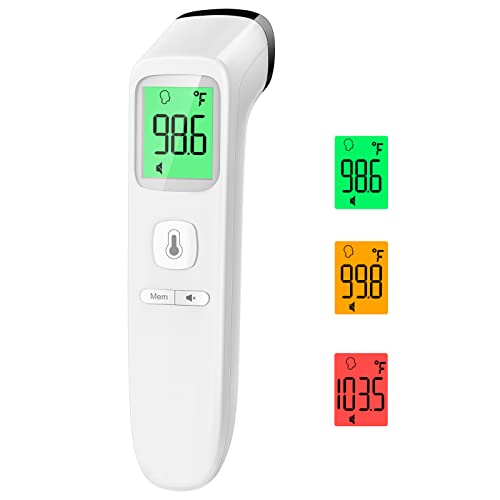
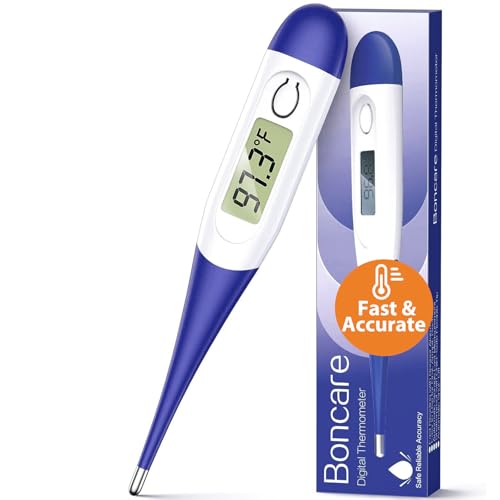
Best-selling Products for Body Temperature




Article Sources
At AncientHerbsWisdom, our content relies on reputable sources, including peer-reviewed studies, to substantiate the information presented in our articles. Our primary objective is to ensure our content is thoroughly fact-checked, maintaining a commitment to accuracy, reliability, and trustworthiness.
- Boulant, J. A. (2000). Role of the preoptic-anterior hypothalamus in thermoregulation and fever. Clinical infectious diseases, 31(Suppl 5), S157–S161. https://doi.org/10.1086/317521
- Cannon, B., & Nedergaard, J. (2004). Brown adipose tissue: Function and physiological significance. Physiological reviews, 84(1), 277–359. https://doi.org/10.1152/physrev.00015.2003
- Grzanna, R., Lindmark, L., & Frondoza, C. G. (2005). Ginger—An herbal medicinal product with broad anti-inflammatory actions. Journal of medicinal food, 8(2), 125–132. https://doi.org/10.1089/jmf.2005.8.125
- Ranasinghe, P., Pigera, S., Premakumara, G. A. S., Galappaththy, P., Constantine, G. R., & Katulanda, P. (2013). Medicinal properties of true cinnamon (Cinnamomum zeylanicum): A systematic review. BMC complementary and alternative medicine, 13, 275. https://doi.org/10.1186/1472-6882-13-275
- Zhang, H. W., Lin, Z. X., Xu, C., Leung, C., & Chan, L. S. (2014). Astragalus (a traditional Chinese medicine) for treating chronic kidney disease. Cochrane database of systematic reviews, 2014(10), CD008369. https://doi.org/10.1002/14651858.CD008369.pub2
- Paterson, R. R. M. (2008). Cordyceps—A traditional Chinese medicine and another fungal therapeutic biofactory? Phytochemistry, 69(7), 1469–1495. https://doi.org/10.1016/j.phytochem.2008.01.027
- Panossian, A., & Wikman, G. (2010). Effects of adaptogens on the central nervous system and the molecular mechanisms associated with their stress—protective activity. Pharmaceuticals, 3(1), 188–224. https://doi.org/10.3390/ph3010188
- Kelm, M. A., Nair, M. G., Strasburg, G. M., & DeWitt, D. L. (2000). Antioxidant and cyclooxygenase inhibitory phenolic compounds from Ocimum sanctum Linn. Phytomedicine, 7(1), 7–13. https://doi.org/10.1016/S0944-7113(00)80015-X
- McKay, D. L., & Blumberg, J. B. (2006). A review of the bioactivity and potential health benefits of peppermint tea (Mentha piperita L.). Phytotherapy research, 20(8), 619–633. https://doi.org/10.1002/ptr.1936
- Wachtel-Galor, S., & Benzie, I. F. F. (2011). Ganoderma lucidum (Lingzhi or Reishi): A medicinal mushroom. In I. F. F. Benzie & S. Wachtel-Galor (Eds.), Herbal medicine: Biomolecular and clinical aspects (2nd ed.). CRC Press. https://www.ncbi.nlm.nih.gov/books/NBK92757/
- Ulbricht, C., Abrams, T. R., Brigham, A., et al. (2010). An evidence-based systematic review of sage (Salvia officinalis) by the Natural Standard Research Collaboration. Journal of dietary supplements, 7(3), 226–249. https://doi.org/10.3109/19390211.2010.497765

- Zucchini: Hydrating Vegetable for Digestion and Heart - April 6, 2026
- Yams: Energy Rich Root for Fiber - April 6, 2026
- Turnip: Root Vegetable for Digestion and Vitamin C - April 6, 2026