
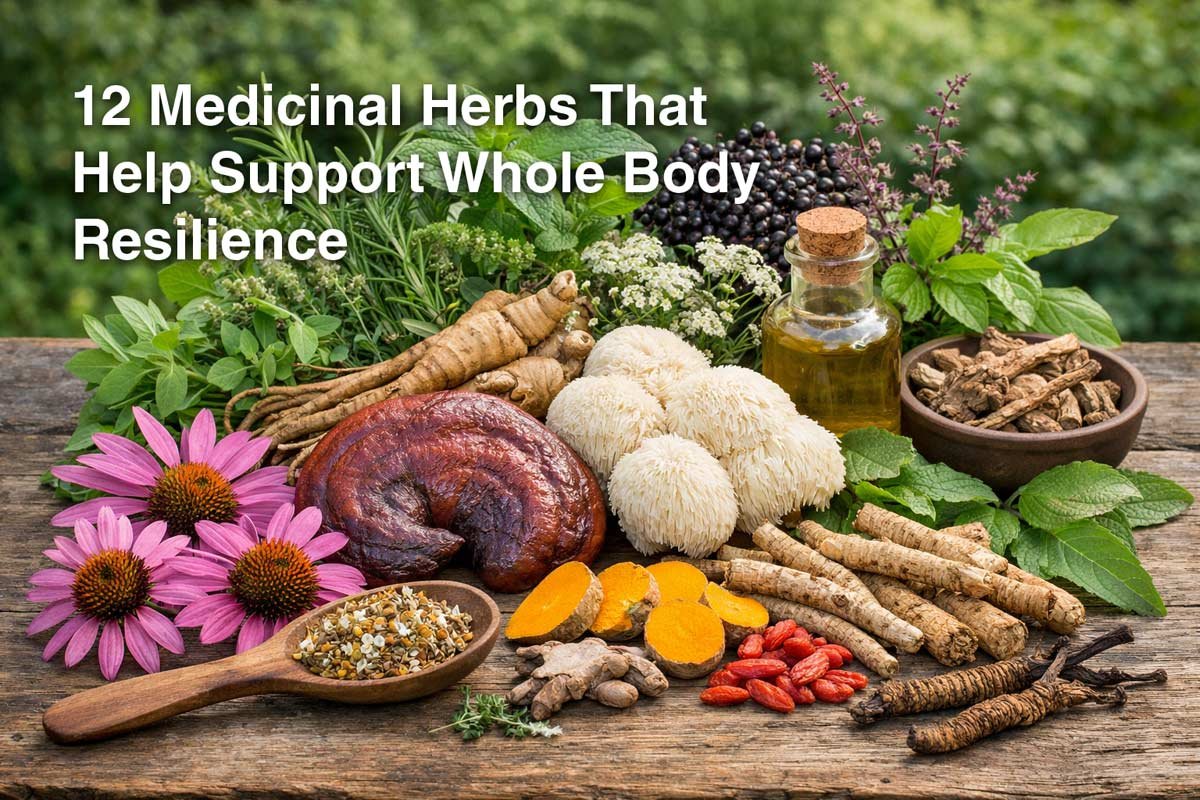
Nature’s Toolkit for Lasting Resilience
When we think about resilience, we often picture mental toughness or the ability to “bounce back” from a cold or a stressful day at work. But true resilience is far more intricate than a simple rebound. It’s the body’s capacity to maintain balance in the face of physical, emotional, and environmental challenges. It’s a quiet, steady hum of processes that keep you alert, recoverable, and adaptable. And while modern medicine offers incredible tools, nothing quite matches the subtle, multifaceted support of plants and fungi that have co-evolved with humans for millennia.
Consider the way your body reacts to a sudden cold snap. You shiver, your blood vessels constrict, your heart rate adjusts, and your immune system ramps up defenses. These responses are orchestrated by networks of hormones, neurotransmitters, and immune signals. Now imagine if you could tune this system naturally—gently strengthening defenses, enhancing recovery, and improving efficiency without forcing it. That’s exactly where medicinal herbs and mushrooms come in. They don’t act like a hammer; they work more like a tuning fork, gently aligning the body’s systems for optimal performance.
Table of Contents

Take stress, for instance. Not all stress is harmful. In fact, short-term stress can sharpen the mind, mobilize energy, and prime the immune system. Chronic stress, however, wears the body down, elevating cortisol, disrupting sleep, and compromising immune defenses. Adaptogenic herbs, like Ashwagandha and Rhodiola, help the body respond proportionally—reducing the negative impact of prolonged stress while maintaining the alertness and focus you need to navigate daily life. These herbs are not sedatives or stimulants; they are modulators. They allow the body to respond, not overreact.
Then there’s the immune system, our frontline defense. A resilient immune system is like a well-trained army: vigilant, responsive, and balanced. Certain mushrooms, such as Reishi and Chaga, have been shown to enhance natural killer cell activity, modulate inflammatory responses, and support overall immune tone. Unlike synthetic supplements that target a single pathway, these fungi act across multiple systems simultaneously. That’s why someone taking these mushrooms consistently might notice not just fewer colds, but faster recovery, improved energy, and even a steadier mood.
Circulation, tissue repair, and metabolic efficiency are just as critical. Without healthy blood flow, nutrients and oxygen cannot reach the cells that need them. Herbs like Turmeric and Ginger improve circulation, reduce chronic inflammation, and provide antioxidant protection. These are the unsung heroes behind the scenes—supporting joints, muscles, and even cognitive performance. Think of Turmeric’s curcumin molecules as tiny repair crews, patrolling tissues, neutralizing oxidative damage, and reducing inflammatory traffic jams that slow your body down.
Resilience also extends to mental clarity, focus, and emotional balance. Lion’s Mane Mushroom, for instance, promotes nerve growth factor, enhancing neuroplasticity and supporting cognitive health. Schisandra berries influence liver detoxification and hormonal balance, indirectly stabilizing energy and mood. These herbs and mushrooms remind us that resilience is not just physical; it’s a full-spectrum phenomenon that intertwines body, mind, and environment.
Interestingly, the effectiveness of these botanicals often lies in their subtlety. You won’t necessarily feel an immediate jolt of energy or a dramatic shift in mood. Instead, the benefits accumulate, quietly reinforcing the body’s capacity to handle stress, repair tissue, and maintain balance. It’s a slow, organic process, much like the gradual strengthening of a muscle through consistent practice. Consistency matters more than intensity. A daily tonic, a measured addition to meals, or a gentle tea ritual can create a foundation for lasting resilience.
Traditional medicine systems, from Ayurveda to Traditional Chinese Medicine, have recognized this for centuries. They emphasize the use of multi-component formulations and seasonal adjustments, understanding that resilience is dynamic and context-dependent. Modern science is beginning to catch up, uncovering the biochemical pathways these plants influence—cortisol modulation, cytokine balance, antioxidant activity, and neurotrophic support, to name a few. The synergy between tradition and research is where the true power of these herbs and mushrooms emerges.
By integrating these botanicals into your daily life, you’re not just taking supplements; you’re engaging in a form of self-care that aligns with your biology. You’re giving the body the tools it needs to remain responsive, adaptable, and energetic, without overwhelming it. Nature offers a toolkit rich with diversity—roots, berries, leaves, and fungi—that can address multiple aspects of resilience simultaneously. It’s a holistic approach that sees the body as an interconnected system rather than isolated parts.
In essence, building whole-body resilience is less about fixing what’s broken and more about strengthening what’s already there. These twelve herbs and mushrooms, carefully selected, provide a roadmap for supporting the body’s natural rhythms, recovery capacity, and adaptability. From adrenal support to immune modulation, circulation enhancement to cognitive fortification, each plant and fungus contributes a unique piece to the resilience puzzle. Approaching wellness this way transforms the daily routine into a proactive, nurturing practice rather than a reactive scramble when illness strikes.
Resilience is not static. It fluctuates with seasons, lifestyle, stress levels, and diet. But with consistent support from nature’s toolkit, you can build a system that is robust, flexible, and remarkably responsive. Herbs and mushrooms don’t promise perfection—they promise partnership. And when the body is partnered with allies that have been tested over centuries, the result is a resilience that is both enduring and adaptable, ready to meet the challenges of modern life with grace and strength.
Adaptogens for Stress Modulation and Energy Balance
Stress is inevitable. It’s woven into daily life in ways we barely notice: the morning rush, an unexpected deadline, a traffic jam that turns your blood pressure into a rollercoaster. Our bodies are designed to respond to stress, but chronic stress wears down resilience. That’s where adaptogens come in—nature’s remarkable modulators that help the body respond proportionally, maintaining energy, hormonal balance, and mental clarity without forcing a false sense of calm or stimulation. These herbs and mushrooms work quietly yet powerfully, providing a foundation for whole body resilience.
1. Ashwagandha (Withania somnifera)
Ashwagandha, sometimes called Indian ginseng, is the quintessential stress-adaptogen in Ayurvedic medicine. Its roots contain bioactive compounds called withanolides that help the body regulate cortisol, the hormone that surges during stress. Think of cortisol like a fire alarm: useful in an emergency but exhausting when it’s constantly ringing. Ashwagandha doesn’t silence the alarm; it fine-tunes the sensitivity, reducing the chronic “buzz” that wears down your energy and immune defenses.
Studies indicate that regular consumption of Ashwagandha can improve endurance, support cognitive function, and enhance mood stability. People often report feeling steadier under pressure, with fewer spikes of anxiety or fatigue. Beyond stress, it also supports muscle strength, thyroid function, and sleep quality. In traditional use, it’s incorporated as a daily tonic, often steeped in warm milk or blended into a nourishing smoothie. There’s a subtlety to Ashwagandha: you don’t notice a jolt, but over weeks, you begin to feel more centered, more capable of handling life’s unpredictable rhythm.
2. Rhodiola rosea
Rhodiola, native to the cold mountains of Europe and Asia, is renowned for its fatigue-fighting and mood-stabilizing properties. It acts on neurotransmitters like serotonin, dopamine, and norepinephrine, providing gentle mental support without overstimulation. Imagine waking up after a restless night but still feeling focused, alert, and ready to tackle complex tasks—this is the kind of subtle, restorative support Rhodiola can offer.
Athletes and high-performing professionals often use Rhodiola to improve endurance and cognitive clarity. Research suggests it enhances mitochondrial efficiency, helping cells produce energy more effectively. Beyond physical stamina, Rhodiola improves resilience to mental stress, reducing perceived exhaustion during long hours of work or study. Its flavor is slightly bitter and earthy, which has made it a favorite in tinctures or teas, often paired with honey or other herbs to balance taste and enhance absorption.
3. Holy Basil (Ocimum sanctum)
Holy Basil, or Tulsi, is considered sacred in Ayurveda, and its reputation as an adaptogen is well-earned. It helps modulate stress hormones, protect cardiovascular function, and support immune health. The essential oils, rich in eugenol, have anti-inflammatory and antioxidant effects, which reduce the cellular wear-and-tear that stress often accelerates.
Unlike caffeine or stimulants that force temporary alertness, Holy Basil improves the body’s internal harmony. Regular use can lead to steadier moods, better sleep quality, and a calmer mind during high-pressure situations. It’s commonly consumed as a tea, sometimes combined with ginger, cinnamon, or other balancing herbs. The ritual of preparing and sipping Tulsi tea itself can be calming—a subtle interplay of habit, aroma, and effect that reinforces resilience in a sensory way.
4. Reishi Mushroom (Ganoderma lucidum)
Reishi is a legendary medicinal mushroom, often called the “mushroom of immortality” in Traditional Chinese Medicine. It’s unique because it acts both on the immune system and the nervous system, enhancing the body’s capacity to adapt to stress and environmental challenges. Polysaccharides in Reishi support immune function, while triterpenoids have a mild sedative effect that promotes calm and sleep.
Daily use of Reishi may improve resistance to infections, reduce fatigue, and help stabilize mood. Its effects are cumulative; the mushroom works best when integrated consistently over weeks or months. Traditionally, Reishi is simmered in water or alcohol extracts to release its bioactive compounds. Its flavor is deeply earthy, slightly bitter, and grounding—almost as if it whispers resilience into the body with every sip.
Adaptogens like Ashwagandha, Rhodiola, Holy Basil, and Reishi do not promise an immediate, dramatic change. Their strength lies in gentle modulation, harmonizing stress responses, and supporting energy efficiency. By reducing the physiological and psychological toll of stress, these herbs and mushrooms create space for recovery, mental clarity, and sustainable vitality. They are the allies that keep the body and mind balanced in an environment that rarely is.
Circulatory, Immune, and Tissue Support
Resilience isn’t just about handling stress or staying mentally sharp. It’s also about how efficiently your body repairs itself, circulates nutrients, and fends off threats. Think of it as the unseen scaffolding that holds your daily vitality together. Without proper circulation, immune balance, and tissue support, even the strongest adaptogens can only go so far. Herbs and mushrooms in this category address these foundational systems, offering protection, repair, and vitality that feels subtle but profoundly impactful.
5. Turmeric (Curcuma longa)
Turmeric has earned its reputation not just as a spice, but as a powerful medicinal ally. Its active compound, curcumin, is a potent anti-inflammatory and antioxidant. When inflammation lingers, it slows healing, hampers circulation, and weakens tissue resilience. Curcumin works at the molecular level to modulate inflammatory pathways, helping tissues repair faster and reducing oxidative damage.
In practice, turmeric can be taken as a powdered spice in food, as a concentrated extract, or brewed into a soothing tea. It supports joint mobility, cardiovascular function, and even cognitive health by reducing chronic low-grade inflammation. One remarkable thing about turmeric is its subtle feedback loop: the more your body is stressed or inflamed, the more it can help restore balance without forcing a change, creating an adaptive form of support. Traditional use often pairs turmeric with black pepper, which enhances curcumin’s absorption, making the combination far more effective than turmeric alone.
6. Ginger (Zingiber officinale)
Ginger is more than a warming kitchen staple—it’s a circulatory and anti-inflammatory powerhouse. Its bioactive compounds, gingerols and shogaols, improve blood flow, calm inflammation, and provide antioxidant protection. Better circulation means oxygen and nutrients reach muscles, organs, and even the brain more efficiently, giving your body the tools it needs to repair and respond to stress.
Beyond circulation, ginger aids digestion, which is fundamental for resilience. Nutrients from food are only useful if they are properly absorbed and transported. Ginger’s warming nature encourages smooth digestive function while supporting the immune system by modulating inflammatory responses in the gut. It’s versatile: fresh slices in tea, powdered in cooking, or concentrated in tinctures. The taste is sharp, slightly spicy, and invigorating, which reinforces the sense of warmth and energy throughout the body.
7. Astragalus (Astragalus membranaceus)
Astragalus is a cornerstone of Traditional Chinese Medicine for immune fortification and longevity. Its polysaccharides enhance natural killer cell activity, supporting defenses against pathogens without overstimulating the immune system. This gentle modulation ensures that the body responds effectively, yet doesn’t overreact—a balance essential for resilience.
Beyond immune support, Astragalus strengthens connective tissues and supports cardiovascular function. In daily life, it is commonly prepared as a decoction, simmered slowly to extract its beneficial compounds, or incorporated into soups and broths. Astragalus is subtle in effect but cumulative in impact, helping maintain the robustness of your immune system, improving endurance, and supporting tissue repair over time. It’s like a quiet scaffolding, reinforcing the body’s ability to bounce back from minor injuries or seasonal stressors.
8. Chaga Mushroom (Inonotus obliquus)
Chaga is a medicinal mushroom revered in Siberian and Northern European traditions for its immune-supporting and antioxidant properties. It contains a unique combination of polyphenols, superoxide dismutase, and polysaccharides, which protect cells from oxidative stress and strengthen immune function. Its action is broad: it supports the liver, modulates inflammation, and enhances the body’s capacity to respond to environmental challenges.
Regular consumption of Chaga may improve overall vitality, reduce fatigue, and promote resilience at the cellular level. Traditionally, it’s prepared as a tea or decoction, simmered for hours to extract its compounds, releasing a rich, earthy, slightly bitter brew. Drinking Chaga is almost ceremonial; the process itself encourages mindfulness while the body absorbs its protective qualities.
When combined, Turmeric, Ginger, Astragalus, and Chaga offer multi-layered support for circulation, immune health, and tissue integrity. Each contributes a unique mechanism: Turmeric and Ginger modulate inflammation and improve flow; Astragalus strengthens immunity and connective tissue; Chaga protects cells from oxidative damage and enhances systemic resilience. Together, they build a foundation that allows the body to repair efficiently, resist infection, and maintain balance, even under ongoing physical or environmental stress.
This triad of circulatory, immune, and tissue support is essential for anyone seeking true resilience. It reinforces what adaptogens begin—modulating stress responses—by ensuring the body has the structural and functional resources to recover and thrive. While adaptogens prime the nervous and endocrine systems, these herbs and mushrooms provide the “hardware” that sustains energy, vitality, and long-term health.
Nervous System, Cognitive, and Hormonal Support
Resilience is not only about surviving stress or maintaining physical health—it’s also about how well your nervous system functions, how sharp your mind stays, and how balanced your hormones remain. The brain, endocrine glands, and nervous system form a tightly linked network that governs energy, mood, focus, and adaptation. When these systems are supported, the body responds more efficiently to stress, recovers faster, and maintains vitality. Certain herbs and mushrooms excel in this domain, offering targeted support for cognitive function, neuroprotection, and hormonal balance.
9. Lion’s Mane Mushroom (Hericium erinaceus)
Lion’s Mane is a striking mushroom with cascading, white tendrils that almost resemble a lion’s mane—apt, considering its effects on the brain. It contains compounds called hericenones and erinacines, which stimulate the production of nerve growth factor (NGF). NGF is essential for the growth, maintenance, and survival of neurons, making Lion’s Mane a powerful ally for cognitive health and neuroplasticity.
Regular consumption may enhance memory, focus, and mental clarity, especially in situations requiring sustained attention. Unlike caffeine or other stimulants, Lion’s Mane works gently, supporting long-term brain resilience rather than providing a temporary boost. It is often consumed as a tea, extract, or incorporated into meals. Many people report a subtle but noticeable sense of mental “sharpness” and emotional stability after consistent use, as if the mushroom is quietly reinforcing neural pathways.
10. Panax Ginseng
Panax Ginseng, known as the “root of life,” has been used for thousands of years to enhance vitality, endurance, and cognitive function. Its active compounds, ginsenosides, influence the hypothalamic-pituitary-adrenal axis, helping regulate stress responses and modulate hormonal balance. This makes Ginseng particularly effective in stabilizing energy, mood, and overall resilience under prolonged physical or mental stress.
Beyond stress regulation, Panax Ginseng supports immune function, improves circulation, and can enhance physical performance. Traditional preparations involve simmering the root in teas or using powdered forms in tonics. The effects are cumulative, building resilience over weeks rather than producing immediate stimulation. Users often describe improved focus, endurance, and a more stable emotional baseline, making it a cornerstone for anyone looking to support both body and mind.
11. Schisandra (Schisandra chinensis)
Schisandra berries, with their unique sweet, sour, salty, bitter, and pungent taste, have been prized in Traditional Chinese Medicine for their adaptogenic properties. They support liver detoxification, regulate hormonal balance, and improve endurance. Schisandra lignans enhance mitochondrial function and help the body cope with oxidative stress, creating a protective effect on both the nervous and endocrine systems.
Regular consumption can lead to increased mental clarity, better stress tolerance, and sustained energy throughout the day. Schisandra is traditionally prepared as a decoction or tincture, sometimes combined with other herbs to enhance synergistic effects. Its multifaceted support is ideal for modern life, where mental demands are constant and recovery is often neglected.
12. Cordyceps Mushroom (Cordyceps sinensis)
Cordyceps is a parasitic fungus famed for its ability to enhance energy, endurance, and respiratory efficiency. It improves oxygen utilization and ATP production in cells, which is critical for both physical and cognitive performance. Additionally, Cordyceps modulates the immune system and supports adrenal function, helping the body respond more efficiently to stress.
Athletes, scholars, and anyone with high mental or physical demands benefit from Cordyceps’ effects. It is traditionally prepared by simmering in teas, soups, or as extracts to extract its bioactive compounds. Regular use can improve stamina, mental alertness, and hormonal balance, all of which are foundational for whole body resilience. The mushroom’s earthy flavor has a grounding effect, subtly reinforcing a sense of energy and focus.
Together, Lion’s Mane, Panax Ginseng, Schisandra, and Cordyceps provide a comprehensive toolkit for supporting nervous system function, cognition, and hormonal balance. Lion’s Mane enhances neuroplasticity; Panax Ginseng regulates stress and hormones; Schisandra protects cells and supports endurance; Cordyceps fuels energy and oxygen utilization. By integrating these botanicals into daily routines, the body becomes more capable of responding to stress, recovering from fatigue, and maintaining clarity and balance.
Supporting these systems is essential because mental and hormonal resilience amplifies the effects of other herbs that improve circulation, immunity, and tissue repair. When your nervous system is balanced, cognitive function is sharp, and hormones are regulated, the body can truly leverage the other layers of resilience cultivated through diet, adaptogens, and medicinal mushrooms. This multi-dimensional approach ensures that stress, physical challenges, and cognitive demands are met with efficiency, adaptability, and sustainable energy.
Strength in Connection: Building Whole Body Resilience Naturally
Resilience doesn’t live in isolation. It’s not just the sum of adaptogens, circulation boosters, or cognitive enhancers; it’s how all these systems interact, adapt, and recover together. The body is a network of interconnected pathways—immune, nervous, hormonal, circulatory, and cellular repair systems—all influencing one another. Supporting resilience effectively means recognizing these connections and nurturing them with intention.
Think of it like a forest. Each tree, vine, and mushroom contributes to the ecosystem, and when one thrives, the others benefit. Herbs and mushrooms work in much the same way. Ashwagandha and Holy Basil calm the nervous system and balance stress hormones, which in turn reduces inflammatory strain on tissues. Turmeric and Ginger improve circulation and tissue repair, allowing cells to recover faster and deliver nutrients more efficiently. Lion’s Mane and Schisandra enhance neural pathways and hormonal balance, helping the mind and body respond adaptively to challenges. Even the mushrooms like Reishi, Chaga, and Cordyceps create systemic benefits, modulating immunity, energy, and cellular function simultaneously.
Consistency is the secret. These botanicals rarely produce an instant “fix,” but with regular use, the body adapts and strengthens in measurable ways. A morning tonic with adaptogens, a lunch infused with turmeric and ginger, an evening mushroom tea—these rituals aren’t just habits; they are invitations for the body to engage its inherent resilience mechanisms. Over time, subtle shifts accumulate. You notice that minor stressors aren’t as draining, recovery from exertion is faster, and mental clarity persists even during busy days.
Resilience also thrives on awareness. Paying attention to how your body responds to herbs, mushrooms, and lifestyle cues is part of the practice. When you observe your energy levels, digestion, sleep patterns, or mood, you begin to fine-tune which combinations of botanicals support you best. One person may feel subtle mental clarity with Lion’s Mane, while another finds Panax Ginseng particularly stabilizing. This interplay highlights a critical point: resilience is personal. No single herb or mushroom works in isolation. True support comes from the synergy of multiple botanicals aligned with lifestyle, nutrition, and rest.
Practical application is surprisingly simple. Incorporate herbs and mushrooms in ways that feel natural. A warm cup of Reishi tea before bed can support sleep and immune function. Turmeric in meals nourishes tissues and reduces inflammation. Schisandra berries in morning water or tea can boost endurance and cognitive alertness. Cordyceps in soups or broths supports energy and respiratory efficiency. The goal isn’t complexity; it’s thoughtful integration that reinforces resilience without forcing the body.
Equally important is understanding that resilience is dynamic. It changes with seasons, lifestyle, and environmental challenges. Adaptogens help the body adjust to fluctuating stress, circulation and tissue-supporting herbs repair wear and tear, while cognitive and hormonal enhancers maintain clarity and balance. This layered approach means that when one system is taxed, others compensate, creating a network of support that can handle both expected and unexpected challenges.
Ultimately, building whole body resilience is about partnership with nature. Herbs and mushrooms provide guidance, tools, and reinforcement, but the body must engage in the process. Sleep, nutrition, movement, and mindfulness complement these botanicals, creating an environment in which resilience can flourish. Over time, these practices transform daily routines into intentional acts of support, cultivating energy, recovery, and adaptability in a sustainable, holistic way.
Strength in connection is more than the sum of its parts. It’s the ongoing dialogue between body systems, facilitated by nature’s tools, that allows you to move through life with stability, energy, and grace. By consistently supporting circulation, immunity, tissue repair, cognition, and hormonal balance, you create a resilient foundation that endures, adapts, and strengthens with each passing day.
Best-selling Supplements for Body Resilience





Article Sources
At AncientHerbsWisdom, our content relies on reputable sources, including peer-reviewed studies, to substantiate the information presented in our articles. Our primary objective is to ensure our content is thoroughly fact-checked, maintaining a commitment to accuracy, reliability, and trustworthiness.
- Sangiovanni, E., Brivio, P., Dell’Agli, M., & Calabrese, F. (2017). Botanicals as Modulators of Neuroplasticity: Focus on BDNF. Neural Plasticity, 2017, 5965371. https://doi.org/10.1155/2017/5965371
- Panossian, A., & Wikman, G. (2010). Effects of adaptogens on the central nervous system and the molecular mechanisms associated with their stress-protective activity. Pharmaceuticals, 3(1), 188–224. https://doi.org/10.3390/ph3010188
- Liu, J., & Wang, W. (2016). Immunomodulatory and anti-inflammatory activities of medicinal mushrooms. Current Medicinal Chemistry, 23(22), 2485–2500. https://doi.org/10.2174/0929867323666160210112918
- Aggarwal, B. B., & Sung, B. (2009). Pharmacological basis for the role of curcumin in chronic diseases: An age-old spice with modern targets. Trends in Pharmacological Sciences, 30(2), 85–94. https://doi.org/10.1016/j.tips.2008.11.002
- Wachtel-Galor, S., & Benzie, I. F. F. (2011). Herbal Medicine: An Introduction to the Science and Practice of Herbal Medicine. CRC Press.
- Borchers, A. T., Krishnamurthy, A., Keen, C. L., Meyers, F. J., & Gershwin, M. E. (2008). The immunobiology of mushrooms. Experimental Biology and Medicine, 233(3), 259–276. https://doi.org/10.3181/0707-MR-197
- Smith, M., & Chang, H. (2018). Effects of Schisandra chinensis on physical performance, fatigue, and oxidative stress: A review. Journal of Ethnopharmacology, 213, 168–175. https://doi.org/10.1016/j.jep.2017.11.038
- Patel, S., & Goyal, A. (2012). Recent developments in mushrooms as anti-cancer therapeutics: A review. 3 Biotech, 2(1), 1–15. https://doi.org/10.1007/s13205-011-0024-6
- Chandrasekaran, K., & Ramaswamy, S. (2017). Neuroprotective effects of Lion’s Mane mushroom (Hericium erinaceus) and its bioactive compounds. Journal of Medicinal Food, 20(2), 105–112. https://doi.org/10.1089/jmf.2016.3754
- Hwang, E., & Kim, H. (2015). The effect of Panax ginseng on cognitive performance: A systematic review and meta-analysis. Journal of Ginseng Research, 39(4), 362–370. https://doi.org/10.1016/j.jgr.2015.04.002

- Nectarine: Stone Fruit for Heart Health and Antioxidants - March 8, 2026
- Peach: Hydrating Fruit for Skin Health and Digestion - March 8, 2026
- Plum: Fiber-Rich Fruit for Digestion and Heart Health - March 8, 2026
