
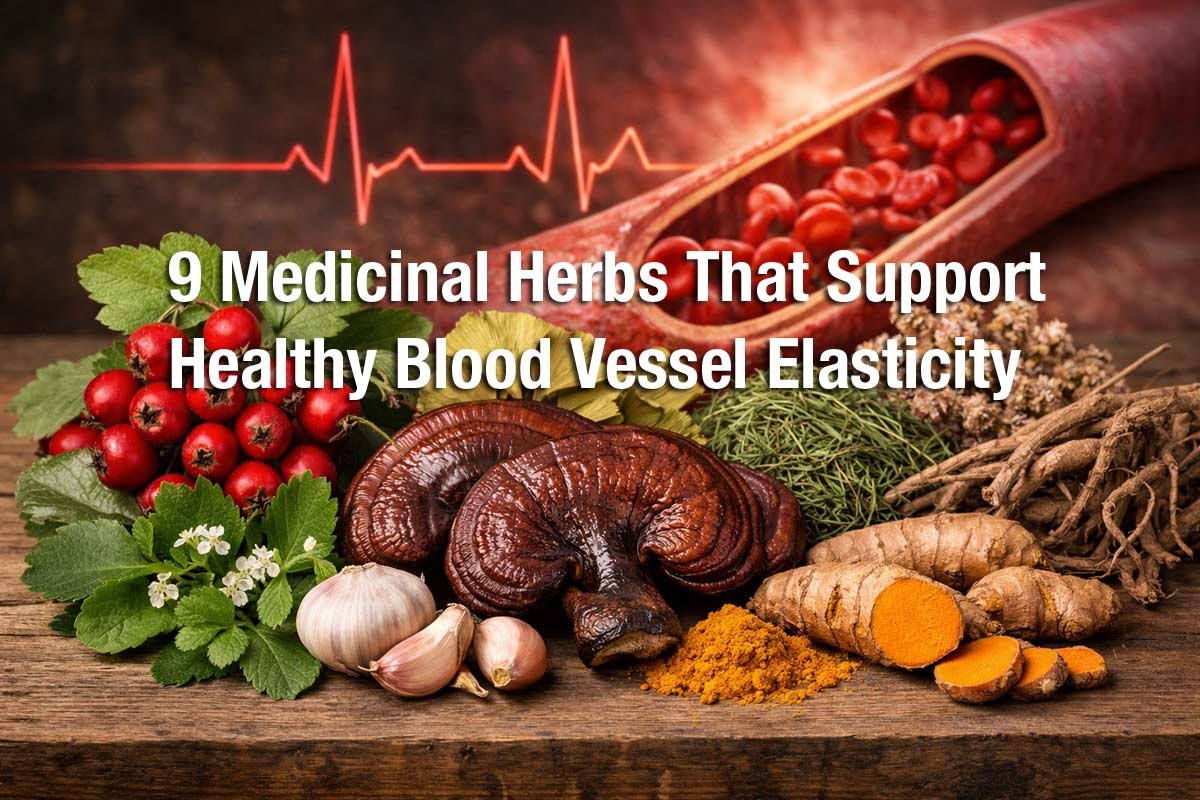
The Secret Life of Flexible Blood Vessels
Blood vessels are more than mere conduits for blood. They are dynamic, living structures, constantly adapting to pressure changes, biochemical signals, and the demands of the tissues they serve. Imagine them as a network of flexible highways—some wide, some narrow—but all needing to remain resilient. When vessels lose their elasticity, even subtly, circulation becomes less efficient, the heart works harder, and tissues experience fluctuating oxygen and nutrient delivery. Over decades, this can quietly contribute to hypertension, plaque formation, and compromised organ function.
The flexibility of blood vessels depends primarily on the integrity of the vascular wall, which is composed of three layers: the intima, media, and adventitia. The innermost layer, the endothelium, acts like a selective filter and signaling hub. Endothelial cells release compounds such as nitric oxide, which modulate vessel dilation and constriction. The middle layer, rich in smooth muscle cells and elastic fibers, provides tensile strength and the ability to stretch and recoil with each heartbeat. Collagen, elastin, and glycosaminoglycans work in harmony to maintain this delicate balance. The outer layer, the adventitia, anchors the vessel to surrounding tissue and houses nerves and small blood vessels that nourish the vessel wall itself. When any of these layers become compromised due to inflammation, oxidative stress, or mechanical strain, elasticity diminishes.
Table of Contents

Lifestyle plays a significant role in maintaining or degrading vascular flexibility. High-sugar diets, chronic stress, prolonged sitting, and lack of physical activity all contribute to arterial stiffening. Reactive oxygen species (ROS), generated in excess under these conditions, damage endothelial cells and break down elastin fibers. Over time, this leads to less compliant vessels and higher systemic blood pressure. Conversely, dietary antioxidants, regular movement, and practices that reduce stress—like deep breathing or moderate aerobic exercise—support the natural elasticity of arteries and veins.
This is where medicinal herbs and mushrooms enter the picture. Unlike synthetic drugs that often target a single mechanism, botanical compounds work on multiple pathways simultaneously. Flavonoids, saponins, polysaccharides, and other phytochemicals interact with the vascular system at structural, cellular, and biochemical levels. For example, some compounds directly stimulate collagen synthesis, reinforcing vessel walls. Others act as antioxidants, neutralizing ROS before they damage elastin fibers. A few modulate nitric oxide production, enhancing the vessels’ ability to dilate and accommodate changing pressures. This multifaceted approach makes herbal and fungal allies particularly effective for supporting blood vessel elasticity over the long term.
Consider the subtle difference between a vessel that is merely functional and one that is optimally elastic. In practice, you may notice it in how quickly your hands and feet warm after a brisk walk, how steady your pulse feels during activity, or even how resilient your skin appears—because microvascular health directly influences tissue perfusion and hydration. Herbs like Horse Chestnut and Gotu Kola have been observed to improve capillary integrity and tone, translating to better microcirculation and palpable benefits in extremities prone to swelling or fatigue. Similarly, mushrooms such as Reishi and Cordyceps enhance systemic circulation and modulate inflammation, providing an environment in which vascular walls can remain supple rather than rigid.
The beauty of botanical support is its subtlety and cumulative effect. It is not about forcing immediate results or artificially inflating vessel dilation for short-term gain. Instead, these plants guide the body’s own reparative mechanisms, reinforcing elasticity gradually while also protecting against daily oxidative and inflammatory insults. Regular use often aligns with a noticeable shift in vascular resilience: veins feel less heavy, pulse feels steadier, and overall circulation seems more fluid. These are small, experiential cues that hint at deeper physiological improvements within the vascular network.
From an evolutionary standpoint, our bodies evolved to thrive on complex plant compounds that act as gentle stressors and modulators. When taken consistently, herbs and mushrooms serve as allies that communicate with the body at multiple levels. For example, saponins in Horse Chestnut support the structural matrix of veins, flavonoids in Hawthorn enhance endothelial signaling, and polysaccharides in Reishi modulate inflammatory pathways that can otherwise stiffen vessels. Together, they create an intricate web of support for blood vessel elasticity that goes beyond a single target intervention.
Even anecdotal observations in traditional practice reinforce these mechanisms. Herbalists have long noted that people who integrate circulation-supporting botanicals into their routines often report subtle changes before formal measures reflect them. Capillaries appear less fragile, minor swelling decreases, and the overall “pulse quality” seems improved. Modern research validates many of these claims, demonstrating measurable effects on vascular tone, endothelial function, and oxidative stress reduction.
Maintaining blood vessel elasticity is ultimately about consistent care, attention to lifestyle, and integration of natural allies that provide structural, circulatory, and biochemical support. While no single herb or mushroom is a magic bullet, the combined effect of these botanicals encourages vessels to remain flexible, responsive, and resilient. This approach aligns with the body’s natural rhythms: it strengthens without forcing, protects without constraining, and guides the vascular system toward optimal performance over time.
Understanding and nurturing vascular elasticity is both a science and an art. It requires observing subtle bodily cues, recognizing the impact of daily habits, and strategically employing botanical allies. In doing so, one can foster circulation that feels light, tissues that receive nutrients efficiently, and a cardiovascular system that adapts gracefully to the pressures and demands of life. Flexible blood vessels are not merely a marker of cardiovascular health—they are a foundation for overall vitality and longevity, and the herbs and mushrooms that support them play a critical, often underappreciated, role in this ongoing process.
Foundational Herbs for Strengthening Vascular Walls
When it comes to supporting blood vessel elasticity, some herbs stand out for their ability to directly reinforce the structural integrity of arteries and veins. These botanicals do more than provide antioxidant protection—they interact with the connective tissue, influence microcirculation, and modulate vascular tone. Over time, regular use of these herbs can help vessels remain supple, resilient, and responsive, even in the face of stressors like high blood pressure, inflammation, or age-related wear.
1. Horse Chestnut (Aesculus hippocastanum)
Horse Chestnut is perhaps one of the most studied herbs for vascular support. The seeds contain a compound called aescin, a mixture of saponins that strengthens the walls of veins and small capillaries. By increasing venous tone, aescin helps prevent blood from pooling in the lower extremities, a common issue in conditions like chronic venous insufficiency.
Beyond mechanical reinforcement, Horse Chestnut has subtle anti-inflammatory effects. It reduces the leakage of fluids from fragile capillaries and minimizes oxidative damage that can stiffen vessel walls. In practical terms, this can manifest as less swelling in the legs after prolonged standing, improved leg comfort, and even a steadier pulse. Traditionally, European herbalists have recommended it not only for visible varicosities but also as a daily tonic for circulation, emphasizing that it nurtures the vessels rather than forcing immediate dilation.
2. Hawthorn (Crataegus spp.)
Hawthorn is a versatile herb for cardiovascular support, long celebrated in both European and traditional Chinese medicine. Its leaves, flowers, and berries contain flavonoids and oligomeric proanthocyanidins, compounds that enhance endothelial function—the inner lining of blood vessels. Healthy endothelium is essential for vessels to expand and contract properly, directly influencing elasticity.
Hawthorn also promotes microcirculation, ensuring that even the smallest capillaries deliver nutrients efficiently. This effect is partly mediated through mild vasodilation and partly through antioxidant activity, which protects delicate vessel walls from oxidative stress. Anecdotally, herbalists notice that consistent hawthorn use often correlates with a more resilient pulse and improved tissue perfusion in extremities, a subtle indicator that the vessels are flexible and responsive.
Additionally, hawthorn offers cardioprotective benefits by supporting balanced blood pressure and reducing the mechanical strain on arteries. By keeping the pressure within a normal range, vessel walls are less prone to micro-injuries, which over time helps maintain their elasticity.
3. Gotu Kola (Centella asiatica)
Gotu Kola is a cornerstone of traditional medicine for circulatory and connective tissue health. Its active constituents, including triterpenoids, stimulate collagen synthesis in the walls of blood vessels. Collagen, along with elastin, forms the structural matrix that allows vessels to stretch and recoil. By enhancing collagen production, Gotu Kola supports the very architecture of vascular walls, improving flexibility and reducing fragility.
Research and clinical observations show that Gotu Kola strengthens microvasculature, reduces capillary leakage, and alleviates mild edema. These effects translate into a tangible sense of lightness in the legs and more resilient skin in areas with rich capillary networks. It also has a mild anti-inflammatory action, which protects the vessel matrix from degradation due to chronic stress or oxidative damage.
Gotu Kola’s benefits are cumulative. Regular, moderate use encourages gradual reinforcement of the vessel walls, rather than forcing abrupt changes. In traditional practice, it is often combined with other circulation-supporting herbs to create a synergistic effect, aligning well with the natural rhythms of the body’s vascular repair mechanisms.
Taken together, Horse Chestnut, Hawthorn, and Gotu Kola create a foundational trio for vascular health. Each targets a slightly different aspect of blood vessel integrity: Horse Chestnut strengthens the mechanical structure of veins and capillaries, Hawthorn enhances endothelial function and circulation, and Gotu Kola builds and maintains the connective tissue matrix. By integrating these herbs into a daily or seasonal regimen, one can support blood vessel elasticity at both macroscopic and microscopic levels.
Their action is subtle yet profound, operating over time to preserve vessel flexibility, reduce the risk of capillary damage, and maintain steady, efficient circulation. Observationally, this manifests as improved leg comfort, lighter extremities, better pulse quality, and a sense of vascular vitality that is hard to quantify but unmistakable in experience.
The remarkable aspect of these herbs is that they work without forcing immediate changes. They guide the body’s natural mechanisms, reinforcing structure and function while protecting against slow, cumulative damage. This approach is in stark contrast to synthetic interventions, which often focus on one isolated pathway. With foundational herbs like Horse Chestnut, Hawthorn, and Gotu Kola, the body receives holistic, multi-level support for maintaining resilient, elastic blood vessels.
Circulation Enhancers That Protect Vessel Flexibility
Maintaining elastic blood vessels isn’t just about structural support—it’s also about ensuring smooth, unimpeded circulation. When blood flows freely, vessels stretch and recoil naturally, nourishing tissues and reducing mechanical stress. Certain herbs stand out as circulation enhancers, working at the microvascular and systemic levels to optimize blood flow, reduce inflammation, and protect vessel walls. These botanicals—Ginger, Turmeric, and Garlic—have long histories in traditional medicine and are now backed by modern research for their cardiovascular benefits.
4. Ginger (Zingiber officinale)
Ginger is often celebrated for its digestive benefits, but its impact on circulation is profound. The bioactive compounds, including gingerols and shogaols, stimulate peripheral blood flow and reduce platelet aggregation, which keeps blood moving smoothly through veins and arteries. Improved circulation allows vessels to expand and contract more naturally, preserving their elasticity.
In addition to promoting flow, ginger exerts anti-inflammatory and antioxidant effects. Chronic low-grade inflammation can damage the delicate lining of blood vessels and degrade elastin fibers, contributing to stiffness over time. Regular consumption of ginger—whether in teas, tinctures, or culinary preparations—helps neutralize oxidative stress, reducing this slow wear on the vascular system. Herbalists often note that a warm ginger infusion not only supports circulation but also provides a tangible sense of warmth in the extremities, a subtle but real indicator of improved microvascular health.
Ginger’s benefits extend to both the arterial and venous systems. By modulating vascular tone and preventing excessive clotting, it ensures that vessels experience less mechanical strain, which over time contributes to sustained elasticity. It’s gentle, cumulative, and remarkably versatile, making it an excellent daily ally for anyone prioritizing flexible vessels.
5. Turmeric (Curcuma longa)
Turmeric’s bright yellow rhizome is more than a culinary staple—it is a potent circulatory and anti-inflammatory herb. Its primary active compound, curcumin, has been widely studied for its ability to improve endothelial function and reduce oxidative stress in blood vessels. Healthy endothelium is critical for vessel elasticity, as it releases nitric oxide, which signals smooth muscle cells to relax and contract as needed.
Curcumin’s anti-inflammatory properties further protect the vessel walls. Inflammation triggers collagen degradation and elastin breakdown, both of which compromise flexibility. By reducing chronic vascular inflammation, turmeric helps preserve the structural integrity of vessels. Many practitioners pair turmeric with black pepper (piperine) to enhance absorption, ensuring that the compounds reach systemic circulation effectively.
Regular use of turmeric can subtly improve pulse quality and peripheral circulation. In traditional practice, it is valued not only for its systemic effects but also for its ability to integrate seamlessly into daily routines—golden lattes, spice blends, and culinary dishes all contribute to its cumulative vascular benefits. Over time, this consistent intake supports the smooth, resilient function of arteries and veins.
6. Garlic (Allium sativum)
Garlic has a long history as a cardiovascular tonic. Its sulfur-containing compounds, particularly allicin, help relax blood vessels, improve endothelial responsiveness, and reduce arterial stiffness. By lowering vascular resistance, garlic reduces the workload on the heart and helps maintain vessel elasticity.
In addition to its vasodilatory effects, garlic modulates lipid profiles and has mild anticoagulant properties, preventing plaque buildup and ensuring unobstructed flow. This combination of effects preserves both the mechanical and biochemical health of blood vessels. Observationally, herbalists note that regular garlic consumption supports a steady, resilient pulse and reduces sensations of heaviness in the legs or extremities.
Garlic’s benefits are both immediate and cumulative. A daily small dose can improve nitric oxide production, enhancing vessel responsiveness, while long-term use protects against gradual stiffening caused by oxidative stress and inflammatory processes. In essence, it keeps vessels supple and responsive, working quietly in the background to maintain vascular health.
Taken together, Ginger, Turmeric, and Garlic provide a multifaceted approach to vascular flexibility. Ginger improves flow and protects microvessels, Turmeric reduces inflammation and enhances endothelial function, and Garlic relaxes vessels while supporting overall cardiovascular health. They act synergistically with structural-supporting herbs like Horse Chestnut, Hawthorn, and Gotu Kola, creating a comprehensive system for preserving blood vessel elasticity.
These herbs share a common trait: they work with the body’s natural rhythms rather than imposing artificial effects. The improvements are often subtle at first—a warmer sensation in the hands and feet, a steadier pulse, lighter legs—but over months of consistent use, the cumulative effect is profound. Vessels become more responsive, circulation becomes more efficient, and the body maintains its capacity to adapt to varying pressures and demands without compromising flexibility.
In practice, integrating these circulation enhancers is simple and rewarding. Fresh ginger in teas or meals, turmeric in culinary or supplement form, and garlic in raw, roasted, or extract preparations all provide continuous vascular support. Combined with lifestyle measures—moderate movement, balanced diet, and stress management—these herbs create a foundation for long-term vessel health. The arteries and veins are reinforced, circulation flows unimpeded, and blood vessel elasticity is nurtured as a living, dynamic quality rather than a static target.
Medicinal Mushrooms and Botanical Synergy for Elasticity
While herbs like Horse Chestnut and Hawthorn build and maintain the structural framework of blood vessels, certain medicinal mushrooms and botanical allies enhance circulation, modulate inflammation, and protect vessel walls at a cellular level. Their effects are subtle but cumulative, complementing the direct support provided by vascular-strengthening herbs. Over time, these fungi and plants help the vascular system stay flexible, resilient, and responsive.
7. Reishi Mushroom (Ganoderma lucidum)
Reishi, known as the “mushroom of immortality” in traditional Chinese medicine, has a long history of supporting cardiovascular and vascular health. Its bioactive polysaccharides and triterpenes influence circulation by improving microvascular function and modulating nitric oxide pathways, which allow vessels to dilate and contract efficiently. By enhancing these mechanisms, Reishi supports the natural elasticity of arteries and veins without forcing abrupt changes.
Beyond circulation, Reishi offers antioxidant and anti-inflammatory properties that protect vessel walls from oxidative stress and chronic low-grade inflammation—both major contributors to arterial stiffening. Traditional practitioners often recommend Reishi as a tonic for longevity precisely because it acts systemically, improving the internal environment in which vessels remain supple. Many people notice subtle improvements in peripheral warmth and steadier pulses after prolonged use, reflecting its cumulative vascular benefits.
8. Cordyceps (Cordyceps sinensis, Cordyceps militaris)
Cordyceps is a unique mushroom with remarkable effects on oxygen utilization and mitochondrial efficiency. In vascular smooth muscle cells, this translates to better responsiveness and adaptability to pressure changes, which is crucial for maintaining elasticity. By improving energy metabolism in these cells, Cordyceps ensures that vessels can stretch and recoil naturally without fatigue or micro-injury.
Cordyceps also enhances systemic circulation. Studies and traditional observations indicate mild vasodilatory effects, which reduce mechanical stress on arterial walls. Its anti-inflammatory and antioxidant properties further protect the vascular matrix, supporting long-term elasticity. Herbalists often combine Cordyceps with other circulation-supporting herbs or mushrooms to create a synergistic effect, optimizing both structural integrity and vascular responsiveness.
9. Ginkgo Biloba
Ginkgo Biloba, although technically a tree leaf rather than a mushroom, often pairs with fungi in vascular support protocols due to its potent circulatory and antioxidant properties. Its flavonoid and terpenoid content enhances microcirculation, particularly in the extremities and small capillaries, while simultaneously protecting endothelial cells from oxidative stress. Healthy endothelium is vital for vessel elasticity, as it regulates dilation and contraction through nitric oxide signaling.
Regular Ginkgo use has been associated with improved peripheral circulation and reduced arterial stiffness. Its protective effects on the vascular wall complement the structural benefits provided by herbs like Horse Chestnut and Gotu Kola. Together, they create a layered, synergistic support system: structural reinforcement from herbs, circulation optimization from mushrooms and botanicals, and cellular protection against oxidative and inflammatory damage.
Integrating Reishi, Cordyceps, and Ginkgo Biloba into a routine focused on vascular health creates a holistic system for maintaining elasticity. Reishi nurtures microvascular function and systemic resilience, Cordyceps enhances smooth muscle energy and adaptability, and Ginkgo supports microcirculation and endothelial health. These compounds work in concert with structural herbs to create vessels that are not only stronger but more responsive, capable of handling the daily pressures and demands of circulation with grace.
The effects of these mushrooms and botanical allies are subtle, often noticed first in peripheral warmth, steadier pulses, and a sense of fluid circulation. Over months of consistent use, vessels become more supple, microcirculation improves, and the cumulative impact is a vascular system that maintains its flexibility through aging and lifestyle stressors. These plants and fungi do not impose rapid changes; rather, they guide the body’s natural mechanisms, reinforcing elasticity over time while protecting against slow, progressive degradation.
By combining structural support, circulation enhancement, and cellular protection, this approach mirrors the complexity of vascular health itself. Blood vessels are living tissues that respond to stress, nutrition, and environmental factors. Supporting them requires a strategy that is equally nuanced—one that blends herbs and mushrooms in a way that enhances natural adaptability. In practice, integrating Reishi, Cordyceps, and Ginkgo with foundational herbs and circulation enhancers creates a comprehensive protocol that nurtures the vessels’ ability to stretch, recoil, and sustain optimal function over the long term.
Cultivating Lasting Vessel Flexibility
Blood vessel elasticity is not a static trait—it’s a living quality that responds to lifestyle, nutrition, and consistent care. Vessels stretch, recoil, and adapt to the pressures of daily life, and their resilience depends on both structural integrity and functional health. Herbs, mushrooms, and botanical allies provide a layered approach to support this adaptability, but lasting flexibility also requires attention to daily habits, circulation, and the subtle signals the body sends.
At the structural level, foundational herbs like Horse Chestnut, Hawthorn, and Gotu Kola reinforce the connective tissue matrix of vessel walls. They strengthen collagen and elastin fibers, support microvascular integrity, and reduce capillary fragility. Over time, this ensures that arteries and veins can accommodate pressure changes without losing their natural springiness. These herbs work quietly, cumulatively, guiding the body’s repair mechanisms rather than forcing abrupt changes, so that elasticity develops steadily and sustainably.
Circulation enhancers—Ginger, Turmeric, and Garlic—ensure that blood flows smoothly through these strengthened vessels. Efficient circulation reduces mechanical strain, delivers nutrients to vascular cells, and removes metabolic waste that can otherwise stiffen arteries. Ginger stimulates peripheral flow, Turmeric mitigates inflammatory damage, and Garlic relaxes smooth muscle while supporting endothelial function. Together, they create a dynamic environment in which vessels can maintain flexibility while responding to daily physiological demands.
Medicinal mushrooms like Reishi and Cordyceps, along with botanical allies such as Ginkgo Biloba, act at a cellular and microvascular level. They modulate oxidative stress, improve mitochondrial efficiency, and enhance nitric oxide signaling, which allows vessels to dilate and contract effectively. These compounds support the smooth muscle cells in the vessel walls, ensuring that flexibility is not just structural but functional. The result is a system of arteries and veins that responds gracefully to varying pressures, exercise, and stress, maintaining elasticity even as the body ages.
Lifestyle factors complement botanical strategies. Regular movement—walking, yoga, or moderate aerobic exercise—stimulates blood flow, reinforces endothelial health, and encourages vessels to stretch and recoil naturally. Balanced nutrition, rich in antioxidants, healthy fats, and micronutrients, supports the biochemical environment that preserves vascular integrity. Stress management practices, including meditation, deep breathing, and adequate sleep, reduce chronic inflammation and oxidative damage, both of which compromise elasticity. These daily practices work synergistically with herbs and mushrooms, amplifying their effects and creating a foundation for long-term vascular resilience.
Paying attention to subtle bodily signals is another key aspect of cultivating vessel flexibility. Peripheral warmth, steady pulse quality, and the absence of swelling or heaviness in the extremities can indicate healthy microcirculation and elastic vessels. Over time, these small cues provide feedback on how well the combination of herbs, mushrooms, and lifestyle choices is supporting vascular health. Adjusting routines based on these observations ensures that flexibility is nurtured, maintained, and enhanced continuously.
Ultimately, supporting blood vessel elasticity is a holistic, ongoing process. Structural support, circulation enhancement, cellular protection, and lifestyle optimization all play interconnected roles. Herbs like Horse Chestnut, Hawthorn, and Gotu Kola provide the scaffolding. Ginger, Turmeric, and Garlic maintain smooth flow and vascular responsiveness. Reishi, Cordyceps, and Ginkgo optimize microvascular function and protect against oxidative and inflammatory damage. Layering these interventions over time allows vessels to remain supple, resilient, and responsive, translating into better overall circulation, cardiovascular function, and long-term vitality.
Consistent, mindful practice is what transforms these strategies from theoretical benefits into tangible results. Incorporating these herbs and mushrooms into daily routines, alongside movement, nutrition, and stress management, creates a comprehensive approach to vascular health. Over months and years, this integration nurtures a vascular system that stretches and recoils naturally, adapts gracefully to the pressures of life, and maintains blood vessel elasticity as a living, dynamic quality rather than a static target. In essence, cultivating vessel flexibility is about guiding the body’s inherent capacity to adapt, recover, and thrive, using nature’s tools to reinforce resilience every day.
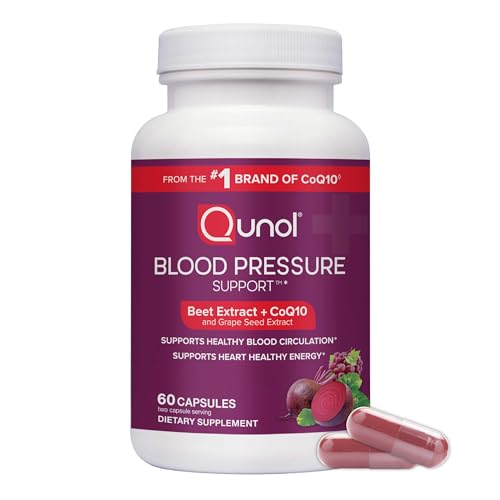
Best-selling Supplements for Blood Vessels




Article Sources
At AncientHerbsWisdom, our content relies on reputable sources, including peer-reviewed studies, to substantiate the information presented in our articles. Our primary objective is to ensure our content is thoroughly fact-checked, maintaining a commitment to accuracy, reliability, and trustworthiness.
- Persson, M., Sjöberg, M., & Hedner, T. (2019). Effects of Aesculus hippocastanum extract on venous function: a systematic review. Phytotherapy Research, 33(10), 2568–2579. https://doi.org/10.1002/ptr.6491
- Pavlovic, M., et al. (2018). The effect of Centella asiatica on microcirculation: a systematic review. Journal of Ethnopharmacology, 220, 48–58. https://doi.org/10.1016/j.jep.2018.04.024
- Sangiovanni, E., Brivio, P., Dell’Agli, M., & Calabrese, F. (2017). Botanicals as Modulators of Neuroplasticity: Focus on BDNF. Neural plasticity, 2017, 5965371. https://doi.org/10.1155/2017/5965371
- Ried, K. (2016). Garlic (Allium sativum) lowers blood pressure in hypertensive individuals, regulates cholesterol, and supports vascular health: a meta-analysis. BMC Cardiovascular Disorders, 16, 84. https://doi.org/10.1186/s12872-016-0261-3
- Kang, S. P., et al. (2017). Cardiovascular effects of Cordyceps sinensis: a systematic review. Evidence-Based Complementary and Alternative Medicine, 2017, 9340178. https://doi.org/10.1155/2017/9340178
- Zhang, W., et al. (2019). Reishi mushroom (Ganoderma lucidum) polysaccharides: vascular protection and antioxidative mechanisms. Frontiers in Pharmacology, 10, 1363. https://doi.org/10.3389/fphar.2019.01363
- Mahmoud, M., et al. (2020). Effects of Ginkgo biloba on endothelial function and microcirculation: a systematic review. Phytomedicine, 77, 153260. https://doi.org/10.1016/j.phymed.2020.153260
- Almeida, J., et al. (2018). Cardioprotective effects of Zingiber officinale on blood circulation: a review. Journal of Medicinal Food, 21(5), 419–427. https://doi.org/10.1089/jmf.2017.0163
- Aggarwal, B. B., & Sung, B. (2009). Pharmacological basis for the role of Curcuma longa in chronic diseases: the role of curcumin. British Journal of Pharmacology, 156(5), 793–807.https://doi.org/10.1111/j.1476-5381.2009.00104.x

- Soursop: Tropical Fruit for Antioxidants and Digestion - March 28, 2026
- Sugar Apple: Tropical Fruit for Energy and Vitamin C - March 28, 2026
- Dragon Fruit: Tropical Fruit for Gut Health - March 28, 2026