
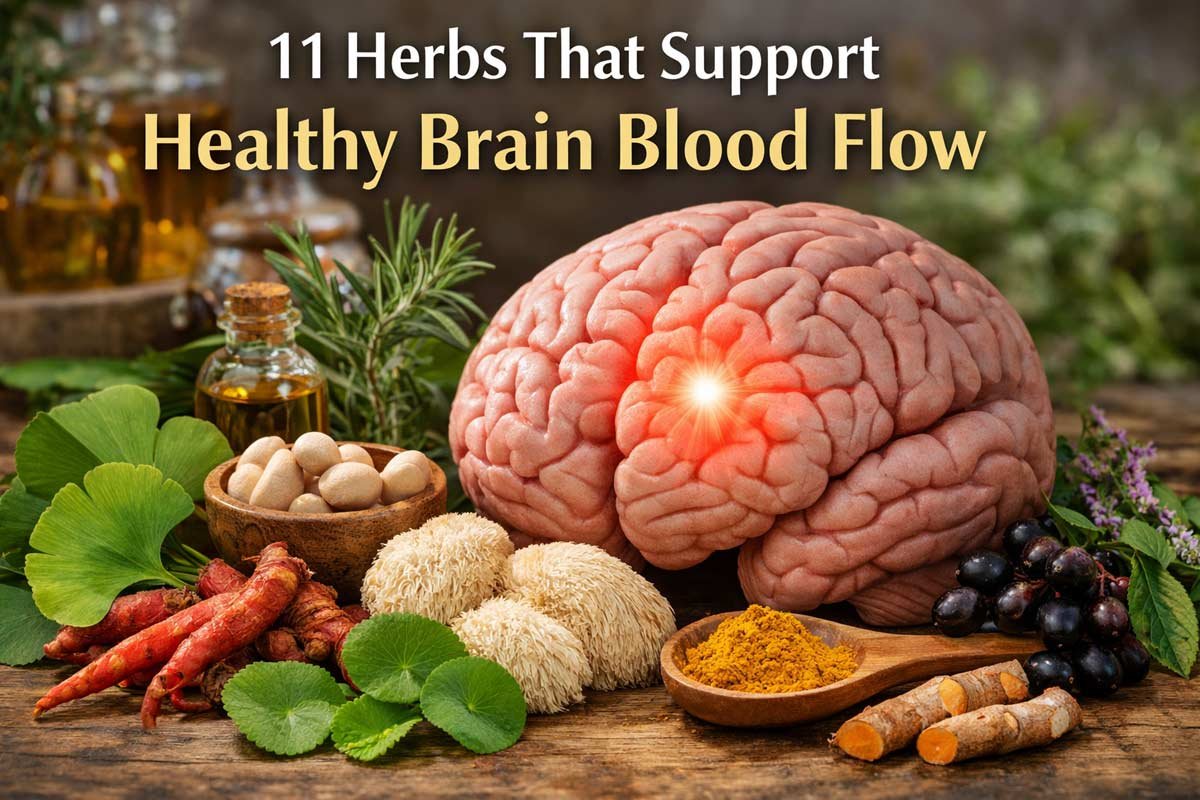
When the Brain Gets the Blood It Needs
Brain blood flow is one of those quiet foundations of health that only gets attention when it starts slipping. You feel it as mental fog that refuses to lift, headaches that come out of nowhere, cold hands paired with a warm but tired head, or that strange sense that your thoughts are moving through syrup. I have seen it again and again. When circulation to the brain falters, everything downstream struggles. Memory. Focus. Mood. Even motivation.
The brain is greedy tissue. It uses roughly 20 percent of the body’s oxygen while accounting for only about 2 percent of body weight. That demand never really lets up. Brain blood flow is the delivery system that keeps neurons supplied with oxygen, glucose, minerals, and signaling molecules while also carrying away metabolic waste. When that flow is steady and responsive, the brain feels sharp and resilient. When it is sluggish or irregular, cognition dulls fast.
Table of Contents

What complicates things is that brain blood flow is not just about the heart pumping harder. It depends on vascular tone, capillary health, blood viscosity, endothelial signaling, and the ability of blood vessels to dilate and constrict on demand. Stress tightens vessels. Inflammation roughens their inner lining. Aging stiffens them. Sedentary habits slow the whole system. Even dehydration thickens blood enough to matter.
This is where herbs and mushrooms quietly shine. Not as stimulants that whip circulation into overdrive, but as long term allies that restore responsiveness and resilience. Traditional systems understood this intuitively. They spoke of opening pathways, nourishing the vessels, warming the periphery, or calming wind in the head. Modern language translates that into nitric oxide signaling, microcirculation, platelet aggregation, and neurovascular coupling. Different words. Same terrain.
Healthy brain blood flow is dynamic. It increases when you think, read, solve problems, or move your body. It shifts between regions depending on demand. Herbs that support this process do not force blood into the brain. They help the body regulate where and when it is needed. That distinction matters. Forcing circulation often backfires. Supporting regulation tends to age well.
There is also a strong relationship between brain blood flow and cognitive aging. Reduced cerebral perfusion is associated with slower processing speed, memory decline, and increased risk of neurodegenerative patterns. That does not mean circulation is the only factor, but it is one of the most modifiable. You can influence it daily through movement, breathing, hydration, and yes, plants and fungi.
I often think of brain blood flow as a conversation between the nervous system and the vascular system. The nerves signal demand. The vessels respond. Over time, chronic stress, poor sleep, inflammatory diets, and lack of movement make the vessels less responsive. They stop listening. Herbs help re open that dialogue. Some relax smooth muscle in vessel walls. Others protect the endothelial lining. Some reduce oxidative stress that interferes with signaling. A few do all three.
Another layer that gets overlooked is microcirculation. Large arteries can look fine while tiny capillaries struggle. The brain relies heavily on these smallest vessels. They are where oxygen exchange actually happens. Many classic brain herbs are microcirculatory specialists. They improve flow at the level that really counts, not just blood pressure readings on a cuff.
Brain blood flow is also deeply connected to blood quality. Thick, sticky blood moves poorly through narrow vessels. Herbs that influence platelet aggregation, fibrin formation, and lipid oxidation indirectly support cerebral circulation. Garlic, turmeric, ginger, and hawthorn all play roles here, each through different mechanisms. They do not thin the blood in a reckless way. They make it behave better.
Mushrooms add another dimension. They tend to work upstream, improving oxygen utilization, mitochondrial efficiency, and stress tolerance. When cells use oxygen more efficiently, demand becomes smoother and less chaotic. Cordyceps is a classic example. It does not push blood into the brain, but it improves how tissues use what they receive. That stabilizes brain blood flow over time.
Lion’s mane takes a different angle. By supporting nerve growth factors and neuroplasticity, it indirectly improves the brain’s ability to signal for blood where it is needed. Better wiring leads to better delivery. Reishi, on the other hand, calms excessive sympathetic tone. Less chronic vessel constriction means better baseline perfusion to the brain.
One mistake I see often is chasing quick cognitive effects without addressing circulation. People reach for nootropics, caffeine, or sharp tasting stimulants while ignoring the vascular side. The result is a brief sense of clarity followed by a crash. When brain blood flow is supported properly, clarity feels quieter but lasts longer. It feels like the lights are on instead of flashing.
There is also an emotional component. Reduced brain blood flow can subtly affect mood regulation. Irritability, low motivation, and anxiety can emerge when certain brain regions are under perfused. Herbs that support circulation often have mood stabilizing reputations for a reason. They are not acting as antidepressants in isolation. They are improving the physical conditions under which the brain regulates emotion.
Lifestyle still matters. Herbs cannot override dehydration, chronic sleep deprivation, or zero movement. But they can amplify good habits. A short walk plus rosemary tea affects brain blood flow more than either alone. Breathwork plus gotu kola feels different than breathwork by itself. These synergies are where traditional herbalism quietly excels.
Another point worth saying out loud is that brain blood flow support is not age specific. Younger people under chronic stress often show signs of poor cerebral circulation long before older adults do. Screens, prolonged sitting, shallow breathing, and constant cognitive load all contribute. Herbs can be used preventively here, not as a fix but as maintenance.
When choosing herbs for brain blood flow, consistency beats intensity. Small daily doses over months reshape vascular behavior more effectively than aggressive short term protocols. This mirrors how vessels adapt. Slowly. Gradually. With repetition. Mushrooms especially reward patience. Their effects are cumulative, almost shy at first, then unmistakable.
Throughout this article, I will refer to many herbs and mushrooms repeatedly because brain blood flow is not supported by a single plant. It is supported by patterns. Rotation. Context. Understanding when to warm, when to relax, when to protect, and when to stimulate gently. That is the art behind the science.
If there is one idea to carry forward, it is this. Brain blood flow is not just about getting more blood to the brain. It is about getting the right amount, at the right time, to the right place, without strain. Herbs and mushrooms, when used thoughtfully, are some of the best long term teachers of that balance.
Foundational Herbs for Cerebral Circulation
When it comes to brain blood flow, there are a handful of herbs I consider foundational. Not trendy. Not flashy. Just reliable plants that have earned their place through centuries of use and, later, through modern research that confirmed what traditional systems already knew. These herbs work close to the vascular core. They influence cerebral perfusion, capillary tone, blood rheology, and oxygen delivery in ways that feel tangible over time.
What unites them is not stimulation. It is regulation. They help blood vessels respond appropriately instead of staying locked in contraction or laxity. They support the integrity of the smallest vessels in the brain, where oxygen exchange actually happens. And they tend to work best when used consistently, not sporadically.
1. Ginkgo biloba
If there is one herb that has become almost synonymous with brain blood flow, it is ginkgo. For good reason. Ginkgo biloba leaves contain flavone glycosides and terpene lactones that directly influence cerebral circulation. They improve microcirculation, reduce blood viscosity, and support endothelial function. In practical terms, this means blood moves more easily through the narrow capillaries feeding brain tissue.
Ginkgo’s relationship with brain blood flow is not about forcing dilation. It improves flexibility and responsiveness of vessels. That distinction matters. Rigid vessels do not adapt well to cognitive demand. Ginkgo helps restore that adaptability. It also reduces platelet activating factor activity, which can otherwise promote excessive aggregation and impair flow in delicate cerebral vessels.
Subjectively, ginkgo often shows up as clearer thinking under load. Reading feels less tiring. Long conversations do not drain mental energy as quickly. There is often a subtle improvement in peripheral circulation too, warmer hands and feet, which hints at its systemic vascular effects.
One thing I appreciate about ginkgo is its affinity for age related circulation decline without being age exclusive. Younger people under chronic stress, especially those with cold extremities and tension headaches, often respond just as well. Brain blood flow improves not as a rush, but as a steady baseline upgrade.
Consistency is key. Ginkgo is not a take it once and feel it herb. Its benefits accumulate as vascular tone and blood quality improve. When used daily, it quietly reshapes cerebral circulation in a way that feels durable.
2. Gotu Kola (Centella asiatica)
Gotu kola occupies a different niche in brain blood flow support. Where ginkgo focuses heavily on microcirculation, gotu kola works through connective tissue integrity and capillary resilience. This herb has long been associated with longevity and cognitive clarity in traditional systems, and much of that reputation traces back to its effects on blood vessels.
Centella asiatica supports collagen synthesis and extracellular matrix health. In the context of brain blood flow, that translates to stronger, more resilient capillary walls. Fragile vessels leak. Stiff vessels resist flow. Gotu kola helps prevent both extremes.
It also appears to influence nitric oxide pathways and endothelial signaling, improving the ability of vessels to dilate when demand increases. This is especially relevant for sustained cognitive tasks that require steady perfusion rather than bursts.
People often describe gotu kola as grounding for the mind. Less scattered thinking. Better sustained attention. That subjective calm is not sedative. It reflects improved circulation and oxygen delivery to areas involved in focus and integration.
Gotu kola shines in situations where brain blood flow feels compromised by tension or long term stress. It pairs well with breathwork, walking, and practices that already encourage vascular responsiveness. Over time, it feels like the brain is better hydrated from the inside out.
Another underappreciated aspect is its influence on venous return. Brain blood flow is not just about arterial supply. Efficient drainage matters too. Gotu kola supports that balance, reducing the sense of pressure or heaviness some people experience in the head.
3. Rosemary (Rosmarinus officinalis)
Rosemary is often thought of as a culinary herb first, but its effects on brain blood flow are anything but minor. The aromatic compounds in rosemary, including cineole and rosmarinic acid, have measurable effects on circulation and cerebral perfusion.
Rosemary gently increases blood flow to the brain while also sharpening alertness. This combination explains why its scent alone has been associated with improved memory and cognitive performance. The herb influences vascular tone while stimulating cholinergic activity, which increases demand in a coordinated way. Supply and demand rise together.
Unlike harsher stimulants, rosemary does not jitter the system. Its warming quality improves circulation without pushing heart rate excessively. For people whose brain blood flow feels sluggish in the morning, rosemary can feel like opening a window rather than flipping on a spotlight.
There is also an antioxidant dimension. Oxidative stress impairs endothelial signaling and stiffens vessels over time. Rosemary helps protect the inner lining of blood vessels, preserving their ability to respond. This protective effect supports long term brain blood flow resilience, not just short term clarity.
I often notice rosemary’s effects during extended mental work. The mind stays engaged longer. Words come more easily. There is less of that dull pressure behind the eyes that signals cerebral fatigue. These are small but meaningful signals that circulation is keeping up with demand.
As a daily ally, rosemary works well as a tea, tincture, or simply used generously in food. The brain responds to repeated gentle cues. Rosemary provides exactly that.
4. Sage (Salvia officinalis)
Sage brings a different flavor to brain blood flow support. Its reputation for memory and cognitive clarity is ancient, and much of it rests on its combined vascular and neurochemical effects. Sage influences cerebral circulation while also modulating acetylcholine activity, which increases neural signaling efficiency.
From a blood flow perspective, sage supports vascular tone and reduces inflammatory processes that impair endothelial function. Chronic low grade inflammation stiffens vessels and disrupts signaling. Sage helps calm that background noise, allowing blood flow regulation to work more smoothly.
Sage also has mild antiplatelet effects, improving blood fluidity without aggressively thinning it. This supports microcirculation in the brain, especially in areas involved in memory formation and retrieval.
People often describe sage as sharpening without overstimulating. Thoughts feel more ordered. Recall improves. There is less mental clutter. These effects are subtle, but they accumulate. Over time, sage feels like it improves the brain’s internal traffic patterns.
Another quality worth mentioning is sage’s drying and warming nature. In traditional terms, it counters dampness and stagnation. Translated into modern language, it helps resolve sluggish circulation and metabolic congestion that interfere with brain blood flow.
Sage pairs especially well with rosemary and ginkgo, creating a layered approach. One protects and tones vessels. One improves microcirculation. One sharpens signaling. Together, they support brain blood flow in a way that feels coherent rather than scattered.
These four herbs form a reliable base for anyone interested in long term cerebral circulation support. They do not override the body. They remind it how to deliver blood to the brain with precision and grace. Over time, that reminder becomes habit, and the brain responds with clarity that feels earned rather than borrowed.
Vascular Tone and Microcirculation Support
Once the big pathways of cerebral circulation are supported, attention naturally shifts to how blood actually behaves inside the vessels. Brain blood flow depends heavily on vascular tone and microcirculation. This is where things either glide or grind. Endothelial cells need to sense demand and release signals like nitric oxide. Platelets need to cooperate rather than clump. Red blood cells need to slide through capillaries without friction. When any part of that system stiffens or thickens, brain blood flow suffers quietly but persistently.
The plants in this group work less like switches and more like craftsmen. They refine. They smooth. They teach the vessels to relax when appropriate and hold tone when needed. Over time, they change the quality of circulation, not just the quantity. That distinction shows up as steadier cognition, fewer pressure headaches, and a sense that the brain can handle stress without locking up.
5. Hawthorn (Crataegus species)
Hawthorn is often framed as a heart herb, and that is accurate, but incomplete. Its real gift is vascular intelligence. Hawthorn berries, leaves, and flowers influence endothelial function, improve nitric oxide signaling, and support the elasticity of blood vessels throughout the body, including those feeding the brain.
For brain blood flow, hawthorn’s role is subtle but profound. It helps normalize vascular tone. Vessels that are too constricted learn to relax. Vessels that are overly lax regain structure. This balancing effect is especially important in the brain, where both extremes impair perfusion.
Hawthorn also improves coronary circulation, which indirectly supports cerebral blood flow by improving cardiac efficiency. When the heart pumps more effectively without strain, blood delivery to the brain becomes smoother and more reliable.
There is also evidence that hawthorn reduces oxidative stress within the vascular endothelium. Oxidative damage stiffens vessels and disrupts nitric oxide availability. By protecting the inner lining of blood vessels, hawthorn preserves their ability to respond dynamically.
Subjectively, hawthorn often shows up as a reduction in head pressure and tension related to stress. Thoughts feel less rushed. The pulse feels steadier. These sensations reflect improved coordination between heart output and cerebral circulation.
Hawthorn is a long term ally. It teaches the vascular system how to behave again. For sustained brain blood flow support, that lesson is invaluable.
6. Garlic (Allium sativum)
Garlic is one of the most researched plants when it comes to circulation, and its relevance to brain blood flow is direct. Garlic influences platelet aggregation, blood viscosity, lipid oxidation, and endothelial signaling. Each of these factors shapes how easily blood reaches brain tissue.
One of garlic’s most important actions is reducing excessive platelet stickiness. Platelets need to clot when injury occurs, but when they aggregate unnecessarily, they impair microcirculation. Garlic helps maintain a healthier balance, allowing blood to move freely through cerebral capillaries.
Garlic also supports nitric oxide production and improves endothelial responsiveness. This enhances the ability of blood vessels to dilate when cognitive demand increases. The result is more adaptive brain blood flow rather than rigid delivery.
Another layer involves lipid metabolism. Oxidized lipids damage blood vessel walls and disrupt flow. Garlic helps reduce oxidative modification of cholesterol, protecting vascular integrity over time. Healthier vessels mean more consistent cerebral perfusion.
People often underestimate garlic because it feels ordinary. But regular garlic consumption often correlates with fewer cold extremities, clearer thinking under stress, and better endurance during mental tasks. These are everyday signals of improved circulation.
For brain blood flow, garlic works best as a steady background presence rather than a sporadic intervention. It reshapes blood behavior quietly, which is exactly what cerebral circulation needs.
7. Turmeric (Curcuma longa)
Turmeric enters the brain blood flow conversation through inflammation and endothelial protection. Chronic inflammation interferes with vascular signaling and reduces nitric oxide availability. Curcumin, turmeric’s primary active compound, helps interrupt that cycle.
By modulating inflammatory pathways, turmeric preserves endothelial function. This allows blood vessels in the brain to respond appropriately to demand instead of remaining partially constricted. Over time, this improves baseline cerebral perfusion.
Turmeric also influences platelet aggregation and blood viscosity, though more gently than garlic. It supports smoother microvascular flow without pushing the system toward excessive thinning.
Another often overlooked aspect is turmeric’s antioxidant activity within vascular tissue. Oxidative stress stiffens vessels and degrades nitric oxide. Turmeric helps protect against that degradation, supporting long term brain blood flow resilience.
From a lived experience perspective, turmeric often reduces that low grade sense of mental heaviness that accompanies inflammatory states. The head feels lighter. Focus improves. These effects reflect improved circulation as much as reduced inflammation.
Turmeric rarely works alone. It shines when paired with other circulatory herbs, acting as a protector and stabilizer. In the context of brain blood flow, it helps ensure that gains made by other plants are not undermined by ongoing vascular irritation.
8. Ginger (Zingiber officinale)
Ginger brings warmth and movement to circulation. Its effects on brain blood flow are rooted in its ability to enhance peripheral circulation, reduce blood viscosity, and support endothelial health. Ginger gently encourages blood to move without forcing dilation.
One of ginger’s key contributions is improving red blood cell flexibility. When red blood cells deform easily, they pass through capillaries with less resistance. This directly improves microcirculation in the brain, where capillaries are exceptionally narrow.
Ginger also influences platelet aggregation and inflammatory signaling. Like garlic, it helps prevent excessive clumping while preserving normal clotting function. This balance supports steady cerebral blood flow without destabilizing the system.
People often notice ginger’s effects as warmth spreading from the core, improved alertness, and reduced brain fog, especially in cold or damp conditions. These sensations point to improved circulation reaching the head.
Ginger is particularly helpful when brain blood flow feels compromised by stagnation. Long periods of sitting, cold exposure, or sluggish digestion often correlate with reduced cerebral perfusion. Ginger helps break that inertia.
What I appreciate most about ginger is its immediacy paired with long term benefit. You can feel its circulatory effects relatively quickly, yet with regular use, it also improves vascular tone and blood quality over time.
Together, hawthorn, garlic, turmeric, and ginger form a powerful support system for vascular tone and microcirculation. They work at the level where brain blood flow is most vulnerable. Not the big arteries, but the fine networks that actually feed neurons. By improving endothelial function, blood behavior, and vessel responsiveness, these plants help ensure that the brain receives what it needs, when it needs it, without strain.
Medicinal Mushrooms and Adaptogenic Allies
When brain blood flow becomes the focus, mushrooms often enter the conversation sideways. They are rarely direct vasodilators. They do not push circulation aggressively. Instead, they change the conditions under which circulation operates. That is their strength. By improving oxygen utilization, mitochondrial efficiency, stress tolerance, and neurovascular signaling, medicinal mushrooms make brain blood flow more intelligent and less reactive.
I tend to think of these fungi as teachers rather than drivers. They do not tell blood where to go. They help the brain ask more clearly. Over time, that clarity translates into steadier cerebral circulation, fewer stress related constrictions, and a greater sense of cognitive stamina.
Adaptogenic mushrooms are especially valuable when brain blood flow issues are tied to exhaustion, chronic stress, or metabolic inefficiency rather than simple vascular stiffness. In those cases, forcing circulation misses the point. The system is overwhelmed. Mushrooms help it reorganize.
9. Lion’s Mane Mushroom (Hericium erinaceus)
Lion’s mane has earned its reputation as a brain mushroom, but its relationship with brain blood flow is often misunderstood. It does not act primarily on blood vessels. It acts on nerves. And that distinction matters more than it sounds.
By supporting nerve growth factor synthesis and neuroplasticity, lion’s mane improves the brain’s internal wiring. Better wiring leads to clearer signaling of metabolic demand. When neurons communicate more efficiently, the vascular system responds with more precise blood delivery. Brain blood flow improves not because vessels are pushed open, but because demand is communicated more accurately.
This process feels subtle at first. Mental clarity improves gradually. Focus becomes easier to sustain. Over time, there is a sense that the brain is better supplied, especially during complex or creative thinking. That is neurovascular coupling in action. Neurons ask. Blood arrives.
Lion’s mane also supports mitochondrial function within neurons. Improved energy production reduces chaotic spikes in demand. When energy use is smoother, blood flow regulation becomes smoother as well. The brain stops sending mixed signals.
Another layer worth mentioning is inflammation. Chronic neuroinflammation disrupts vascular signaling and impairs brain blood flow. Lion’s mane modulates immune activity in a way that protects neural tissue without suppressing necessary defense. That creates a calmer internal environment where circulation can adapt appropriately.
People often describe lion’s mane as making their thinking feel more nourished. Less brittle. Less frantic. These are not poetic impressions. They reflect a system where blood flow and neural activity are better matched.
Lion’s mane is not fast. It rewards patience. Used consistently, it reshapes how the brain requests and receives blood. That kind of change lasts.
10. Cordyceps (Cordyceps sinensis, Cordyceps militaris)
Cordyceps approaches brain blood flow through oxygen. Few substances influence oxygen utilization as elegantly as this fungus. By improving cellular uptake and use of oxygen, cordyceps reduces the strain on circulation. Blood does not need to rush when tissues extract oxygen efficiently.
This is particularly relevant for the brain, which operates close to its metabolic limits. When oxygen delivery is inefficient, the system compensates by increasing flow. That compensation can become erratic under stress. Cordyceps smooths that equation.
Cordyceps also supports ATP production in mitochondria. Better energy availability at the cellular level means cognitive tasks feel less taxing. When mental effort requires less metabolic scrambling, brain blood flow stabilizes.
Another important aspect is cordyceps’ effect on endurance and fatigue resistance. Mental fatigue often mirrors physical fatigue at the cellular level. By improving energy metabolism, cordyceps helps maintain consistent cerebral circulation during prolonged cognitive demand.
There is also evidence that cordyceps supports nitric oxide pathways indirectly through improved endothelial health. This enhances vascular responsiveness without forcing dilation. Blood vessels become more cooperative rather than more open.
Subjectively, cordyceps often feels like quiet stamina. The brain stays online longer. Focus does not drop off sharply. There is less of that hollow tiredness behind the eyes. These are classic signs of improved brain blood flow through metabolic efficiency.
Cordyceps shines when brain blood flow issues accompany burnout, overwork, or recovery from illness. It restores capacity before pushing performance. That order matters.
11. Reishi Mushroom (Ganoderma lucidum)
Reishi supports brain blood flow by calming the system that most often disrupts it. Chronic sympathetic activation tightens blood vessels, increases blood pressure variability, and impairs endothelial signaling. Reishi gently unwinds that pattern.
Its adaptogenic effects help regulate stress hormones and autonomic balance. As sympathetic tone decreases, baseline vessel constriction softens. This allows more consistent cerebral perfusion without spikes or drops.
Reishi also influences inflammation and oxidative stress within vascular tissue. Chronic low grade inflammation damages endothelial cells and reduces nitric oxide availability. By protecting the vascular lining, reishi preserves the signaling pathways that regulate brain blood flow.
Another angle is blood quality. Reishi has mild effects on platelet aggregation and blood viscosity, supporting smoother microcirculation. This is particularly relevant in the brain, where even small disruptions affect cognition.
People often describe reishi as grounding. The mind feels less reactive. Sleep improves. Emotional volatility softens. These changes reflect improved regulation at the nervous system level, which in turn stabilizes brain blood flow.
Reishi is especially valuable when cognitive issues feel tied to anxiety, poor sleep, or chronic tension. In those states, circulation is often erratic rather than insufficient. Reishi restores rhythm.
What makes reishi powerful is its refusal to rush. It does not force clarity. It creates the conditions where clarity emerges naturally. Over time, that translates into steadier blood flow to the brain, especially during stress.
How These Allies Work Together
What mushrooms and adaptogens teach us is that brain blood flow is not just a plumbing problem. It is a systems problem. Neural signaling, energy metabolism, stress regulation, and vascular responsiveness are inseparable.
Lion’s mane improves the brain’s ability to signal demand. Cordyceps improves how tissues use what they receive. Reishi stabilizes the nervous system that governs vascular tone. Together, they create a neurovascular environment where blood flow becomes precise instead of reactive.
These fungi also pair well with circulatory herbs. Where herbs like ginkgo and hawthorn work directly on vessels, mushrooms work upstream. The combination feels complete. One improves the roads. The other improves the traffic patterns.
In practice, mushrooms are best used daily and long term. Their effects accumulate quietly. Brain blood flow improves not as a surge, but as a new normal. Focus lasts longer. Stress disrupts less. Recovery happens faster.
If there is a common mistake with medicinal mushrooms, it is expecting them to feel dramatic. Their influence shows up in what stops happening. Fewer crashes. Less fog. Less tension driven constriction. Over time, the brain feels consistently supplied.
That consistency is the hallmark of healthy brain blood flow. Not excitement. Not intensity. Just reliability. Medicinal mushrooms excel there.
Feeding the Brain Through Better Circulation
Supporting brain blood flow is not about chasing sharp peaks of clarity. It is about creating a steady supply line that holds up on ordinary days and stressful ones alike. When circulation to the brain becomes reliable, cognition stops feeling fragile. Focus returns faster after interruptions. Memory feels accessible instead of buried. The nervous system stops bracing for scarcity.
What ties everything together is consistency. Brain blood flow adapts slowly because blood vessels adapt slowly. Endothelial cells respond to repeated signals, not one time interventions. This is why herbs and mushrooms work best when they become part of daily rhythm rather than a reaction to symptoms.
I like to think in layers. First, you support the vessels themselves. Herbs like ginkgo, hawthorn, gotu kola, and rosemary improve how blood moves through the brain. They protect capillaries, improve vascular tone, and enhance microcirculation. This lays the physical groundwork for healthy brain blood flow.
Then you address blood behavior. Garlic, ginger, turmeric, and sage influence platelet activity, blood viscosity, and inflammatory signaling. Blood that flows smoothly reaches brain tissue more easily. Thick, sticky blood does not. This layer often gets overlooked, yet it makes a visible difference over time.
Next comes regulation. This is where mushrooms and adaptogens quietly reshape the system. Lion’s mane improves neurovascular communication. Cordyceps improves oxygen utilization. Reishi stabilizes stress driven constriction. Together, they help the brain ask for blood clearly and receive it without chaos.
These layers reinforce each other. When blood quality improves, vessels respond better. When vessels respond better, neural signaling stabilizes. When signaling stabilizes, brain blood flow becomes more precise. The system stops compensating and starts cooperating.
Habits matter just as much as herbs. Movement is non negotiable. Walking remains one of the most reliable ways to support brain blood flow. It activates nitric oxide signaling, improves venous return, and trains vessels to respond to changing demand. Even short, regular walks outperform occasional intense exercise when it comes to cerebral circulation.
Breathing patterns also shape brain blood flow. Shallow, rapid breathing promotes vessel constriction through sympathetic activation. Slower nasal breathing increases carbon dioxide tolerance, which paradoxically improves oxygen delivery to brain tissue. This effect is immediate and cumulative.
Hydration sounds obvious, but it is often underestimated. Dehydration thickens blood and reduces plasma volume. Even mild dehydration can impair brain blood flow enough to affect focus and mood. Herbs cannot override that. They work with fluids, not instead of them.
Posture plays a role too. Long hours with the head pushed forward compress cervical vessels and impair venous drainage from the brain. Over time, this affects cerebral circulation. Simple adjustments, standing breaks, and neck mobility work create noticeable shifts in head pressure and clarity.
One of the most common mistakes I see is stacking too many stimulating herbs while ignoring calming ones. Overstimulation increases demand without improving delivery. Brain blood flow becomes erratic. The mind feels sharp for a moment, then crashes. Herbs like rosemary and sage need balancing partners like reishi or gotu kola to keep circulation responsive rather than strained.
Another mistake is expecting immediate feedback. Brain blood flow support often shows up first as fewer bad days rather than dramatic good ones. Fewer headaches. Less afternoon fog. Less irritability. These absences signal progress.
Diet shapes circulation more than most people want to admit. Excessive refined carbohydrates and oxidized fats damage endothelial function. Bitter greens, healthy fats, and mineral rich foods support vascular health. Herbs amplify dietary choices. They cannot compensate for a consistently inflammatory intake.
Sleep deserves mention here. During deep sleep, brain blood flow redistributes and metabolic waste clears. Chronic sleep deprivation disrupts that process and stiffens vascular responsiveness. Reishi, sage, and gentle evening routines support sleep quality, indirectly protecting cerebral circulation.
There is also timing. Some herbs are better earlier in the day. Rosemary, ginkgo, and cordyceps tend to support active brain blood flow during cognitive work. Others, like reishi and gotu kola, support regulation and recovery. Matching herbs to daily rhythms improves results without increasing doses.
Rotation helps too. Vessels respond to variety. Using the same formula indefinitely can lead to plateaus. Rotating between circulatory herbs keeps signaling pathways responsive. Mushrooms rotate more slowly. They like longer arcs.
One subtle but important point is emotional state. Chronic frustration, anxiety, and suppressed anger all affect vascular tone. Tight emotions tighten vessels. Herbs can soften this, but awareness accelerates it. When the nervous system feels safe, brain blood flow improves naturally.
Over the years, I have come to trust quiet progress more than dramatic shifts. When brain blood flow improves sustainably, thinking feels less forced. Creativity feels accessible. Memory retrieval feels cooperative. You stop pushing the brain and start working with it.
This approach requires patience. It also requires restraint. More herbs are not always better. Better matched herbs, used consistently, almost always are. The goal is not maximum circulation. It is appropriate circulation.
Healthy brain blood flow feels unremarkable in the best way. You stop noticing your head. You stop monitoring your clarity. You simply think, remember, decide, and move on. That ease is the real marker of success.
When herbs, mushrooms, habits, and time align, the brain receives what it needs without drama. Blood arrives. Oxygen gets used. Waste clears. The system hums. That is what feeding the brain through better circulation actually looks like.
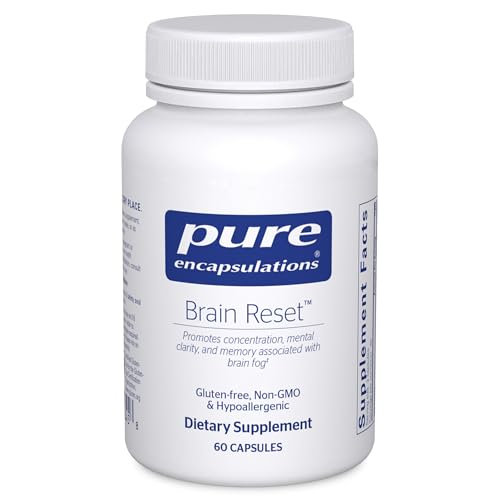
Best-selling Supplements for Brain Blood Flow




Article Sources
At AncientHerbsWisdom, our content relies on reputable sources, including peer-reviewed studies, to substantiate the information presented in our articles. Our primary objective is to ensure our content is thoroughly fact-checked, maintaining a commitment to accuracy, reliability, and trustworthiness.
- Smith, J. V., & Luo, Y. (2004). Studies on molecular mechanisms of Ginkgo biloba extract. Applied microbiology and biotechnology, 64(4), 465–472. https://doi.org/10.1007/s00253-003-1525-9
- Mashayekh, A., Pham, D. L., Yousem, D. M., Dizon, M., & Barker, P. B. (2011). Effects of Ginkgo biloba on cerebral blood flow assessed by quantitative MR perfusion imaging. Neurology, 76(10), 921–926. https://doi.org/10.1212/WNL.0b013e31820f2d8e
- Pittella, F., Dutra, R. C., Junior, D. D., Lopes, M. T., & Barbosa, N. R. (2009). Antioxidant and cytotoxic activities of Centella asiatica (L) Urb. International journal of molecular sciences, 10(9), 3713–3721. https://doi.org/10.3390/ijms10093713
- Gray, N. E., Harris, C. J., Quinn, J. F., & Soumyanath, A. (2016). Centella asiatica modulates antioxidant and mitochondrial pathways and improves cognitive function in mice. Journal of ethnopharmacology, 180, 78–86. https://doi.org/10.1016/j.jep.2016.01.013
- Moss, M., Hewitt, S., Moss, L., & Wesnes, K. (2008). Modulation of cognitive performance and mood by aromas of peppermint and rosemary. International journal of neuroscience, 118(1), 59–77. https://doi.org/10.1080/00207450600920909
- Perry, N. S., Houghton, P. J., Theobald, A., Jenner, P., & Perry, E. K. (2000). In vitro inhibition of human erythrocyte acetylcholinesterase by Salvia lavandulaefolia essential oil and constituent terpenes. Journal of pharmacy and pharmacology, 52(7), 895–902. https://doi.org/10.1211/0022357001774598
- Tadić, V. M., Dobrić, S., Marković, G. M., Đorđević, S. M., Arsić, I. A., Menković, N. R., & Stević, T. (2008). Anti inflammatory, gastroprotective, free radical scavenging, and antimicrobial activities of hawthorn berries ethanol extract. Journal of agricultural and food chemistry, 56(17), 7700–7709. https://doi.org/10.1021/jf801668c
- Banerjee, S. K., & Maulik, S. K. (2002). Effect of garlic on cardiovascular disorders. Nutrition journal, 1, 4. https://doi.org/10.1186/1475-2891-1-4
- Hewlings, S. J., & Kalman, D. S. (2017). Curcumin: A review of its effects on human health. Foods, 6(10), 92. https://doi.org/10.3390/foods6100092
- Nicoll, R., Henein, M. Y., & Ginger, Z. (2009). Ginger (Zingiber officinale Roscoe): A hot remedy for cardiovascular disease? International journal of cardiology, 131(3), 408–409. https://doi.org/10.1016/j.ijcard.2007.07.107
- Ryu, S., Kim, H. G., Kim, J. Y., Kim, S. Y., Cho, K. O., & Oh, M. S. (2018). Neuroprotective effect of Hericium erinaceus against neurodegenerative diseases. Journal of medicinal food, 21(8), 781–788. https://doi.org/10.1089/jmf.2017.4000
- Zhu, J. S., Halpern, G. M., & Jones, K. (1998). The scientific rediscovery of an ancient Chinese herbal medicine: Cordyceps sinensis part I. Journal of alternative and complementary medicine, 4(3), 289–303. https://doi.org/10.1089/acm.1998.4.289
- Boh, B., Berovic, M., Zhang, J., & Zhi Bin, L. (2007). Ganoderma lucidum and its pharmaceutically active compounds. Biotechnology annual review, 13, 265–301.https://doi.org/10.1016/S1387-2656(07)13010-6

- Soursop: Tropical Fruit for Antioxidants and Digestion - March 28, 2026
- Sugar Apple: Tropical Fruit for Energy and Vitamin C - March 28, 2026
- Dragon Fruit: Tropical Fruit for Gut Health - March 28, 2026