
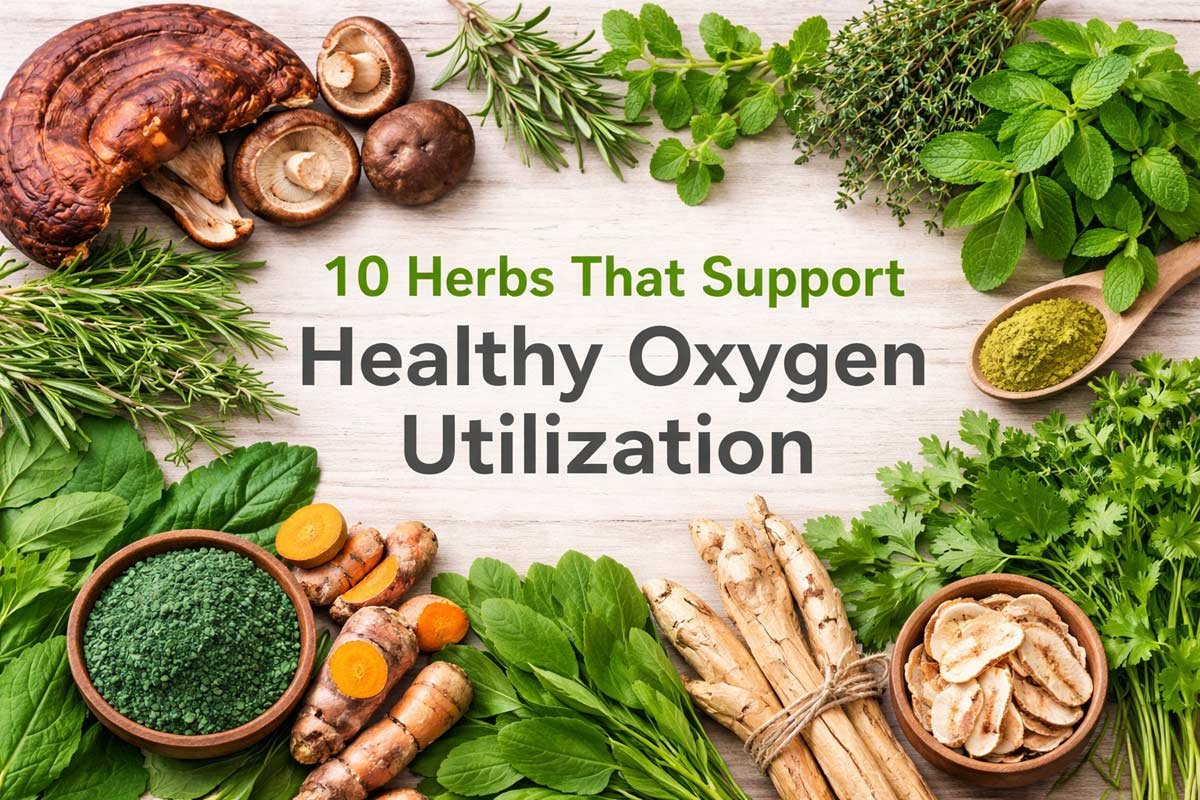
When Oxygen Becomes the Limiting Factor
Most people think oxygen is a breathing issue. You inhale, lungs fill, job done. But after years of watching how bodies actually behave under stress, illness, altitude, aging, or training, that idea falls apart fast. The real bottleneck is rarely how much oxygen enters the lungs. It is how well the body uses it once it gets there. Oxygen utilization is the quiet difference between stamina and fatigue, clarity and brain fog, resilience and burnout.
I have seen people with strong lungs get winded walking uphill. I have seen others with average respiratory capacity work all day without fading. The difference shows up at the cellular level. Oxygen utilization depends on circulation, mitochondrial health, red blood cell efficiency, enzymatic reactions, and how inflamed or stressed the internal terrain is. When any of these pieces falter, oxygen becomes present but unavailable.
Table of Contents


This matters more now than ever. Modern life quietly sabotages oxygen utilization from several directions at once. Chronic stress shifts metabolism toward inefficient fuel use. Inflammation stiffens blood vessels and thickens blood. Sedentary habits reduce capillary density. Poor sleep disrupts mitochondrial repair. Even shallow breathing patterns driven by anxiety change how oxygen is distributed through the tissues. None of this shows up clearly on a basic medical test, yet the body feels it every day.
Oxygen utilization is not about pushing more air. It is about teaching the body to work smarter with what it already has. This is why people can feel breathless at sea level or exhausted despite normal blood oxygen readings. The cells are starved, not because oxygen is absent, but because delivery and usage are compromised.
From an herbal perspective, this is where things get interesting. Plants and mushrooms have been dealing with oxygen stress for millions of years. High altitude herbs, forest fungi, and roots growing in compacted soil evolved strategies to survive fluctuating oxygen levels. When used skillfully, these strategies translate remarkably well to human physiology.
Take fatigue, for example. Not the kind fixed by sleep, but the deep, dragging exhaustion that feels metabolic. That is often a problem of oxygen utilization at the mitochondrial level. Cells are forced to rely on inefficient energy pathways, producing more waste and less usable energy. The body responds by slowing everything down. Herbs that support oxygen utilization do not stimulate. They remove friction.
Another common sign is shortness of breath without obvious lung disease. People describe it as never quite getting a full breath, especially during exertion or stress. This often involves poor vascular response or tension in the autonomic nervous system. Oxygen is entering the lungs but struggling to reach peripheral tissues. Here again, oxygen utilization is the issue, not oxygen supply.
Even mental performance ties back to this. The brain consumes roughly twenty percent of the body’s oxygen at rest. When oxygen utilization drops, cognition is one of the first things to suffer. Focus slips. Memory feels unreliable. Thoughts lose momentum. This is why some of the most effective herbs for mental clarity work by improving cerebral blood flow or mitochondrial efficiency rather than acting directly on neurotransmitters.
What complicates the picture is that oxygen utilization is not a single mechanism. It is a chain of events. Oxygen must bind efficiently to hemoglobin. Blood must flow freely through vessels that can dilate and constrict as needed. Capillaries must be dense enough to deliver oxygen close to cells. Mitochondria must be healthy enough to use that oxygen to produce ATP. Enzymes involved in oxidative metabolism must function without interference from excessive oxidative stress.
Break the chain anywhere and the whole system suffers.
This is why quick fixes rarely work. You can breathe deeper, take iron, or use stimulants, but if inflammation is clogging the microcirculation or stress hormones are locking blood flow into survival patterns, oxygen utilization will still lag. The body prioritizes survival over efficiency. Herbs, when chosen well, help renegotiate that priority.
One thing I learned early is that oxygen utilization improves when the body feels safe. That sounds abstract until you see it repeatedly. Herbs that calm the nervous system often improve endurance. Plants that reduce inflammatory signaling often improve breathing capacity. Mushrooms that modulate immune tone often increase stamina without any stimulant effect. This is not coincidence. Stress chemistry directly alters how oxygen is used.
There is also an adaptive component. The body can be trained to use oxygen more efficiently, just like muscles can be trained to lift more weight. Certain herbs and mushrooms act as teachers rather than crutches. They expose the body to mild stress signals that encourage adaptation without overwhelming the system. Over time, oxygen utilization improves because the body learns to extract more value from each breath.
This is especially noticeable in people recovering from illness. After infections, inflammatory episodes, or prolonged inactivity, oxygen utilization often remains impaired long after acute symptoms resolve. People feel weak, easily winded, or mentally dull. Supporting oxygen utilization during this phase can dramatically shorten recovery time, not by forcing energy, but by restoring metabolic coherence.
Age plays a role too. As we get older, capillary density declines and mitochondrial efficiency drops. Oxygen utilization becomes less forgiving. This is not inevitable decline. It is a call for support. Traditional systems of medicine understood this well. Many classic longevity herbs were prized not because they stimulated vitality, but because they preserved efficient oxygen use deep into old age.
It is worth saying clearly that oxygen utilization is not about athletic performance alone. Yes, athletes notice it first. But it matters just as much for people dealing with chronic stress, desk bound work, cognitive load, or recovery from burnout. Efficient oxygen utilization is quiet energy. It does not feel jittery. It feels steady.
Herbs and mushrooms that support this process tend to work slowly and cumulatively. That frustrates people looking for immediate results, but it is also why the effects last. Once the body relearns how to use oxygen efficiently, it often holds onto that capacity, even when the herbs are paused.
In practice, I pay attention to signs that oxygen utilization is struggling. Cold hands and feet. Heavy limbs. Frequent sighing. Brain fog that worsens with exertion. A feeling of being easily overwhelmed by physical or mental effort. These are not vague complaints. They are patterns. And they respond predictably when oxygen utilization improves.
The beauty of working with plants and mushrooms is that they rarely target one link in the chain. A single herb might improve circulation, calm stress chemistry, and protect mitochondria at the same time. A mushroom might enhance ATP production while reducing inflammatory drag. This multi layered action is exactly what oxygen utilization requires.
So when oxygen becomes the limiting factor, the solution is rarely more air. It is better flow, better chemistry, and better cellular cooperation. The body already knows how to breathe. What it needs is support remembering how to use what it breathes.
Adaptogenic Herbs That Improve Cellular Oxygen Use
When we talk about oxygen utilization at the cellular level, we’re really talking about mitochondria. These tiny powerhouses take the oxygen that flows through your blood and turn it into usable energy—ATP. The better they work, the more efficiently your body uses oxygen, and the more resilient you become under physical and mental stress. Adaptogenic herbs excel here because they don’t just stimulate energy—they help the body modulate stress, optimize mitochondrial function, and maintain balance across metabolic systems.
1. Rhodiola rosea
Rhodiola rosea, often called “golden root,” is one of the most reliable herbs for improving oxygen utilization under stress. Grown in cold, high-altitude regions, it evolved to withstand fluctuating oxygen levels, making it particularly effective for humans facing fatigue or hypoxic conditions. What makes Rhodiola unique is its ability to support mitochondrial energy production. Studies show that Rhodiola enhances ATP synthesis while reducing oxidative stress, meaning your cells can extract more energy from the oxygen available.
Beyond mitochondria, Rhodiola modulates the hypothalamic-pituitary-adrenal axis, reducing the overproduction of stress hormones like cortisol. When stress is high, oxygen use in the muscles and brain becomes inefficient; the body prioritizes survival over performance. By calming this response, Rhodiola indirectly improves cellular oxygen utilization, giving you sustained energy rather than a short-lived stimulant spike.
In practice, a daily dose of Rhodiola root tincture or standardized extract can support endurance, mental clarity, and resilience without jitteriness. It’s particularly useful for individuals recovering from periods of fatigue or those exposed to intermittent stressors that otherwise compromise oxygen metabolism.
2. Panax Ginseng
Panax ginseng, the classic tonic of Eastern medicine, is another powerhouse for oxygen utilization. Its primary role isn’t just to invigorate—it fine-tunes cellular metabolism. Ginseng’s ginsenosides interact with mitochondria to enhance ATP production and optimize oxidative phosphorylation, which is the process by which oxygen is converted into usable energy. This effect is especially relevant during prolonged exertion, whether physical or cognitive.
Ginseng also supports microcirculation, improving oxygen delivery to tissues. Its adaptogenic properties help balance the autonomic nervous system, ensuring that the body uses oxygen efficiently rather than squandering it in stress responses. Traditional formulations often pair ginseng with other tonic herbs to enhance endurance, reduce fatigue, and maintain mental sharpness. People often notice a smoother, more consistent energy flow rather than the abrupt spikes typical of caffeine or synthetic stimulants.
3. Eleuthero Root
Eleuthero, sometimes called Siberian ginseng, is a close cousin to Panax ginseng, but with a gentler, more cumulative effect. It supports mitochondrial efficiency and helps the body adapt to physical and environmental stressors, including hypoxia or low oxygen scenarios. Research indicates that eleuthero can enhance endurance and reduce fatigue by increasing the efficiency of oxygen utilization at the cellular level.
What sets eleuthero apart is its effect on metabolic flexibility. Cells don’t just need oxygen—they need to be able to switch between fuels efficiently, using fats, sugars, and proteins as required. Eleuthero supports this adaptability, helping the body maintain energy balance during prolonged exertion or periods of dietary stress. Traditional use often emphasizes its role in gradual, sustainable energy rather than acute stimulation, making it a long-term ally for oxygen-dependent cellular processes.
4. Astragalus Root
Astragalus root is best known for immune support, but its benefits extend deeply into oxygen utilization and mitochondrial function. Astragalus contains compounds called saponins and flavonoids that protect mitochondria from oxidative damage while enhancing energy production. It also promotes nitric oxide production in the endothelium, improving microcirculation and helping oxygen reach even the smallest capillaries.
In practice, Astragalus works subtly but powerfully. People often report feeling more resilient during periods of high mental or physical demand. Unlike stimulants, it doesn’t force the body to burn energy faster; instead, it improves the efficiency of oxygen use, helping cells perform optimally under stress. Astragalus is particularly valuable in aging populations, where mitochondrial efficiency naturally declines, or for anyone recovering from illness or chronic fatigue.
Integrating Adaptogenic Herbs for Oxygen Utilization
The beauty of adaptogens like Rhodiola, Panax ginseng, Eleuthero, and Astragalus is that they address oxygen utilization from multiple angles. They improve mitochondrial efficiency, reduce oxidative stress, enhance circulation, and modulate stress hormones. Together, they create a cellular environment where oxygen is used more effectively, giving the body more energy, resilience, and mental clarity.
Using these herbs strategically means considering timing, dosage, and your unique stress profile. A morning dose of Rhodiola or ginseng can support daytime energy, while a daily tonic of Astragalus helps maintain cellular efficiency over weeks. Eleuthero can be cycled to support endurance without overstimulation. Combined thoughtfully, these adaptogenic herbs form a foundation for improving oxygen utilization naturally, safely, and sustainably.
Circulatory and Cardiopulmonary Herbal Allies
Oxygen utilization is only half the story. You can have perfectly efficient mitochondria, but if the oxygen isn’t reaching the tissues, cellular energy production stalls. That’s where circulatory and cardiopulmonary herbs come in. These plants work on the highways and delivery systems—the blood vessels, heart, and lungs—ensuring that oxygen is transported effectively and consistently. When blood flow is smooth, vessels flexible, and the heart coordinated with breathing, oxygen gets to where it’s needed most, supporting stamina, resilience, and recovery.
5. Ginkgo biloba
Ginkgo biloba is one of the most studied herbs for circulation and oxygen delivery. Its leaves contain flavonoids and terpenoids that enhance microcirculation by relaxing vascular smooth muscle and improving capillary function. This effect allows oxygen-rich blood to penetrate tissues that might otherwise be poorly perfused, including the brain and extremities.
Beyond simply improving flow, Ginkgo protects endothelial cells from oxidative stress and supports nitric oxide signaling, which helps blood vessels dilate efficiently. For people who experience cold hands and feet, mental fatigue, or subtle cognitive decline, Ginkgo often produces noticeable improvements in alertness and circulation. Traditional use emphasized cognitive clarity, and modern studies confirm that enhanced oxygen delivery to the brain is a key mechanism.
6. Hawthorn Berry and Leaf
Hawthorn, with its berries and leaves, is a cornerstone of herbal cardiovascular support. Its flavonoid-rich profile strengthens the heart muscle, improves myocardial contraction, and supports coronary circulation. By enhancing cardiac efficiency, Hawthorn ensures that each heartbeat delivers oxygen-rich blood more effectively throughout the body.
In addition, Hawthorn moderates vascular tone, gently lowering peripheral resistance without causing hypotension in most individuals. This balance is crucial because too much constriction hampers oxygen delivery, while too little reduces effective circulation. People often notice reduced fatigue during exertion and better endurance when using Hawthorn consistently. Traditional European herbalists prized Hawthorn not for short bursts of energy, but for sustaining oxygen delivery over time, especially in aging hearts.
7. Nettle Leaf
Nettle leaf is less well-known in mainstream conversation about oxygen, but it is a powerhouse for blood health and circulation. Rich in iron, minerals, and bioactive compounds, Nettle supports red blood cell formation, hemoglobin efficiency, and overall blood quality. Healthy, abundant red blood cells are essential for transporting oxygen from lungs to tissues.
Nettle also improves microcirculation and has mild diuretic properties, reducing fluid stagnation that can compromise oxygen delivery at the capillary level. It’s particularly useful in seasonal transitions, chronic fatigue, or low-grade anemia. Taken as a daily infusion or tincture, Nettle provides steady support for oxygen transport, improving both endurance and general vitality.
Integrating Circulatory Herbs for Oxygen Delivery
The synergy of Ginkgo, Hawthorn, and Nettle illustrates how circulation and oxygen delivery work in tandem. Ginkgo improves microvascular perfusion and protects endothelial function, Hawthorn strengthens the heart and balances vascular tone, and Nettle ensures the blood itself is robust and capable of carrying oxygen efficiently. Together, they create a circulatory environment where oxygen reaches tissues more reliably, complementing the cellular benefits provided by adaptogenic herbs.
Timing and preparation matter. Ginkgo extracts are often standardized for flavonoid content, ensuring consistent effects on blood flow. Hawthorn is best used as a gentle, ongoing tonic rather than an acute stimulant, allowing the heart to adapt gradually. Nettle, whether in tea or tincture, works over weeks to support hematological and microcirculatory health. When integrated thoughtfully, these herbs can make a tangible difference in how the body handles oxygen, particularly under stress, exertion, or recovery.
Medicinal Mushrooms for Endurance and Oxygen Economy
Herbs get most of the attention when discussing oxygen, but medicinal mushrooms have quietly carved out a remarkable niche in supporting cellular energy and oxygen efficiency. Unlike plants, mushrooms evolved in shaded, often oxygen-limited environments, developing compounds that enhance respiration, energy metabolism, and resilience under stress. For anyone looking to maximize oxygen utilization, mushrooms offer a unique, multi-layered approach that complements adaptogens and circulatory herbs.
8. Cordyceps
Cordyceps is perhaps the most famous mushroom for endurance and oxygen efficiency. Traditional Chinese medicine prized it for enhancing vitality, stamina, and recovery, especially in older adults or those living at high altitudes. Modern research supports these claims: Cordyceps promotes ATP production, enhances mitochondrial respiration, and increases the efficiency of oxygen utilization in muscle tissue. This is not about a temporary boost; it’s about improving the fundamental way cells convert oxygen into usable energy.
Cordyceps also modulates blood flow and supports respiratory function. Athletes using Cordyceps have shown improvements in VO2 max, which is a direct measure of oxygen uptake and utilization. Beyond performance, Cordyceps offers systemic support, reducing oxidative stress and modulating inflammation, which further ensures that oxygen delivery and utilization remain uncompromised during exertion or recovery.
9. Reishi Mushroom
Reishi mushroom is better known for immune modulation and longevity, but it also plays a subtle role in oxygen efficiency. Its triterpenes and polysaccharides improve microcirculation and protect endothelial cells from oxidative damage. This ensures oxygen travels effectively from the lungs to tissues, particularly under conditions of chronic stress or low-grade inflammation.
Additionally, Reishi supports adrenal and nervous system balance. By reducing stress-driven vasoconstriction and promoting calm, steady circulation, it indirectly improves how oxygen is distributed throughout the body. It’s a mushroom for endurance of a different kind—not explosive performance, but sustained resilience and energy over time.
10. Chaga Mushroom
Chaga mushroom, with its dense melanin-rich structure, evolved to thrive under harsh, low-light, and oxygen-limited conditions. These adaptations translate well to human physiology. Chaga is rich in antioxidants, which protect mitochondria from oxidative damage, allowing them to use oxygen efficiently. Its polysaccharides support immune function and reduce inflammation, which otherwise can impede oxygen delivery and utilization.
People using Chaga regularly often notice improved stamina and a sense of steady energy. It’s not a stimulant; it’s a metabolic stabilizer. By maintaining cellular integrity and reducing oxidative friction, Chaga ensures that oxygen can be converted into energy efficiently, particularly under chronic stress, illness recovery, or aging-related decline.
Integrating Mushrooms for Oxygen Efficiency
The combination of Cordyceps, Reishi, and Chaga creates a multi-dimensional support system for oxygen utilization. Cordyceps enhances mitochondrial respiration and energy output, Reishi smooths circulation and protects vascular integrity, and Chaga shields mitochondria while supporting systemic resilience. Together, they allow the body to make the most of every breath, particularly during exertion, stress, or recovery.
Preparation matters. Cordyceps extracts standardized for cordycepin or polysaccharides provide consistent results, while Reishi and Chaga are often taken as long-term decoctions or tinctures to build systemic resilience. Layering these mushrooms with adaptogenic and circulatory herbs produces a holistic approach: improved oxygen delivery, enhanced cellular utilization, and durable energy without overstimulation.
By supporting mitochondria, circulation, and systemic balance simultaneously, medicinal mushrooms create a strong foundation for oxygen efficiency. Their effects are subtle at first but cumulative, quietly teaching the body to extract more energy from the oxygen it already has. Over time, this translates into better endurance, sharper cognition, and a profound sense of metabolic stability.
Training the Body to Use Oxygen More Wisely
Improving oxygen utilization is not just about herbs and mushrooms—it’s also about teaching the body to be more efficient with the oxygen it already receives. This isn’t complicated, but it requires awareness, consistency, and the right combination of practices alongside botanical support. Think of it less as pushing harder and more as fine-tuning a system that’s already capable but underperforming.
One of the first keys is rhythm. Breathing deeply, slowly, and with intention signals to the nervous system that the environment is safe. Many people breathe shallowly all day without realizing it, which restricts oxygen exchange at the alveolar level and reduces blood oxygen saturation. Herbal allies like Reishi and Rhodiola help by calming stress responses, allowing breath patterns to normalize naturally, while mushrooms like Cordyceps optimize how the mitochondria respond to each inhalation.
Cardiovascular conditioning also plays a role. Light, consistent movement—walking, cycling, swimming—enhances capillary density and strengthens heart-lung coordination. Herbs such as Ginkgo and Hawthorn can amplify these benefits by improving microcirculation and cardiac efficiency. Over time, oxygen travels further and reaches tissues that were previously under-perfused, allowing mitochondria to operate at a higher baseline efficiency.
Nutritional and metabolic factors matter too. Cells need the right co-factors to use oxygen efficiently—magnesium, iron, B vitamins, and antioxidants that reduce oxidative stress. Nettle leaf, Astragalus, and Chaga all provide bioactive compounds that support these pathways, ensuring oxygen isn’t wasted and cellular respiration occurs smoothly. When combined with adaptogens, these herbs create a system where both supply and demand for oxygen are balanced.
Another subtle but powerful strategy is controlled exposure to mild oxygen stress. Practices like moderate interval training, breath-hold exercises, or even occasional high-altitude exposure can stimulate the body to become more efficient in oxygen use. In traditional herbal systems, Cordyceps was often used alongside such practices to enhance endurance and recovery, essentially teaching the mitochondria to extract more energy from each breath.
Recovery and sleep are equally critical. Oxygen utilization declines when tissues are inflamed or metabolically overtaxed. Reishi and Astragalus help modulate immune response and repair mechanisms during rest, ensuring that mitochondrial function is restored overnight. Without proper recovery, even the best circulation and mitochondrial support will be undercut by accumulated stress and oxidative damage.
Practical daily integration involves layering these approaches. Begin with gentle breathwork in the morning or before exertion, combine it with a tonic or adaptogenic mushroom routine, and include light movement to encourage circulation. Support your diet with nutrient-dense foods or herbs that enhance blood quality. Over weeks and months, the body recalibrates: oxygen delivery improves, mitochondrial efficiency increases, and energy feels steady rather than erratic.
Listening to the body is central to this process. Fatigue, shortness of breath, mental fog, or cold extremities are signals that oxygen utilization is suboptimal. Instead of pushing through with stimulants, adjust routines, integrate supportive herbs, and allow the system to adapt gradually. This patient, layered approach builds resilience that persists even when botanical support is paused, because the body has relearned how to use oxygen efficiently.
Ultimately, training the body to use oxygen wisely is about creating synergy between the circulatory system, cellular machinery, and lifestyle practices. Herbs and mushrooms act as facilitators—they don’t replace effort but enhance the body’s natural adaptability. With consistent application, oxygen utilization improves subtly but profoundly, translating into better endurance, mental clarity, and overall vitality that feels effortless because it’s built into the body’s own systems.
Best-selling Supplements for Oxygen Utilization






Article Sources
At AncientHerbsWisdom, our content relies on reputable sources, including peer-reviewed studies, to substantiate the information presented in our articles. Our primary objective is to ensure our content is thoroughly fact-checked, maintaining a commitment to accuracy, reliability, and trustworthiness.
- Bennett, B. C., & Balick, M. J. (2014). Does the name really matter? The importance of botanical nomenclature and plant taxonomy in biomedical research. Journal of ethnopharmacology, 152(3), 387–392. https://doi.org/10.1016/j.jep.2013.11.042
- Chen, S., Li, Z., Krochmal, R., Abrazado, M., Kim, W., Cooper, C. B., & Oh, S. S. (2015). Effect of Cordyceps sinensis on exercise performance in healthy older subjects. Journal of alternative and complementary medicine, 21(5), 295–300. https://doi.org/10.1089/acm.2014.0308
- Panossian, A., & Wikman, G. (2010). Effects of adaptogens on the central nervous system and the molecular mechanisms associated with their stress protective activity. Pharmaceuticals, 3(1), 188–224. https://doi.org/10.3390/ph3010188
- Pengelly, A., Bennett, K., & Coggon, D. (2012). Cardiovascular effects of hawthorn (Crataegus spp.). British journal of general practice, 62(597), e623–e624. https://doi.org/10.3399/bjgp12X654560
- Sarris, J., Panossian, A., Schweitzer, I., Stough, C., & Scholey, A. (2011). Herbal medicine for depression, anxiety and insomnia: A review of psychopharmacology and clinical evidence. European neuropsychopharmacology, 21(12), 841–860. https://doi.org/10.1016/j.euroneuro.2011.04.002
- Sangiovanni, E., Brivio, P., Dell’Agli, M., & Calabrese, F. (2017). Botanicals as Modulators of Neuroplasticity: Focus on BDNF. Neural plasticity, 2017, 5965371. https://doi.org/10.1155/2017/5965371
- Zhu, J. S., Halpern, G. M., & Jones, K. (1998). The scientific rediscovery of an ancient Chinese herbal medicine: Cordyceps sinensis. Journal of alternative and complementary medicine, 4(3), 289–303. https://doi.org/10.1089/acm.1998.4.289
- Yuan, H., Ma, Q., Ye, L., & Piao, G. (2016). The Traditional Medicine and Modern Medicine from Natural Products. Molecules, 21(5), 559. https://doi.org/10.3390/molecules21050559
- Gao, Y., Zhou, S., Jiang, W., Huang, M., & Dai, X. (2003). Effects of Ganoderma lucidum (Reishi) on the immune functions in humans: A review. International Journal of Medicinal Mushrooms, 5(3), 195–203. https://doi.org/10.1615/IntJMedMushr.v5.i3.50

- Banana: Potassium Rich Fruit for Heart Health and Energy - March 26, 2026
- Cucumber: Cooling Fruit for Hydration and Digestion - March 26, 2026
- Watermelon: Hydrating Fruit for Heart Health - March 26, 2026