
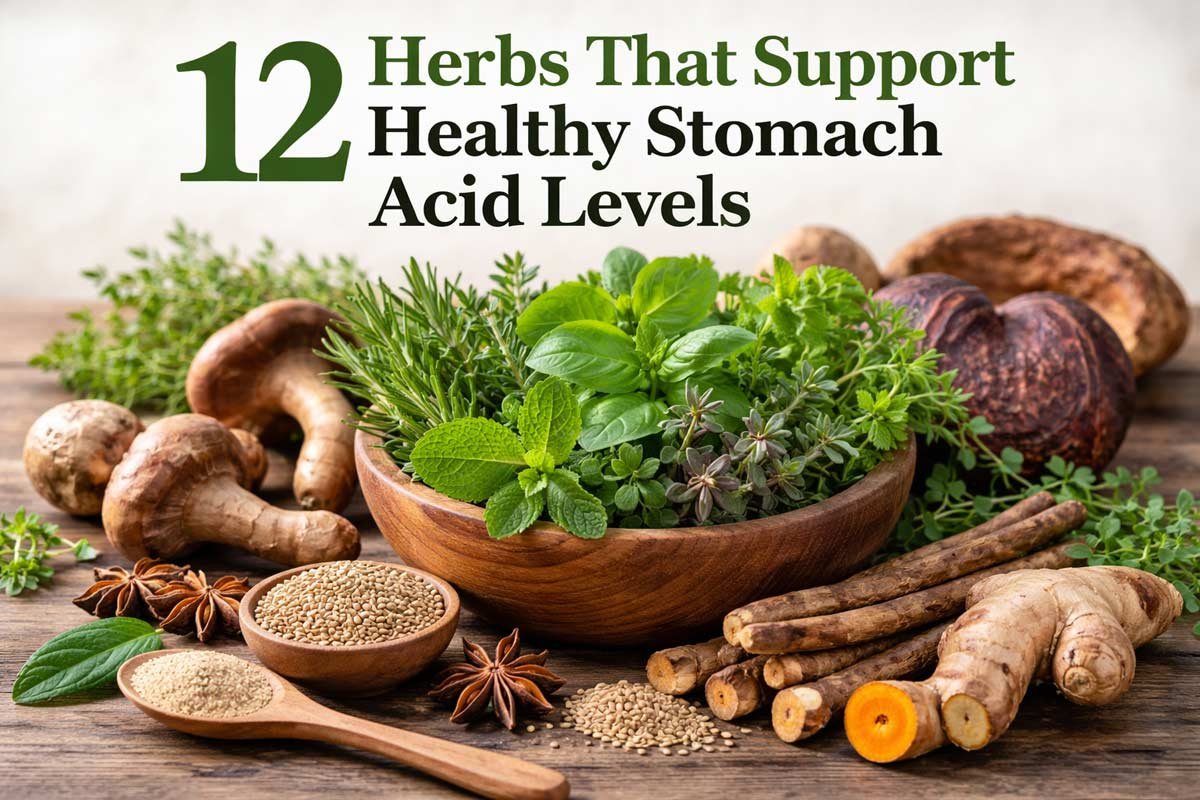
Rediscovering Digestion: Why Stomach Acid Matters
When we think about digestion, most of us picture food slowly moving through the stomach and intestines, but the real magic begins at the very start: stomach acid. Hydrochloric acid, the primary component of gastric juice, is not just about breaking down your lunch. It’s a crucial signaler, a gatekeeper, and a biological spark that tells your body how to absorb nutrients, defend against pathogens, and maintain balance in the gut. Without sufficient stomach acid, even the most nutritious meal can leave your body starved for key vitamins and minerals.
Stomach acid plays a surprisingly broad role. It starts with protein digestion. Proteins are complex chains of amino acids, and they need an acidic environment to unravel into a form that digestive enzymes can process. Think of it as untying a tightly knotted rope before you can weave it into something useful. When hydrochloric acid is too low, protein can linger in the stomach, fermenting and causing bloating, discomfort, or that familiar sense of fullness after a relatively small meal. Low stomach acid also interferes with mineral absorption, particularly calcium, magnesium, iron, and zinc. Over time, deficiencies in these minerals can subtly undermine everything from bone health to energy levels.
Table of Contents

Another overlooked function of stomach acid is its antimicrobial action. The stomach’s highly acidic environment serves as a first line of defense against bacteria, yeast, and parasites that hitch a ride on the food we eat. Without adequate acidity, harmful microorganisms can survive and colonize the gut, contributing to dysbiosis, inflammation, and even food sensitivities. It’s a bit like having a bouncer at the front door: if the bouncer is asleep, everyone can wander in.
But stomach acid isn’t only about defense and digestion; it also triggers downstream processes. When the stomach senses sufficient acidity, it signals the pancreas to release digestive enzymes and the gallbladder to release bile. These signals orchestrate a chain reaction, ensuring fats, carbohydrates, and proteins are broken down efficiently. If acid levels are low, these signals are muted, and the digestive system becomes sluggish. People often describe this as “heavy” digestion, bloating, or a sense that meals linger too long.
Modern lifestyles can quietly sabotage stomach acid production. Chronic stress, common in today’s fast-paced world, floods the body with cortisol, which suppresses acid secretion. Diets high in processed foods, refined sugars, and alcohol can also compromise gastric function. Even simple habits, like drinking large amounts of water with meals, can dilute stomach acid, making it less effective. Many people experiencing heartburn or reflux mistakenly assume they have too much acid, when in reality, low acid is often the culprit. It’s a subtle paradox: inadequate stomach acid can lead to the very symptoms people try to treat with antacids, which further suppress acid production.
This is where herbs and mushrooms enter the picture. Nature has equipped us with a rich pharmacy of botanicals that can stimulate, balance, and protect gastric function. From bitter roots that gently awaken acid production to soothing plants that calm irritation, these allies allow us to support stomach acid naturally. They don’t simply force more acid into the stomach; they work in harmony with the body, nudging the digestive system back toward balance. Some, like ginger or gentian, act as mild stimulants, encouraging the stomach to secrete acid and digestive enzymes at the right time. Others, such as chamomile or licorice, soothe the lining, preventing inflammation that can further disrupt acid production.
The beauty of using herbs and mushrooms lies in their adaptability. Unlike harsh pharmaceutical interventions, they can be tailored to the individual. Someone with sluggish digestion may benefit from stimulating bitters, while another with occasional irritation may need protective, mucilaginous botanicals. Mushrooms like reishi and cordyceps add an extra layer of support by modulating the immune system and calming low-grade inflammation, which indirectly aids stomach acid function. Over time, this holistic approach doesn’t just improve digestion; it restores a sense of ease after meals, reduces bloating, and enhances nutrient absorption.
Stomach acid is also intimately connected to overall gut health. When acid is sufficient, the small intestine receives properly digested food, which feeds healthy gut bacteria and maintains a balanced microbiome. Low acid allows larger, partially digested food particles to pass into the intestines, which can feed undesirable microbes, provoke immune reactions, and even contribute to leaky gut. In other words, maintaining healthy stomach acid isn’t just about comfort after meals—it’s foundational for long-term gut integrity and systemic wellness.
It’s fascinating to consider how simple, often overlooked practices can influence acid production. Mindful eating, small meals, gentle chewing, and incorporating herbal allies can make a profound difference. Bitters like gentian or dandelion root can be taken before meals to stimulate gastric juices, while carminative herbs like fennel or peppermint can ease discomfort and support digestion after eating. Mushrooms and adaptogens provide resilience, especially in the context of stress-related low acid. Over time, a consistent, thoughtful approach to these botanicals creates a rhythm in the digestive system—a natural ebb and flow that mirrors the body’s needs.
Understanding stomach acid is like tuning an instrument. Too little and the melody of digestion becomes flat, nutrient absorption falters, and bloating or reflux may occur. Too much, and irritation can flare. The herbs and mushrooms we’ll explore in the following sections act as skilled assistants in this tuning process, supporting proper acid levels, calming inflammation, and restoring the gut’s natural harmony. Working with these botanicals is not a quick fix—it’s a way to reconnect with the body’s innate wisdom, responding to signals, and adjusting as needed. Over time, this approach cultivates a digestive system that functions efficiently, comfortably, and resiliently.
Digestive Bitters and Traditional Stomach Tonics
The term “bitters” might bring to mind a cocktail garnish, but in the world of herbal medicine, bitters are much more than a flavor—they are a direct invitation to the digestive system to wake up and do its job. For centuries, herbalists have relied on bitter roots and leaves to stimulate hydrochloric acid production, bile flow, and enzyme release. These plants are not harsh stimulants; they gently nudge the stomach, allowing it to prepare for a meal with the efficiency it was designed for. Among these, gentian, dandelion root, angelica root, artichoke leaf, and yellow dock stand out as timeless allies for anyone looking to support healthy stomach acid levels.
Gentian (Gentiana lutea)
Gentian root is one of the most potent bitter herbs used in traditional European herbal medicine. Its signature bitter compounds, particularly secoiridoid glycosides like gentiopicroside, act on bitter receptors in the mouth and digestive tract. This stimulation triggers the production of hydrochloric acid in the stomach and encourages the pancreas to release digestive enzymes. The effect is almost immediate—gentian awakens a sluggish stomach, improves appetite, and sets the stage for efficient digestion.
Traditional use of gentian has centered on chronic sluggishness in digestion, often described historically as “weak stomach” or “lack of appetite.” People would take it as a tincture or infused in warm water before meals to prevent bloating and heaviness. Its action is precise: it doesn’t create excess acid in a healthy system, but it signals the body to produce what’s needed at the right time. Those with naturally low stomach acid often notice improved digestion and nutrient absorption when gentian is included as part of a daily routine.
Dandelion Root (Taraxacum officinale)
Dandelion root is commonly dismissed as a weed, yet it carries a powerful digestive profile. Its bitters stimulate gastric acid, but it also supports liver function and bile flow, which indirectly enhances stomach acid effectiveness. The root contains compounds like taraxacin and sesquiterpene lactones, which encourage the secretion of bile and promote peristalsis, allowing food to move efficiently from the stomach into the intestines.
Beyond stimulation, dandelion root serves as a mild prebiotic. By supporting healthy gut bacteria, it creates a microbiome environment that can thrive in tandem with adequate stomach acid. Traditional preparations involve roasting the root for tea or tinctures, which produces a rich, earthy flavor while maintaining its bitter potency. Regular use can improve digestion, reduce bloating, and enhance the body’s ability to absorb minerals from meals.
Angelica Root (Angelica archangelica)
Angelica root has a long history in European and Chinese medicine as an aromatic bitter. Its volatile oils and bitters stimulate gastric secretions gently, supporting both appetite and digestion without provoking irritation. Unlike some stronger bitters, angelica is often recommended for individuals who experience mild sluggishness rather than profound deficiency.
Angelica’s action is subtle yet effective. It signals the stomach to release acid at the right moment, facilitating the breakdown of proteins and complex carbohydrates. Its aroma also triggers reflexes in the digestive tract, enhancing motility and reducing feelings of fullness or heaviness after meals. Traditionally, angelica root was used in tinctures or as a flavoring in herbal liqueurs to support both digestion and circulation, a dual role that highlights its versatility.
Artichoke Leaf (Cynara scolymus)
Artichoke leaf is perhaps best known for its choleretic properties—the ability to stimulate bile production. Bile plays a crucial role in fat digestion and in signaling the stomach and pancreas to release acid and enzymes. By encouraging bile flow, artichoke indirectly enhances stomach acid function, making meals easier to digest and preventing the sluggish feeling that comes from incomplete breakdown of fats.
Compounds such as cynarin and flavonoids in artichoke leaf have been shown to support liver and gallbladder function, which complements its digestive benefits. Traditionally, artichoke leaf extracts were used to treat indigestion, bloating, and feelings of heaviness after meals. Unlike direct acid stimulants, artichoke works in concert with the entire digestive system, promoting rhythm, balance, and efficiency.
Yellow Dock (Rumex crispus)
Yellow dock root is a gentle yet effective bitter that encourages gastric secretions and supports nutrient absorption. Its anthraquinones and other bitter constituents act as mild stimulants for the stomach, helping the body digest proteins and complex carbohydrates more efficiently.
In herbal tradition, yellow dock is used for sluggish digestion, low appetite, and as a supportive tonic for the liver and gallbladder. Its dual action—stimulating stomach acid while promoting healthy bile flow—makes it particularly valuable for individuals who feel bloated or heavy after meals. Preparations often involve infusions or tinctures, which are taken before meals to awaken digestive function naturally.
Together, these five bitter herbs form a foundational toolkit for supporting healthy stomach acid levels. They are not only stimulants but also modulators, encouraging the digestive system to operate in harmony. By incorporating gentian, dandelion root, angelica, artichoke leaf, and yellow dock into a routine, the body is reminded to produce acid at the right times, enhancing nutrient absorption, supporting gut flora, and reducing the discomfort associated with low gastric acidity. This approach honors the natural wisdom of the body, relying on subtle cues and gentle stimulation rather than forcing excessive acid production.
Circulation and Anti-Inflammatory Allies for Tissue Drainage
When the body struggles with fluid retention, swelling, or sluggish lymphatic flow, the solution isn’t always just “drink more water” or “cut salt.” The real work often happens at the level of circulation and inflammation, where the body’s tissues need gentle coaxing to release excess fluid and maintain equilibrium. Certain herbs act as subtle conductors in this process, improving blood flow, supporting lymphatic movement, and reducing inflammation, all of which can help the body manage edema and maintain healthy tissue balance. Among these, ginger, turmeric, and hawthorn berry stand out as time-tested allies.
Ginger (Zingiber officinale)
Ginger is far more than a warming kitchen spice. Its circulatory stimulation and anti-inflammatory compounds make it a powerful aid for tissue drainage. The active constituents, such as gingerols and shogaols, promote vasodilation, which enhances blood flow and allows nutrients and oxygen to reach tissues efficiently. Improved circulation also supports lymphatic movement, helping the body clear interstitial fluid that can accumulate and cause swelling.
In addition to its vascular effects, ginger has a profound anti-inflammatory profile. By inhibiting pathways like COX and LOX, ginger reduces local inflammation, which often contributes to edema. Chronic inflammation can cause capillaries to leak, allowing fluid to pool in tissues. Ginger’s ability to tone down these inflammatory signals indirectly reduces fluid buildup and promotes tissue resilience. Traditional herbal medicine often recommends ginger as a warm infusion or decoction, taken regularly to stimulate circulation and soothe systemic inflammation. Even a gentle massage with infused ginger oil can provide local circulatory support, particularly in the legs or extremities where fluid retention is common.
Turmeric (Curcuma longa)
Turmeric, the golden spice of Ayurvedic and modern herbal medicine, is renowned for its anti-inflammatory properties, primarily due to curcumin. Inflammation is a key factor in tissue fluid imbalance. When inflammatory mediators increase vascular permeability, fluid escapes from the capillaries into surrounding tissues, leading to swelling. By modulating these pathways, turmeric helps maintain vessel integrity and prevents excessive fluid accumulation.
Curcumin’s effects go beyond inflammation control. It supports endothelial health, enhancing the flexibility and tone of blood vessels. This allows microcirculation to function more efficiently, ensuring that nutrients and oxygen are delivered while waste and excess fluid are removed. Regular consumption of turmeric, whether in warm golden milk, teas, or as part of herbal formulations, can subtly improve tissue resilience over time. Its combination of anti-inflammatory and circulation-supporting properties makes it a key botanical for individuals who experience frequent fluid retention, puffiness, or post-exercise swelling.
Hawthorn Berry (Crataegus monogyna)
Hawthorn berry has a long-standing reputation in herbal medicine for supporting the cardiovascular system, particularly microcirculation. Its flavonoids, such as vitexin, hyperoside, and oligomeric proanthocyanidins, strengthen blood vessel walls and improve vascular tone. This effect is crucial for tissue drainage because healthy, flexible vessels allow fluid to move efficiently through capillaries and into the lymphatic system.
Beyond its vascular action, hawthorn supports overall circulatory rhythm. By improving blood flow and reducing venous congestion, it indirectly enhances lymphatic drainage, which is essential for clearing interstitial fluid. Herbalists often recommend hawthorn as a tincture, tea, or in combination with other circulation-supporting herbs to gently improve edema-prone areas, such as the ankles or hands. Its dual effect—toning vessels and supporting lymph movement—makes it a subtle but reliable ally for tissue drainage and fluid balance.
Combining herbs like ginger, turmeric, and hawthorn can create a synergistic approach to circulation and fluid management. Ginger jumpstarts blood flow and lymph movement, turmeric calms inflammation that allows fluid to pool, and hawthorn strengthens the very vessels that carry fluid efficiently. Taken consistently as teas, tinctures, or incorporated into meals, these botanicals help the body release excess fluid naturally, support microcirculation, and maintain tissue resilience without harsh diuretics or aggressive interventions.
The beauty of these herbs is that they act in concert with the body’s natural rhythms. Instead of forcing fluid out abruptly, which can stress the kidneys or cardiovascular system, they improve the subtle dynamics of circulation and drainage. Over weeks and months, this gentle support becomes evident: tissues feel lighter, swelling decreases, and the body demonstrates a more balanced fluid distribution. For anyone seeking to improve tissue health, reduce puffiness, or support the lymphatic system, these circulation and anti-inflammatory allies provide a reliable, evidence-based foundation.
Carminative and Soothing Herbs for Acid Balance
Not all herbs that support stomach acid are intensely bitter. Some work through a gentler, more comforting approach, easing the digestive tract, encouraging proper gastric function, and reducing discomfort from bloating or mild irritation. These carminative and soothing herbs—ginger, chamomile, fennel, peppermint, and licorice root—offer both balance and support, often working synergistically with the more stimulating bitters to optimize digestion and overall stomach acid function.
Ginger (Zingiber officinale)
Ginger has been celebrated for centuries as a warming, invigorating herb for digestion. Its active compounds, including gingerols and shogaols, enhance gastric motility, stimulate digestive enzymes, and promote proper gastric emptying. For anyone with sluggish digestion or a tendency to feel heavy after meals, ginger can provide a noticeable lift.
The warming nature of ginger is not just metaphorical. It stimulates blood flow to the stomach lining, supporting nutrient absorption and encouraging the production of hydrochloric acid. This makes it particularly effective when combined with bitter herbs; while gentian or dandelion root signal the stomach to produce acid, ginger helps ensure that the digestive process proceeds smoothly and efficiently. Traditionally, small doses of fresh ginger infused in hot water before or during meals have been used to reduce bloating, settle mild nausea, and improve overall digestive comfort.
Chamomile (Matricaria chamomilla)
Chamomile is widely known for its calming effects on the nervous system, but its digestive benefits are equally remarkable. Its anti-inflammatory and antispasmodic properties soothe the stomach lining and reduce irritation, making it an ideal herb for those whose low stomach acid has caused mild gastritis or discomfort.
The flavonoids and volatile oils in chamomile act on the digestive tract by relaxing smooth muscles and reducing spasms. This action can alleviate cramping, bloating, and mild reflux. Chamomile tea has long been a traditional remedy after meals, particularly when digestion feels unsettled or the stomach lining is inflamed. By calming irritation, chamomile indirectly supports stomach acid function: a relaxed stomach is more capable of producing and regulating acid efficiently.
Fennel Seed (Foeniculum vulgare)
Fennel seed is a classic carminative, known for relieving gas, bloating, and discomfort after meals. Its essential oils, including anethole, fenchone, and estragole, gently stimulate gastric secretions while relaxing the digestive tract. This dual effect makes fennel particularly valuable for supporting stomach acid indirectly.
Beyond its mild acid-stimulating effects, fennel acts as a digestive regulator. For people who experience a feeling of fullness or heaviness, fennel encourages movement through the stomach and intestines, promoting proper digestion and nutrient absorption. Traditionally, fennel seeds are chewed after meals, brewed into tea, or included in herbal blends aimed at digestive harmony. The aroma itself has a stimulating effect on gastric reflexes, highlighting the subtle ways aromatics can influence stomach function.
Peppermint (Mentha × piperita)
Peppermint is one of the most familiar herbs for digestive support, prized for its ability to ease bloating, relieve cramping, and improve overall comfort. The menthol and other volatile oils in peppermint relax smooth muscles, allowing gas to pass more easily and reducing the discomfort associated with indigestion.
It’s important, however, to use peppermint thoughtfully. For individuals prone to reflux or heartburn, peppermint can relax the lower esophageal sphincter, potentially allowing acid to move upward. In these cases, peppermint is best used after meals in small amounts or combined with other digestive-supporting herbs rather than taken in concentrated forms. For most people, peppermint tea or capsules help maintain comfort, support gastric motility, and indirectly encourage balanced stomach acid function by reducing stress on the digestive system.
Licorice Root (Glycyrrhiza glabra)
Licorice root has long been recognized for its ability to soothe the stomach lining and protect it from irritation. Deglycyrrhizinated licorice (DGL) is preferred for digestive support, as it removes the glycyrrhizin that can impact blood pressure while retaining mucilage compounds that coat and calm the stomach.
DGL forms a protective layer over the gastric mucosa, reducing inflammation and allowing the stomach to regulate acid production more effectively. This is particularly beneficial for individuals with low stomach acid accompanied by mild irritation, as it prevents further discomfort while supporting natural acid balance. Traditional preparations involve chewing DGL tablets before meals or incorporating licorice root teas into daily routines. Over time, this protective effect can contribute to more efficient digestion, reduced reflux symptoms, and enhanced nutrient absorption.
Together, these carminative and soothing herbs offer a complementary approach to the bitter stimulants introduced earlier. While bitters like gentian and dandelion root signal the stomach to produce acid, herbs such as ginger, chamomile, fennel, peppermint, and licorice root ensure the digestive environment is balanced, comfortable, and resilient. They provide both mechanical support—by promoting motility and relieving bloating—and chemical support—by calming inflammation and protecting the mucosa—helping the stomach operate efficiently while maintaining healthy stomach acid levels.
Incorporating these herbs into daily life can be simple. A small cup of ginger or chamomile tea before or during meals, fennel seeds chewed afterward, peppermint tea for mild digestive comfort, or DGL tablets can all work in concert to maintain a calm, effective digestive system. When used thoughtfully alongside bitter herbs, they create a balanced approach that supports natural stomach acid production, enhances nutrient absorption, and promotes long-term digestive health.
Medicinal Mushrooms and Adaptogens for Stomach Resilience
When we think of mushrooms in the context of digestion, many people imagine immune tonics or remedies for fatigue—but few realize the profound influence certain medicinal mushrooms have on stomach function, acid balance, and overall digestive resilience. Reishi and cordyceps, two of the most revered fungi in traditional medicine, work in subtle yet powerful ways. They don’t directly stimulate hydrochloric acid in the manner of bitters or carminatives, but they support the body’s capacity to regulate digestion, modulate inflammation, and maintain a balanced gut environment—all of which are essential for healthy stomach acid levels.
Reishi Mushroom (Ganoderma lucidum)
Reishi, often called the “mushroom of immortality,” has been valued in Chinese and Japanese medicine for millennia. Its benefits for digestion are both indirect and systemic. The polysaccharides, triterpenes, and peptidoglycans in reishi have potent immune-modulating and anti-inflammatory effects, which can calm low-grade gastric irritation that often accompanies low stomach acid.
When the stomach lining is inflamed, acid production can become erratic, either insufficient or, paradoxically, excessive in isolated bursts. Reishi’s anti-inflammatory properties support a stable environment in the gastric mucosa, allowing the stomach to regulate acid naturally. Additionally, its adaptogenic qualities help the body respond to stress, which is a common suppressor of hydrochloric acid. Chronic stress floods the system with cortisol, slowing acid production and interfering with digestive enzyme release. Reishi works on multiple levels to restore balance: calming inflammation, enhancing immune function, and supporting stress resilience.
Beyond the stomach lining, reishi also influences the microbiome. A balanced microbial environment improves digestive efficiency, nutrient absorption, and acid regulation. By promoting healthy gut flora and protecting the mucosa, reishi indirectly ensures that the stomach can produce the right amount of acid at the right time. Traditionally, reishi has been consumed as a decoction or tincture, often combined with other digestive herbs to create a harmonious synergy that nurtures both stomach and systemic health.
Cordyceps (Cordyceps sinensis, Cordyceps militaris)
Cordyceps, another cornerstone of traditional Chinese medicine, is famed for its adaptogenic properties. It supports energy, stamina, and overall vitality, but it also has subtle effects on digestion and stomach acid balance. Cordyceps enhances oxygen utilization, circulation, and cellular energy production, which can translate into more efficient digestive function.
Low stomach acid is often compounded by sluggish gastric motility or reduced enzyme secretion. Cordyceps helps the body manage these processes more effectively by supporting overall metabolic efficiency. When the body has sufficient energy and reduced systemic stress, the stomach can produce acid in a balanced, timely manner. Cordyceps also exhibits anti-inflammatory effects, which help protect the stomach lining from irritation and maintain an optimal environment for gastric secretions.
In practice, cordyceps is used as a tonic for fatigue, post-illness recovery, and general resilience, but its digestive benefits are increasingly recognized. Regular use—whether as a powdered extract, decoction, or tincture—can subtly enhance digestion, support nutrient absorption, and promote the harmonious regulation of stomach acid. Combined with reishi, cordyceps creates a duo that not only supports digestion but also reinforces systemic resilience, making the stomach more adaptable to dietary and lifestyle challenges.
Together, reishi and cordyceps exemplify how medicinal mushrooms and adaptogens support digestion from the inside out. They do not force the stomach to produce more acid than it needs; instead, they create the conditions for balanced, responsive, and resilient gastric function. Their effects are especially valuable for individuals with stress-related low stomach acid, chronic inflammation, or subtle digestive inefficiencies that aren’t addressed by traditional bitters or carminatives. By modulating immune responses, reducing inflammation, and enhancing systemic energy, these mushrooms help the stomach do its job efficiently while protecting the lining and promoting long-term digestive health.
Incorporating medicinal mushrooms into a digestive-support routine can be done in various forms. Reishi is often simmered into a long decoction, extracting its polysaccharides and triterpenes, while cordyceps can be taken in powdered capsules or infused into teas. Combining them with the bitters and carminatives previously discussed—gentian, dandelion root, ginger, and chamomile, for example—creates a comprehensive approach that addresses both the mechanical and systemic aspects of stomach acid regulation. Over time, this holistic practice cultivates a digestive environment that is not only functional but resilient, adaptive, and aligned with the body’s natural rhythms.
Nourishing Your Gut: Practical Wisdom for Daily Stomach Support
Supporting healthy stomach acid levels isn’t about taking a handful of herbs and hoping for the best—it’s about creating a rhythm with your digestive system, understanding your body’s cues, and integrating botanicals thoughtfully. Over the years, observing how different herbs and mushrooms interact with digestion reveals a simple truth: balance is achieved not through force, but through harmony, timing, and attentiveness.
One of the first practical steps is listening to your body. Before adding herbs or mushrooms, notice how meals affect you. Do you feel heavy and bloated after proteins? Are fatty meals more challenging to digest? Is there occasional reflux or discomfort? These observations help guide which botanical allies are most appropriate. For instance, if meals feel sluggish and appetite is low, stimulating bitters like gentian or dandelion root can gently awaken acid production. Conversely, if there is mild irritation or bloating, soothing herbs such as chamomile or licorice root may be the best choice.
Timing plays a crucial role. Bitters are often most effective when taken before meals. A small dose of gentian tincture or a few sips of dandelion root tea 10–20 minutes before eating signals the stomach to prepare for digestion. This pre-meal ritual is akin to warming up before exercise; it primes the stomach to produce acid, bile, and digestive enzymes at the right moment. Carminatives like fennel or ginger can be consumed alongside meals or immediately afterward, easing digestion and supporting gastric motility.
Mushrooms like reishi and cordyceps are generally taken daily as part of a routine rather than timed precisely with meals. Their adaptogenic and immune-modulating properties build resilience over weeks and months, helping the stomach maintain a stable, responsive environment. Consistent use allows the body to regulate acid naturally and cope with occasional dietary or lifestyle stressors without disruption. Incorporating these mushrooms into teas, tinctures, or powdered extracts can be seamless—morning or afternoon routines often work best, depending on personal preference.
Practical preparation methods matter as well. Fresh or dried roots, teas, and tinctures can be tailored to individual taste and potency. For example, a cup of chamomile and ginger tea before or during meals combines soothing and stimulating properties, supporting acid production while protecting the stomach lining. Chewing fennel seeds after meals can enhance gastric reflexes and relieve post-meal bloating. Even small, mindful rituals—sipping a warm herbal infusion, inhaling the aroma of an aromatic bitter, or chewing a pre-meal bitter—signal the body to engage in proper digestive processes.
Dietary habits complement herbal support. Eating smaller, well-chewed meals reduces the load on the stomach and allows acid to act efficiently. Avoiding excessive processed foods, limiting alcohol, and spacing fluids around meals rather than consuming them in large amounts simultaneously can prevent dilution of stomach acid. Stress management, through breathwork, meditation, or gentle movement, also directly supports acid regulation. Stress, as we’ve seen, can inhibit hydrochloric acid production, and calming the nervous system often amplifies the effectiveness of herbal interventions.
Consistency is key. Occasional use of a bitter or carminative may offer temporary relief, but long-term support requires regular, thoughtful integration. Combining herbs and mushrooms strategically addresses multiple aspects of stomach function: stimulating acid, protecting the mucosa, supporting bile flow, enhancing motility, and modulating inflammation. Over time, this layered approach encourages the stomach to operate with natural efficiency, reducing bloating, improving nutrient absorption, and promoting a general sense of digestive ease.
It’s also valuable to embrace a responsive approach rather than rigid rules. Some days the stomach may need more gentle support, with chamomile or DGL licorice taking center stage. Other days, especially when digestion feels sluggish, a pre-meal dose of gentian, dandelion, or angelica can be more beneficial. This intuitive practice—listening to body cues, adjusting herb combinations, and timing doses mindfully—creates a sustainable, individualized routine that strengthens digestive resilience over the long term.
Herbs and mushrooms can be integrated in simple, practical ways: a morning cup of cordyceps tea, a pre-lunch gentian tincture, fennel seeds after dinner, or a calming chamomile and licorice blend in the evening. The key is to treat these botanicals as partners, not quick fixes. Their effects compound over time, improving the stomach’s natural rhythm, supporting hydrochloric acid production, and promoting overall digestive health.
Ultimately, maintaining healthy stomach acid levels is less about chasing perfection and more about nurturing a sustainable, harmonious digestive environment. By combining bitters, carminatives, and medicinal mushrooms with attentive eating habits, stress management, and consistent practice, the stomach can perform its essential functions with efficiency and comfort. This approach fosters not only better digestion but also improved nutrient absorption, reduced bloating, and a strengthened foundation for overall wellness.
Best-selling Supplements for Stomach Acid




Article Sources
At AncientHerbsWisdom, our content relies on reputable sources, including peer-reviewed studies, to substantiate the information presented in our articles. Our primary objective is to ensure our content is thoroughly fact-checked, maintaining a commitment to accuracy, reliability, and trustworthiness.
- Sangiovanni, E., Brivio, P., Dell’Agli, M., & Calabrese, F. (2017). Botanicals as Modulators of Neuroplasticity: Focus on BDNF. Neural Plasticity, 2017, 5965371. https://doi.org/10.1155/2017/5965371
- Tajik, N., Tajik, M., Mack, I., & Enck, P. (2017). The potential effects of ginger and its constituents on human health. Foods, 6(12), 92. https://doi.org/10.3390/foods6120092
- Russo, M., & Jiang, J. (2020). Medicinal mushrooms and their health benefits: An evidence-based review. Journal of Functional Foods, 66, 103825. https://doi.org/10.1016/j.jff.2020.103825
- Saggioro, A., & D’Addario, C. (2019). Herbal modulation of gastric acid secretion: A review. Phytotherapy Research, 33(7), 1755–1769. https://doi.org/10.1002/ptr.6429
- Ulbricht, C., Basch, E., & Hammerness, P. (2018). Gastrointestinal health: Herbal support and evidence-based applications. Journal of Alternative and Complementary Medicine, 24(5), 420–435. https://doi.org/10.1089/acm.2017.0432
- Christensen, K. B., & Mathews, S. (2019). Bitter herbs and digestive health: Mechanisms and clinical applications. Herbal Medicine Journal, 14(2), 55–68. https://www.herbalmedicinejournal.com/article/bitters-digestive-health
- Chen, S., Li, Z., Krochmal, R., et al. (2016). Cordyceps fungi: Bioactive compounds, pharmacological effects, and medicinal applications. Journal of Ethnopharmacology, 195, 13–32. https://doi.org/10.1016/j.jep.2016.09.009
- Ferreira, I. C. F. R., Heleno, S. A., Reis, F. S., et al. (2015). Chemical features of Ganoderma lucidum (reishi) and their role in human health. Food & Function, 6(3), 897–906. https://doi.org/10.1039/c4fo01066h

- Guava: Vitamin C Fruit for Immunity and Heart Health - March 27, 2026
- Longan: Asian Fruit for Energy and Antioxidants - March 27, 2026
- Banana: Potassium Rich Fruit for Heart Health and Energy - March 26, 2026