
A Sweet Start: Why Longan Deserves Your Attention
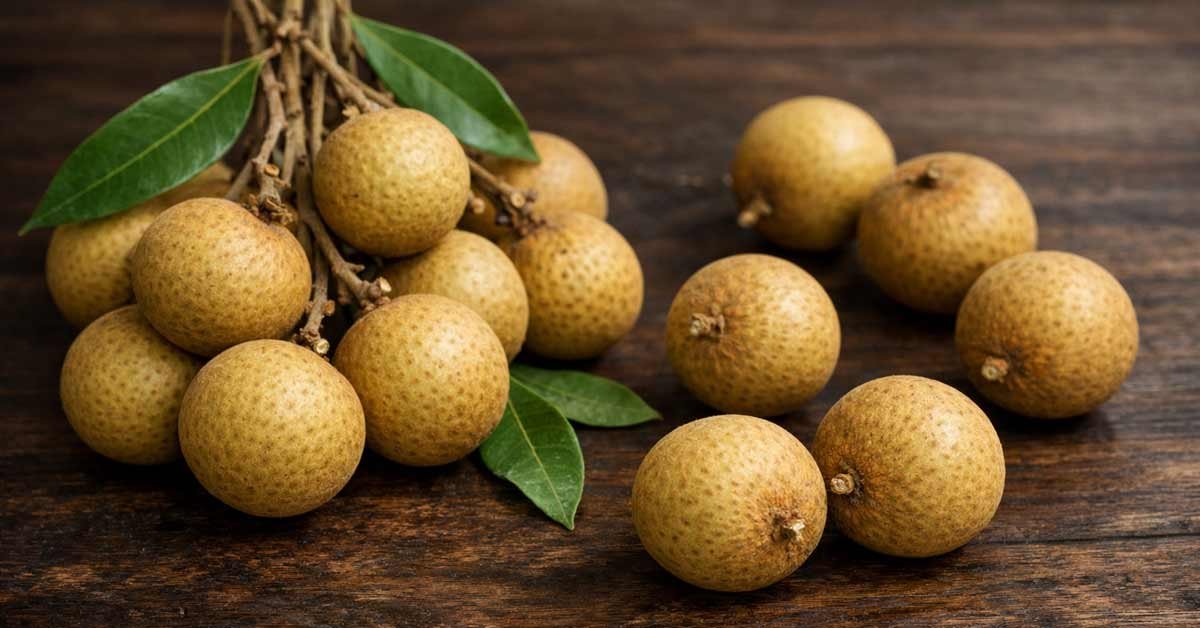
You have probably seen longan sitting quietly in an Asian market. Small. Light brown shell. Almost unremarkable at first glance. Crack one open, though, and it changes your perception fast. The translucent flesh, the subtle floral sweetness, the dark seed sitting in the center. It looks like an eye, which is exactly why longan is often called “dragon’s eye.”
Longan is not new. It has been part of daily eating habits across parts of Southeast Asia and China for centuries. What is interesting is not just the tradition, but the consistency. Foods do not stay relevant that long unless they offer something practical. In the case of longan, that “something” comes down to two things people care about every day: energy and antioxidants.
Table of Contents


You do not need a complicated explanation to understand why longan works. The fruit is naturally rich in simple carbohydrates. These are sugars your body can use quickly. Eat a handful of longans, and you will notice it. Not a dramatic spike. Not a crash. Just a gentle lift. The kind that feels usable.
At the same time, longan carries a profile of micronutrients and plant compounds that quietly support how your body handles stress from daily life. Pollution. Lack of sleep. Processed food. Training sessions. All of these create oxidative pressure inside the body. This is where antioxidants come in. Longan happens to contain several of them, including vitamin C and polyphenols that have been studied for their biological activity.
Now, here is where people tend to overcomplicate things. They hear “antioxidants” and imagine something abstract. Something clinical. In reality, it is simpler. Your body constantly produces reactive molecules as part of normal metabolism. When those build up faster than your system can handle, you get imbalance. Foods like longan help maintain that balance. Not in a dramatic way. In a steady, repeatable way.
That is what makes longan worth your attention. It fits into real life.
Think about a typical day. You wake up, maybe a bit tired. Coffee helps, but it is not always enough. Midday hits, and energy dips again. This is where most people reach for ultra-processed snacks. High sugar, low nutrient density. Fast energy, followed by a noticeable drop. Longan offers a different approach.
A small portion gives you:
- Quick, accessible energy from natural sugars
- Hydration support due to high water content
- A dose of vitamin C that contributes to antioxidant defense
- Plant compounds that support cellular balance
It is not a miracle food. That is important to say clearly. No single food is. But longan sits in that category of foods that are easy to underestimate. It does not try to impress you. It just works when used consistently.
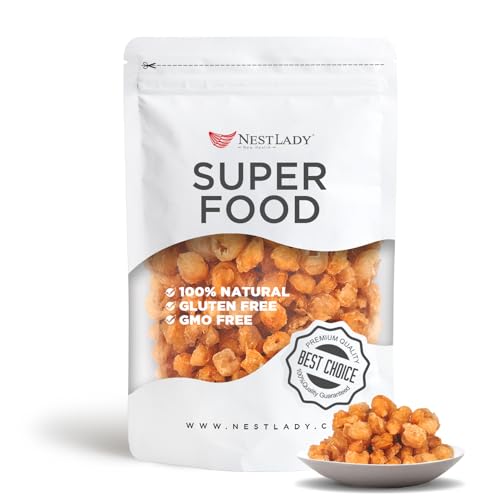
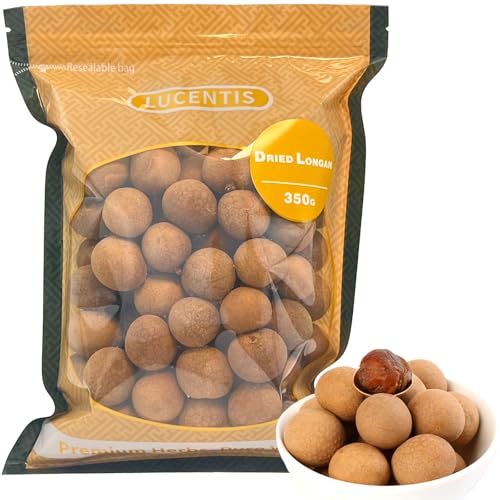
Another detail that often gets overlooked is how easy longans are to incorporate. Fresh longans can be eaten as they are. No preparation beyond peeling. Dried longans, which are more concentrated, have a deeper, almost caramel-like flavor. They are often used in teas or simple snacks. Different form, same idea. Accessible energy, supported by antioxidant compounds.
There is also a sensory element that matters more than people admit. Taste influences consistency. If something does not taste good, you will not eat it regularly. Longan has a naturally pleasant sweetness. Not aggressive. Not artificial. That alone increases the chances that it becomes part of your routine rather than something you try once and forget.
You might wonder how longan compares to more familiar fruits like grapes or lychee. Nutritionally, there are similarities. All provide natural sugars and some level of antioxidants. Longan, however, tends to be slightly less acidic than lychee and often feels lighter to eat in larger amounts. That makes it practical as a daily option rather than an occasional treat.
From a broader perspective, longan fits into a simple principle: small inputs, repeated often, shape outcomes. You do not need extreme interventions. You need consistency. A handful of longans during the day will not transform your health overnight. But over weeks and months, small choices like this start to add up.
If you strip away the marketing language and trends, that is what remains valuable. Foods that are:
- Easy to eat
- Nutritionally relevant
- Consistent in their effects
- Sustainable in daily life
Longan checks those boxes.
There is also a cultural layer that deserves a brief mention. In traditional dietary practices, longan has often been associated with nourishment and restoration. While modern nutrition focuses on measurable compounds like vitamin C and polyphenols, traditional use reflects long-term observation. People kept using longan because it supported how they felt. That kind of continuity usually points to something real, even if the language used to describe it has changed over time.
So why does longan deserve your attention now?
Because most people are looking for complicated solutions to simple problems. Low energy. Mental fatigue. Lack of dietary consistency. The answer is rarely found in extremes. It is found in small, repeatable habits.
Longan is one of those habits. Not flashy. Not overhyped. Just effective when used the way it was always meant to be used. Regularly. Without overthinking it.
The Nutritional Backbone of Longan
If you strip longan down to its essentials, you get a fruit that is surprisingly efficient. No excess. No wasted space. Almost everything inside serves a purpose. That is what makes longan reliable. Not impressive on paper in a flashy way, but consistent where it counts.
Most people look at fruit and think in vague terms. Healthy. Natural. Light. That does not help you make better choices. What matters is what is actually inside longans, how those components behave in your body, and how that translates into something you can feel.
What’s Inside Longans That Matters
Start with the basics. Fresh longan is mostly water. Around 80 percent by weight. That alone makes it useful in everyday eating. Hydration is not just about drinking water. Foods contribute, often more than people realize.
Then you have carbohydrates. Roughly 15 grams per 100 grams of fresh longan. Almost all of that comes from natural sugars like glucose, fructose, and sucrose. This is where longan starts to separate itself as a practical energy source.
Protein and fat are minimal. Fiber is present, but not in large amounts compared to fruits like apples or berries. That matters, because it shapes how longan behaves metabolically. It is light. Easy to digest. Quick to absorb.
Micronutrients are where things get more interesting. Longans provide:
- Vitamin C in meaningful amounts
- Small contributions of potassium, copper, and riboflavin
- Trace minerals that support enzymatic processes
Vitamin C is the standout. Depending on the variety and freshness, 100 grams of longans can provide around 80 to 85 milligrams. To put that into context, general daily recommendations for adults range from about 75 to 90 milligrams. So a modest portion of longan can cover most of that requirement.
That is not a minor detail. It means longan is not just a sugar source. It carries nutritional weight alongside its energy value.
Beyond vitamins and minerals, longan contains plant compounds. Polyphenols, flavonoids, and other antioxidant molecules have been identified in both the pulp and the seed. You are not eating the seed, but its presence tells you something about the plant’s overall chemical profile.
This combination. Water, simple carbohydrates, vitamin C, and polyphenols. That is the backbone. Simple, but functional.
Natural Sugars and Immediate Energy
Let’s talk about energy in practical terms. Not theory. Not lab data. What you actually feel.
The sugars in longan are rapidly available. Once consumed, they do not require complex digestion. Glucose enters the bloodstream directly. Fructose is processed in the liver. Sucrose splits into both. The result is a quick increase in available energy.
Here is a simple breakdown using a typical portion:
- 100 grams of longan
- About 15 grams of carbohydrates
- Each gram of carbohydrate provides 4 kcal
Calculation:
15 g × 4 kcal = 60 kcal
That is a small but usable energy input. Enough to make a difference when you are slightly fatigued, not enough to feel heavy or sluggish.
This is where context matters. Longan is not designed to replace a full meal. It works best in specific moments:
- Mid-morning when energy starts to dip
- Early afternoon when focus drops
- Before light activity when you need a quick boost
Because longans are low in fat and fiber, they do not slow digestion much. That is both an advantage and a limitation. You get fast energy, but not long-lasting satiety. If you rely on longan alone, you will likely feel hungry again soon.
This is why pairing matters. Combine longans with foods that slow absorption slightly:
- A handful of nuts
- Yogurt
- A source of protein
This creates a more stable energy curve. Less spike. Less drop. More sustained output.
Another detail that often gets ignored is portion control. Because longan is easy to eat, it is easy to overeat. The sweetness is subtle, which makes it feel lighter than it actually is. Stick to a handful or a small bowl if your goal is steady energy rather than excess intake.
From experience, people who use longan effectively treat it as a tool, not a snack they mindlessly consume.
Vitamin C and Polyphenols in Context
Now to the part that usually gets oversimplified. Antioxidants.
Vitamin C is one of the most studied nutrients in human nutrition. Its role is clear. It contributes to the protection of cells from oxidative stress. It also supports immune function and collagen synthesis. These are established functions, not speculation.
When you eat longan, the vitamin C content adds directly to your daily intake. No conversion needed. No activation step. It is ready to be used.
Let’s keep this grounded. If 100 grams of longan provides around 80 milligrams of vitamin C, and your daily target is about 90 milligrams, then:
80 mg ÷ 90 mg = 0.89
That is 89 percent of your daily need from a relatively small portion.
This matters because most people do not consistently meet their vitamin C intake through whole foods. Longan makes that easier without requiring major dietary changes.
Polyphenols are less straightforward, but still important. These compounds interact with oxidative processes in the body. They can neutralize reactive molecules or influence signaling pathways related to inflammation and cellular stress.
You will not feel polyphenols working. There is no immediate sensation. Their value shows up over time, through consistent intake.
Longan contains several identified polyphenolic compounds, including gallic acid and ellagic acid derivatives. Research has examined these compounds for their antioxidant capacity in controlled settings. While this does not translate directly into specific outcomes in daily life, it supports the idea that longan contributes to overall antioxidant intake.
What matters here is context again. Longan is not your only source of antioxidants. It works as part of a broader pattern:
- Fruits like berries
- Vegetables like leafy greens
- Nuts, seeds, and teas
When longans are included regularly, they add to that total. Quietly. Without requiring effort.
One more thing worth noting. Fresh versus dried longan changes the equation slightly. Dried longans have less water and more concentrated sugars. That means:
- Higher calorie density
- Slightly reduced vitamin C due to heat sensitivity
- Still containing polyphenols, often in concentrated form
So if your focus is hydration and vitamin C, fresh longan is the better choice. If you want a denser energy source, dried longans have their place.
At the end of the day, the strength of longan is not in extremes. It does not overload you with fiber. It does not deliver massive amounts of any single nutrient beyond vitamin C. What it does is balance.
You get:
- Quick energy without heaviness
- Meaningful vitamin C intake
- A contribution to your overall antioxidant profile
That combination is what makes longan easy to return to. Not because it promises dramatic results, but because it consistently supports the basics your body relies on every day.
Longan and Energy: What You Actually Feel
Energy is one of those things people overanalyze and still get wrong. You feel tired, so you assume you need something strong. More caffeine. More sugar. Something that hits fast and hard. The problem is that approach rarely holds up through the day.
Longan works differently. It does not try to overwhelm your system. It gives you just enough to move forward. And if you pay attention, you can actually feel that difference.
There is a certain clarity that comes with using the right amount of fuel. Not too much. Not too little. Longan sits right in that space.
How Longan Supports Daily Energy Levels
When you eat longan, the first thing your body notices is the sugar. That is not a negative. It is the point.
The natural sugars in longan are quickly absorbed. Glucose enters your bloodstream and becomes immediately available for your cells. Your brain uses it. Your muscles use it. That is why you feel a shift within a short time after eating longans.
It is not dramatic. It is not like caffeine. There is no surge, no jitter. It is more like a quiet correction. You go from slightly off to more stable.
Here is what people often report when they use longan consistently:
- A mild lift in mental clarity
- Less of that mid-day “fog” feeling
- Smoother transitions between meals
- Reduced urge for processed snacks
This makes sense when you look at the numbers. A small portion of longan gives you around 60 to 80 kcal, depending on quantity. That is enough to support basic activity without pushing your system into excess.
But energy is not just about calories. It is about how those calories are delivered.
Because longans are low in fat and relatively low in fiber, digestion is fast. That means:
- Faster availability of energy
- Less digestive load
- Lower likelihood of feeling heavy after eating
This is why longan feels different from something like a pastry or a dense snack bar. Those foods combine sugar with fat and refined ingredients. They take longer to process and often leave you feeling sluggish afterward.
Longan avoids that trap. It gives you access to energy without dragging everything else down.
There is also a hydration factor that gets ignored. Since longan is mostly water, it contributes to fluid intake. Even mild dehydration can affect how you feel mentally and physically. So part of that “energy boost” is not just sugar. It is hydration working in the background.
Pairing Longans for Sustained Energy
Now, if you rely only on longan, you will run into a limitation. The energy comes quickly, but it does not last long on its own.
This is where most people make a mistake. They either overeat longans trying to extend the effect, or they abandon them entirely because the energy feels too short-lived.
There is a better approach. Pairing.
When you combine longans with other foods, you change how your body processes that energy. The goal is simple. Slow things down just enough to make the effect last.
Here are combinations that actually work:
- Longans with a handful of almonds or walnuts
- Longans with plain yogurt
- Longans alongside a boiled egg
- Longans added to oatmeal or a grain-based meal
What happens in these combinations?
- Protein slows gastric emptying
- Fat delays absorption of sugars
- The overall energy curve becomes more stable
Instead of a quick rise and fall, you get a gradual release.
Think of it like this. Longan is the spark. The other foods are what keep the fire going.
There is also a practical side to this. Pairing reduces the risk of overeating. When longans are eaten alone, it is easy to keep going. They are small, sweet, and easy to peel. Combine them with something more filling, and your intake naturally balances out.
Another detail worth paying attention to is portion size. A typical effective portion looks like this:
- Fresh longans: one small bowl, around 100 to 150 grams
- Dried longans: a smaller portion, around 30 to 40 grams due to higher density
That is enough to feel the effect without pushing into excess sugar intake.
When and How to Eat Longan for Best Effect
Timing changes everything. You can eat the same food and get completely different results depending on when you eat it.
Longan is no exception.
There are specific moments in the day where longan fits naturally:
Morning, especially if you do not feel like eating a heavy meal.
A small portion of longan can ease you into the day. It provides quick energy without overwhelming your digestion. This works well if you combine it with something light like yogurt or nuts.
Mid-morning or early afternoon.
This is where longan really shines. Energy dips here are common. Instead of reaching for processed snacks, a portion of longans can stabilize your energy and help you stay focused.
Before light physical activity.
If you are going for a walk, doing light training, or just need to move, longan gives you accessible fuel. It is not heavy, so it will not interfere with movement.
What about late evening?
This depends on the person. Longan does contain natural sugars, so eating large amounts late at night may not work for everyone. A small portion is usually fine, but it is not the most strategic time if your goal is steady daily energy.
There is also a form factor to consider.
Fresh longan is the most balanced option:
- Higher water content
- Better vitamin C retention
- Lighter overall feel
Dried longans are more concentrated:
- Higher sugar per gram
- More calorie-dense
- Useful when you need compact energy
You can think of fresh longan as a daily tool, and dried longans as something you use more selectively.
One simple routine that works for many people looks like this:
- Midday: a small bowl of fresh longans with a handful of nuts
- Occasional: a few dried longans added to tea or eaten as a quick snack
Nothing complicated. No strict rules. Just consistent use.
At the end of the day, what you feel matters more than what looks good on paper. Longan supports energy in a way that is subtle but reliable. You are not chasing a spike. You are maintaining a level.
And that is usually what people are actually looking for, even if they do not realize it at first.
Antioxidants in Longan: More Than a Buzzword
The word “antioxidants” gets thrown around so often that it starts to lose meaning. It sounds important, but also vague. You hear it attached to everything from berries to supplements, usually without much explanation of what it actually does in your day-to-day life.
Longan is a good place to reset that conversation. Not because it is extreme in any one category, but because it offers a clear, grounded example of how antioxidants fit into real food and real routines.
When you eat longan, you are not chasing a trend. You are adding compounds that interact with basic processes already happening in your body. Quietly. Constantly.
Key Antioxidants Found in Longan
Start with what is measurable.
Longan contains vitamin C, which is one of the most studied antioxidants in nutrition. Its role is well established. It helps protect cells from oxidative stress by neutralizing reactive molecules. It also contributes to collagen formation and supports normal immune function. These are not fringe benefits. They are core physiological functions.
In practical terms, longan gives you a meaningful dose. Around 80 milligrams of vitamin C per 100 grams, depending on freshness and variety. That places it among fruits that can significantly contribute to daily intake without requiring large portions.
But vitamin C is only part of the picture.
Longans also contain polyphenols. These are plant-derived compounds with antioxidant properties that go beyond simple neutralization of reactive species. They interact with signaling pathways, enzyme activity, and cellular responses.
Some of the polyphenols identified in longan include:
- Gallic acid
- Ellagic acid derivatives
- Flavonoids such as quercetin-related compounds
You do not need to memorize these names. What matters is what they represent. A layered antioxidant profile. Not dependent on a single compound, but built from multiple components working together.
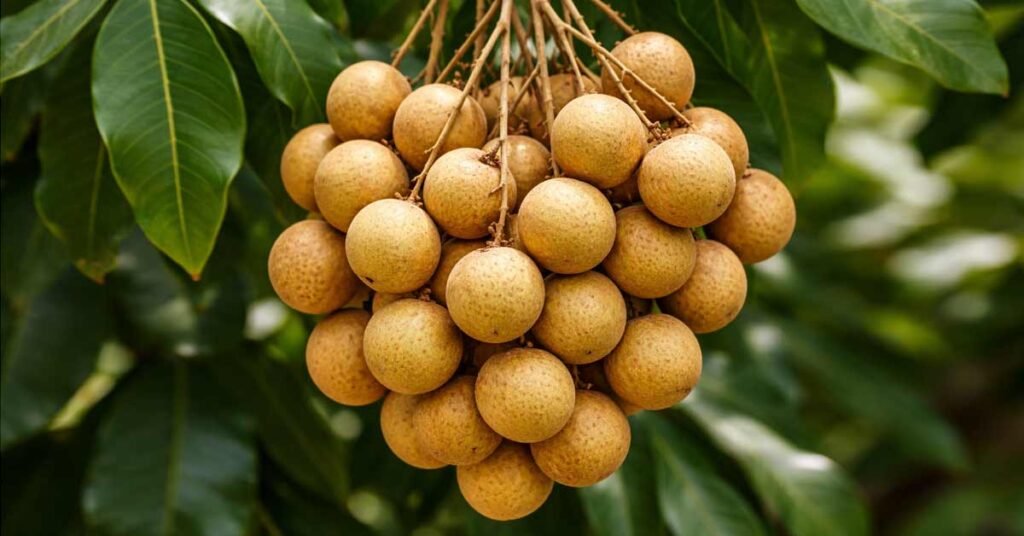
There is also an interesting detail here. Studies have examined not just the pulp of longan, but also the seed and peel. These parts often show higher concentrations of polyphenols. You are not eating them, but their presence reflects the plant’s overall chemical structure. It suggests that even the edible portion carries a fraction of that complexity.
Now, it is important to stay grounded. The presence of these compounds does not mean longan produces dramatic, immediate effects. Antioxidants do not work like caffeine. You will not feel them in real time. Their role is cumulative.
Oxidative Stress and Everyday Living
To understand why this matters, you need to look at oxidative stress in a practical way.
Your body constantly produces reactive oxygen species as part of normal metabolism. This happens when you breathe, digest food, move, think. It is not a problem by itself. It is part of being alive.
The issue starts when production exceeds your body’s ability to manage it.
That imbalance can be influenced by everyday factors:
- Poor sleep
- High intake of processed foods
- Environmental pollutants
- Intense or prolonged physical stress
- Smoking or alcohol consumption
None of these are rare. Most people deal with at least a few of them regularly.
When oxidative pressure builds up, it can affect how cells function. Not in a way you immediately notice, but gradually. Energy levels feel less stable. Recovery takes longer. Skin looks dull. Small things start to add up.
This is where antioxidants from foods like longan come in.
They contribute to your body’s existing defense systems. Not replacing them. Supporting them.
Think in terms of balance. Your body already has mechanisms to manage oxidative stress. Enzymes like superoxide dismutase and catalase handle a large part of the work internally. Dietary antioxidants act as an additional layer.
Longan fits into that layer.
It is not the strongest source available. Berries often rank higher in total antioxidant capacity. But longan has an advantage. It is easy to eat. Easy to repeat. That consistency matters more than occasional high intake of any single food.
There is also a synergy effect that often gets overlooked. Vitamin C can regenerate other antioxidants in the body, such as vitamin E. Polyphenols can influence how cells respond to oxidative signals. These interactions create a network rather than isolated actions.
Again, you are not feeling this directly. But over time, these small interactions contribute to how your body maintains stability.
What Regular Consumption Looks Like
This is where theory meets reality.
You do not benefit from antioxidants because you ate a large amount once. You benefit because you include them regularly, in manageable amounts, without disrupting your routine.
Longan works well in that context.
A realistic pattern might look like this:
- A small bowl of fresh longans a few times per week
- Occasional use of dried longans in tea or as a snack
- Combined with other fruits and vegetables rather than used in isolation
There is no need to overdo it. In fact, doing so works against the goal. Because longan contains natural sugars, very high intake adds unnecessary calories without increasing benefits in a meaningful way.
Consistency beats quantity.
Here is what that consistency gives you:
- A steady contribution to daily vitamin C intake
- Regular exposure to polyphenolic compounds
- Support for overall dietary antioxidant diversity
Another point worth mentioning is freshness. Vitamin C is sensitive to heat, light, and storage time. Fresh longan will generally retain more of it compared to dried forms. That does not make dried longans useless. It just changes their role.
If your focus is antioxidant intake, prioritize fresh when possible. Use dried versions more for convenience or energy density.
There is also a behavioral aspect here. Foods that are easy to prepare and enjoyable to eat are the ones that stick. Longan requires almost no effort. Peel, eat, move on. That simplicity increases the likelihood of regular consumption.
And that is where the real value shows up. Not in isolated nutrient data, but in habits that actually last.
If you step back and look at the bigger picture, longan does something very specific. It makes antioxidant intake feel effortless. No powders. No complicated recipes. No need to track every milligram.
Just a small fruit that fits into your day without friction.
That might not sound impressive at first. But in practice, that is exactly what makes it effective.
Best Selling Longan Related Products




The Quiet Power of a Simple Fruit
There is a point where you stop looking for the perfect food and start paying attention to the foods you actually eat. That shift changes everything. It moves you away from theory and into something more practical. Something you can repeat without effort.
Longan fits into that space almost too easily.
It does not try to dominate your diet. It does not demand attention. It just shows up, does its job, and leaves you feeling slightly better than before. Over time, that “slightly better” becomes noticeable.
If you look back at how longan behaves across a typical day, a pattern starts to form. You eat it when you need a bit of energy. You rely on it when you want something light. You reach for it when processed options feel like too much. It becomes part of your rhythm without you needing to think about it.
That is where its value really sits.
Most people struggle with consistency, not knowledge. They know what they should do. Eat better. Avoid excess sugar. Include more whole foods. The gap is in execution. Foods that are complicated, expensive, or time-consuming do not survive long in a real routine.
Longan avoids all of that.
It is:
- Easy to portion
- Easy to carry
- Easy to eat without preparation
- Naturally sweet without feeling heavy
Those details matter more than nutrient charts. Because if a food does not fit into your life, you will not use it often enough for it to matter.
There is also something to be said about how longan feels. Not just physically, but behaviorally. It does not trigger that “more, more, more” response you get from highly processed snacks. The sweetness is there, but it is restrained. You can eat a handful and stop without effort.
That alone can shift how you approach snacking.
Instead of reacting to cravings, you start making small, intentional choices. A few longans instead of a packaged bar. A simple bowl of fruit instead of something engineered to keep you eating. It sounds minor, but repeated daily, it changes your baseline.
And then there is the energy aspect. Not the kind you chase, but the kind you maintain.
Longan supports a steady level. You feel functional. Clear enough to focus. Stable enough to move through your day without constant corrections. No spikes, no crashes, no need to compensate later.
That kind of stability is easy to overlook because it does not stand out. But once you experience it consistently, you start to notice when it is missing.
The antioxidant side works the same way. You are not going to feel oxidative balance in real time. There is no signal that tells you it is working. But you are building something in the background.
A pattern of intake that supports:
- Cellular balance
- Recovery from daily stress
- Nutritional completeness without extremes
Longan contributes to that pattern without asking for much in return.
There is also a broader perspective that is worth holding onto. No single food will define your health. Longan included. The value comes from how it integrates with everything else you do.
Think of it as a small, reliable piece in a larger system.
You still need:
- A varied diet
- Adequate protein
- Movement
- Sleep
- Hydration
Longan does not replace any of these. It supports them. It fills small gaps. It smooths transitions between meals. It makes certain choices easier.
And sometimes, that is exactly what you need. Not a complete overhaul. Just something that makes the next decision slightly better.
If you keep it simple, a realistic way to use longan looks like this:
- Keep fresh longans available when they are in season
- Use them as a midday reset instead of reaching for processed snacks
- Pair them with a protein or fat source when you need longer-lasting energy
- Use dried longans occasionally when convenience matters more than hydration
No strict plan. No tracking. Just consistent use.
Over time, those small actions stack up. Your energy feels more stable. Your diet feels less forced. You rely less on extremes because you have something that works in the middle.
That is the quiet power of longan.
It does not try to impress you in one moment. It earns its place over many small moments.
Article Sources
At AncientHerbsWisdom, our content relies on reputable sources, including peer-reviewed studies, to substantiate the information presented in our articles. Our primary objective is to ensure our content is thoroughly fact-checked, maintaining a commitment to accuracy, reliability, and trustworthiness.
- U.S. Department of Agriculture, Agricultural Research Service. (2019). FoodData Central: Longan, raw. https://fdc.nal.usda.gov/fdc-app.html#/food-details/173944/nutrients
- U.S. National Institutes of Health, Office of Dietary Supplements. (2023). Vitamin C Fact Sheet for Health Professionals. https://ods.od.nih.gov/factsheets/VitaminC-HealthProfessional/
- World Health Organization. (2020). Healthy diet. https://www.who.int/news-room/fact-sheets/detail/healthy-diet
- Yang, B., Jiang, Y., Shi, J., Chen, F., & Ashraf, M. (2011). Extraction and pharmacological properties of bioactive compounds from longan (Dimocarpus longan Lour.) fruit: A review. Food Research International, 44(7), 1837–1842. https://doi.org/10.1016/j.foodres.2010.12.032
- Prasad, K. N., Yang, B., Yang, S., Chen, Y., Zhao, M., Ashraf, M., & Jiang, Y. (2009). Identification of phenolic compounds and appraisal of antioxidant and antiproliferative activities of longan (Dimocarpus longan Lour.) fruit pericarp. Journal of Agricultural and Food Chemistry, 57(8), 3334–3342. https://doi.org/10.1021/jf803938n
- Zhang, R., Zeng, Q., Deng, Y., Zhang, M., Wei, Z., & Zhang, Y. (2017). Phenolic profiles and antioxidant activity of longan (Dimocarpus longan Lour.) pulp. Food Chemistry, 214, 531–537. https://doi.org/10.1016/j.foodchem.2016.07.161
- European Food Safety Authority. (2012). Scientific opinion on dietary reference values for vitamin C. EFSA Journal, 10(11), 2818. https://doi.org/10.2903/j.efsa.2012.2818
- Scalbert, A., Johnson, I. T., & Saltmarsh, M. (2005). Polyphenols: Antioxidants and beyond. The American Journal of Clinical Nutrition, 81(1), 215S–217S. https://doi.org/10.1093/ajcn/81.1.215S

- Soursop: Tropical Fruit for Antioxidants and Digestion - March 28, 2026
- Sugar Apple: Tropical Fruit for Energy and Vitamin C - March 28, 2026
- Dragon Fruit: Tropical Fruit for Gut Health - March 28, 2026