

The Mineral Quietly Running the Show
Ask most people to name the minerals that matter for health, and you’ll hear calcium, maybe iron, possibly zinc if they’ve been paying attention to cold remedies. Magnesium rarely makes the list, and that’s always struck me as a little backwards. This is a mineral involved in something like 300 different enzyme reactions in the human body, and yet it spends most of its career working in the background, unnoticed, until something goes wrong.
I’ve spent years digging through nutrition research, and magnesium keeps showing up in places you wouldn’t expect. Muscle contraction, obviously. But also nerve signaling, energy metabolism, blood sugar regulation, and even the rhythm of your heartbeat. It’s a cofactor for enzymes that build proteins, that synthesize DNA, that convert food into usable energy. Take away enough magnesium and the entire system starts to creak, sometimes in ways that are easy to misattribute to something else entirely. Fatigue that seems like poor sleep. Muscle twitches blamed on dehydration. A racing heart chalked up to stress. Magnesium deficiency has a habit of hiding in plain sight.
Table of Contents
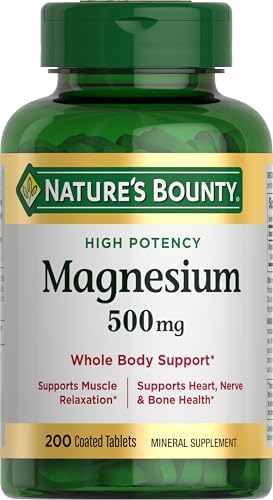


Here’s the part that surprises people: a meaningful share of adults, particularly in Western countries, don’t get enough magnesium from their diets. It’s not usually a dramatic deficiency with obvious symptoms. It’s more of a slow undershoot, week after week, meal after meal, where intake sits just below what the body actually needs. The kidneys are remarkably good at conserving magnesium when supply runs low, which is partly why severe deficiency in otherwise healthy people is uncommon. But “not severely deficient” and “optimally nourished” are two very different states, and a lot of people are living somewhere in that gap without realizing it since symptomatic magnesium deficiency due to low dietary intake is uncommon in otherwise-healthy people because the kidneys limit urinary excretion of this mineral.

What makes magnesium interesting from a physiological standpoint is how central it is to energy itself. Every time a cell needs to spend energy, it reaches for a molecule called ATP. But ATP doesn’t work alone. It has to bind with magnesium to become biologically active. Without enough magnesium around, that energy currency essentially can’t be spent properly. This is why fatigue is one of the more consistent, if nonspecific, signs that magnesium status might be off. It’s not just about muscles cramping during a workout. It’s about the basic machinery of cellular energy production running less efficiently than it should.
Magnesium also plays a gatekeeper role at the level of the nervous system. It helps regulate the balance between excitatory and calming neurotransmitters, acting almost like a natural brake on overexcited nerve cells. This is part of why magnesium keeps coming up in conversations about sleep, about stress, about muscle relaxation. It’s not a sedative, and I want to be careful not to overstate what the research shows, but the biological plausibility for magnesium’s role in a calmer nervous system is genuinely strong, and it’s backed by decades of physiological research into how this mineral interacts with calcium at the cellular level to control muscle and nerve excitability.
There’s also a structural side to magnesium that gets overlooked. More than half of the magnesium in your body is stored in bone, working alongside calcium and vitamin D to maintain skeletal integrity. It’s not just floating around in muscles and blood; it’s woven into the architecture of the body itself, which is part of why chronic low intake can have effects that unfold over years rather than days.
I think what I find most compelling about magnesium, though, is how ordinary its sources are. This isn’t some exotic superfood mineral you need a specialty store to find. It’s in leafy greens, in nuts, in whole grains, in legumes, in the kind of food your grandmother probably told you to eat more of. The gap between what people need and what they’re getting isn’t usually a supply problem. It’s a pattern problem, tied to how modern diets have shifted away from whole foods and toward refined grains, processed meals, and low-fiber convenience eating, all of which strip out magnesium along the way.
Part of why magnesium stays under the radar, I think, is that it doesn’t have a single dramatic deficiency disease attached to its name the way vitamin C has scurvy or vitamin D has rickets. There’s no iconic condition that gets taught in health class, no poster child that makes the mineral memorable. Instead, its absence shows up as a diffuse collection of symptoms that overlap with a dozen other things, which makes it easy for both patients and clinicians to overlook. That’s not a flaw in the mineral; it’s just a quirk of how subclinical deficiency tends to present across the board, and magnesium happens to be a particularly good example of it.
It also doesn’t help that magnesium testing in routine bloodwork is notoriously unreliable as a marker of true body status. Standard serum magnesium tests measure only the small fraction of magnesium circulating in blood, less than one percent of the body’s total store, while the vast majority sits inside cells and bone where a basic blood draw can’t see it. Someone can have normal serum magnesium and still be running a meaningful intracellular shortfall, which is part of why deficiency is probably more common than lab results alone would suggest, and why dietary intake tends to be a more practical lens for most people than chasing a specific number on a blood panel.
Over the course of this article, I want to walk through what the science actually shows about magnesium’s role in muscle function, nerve health, and energy production, where you can realistically get enough of it from food, how much you actually need, what deficiency and excess look like, and how to think about supplementation if your diet isn’t quite covering the bases. Minerals like this rarely get the spotlight, but once you understand how many systems depend on it, it’s hard to think of magnesium as a background player again.
Key Health Benefits
Magnesium’s résumé is long, and honestly, some of it gets oversold in wellness spaces while other parts get underappreciated. I want to walk through what’s genuinely well-supported, what’s promising but still being worked out, and where the nuance actually lives, because a mineral this involved in human physiology deserves more than a bulleted list of vague claims.
Muscle Function and Exercise Recovery
Magnesium’s most literal job in muscle tissue is regulating the flow of calcium in and out of muscle cells. Calcium triggers contraction; magnesium helps muscles relax afterward. It’s a push-pull relationship, and when magnesium runs low, that relaxation phase can become less efficient, which is part of the physiological reasoning behind magnesium’s association with muscle cramps and twitching.
That said, I want to be honest about where the evidence is strong and where it’s shakier. The idea that magnesium supplements reliably prevent exercise-associated muscle cramps or the common nighttime leg cramps a lot of people experience is not well supported by controlled research; several rigorous reviews have found magnesium performs no better than placebo for those specific complaints. Where the evidence looks more promising is in muscle soreness and exercise recovery more broadly. A 2024 systematic review examining magnesium supplementation in physically active individuals found that it reduced muscle soreness, improved performance markers, and had a protective effect against exercise-induced muscle damage, with benefits most consistent when magnesium was taken in capsule form roughly two hours before training since during strenuous exercise, a decrease in magnesium level could inhibit calcium release from the sarcoplasmic reticulum, causing muscle soreness, and high levels of magnesium reduce muscle soreness, which is useful for improving recovery and training. Athletes and highly active individuals may also need somewhat more magnesium than sedentary people, since intense training increases turnover and loss of the mineral through sweat and urine.
Nervous System Support and Sleep Quality
This is one of the areas I find genuinely fascinating, because the mechanism makes so much sense on paper. Magnesium regulates GABA activity and helps modulate NMDA receptors, both of which play roles in calming neural excitability. It’s not a sleep aid in the pharmaceutical sense, but it may support the physiological conditions that make good sleep more achievable.
The research here has been a bit of a mixed bag historically, mostly because early studies were small and inconsistently designed. But newer work has started to firm things up. A systematic review and meta-analysis of magnesium supplementation for insomnia in older adults found that it meaningfully shortened the time it took participants to fall asleep compared to placebo. More recent randomized trials using better-absorbed forms like magnesium bisglycinate and magnesium L-threonate have also reported modest but statistically significant improvements in sleep quality and insomnia severity scores. I’d stop short of calling magnesium a sleep solution on its own, but if you’re someone whose diet runs low on this mineral and your sleep has been inconsistent, there’s a reasonable, evidence-backed case for paying attention to your intake.
Cardiovascular and Metabolic Health
Magnesium’s relationship with blood sugar regulation is one of the more robust findings in this whole field. It acts as a cofactor for enzymes involved in glucose metabolism and insulin signaling, and population-level research has consistently found that people with higher magnesium intake tend to have meaningfully lower rates of type 2 diabetes. One large meta-analysis pooling more than half a million participants found that every additional 100 milligrams of daily magnesium intake was associated with roughly a 14 percent reduction in diabetes risk, and a separate dose-response analysis of prospective cohort studies found a similar linear relationship, with risk dropping consistently as intake increased. That’s a striking, consistent signal across a huge amount of observational data.
On the cardiovascular side, magnesium contributes to vascular tone and helps regulate the electrical activity that keeps your heart beating in rhythm. Large cohort research has linked higher dietary magnesium intake with reduced risk of cardiovascular disease, coronary heart disease, and stroke, following a dose-response pattern rather than a simple threshold effect. This doesn’t mean magnesium supplements are a treatment for heart disease, and I’d caution against reading it that way, but it does reinforce that magnesium status is one thread in the broader fabric of cardiometabolic health.
Migraine and Headache Frequency
Migraine is a condition where magnesium keeps popping up in the research literature, and for good physiological reason. Magnesium plays a role in blocking NMDA receptors and regulating neurotransmitters implicated in migraine pathophysiology, along with a proposed role in dampening a phenomenon called cortical spreading depression, which is thought to underlie migraine aura.
A systematic review evaluating clinical trials of oral magnesium for migraine prevention concluded that the evidence supports a “possibly effective” grade for reducing migraine frequency, with several trials using magnesium dicitrate at daily doses around 600 milligrams showing meaningful reductions in migraine days compared to placebo. It’s not a universal fix, and the trials are relatively small, but for a mineral that’s inexpensive and generally well tolerated, the evidence is compelling enough that magnesium regularly comes up in conversations between patients and headache specialists about non-pharmaceutical prevention strategies.
Taken together, these benefits paint a picture of a mineral that isn’t flashy but is deeply structural to how the body functions day to day. It’s less about one dramatic effect and more about a mineral that keeps a dozen different systems running smoothly in the background.



Dietary Sources
If there’s good news buried in all this, it’s that magnesium isn’t hard to find in food. You don’t need a specialty supplement aisle or an exotic ingredient list. You need a plate that leans toward whole, minimally processed foods, and the magnesium tends to follow.
The Best Whole-Food Sources
Green leafy vegetables are probably the most iconic magnesium source, and there’s a neat biological reason for that: magnesium sits at the center of the chlorophyll molecule, the pigment that gives plants their green color and drives photosynthesis. Spinach, Swiss chard, and similar greens are genuinely rich sources, and a cooked cup of spinach can supply a meaningful chunk of your daily needs in a single serving.
Beyond greens, magnesium shows up generously in:
- Nuts and seeds, particularly pumpkin seeds, almonds, and cashews
- Legumes like black beans, chickpeas, and lentils
- Whole grains, especially quinoa, brown rice, and whole wheat
- Fatty fish such as salmon and mackerel
- Dark chocolate and cocoa, which happen to be a genuinely good source
- Avocados, bananas, and certain fortified cereals
I’ll admit there’s something satisfying about dark chocolate legitimately counting as a magnesium source. It’s not a loophole to eat a candy bar and call it nutrition, but a square or two of high-cocoa-content dark chocolate does contribute real magnesium alongside its other compounds. Coffee and even hard water contribute small amounts too, which is a detail people rarely think about when tallying their intake.
It’s also worth saying a word about how you cook these foods, because preparation method genuinely changes how much magnesium ends up on your plate. Magnesium is water-soluble, which means boiling vegetables can leach a meaningful portion of it straight into the cooking water. Spinach loses a real chunk of its magnesium content when boiled and drained compared to when it’s steamed, sautéed, or eaten raw. If you’re boiling greens or grains and pouring the water down the drain, you’re pouring out some of the very nutrient you’re trying to get more of. Soups and stews, interestingly, don’t have this problem, since the liquid stays in the dish and the leached minerals come right along with it.
Why Whole Foods Beat Isolated Nutrients
There’s a reason nutrition researchers keep emphasizing dietary patterns rather than single nutrients, and magnesium is a good case study in why. Foods rich in magnesium tend to also be rich in fiber, potassium, and other micronutrients that work synergistically. A diet built around whole grains, vegetables, legumes, and nuts doesn’t just deliver magnesium; it delivers a whole nutritional package that supports the same systems magnesium is involved in, like blood sugar regulation and cardiovascular health. That’s part of why observational studies linking magnesium intake to lower diabetes and cardiovascular risk have to be interpreted with some caution. It’s genuinely hard to fully separate magnesium’s individual effect from the broader dietary pattern it tends to travel with.
That said, food processing is magnesium’s real enemy. Refining wheat into white flour strips out the germ and bran, which is where most of the magnesium lives, and that single shift accounts for a huge amount of the magnesium gap in modern diets. If you’re eating mostly refined grains, low-fiber convenience foods, and minimal produce, it’s genuinely difficult to hit adequate magnesium intake no matter how much you try to compensate elsewhere.
Supplement Forms and Bioavailability
For people who can’t reliably close the gap through food, or who have increased needs due to certain health conditions, supplements are a reasonable option, but not all forms are created equal. Magnesium oxide, one of the most common and cheapest forms on store shelves, is also one of the least well absorbed; a large fraction of it can pass through the digestive tract largely unused, sometimes causing loose stools along the way rather than meaningfully raising magnesium status.
Forms that dissolve more readily in liquid, such as magnesium citrate, magnesium glycinate, magnesium lactate, and magnesium chloride, tend to have meaningfully better absorption. Magnesium glycinate in particular has become popular because it’s gentler on digestion and doesn’t carry the same laxative effect as oxide or citrate at higher doses. Magnesium L-threonate has drawn research interest for its apparent ability to cross into the brain more effectively, which is part of why it’s been studied specifically in the context of cognition and sleep.
If you’re considering a supplement, reading the label matters more than the marketing does. The Supplement Facts panel lists elemental magnesium, meaning the actual usable amount, not just the total weight of the compound, and that number is what you should be comparing against your daily target. A bottle that lists “1000 mg magnesium oxide” isn’t giving you 1000 mg of usable magnesium; the elemental amount is a fraction of that total weight, and the label should spell out exactly what that fraction comes to.
Timing is a smaller detail, but one worth knowing. Magnesium absorption in the gut starts within about an hour of ingestion, builds toward a peak somewhere around two to four hours later, and then tapers off. Splitting a larger dose into two smaller servings across the day, rather than taking it all at once, tends to improve overall absorption and reduces the odds of the digestive upset that can come with a single large dose. For most people, though, the honest starting point is still the plate, not the pill bottle. Supplements are a reasonable backstop, not a replacement for a diet built around the foods that carry this mineral naturally.
Dosage & Deficiency
Getting the dosage question right requires understanding two separate things: how much magnesium your body actually needs, and how to recognize when it’s not getting enough. Neither is as straightforward as it might seem, partly because magnesium deficiency has a way of masquerading as other things.
How Much You Actually Need
Recommended intakes vary by age and sex. For adult men, the recommendation generally sits around 400 to 420 milligrams per day, while adult women typically need somewhere around 310 to 320 milligrams daily, with slightly higher amounts recommended during pregnancy. These aren’t arbitrary numbers; they’re derived from research into how much magnesium is needed to maintain normal serum levels and support the enzymatic processes that depend on this mineral, and they reflect the current guidance from national dietary supplement authorities.
What’s notable is how commonly actual intake falls short of these targets, particularly among people who eat a lot of processed food or restrict entire food groups without paying attention to what they’re cutting. It’s not usually a dramatic shortfall. It’s a persistent, moderate undershoot that adds up over months and years rather than causing an acute crisis.
These numbers also shift across the lifespan in ways worth knowing. Adolescents going through rapid growth have elevated needs relative to their body size, and it’s a period where magnesium intake often dips precisely when bone development demands more of it. Pregnancy raises requirements further still, generally into the range of 350 to 400 milligrams daily depending on age, since the mineral supports fetal tissue growth alongside the mother’s own expanding physiological demands. Breastfeeding doesn’t require quite the same bump, since magnesium isn’t transferred into milk at particularly high concentrations, but overall caloric and nutrient needs during lactation still make food quality worth paying attention to. And older adults, somewhat counterintuitively, have the same nominal requirement as younger adults on paper, even though absorption efficiency tends to decline with age, meaning the practical, real-world need may actually be a bit higher than the stated recommendation reflects.
Recognizing the Signs of Deficiency
Early magnesium deficiency tends to show up in vague, easy-to-dismiss ways: fatigue, loss of appetite, mild nausea, general weakness. These are the kinds of symptoms that get blamed on stress, poor sleep, or just being busy, which is exactly why deficiency can go unnoticed for a long time.
If deficiency progresses further, more specific signs tend to emerge, including muscle twitches and cramps, numbness or tingling sensations, and in more severe cases, personality changes, abnormal heart rhythms, and seizures. This progression reflects magnesium’s role at the intersection of muscle, nerve, and cardiac function; when a mineral is that structurally important, its absence eventually shows up in ways that are hard to ignore since early signs of magnesium deficiency include loss of appetite, nausea, vomiting, fatigue, and weakness, and as deficiency worsens, numbness, tingling, muscle contractions and cramps, seizures, personality changes, abnormal heart rhythms, and coronary spasms can occur.
Severe deficiency can also throw off calcium and potassium balance in the blood, since magnesium plays a regulatory role in how those minerals are managed by the body. This is part of why magnesium deficiency, when it does become clinically significant, rarely stays isolated. It tends to ripple outward into other mineral imbalances.
Who’s Most at Risk
Certain groups face meaningfully higher risk of inadequate magnesium status. People with gastrointestinal conditions that impair nutrient absorption, such as Crohn’s disease or celiac disease, often struggle to maintain adequate magnesium even with reasonable dietary intake. Type 2 diabetes increases urinary magnesium loss, creating something of a two-way relationship between the mineral and the condition. Chronic alcohol use interferes with magnesium absorption and increases excretion simultaneously, which is part of why deficiency is common among people with long-term heavy alcohol use. Older adults are also at higher risk, both because absorption tends to decline with age and because certain medications common in that population, like diuretics and proton pump inhibitors, can deplete magnesium over time.
If you fall into one of these categories, it’s worth paying closer attention to magnesium intake specifically, rather than assuming a generally healthy diet automatically covers it.
There’s a broader dietary pattern worth flagging too, separate from any specific medical condition. People following very low-calorie diets, restrictive weight-loss plans, or highly processed convenience-food patterns tend to fall short almost by default, simply because the food groups richest in magnesium, namely whole grains, legumes, and leafy vegetables, are the ones most often reduced or eliminated in these approaches. Athletes and highly active people also deserve another mention here, not because they’re medically at risk in the way someone with kidney disease is, but because sustained sweating and increased urinary loss during intense training genuinely raise the practical threshold for adequate intake above the standard recommendation. None of this requires panic or obsessive tracking. It just means that if you recognize yourself in one of these categories, magnesium is a reasonable thing to think about deliberately rather than assume is being handled automatically.
Toxicity & Risks
Magnesium toxicity from food alone is essentially not a concern; healthy kidneys are remarkably efficient at clearing excess magnesium absorbed from a normal diet, and you’d be hard pressed to overdo it eating spinach and almonds. The real risk conversation is almost entirely about supplements and certain medications, and it’s worth understanding where that line sits.
Where the Risk Actually Comes From
The upper intake level set for supplemental magnesium in adults is 350 milligrams per day, a figure that applies specifically to the nonfood, supplemental form rather than total dietary intake. Go meaningfully above that, particularly in a single dose, and gastrointestinal symptoms tend to show up first: diarrhea, cramping, and nausea. This is actually why certain magnesium compounds are used deliberately as laxatives; the same osmotic effect that causes unwanted diarrhea at high supplemental doses is the mechanism behind products designed for constipation relief.
At significantly higher doses, particularly in people with impaired kidney function, magnesium can accumulate to genuinely dangerous levels. Since the kidneys are the primary route for clearing excess magnesium, anyone with reduced kidney function loses much of their natural buffer against overdose. Symptoms of more serious magnesium toxicity include low blood pressure, irregular heartbeat, confusion, and in extreme cases, cardiac arrest. These outcomes are rare and generally occur in the context of kidney impairment combined with very high intake, often from magnesium-containing medications like certain antacids or laxatives taken in excess, rather than from typical dietary supplementation.
It’s worth putting this in perspective, because the framing matters. Most people reading about magnesium toxicity have never come close to the doses associated with serious harm, and the overwhelming majority of adverse events reported in the medical literature involve either significant kidney disease, intentional very-high-dose ingestion, or infants and older adults receiving magnesium-containing laxatives or antacids in a clinical setting without adequate monitoring. For a healthy adult with normal kidney function taking a standard supplement dose in the range typically sold over the counter, the realistic risk is loose stools, not organ failure. That distinction gets lost sometimes in how supplement safety gets discussed online, where worst-case scenarios and everyday reality tend to blur together.
Medication Interactions Worth Knowing
Magnesium can interfere with the absorption of several medications, and this is one of the more practical, actionable pieces of information in this whole conversation. It can reduce the absorption of certain antibiotics, including tetracyclines and fluoroquinolones, when taken too close together, which is why doctors and pharmacists often recommend spacing magnesium supplements and these antibiotics by several hours. Bisphosphonates, used for osteoporosis, face a similar interaction. Magnesium can also enhance the effect of certain blood pressure medications and muscle relaxants, which sounds beneficial but can tip into excessive effect if not accounted for.
Diuretics deserve a specific mention because their relationship with magnesium runs in two directions depending on the type. Loop and thiazide diuretics tend to increase magnesium loss through urine, potentially contributing to deficiency over time. Potassium-sparing diuretics, on the other hand, can have the opposite effect and increase magnesium retention, occasionally to the point of concern in people with kidney issues.
Proton pump inhibitors, a class of medication widely used for acid reflux and taken long-term by a huge number of people, have also been associated with reduced magnesium absorption when used continuously over extended periods. This isn’t a reason to panic if you’re on one short-term, but it’s a genuinely useful thing to be aware of if you’ve been taking one for months or years, since the connection is well-documented enough that regulatory agencies have flagged it as worth monitoring in long-term users. If you’re on any of these medication classes long-term, it’s a reasonable conversation to have with a pharmacist or physician rather than something to sort out through guesswork.
A Reasonable Approach
None of this is meant to make magnesium sound dangerous, because for the overwhelming majority of people, it isn’t. The risk profile here is genuinely mild compared to many other supplements, and the upper limit exists mostly to prevent uncomfortable digestive symptoms rather than serious harm. The people who need real caution are those with kidney disease, those on interacting medications, and those tempted to megadose supplements on the assumption that more is automatically better. For everyone else, staying within recommended supplemental ranges and prioritizing food sources first is a sound, low-risk way to approach this mineral.
If you’re starting a magnesium supplement for the first time, a sensible approach is to begin at the lower end of a typical dose, somewhere around 200 milligrams, and see how your digestion responds before increasing. Taking it with food often softens any gastrointestinal effect compared to taking it on an empty stomach. And if you’re managing a chronic condition, particularly anything involving the kidneys, heart, or a medication regimen with several moving parts, it’s worth having a brief conversation with a pharmacist or physician before adding a new supplement, not because magnesium is especially risky, but because it’s one more variable in a system that may already be finely balanced. That’s a reasonable precaution with almost any supplement, and magnesium is no exception, even with its comparatively gentle safety profile.
The Unassuming Mineral Worth Paying Attention To
After spending this much time in the research, I keep coming back to the same thought: magnesium doesn’t ask for attention, but it earns it. It’s not a trendy compound with a flashy origin story. It’s not going to show up wrapped in exotic marketing claims the way some supplements do. It’s just quietly essential, woven into hundreds of biochemical processes that keep muscles contracting properly, nerves signaling correctly, and energy flowing where it needs to go.
What stands out most to me is how much of the magnesium conversation comes back to ordinary habits rather than dramatic interventions. This isn’t a mineral you need to chase with elaborate supplement stacks or expensive functional foods. It’s sitting in spinach, in almonds, in black beans, in whole grains, in the kind of unglamorous, everyday eating pattern that nutrition science keeps circling back to no matter what the current wellness trend happens to be. The gap between adequate and inadequate magnesium intake, for most people, isn’t a supply problem. It’s a pattern problem, and patterns are things you can actually change.
I also think it’s worth resisting the urge to treat magnesium as a cure-all, which is a trap a lot of nutrition writing falls into once a mineral starts showing up in enough studies. The honest picture is more modest and, frankly, more useful. Magnesium supports muscle recovery, but it isn’t going to erase poor training habits or chronic overtraining. It has a real, evidence-backed connection to sleep quality, but it isn’t going to fix insomnia rooted in stress, screen habits, or an irregular schedule. It shows a genuinely striking association with lower diabetes and cardiovascular risk in population data, but that’s a reason to eat a magnesium-rich diet as part of a broader pattern, not a reason to assume a supplement bottle can substitute for the whole picture. Nuance isn’t as satisfying as a bold claim, but it’s usually where the truth actually sits.
If I had to boil this down to a few practical takeaways, they’d be these. First, build meals around whole foods that naturally carry magnesium: leafy greens, legumes, nuts, seeds, whole grains, and don’t overlook how you cook them, since boiling can strip away a real portion of what you’re trying to get. Second, if you fall into a higher-risk category, whether that’s a digestive condition, type 2 diabetes, heavy alcohol use, long-term use of medications like proton pump inhibitors or diuretics, or simply being older, pay closer attention to your intake rather than assuming a generally decent diet has you covered. Third, if you’re considering a supplement, choose a well-absorbed form like glycinate or citrate over cheaper, poorly absorbed oxide, stay within the recommended supplemental range, split larger doses across the day if you can, and be mindful of timing around medications that can interact with it. And finally, don’t expect magnesium to be a miracle fix for sleep, migraines, or muscle soreness. The evidence supports a real, meaningful role, but it works as one piece of a larger picture, not a standalone solution.
There’s also something to be said for patience here. Magnesium status doesn’t shift overnight, and if you’re correcting a genuine long-term shortfall through diet, it’s reasonable to expect gradual improvement over weeks rather than an immediate, dramatic change. That’s true of most nutritional corrections, honestly, even though it runs against the instant-results framing that so much supplement marketing leans on. The people who tend to notice the most benefit are usually the ones who were running the furthest behind to begin with; if your diet was already reasonably rich in magnesium, adding more isn’t likely to produce a noticeable effect, because you weren’t deficient in the first place. That’s not a failure of the mineral. It’s just how nutrient sufficiency works.
Minerals like magnesium rarely get their due because their effects are cumulative and quiet rather than immediate and dramatic. But that’s exactly why they’re worth understanding properly. The body doesn’t need magnesium to make a big entrance. It just needs enough of it, consistently, to keep doing the thousand small jobs nobody notices until they stop happening. Pay attention to the plate more than the supplement aisle, know the categories of people who need to be a little more deliberate about it, and treat this mineral with the quiet respect its workload actually deserves.
Article Sources
At AncientHerbsWisdom, our content relies on reputable sources, including peer-reviewed studies, to substantiate the information presented in our articles. Our primary objective is to ensure our content is thoroughly fact-checked, maintaining a commitment to accuracy, reliability, and trustworthiness.
- Office of Dietary Supplements. (2022). Magnesium: Fact sheet for health professionals. National Institutes of Health. https://ods.od.nih.gov/factsheets/Magnesium-HealthProfessional/
- Mah, J., & Pitre, T. (2021). Oral magnesium supplementation for insomnia in older adults: A systematic review & meta-analysis. BMC Complementary Medicine and Therapies, 21(1), 125. https://doi.org/10.1186/s12906-021-03297-z
- von Luckner, A., & Riederer, F. (2018). Magnesium in migraine prophylaxis—Is there an evidence-based rationale? A systematic review. Headache: The Journal of Head and Face Pain, 58(2), 199-209. https://doi.org/10.1111/head.13217
- Dong, J. Y., Xun, P., He, K., & Qin, L. Q. (2011). Magnesium intake and risk of type 2 diabetes: Meta-analysis of prospective cohort studies. Diabetes Care, 34(9), 2116-2122. https://doi.org/10.2337/dc11-0518
- Fang, X., Han, H., Li, M., Liang, C., Fan, Z., Aaseth, J., He, J., Montgomery, S., & Cao, Y. (2016). Dose-response relationship between dietary magnesium intake and risk of type 2 diabetes mellitus: A systematic review and meta-regression analysis of prospective cohort studies. Nutrients, 8(11), 739. https://doi.org/10.3390/nu8110739
- Tarsitano, M. G., Quinzi, F., Folino, K., Greco, F., Oranges, F. P., Cerulli, C., & Emerenziani, G. P. (2024). Effects of magnesium supplementation on muscle soreness in different type of physical activities: A systematic review. Journal of Translational Medicine, 22, 629. https://doi.org/10.1186/s12967-024-05434-x
- Fang, X., Wang, K., Han, D., He, X., Wei, J., Zhao, L., Imam, M. U., Ping, Z., Li, Y., Xu, Y., Min, J., & Wang, F. (2016). Dietary magnesium intake and the risk of cardiovascular disease, type 2 diabetes, and all-cause mortality: A dose-response meta-analysis of prospective cohort studies. BMC Medicine, 14, 210. https://doi.org/10.1186/s12916-016-0742-z

- Phosphatidic Acid: Supporting Muscle Growth and Strength - July 31, 2026
- Ceramides: Supporting Healthy Skin From Within - July 31, 2026
- Synbiotics: Combining Prebiotics and Probiotics Together - July 31, 2026