
An Ancient Herb Hidden in Plain Sight
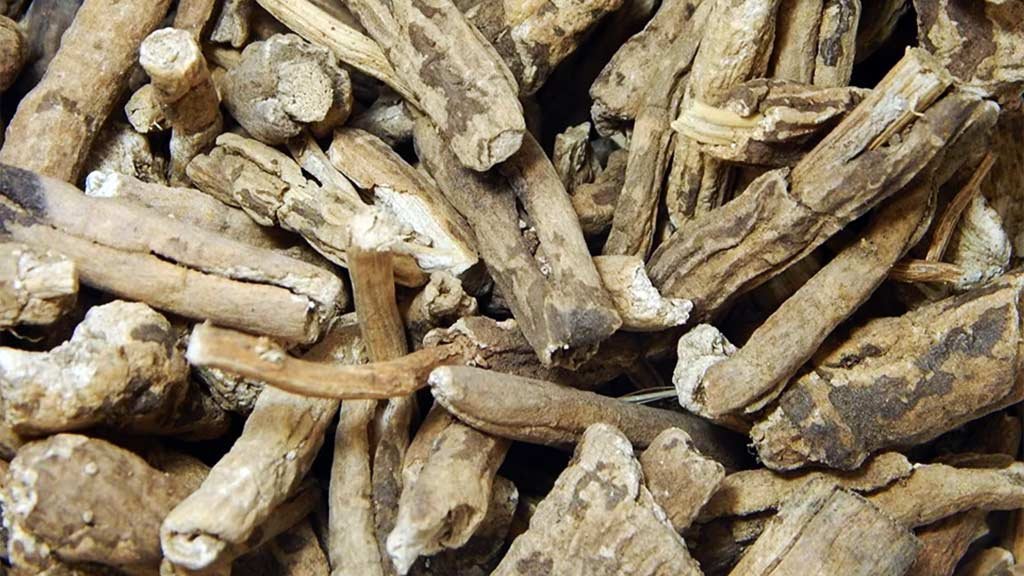
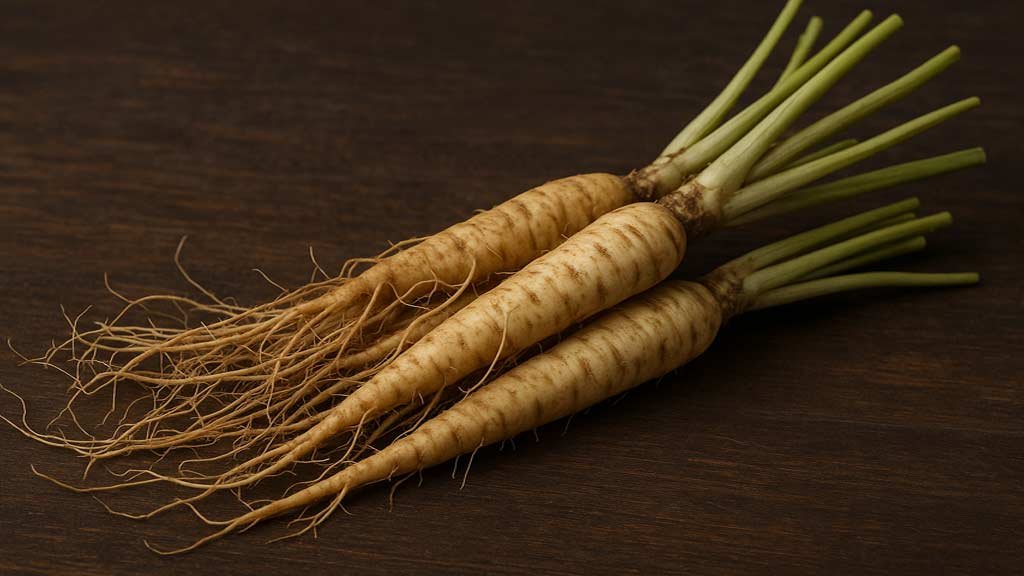
Nisoth Root, often overlooked in modern herbal discussions, has been a cornerstone of Ayurvedic detoxification and digestive support for centuries. Known in Sanskrit texts as “Nishothi” or “Nishothi Mool,” this earthy root carries a subtle potency that gently restores balance in the body. It grows in clusters, its fibrous roots twisting into the soil like nature’s own network of purification channels.
It’s remarkable how a single root can address so many bodily systems at once. Ayurvedic practitioners have long valued it for clearing toxins, enhancing digestive fire, and promoting overall wellness. The name “Nisoth” itself evokes the sense of cleansing, an herb meant to purify from the inside out.
Table of Contents
Traditional Uses in Ayurveda
Ayurveda classifies Nisoth Root as “Deepana” (digestive stimulant), “Pachana” (digestive aid), and “Rasayana” (rejuvenator). Historically, it has been used to:
- Support healthy digestion and metabolism
- Promote liver and kidney function for natural detoxification
- Relieve bloating, gas, and mild constipation
- Cleanse the blood and improve skin clarity
- Strengthen the immune system and overall vitality
Many Ayurvedic formulations include Nisoth Root in powdered blends, decoctions, and herbal teas, often combined with other digestive herbs like ginger, black pepper, or fennel seeds.
Active Compounds and Mechanisms
Modern phytochemical studies reveal that Nisoth Root contains:
- Alkaloids and glycosides: Compounds that stimulate digestive enzymes
- Essential oils: Offering mild antimicrobial and anti-inflammatory properties
- Flavonoids and polyphenols: Potent antioxidants that protect cells from oxidative stress
- Tannins: Supporting gut health and mild astringent effects for the skin
These compounds work together to gently tone the digestive tract, assist in detoxification, and protect internal organs from oxidative damage. Essentially, Nisoth Root acts like a mild, natural internal cleanser that harmonizes bodily systems rather than forcing drastic changes.
Digestive Support
Digestive issues—bloating, sluggish digestion, and irregular bowel movements—are common in today’s fast-paced world. Nisoth Root has traditionally been recommended for people struggling with these conditions.
Some applications include:
- Decoction: Boil dried roots in water, strain, and drink warm before meals
- Powdered form: Mixed with warm water, honey, or ghee for easier digestion
- Combination formulas: Paired with other herbs for synergistic digestive support
Many people find that regular use improves appetite, reduces discomfort, and leaves the digestive system feeling lighter. Anecdotally, a warm cup of Nisoth Root tea after a heavy meal can relieve bloating almost immediately, a subtle but reassuring effect.
Detoxification and Liver Health
Ayurveda regards the liver and kidneys as primary organs of purification. Nisoth Root enhances the body’s natural detox pathways:
- Liver support: Compounds in the root stimulate bile production and enzyme activity
- Kidney function: Mild diuretic effects help flush accumulated toxins
- Blood purification: Antioxidants help neutralize free radicals in circulation
Unlike harsh chemical detox methods, Nisoth Root works gently, encouraging the body to cleanse itself over time. Its effect is cumulative and subtle, improving systemic health without stress on internal organs.
Skin Benefits
Nisoth Root also extends its benefits to the skin. Ayurveda connects digestive and liver health directly to skin clarity, and Nisoth plays a role in both:
- Reduces acne and minor skin inflammations
- Promotes a natural glow by purifying the blood
- Strengthens the skin’s resilience with antioxidants
For topical application, powdered root is sometimes mixed with water or oils to make soothing pastes for minor irritations or to tone the skin. Even simple internal consumption can reflect outwardly, giving skin a subtle radiance over weeks of consistent use.
Integrating Nisoth Root Into Daily Life
Here are practical ways to use this herb:
- Herbal Tea: Brew 1–2 teaspoons of dried root in hot water for 10 minutes
- Powdered Root: Mix with honey or warm water as a daily tonic
- Formulated Products: Often included in Ayurvedic detox blends or capsules
Consistency is key. Regular intake, combined with mindful diet and hydration, can maximize its digestive, detoxifying, and skin benefits.
Personal Observations
The first time I tried Nisoth Root tea, I was struck by its earthy aroma and slightly bitter taste. It’s not instantly gratifying, like sugary teas, but within an hour I noticed a lightness in my stomach—a gentle, comforting shift. Over several weeks, friends and I observed smoother digestion, clearer skin, and even a subtle sense of energy without jitters.
It’s a humble root, unassuming, yet quietly effective. It reminds me that nature often keeps its most valuable remedies low-key, waiting for patient observation and consistent use.
Safety and Precautions
While Nisoth Root is generally safe, a few considerations are important:
- Pregnant or breastfeeding women should consult an Ayurvedic practitioner before use
- Excessive consumption may overstimulate digestion, leading to mild discomfort
- People with liver or kidney disorders should seek professional advice
Respecting dosage and preparation methods ensures that this gentle cleanser works in harmony with your body.
Best Selling Nishoth Supplements


Conclusion
Nisoth Root exemplifies Ayurveda’s wisdom: a simple, humble root capable of addressing multiple aspects of health. It gently aids digestion, supports detoxification, and enhances skin vitality, proving that true herbal medicine works subtly but profoundly.
It’s not a flashy, instant-fix herb. It rewards patience and consistency, offering cumulative improvements that touch the body, mind, and skin. For anyone seeking natural digestive support and a gentle internal cleanse, Nisoth Root is a quiet yet potent ally.
Article Sources
At AncientHerbsWisdom, our content relies on reputable sources, including peer-reviewed studies, to substantiate the information presented in our articles. Our primary objective is to ensure our content is thoroughly fact-checked, maintaining a commitment to accuracy, reliability, and trustworthiness.
- Gupta, S. (2017). Operculina turpethum (Linn.) Silva Manso as a medicinal herb: A review. Pharmacognosy Reviews, 11(21), 1–7. https://www.ncbi.nlm.nih.gov/pmc/articles/PMC5628523/
- Kamala, A. (2018). Plants in traditional medicine with special reference to Ayurveda. Journal of Ayurveda and Integrative Medicine, 9(2), 91–96. https://www.ncbi.nlm.nih.gov/pmc/articles/PMC6037646/
- Kandikattu, H. K. (2021). A review on Cyperus rotundus: Ancient weed to modern medicine. Pharmacognosy Reviews, 15(30), 1–9. https://pbr.mazums.ac.ir/browse.php?a_id=384&sid=1&slc_lang=en
- Peerzada, A. M. (2015). Cyperus rotundus L.: Traditional uses, phytochemistry, and pharmacology. Journal of Ethnopharmacology, 174, 1–10. https://www.sciencedirect.com/science/article/abs/pii/S0378874115300799
- Planet Ayurveda. (2019). Trivrit (Operculina turpethum) – Practical uses, benefits & dosage. https://www.planetayurveda.com/library/trivrit-operculina-turpethum/

- Nectarine: Stone Fruit for Heart Health and Antioxidants - March 8, 2026
- Peach: Hydrating Fruit for Skin Health and Digestion - March 8, 2026
- Plum: Fiber-Rich Fruit for Digestion and Heart Health - March 8, 2026
