
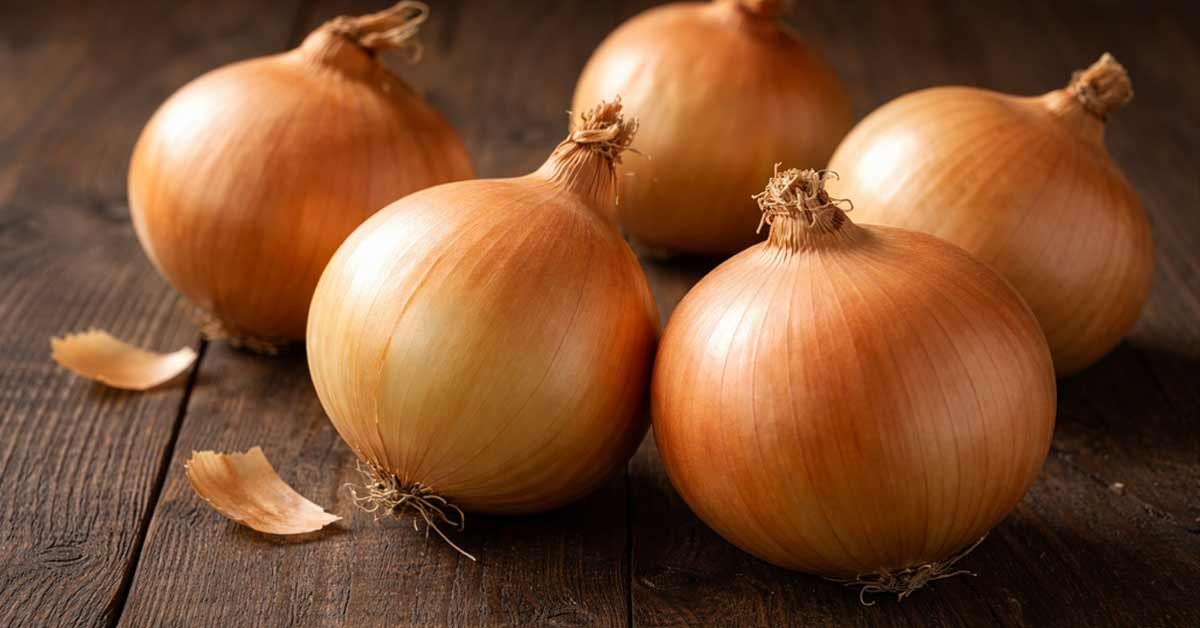
A Flavorful Ally for Your Heart and Immunity
You slice into it, and instantly that familiar sharp scent floats up, makes your eyes water a little, and suddenly your kitchen feels alive. That’s onion — humble, pungent, and far more than just a flavour boost in the pan. Globally, the bulb known scientifically as Allium cepa has been a kitchen staple for thousands of years, showing up in everything from rustic stews to celebratory feasts and even traditional remedies. People have always felt there was something beyond taste in this layered vegetable, and modern research confirms it isn’t just folklore. There’s a remarkable array of compounds in onions that relate to both heart health and immunity.
When you think of foods linked to wellness, onions often fly under the radar — overshadowed by blueberries, kale, or salmon. Yet onions are packed with nutrients that matter. They’re low in calories and provide water, fibre, essential vitamins, and minerals. More importantly, they contain a suite of bioactive compounds, including flavonoids such as quercetin and organosulfur compounds, which science shows have antioxidant and physiological activity beyond basic nutrition.
Table of Contents
Through centuries of culinary use, people intuitively appreciated the onion’s sharp taste and versatility. In many cultures, onions were among the first vegetables consumed daily because they kept well, added depth to simple meals, and seemed to make people feel good. That sense wasn’t just sentimental. Today we understand that many compounds in onions interact with biological processes that relate to how the body handles oxidative stress, inflammation, and general cellular communication — all of which tie into how the heart functions and how the body responds to environmental challenges.
Onion’s taste and tear‑inducing aroma come from sulfur‑containing molecules that break out when you cut the bulb. These same compounds are part of an interesting chemical family that research connects to antioxidant activity and, in some experimental models, modulation of factors related to blood vessel function and cell signalling. This is relevant because processes like oxidative stress and inflammation are part of how people think about maintaining cardiovascular wellness, even though isolating any single food as a “cure” isn’t scientifically sound.
In everyday meals, onion is a low‑calorie way to add depth and character — but that’s just the start. The texture and sweetness that develops when it’s gently cooked, versus the sharp tang when eaten raw, reflect not only culinary chemistry but shifts in how its compounds are structured and absorbed. Quercetin, one of the principal flavonoids in onions, gets a lot of scientific attention because it’s one of the most abundant flavonoids people consume in typical diets. Flavonoids are plant compounds that, in a broad array of research contexts, have been linked to pathways involved in antioxidant defence and cell signalling.
Onions also contain vitamin C and several B vitamins, along with minerals like potassium. Vitamin C contributes to normal physiological functions, including collagen formation and immune cell activity, although it’s just one piece of a very complex system. Potassium plays a role in fluid balance and nerve function, factors that support broad cardiovascular function.
Anecdotally, people often recall being told to eat salads with raw onion or add it to sandwiches in seasons when colds were common. That folk wisdom had a practical nutritional basis: onions have compounds that interact with microbial cell structures and may influence the body’s response to certain microbial exposures in experimental systems. Allium cepa extracts show activity in laboratory settings that suggests antimicrobial and immune‑modulating potential, and whole onion contains prebiotic fibres that feed beneficial gut bacteria, which in turn support general physiological balance.
The vegetable’s role in cuisine and wellness narratives isn’t a coincidence. The chemistry of onion — both the taste‑shifting sulphur compounds and the colourful flavonoids — reflects how plants evolve defence mechanisms that, when consumed, engage with human biology in tangible ways. For people who enjoy food that’s layered, interesting, and rooted in tradition, onion offers a unique blend of sensory appeal and nutritional complexity that makes it a compelling subject when we talk about foods people commonly eat that also contribute to health‑related patterns.
When you reach for an onion — whether yellow for a caramel fade in a stew or red for a crunchy salad garnish — you’re choosing a vegetable that’s layered with both flavour and a scientifically observed constellation of bioactive compounds. These compounds relate to processes associated with cardiovascular wellness and immune responses. Over the coming sections, we’ll look at how these connections show up in scientific research and practical culinary use.
Heart‑Smart Nutrients in Onion
Onion isn’t just a kitchen staple. When you take a closer look at this unassuming bulb, you find a surprising profile of nutrients and plant‑derived compounds that science has studied in relation to heart health. Long before researchers started measuring flavonoids and organosulfur compounds in labs, people intuitively paired onions with meals for both taste and well‑being. Today’s evidence suggests there’s merit to that instinct. Onions contain a combination of micronutrients, phytochemicals and fibres that fit into patterns associated with cardiovascular wellness. What follows isn’t a prescription, but a clear picture of how these components function and how you can work with them in everyday life.
Key Compounds That Support Cardiovascular Wellness
At the heart of onion’s nutritional profile are several compound groups that have drawn scientific attention for their activity in biological systems relevant to cardiovascular wellness. Among them, flavonoids — especially quercetin — stand out. Quercetin is one of the most abundant flavonoids in the human diet, and onion is among the richest common sources. Flavonoids are plant compounds that plants use for defence and signalling, and when we eat them they participate in antioxidant responses and cellular communication pathways. Higher dietary flavonoid intake has been associated in observational studies with patterns of healthier cardiovascular markers.
Onions also contain organosulfur compounds. These are released when the bulb’s tissues are broken — such as by chopping or crushing — and they are responsible for onion’s distinctive aroma and flavour. These sulphur‑containing molecules are not nutrients in the classical sense like vitamins and minerals, but they interact with enzymes and signalling pathways in ways that researchers have linked with blood vessel function and inflammatory responses in controlled settings. These biochemical interactions aren’t magic bullets for heart disease, but they offer plausible pathways through which regular dietary patterns that include onion might contribute to broader nutrient mixes that support cardiovascular physiology.
In addition to plant compounds, onions provide small amounts of micronutrients that are relevant to overall dietary quality. Potassium, for instance, is involved in fluid balance and nerve function — factors that influence normal cardiovascular function. While you won’t meet your daily potassium needs from onions alone, including them as part of a varied diet contributes positively to overall micronutrient intake. Vitamin C, present in modest amounts in fresh onion, participates in collagen formation for connective tissue, which is necessary for healthy blood vessels. Again, no single food provides everything, but onion contributes to nutrient intake in a way that complements other heart‑healthy foods.
Antioxidants and Oxidative Stress
Oxidative stress is a term used in research to describe a state in which reactive molecules can damage cellular components if they aren’t adequately neutralised. In science, antioxidants are substances that help balance these reactive molecules. The antioxidant capacity of onion is tied both to its flavonoids and to its organosulfur compounds. Flavonoids like quercetin can neutralise certain reactive oxygen species in laboratory models and influence signalling pathways that regulate cellular stress responses. Organosulfur compounds also interact with antioxidant systems in cells.
When researchers measure antioxidant activity in foods, they often extract compounds from the plant material and observe how they behave in test systems. These measures give clues about how foods might contribute to antioxidant capacity in the body, but they don’t directly translate into disease prevention claims. Still, patterns of dietary intake that are higher in flavonoids and related plant compounds have been associated in large population studies with healthier cardiovascular outcomes. Onions consistently rank high among common vegetables in terms of flavonoid content, especially when eaten raw or lightly cooked.
What does this mean in real terms? Think of antioxidants less like shields that block all damage and more like tools that help the body respond to metabolic demands. A diet rich in plant‑based foods — including onions, berries, leafy greens, and whole grains — provides a spectrum of antioxidants and related phytochemicals. These compounds work in concert with vitamins and minerals to support normal cellular function. It’s not about a single nutrient acting alone, but about how a pattern of intake influences the body’s ability to maintain balance.
Cooking can alter antioxidant profiles. For example, heat can reduce vitamin C content but may make some flavonoids more available. The texture and sweetness you notice when you sauté onion reflect chemical changes that also affect its phytochemicals. Some research shows that lightly cooking onion preserves more quercetin than long stewing, but both raw and cooked forms offer benefits in the context of a varied diet.
Everyday Habits That Enhance Heart Support
You can think of an onion as a versatile building block in heart‑friendly eating patterns. It works well with leafy greens, legumes, whole grains, and lean proteins — all of which contribute nutrients and dietary fibres known to support cardiovascular wellness. Here are practical ways to incorporate onions into daily meals with heart health in mind:
• Use raw onion in cold dishes. Sliced red onion on salads, sandwiches or salsas adds crunch, flavour and flavonoids. The sharper taste of raw onion comes from organosulfur compounds that are intact before cooking.
• Lightly cook onion to enhance sweetness and complexity. Gently sauté yellow or white onion with olive oil before adding vegetables or grains. This softens the flavour and helps retain a mix of phytochemicals.
• Mix onion with legumes and whole grains. Onions pair beautifully with lentils, beans, brown rice and quinoa. These combinations increase fibre, plant proteins, and flavonoids in a meal — all aligned with heart‑conscious eating patterns.
• Use onion in soups and broths. Even slow‑cooked soups benefit from foundational flavours like onion. While longer cooking can reduce some heat‑sensitive nutrients, it also releases flavours and makes dishes more satisfying — which can help with portion control and reduce reliance on high‑salt seasonings.
• Explore different onion varieties. Red onions are especially high in quercetin, while yellow and white onions offer milder flavours that suit different recipes. Including a range of types adds variety to your nutrient intake.
• Mind the balance. Onions add flavour, but they work best in balanced meals that include vegetables, whole grains, and lean proteins. Think of onion as a nutritional enhancer rather than a lone solution.
Integrating onion into your meals doesn’t require big changes. Simple practices like keeping pre‑sliced onion in the fridge for quick use, adding them to stir‑fries, or including them in homemade dressings can steadily boost your intake of heart‑supportive plant compounds. Over time, these small habits add up as part of a broader pattern of food choices that support cardiovascular well‑being.
Onion brings a complex set of nutrients and plant compounds into the diet. Flavonoids like quercetin, organosulfur molecules, and antioxidant activity contribute to patterns of intake that researchers associate with healthier markers of cardiovascular function. These aren’t proclamations that onion cures heart disease, but they are clear reasons why this vegetable appears so frequently in health‑oriented dietary patterns around the world. Onion isn’t a stand‑alone answer, but when paired with other nutrient‑dense foods, it becomes a flavorful and meaningful part of eating for heart health.
Onion and Immune Resilience
Onions are more than a flavor booster; they quietly contribute to supporting your body’s natural defence mechanisms. While no food can “boost immunity” in a magical sense, onions provide a combination of nutrients and plant compounds that participate in normal immune processes. Including them regularly as part of a balanced diet is an easy, flavorful way to interact with multiple dietary pathways that relate to general wellness.
Nutrients That Play a Role in Immunity
Onions contain several nutrients that interact with the immune system in supportive ways. Vitamin C, one of the most recognized nutrients for immunity, is present in onions, especially fresh and raw varieties. Vitamin C is involved in the maintenance of normal immune cell function and helps the body respond to environmental stressors. While onions aren’t the highest source compared with citrus fruits, including them in salads or salsas contributes to daily intake and complements other sources.
Selenium, another trace element found in small amounts in onions, supports antioxidant defense systems, which play a role in maintaining normal immune function. Folate, vitamin B6, and other B vitamins also appear in onions, helping support cellular metabolism, including that of immune cells. When combined with a diet rich in diverse vegetables, whole grains, and lean proteins, onion’s nutrients help create an environment where immune systems can operate efficiently.
Onion also contains prebiotic fibres, such as fructooligosaccharides, which feed beneficial gut bacteria. Healthy gut microbiota influence immune signaling and can support overall physiological balance. Regular inclusion of onions in meals can thus be part of a broader dietary pattern that encourages microbial diversity in the gut, which research shows correlates with aspects of normal immune function.
Antimicrobial and Anti-inflammatory Potential
Onion’s organosulfur compounds are responsible for its characteristic aroma and flavor, but they also interact with biological processes relevant to inflammation and microbial interactions. Laboratory studies show that extracts from onions can influence microbial growth in controlled settings, and sulfur compounds have been associated with anti-inflammatory activity in cell-based models. These effects are not equivalent to disease prevention or treatment, but they illustrate how compounds in onions can modulate biological pathways linked to immune response.
Quercetin and other flavonoids in onions further support antioxidant activity, which can help regulate inflammatory processes. Inflammation is a normal physiological response, but excessive or chronic inflammation can strain systems in the body. Including foods like onions, which contain flavonoids and sulfur compounds, contributes to a diet that naturally balances pro- and anti-inflammatory signals. Cooking changes these compounds subtly; lightly sautéing onions can preserve much of their flavonoid content, while caramelizing develops different flavors without eliminating all beneficial molecules.
Integrating Onion Into Immune-Friendly Meals
Incorporating onion into meals is simple, flavorful, and versatile, enhancing both taste and nutrient variety. Here are practical approaches:
- Raw additions: Thinly slice red onion into salads, grain bowls, or sandwiches. Raw onions retain the highest levels of vitamin C and flavonoids.
- Lightly cooked: Sauté onions with olive oil or steam them lightly before adding to soups, stir-fries, or vegetable sautés. This approach softens flavor while preserving many bioactive compounds.
- Pair with other immune-supporting foods: Combine onions with garlic, leafy greens, bell peppers, and legumes to create meals dense in vitamins, minerals, and plant compounds.
- Use as a base for sauces and dressings: Onions can be pureed into dressings, dips, and marinades, delivering flavor and nutrients with minimal effort.
- Incorporate into daily patterns: Keep pre-chopped onions in the fridge for quick use. Adding onions to breakfast omelets, lunch wraps, and dinner stews ensures consistent intake.
Even small, regular servings of onion contribute to a varied diet that supports multiple aspects of immune function. The goal isn’t a single “immune-boosting” meal but developing a habitual pattern where nutrient-rich vegetables like onions play a consistent role in supporting your body’s natural defenses. Through their combination of vitamins, minerals, prebiotic fibers, and bioactive compounds, onions offer a practical and delicious way to interact with your body’s immune pathways every day.
Making Onion a Culinary Habit That Lasts
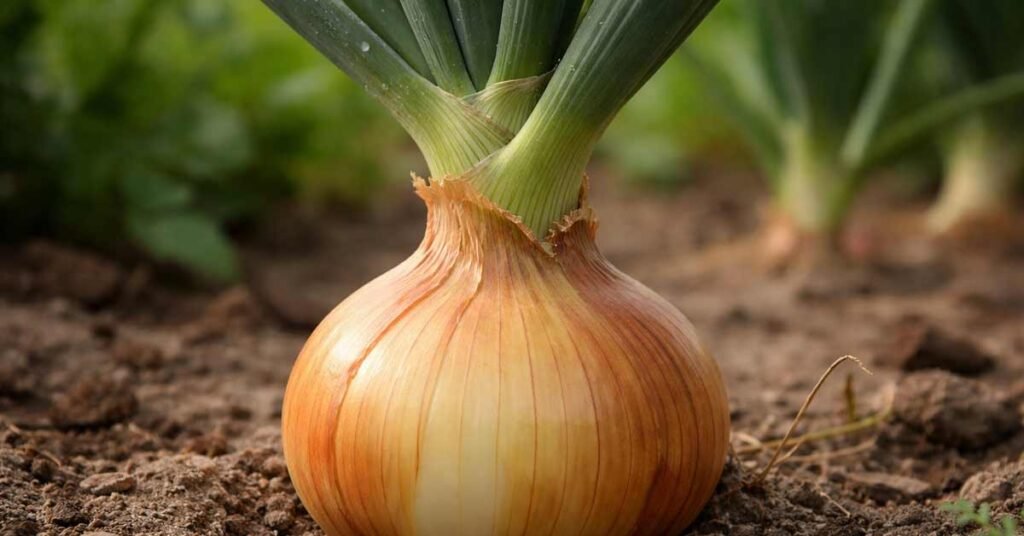
Onion is versatile, inexpensive, and widely available, making it one of the easiest vegetables to include in daily meals. Beyond its flavor, it contains nutrients and plant compounds that complement heart health and immune function. The key to making it a long-term habit is understanding how to select, store, and prepare onion in ways that maximize its nutritional and culinary value.
Choosing and Storing Onion for Maximum Value
Selecting onions is the first step to ensuring both flavor and nutrient content. Look for bulbs that are firm, dry, and free from soft spots or mold. The skin should be papery and tight, indicating freshness. Red onions are particularly high in quercetin and other flavonoids, while yellow and white onions offer milder flavors and different culinary applications.
Storage is simple but crucial. Keep onions in a cool, dry, well-ventilated area away from direct sunlight. A mesh bag or basket works well to allow air circulation. Avoid storing onions near potatoes; the gases from potatoes can accelerate sprouting and spoilage. When stored properly, onions can last several weeks, making them a convenient ingredient for meal prep and everyday cooking.
Pre-cut onions are convenient but lose nutrients more quickly, especially vitamin C, which is sensitive to air and light. If using pre-cut onions, store them in airtight containers in the refrigerator and use them within a few days. Whole bulbs, in contrast, maintain their nutrient content for a longer period.
Cooking Approaches That Preserve Nutrients
How you prepare onions affects both their flavor and the retention of beneficial compounds. Raw onions retain the highest levels of vitamin C and flavonoids, making them ideal for salads, salsas, and cold dishes. When eaten raw, the sharpness of the sulfur compounds is most pronounced, contributing to flavor and potential biological activity.
Lightly cooking onions — sautéing, steaming, or roasting at moderate temperatures — softens the pungency and develops a natural sweetness. Cooking can decrease some heat-sensitive nutrients like vitamin C but may make flavonoids more available for absorption. Longer cooking or high-heat methods can lead to more nutrient loss but still offer flavorful dishes that complement other healthful ingredients.
Caramelization, while reducing some antioxidants, creates rich flavors that enhance meal satisfaction, which can indirectly support healthy eating habits. Combining raw and lightly cooked onions throughout the week can provide a balance of flavor and nutrient retention.
Portioning and Meal Planning Insights
Incorporating onions into daily meals doesn’t require large quantities. Even small amounts add flavor, fiber, and plant compounds that contribute to overall dietary quality. A typical serving size is about half a medium onion (roughly 50–60 grams), which can be included in salads, stir-fries, soups, or sandwiches.
Meal planning can make regular onion consumption effortless. Chop a batch of onions at the start of the week for quick use in meals. Use onions as a flavor base for soups, sauces, and stews, which spreads their benefits across multiple servings. Pair onions with protein-rich foods, whole grains, and colorful vegetables to enhance nutrient variety and balance.
Rotating onion types — red, yellow, white, or sweet — not only adds visual appeal and flavor diversity but also ensures a broader range of phytonutrients. Consistency matters more than quantity; making onions a regular component of your meals is more effective than sporadic large portions.
By combining thoughtful selection, proper storage, mindful cooking, and practical portioning, onions can become a sustainable, enjoyable part of everyday eating. Its layered flavors and nutritional profile make it easy to integrate into varied meals, supporting long-term dietary patterns that align with heart health and immune resilience.
Best Selling Onion Related Products


Small Changes, Big Benefits: Living With Onion
Onion has a way of sneaking into your meals without much fanfare, yet over time, those small daily servings can accumulate into meaningful contributions to your overall diet. It’s not about a single heroic meal; it’s the consistent inclusion that matters. The key is embracing simple, practical habits that make onion a natural part of your cooking rhythm.
Think about it like seasoning your life as much as your food. Keeping a few onions on the counter or pre-chopped in the fridge turns “I’ll add some tomorrow” into “it’s already there.” That convenience makes it easier to reach for onions at breakfast in an omelet, at lunch in a salad, and at dinner in a soup or stir-fry. Over weeks and months, those small additions create a pattern of nutrient intake — flavonoids, sulfur compounds, fiber, and vitamins — that complements other vegetables, whole grains, and proteins in your diet.
Incorporating onions doesn’t require culinary mastery. Try caramelizing a few slices to top roasted vegetables or blending them into a homemade dressing. Even a simple raw garnish on tacos or sandwiches adds texture, flavor, and phytonutrients. The variety of onion types — red, yellow, white, sweet — makes it easy to rotate flavors, which keeps meals interesting and avoids monotony.
The real magic lies in consistency. When onion becomes a habitual ingredient rather than an occasional add-on, it quietly supports a dietary pattern associated with heart health and immune resilience. Small, repeated choices — a tablespoon here, a slice there — matter more than sporadic large servings. This approach also encourages broader engagement with plant-based foods and balanced meals, which together form the foundation of sustainable nutrition.
Beyond nutrition, there’s the sensory pleasure: the aroma that fills the kitchen, the slight bite when eaten raw, and the sweetness that develops when cooked. These experiences make meals enjoyable, which matters because enjoyment increases the likelihood of maintaining healthy habits long-term. In other words, onions make healthy eating both practical and pleasurable.
Ultimately, living with an onion is about integrating it seamlessly into your lifestyle. It’s about making minor adjustments to meal prep, keeping onions accessible, and exploring new ways to enjoy their flavor. These small shifts translate into cumulative benefits: a richer diet, more consistent intake of beneficial plant compounds, and a subtle but meaningful contribution to overall health patterns. Over time, what starts as a simple habit becomes a cornerstone of daily eating, reinforcing both flavor and well-being without feeling like a chore.
Article Sources
At AncientHerbsWisdom, our content relies on reputable sources, including peer-reviewed studies, to substantiate the information presented in our articles. Our primary objective is to ensure our content is thoroughly fact-checked, maintaining a commitment to accuracy, reliability, and trustworthiness.
- Zhao, X., Lin, Y., & Wang, L. (2021). Recent advances in bioactive compounds, health functions, and safety concerns of Allium cepa L. Frontiers in Nutrition, 8, 669805. https://doi.org/10.3389/fnut.2021.669805
- Marefati, N., Ghorani, V., Shakeri, F., Boskabady, M. H., Kianian, F., & Rezaee, R. (2021). A review of anti‑inflammatory, antioxidant, and immunomodulatory effects of Allium cepa and its main constituents. Pharmaceutical Biology, 59(1), 285–300. https://doi.org/10.1080/13880209.2021.1874028
- Stoica, F., Rațu, R. N., Veleșcu, I. D., & Râpeanu, N. (2023). A comprehensive review on bioactive compounds, health benefits, and potential food applications of onion (Allium cepa L.) skin waste. Trends in Food Science & Technology, 141, 104173. https://doi.org/10.1016/j.tifs.2023.104173
- Bedir, A. S., Almasri, R. S., & Elnady, R. E. (2025). Exploring the therapeutic potential of Allium cepa and Allium sativum extracts: current strategies, emerging applications, and sustainability utilization. Biology, 14(8), 1088. https://doi.org/10.3390/biology14081088
- Olszowy‑Tomczyk, M., Garbaczewska, S., & Wianowska, D. (2022). Correlation study of biological activity with quercetin and phenolics content in onion extracts. Molecules, 27(23), 8164. https://doi.org/10.3390/molecules27238164
- Note: All sources above are peer‑reviewed research articles and comprehensive reviews that discuss the bioactive compounds, nutritional composition, and potential health functions of onion (Allium cepa), including its phytochemicals, antioxidant capacities, and interactions with biological processes related to cardiovascular and immune systems.

- Peas: Plant Protein Vegetable for Heart Health - April 5, 2026
- Onion: Vegetable for Heart Health and Immunity - April 5, 2026
- Okra: Fiber Vegetable for Digestion and Gut Health - April 5, 2026