
The Scent You Thought You Knew
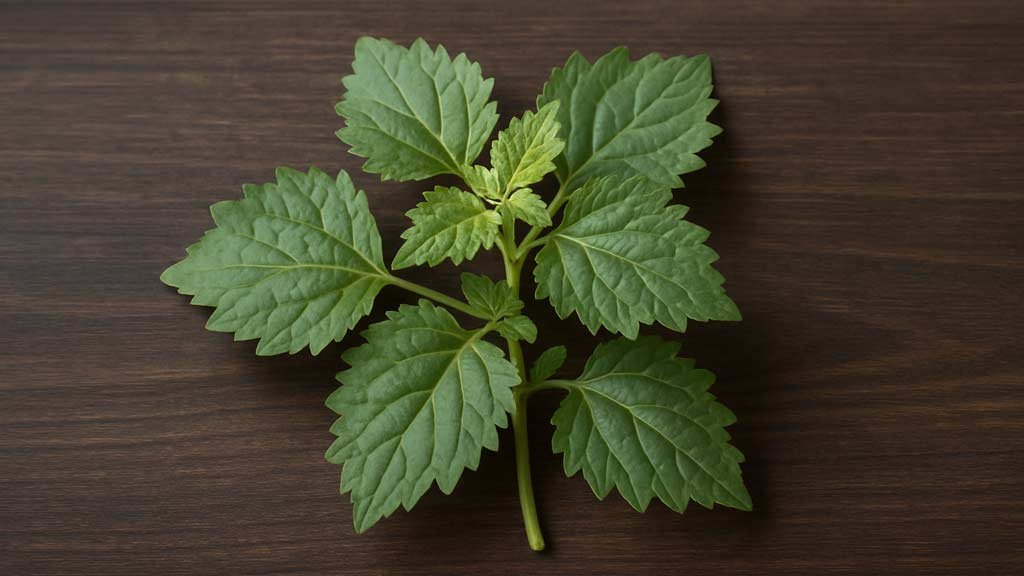
Patchouli. Just the name evokes earthy, musky, slightly sweet aroma drifting from incense or a vintage perfume bottle. Many think of it as “hippie perfume” or a background note in potpourri. But patchouli (Pogostemon cablin) is much more than a fragrant curiosity. Beneath that rich scent lies a herb with centuries of traditional medicinal use, ranging from skin care to mood enhancement, digestive support, and even antimicrobial action.
It’s fascinating how a single plant can span so many domains—aromatic, therapeutic, and cultural. Sometimes I wonder if people underestimate patchouli simply because its scent is so familiar, so ubiquitous. They don’t realize it’s been quietly serving people for centuries.
Table of Contents

Origins and Historical Uses
Patchouli is native to Southeast Asia, especially Indonesia, Malaysia, and the Philippines. Historically, its leaves were dried and used in textiles to repel insects—a practical aroma indeed. Traders transported it across Asia and into Europe, where it eventually became synonymous with luxury perfumes in the 19th century.
Medicinally, it has been used in traditional Chinese medicine, Ayurveda, and folk herbalism. Some traditional uses include:
- Treating skin conditions like acne, dermatitis, and eczema
- Reducing inflammation and swelling
- Supporting digestion and appetite
- Relieving stress and mild anxiety
It’s a versatile plant, really. And unlike some flashy modern herbs, patchouli’s effects are subtle, cumulative, and grounding.
Phytochemistry: What Makes Patchouli Work
Patchouli owes its properties to a variety of chemical compounds concentrated in its leaves and oil:
- Patchoulol – primary sesquiterpene, contributes to calming, anti-inflammatory effects
- α-Bulnesene – earthy aroma, supports antimicrobial activity
- α-Guaiene – antioxidant and soothing properties
- Norpatchoulenol – minor sesquiterpene with potential skin benefits
These compounds work together to create both its distinctive aroma and therapeutic profile. It’s why inhaling patchouli oil can calm your mind while topical application can soothe the skin.
Aromatherapy and Mood Support
The first thing most people notice about patchouli is its scent. And the science backs up what folk traditions have known: inhaling patchouli oil can influence the nervous system.
Effects on the Mind and Mood
- Reduces anxiety and mild stress
- Promotes a sense of grounding and emotional balance
- Can enhance mindfulness and meditative practices
I remember someone describing it as “a hug for your brain.” There’s a richness to patchouli that feels like it reaches past superficial senses and encourages the body to relax. Diffusing a few drops in a room is subtle but effective—enough to notice without overwhelming.
Patchouli for Skin Health
Patchouli oil is highly valued in skincare. Its antimicrobial and anti-inflammatory compounds make it ideal for addressing a variety of skin concerns.
Common Applications
- Acne-prone skin: Helps reduce inflammation and bacteria on the skin surface
- Dry skin and dermatitis: Soothes irritation and supports healing
- Wounds and minor cuts: Promotes tissue repair and reduces microbial risk
You don’t need much. A drop or two mixed with a carrier oil like jojoba or almond can make a significant difference when applied consistently. Some traditional practices even used patchouli leaves themselves, crushed into poultices, for minor wounds.
Digestive Support and Internal Uses
In traditional Asian herbalism, patchouli has been used to aid digestion. Its compounds can help stimulate appetite, relieve bloating, and support gastrointestinal balance.
How It’s Traditionally Used
- Herbal tea: Leaves steeped in hot water to support digestion
- Tinctures or extracts: Small doses for gut health
- Combination with other herbs: Often paired with ginger or fennel to enhance digestive function
Its effect isn’t dramatic like a laxative or antacid. It’s gentle, stabilizing, and cumulative over time.
Patchouli as an Insect Repellent
Historically, patchouli has served a practical purpose beyond medicine. Its strong, persistent aroma repels insects. Travelers in tropical Asia relied on patchouli leaves to protect clothing from moths and to reduce insect bites. Even today, it’s included in some natural insect-repellent formulations.
Application Ideas
- Dried leaves in closets or drawers
- Patchouli-infused oils for skin (diluted)
- Aromatherapy diffusers during mosquito season
It’s a reminder that herbs often carry layered functions—both practical and medicinal.
Sexual Wellness and Libido
Patchouli is frequently cited as an aphrodisiac. The grounding, calming scent can reduce stress and increase intimacy by enhancing sensory awareness and emotional presence.
Practical Approaches
- Massage oil blends: Combine patchouli with sandalwood, ylang ylang, or rose for sensual support
- Diffuser aromatherapy: Use in private spaces to create an intimate, relaxed atmosphere
- Bath rituals: Warm water and patchouli oil can subtly elevate mood and sensual awareness
It’s subtle. Not overpowering or gimmicky, but persistent enough to influence mood and perception.
How to Use Patchouli Safely
Patchouli oil is potent. General guidelines include:
- Always dilute in carrier oil for topical use
- Avoid ingestion unless prepared by an experienced herbalist
- Patch test new formulations to avoid allergic reactions
- Pregnant or breastfeeding women should consult a healthcare provider before use
Patchouli is generally considered safe, but like all essential oils, respect its potency. A little goes a long way.
Growing Patchouli at Home
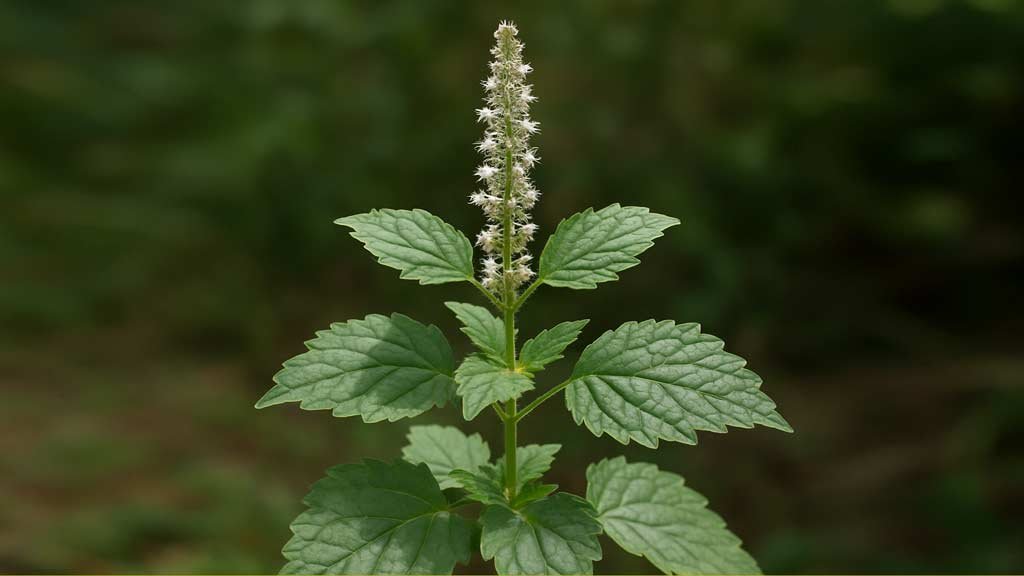
Patchouli thrives in tropical and subtropical climates, though it can be grown indoors in pots if provided warmth and humidity. The plant is leafy, with aromatic green leaves that release fragrance when crushed.
Harvesting is simple: trim the leaves and either use fresh or dry them for oil distillation. Growing your own patchouli adds a personal connection to its aroma and therapeutic properties.
Combining Patchouli with Other Herbs and Oils
Patchouli pairs well with:
- Sandalwood: Deepens grounding, enhances meditative effects
- Citrus oils (orange, bergamot): Lifts mood while maintaining earthy undertones
- Lavender: Balances calming and floral properties
- Clary sage: Supports emotional balance and relaxation
These blends allow customization for personal aromatherapy, massage, or topical use.
Emotional and Psychological Benefits
Patchouli is more than a scent; it’s a tool for emotional resilience. Many describe it as stabilizing and centering. Whether diffused during meditation or applied in small amounts on pulse points, patchouli has a subtle way of signaling “slow down, notice yourself, breathe.”
It’s grounding in a chaotic world, a reminder of the power of scent to influence mind and body.
Modern Applications Beyond Perfume
While patchouli’s fame began with fragrance, modern herbalism continues to explore its potential:
- Aromatherapy for anxiety reduction
- Skincare formulations for acne and eczema
- Digestive aids and mild tonics
- Natural insect repellents
It’s a plant that transcends categories—perfume, medicine, practical herb. Few plants have such layered utility.
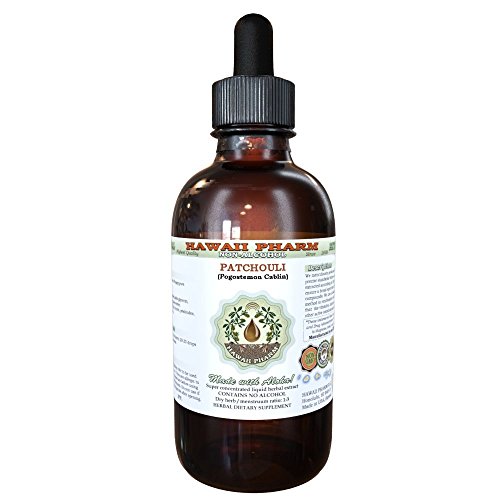
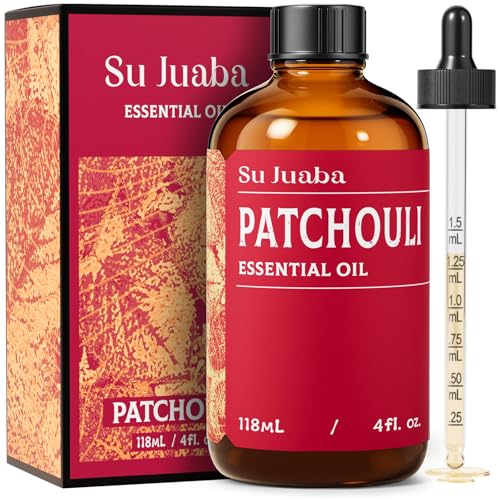
Best Selling Patchouli Supplements


Closing Thoughts
Patchouli is often underestimated because of its ubiquitous scent. Yet, it embodies versatility, depth, and centuries of human experience. It’s calming, skin-nurturing, subtly aphrodisiacal, and historically practical.
This herb invites you to explore slowly. Brew a cup of patchouli tea, inhale its oil in meditation, or massage a small amount into the skin. You’ll start to notice its quiet power—the kind that doesn’t scream for attention but earns respect through persistent, gentle effect.
Patchouli reminds us that the most profound allies are often the ones we’ve overlooked, waiting to show their value if we pay attention.
Article Sources
At AncientHerbsWisdom, our content relies on reputable sources, including peer-reviewed studies, to substantiate the information presented in our articles. Our primary objective is to ensure our content is thoroughly fact-checked, maintaining a commitment to accuracy, reliability, and trustworthiness.
- Buchbauer, G., Jirovetz, L., Jäger, W., Dietrich, H., & Plank, C. (1993). Fragrance compounds and essential oils with sedative effects upon inhalation. Journal of Pharmaceutical Sciences, 82(6), 660–664. https://doi.org/10.1002/jps.2600820615
- Lis-Balchin, M. (2006). Aromatherapy Science: A Guide for Healthcare Professionals. Pharmaceutical Press. https://www.pharmpress.com
- Mills, S., & Bone, K. (2013). Principles and Practice of Phytotherapy: Modern Herbal Medicine (2nd ed.). Churchill Livingstone. https://www.elsevier.com
- Tisserand, R., & Young, R. (2014). Essential Oil Safety: A Guide for Health Care Professionals (2nd ed.). Elsevier Health Sciences. https://www.elsevier.com
- Zhang, X., Guo, Y., Guo, L., Jiang, H., Ji, Q., & Zhou, H. (2014). Chemical composition and antimicrobial activity of patchouli oil from Pogostemon cablin. Journal of Essential Oil Bearing Plants, 17(1), 1–6. https://doi.org/10.1080/0972060X.2013.854435

- Nectarine: Stone Fruit for Heart Health and Antioxidants - March 8, 2026
- Peach: Hydrating Fruit for Skin Health and Digestion - March 8, 2026
- Plum: Fiber-Rich Fruit for Digestion and Heart Health - March 8, 2026
