
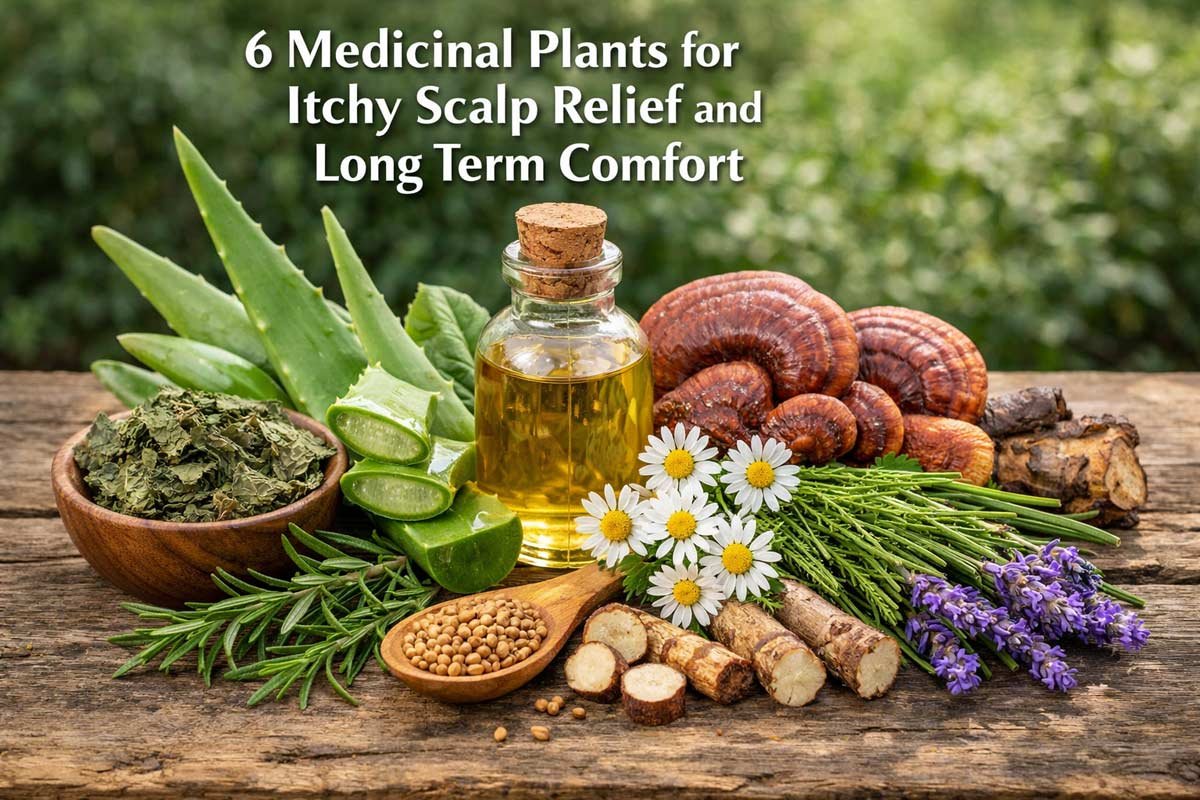
When the Scalp Will Not Settle Down
An itchy scalp is rarely just about dryness. Anyone who has lived with it for a while knows that. The itch has a personality. Sometimes it prickles lightly, like static under the skin. Other times it burns, pulses, or tightens, especially at night or after washing. You scratch without thinking. Relief comes for a second, then the sensation creeps back in, almost annoyed you tried to ignore it.
What most people miss is that the scalp is not separate from the rest of the body. It is dense tissue. Highly vascular. Loaded with nerve endings. Packed with immune cells. When it itches persistently, something is off. Barrier function, microbial balance, inflammation, stress signaling, or all of them at once. This is why throwing random shampoos at the problem so often fails.
Table of Contents

Plants for itchy scalp work differently from cosmetic fixes. They do not just mask sensation. They interact with tissue. They cool heat. They soften tension. They feed regeneration. Some calm immune overreaction. Others rebalance oil production or discourage microbes that love irritated skin. The real shift happens when the scalp feels supported rather than scrubbed into submission.
It helps to stop thinking of itch as an enemy. It is feedback. The scalp asking for something specific. Too much heat. Too much dryness. Too much yeast activity. Too much stress driving inflammatory signals to the skin. Plants for itchy scalp are most effective when chosen with that question in mind. What is this itch trying to say?
I have seen scalps that flaked because the tissue was starved and tight, not oily. Others were shiny, inflamed, and hypersensitive, reacting to every product that touched them. Some itched only during periods of emotional stress, when sleep was shallow and digestion sluggish. In each case, the plant strategy looked different, even though the complaint sounded the same.
Modern hair care tends to strip and sterilize. Herbal care nourishes and regulates. That difference matters. The scalp has its own microbiome. When it is balanced, you rarely think about it. When it is disturbed, itch becomes a daily companion. Many plants for itchy scalp exert gentle antimicrobial pressure without carpet bombing the skin. They discourage opportunistic organisms while allowing healthy flora to reestablish themselves. That is a subtle but powerful distinction.
Another overlooked piece is circulation. The scalp is tight connective tissue stretched over bone. Stress, jaw tension, poor posture, and shallow breathing all reduce blood flow to this area. Reduced circulation means slower repair and heightened nerve sensitivity. Several traditional plants for itchy scalp work indirectly by improving microcirculation and calming the nervous system, making the tissue less reactive over time.
Then there is inflammation. Not the dramatic, swollen kind, but low grade irritation that never quite resolves. This kind of inflammation amplifies itch signals even when the skin looks normal. Many plants for itchy scalp are rich in flavonoids, polysaccharides, and terpenes that interrupt inflammatory cascades at the skin level. Used consistently, they change how the scalp responds rather than constantly chasing symptoms.
Form matters too. Infusions, decoctions, oils, gels, vinegars. A plant applied incorrectly can irritate instead of soothe. For example, alcohol heavy extracts on already inflamed scalps often make itching worse, even if the plant itself is appropriate. Traditional use offers clues here. Cooling plants are often used fresh or as gentle water extractions. Resins and roots are handled differently. Paying attention to preparation is part of the medicine.
It is also worth saying that scalp itch often reflects internal patterns. Heat in the system. Poor fat digestion. Histamine sensitivity. Chronic stress. This does not mean the solution has to be complicated, but it does mean that long term comfort often comes from pairing topical plants with systemic ones. Some of the most reliable plants for itchy scalp work from the inside out, modulating immune tone and stress response so the scalp can finally relax.
People are often surprised when the itch fades gradually rather than disappearing overnight. That is usually a good sign. Tissue is recalibrating. Nerves are settling. Oil production is normalizing. Plants for itchy scalp tend to work in layers. First, they reduce the intensity. Then the frequency. Finally, the scalp stops demanding attention altogether.
The goal is not a perfectly sterile scalp. It is a resilient one. One that tolerates weather changes, occasional product use, stress, and missed washes without flaring. Plants excel here because they are adaptive by nature. They do not force the tissue in one direction. They encourage balance.
Throughout this article, you will see different categories of plants for itchy scalp. Some offer immediate relief. Others address chronic patterns that keep the itch coming back. A few work systemically, influencing immune and stress pathways that most people never connect to scalp health. You will also notice overlap. That is intentional. Plants rarely do just one thing, and that complexity is part of why they work so well when used with intention.
If you are used to fighting your scalp, this approach may feel slower at first. But once the tissue feels heard, the relationship changes. Less urgency. Less scratching. Less obsession. Just a quiet scalp doing its job without complaint. That is long term comfort, and plants for itchy scalp are uniquely suited to get you there when chosen wisely and used with patience.
Soothing and Anti Inflammatory Plants for Immediate Relief
When the scalp feels hot, tight, or hypersensitive, calming the inflammation is the first priority. You can almost feel the nerves firing, each hair follicle a tiny antenna broadcasting irritation. Plants for itchy scalp that act here do not just mask the sensation; they interact with the tissue, soften it, and give the nervous system a chance to quiet down. Choosing the right plant depends on understanding how it soothes, what compounds are active, and how it is best applied.
1. Aloe Vera Leaf Gel
Aloe vera is a classic, and for good reason. Its gel is packed with polysaccharides, glycoproteins, and amino acids that attract and retain water in the tissue. When applied to an inflamed scalp, it cools almost instantly, reducing the prickly sensation that makes you want to scratch. But the magic is deeper than surface hydration. Aloe’s compounds interact with keratinocytes, the main cells of the epidermis, helping to restore barrier function. A compromised barrier amplifies itch because nerve endings become more exposed. Aloe rebuilds this barrier while delivering moisture, a dual-action effect that most conventional moisturizers cannot replicate.
I have seen it work on a scalp red from overuse of chemical shampoos. Daily application of fresh gel calmed the inflammation in a matter of days. The tissue relaxed, and flaking reduced. It is important to use pure gel rather than extracts with added alcohol, as alcohol can sting and worsen irritation. For chronic use, a thin layer massaged into the scalp 10–15 minutes before washing often provides sustained relief and softens the scalp for subsequent treatments.
2. Chamomile Flower
Chamomile is gentle but precise in its action. The flavonoids, particularly apigenin, and volatile oils like azulene have anti inflammatory effects. Applied as a cool infusion, chamomile reduces redness and quiets reactive nerves. For reactive or stress-sensitive scalps, this is particularly valuable. There is a subtle sedative effect on local nerve endings, not to the point of numbness, but enough to reduce that constant “tickle” itch.
Chamomile’s soothing effect can be amplified when combined with mild scalp massage. This encourages blood flow without provoking more inflammation. Traditional use often involves tea rinses after shampooing. The warm, fragrant liquid not only delivers the compounds to the scalp but also stimulates the tissue gently. In my experience, the ritual itself—slowly massaging chamomile infusion into the scalp—reinforces a nervous system response that signals relaxation and safety.
For sensitive scalps, it is best to avoid chamomile creams with added fragrance or preservatives, which can provoke irritation. Fresh or dried flowers steeped in cool water create the most reliable calming effect.
3. Calendula Flower
Calendula excels at supporting tissue repair while reducing irritation. Its triterpenoids, flavonoids, and carotenoids have documented anti inflammatory and regenerative properties. When applied to an itchy scalp, calendula reduces redness and swelling, and over time it supports the growth and maintenance of healthy epidermal tissue. This makes it especially valuable when scratching has caused small abrasions or micro-injuries.
A common approach is to prepare a calendula oil infusion, which can then be massaged directly into the scalp. The oil medium allows the active compounds to penetrate the skin slowly, providing sustained relief rather than a quick, fleeting cool. Some formulations combine calendula with aloe or chamomile, which can enhance the overall calming effect.
Calendula is not just about immediate comfort. Over weeks, repeated gentle application improves scalp resilience. Flaking diminishes, nerves become less reactive, and the skin’s natural regenerative cycles reestablish themselves. Patients often notice that what once demanded scratching multiple times a day now only feels mildly noticeable, and the urge passes quickly.
The common thread among these three plants—aloe vera, chamomile, and calendula—is that they respect the tissue. They do not overcorrect or overstimulate. They address redness, burning, and the mechanical itch directly while supporting long term scalp health. In practical use, you can see their effects within days: cooler, less reactive tissue, diminished flaking, and a scalp that slowly begins to tolerate normal stimulation without protest.
Application technique matters. Gently massaging the plant preparation, using a cool infusion rather than hot water, and avoiding harsh chemicals during this period enhances their effectiveness. For chronic irritation, alternating these plants or combining them in layered formulations often provides the most consistent relief.
Plants for itchy scalp that calm inflammation provide a foundation for recovery. Without this step, any antimicrobial or systemic treatments applied later are less effective because the tissue remains hypersensitive and reactive. Using aloe, chamomile, and calendula thoughtfully gives the scalp space to heal and prepares it for the longer term work of balancing oil, microbes, and immune signals.
Antimicrobial and Sebum Balancing Plants for Chronic Itch
Some scalp itches do not respond fully to anti-inflammatory plants alone. When flaking, persistent oiliness, or yeast overgrowth is involved, calming irritation is just the first step. The scalp environment itself needs balance. Plants for itchy scalp that modulate microbial populations and regulate sebum production can be transformative, especially for chronic or recurring cases. These plants work gently, nudging the scalp back toward equilibrium rather than stripping it bare.
4. Nettle Leaf
Nettle (Urtica dioica) is often underestimated. People think of it as just a spring tonic or a remedy for seasonal allergies, but its effects on the scalp are surprisingly robust. Nettle leaf is rich in flavonoids, minerals, and anti-inflammatory compounds, but its real strength in itchy scalp care lies in modulating sebum production and dampening histamine-driven responses.
Excess sebum can create a breeding ground for yeast and bacteria, which in turn triggers more itching. Nettle helps normalize oil output, creating a less hospitable environment for opportunistic microbes. It also reduces inflammatory cytokine signaling, meaning that itch intensity is lessened even if microbial triggers persist. Topical nettle rinses, made by steeping dried leaves in cool water, can be applied after cleansing to soothe, balance oil, and subtly discourage microbial overgrowth.
Beyond topical use, nettle can be incorporated into scalp tonics or infused oils. The gentle astringent quality of nettle tightens the tissue slightly, which can reduce the prickly sensation of a reactive scalp without drying it out. People with flaky, oily scalps often report that consistent use diminishes the frequency and severity of their flare-ups over weeks, not just hours.
5. Burdock Root
Burdock (Arctium lappa) has a long history in traditional scalp care, particularly for chronic itching and dandruff-like conditions. Its mild antimicrobial and anti-inflammatory properties make it ideal for cases where yeast or bacterial overgrowth contributes to discomfort. Burdock root contains lignans, polyphenols, and inulin, which help support tissue resilience while subtly modulating local microbial populations.
Applied as a decoction or infused into oil, burdock penetrates the scalp tissue, supporting repair while discouraging organisms that thrive on irritation. It does not act as a harsh disinfectant; instead, it promotes balance. Over time, burdock can reduce flaking, normalize scalp pH, and strengthen the tissue against repeated irritation. Many herbalists also note that burdock’s gentle stimulation of circulation helps feed hair follicles, improving overall scalp vitality and reducing the feeling of tight, reactive skin.
Burdock is particularly effective when combined with other balancing plants. For instance, a blend of burdock and nettle addresses both sebum regulation and microbial balance simultaneously, providing a synergistic approach to chronic itch. Repeated application over several weeks is usually necessary, but the results are often long lasting. The scalp gradually becomes less reactive, and flare-ups occur less frequently.
The principle behind using nettle and burdock together—or alongside soothing plants like aloe and chamomile—is simple: address both the surface irritation and the underlying environment that perpetuates it. It is rare for an itchy scalp to be caused solely by inflammation or solely by microbial imbalance. Most chronic cases are a combination, and these plants target that combination without harsh chemicals or over-drying.
Consistent topical use, ideally integrated into a hair care ritual rather than a one-time treatment, maximizes effectiveness. Massaging the scalp with these plant preparations not only delivers active compounds but also improves microcirculation, which further reduces sensitivity. Some practitioners also pair these topical applications with gentle scalp exfoliation using fine herbal powders to remove accumulated dead cells and sebum, enhancing absorption and improving long-term comfort.
Nettle and burdock are foundational plants for itchy scalp when chronic flare-ups involve oil imbalance or microbial triggers. They restore the environment, creating a scalp that is less reactive, less flakey, and less prone to persistent itch. Unlike quick-fix treatments that suppress symptoms temporarily, these plants work with the scalp’s natural physiology, providing relief that grows stronger over time.
Immune Modulating and Systemic Support Plants
Sometimes the itch persists despite careful topical care. The scalp is calm on the surface, inflammation is reduced, microbial balance is improving, yet the urge to scratch lingers. That’s when the deeper layers—immune function, systemic inflammation, and stress signaling—come into play. Plants for itchy scalp that work from the inside out help modulate these processes, creating long-term resilience. Among these, medicinal mushrooms, particularly reishi (Ganoderma lucidum), stand out for their ability to influence immune tone, nervous system balance, and tissue health.
6. Reishi Mushroom
Reishi has been used in traditional medicine for millennia, revered not for a single effect, but for its ability to harmonize the body. Its bioactive components—beta-glucans, triterpenes, and polysaccharides—interact with the immune system, encouraging regulation rather than overactivation. For a scalp prone to chronic itch, this is key. Many persistent cases are fueled by low-grade systemic inflammation or hypersensitive immune responses. By modulating cytokine production, reishi can reduce the inflammatory signaling that reaches the scalp, lowering itch intensity and frequency over time.
Topical solutions exist, but reishi is most effective when taken consistently as a tincture, tea, or powdered supplement. The compounds support the gut-immune axis, which is increasingly recognized as a critical factor in skin and scalp health. A stabilized immune system means fewer flare-ups, less reactive tissue, and a scalp that tolerates normal environmental and mechanical stimuli without irritation.
Reishi also offers adaptogenic benefits. Stress often amplifies scalp sensitivity by heightening nerve reactivity and triggering inflammatory cascades. Regular reishi intake can buffer this response, indirectly reducing the neural component of itch. In practice, people who integrate reishi notice that scalp flare-ups that used to coincide with stressful periods become milder or disappear altogether.
There is also a tissue-support component. Reishi’s polysaccharides help maintain extracellular matrix integrity, supporting the connective tissue under the scalp. This can reduce the sensation of tightness and mechanical irritation, two common contributors to persistent itch. Over weeks of regular use, the scalp feels more pliable and less prone to hypersensitivity, creating a foundation for long-term comfort.
Reishi works synergistically with other plants for itchy scalp. While aloe, chamomile, and calendula calm immediate inflammation, and nettle and burdock balance microbial and sebum factors, reishi modulates the deeper systemic drivers. Together, they create a comprehensive approach: surface comfort, environment stabilization, and immune support. This layered strategy transforms a reactive, scratch-prone scalp into resilient, quiet tissue.
Dosage and preparation matter. Standardized extracts provide consistent beta-glucan content, but whole fruiting bodies, teas, or powdered formulations also work when used consistently. The key is regularity and patience. The effects accumulate gradually. The first weeks may show subtle improvements in flare frequency or itch intensity, but long-term use often results in a scalp that rarely protests, even under stress or seasonal triggers.
In my experience, integrating immune-modulating plants like reishi changes the scalp’s narrative. It is no longer just about temporary relief or managing symptoms; it becomes about building resilience from within. The itch is no longer the driver—it becomes a signal that the body has improved, requiring less intervention.
Reishi is not a cure-all, but for chronic, hard-to-resolve itchy scalp, it is one of the most reliable allies in the plant and fungal world. By addressing systemic inflammation, supporting tissue resilience, and buffering stress responses, it lays the groundwork for sustained comfort and long-term scalp health.
When the Itch Finally Lets Go
Relief from chronic scalp itch is not usually sudden. Most people expect an instant fix, but in reality, the process is gradual and layered. After weeks of applying soothing plants, balancing sebum and microbial activity, and supporting systemic immunity, the scalp begins to behave differently. The prickling, burning, and uncontrollable urge to scratch diminish. You notice it only occasionally, and the episodes are shorter, less intense. That is the sign of true recovery.
One of the most striking changes is how the scalp feels to the touch. Instead of taut, sensitive skin, it becomes soft, resilient, and responsive without overreacting. Hair follicles are nourished, tissue is regenerated, and the microcirculation that was previously sluggish is now more robust. This translates to comfort you feel even without thinking about it, a kind of quiet confidence in your scalp that is easy to overlook but profoundly noticeable once it arrives.
It helps to observe the small, incremental improvements. Flaking reduces gradually rather than vanishing overnight. Redness fades slowly. Scratching becomes an occasional reflex instead of a constant habit. Consistency is key. Plants for itchy scalp work cumulatively. Aloe, chamomile, and calendula calm inflammation on a day-to-day basis. Nettle and burdock stabilize the scalp environment over weeks. Reishi modulates immune and stress responses over months. Each layer reinforces the next, creating a resilient, balanced scalp.
Integrating these plants into a routine rather than using them sporadically is crucial. Regular application or supplementation ensures that tissue, microbes, and immune pathways all adapt together. Skipping days or relying on quick fixes can reset progress, as the scalp may revert to hyper-reactivity or flare up in response to minor triggers. Patience and careful observation pay off far more than reactive treatments.
Another aspect of long-term comfort is understanding your scalp as living tissue. It communicates through sensation, color, oil production, and flaking. Learning to “listen” to it allows you to anticipate flare-ups, adjust plant applications, and avoid overuse of harsh shampoos or products that destabilize balance. This awareness transforms the experience from reactive management to proactive care.
Over time, many notice that itch episodes become linked to identifiable triggers: stress, environmental changes, diet, or sleep patterns. Because the scalp has been fortified with plants for itchy scalp, these episodes are muted and manageable. Instead of dominating daily life, they serve as signals to adjust behavior or routine temporarily.
The ultimate measure of success is a scalp that functions naturally. It tolerates shampooing, environmental stress, and minor irritants without reaction. Hair and scalp health become self-sustaining, supported by plants chosen to address both immediate discomfort and deeper physiological contributors. Relief is not just the absence of itch—it is the presence of resilience, a tissue that no longer demands constant attention.
Achieving this level of comfort is a process, not a single moment. It requires combining topical soothing agents, environmental balancing plants, and systemic immune modulators. With consistent care, observation, and patience, the itchy scalp that once felt relentless becomes quiet, healthy, and comfortable, allowing you to move through daily life without distraction or irritation.
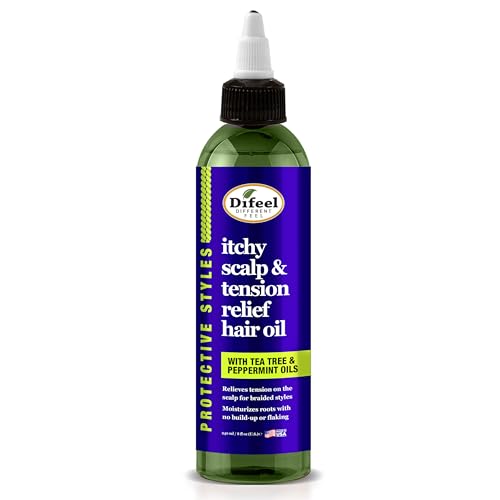
Best-selling Supplements for Itchy Scalp




Article Sources
At AncientHerbsWisdom, our content relies on reputable sources, including peer-reviewed studies, to substantiate the information presented in our articles. Our primary objective is to ensure our content is thoroughly fact-checked, maintaining a commitment to accuracy, reliability, and trustworthiness.
- Sánchez, M., González Burgos, E., Iglesias, I., & Gómez Serradilla, M. P. (2020). Pharmacological update properties of Aloe vera and its major active constituents. Molecules, 25(6), 1324. https://www.mdpi.com/1420-3049/25/6/1324
- McKay, D. L., & Blumberg, J. B. (2006). A review of the bioactivity and potential health benefits of chamomile tea. Phytotherapy Research, 20(7), 519–530. https://onlinelibrary.wiley.com/doi/10.1002/ptr.1900
- Preethi, K. C., Kuttan, G., & Kuttan, R. (2009). Anti inflammatory activity of flower extract of Calendula officinalis Linn. and its possible mechanism of action. Indian Journal of Experimental Biology, 47(2), 113–120. https://pubmed.ncbi.nlm.nih.gov/19374163
- Chrubasik, J. E., Roufogalis, B. D., Wagner, H., & Chrubasik, S. (2007). A comprehensive review on nettle effect and efficacy profiles. Phytomedicine, 14(7–8), 568–579. https://www.sciencedirect.com/science/article/pii/S0944711307000612
- Chan, Y. S., Cheng, L. N., Wu, J. H., Chan, E., Kwan, Y. W., Lee, S. M. Y., Leung, G. P. H., & Yu, P. H. F. (2011). A review of the pharmacological effects of Arctium lappa (burdock). Inflammopharmacology, 19(5), 245–254. https://link.springer.com/article/10.1007/s10787-010-0072-7
- Boh, B. (2013). Ganoderma lucidum: A potential for biotechnological production of anti cancer and immunomodulatory drugs. Recent Patents on Anti Cancer Drug Discovery, 8(3), 255–287.https://pubmed.ncbi.nlm.nih.gov/23679194

- Soursop: Tropical Fruit for Antioxidants and Digestion - March 28, 2026
- Sugar Apple: Tropical Fruit for Energy and Vitamin C - March 28, 2026
- Dragon Fruit: Tropical Fruit for Gut Health - March 28, 2026