
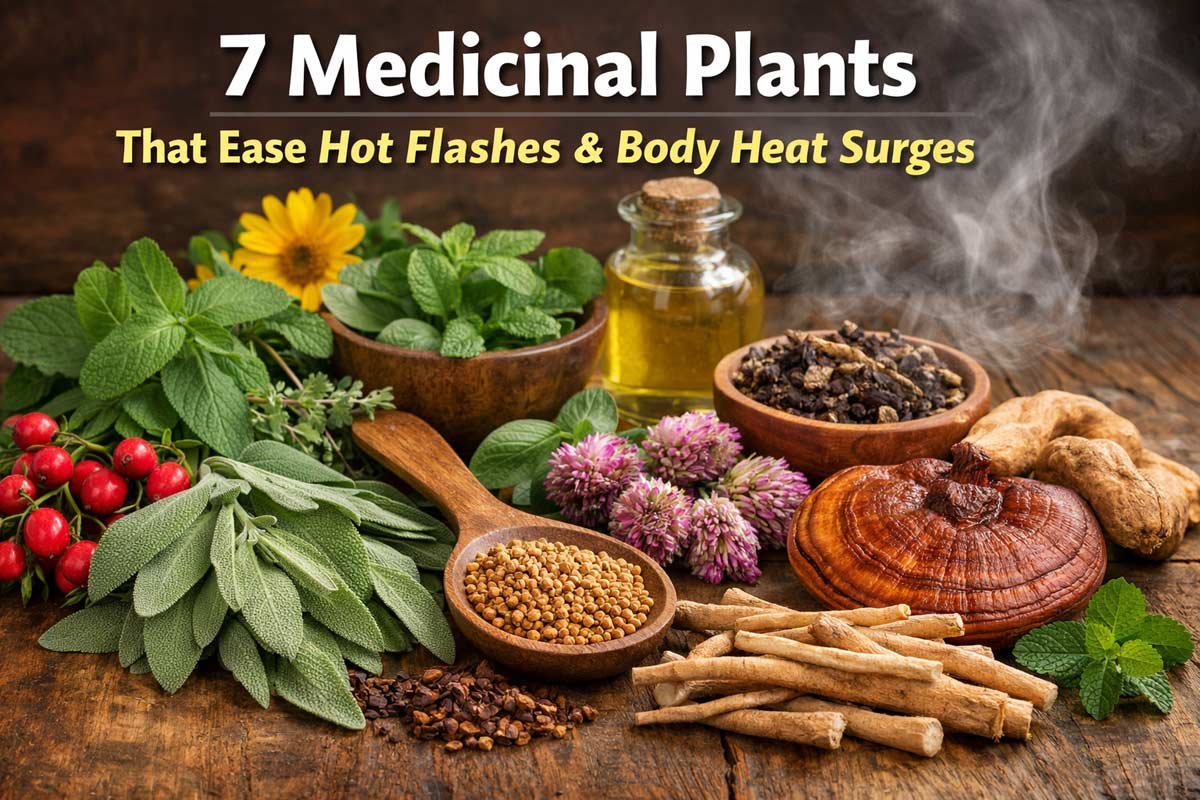
Cooling the Flames Within: Natural Relief for Hot Flashes
Hot flashes are more than just a sudden rush of heat; they are a jolt to your day, a reminder that your body is shifting in ways you didn’t ask for but must navigate. You might be standing in line at the grocery store, and suddenly your chest feels like it’s glowing from the inside out, sweat prickling your skin as if your thermostat has gone haywire. These surges of heat, often accompanied by heart palpitations, flushed skin, and restless nights, are most commonly associated with menopause, though perimenopause and other hormonal fluctuations can bring them on as well. For many, conventional solutions like hormone replacement therapy feel intimidating, carry potential risks, or simply don’t align with a desire for a more natural approach. That’s where plants for hot flashes step in, offering gentle yet effective support rooted in centuries of herbal tradition.
Understanding why hot flashes occur is the first step in finding relief. At the core, they are caused by sudden shifts in the body’s internal thermostat, the hypothalamus. When estrogen levels dip, as often happens during menopause, this thermostat becomes more sensitive. Even small changes in body temperature can trigger a cascade of reactions: blood vessels near the skin dilate, you sweat, and your heart rate jumps. Your body is trying to cool down, but the system overreacts, creating the intense, sometimes exhausting sensations we know as hot flashes. Stress, caffeine, alcohol, and certain spicy foods can amplify these episodes, making them unpredictable and frustrating.
Table of Contents

Turning to nature, plants for hot flashes offer a dual approach: some herbs gently mimic estrogenic activity in the body, helping to stabilize hormonal fluctuations, while others support the nervous system, calm stress, and regulate sweat responses. Unlike synthetic medications, which often focus on immediate symptom suppression, these plants work holistically, supporting the body’s adaptive systems so relief feels more balanced and enduring. Imagine sipping a warm cup of herbal tea that not only cools your throat but gradually eases the heat rising through your chest and back, letting your body recalibrate naturally.
The journey toward reducing hot flashes with herbs is also a sensory one. The aroma of sage or lemon balm can trigger a calming effect on the mind even before the body feels the benefits. The warmth of a tea ritual, the grounding act of preparing a tincture, and the rhythmic consistency of taking these plants regularly all contribute to an overall sense of ease. There is a subtle empowerment in knowing that these plants have been used for generations to ease similar struggles. Black cohosh, red clover, and ashwagandha, for instance, carry centuries of anecdotal and documented use, guiding your body gently through the unpredictable waves of heat.
It’s important to approach herbal support with patience and observation. Unlike medications that act quickly, the effects of plants unfold gradually, often noticeable after days or weeks of consistent use. Keeping a small journal of hot flash frequency, intensity, and the herbs you try can provide insight into which combinations work best for you. Some people notice dramatic reductions in the number of episodes; others find that severity lessens even if the flashes still occur. Both outcomes are meaningful, and the journey is as important as the destination.
In addition to their physiological effects, plants for hot flashes bring emotional reassurance. The unpredictable nature of these surges can create anxiety, interrupt sleep, and diminish confidence. Herbs that support the nervous system—like lemon balm or adaptogenic mushrooms—offer a subtle stabilizing influence, helping you feel more in control and less reactive to each heat wave. Over time, this combination of hormonal and nervous system support can reduce not only the frequency of hot flashes but also the emotional impact, making daily life more comfortable.
Environmental and lifestyle factors also interact with herbal strategies. Simple adjustments, like wearing breathable fabrics, keeping a fan nearby, or sipping cool water during an episode, complement the action of the plants themselves. The holistic approach—supporting the body internally while mitigating external triggers—maximizes relief and fosters a sense of agency. You are not just reacting to hot flashes; you are actively guiding your body toward balance.
Ultimately, exploring plants for hot flashes is a conversation with your body. It is a process of learning which herbs resonate with your system, how they affect both heat and mood, and how they integrate into your daily rhythm. From calming teas to carefully prepared tinctures, these remedies offer more than symptom relief—they provide a pathway to reconnect with your own physiology, honoring its natural cycles while gently reducing discomfort.
Herbal Allies to Calm Hormonal Heat
When the body is in flux, herbs that directly engage with hormonal balance can feel like trusted allies. These plants for hot flashes work at the root of the problem, subtly nudging your internal systems toward stability. They don’t just mask symptoms—they interact with estrogen receptors, modulate neurotransmitters, and support overall endocrine health. Among the most studied and traditionally used are black cohosh, red clover, and sage. Each brings a unique profile, combining centuries of folk use with modern research insights.
1. Black Cohosh (Actaea racemosa)
Black cohosh has a long history in North American herbal medicine, particularly for women navigating menopause. Native Americans used it for menstrual discomfort and hormonal regulation, and today it remains a cornerstone for managing hot flashes and night sweats. Its mechanism is thought to involve selective interaction with serotonin receptors and potential estrogenic activity, helping to recalibrate the hypothalamic thermostat that often overreacts during hormonal transitions.
Practically, black cohosh is most commonly taken as a standardized extract in capsules or as a tincture. Some women notice relief within a few weeks, with hot flashes becoming less frequent and intense. Anecdotally, it’s not uncommon to hear of someone combining a morning dose of black cohosh with a calming tea ritual in the evening, which seems to reinforce both physiological and psychological comfort. One thing to note is that liver health should be monitored when using concentrated extracts, although typical dosing is considered safe for short- to medium-term use.
The flavor of black cohosh is mildly bitter and earthy, and while it’s not typically consumed as a plain tea due to taste, blending it with complementary herbs like lemon balm or chamomile can make it more palatable while adding calming effects. The experience is subtle; you might find the intensity of heat surges softening gradually, almost as if your body is learning to self-regulate again.
2. Red Clover (Trifolium pratense)
Red clover is rich in isoflavones, a type of phytoestrogen that can mimic some estrogenic activity in the body. These compounds may help modulate hot flashes by stabilizing the signals to the hypothalamus, essentially lowering the sensitivity that triggers those sudden heat surges. Traditional European and Native American uses emphasize its role in balancing female hormones and promoting overall circulatory health.
Red clover can be consumed as a tea, tincture, or even as a dietary supplement in capsule form. Drinking red clover tea daily offers a gentle, aromatic ritual, the slightly sweet, grassy taste becoming a comforting part of a morning or afternoon routine. Many herbalists report that women who integrate red clover consistently notice fewer night sweats, which can improve sleep quality—a key factor in reducing the perception of hot flashes during the day.
The beauty of red clover lies in its versatility. Its flowers can be dried and steeped, infused into oils for topical cooling applications, or included in herbal blends designed to calm internal heat. Unlike some stronger estrogenic herbs, red clover generally has a mild, balanced effect, making it a reliable choice for ongoing support without the sharp peaks of hormonal stimulation.
3. Sage (Salvia officinalis)
Sage is an old favorite for managing excessive sweating and heat episodes. It has been used for centuries in Europe to reduce menopausal hot flashes, largely due to its astringent and slightly cooling properties. Modern research suggests that sage may inhibit sweat gland activity and modulate neurotransmitters linked to thermoregulation, which can directly reduce the intensity and frequency of hot flashes.
Sage is incredibly easy to incorporate into daily life. Fresh leaves steeped as tea or dried leaves in a sachet provide a comforting aroma, while concentrated extracts are available for those seeking a more potent effect. Some people even enjoy adding sage to culinary dishes, finding that this simple integration provides both flavor and subtle therapeutic benefit.
Beyond temperature regulation, sage also offers a sensory element. Its earthy, slightly peppery aroma can have a calming effect on the nervous system, reducing anxiety or tension that might amplify hot flash episodes. A cup of warm sage tea, sipped slowly, becomes more than a treatment—it’s a moment of pause, grounding, and internal cooling.
These three herbs—black cohosh, red clover, and sage—form the foundation of a natural strategy for managing hot flashes. They target the hormonal triggers directly while offering supportive rituals that enhance emotional comfort and daily life quality. Their use underscores a central principle: plants for hot flashes work best when integrated consistently and mindfully, responding to the body’s rhythm rather than forcing abrupt change.
Adaptogens and Mood-Calming Plants That Balance Temperature
Hot flashes aren’t just about sudden heat; they often come with a side of jitteriness, irritability, and restless nights. When the nervous system is on edge, the intensity of heat surges can feel magnified, and stress itself can trigger more frequent episodes. This is where adaptogens and calming herbs enter the picture. Unlike hormone-focused plants, these herbs support the body’s stress response, modulate cortisol, and help regulate the nervous system, making the internal thermostat less reactive. Among the most effective are ashwagandha, licorice root, and lemon balm.
4. Ashwagandha (Withania somnifera)
Ashwagandha is a cornerstone of Ayurvedic medicine, known for its adaptogenic properties—meaning it helps the body resist stress and maintain balance. Stress and hormonal shifts are deeply intertwined; when cortisol levels fluctuate, the body’s internal temperature control can become erratic. By supporting adrenal function and stabilizing stress hormones, ashwagandha indirectly eases the frequency and severity of hot flashes.
The roots and berries are typically used as powders, capsules, or tinctures. Many people report that taking ashwagandha consistently over several weeks not only reduces the intensity of heat surges but also improves sleep quality and emotional resilience. Anecdotally, it can feel like the body has a gentler baseline, making each hot flash less jarring. Its taste is earthy and slightly bitter, often blended into teas, smoothies, or warm milk for a soothing evening ritual.
Beyond physiological effects, ashwagandha encourages a sense of calm focus. The nervous system isn’t constantly on high alert, which in turn reduces the intensity of the autonomic responses that trigger those internal flames. Integrating ashwagandha into a daily routine—morning capsules or a pre-bedtime warm drink—can create a gentle rhythm that supports both temperature regulation and emotional stability.
5. Licorice Root (Glycyrrhiza glabra)
Licorice root has a long history of use in traditional Chinese and European medicine, prized for its mild estrogen-like effects and adrenal support. Its sweet, soothing flavor has made it a favorite for teas, tinctures, and decoctions aimed at hormonal balance. By supporting adrenal health, licorice can help the body manage the stress of fluctuating estrogen, which often underlies hot flashes and night sweats.
The phytoestrogenic compounds in licorice may contribute to a subtle modulation of hormonal signals, reducing the sudden surges of heat. Some herbalists suggest combining licorice with calming herbs like lemon balm or chamomile to enhance the effect. Caution is necessary, however: long-term or high-dose use can affect blood pressure and potassium levels, so moderate, mindful consumption is key. Many people find that a daily cup of licorice tea, especially in the afternoon, provides a gentle cooling effect and emotional comfort, easing the transition into evening routines.
6. Lemon Balm (Melissa officinalis)
Lemon balm is a calming herb with a light, citrusy aroma that soothes both mind and body. It works primarily on the nervous system, supporting relaxation, reducing anxiety, and improving sleep quality. Since stress and emotional tension can intensify hot flashes, lemon balm helps lower the body’s reactivity to internal heat surges.
It’s commonly used as a tea, but also as a tincture or in herbal blends. Drinking a cup of lemon balm tea before bed can help the nervous system downshift, making nighttime hot flashes less disruptive. Its gentle calming effect also helps daytime surges feel more manageable. Unlike stronger sedatives, lemon balm promotes a balanced, natural sense of calm rather than heavy drowsiness, which aligns well with the goal of regulating the body’s temperature and emotional state simultaneously.
The ritual of preparing lemon balm tea—crushing fresh leaves, steeping them in hot water, inhaling the bright aroma—adds a sensory dimension to its benefits. There’s a grounding quality to this process, a moment of mindfulness that signals to the body that it can relax. Over time, this subtle support can significantly reduce the perceived intensity of hot flashes, making daily life smoother and more comfortable.
Adaptogens and mood-calming herbs like ashwagandha, licorice root, and lemon balm complement hormone-focused plants by targeting the nervous system and stress response. Together, they create a multi-layered approach: while black cohosh, red clover, and sage stabilize hormonal signals, these calming allies reduce the body’s reactivity, making the internal thermostat less volatile. For anyone seeking holistic relief, this combination addresses both the physical and emotional dimensions of hot flashes.
Integrating Cooling Herbs and Mushrooms for Long-Term Harmony
For long-term relief from hot flashes, it’s not enough to only target hormones or stress responses. True balance comes from supporting the body’s internal regulatory systems—liver function, immune modulation, and overall resilience. This is where medicinal mushrooms, particularly reishi, shine. Reishi mushroom, or Ganoderma lucidum, is revered in traditional Chinese medicine as the “mushroom of immortality,” prized for its adaptogenic, cooling, and harmonizing properties.
7. Reishi Mushroom (Ganoderma lucidum)
Reishi works on several levels. Its compounds—triterpenoids, polysaccharides, and ganoderic acids—have adaptogenic and anti-inflammatory effects, which help regulate the body’s response to stress and hormonal shifts. By supporting the hypothalamus and adrenal glands, reishi can subtly influence thermoregulation, reducing the frequency and intensity of hot flashes over time. It doesn’t act as a sedative or force the body to cool abruptly; instead, it encourages the body to maintain a more stable baseline, allowing natural temperature adjustments to occur more smoothly.
The flavor of reishi is bitter and woody, which can be off-putting to some at first. Traditional preparation involves simmering the dried mushroom in water for several hours to extract its active compounds, creating a deep, rich tea. For convenience, tinctures or powdered extracts can be added to smoothies, warm milk, or herbal blends. Many herbalists recommend combining reishi with calming herbs like lemon balm or adaptogens such as ashwagandha to amplify its harmonizing effects, creating a daily ritual that addresses both temperature regulation and overall vitality.
The benefits of reishi extend beyond hot flash relief. By modulating immune function, it supports general wellness, which is especially important during hormonal transitions when the body can feel more vulnerable. Its calming effect on the nervous system can also reduce nighttime awakenings caused by heat surges, improving sleep quality and daytime energy. Over weeks and months of consistent use, reishi can help establish a sense of internal stability, making the unpredictable nature of hot flashes feel more manageable.
Integrating reishi into a daily routine is as much about ritual as it is about physiology. Preparing the tea, noticing its aroma, and savoring the earthy taste becomes a mindful moment of self-care. This act of intentional nourishment reinforces the subtle benefits, signaling to the body that it is supported and cared for. In this way, reishi exemplifies the philosophy behind plants for hot flashes: relief is not only about symptom suppression, but about cultivating harmony and resilience from within.
By combining hormone-supporting herbs, adaptogens, calming plants, and reishi mushroom, a holistic approach emerges—one that addresses both the triggers and the body’s reaction to hot flashes. Over time, this integrative strategy can reduce the severity and frequency of episodes, restore confidence in daily life, and create a sense of ongoing balance that lasts well beyond individual heat surges.
Embracing Natural Cool: Practical Tips and Takeaways
Finding relief from hot flashes isn’t about chasing a quick fix; it’s about creating a rhythm of support that honors your body’s natural cycles. The herbs and mushrooms we’ve explored—black cohosh, red clover, sage, ashwagandha, licorice root, lemon balm, and reishi mushroom—offer layered benefits. Some address the hormonal triggers, some calm the nervous system, and some enhance long-term resilience. Together, they form a toolkit that helps your internal thermostat settle, making each hot flash less intense and easier to navigate.
Practical integration is key. Herbal teas are the simplest and most nurturing way to begin. A morning cup of red clover, mid-afternoon lemon balm, and an evening reishi infusion create a gentle flow of support throughout the day. Capsules and tinctures offer convenience, particularly for herbs like black cohosh and ashwagandha, ensuring consistent intake even on busy days. The ritual of preparation—steeping, sipping, inhaling aromas—adds an extra layer of soothing effect, grounding both body and mind.
Consistency is more powerful than intensity. Herbs for hot flashes often require days or weeks to show noticeable effects. Keeping a simple journal can help track frequency, intensity, and timing of hot flashes, along with the herbs you’re using. Over time, patterns emerge, allowing you to fine-tune doses, combinations, or timing to maximize relief. Some women notice that certain herbs work better in the morning, others at night. Listening to your body and adjusting accordingly is part of the process.
Lifestyle complements herbal support. Breathable clothing, a cool bedroom environment, and mindfulness practices can amplify the effects of plants for hot flashes. Stress management techniques—gentle yoga, meditation, or short breathing exercises—reduce the nervous system’s reactivity, making hot flashes less disruptive. Combining these environmental and behavioral strategies with herbal remedies creates a holistic approach that is both proactive and responsive.
It’s also important to approach herbal integration with patience and curiosity. Each person’s response varies; one herb may be transformative for one individual and subtle for another. This variability isn’t a drawback—it’s an invitation to engage with your body’s unique rhythms, experimenting thoughtfully with combinations and observing the results. Over time, the body often adjusts, temperature spikes diminish, and confidence in daily life returns.
Ultimately, embracing natural cool is about more than managing symptoms. It’s about cultivating awareness, building routines that support resilience, and enjoying the sensory pleasures of herbal rituals. The plants and mushrooms in this guide are allies, helping you navigate hot flashes with a sense of agency, ease, and harmony. By integrating them consistently, you’re not just mitigating heat surges—you’re fostering balance, comfort, and a renewed connection to your body’s natural wisdom.
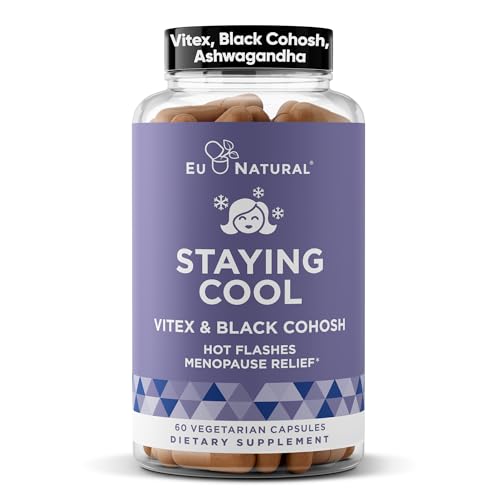
Best-selling Supplements for Hot Flashes



Article Sources
At AncientHerbsWisdom, our content relies on reputable sources, including peer-reviewed studies, to substantiate the information presented in our articles. Our primary objective is to ensure our content is thoroughly fact-checked, maintaining a commitment to accuracy, reliability, and trustworthiness.
- Huntley, A. L., & Ernst, E. (2003). A systematic review of herbal medicinal products for the treatment of menopausal symptoms. Database of Abstracts of Reviews of Effects (DARE). Authors concluded evidence is limited but suggests promise for black cohosh and red clover. https://www.ncbi.nlm.nih.gov/books/NBK69702/
- Newton, K. M., Reed, S. D., LaCroix, A. Z., et al. (2008). Safety and efficacy of black cohosh and red clover for the management of vasomotor symptoms: A randomized controlled trial. PMC2783540. This clinical trial found no significant reduction in hot flashes versus placebo, though both herbs were safe. https://pmc.ncbi.nlm.nih.gov/articles/PMC2783540/
- Salari, R., et al. (2017). A review of effective herbal medicines in controlling menopausal symptoms. PMC5783135. This systematic review reported multiple herbs, including sage, lemon balm, black cohosh, licorice, and red clover, as effective in managing acute menopausal syndrome with different mechanisms. https://pmc.ncbi.nlm.nih.gov/articles/PMC5783135/
- Bommer, S., Klein, P., & Suter, A. (2011). First time proof of sage’s tolerability and efficacy in menopausal women with hot flushes. Advances in Therapy, 28(6), 490‑500. This clinical study showed significant decreases in hot flash frequency and intensity with sage extract. https://pubmed.ncbi.nlm.nih.gov/21630133/
- Medical News Today. (2025). Can sage help relieve menopause symptoms?. Reviewed evidence that sage may reduce hot flash frequency in postmenopausal women. https://www.medicalnewstoday.com/articles/sage-for-menopause
- Healthline. (2024). 10 Herbs and supplements for menopause. Overview of black cohosh and red clover for menopausal symptom relief, noting mixed evidence and phytoestrogen content. https://www.healthline.com/health/menopause/herbs-supplements
- American Academy of Family Physicians. (2006). Nonhormonal therapies for hot flashes in menopause. Summarizes limited evidence for black cohosh and red clover in reducing hot flashes. https://www.aafp.org/pubs/afp/issues/2006/0201/p457.html
- National Center for Complementary and Integrative Health. (n.d.). Sage. Reviews existing research on sage and its potential effects on menopause symptoms such as hot flashes. https://ods.od.nih.gov/HealthInformation/ODS_Frequently_Asked_Questions.aspx

- Soursop: Tropical Fruit for Antioxidants and Digestion - March 28, 2026
- Sugar Apple: Tropical Fruit for Energy and Vitamin C - March 28, 2026
- Dragon Fruit: Tropical Fruit for Gut Health - March 28, 2026