
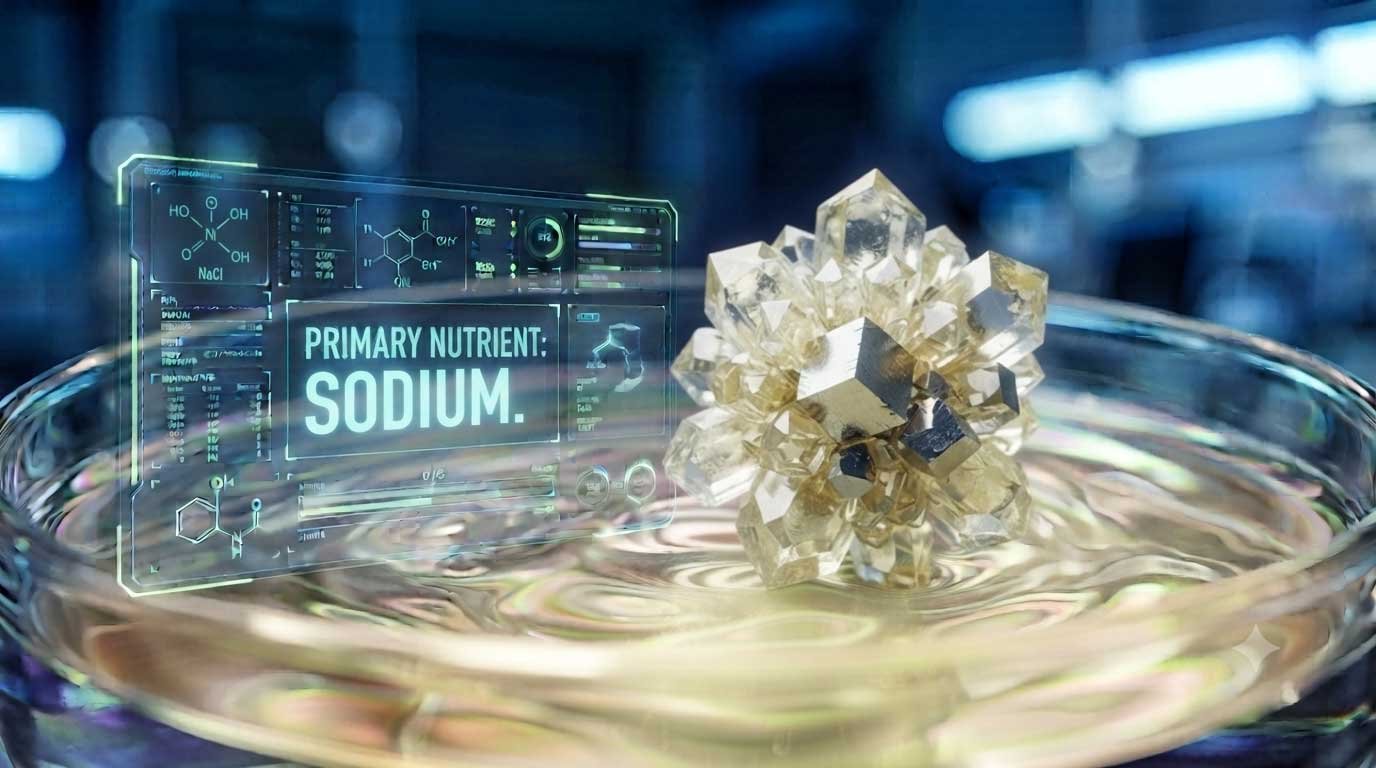
The Mineral Everyone Loves to Hate (For the Wrong Reasons)
If there’s one mineral that gets talked about constantly and understood poorly, it’s sodium. Ask most people what sodium does and you’ll get some version of “it’s the bad stuff in salt that raises blood pressure.” That’s not wrong, exactly, but it’s such a small slice of the picture that it almost misses the point entirely. Sodium isn’t a villain hiding in your pretzels. It’s one of the most fundamental electrolytes in the human body, and without it, your nerves wouldn’t fire, your muscles wouldn’t contract, and your cells wouldn’t be able to hold onto water in any organized way.
I’ve spent a long time looking at minerals and how they behave inside the body, and sodium is one of the few that genuinely surprises people once they understand the mechanics. It’s not just about taste or table salt. Sodium is a charged particle, an ion, that sits mostly outside your cells in what’s called the extracellular fluid. Potassium, its close cousin, sits mostly inside the cells. The tension between these two — sodium pushing from outside, potassium pushing from inside — is what creates the electrical gradient that your nerves use to send signals. Every time you move a finger, blink, feel a sensation of hot or cold, or even think a thought, sodium is involved in that process at a cellular level.
Table of Contents
There’s also the fluid balance piece, which is where most people’s understanding stops but really shouldn’t. Sodium is the primary determinant of how much water sits outside your cells versus inside them. Where sodium goes, water follows — that’s a basic principle of osmosis, and it explains why eating a salty meal makes you thirsty, why athletes lose performance when they sweat out sodium without replacing it, and why hospitals monitor sodium levels so carefully in patients who are dehydrated or overhydrated. Get the sodium concentration wrong in either direction, and the consequences show up in the brain first, because brain cells are especially sensitive to shifts in fluid volume.
What I find genuinely interesting is how sodium ended up with such a lopsided reputation. For most of human history, salt was scarce and precious. Entire trade routes were built around it. The word “salary” comes from the Latin word for salt because Roman soldiers were sometimes paid in it. Our bodies evolved mechanisms to hold onto sodium tightly because losing too much of it, historically, could be a real problem — through sweating, vomiting, or simply not having reliable access to salt. Fast forward to the modern world, where sodium is cheap, abundant, and hidden in nearly every processed food on the shelf, and suddenly the ancient survival mechanism that helped us conserve sodium is working against us. Our kidneys are still trying to hang onto every milligram, but we’re feeding them far more than they know what to do with.
This is where minerals in general get interesting to me. None of them work in isolation. Sodium’s story is inseparable from potassium’s story, and increasingly, researchers are pointing out that the sodium-to-potassium ratio in the diet might matter more than sodium intake alone. That’s a nuance that rarely makes it into the mainstream conversation, which tends to boil everything down to “salt bad, less salt good.” It’s more layered than that, and I think it’s worth taking the time to actually unpack it rather than repeating the same tired warning every article on nutrition seems to lead with.
There’s also a real-world dimension to this that I think gets lost in the clinical explanations. Think about the last time you had a stomach bug and couldn’t keep fluids down for a day. Remember that woozy, foggy, almost drunk feeling? A good part of that is your fluid and electrolyte balance getting thrown off, sodium included. Or think about marathon runners who collapse near the finish line — not from dehydration in the way most people assume, but sometimes from drinking so much plain water that their sodium levels get diluted to dangerous lows, a condition called hyponatremia. These aren’t rare edge cases confined to textbooks. They’re everyday reminders that sodium is doing real, load-bearing work in the body, quietly, until something knocks it out of balance and you suddenly notice.
So this article is going to walk through what sodium actually does for your health, where you’re realistically getting it from, how much you actually need versus how much you’re probably getting, and what happens at both ends of the spectrum — too little and too much. I want to get past the soundbite version of sodium and into the version that actually helps you make decisions about your own diet, because frankly, most of what’s out there is either fear-mongering about salt or dismissive of just how essential this mineral really is. Neither extreme does you any favors.
Key Health Benefits
Sodium doesn’t get much credit for what it actually contributes to daily function, mostly because the conversation around it is dominated by warnings rather than explanations. But if you strip away the fear-based messaging for a second, sodium is doing genuinely essential work every single moment you’re alive. Let’s go through what that work looks like.
Nerve Signal Transmission
This is the big one, and it’s worth spending real time on because it explains almost everything else sodium does. Your nerve cells, or neurons, communicate through electrical impulses called action potentials. These impulses depend on the rapid movement of sodium ions across the cell membrane. When a neuron is at rest, sodium sits mostly outside the cell. When the neuron fires, sodium channels in the membrane snap open, and sodium rushes inside, flipping the electrical charge of the cell for a brief moment. That flip is the signal. It travels down the length of the neuron like a wave, and then sodium gets pumped back out so the cell can reset and fire again.
Without sufficient sodium, this process slows down or fails altogether. That’s part of why severe sodium deficiency, called hyponatremia, can cause confusion, muscle weakness, and in extreme cases, seizures. The nervous system simply can’t operate its signaling machinery properly when the sodium gradient collapses. This isn’t a minor supporting role — it’s foundational to how your brain talks to your muscles, how your muscles talk back, and how sensory information from your skin, eyes, and ears makes it to your brain in the first place.
Fluid Balance and Blood Volume
Sodium is the primary regulator of extracellular fluid volume, which is a fancy way of saying it controls how much water is circulating around your cells and inside your blood vessels. Your kidneys constantly adjust how much sodium they excrete or retain based on your intake, your hydration status, and hormonal signals like aldosterone. This regulation directly affects blood volume, which in turn affects blood pressure.
When sodium levels are appropriate, this system works quietly in the background. You don’t think about it. But when sodium intake shifts dramatically in either direction, or when illness, sweating, or kidney dysfunction interferes with the normal regulatory process, fluid balance can swing out of range fairly quickly. This is why sodium is such a closely watched marker in hospital settings, particularly for patients who are severely ill, elderly, or recovering from surgery.
Muscle Function, Including the Heart
Muscle contraction depends on the same basic electrical principles as nerve signaling. Sodium moving across muscle cell membranes helps trigger the release of calcium inside the cell, which is the direct mechanism for muscle contraction. This applies to skeletal muscle — the kind you use to walk or lift something — as well as cardiac muscle. Your heart’s electrical conduction system, the one that keeps your heartbeat regular and coordinated, relies partly on sodium channels functioning correctly.
Athletes and people who sweat heavily are often the ones who notice sodium’s role in muscle function most directly. Cramping during prolonged exercise is sometimes linked to electrolyte losses, sodium included, though the research on this is genuinely mixed and cramping has multiple contributing factors. Still, endurance athletes and coaches have long paid close attention to sodium replacement during long events for good reason.
Nutrient Absorption
Sodium plays a supporting role in how the small intestine absorbs certain nutrients, most notably glucose. There’s a transport mechanism called the sodium-glucose cotransporter that uses the sodium gradient to pull glucose into intestinal cells. This is actually the scientific basis for oral rehydration solutions, which combine sodium and glucose in specific ratios to treat dehydration from diarrheal illness, particularly in children in areas without easy access to IV fluids. It’s a clever piece of physiology — the presence of sodium essentially unlocks more efficient absorption of glucose and, with it, water.
Acid-Base Balance
Sodium, working alongside chloride and bicarbonate, contributes to maintaining the body’s acid-base balance, keeping blood pH within the narrow range required for normal cellular function. This isn’t something most people think about day to day, but it’s part of the reason electrolyte disturbances can cause such wide-ranging symptoms — fatigue, confusion, muscle weakness — because the downstream effects touch nearly every system in the body.
Taken together, these functions explain why sodium isn’t something you want to eliminate from your diet, despite how the public conversation sometimes frames it. The goal isn’t zero sodium. It’s appropriate sodium, in a range that supports these processes without overwhelming the cardiovascular system, which is where the real health concerns tend to concentrate, particularly for people who are salt-sensitive or already dealing with elevated blood pressure.

Dietary Sources
Here’s something that tends to surprise people: for most adults eating a typical Western diet, sodium deficiency from food is genuinely rare. The bigger challenge, statistically speaking, is the opposite problem. But understanding where sodium actually comes from in your diet is useful regardless of which direction you’re trying to move, because the sources aren’t always where you’d expect.
Processed and Restaurant Food
This is the elephant in the room, and it deserves to be named directly rather than tiptoed around. The vast majority of sodium in a typical modern diet doesn’t come from the salt shaker on your table. It comes from processed, packaged, and restaurant food. Bread, deli meats, canned soups, frozen dinners, cheese, condiments, salad dressings, and snack foods all tend to carry a hefty sodium load, often for reasons that have nothing to do with taste alone. Sodium is a preservative. It extends shelf life, controls bacterial growth, and affects texture in baked goods and processed meats.
A slice of bread might not taste particularly salty, but bread as a category contributes a surprising amount of sodium to the average diet simply because people eat so much of it. Same story with cereals, sauces, and pre-made meals. This is why nutrition professionals so often say that cutting back on sodium is less about avoiding the salt shaker and more about cooking from scratch more often, because you regain control over what’s actually going into your food.
- Canned soups and broths
- Deli and cured meats like ham, salami, and bacon
- Cheese, especially processed varieties
- Bread and baked goods
- Salad dressings and sauces like soy sauce or ketchup
- Frozen prepared meals
- Salty snacks like chips and pretzels
- Fast food and restaurant meals generally
Naturally Occurring Sodium
Whole, unprocessed foods contain sodium too, just in much smaller quantities. Vegetables like celery, beets, and carrots have modest natural sodium content. Dairy products, eggs, and shellfish contain some as well. This naturally occurring sodium is rarely a concern for most people because the amounts are relatively small compared to what’s added during processing.
Table Salt and Added Salt at Home
Sodium chloride, the compound we call table salt, is roughly 40 percent sodium by weight. A teaspoon of table salt contains around 2,300 milligrams of sodium, which happens to line up closely with commonly cited daily intake guidelines. Salt added during home cooking and at the table does contribute to overall intake, but for most people, this represents a smaller share of total sodium compared to what’s already baked into processed and restaurant foods before it ever reaches the table.
Sea Salt, Himalayan Salt, and Other Specialty Salts
I want to address this because it comes up constantly. Sea salt, pink Himalayan salt, and other specialty salts are marketed as healthier alternatives to regular table salt, often because they contain trace minerals. The truth is less exciting than the marketing suggests. These salts are still overwhelmingly sodium chloride, and the trace mineral content is nutritionally negligible — we’re talking amounts too small to meaningfully affect your intake of those other minerals. If you enjoy the flavor or texture of a specialty salt, that’s a perfectly fine reason to use it, but don’t expect a meaningful health difference compared to iodized table salt in terms of sodium content itself.
Sodium in Medications and Supplements
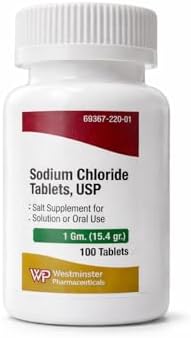
This one flies under the radar. Certain over-the-counter medications, particularly effervescent tablets and some antacids, contain notable amounts of sodium. Intravenous fluids administered in medical settings are another source that most people never think about because it’s not “food,” but it absolutely counts toward total sodium exposure, especially for hospitalized patients.
Reading Labels Effectively
If you’re trying to get a realistic sense of your sodium intake, nutrition labels are genuinely useful, though it takes a bit of practice to read them well. Sodium content is listed per serving, and serving sizes on packaged foods are notoriously smaller than what people actually eat in one sitting. A bag of chips might list a serving as fifteen chips with a modest sodium count, when a realistic sitting is closer to double that. Checking the percent daily value column gives you a quick sense of how a single food fits into your overall daily intake, and it’s a habit worth building if sodium is something you’re actively managing.
Understanding these sources matters because dietary advice that just says “eat less salt” without explaining where the salt actually comes from tends to miss the target. Most people aren’t oversalting their home-cooked meals into dangerous territory. They’re eating food that was already heavily salted before it reached their kitchen, and that distinction changes what an effective strategy actually looks like.
Dosage & Deficiency
Sodium requirements are one of those areas where the guidelines have shifted over the years as research has accumulated, and there’s genuinely more nuance here than most quick summaries let on. Let’s get into the actual numbers and what they mean in practice.
How Much Sodium Do You Actually Need
The physiological requirement for sodium is surprisingly low — somewhere in the range of 500 milligrams per day is enough to cover basic bodily functions for most healthy adults. But that number isn’t the same as a recommended intake, because it doesn’t account for typical losses through sweat, or for practical dietary patterns. Major health organizations tend to set recommended upper limits rather than minimums, because in most populations, the real-world concern is intake that’s too high rather than too low.
The World Health Organization recommends adults consume less than 2,000 milligrams of sodium per day, which translates to roughly 5 grams of salt. In the United States, dietary guidelines have generally recommended keeping intake under 2,300 milligrams per day, with some organizations, including the American Heart Association, suggesting an ideal limit closer to 1,500 milligrams for people with high blood pressure or those at risk for cardiovascular disease. The catch is that average intake in most industrialized countries sits well above these targets, often somewhere between 3,400 and 4,000 milligrams a day, driven largely by the processed and restaurant food sources discussed earlier.
Populations With Different Needs
Athletes and people who sweat heavily through physical labor or hot climates lose sodium through perspiration and may need to be more deliberate about replacing it, particularly during prolonged exercise lasting more than an hour. This doesn’t mean loading up on salt tablets for a casual gym session, but for endurance athletes, sodium replacement strategies during long training sessions or races are a legitimate consideration, often addressed through electrolyte drinks or foods.
Older adults represent another group worth mentioning specifically. Kidney function tends to decline somewhat with age, which affects how efficiently the body regulates sodium and fluid balance. Older adults are also more susceptible to hyponatremia, sometimes related to medications like diuretics, or to reduced thirst sensation that leads to inadequate fluid intake alongside normal sodium intake, throwing off the ratio.
Signs of Sodium Deficiency
True dietary sodium deficiency is uncommon in people eating a varied diet, precisely because sodium is so pervasive in the modern food supply. When hyponatremia does occur, it’s more often related to an underlying issue rather than simply not eating enough salt — excessive fluid intake that dilutes sodium concentration, certain medications, kidney or liver disease, hormonal imbalances, or heavy sweating combined with plain water replacement rather than electrolyte replacement.
Symptoms of low sodium can include:
- Headache and confusion
- Nausea and vomiting
- Fatigue and low energy
- Muscle cramps, weakness, or spasms
- In severe cases, seizures or loss of consciousness
This is a genuinely serious medical condition when it becomes acute, and it’s part of why endurance sports medicine has shifted its messaging over the past couple of decades away from “drink as much water as possible” toward more balanced hydration strategies that account for sodium loss.
Practical Guidance
For most healthy adults without a specific medical condition, the practical takeaway isn’t to obsess over hitting an exact milligram target every day. It’s to build general awareness of where sodium is coming from, lean toward whole and home-prepared foods when possible, and pay closer attention to labels on the processed foods that make up a regular part of your diet. If you have high blood pressure, kidney disease, or a cardiovascular condition, sodium intake becomes a more precise conversation, and that’s genuinely worth having directly with a healthcare provider who knows your specific situation, rather than relying on generic advice from an article like this one.
Toxicity & Risks
This is the section where sodium’s reputation actually earns some of its caution, though I’d argue the nuance still matters more than the blanket warnings suggest. Sodium toxicity isn’t really about eating one salty meal — it’s about sustained patterns of intake, individual physiology, and how your cardiovascular and renal systems respond over time.
Blood Pressure and Cardiovascular Risk
The most well-established concern with excess sodium intake is its relationship to blood pressure. When sodium levels rise, the body tends to retain more water to keep the concentration of sodium in the blood within a normal range. That extra fluid volume increases the pressure inside blood vessels. Over time, chronically elevated blood pressure contributes to strain on the heart and blood vessels, and it’s a well-documented risk factor for stroke, heart disease, and kidney damage.
That said, not everyone responds to sodium the same way, and this is a genuinely important nuance that often gets flattened in public health messaging. Some people are what researchers call salt-sensitive, meaning their blood pressure rises more significantly in response to sodium intake, while others show relatively little change. Genetics, age, kidney function, and existing health conditions all influence where someone falls on that spectrum. People with hypertension, diabetes, chronic kidney disease, or African ancestry tend, on average, to show greater salt sensitivity, though there’s individual variation within every group. This doesn’t mean sodium reduction isn’t worthwhile for the general population — population-level data consistently supports lower average sodium intake as a public health goal — but it does mean the individual experience isn’t uniform.
Hypernatremia
On the more acute end of the spectrum, hypernatremia refers to abnormally high sodium concentration in the blood, which is actually more often a problem of insufficient water relative to sodium than of eating too much salt in a single sitting. It tends to show up in situations involving severe dehydration, certain medical conditions, or in vulnerable populations like infants and elderly individuals who may not be able to access water or communicate thirst effectively. Symptoms can include intense thirst, confusion, muscle twitching, and in severe cases, seizures.
Kidney Strain
The kidneys are responsible for filtering excess sodium out of the bloodstream, and consistently high sodium intake places additional demand on this system over time. For people with existing kidney disease, sodium management becomes an even more important piece of overall care, since impaired kidneys are less able to efficiently excrete sodium loads, which can worsen fluid retention and blood pressure control.
Bone Health Considerations
There’s a body of research examining the relationship between high sodium intake and calcium excretion. High sodium intake appears to increase urinary calcium loss, and some researchers have raised questions about whether this contributes to bone density concerns over the long term, particularly in populations already at risk for osteoporosis. This connection is less definitively established than the blood pressure relationship, but it’s a reasonable area of ongoing research and adds another dimension to why moderation matters, especially for older adults.
Stomach Cancer Risk
Several large population studies have found an association between high sodium intake, particularly from salt-preserved and processed foods, and increased risk of stomach cancer. The mechanism isn’t fully settled, but one leading hypothesis involves sodium’s potential to damage the stomach lining and interact with Helicobacter pylori infection, a known risk factor for gastric cancer. This is an association from observational data rather than a direct causal proof, but it’s consistently strong enough to be taken seriously by cancer research organizations.
Who Should Be Most Cautious
- People diagnosed with hypertension or borderline high blood pressure
- Individuals with chronic kidney disease
- People with heart failure, where excess fluid retention is a direct clinical concern
- Older adults, due to changes in kidney function and salt sensitivity
- Anyone with a family history of stroke or cardiovascular disease
None of this is meant to suggest sodium should be feared or eliminated. It’s meant to draw an honest line between the mineral’s essential biological role and the very real risks tied to the sustained excess that characterizes a lot of modern eating patterns. The goal is proportion, not panic.
Finding the Balance With an Underrated Mineral
After going through all of this, I keep coming back to the same conclusion: sodium is a mineral that suffers from an image problem, not a science problem. The biology is actually pretty well understood. Sodium keeps your nerves firing, your muscles contracting, your fluid balance regulated, and your blood pressure within a livable range when everything is working as it should. The trouble isn’t sodium itself. It’s the mismatch between how much sodium the human body evolved to conserve and how much sodium the modern food supply quietly delivers through processed and restaurant food, day after day, often without anyone actively choosing it.
If there’s one practical shift worth making, it’s redirecting attention away from the salt shaker and toward the ingredient labels of packaged food. That’s genuinely where most of the sodium in a typical diet comes from, and it’s also where the easiest, least restrictive changes tend to live. Cooking more meals from base ingredients, comparing sodium content across similar packaged products, and being a little more deliberate about how often processed and restaurant meals show up in a week can move the needle more effectively than obsessively avoiding salt at the table.
It’s also worth holding onto the fact that sodium needs aren’t identical for everyone. An endurance athlete training in summer heat has a genuinely different relationship with sodium than someone managing high blood pressure from a mostly sedentary lifestyle. A person with kidney disease needs a more precise, individualized approach than general population guidelines can offer. This is one of those areas where broad public health messaging, which has to speak to millions of people at once, inevitably loses some of the texture that matters for any one individual. If sodium is a real concern for you — because of blood pressure, kidney function, heart health, or anything else — that conversation is worth having with a healthcare provider who can look at your actual numbers and history, not a generalized internet article.
What I’d like people to walk away with is less fear and more literacy. Sodium isn’t the enemy hiding in your food. It’s a mineral doing legitimately important work, and like most things in nutrition, the dose and the context are what determine whether it’s helping you or working against you. Pay attention to where it’s coming from, understand roughly where you land relative to general guidelines, and adjust with intention rather than anxiety. That’s a far more sustainable relationship with sodium, and honestly, with minerals in general, than swinging between ignoring it completely and treating every grain of salt like a threat.
Article Sources
At AncientHerbsWisdom, our content relies on reputable sources, including peer-reviewed studies, to substantiate the information presented in our articles. Our primary objective is to ensure our content is thoroughly fact-checked, maintaining a commitment to accuracy, reliability, and trustworthiness.
- World Health Organization. (2012). Guideline: Sodium intake for adults and children. World Health Organization. https://www.who.int/publications/i/item/9789241504836
- National Institutes of Health, Office of Dietary Supplements. (2023). Sodium: Fact sheet for health professionals. https://ods.od.nih.gov/factsheets/Sodium-HealthProfessional/
- Institute of Medicine. (2013). Sodium intake in populations: Assessment of evidence. National Academies Press. https://doi.org/10.17226/18311
- He, F. J., & MacGregor, G. A. (2009). A comprehensive review on salt and health and current experience of worldwide salt reduction programmes. Journal of Human Hypertension, 23(6), 363–384. https://doi.org/10.1038/jhh.2008.144
- Strazzullo, P., D’Elia, L., Kandala, N. B., & Cappuccio, F. P. (2009). Salt intake, stroke, and cardiovascular disease: Meta-analysis of prospective studies. BMJ, 339, b4567. https://doi.org/10.1136/bmj.b4567
- Adrogué, H. J., & Madias, N. E. (2000). Hyponatremia. New England Journal of Medicine, 342(21), 1581–1589. https://doi.org/10.1056/NEJM200005253422107
- Cogswell, M. E., Mugavero, K., Bowman, B. A., & Frieden, T. R. (2016). Dietary sodium and cardiovascular disease risk—Measurement matters. New England Journal of Medicine, 375(6), 580–586. https://doi.org/10.1056/NEJMsb1607161
- American Heart Association. (2021). How much sodium should I eat per day? https://www.heart.org/en/healthy-living/healthy-eating/eat-smart/sodium/how-much-sodium-should-i-eat-per-day
- D’Elia, L., Rossi, G., Ippolito, R., Cappuccio, F. P., & Strazzullo, P. (2012). Habitual salt intake and risk of gastric cancer: A meta-analysis of prospective studies. Clinical Nutrition, 31(4), 489–498. https://doi.org/10.1016/j.clnu.2012.01.003
- Centers for Disease Control and Prevention. (2022). Get the facts: Sodium and the dietary guidelines. https://www.cdc.gov/salt/pdfs/sodium_dietary_guidelines.pdf

- Phosphatidic Acid: Supporting Muscle Growth and Strength - July 31, 2026
- Ceramides: Supporting Healthy Skin From Within - July 31, 2026
- Synbiotics: Combining Prebiotics and Probiotics Together - July 31, 2026