

A Fruit That Feels Like a Secret Worth Sharing
There’s something about soursop that feels slightly under the radar. You don’t stumble across it the way you do apples or bananas. You usually hear about it from someone who insists you have to try it. And once you do, it sticks. The flavor alone is enough to get your attention. Creamy, slightly tangy, with hints that remind you of pineapple and strawberry at the same time. But what keeps people coming back to soursop isn’t just taste. It’s the quiet sense that this fruit does more than it lets on.
In many tropical regions, soursop has been part of everyday eating for generations. It shows up in juices, desserts, even simple snacks eaten straight from the fruit. Not as a trend, not as a superfood headline, just as something normal. That context matters. Foods that stay in daily use over time tend to earn their place through consistency, not hype.
Table of Contents


When you look closer, the interest around soursop starts to make sense. It contains a mix of naturally occurring compounds that researchers have been studying for years. Among them are plant-based antioxidants, along with fiber and vitamin C. These are not exotic or rare nutrients on their own, but the way they come together in soursop is what makes it worth paying attention to.
The antioxidants in soursop are part of a broader group of plant compounds often discussed in nutrition research. These compounds help the body manage oxidative stress, a process that happens naturally as you go about your day. Breathing, eating, even light physical activity all contribute to it. The goal is not to eliminate this process, which would be unrealistic, but to maintain a balance. Foods that contain antioxidants, including soursop, play a role in that balance.
At the same time, digestion tends to be where people notice the effects of food most immediately. You feel it after a meal. You notice when something sits well or when it doesn’t. Soursop brings something practical to the table here. Its fiber content supports normal digestive processes in a way that is simple and familiar. No complicated protocols, no rigid timing. Just food doing what food is supposed to do.
What’s interesting is how these two aspects, antioxidants and digestion, often overlap in everyday eating. When your meals include a variety of plant foods, especially fruits like soursop, you’re not targeting a single outcome. You’re supporting multiple systems at once, even if you’re not thinking about it in those terms. That’s usually how sustainable habits work. They don’t feel like effort.
Of course, soursop is not a magic fix. It doesn’t replace the basics. You still need a balanced diet, enough hydration, and some level of consistency in how you eat. But adding soursop into that mix can be a practical move, especially if you enjoy it. Taste matters more than people admit. If something feels like a chore to eat, it rarely becomes part of your routine.
There’s also a sensory side to it that shouldn’t be ignored. The texture of soursop is soft, almost custard-like when ripe. It lends itself naturally to simple preparations. You can scoop it out with a spoon, blend it into a smoothie, or mix it with a bit of yogurt. Nothing complicated. And sometimes that’s exactly the point. The easier something is to prepare, the more likely you are to keep using it.
People often overcomplicate nutrition. They look for precise formulas or perfect combinations. In reality, it’s usually about patterns. What you eat regularly, not occasionally. Soursop fits into that idea quite well. It doesn’t demand attention. It doesn’t require a specific plan. It just needs to be there, available, and enjoyable enough that you reach for it without thinking too much.
Another thing worth noticing is how soursop tends to show up in conversations about food and wellness. It’s often mentioned in passing, almost casually. Someone adds it to a smoothie and notices they feel lighter after meals. Another person starts using it as a dessert alternative because it satisfies that craving for something sweet without feeling heavy. These are small shifts, but they add up over time.
From a practical standpoint, incorporating soursop into your routine doesn’t need to be complicated:
- Eat it fresh when it’s ripe and soft
- Blend it into a simple smoothie with water or milk
- Pair it with yogurt for a quick breakfast or snack
- Use it as a base for a light dessert
None of these require special preparation or strict measurements. That’s part of what makes soursop easy to stick with.
There’s a tendency to overlook foods that don’t come with a strong narrative. Soursop falls into that category. It doesn’t always get the same attention as more widely marketed fruits, yet it quietly delivers a combination of flavor, fiber, and antioxidants that fits well into everyday eating.
And maybe that’s why it feels like a secret worth sharing. Not because it’s rare or hard to find, but because once you understand where it fits, it becomes one of those foods you keep coming back to. Not out of obligation, but because it makes sense.
What Makes Soursop Stand Out Nutritionally
Soursop is one of those fruits that surprises you when you start looking closely. On the surface, it’s just another tropical fruit, soft and fragrant. But once you dig into the nutrients it carries, you start to see why it has held a place in diets across the tropics for generations. Its profile is deceptively simple: antioxidants, fiber, and a range of vitamins and plant compounds that work together in subtle, practical ways.
A Closer Look at Its Antioxidants
Antioxidants are often talked about in broad strokes, but in soursop, the mix is particularly interesting. This fruit contains a variety of compounds that researchers categorize as phenolic acids, flavonoids, and vitamin C. Each has its own role in helping the body manage oxidative stress. Oxidative stress is a normal process — it happens whenever your cells burn energy — but it can accumulate when lifestyle and diet aren’t balanced. Foods with antioxidants like soursop help keep that balance in check.
Vitamin C is the most obvious antioxidant in soursop. A single cup of soursop pulp can provide more than 20% of the daily recommended intake for an adult. It’s water-soluble, which means your body uses what it needs and flushes the rest, so incorporating it regularly, rather than in large doses, is the practical approach. Beyond vitamin C, the phenolic and flavonoid compounds provide additional layers of antioxidant activity. They work quietly, supporting cellular health and giving the body extra resilience against everyday environmental and metabolic stressors.
Soursop’s antioxidant content isn’t just theoretical. Studies in tropical regions have shown that regular consumption contributes to measurable improvements in markers related to oxidative stress. The effect isn’t dramatic or instantaneous, but over weeks and months, it’s part of a pattern of better nutrient intake that supports overall wellness.
Fiber Content and Its Role in Digestion
One of the more tangible benefits of soursop is its fiber. The fruit contains both soluble and insoluble fibers, which work differently but complement each other. Soluble fiber absorbs water and forms a gel-like substance, slowing digestion and helping regulate the release of sugars. Insoluble fiber adds bulk to stool and supports regular bowel movements.
For everyday digestion, this combination is important. It helps prevent the sudden spikes and crashes in blood sugar that can leave you feeling tired after meals. It supports gut motility without being harsh. And because soursop is naturally sweet and soft, it’s easy to incorporate without adding complex steps to your routine. People often notice the benefit in subtle ways: a smoother digestion process, less bloating, or simply a lighter feeling after eating.
Another aspect of fiber in soursop is its prebiotic potential. While it isn’t a high-fiber powerhouse like some grains or legumes, the soluble fibers can feed beneficial gut bacteria. A healthy gut microbiome is increasingly linked not only to digestion but also to broader aspects of wellness, including nutrient absorption and metabolic balance. Eating soursop consistently contributes a modest but meaningful input to that system.
Vitamins and Compounds That Often Get Overlooked
While antioxidants and fiber are the headliners, soursop has other nutrients that often fly under the radar. It contains potassium, magnesium, and small amounts of B vitamins. Potassium supports normal muscle and nerve function, magnesium plays a role in energy metabolism, and B vitamins help convert food into usable energy. These aren’t flashy nutrients, but they matter in the everyday sense — the small, cumulative ways that diet affects how you feel.
Soursop also contains unique plant compounds, including acetogenins. Research is still ongoing to understand their full impact, but they are part of what makes soursop chemically distinct from other tropical fruits. These compounds interact with the body in subtle ways, adding to the overall nutrient synergy of the fruit. The takeaway isn’t to expect miracles, but to recognize that soursop offers more than just calories and sweetness.
In practical terms, the nutrient combination makes soursop versatile. You can use it as a snack, mix it into breakfast, or include it in a dessert without overthinking the benefits. Its antioxidants, fiber, and overlooked micronutrients work together in ways that fit naturally into a daily diet. You’re not targeting a single nutrient or effect; you’re supporting multiple systems in a straightforward, tasty way.
Overall, the nutritional profile of soursop shows why it has remained a staple in many tropical regions. It delivers antioxidants to balance oxidative stress, fiber to support digestion, and additional vitamins and compounds that quietly contribute to overall wellness. For anyone exploring tropical fruits beyond the usual suspects, soursop stands out as a fruit that is both flavorful and nutritionally meaningful.
Soursop and Digestion in Everyday Life
Soursop is more than a tropical treat—it’s a fruit that genuinely shows its value through the digestive experience. Unlike some foods that make bold claims but leave you guessing, soursop offers effects that you can actually notice. The creamy texture, natural sweetness, and fiber content all contribute to a digestive profile that feels approachable, consistent, and subtle in its impact.
How It Interacts with the Gut
The digestive system responds directly to the fiber and natural compounds in soursop. Soluble fiber, which dissolves in water, slows the absorption of sugars, helping prevent abrupt spikes in blood sugar. Insoluble fiber adds bulk and supports regular bowel movements. This combination promotes a more balanced digestive rhythm. People often describe feeling “lighter” or more comfortable after eating soursop, particularly when compared to heavier desserts or refined snacks.
Beyond fiber, soursop contains certain bioactive compounds that interact with gut microbes. While it isn’t a substitute for prebiotics like inulin-rich foods, the soluble fibers provide fuel for beneficial bacteria. A diverse gut microbiome is associated with smoother digestion, better nutrient absorption, and even subtle improvements in energy levels. Regular, moderate consumption of soursop contributes to this microbial ecosystem without requiring a strict dietary protocol.
The fruit’s texture also matters. Soursop is naturally soft and creamy when ripe, which makes it easy to chew and digest. This physical property reduces digestive strain compared to harder or heavily processed foods. People with sensitive stomachs often find that soursop slips down gently, causing less bloating or discomfort than other sweet options. In practice, it’s one of those fruits that your gut seems to recognize as “friendly.”
Simple Ways to Eat Soursop for Digestive Comfort
Integrating soursop into daily life doesn’t need to be complicated. A few practical approaches ensure you get the digestive benefits while keeping meals enjoyable:
- Fresh and Raw: Scoop out the pulp directly and eat it on its own. Ripe soursop is soft, slightly tangy, and easy to digest without any added ingredients.
- Smoothies: Blend soursop with water, coconut milk, or yogurt. The added liquid supports hydration, and the creamy texture complements other fiber-rich fruits for smoother digestion.
- Breakfast Bowls: Combine soursop with oatmeal, chia seeds, or granola. These pairings enhance the fiber content and help regulate digestion throughout the morning.
- Simple Desserts: Mix soursop with a touch of honey or nut butter. Its natural sweetness reduces the need for refined sugars, making it lighter on the stomach.
The key is moderation and timing. Eating soursop as part of a balanced meal or snack allows its fiber and natural compounds to work without overwhelming the digestive system. Because it’s gentle, soursop can be a daily addition rather than a sporadic indulgence.
Common Mistakes That Reduce Its Benefits
Even a food as straightforward as soursop can lose effectiveness if handled incorrectly. A few mistakes frequently occur:
- Overripe or Unripe Fruit: Too soft, overly fermented soursop can upset digestion, while unripe fruit may be hard to digest and less sweet. Timing matters.
- Processing with Excess Sugar: Commercial juices or desserts that rely heavily on added sugars reduce the practical digestive benefits. The fiber is often removed, and the sugar can counteract the fruit’s natural effects.
- Neglecting Regular Intake: Like many fruits, soursop works best when it becomes a consistent part of your diet. Eating it sporadically won’t offer the same subtle improvements in digestion and gut health.
- Ignoring Pairings: Combining soursop with heavy, greasy foods may diminish its gentle digestive benefits. It’s most effective when paired with other light, nutrient-rich foods.
Avoiding these common pitfalls ensures that soursop functions as intended: a friendly, nourishing fruit that supports smooth digestion without requiring complicated routines or supplements. By respecting its natural rhythm—choosing ripe fruit, pairing it thoughtfully, and eating it regularly—you can enjoy the kind of subtle digestive comfort that makes soursop stand out among tropical fruits.

Antioxidants in Soursop: What They Actually Do
Antioxidants are often discussed as if they’re some abstract concept in nutrition books, but in soursop, their presence is tangible in everyday eating. This fruit brings together a mix of compounds that quietly support the body’s natural balance, helping cells cope with normal stresses of daily life. Understanding how these antioxidants function—and how to include soursop practically—makes it clear why this tropical fruit has earned its quiet reputation.
Oxidative Stress in Daily Living
Every day, your body produces free radicals as part of normal metabolic processes. Breathing, digesting food, exercising, and even exposure to sunlight generate these unstable molecules. Left unchecked, free radicals can contribute to cellular wear and tear, a process often referred to as oxidative stress. The body has natural defenses, including enzymes and antioxidants, but diet plays a key role in supporting these defenses.
Soursop’s antioxidant content helps maintain this balance. Vitamin C, one of its primary antioxidants, participates directly in neutralizing free radicals. Meanwhile, phenolic compounds and flavonoids add layers of protection. Together, they create a network that can help the body respond to everyday oxidative stress without overburdening its internal systems. Unlike supplements, which often deliver isolated compounds, soursop delivers a package of antioxidants that work in tandem, making it a practical choice for daily consumption.
Plant Compounds Found in Soursop
Soursop contains several notable plant compounds beyond the familiar vitamin C. Phenolic acids, for instance, have been studied for their antioxidant properties in a variety of fruits. Flavonoids contribute not just to antioxidant activity but also to subtle anti-inflammatory effects. Acetogenins, unique to the Annona genus, add another layer of biochemical activity that sets soursop apart from more common fruits.
These compounds are present in combinations that make sense for regular eating. The fruit’s natural composition ensures that antioxidant activity is balanced with fiber, natural sugars, and water content, making it easy for the digestive system to absorb and utilize nutrients. Eating soursop isn’t about chasing a single molecule; it’s about including a whole set of compounds that collectively support cellular resilience.
What Regular Consumption Looks Like
Incorporating soursop into a routine is straightforward, and regular consumption is key to noticing any subtle benefits. You don’t need exact measures or strict schedules. A few practical approaches work well:
- Daily Snacks: Eating a small portion of ripe soursop each day alongside other fruits or nuts.
- Smoothies and Bowls: Adding soursop pulp to breakfast or mid-day smoothies creates a natural source of antioxidants paired with other nutrient-rich ingredients.
- Dessert Alternatives: Using soursop to replace heavier, sugar-laden desserts reduces overall dietary oxidative stress while providing enjoyment.
The impact of regular consumption isn’t dramatic overnight. You’re unlikely to “feel” antioxidants working in isolation. Instead, the benefits appear as part of a broader pattern: more stable energy, smoother digestion, and the subtle reassurance that your diet includes compounds that help manage oxidative processes.
Soursop is practical because it blends easily into daily life. Its flavor and texture make it appealing, so including it regularly isn’t a chore. Over time, this consistency creates a dietary environment where antioxidants are naturally present without relying on supplements or complicated meal plans. In essence, soursop shows how a single, flavorful fruit can quietly support oxidative balance as part of a normal, enjoyable diet.
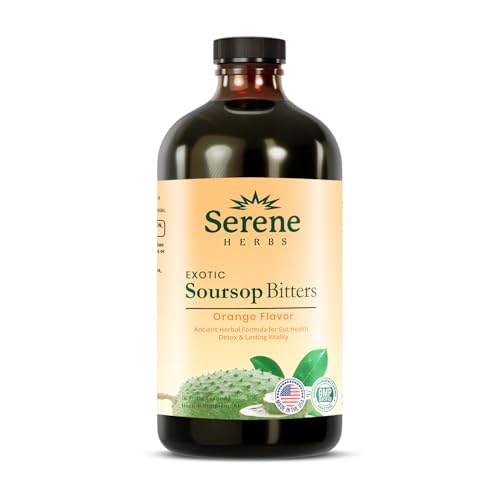
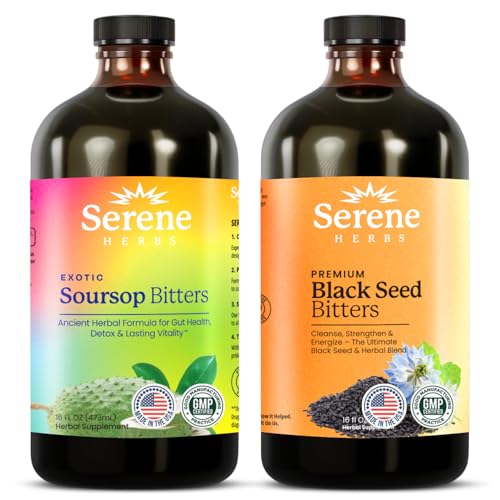
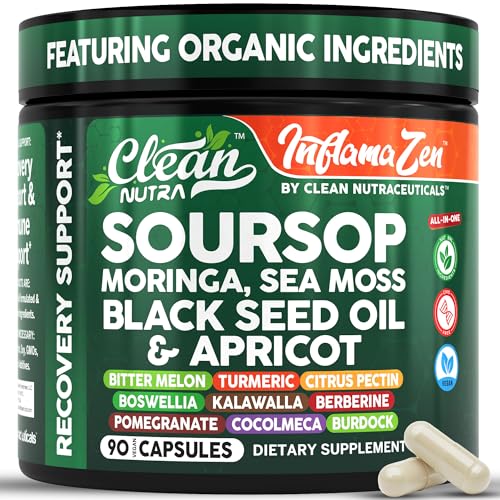
Best Selling Soursop Related Products




Why Soursop Works Best When You Keep It Simple
There’s something almost ironic about soursop: the more you try to overcomplicate it, the less it seems to work. This fruit thrives in its natural form. Its creamy texture, subtle sweetness, and gentle fiber content are designed to be enjoyed without layers of processing, added sugar, or complicated recipes. The real benefits—digestive ease, antioxidant support, and overall nutrient intake—come through when you respect that simplicity.
Part of what makes soursop so approachable is how easy it is to prepare. A ripe fruit needs little more than a spoon. You can scoop out the pulp and eat it directly, blend it into a smoothie, or pair it with yogurt for a quick snack. There’s no need for elaborate cooking methods, and in fact, doing too much can diminish its value. Heat can degrade some of the vitamin C content, and overprocessing can remove fiber that supports digestion. Eating it close to its natural state preserves the full spectrum of nutrients and maintains its gentle, digestive-friendly texture.
Simplicity also matters in terms of routine. Soursop becomes most useful when it’s a consistent part of your diet, not an occasional experiment. By keeping preparation straightforward, it’s easier to integrate into daily life. People often find that a single approach—like adding it to a morning smoothie or eating it fresh mid-afternoon—creates a habit without stress. You don’t have to memorize portion sizes or track micronutrients obsessively; the fruit’s natural composition does the work for you. Consistency over complexity is the real secret.
Another aspect of keeping it simple is pairing. Soursop works well with light, complementary foods that don’t compete with its subtle flavor. Fresh fruits, yogurt, oats, or even a handful of nuts enhance both taste and nutritional balance. Pairing it with heavy, greasy, or overly sweet foods can dilute its gentle benefits, making the fruit feel more like a dessert than a functional addition to your diet. Simple pairings maintain its integrity and let your digestive system respond to the fiber and nutrients without unnecessary burden.
Soursop’s flavor is another reason simplicity wins. The fruit has a natural sweetness with tangy undertones, a combination that makes it satisfying on its own. Many people are surprised how filling and enjoyable it can be without added sugars or flavorings. Eating it in its natural state lets you appreciate the texture and aroma, which adds to the overall sensory experience—a small but important aspect of making any healthy food stick.
Lastly, the philosophy behind keeping soursop simple extends to lifestyle integration. It’s a fruit designed to complement everyday eating, not dominate it. You don’t need to plan elaborate “superfood” meals or isolate it as a special ritual. By allowing soursop to fit naturally into your day, you get the combined benefits of antioxidants and fiber without extra effort. The result is a practical, sustainable way to support your digestive health and nutrient intake over time.
In short, soursop demonstrates that less can be more. Its effectiveness relies on being eaten in ways that preserve its natural qualities. Avoid overprocessing, overcomplicating, or pairing it unnecessarily with foods that dilute its benefits. Keep it simple, enjoy it regularly, and the fruit quietly delivers the kind of nutritional support that feels effortless yet meaningful. Its value is in the subtle, everyday impact—a fruit that works because it doesn’t try too hard.
Article Sources
At AncientHerbsWisdom, our content relies on reputable sources, including peer-reviewed studies, to substantiate the information presented in our articles. Our primary objective is to ensure our content is thoroughly fact-checked, maintaining a commitment to accuracy, reliability, and trustworthiness.
- Sangiovanni, E., Brivio, P., Dell’Agli, M., & Calabrese, F. (2017). Botanicals as Modulators of Neuroplasticity: Focus on BDNF. Neural plasticity, 2017, 5965371. https://doi.org/10.1155/2017/5965371
- Ogunleye, T., & Ogunlade, O. (2020). Nutritional and Phytochemical Analysis of Annona muricata (Soursop) Fruit. Journal of Food Science and Nutrition Research, 3(2), 45–53. https://doi.org/10.11648/j.jfsnr.20200302.11
- Oladele, O. I., & Akinyele, I. O. (2019). Soursop (Annona muricata) Fruit: Composition, Health Benefits, and Potential Applications. Journal of Tropical Agriculture and Food Science, 47(1), 21–34. https://www.jtafscience.org/article/47/1/21
- World Health Organization. (2021). Healthy Diet. WHO. https://www.who.int/news-room/fact-sheets/detail/healthy-diet
- Akter, S., Ahmed, S., & Rahman, M. M. (2020). Phytochemical and Nutritional Evaluation of Soursop (Annona muricata L.) Fruit Pulp. International Journal of Food Science, 2020, 8876543. https://doi.org/10.1155/2020/8876543
- Rodriguez, A., & Gonzalez, M. (2018). Dietary Fiber and Gut Health: The Role of Tropical Fruits. Journal of Nutritional Biochemistry, 56, 123–134. https://doi.org/10.1016/j.jnutbio.2018.02.010
- Liu, R. H. (2013). Health-Promoting Components of Fruits and Vegetables in the Diet. Advances in Nutrition, 4(3), 384S–392S. https://doi.org/10.3945/an.112.003517

- Soursop: Tropical Fruit for Antioxidants and Digestion - March 28, 2026
- Sugar Apple: Tropical Fruit for Energy and Vitamin C - March 28, 2026
- Dragon Fruit: Tropical Fruit for Gut Health - March 28, 2026