

A Root with Quiet Power
Cranesbill—Geranium maculatum—isn’t flashy. You won’t find it in supermarkets or Instagram wellness feeds. But wander through a North American woodland in spring and you might notice its small, five-petaled flowers, charming in their simplicity. Beneath those flowers lies a root with a surprisingly potent history: a tonic for digestion, a balm for wounds, and a subtle ally for overall resilience.
It’s a plant that doesn’t announce itself loudly, but those who know, know. Folk herbalists have leaned on cranesbill for centuries, valuing its astringent qualities and its ability to soothe internal and external inflammation. This root is the kind of herbal companion that quietly earns your trust over time.
Table of Contents
Historical Use and Folk Wisdom
The Native Americans were among the first to use cranesbill as medicine. They prepared teas and poultices for diarrhea, dysentery, and minor wounds. Its astringent nature—thanks to a high tannin content—made it especially useful for conditions where tissues were irritated or bleeding.

Colonial settlers quickly adopted it into their apothecaries. It became a staple in early North American herbalism for “cooling” the blood, settling the stomach, and staunching minor hemorrhages. Think about that: a single root serving both gut and skin. That’s versatility.
Across Europe, other Geranium species have been used similarly. The term “cranesbill” comes from the shape of its seed capsule, which resembles a crane’s pointed beak, but don’t let the delicate name fool you—the root packs a punch.
The Science Behind Cranesbill
Modern phytochemistry has caught up with folk wisdom. Cranesbill root contains:
- Tannins – potent astringents that tighten tissues and reduce inflammation
- Geraniin – a polyphenol with antioxidant properties
- Flavonoids – compounds that support circulation and reduce oxidative stress
- Gallic acid – with mild antimicrobial action
These constituents explain why traditional uses weren’t just superstition. When you feel a calming effect on the gut after sipping cranesbill tea, that’s tannins and flavonoids in action. When a minor scrape stops weeping after a poultice, it’s the same compounds doing their work on tissues.
Cranesbill for Digestion
Let’s talk guts. Cranesbill is particularly valued for digestive disturbances. Its astringency helps reduce diarrhea by contracting intestinal tissues, slowing fluid loss, and providing relief.
How It Works
- Reduces inflammation in the gastrointestinal lining
- Contracts mucous membranes to control excess secretions
- Supports recovery from acute infections like mild dysentery
Brewing the root into a gentle tea or decoction is the classic approach. I remember an herbalist describing the flavor as earthy, slightly bitter, but comforting—the kind of taste that tells you something real is happening beneath the surface.
Wound Healing and Skin Care
If you’ve ever handled cranesbill root, you’ll notice a subtle firmness, a sort of density that matches its medicinal character. Externally, its astringent action helps to staunch bleeding, tighten tissue, and promote healing.
Practical Uses
- Poultices for cuts, scrapes, and minor burns
- Infused oils for chronic skin irritations
- Compresses to reduce swelling and inflammation
There’s an almost tactile satisfaction in applying it. You feel the tissue respond, subtle yet undeniable, as if the root whispers “steady, steady” to your skin.
Cranesbill and Women’s Health
Traditionally, cranesbill has also been used to ease menstrual discomfort. Its astringent properties may help reduce heavy bleeding, while its gentle anti-inflammatory action eases cramping.
Some herbalists combine it with other supportive herbs like raspberry leaf or yarrow for a more balanced uterine tonic. It’s not a dramatic fix, but a slow, supportive companion for monthly rhythms.
Immune Support and Anti-Inflammatory Effects
Cranesbill’s polyphenols and flavonoids give it mild immune-modulating properties. While it’s not a powerhouse like echinacea, its subtle support can help the body respond to minor infections or inflammatory stress.
- Reduces tissue inflammation
- Provides antioxidants that combat free radicals
- Supports recovery from mild infections
I’ve heard herbalists refer to it as “the understated helper.” It doesn’t scream for attention, but your system notices when it’s there.
Preparing and Using Cranesbill
The root is the main medicinal part. It can be dried and stored for years if kept in a cool, dark place. Common preparations include:
- Decoction: Simmering the root in water for 15–20 minutes yields a rich, astringent tea.
- Poultice: Fresh or soaked dried root mashed and applied to skin.
- Tincture: Alcohol-based extraction concentrates the root’s active compounds.
Dosage varies, but the rule of thumb in herbal practice is “start low and observe.” A cup of tea or a small tincture dose can be enough to experience effects.
Combining Cranesbill with Other Herbs
Cranesbill works well in combination with other supportive herbs. For digestion, pair it with chamomile or peppermint. For skin and wound care, plantain or comfrey enhances its healing qualities.
- Chamomile: Soothes the gut, adds mild anti-inflammatory effect
- Peppermint: Relieves bloating and gas, complements astringent action
- Plantain: Supports wound healing, reduces inflammation
- Comfrey: Enhances tissue repair for skin injuries
Blending herbs is both an art and a science—one you learn by observing reactions and tasting the synergy.
Safety Considerations
Cranesbill is generally safe for short-term use. Its astringency can irritate the stomach in excessive amounts, and overuse of concentrated extracts may cause constipation. Pregnant and breastfeeding women should consult an herbalist before use, especially for internal consumption.
Allergic reactions are rare but possible, particularly in those sensitive to other members of the Geraniaceae family.
Growing Your Own Cranesbill
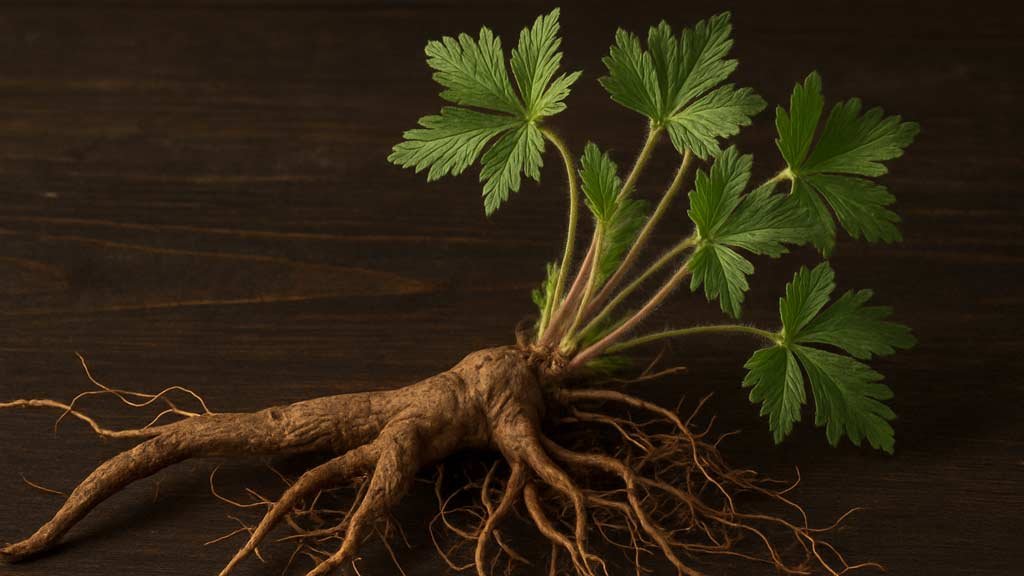
The plant is surprisingly resilient. It thrives in woodland edges and partial shade. While it may not look extraordinary above ground, its roots develop deep and fibrous, full of the compounds that make it medicinal. Harvesting should be done sustainably: take only a portion of the root and leave the rest to regrow.
It’s rewarding to dry your own roots, brew a cup, and feel the legacy of centuries of use in a single sip.
Cranesbill in Modern Herbalism
While not as famous as ginger or turmeric, cranesbill maintains a respected place among herbalists. Its subtle yet effective approach to gut health, wound care, and women’s wellness makes it versatile and reliable.
In a world full of flashy herbal remedies, cranesbill reminds us that potency doesn’t need drama. It’s quiet, steady, and deeply rooted—literally and figuratively.
Best Selling Cranesbill Supplements



Final Thoughts
Cranesbill root exemplifies the kind of herbal ally that grows with you. It’s there when the stomach is unsettled, when a scrape needs tending, when menstrual discomfort creeps in. Its strength is in its subtlety, its longevity in human culture, and its ability to offer gentle support without demanding attention.
It’s a humble root, but it carries centuries of trust, wisdom, and quiet efficacy in every cup, poultice, and tincture. Once you get to know cranesbill, it becomes hard to forget.
Article Sources
At AncientHerbsWisdom, our content relies on reputable sources, including peer-reviewed studies, to substantiate the information presented in our articles. Our primary objective is to ensure our content is thoroughly fact-checked, maintaining a commitment to accuracy, reliability, and trustworthiness.
- Chevallier, A. (2016). The Encyclopedia of Medicinal Plants: A Practical Reference to over 550 Key Herbs and Their Uses. DK Publishing. https://www.dk.com
- Mills, S., & Bone, K. (2005). Principles and Practice of Phytotherapy: Modern Herbal Medicine (2nd ed.). Churchill Livingstone. https://www.elsevier.com
- Hobbs, C. (1998). Medicinal Mushrooms: An Exploration of Tradition, Healing, & Culture. Botanica Press.
- Weiss, R. F. (2002). Herbal Medicine. Stuttgart: Hippokrates Verlag.
- Bradley, P. (1992). British Herbal Compendium: Volume 1, Medicinal Plants. British Herbal Medicine Association.

- Phosphatidic Acid: Supporting Muscle Growth and Strength - July 31, 2026
- Ceramides: Supporting Healthy Skin From Within - July 31, 2026
- Synbiotics: Combining Prebiotics and Probiotics Together - July 31, 2026