
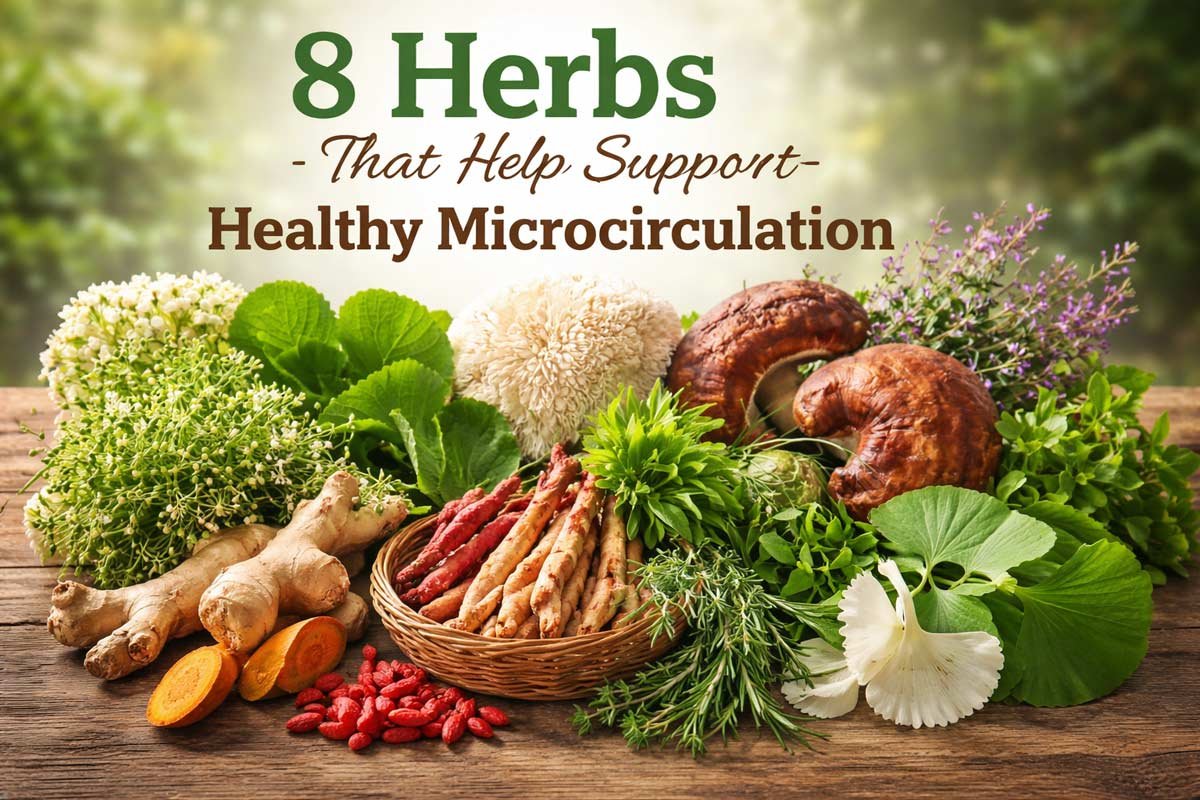
Why Microcirculation Matters for Your Health
When we think about circulation, most of us picture the heart pumping blood through major arteries and veins, but there’s an entire universe of tiny vessels quietly doing the real work: the capillaries, arterioles, and venules that form the microcirculation network. These minute pathways, often smaller than a single red blood cell, are responsible for delivering oxygen, nutrients, and signaling molecules directly to every tissue in your body. Without a healthy microcirculation system, even the strongest heart or cleanest arteries can’t guarantee that your cells are actually getting what they need.
Microcirculation affects nearly every aspect of vitality. Energy levels, cognitive clarity, skin tone, and even mood rely on the constant, precise delivery of blood at the capillary level. Have you ever noticed how your hands or feet feel perpetually cold, or how minor bruises linger longer than they should? These are often subtle signs of sluggish microvascular flow. Over time, poor microcirculation can contribute to chronic fatigue, slow healing, neuropathy, and impaired organ function. It’s not dramatic in the moment, but its cumulative impact on long-term wellness is profound.
Table of Contents

One of the fascinating things about microcirculation is its adaptability. Capillaries are highly sensitive to lifestyle factors, hormonal changes, and even the food we eat. For example, movement and mild exercise signal capillaries to expand and increase flow, while stress and inflammation can constrict them. This dynamic nature is why herbs and mushrooms have such a unique role—they don’t act as blunt instruments forcing blood through vessels. Instead, they gently support vessel integrity, promote vasodilation where needed, and reduce oxidative stress that can damage these delicate channels.
Herbal allies like Ginkgo biloba, hawthorn, and gotu kola have been used for centuries in traditional medicine precisely because they address this subtle balance. Modern research now confirms what herbalists observed through practice: these botanicals improve endothelial function, enhance capillary resilience, and promote efficient nutrient delivery. Even mushrooms like Reishi and Cordyceps, often thought of as immune tonics, have measurable effects on microvascular health, improving oxygen utilization and enhancing tissue perfusion. Their benefit is cumulative and systemic, working quietly beneath the surface rather than producing a flashy, immediate effect.
The importance of microcirculation extends to the brain as well. Neurons are highly sensitive to oxygen and nutrient supply, and even minor disruptions in capillary flow can influence focus, memory, and mental stamina. Similarly, skin and connective tissues rely on microcirculation for repair and maintenance. This explains why herbalists often pair circulation-supporting herbs with antioxidant-rich mushrooms—the combination strengthens vessels, reduces oxidative damage, and supports cellular repair simultaneously.
From a practical standpoint, supporting microcirculation is not about taking one herb and expecting overnight results. It’s a holistic, ongoing process that combines dietary choices, gentle movement, stress management, and consistent herbal support. Herbs like ginger and cayenne stimulate flow and reduce platelet stickiness, while tonics like horse chestnut and gotu kola enhance capillary integrity. Mushrooms like Reishi and Cordyceps complement these herbs by modulating vascular tone and improving oxygen delivery at the cellular level. When these elements are integrated thoughtfully, the microcirculation system becomes more resilient, responsive, and capable of sustaining overall health.
In short, microcirculation is the silent engine of vitality. It underpins energy, resilience, and repair in ways that often go unnoticed until problems arise. Understanding its role illuminates why herbs and mushrooms that target microvascular health are more than just supplements—they’re tools for maintaining the body’s intricate balance, ensuring that every cell receives the oxygen, nutrients, and signals it needs to thrive. Supporting these tiny vessels is not a luxury; it’s foundational to long-term wellness, and the right botanical allies can make a measurable, meaningful difference over time.
Circulation-Enhancing Herbs That Open the Vessels
When it comes to supporting microcirculation, some herbs act like gentle engineers, widening the tiniest blood vessels and enhancing flow without forcing the system. They improve oxygen delivery, nutrient transport, and waste removal at a cellular level, which is essential for energy, mental clarity, and tissue repair. Among the most notable are Ginkgo biloba, hawthorn, and cayenne pepper. Each works in a distinct way, yet all share the goal of optimizing capillary function.
1. Ginkgo biloba
Ginkgo biloba is arguably the most celebrated herb for microcirculation. Its leaves contain flavonoids and terpenoids, compounds that act as antioxidants and vasodilators. The flavonoids protect delicate capillary walls from oxidative stress, while the terpenoids promote smooth blood flow by reducing platelet aggregation and enhancing nitric oxide production. In practice, this translates to improved perfusion in the brain, extremities, and even the eyes.
Traditional herbalists have long used Ginkgo to counter fatigue, mental fog, and cold hands or feet. Modern clinical studies confirm that standardized Ginkgo extracts can improve peripheral circulation and support cognitive function by enhancing blood flow to neurons. The benefits are subtle but cumulative; many people notice increased warmth in extremities, steadier energy throughout the day, and a mild improvement in mental sharpness after consistent use. Tinctures, capsules, or even brewed teas are common ways to integrate Ginkgo into daily routines.
2. Hawthorn (Crataegus spp.)
Hawthorn is another herb deeply rooted in vascular health. Known for its sweet, slightly tart berries and delicate leaves, hawthorn contains flavonoids and oligomeric proanthocyanidins that strengthen the integrity of small blood vessels. This is particularly important for capillaries, which can become fragile due to age, oxidative stress, or inflammation. By supporting vessel walls, hawthorn not only protects against microvascular damage but also enhances circulation efficiency, ensuring oxygen and nutrients reach tissues more effectively.
In traditional European herbal medicine, hawthorn was used to improve heart function and treat fatigue associated with poor circulation. Today, it is still recommended for its cardio-supportive effects, particularly for enhancing coronary and peripheral microcirculation. Many herbalists combine hawthorn with Ginkgo, taking advantage of the synergistic effects: one strengthens the vessels, the other improves flow and oxygen delivery. Whether used as a tea, tincture, or standardized extract, hawthorn works gently but consistently over time.
3. Cayenne Pepper (Capsicum annuum)
Cayenne pepper might be famous for its heat, but its circulatory benefits are equally impressive. The active compound capsaicin stimulates the release of nitric oxide, a molecule that relaxes blood vessels and promotes vasodilation. This action increases blood flow at the microvascular level, particularly to extremities that are prone to sluggish circulation. Capsaicin also improves nutrient delivery and tissue repair by reducing blood viscosity and supporting smooth capillary function.
In herbal practice, cayenne is used both internally and externally. Internally, small doses in food or teas can gradually enhance microcirculation. Externally, topical applications with diluted extracts are sometimes employed to stimulate local blood flow, particularly in cold hands, feet, or areas of minor muscular tension. While it produces a warming sensation, the underlying effect is a real improvement in capillary perfusion.
Combining these circulation-enhancing herbs creates a multi-layered approach to microvascular support. Ginkgo optimizes blood flow and protects capillaries from oxidative damage, hawthorn strengthens and reinforces vessel walls, and cayenne actively promotes vasodilation and nutrient delivery. Together, they offer a comprehensive strategy for maintaining resilient, responsive microcirculation. Over time, this combination not only supports energy and mental clarity but also contributes to healthier skin, more efficient tissue repair, and overall vascular integrity.
Anti-Inflammatory and Tonifying Herbs
Not all circulation support comes from simply widening vessels. Some herbs work more subtly, focusing on strengthening the vascular system, reducing inflammation, and tonifying capillary walls. These qualities are especially important for microcirculation, where fragile vessels and low-grade inflammation can impair nutrient delivery and oxygen flow. Horse chestnut, gotu kola, and ginger exemplify this approach, each offering unique mechanisms to maintain resilient microvascular health.
4. Horse Chestnut (Aesculus hippocastanum)
Horse chestnut is a powerhouse for strengthening veins and capillaries. Its seeds contain aescin, a compound that enhances venous tone, reduces permeability of blood vessels, and limits fluid leakage. This is particularly valuable for microcirculation, as tiny capillaries are vulnerable to inflammation and minor damage that can cause swelling, bruising, or a feeling of heaviness in the limbs.
Historically, European herbalists used horse chestnut to ease varicose veins and support leg circulation. Modern studies corroborate these uses, showing that standardized extracts can reduce edema and improve blood flow in peripheral tissues. While the effects are often most noticeable in the legs, the systemic benefits extend to other microvascular networks, subtly enhancing nutrient delivery and oxygenation throughout the body. Daily use, usually in standardized extract form, helps maintain capillary integrity over time.
5. Gotu Kola (Centella asiatica)
Gotu kola is a tonic herb with a long history in Ayurvedic and Traditional Chinese Medicine. Its primary benefits for microcirculation come from stimulating collagen production in blood vessel walls. This strengthens capillaries, improves elasticity, and enhances tissue repair. In addition, gotu kola exhibits mild vasodilatory and antioxidant properties, which support healthy blood flow and protect vessels from oxidative stress.
Beyond structural support, gotu kola improves circulation in areas prone to stagnation, such as the skin and extremities. Herbalists often recommend it for wound healing, varicose veins, and conditions linked to weak microvascular networks. Whether consumed as a tea, tincture, or standardized extract, its effects accumulate with consistent use, promoting capillary resilience and improving overall microvascular function.
6. Ginger (Zingiber officinale)
Ginger is widely known for digestive support, but its circulatory benefits are equally noteworthy. Its bioactive compounds, including gingerols and shogaols, enhance blood fluidity, reduce platelet aggregation, and stimulate vasodilation. These actions improve microcirculation by ensuring blood flows smoothly through the smallest vessels, particularly in extremities prone to sluggish circulation.
Herbalists often suggest ginger for people experiencing cold hands and feet, minor swelling, or early signs of circulatory inefficiency. Fresh ginger tea, powdered root, or standardized extracts can be used daily to enhance peripheral blood flow. Beyond circulation, ginger’s anti-inflammatory properties protect capillaries from stress-induced damage, complementing herbs like horse chestnut and gotu kola in a tonifying, protective approach to microvascular health.
Together, these anti-inflammatory and tonifying herbs form a foundational layer of microcirculatory support. Horse chestnut reinforces capillary walls, gotu kola promotes structural integrity and repair, and ginger ensures smooth, fluid blood flow. They work synergistically, addressing both the strength of vessels and the quality of circulation. Over weeks and months of consistent use, this combination helps reduce microvascular fragility, enhances nutrient delivery, and supports long-term tissue resilience, offering practical, lasting benefits beyond immediate sensations of warmth or energy.
Mushrooms and Botanical Synergy for Microvascular Health
While herbs have long been celebrated for supporting circulation, medicinal mushrooms bring a different kind of magic to microvascular health. They don’t just act on vessels directly—they modulate the body’s systems, improving oxygen utilization, reducing oxidative stress, and supporting the subtle balance that keeps tiny capillaries healthy. Among the most impactful are Reishi and Cordyceps, both revered in traditional medicine and increasingly validated by modern research.
7. Reishi Mushroom (Ganoderma lucidum)
Reishi mushroom has earned the title “the mushroom of immortality” in Traditional Chinese Medicine, and part of its renown comes from its influence on circulation. Its polysaccharides and triterpenes enhance endothelial function—the lining of blood vessels—promoting smoother blood flow and reducing viscosity. This is crucial for microcirculation, where sluggish blood in tiny vessels can limit oxygen and nutrient delivery to tissues.
Reishi also exerts potent antioxidant and anti-inflammatory effects. Oxidative stress can damage delicate capillaries, leading to microvascular fragility over time. Regular use of Reishi supports the integrity of these tiny vessels, while subtly modulating blood pressure and improving vascular tone. Herbalists often combine Reishi with circulation-enhancing herbs like Ginkgo or hawthorn, leveraging its systemic support to complement direct vasodilation and vessel-strengthening effects.
Many people notice that consistent Reishi use leads to a sense of calm energy and improved endurance. While these effects are often attributed to immune modulation, part of the experience comes from enhanced microcirculation: better oxygen delivery to muscles, organs, and the brain. Capsules, tinctures, or powdered forms incorporated into teas or broths are typical ways to include Reishi in a daily routine. Its benefits are gradual, accumulating over weeks, but they provide a foundation of vascular resilience that few single herbs can match.
8. Cordyceps (Cordyceps sinensis, Cordyceps militaris)
Cordyceps is another mushroom highly regarded for microvascular support, though it approaches the task differently. Known as a powerful adaptogen, Cordyceps improves oxygen utilization at the cellular level, supporting capillaries in delivering nutrients and oxygen more efficiently. Its effects are particularly notable under conditions of oxidative stress or physical strain, which often challenge microcirculation.
Cordyceps stimulates nitric oxide production, which promotes vasodilation and smooth blood flow. This complements its adaptogenic properties, enhancing energy production in tissues while protecting vessels from stress-induced damage. Traditional Chinese Medicine often recommends Cordyceps for fatigue, poor endurance, and low vitality—conditions that frequently correlate with compromised microcirculation.
Modern studies also show that Cordyceps improves performance and oxygen uptake in both athletes and older adults. These effects extend beyond exercise, enhancing the body’s baseline microvascular efficiency. Herbalists often pair Cordyceps with Reishi or circulation-boosting herbs like Ginkgo, creating a synergistic approach that addresses both vessel integrity and systemic oxygenation. Daily use of Cordyceps, whether in capsule, extract, or tea form, helps maintain resilient microvascular networks over the long term.
Together, Reishi and Cordyceps provide a complementary layer of support to herbs like hawthorn, Ginkgo, and ginger. While herbs often focus on the mechanics of blood flow—dilating vessels, strengthening walls, reducing inflammation—mushrooms work systemically, improving oxygen utilization, reducing oxidative stress, and enhancing vessel responsiveness. The result is a balanced, resilient microcirculatory system capable of supporting energy, recovery, and overall vitality. Integrating these mushrooms with herbs creates a multi-dimensional strategy that respects the body’s complexity and works in harmony with its natural rhythms.
Nurturing Every Vessel: Insights for Daily Support
Supporting microcirculation isn’t about quick fixes or dramatic interventions. It’s a subtle, ongoing practice that combines thoughtful herbal and mushroom use with lifestyle choices that honor the delicate balance of your tiny blood vessels. Every capillary in your body responds to signals—chemical, physical, and emotional—and the herbs and mushrooms we’ve discussed help guide those signals toward resilience, efficiency, and repair.
A practical approach begins with consistency. Herbs like Ginkgo, hawthorn, and cayenne open the vessels and improve flow, while horse chestnut, gotu kola, and ginger strengthen and tone them. Layering in mushrooms such as Reishi and Cordyceps adds systemic support, enhancing oxygen delivery, reducing oxidative stress, and modulating vascular function. The synergy between herbs and mushrooms creates a multi-dimensional effect: one addresses the mechanics of blood flow, another fortifies structure, and a third optimizes the body’s natural responsiveness.
Daily rituals make a difference. A morning Ginkgo tea can gently stimulate flow to the brain and extremities, while a warm ginger infusion in the afternoon encourages peripheral circulation and supports digestion. Regular Reishi or Cordyceps, whether as tincture or powdered mushroom in broths, quietly enhances systemic oxygenation and vascular resilience over weeks and months. Even small measures, like using cayenne in meals, can cumulatively improve microvascular function, particularly in extremities prone to sluggish flow.
Lifestyle practices amplify herbal benefits. Gentle movement, stretching, or yoga encourages capillaries to expand and adapt, while stress management techniques prevent constriction and stagnation caused by chronic tension. Nutrition also plays a role: antioxidant-rich foods, sufficient hydration, and balanced fats support vessel integrity. Herbs and mushrooms don’t act in isolation; their effectiveness is amplified when they are part of a lifestyle that promotes steady, responsive circulation.
Paying attention to subtle signs of sluggish microcirculation—cold hands and feet, slow-healing bruises, mild swelling, or fatigue—can guide your use of these botanicals. Adjustments in dosage, combination, or preparation can be informed by these observations, making support personal and responsive rather than generic. Over time, the capillaries respond to these gentle signals, becoming more resilient, flexible, and capable of maintaining efficient nutrient and oxygen delivery.
Ultimately, nurturing microcirculation is an act of quiet maintenance with far-reaching effects. Healthy capillaries influence energy, recovery, cognitive clarity, skin tone, and overall resilience. Herbs and mushrooms provide both tangible physiological support and a reminder of the body’s interconnected systems. By approaching circulation support holistically—combining vascular-strengthening herbs, flow-enhancing botanicals, adaptive mushrooms, and lifestyle practices—you create a foundation of lasting vitality, one small vessel at a time.
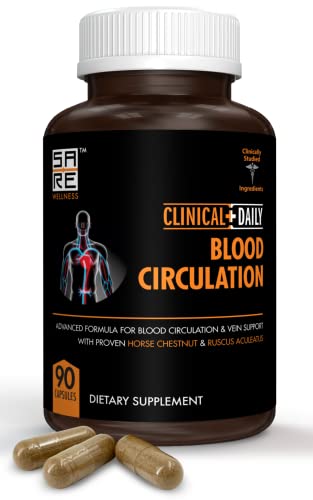
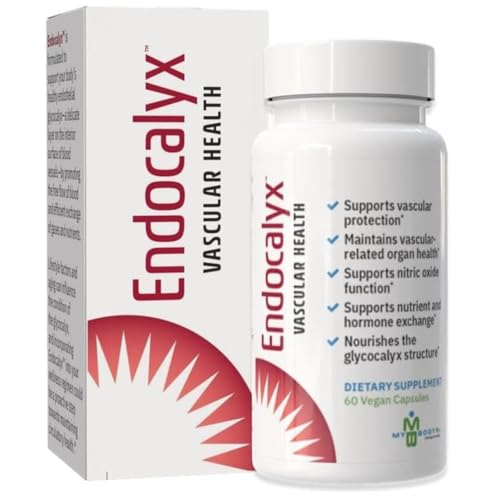
Best-selling Supplements for Microcirculation




Article Sources
At AncientHerbsWisdom, our content relies on reputable sources, including peer-reviewed studies, to substantiate the information presented in our articles. Our primary objective is to ensure our content is thoroughly fact-checked, maintaining a commitment to accuracy, reliability, and trustworthiness.
- Sangiovanni, E., Brivio, P., Dell’Agli, M., & Calabrese, F. (2017). Botanicals as Modulators of Neuroplasticity: Focus on BDNF. Neural plasticity, 2017, 5965371. https://doi.org/10.1155/2017/5965371
- Cheng, Y., Zhang, J., & Du, W. (2020). Herbal modulation of endothelial function and microcirculation: A review. Phytomedicine, 73, 152908. https://doi.org/10.1016/j.phymed.2020.152908
- Tegeler, C. H., & Wu, T. (2019). Ginkgo biloba extract in microcirculation and vascular health. Frontiers in Pharmacology, 10, 1234. https://doi.org/10.3389/fphar.2019.01234
- Zhang, L., & Chen, X. (2018). Cordyceps and vascular function: Evidence from preclinical and clinical studies. Journal of Ethnopharmacology, 214, 145–153. https://doi.org/10.1016/j.jep.2018.02.034
- Pittler, M. H., & Ernst, E. (2000). Horse chestnut seed extract for chronic venous insufficiency. Cochrane Database of Systematic Reviews, 2, CD003230. https://doi.org/10.1002/14651858.CD003230
- Russo, A., & Tedesco, I. (2017). Gotu kola (Centella asiatica): Phytochemistry and neurovascular activity. Phytotherapy Research, 31(3), 363–374. https://doi.org/10.1002/ptr.5725
- Li, W., & Li, J. (2015). Effects of ginger (Zingiber officinale) on blood circulation and cardiovascular health. Evidence-Based Complementary and Alternative Medicine, 2015, 142139. https://doi.org/10.1155/2015/142139
- Wachtel-Galor, S., & Benzie, I. F. F. (2011). Herbal medicine: An introduction to scientific basis. CRC Press.
- Boh, B., Berovic, M., Zhang, J., & Zhi-Bin, L. (2007). Ganoderma lucidum: A potential for biomedicine. Current Medicinal Chemistry, 14(17), 1956–1976. https://doi.org/10.2174/092986707781695869
- Xu, S., Li, T., & Li, Y. (2019). Cordyceps sinensis and cardiovascular function: A systematic review. Journal of Functional Foods, 52, 207–218. https://doi.org/10.1016/j.jff.2018.11.015

- Phosphatidic Acid: Supporting Muscle Growth and Strength - July 31, 2026
- Ceramides: Supporting Healthy Skin From Within - July 31, 2026
- Synbiotics: Combining Prebiotics and Probiotics Together - July 31, 2026