
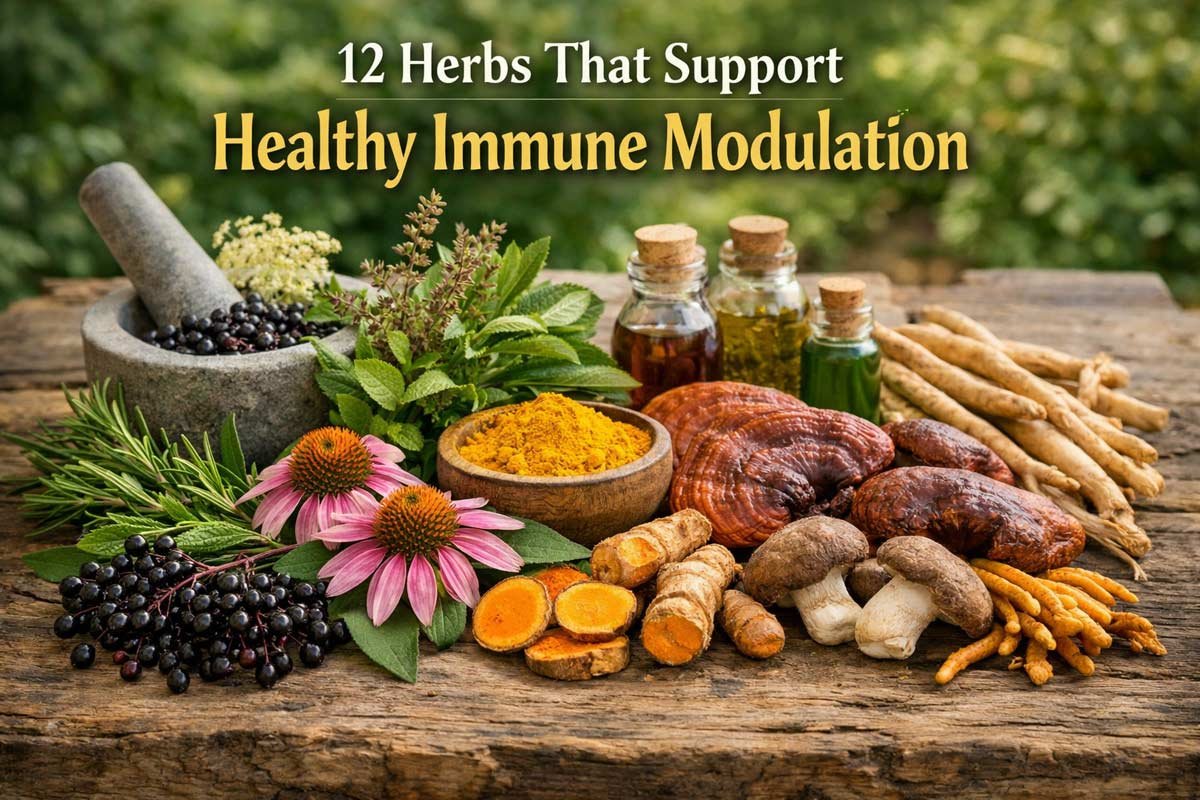
The Art of Balancing Immunity Naturally
When most people think about immunity, they imagine a fortress under siege—walls rising, soldiers attacking anything foreign. But the immune system isn’t a mindless army. It’s a finely tuned orchestra, responding with nuance, timing, and balance. Too little activity leaves you open to infections; too much triggers inflammation, allergies, or even autoimmune flare-ups. Immune modulation is the art of guiding this system, teaching it to respond accurately rather than react indiscriminately. It’s not about making your body “stronger” in the blunt sense; it’s about making it smarter, more discerning, and more resilient.
Herbs and mushrooms have been used for centuries to influence this balance. Unlike pharmaceuticals that often push the system in one direction, natural botanicals and fungi work as modulators. They interact with immune cells, cytokines, and signaling pathways in subtle ways, encouraging the system to calm down when it’s overactive or ramp up when it’s underperforming. Imagine a gardener tending to a delicate plant: too much water or sun can harm it, but just the right conditions help it flourish. That’s what medicinal plants do for immunity—they provide the right cues at the right time.
Table of Contents


Take stress, for example. Chronic stress is one of the most common disruptors of immune balance. Cortisol, the stress hormone, suppresses immune function over time, reducing the efficiency of natural killer cells and other first-line defenses. It can also shift the balance toward pro-inflammatory responses, increasing susceptibility to infections and autoimmune conditions. This is where adaptogenic herbs like Ashwagandha or Rhodiola come into play. They don’t force the immune system to act—they help it reset, buffering the negative effects of stress and restoring equilibrium.

Beyond stress, diet and lifestyle play enormous roles. Nutrient deficiencies, poor sleep, sedentary behavior, and exposure to toxins can all tip the immune system out of balance. Certain herbs act as nutrient-dense allies, providing antioxidants, trace minerals, and bioactive compounds that support cellular immunity. Turmeric, for instance, contains curcumin, which modulates cytokine activity and reduces unnecessary inflammation. Echinacea stimulates phagocytosis and helps the immune system respond appropriately to invaders rather than launching indiscriminate attacks.
Mushrooms deserve special mention in the world of immune modulation. Reishi, Cordyceps, Shiitake, and Chaga aren’t just folklore; their polysaccharides, triterpenes, and beta-glucans interact directly with immune cells. They can enhance the function of macrophages, natural killer cells, and T-cells while calming overactive inflammatory pathways. Reishi, often called the “mushroom of immortality,” is a prime example of a natural immune balancer. Its compounds encourage the immune system to act where needed and stay quiet where not, reducing the risk of chronic inflammation.
Interestingly, immune modulation isn’t a one-size-fits-all process. Each person’s immune system has its own baseline tendencies. Some individuals are prone to inflammation, some to infections, and others may oscillate between the two. Herbs and mushrooms provide flexibility—they adjust their effects according to the body’s needs. This is why centuries of herbal tradition emphasize observation, intuition, and individualized dosing. A tea of Astragalus may support one person through a season of colds, while a combination of Holy Basil and Cordyceps might help another navigate chronic stress without triggering immune overactivity.
The science behind immune modulation is catching up with tradition. Researchers have shown that botanicals influence cytokine production, modulate T-helper cell balance, and affect macrophage activity. Rather than acting as blunt stimulants, these compounds promote homeostasis—a state where the immune system functions efficiently without overreacting. For example, licorice root contains glycyrrhizin, which has been shown to support antiviral activity while suppressing excessive inflammatory responses. This dual action exemplifies the principle of modulation rather than simple enhancement.
Practical application matters just as much as theory. Daily rituals can enhance the impact of these herbs and mushrooms. A morning decoction of Reishi, Turmeric, and Ashwagandha, paired with mindful breathing or a short walk, sends a consistent signal to the body: this is the rhythm, this is balance. Over time, these practices don’t just create temporary effects—they shift the baseline immune tone, making the system more resilient and responsive. It’s about consistency and context, not occasional high-dose interventions.
Immune modulation also benefits from seasonal awareness. In colder months, herbs like Echinacea, Astragalus, and Shiitake support defenses against respiratory infections without overstimulating the system. During times of stress or travel, adaptogens and mushrooms like Cordyceps and Reishi prevent the immune system from tipping into overreaction while keeping defenses alert. By observing patterns and adjusting intake accordingly, you create a dynamic partnership with your immune system rather than imposing a rigid protocol.
One of the most rewarding aspects of this approach is its sensory and ritual dimension. Preparing herbal teas, tinctures, or mushroom broths engages multiple senses—smell, taste, warmth, and ritual movement—all of which have subtle effects on nervous system regulation and stress reduction, indirectly supporting immune modulation. Drinking a carefully brewed tea can become an act of listening to your body, signaling attention, care, and consistency.
It’s worth noting that immune modulation doesn’t guarantee you’ll never get sick, but it does make responses more measured. Fever, inflammation, and other immune reactions are necessary for defense, and the goal isn’t to eliminate them but to ensure they occur appropriately. Herbs and mushrooms guide these processes, reducing extremes while maintaining effectiveness. They teach the immune system when to attack, when to tolerate, and when to repair—a delicate choreography that modern medicine is only beginning to fully appreciate.
Ultimately, balancing immunity naturally is a lifelong practice, not a quick fix. Integrating adaptogenic herbs, nutrient-rich botanicals, and medicinal mushrooms into daily life, observing how your body responds, and adjusting accordingly cultivates an immune system that is robust, discerning, and resilient. When used thoughtfully, these natural allies don’t just influence immunity—they enhance your body’s capacity to maintain equilibrium in the face of stress, pathogens, and the inevitable fluctuations of life.
This interplay of tradition, modern science, and mindful practice illustrates the essence of immune modulation: it’s not about forcing the body to act; it’s about providing the cues and support for it to act wisely. Nature’s herbs and mushrooms are not blunt instruments—they are teachers, guides, and partners in creating an immune system that knows how to respond intelligently.
Adaptogenic Herbs for Immune Regulation
Adaptogens are often described as stress-relievers or resilience enhancers, but their impact goes far beyond that. They don’t just calm the mind—they help the immune system respond intelligently. Chronic stress is one of the most pervasive disruptors of immunity, altering hormone balance, suppressing natural killer cell activity, and tipping the body toward inflammation. Adaptogenic herbs act as modulators, helping the body recalibrate rather than forcing it to act in one rigid way. They are, in essence, coaches for the immune system, whispering “stay balanced” rather than shouting “attack!”
1. Ashwagandha
Ashwagandha (Withania somnifera) is a cornerstone of traditional medicine for stress and immune support. Its roots contain withanolides, compounds that influence both the nervous and immune systems. Studies demonstrate that Ashwagandha enhances natural killer cell activity and balances cytokine production, helping the body respond to pathogens without triggering unnecessary inflammation.
I’ve seen people describe taking Ashwagandha as a subtle shift—a calmer baseline, fewer flare-ups of seasonal colds, and a smoother recovery when illness does strike. Unlike stimulants that push immune activity indiscriminately, Ashwagandha promotes equilibrium. One interesting aspect is its dual effect: it supports both the innate immune system, which reacts first to threats, and adaptive immunity, which builds long-term defense. This duality exemplifies true immune modulation, guiding the system to respond proportionately rather than overreact.
2. Rhodiola Rosea
Rhodiola rosea is often celebrated for energy and mental clarity, but it’s quietly influential in immune modulation. Stress releases cortisol, which, over time, suppresses immune defenses and reduces the activity of natural killer cells. Rhodiola helps blunt this cortisol surge, indirectly supporting immune efficiency.
Regular use can translate to fewer infections during stressful periods, but the effect is nuanced. Rhodiola doesn’t simply “boost” immunity—it stabilizes it. For example, in someone juggling long work hours, irregular sleep, and frequent travel, Rhodiola helps the immune system maintain readiness without overshooting, preventing the exaggerated inflammatory responses that stress often triggers. This makes it invaluable for modern life, where stress is almost constant and the immune system often swings between under- and overactivity.
3. Holy Basil
Holy Basil (Ocimum sanctum) is a multi-faceted adaptogen with notable effects on immune modulation. Beyond reducing stress and supporting adrenal function, its phytochemicals—such as eugenol and ursolic acid—have anti-inflammatory and antimicrobial properties. These compounds help regulate T-helper cells and influence cytokine production, fostering an immune response that is both responsive and restrained.
In practice, Holy Basil is versatile. A daily infusion can create a sense of baseline calm while quietly guiding immune function. During cold and flu season, it helps the body mount an appropriate defense without pushing the system into a hyper-inflammatory state. Anecdotally, people report fewer mild infections and a smoother recovery, illustrating the fine-tuning that true adaptogens provide.
4. Astragalus
Astragalus membranaceus is a staple in traditional Chinese medicine for immune resilience. Its polysaccharides enhance macrophage activity, improve T-cell signaling, and support the production of interferon, all crucial components of a balanced immune response.
What sets Astragalus apart is its ability to strengthen defenses without overstimulation. It encourages the immune system to recognize threats accurately and respond proportionately. People often use it seasonally, particularly in autumn and winter, to maintain a robust yet balanced immune tone. Beyond infections, Astragalus appears to support long-term immune homeostasis, reducing the tendency for chronic inflammation and autoimmune flare-ups.
Integrating Adaptogens into Daily Life
Using adaptogens effectively is more art than science. Unlike a single-dose supplement, they work best consistently, allowing the body to adjust gradually. A morning ritual might include Ashwagandha in a warm beverage, Rhodiola taken before a demanding day, and Holy Basil as an afternoon tea. Astragalus is often brewed as a long decoction, releasing its polysaccharides slowly into the drink. Over weeks, these routines modulate immune responses subtly, improving resilience while keeping inflammation in check.
Adaptogenic herbs aren’t about immediate immunity spikes—they’re about stability and intelligent response. When the immune system is stressed, fatigued, or chronically overactive, these herbs offer guidance. They remind the body how to respond proportionately: attack when necessary, tolerate harmless stimuli, and repair efficiently. It’s a form of immune education, a slow and steady coaching that transforms reactive defenses into responsive ones.
By integrating Ashwagandha, Rhodiola, Holy Basil, and Astragalus into daily life, you create a foundation for an immune system that is adaptable and discerning. These herbs exemplify immune modulation in action, not by forcing the system in one direction but by allowing it to find its natural balance. They are tools for resilience, stability, and long-term health—essential allies in a world that constantly challenges immune equilibrium.
Nutrient-Dense Botanicals That Fine-Tune Immune Function
While adaptogens help guide the immune system’s behavior, nutrient-dense herbs and mushrooms provide the raw materials and bioactive compounds immune cells need to perform optimally. Immune modulation isn’t only about balance—it’s also about strength and precision. Nutrients, antioxidants, and polysaccharides support immune cell function, enhance signaling pathways, and ensure that defense responses are measured rather than erratic. These botanicals act like finely tuned instruments in an orchestra, helping each immune component play its part at the right time.
5. Echinacea
Echinacea purpurea is one of the most studied immune herbs in the Western tradition. Its alkamides, polysaccharides, and caffeic acid derivatives enhance phagocytosis—the process by which immune cells engulf and neutralize pathogens—without overstimulating inflammatory pathways. Echinacea has been shown to increase T-cell activity and balance cytokine production, which is critical for immune modulation.
People often notice that when they take Echinacea at the onset of seasonal illness, symptoms are milder and resolve faster. The herb doesn’t indiscriminately activate the immune system; instead, it primes it to respond efficiently. This is particularly valuable for those prone to frequent infections or low-grade inflammation, as it provides support without triggering immune overreaction.
6. Turmeric
Turmeric (Curcuma longa) is well-known for its active compound curcumin, which exhibits powerful anti-inflammatory and immunomodulatory effects. Curcumin influences multiple signaling pathways, including NF-κB and JAK/STAT, which regulate cytokine production and immune cell activation. By modulating these pathways, turmeric helps maintain immune equilibrium, reducing excessive inflammatory responses while supporting pathogen defense.
Daily use of turmeric, whether in a golden latte or incorporated into meals, can subtly shift the immune system toward balance. Anecdotally, people report smoother recovery from colds, less seasonal inflammation, and an overall sense of systemic calm. Turmeric’s combination of antioxidant and immunoregulatory actions makes it a cornerstone for long-term immune modulation.
7. Ginger
Ginger (Zingiber officinale) is more than a warming culinary spice; it is a potent immune modulator. Its bioactive compounds, including gingerols and shogaols, influence immune cell signaling and reduce chronic low-grade inflammation. These effects help the immune system respond accurately, limiting overactivation while ensuring defense mechanisms are effective.
Ginger can be used fresh, as a tea, or in powdered form. Regular intake supports gastrointestinal immunity, which is central to overall immune modulation. A healthy gut flora and robust mucosal immunity ensure that systemic immune responses remain measured. Practitioners often note that ginger not only eases digestive discomfort but also provides a subtle stabilizing effect on immune function during seasonal transitions.
8. Licorice Root
Licorice root (Glycyrrhiza glabra) provides dual support for immune modulation. Glycyrrhizin, its key compound, exhibits antiviral properties while simultaneously modulating inflammatory responses. Licorice encourages proper cytokine balance, helping immune cells respond proportionately to infections without promoting excessive inflammation.
Traditional preparations involve decoctions or teas, often combined with other herbs to enhance synergistic effects. Regular, mindful use can support both mucosal and systemic immunity. People taking licorice root often report smoother recoveries from viral illnesses and fewer flare-ups of chronic inflammatory conditions, highlighting its role in nuanced immune regulation.
9. Reishi Mushroom
Reishi (Ganoderma lucidum) is widely regarded as a master of immune modulation. Its beta-glucans and triterpenes influence both innate and adaptive immunity, enhancing pathogen defense while reducing excessive inflammatory signaling. Reishi can improve natural killer cell function, modulate T-helper cell balance, and support healthy cytokine profiles.
Long-term use of Reishi often results in a subtle sense of resilience: fewer seasonal infections, less inflammation, and improved recovery times. It doesn’t push the immune system into overdrive; instead, it teaches it to respond judiciously, maintaining equilibrium. Decoctions, powders, or tinctures are traditional methods for extracting its active compounds efficiently.
10. Cordyceps
Cordyceps (Cordyceps sinensis and Cordyceps militaris) is celebrated for its ability to enhance immune surveillance. Its polysaccharides and nucleosides improve natural killer cell activity and support T-cell responses. Importantly, Cordyceps balances immune activation, ensuring heightened defenses do not escalate into unnecessary inflammation.
Athletes and practitioners of high-stress lifestyles often notice that Cordyceps improves resilience not only physically but immunologically. Regular intake supports recovery, reduces susceptibility to infections during periods of stress, and contributes to overall immune homeostasis.
11. Shiitake Mushroom
Shiitake (Lentinula edodes) contains lentinan, a beta-glucan that modulates immune function effectively. Lentinan enhances macrophage activity, regulates cytokine production, and supports T-cell function. This ensures that immune responses are both rapid and measured, targeting pathogens without promoting chronic inflammation.
Shiitake can be incorporated into meals, soups, or extracts. It’s particularly useful for maintaining immune tone during seasonal transitions or periods of heightened stress. The mushroom’s combination of nutrient density and immunomodulatory activity makes it a practical daily ally for balanced immunity.
12. Chaga Mushroom
Chaga (Inonotus obliquus) is rich in antioxidants, particularly polyphenols and melanin-like compounds, which support immune modulation indirectly by maintaining oxidative balance in immune cells. Oxidative stress can exaggerate inflammatory responses and impair immune signaling, so Chaga’s antioxidant capacity helps immune cells function accurately.
Regular consumption, often in the form of decoctions or teas, supports systemic immune resilience. Chaga encourages a measured immune response, aiding recovery from infections and helping maintain long-term homeostasis. Its subtle, grounding effect complements the direct immune signaling support provided by other mushrooms and herbs.
Integrating Nutrient-Dense Botanicals
The strength of these herbs and mushrooms lies in their combination of nutrients, antioxidants, and immunomodulatory compounds. Integrating Echinacea, Turmeric, Ginger, Licorice Root, Reishi, Cordyceps, Shiitake, and Chaga into daily or seasonal routines creates an immune environment that is prepared, balanced, and adaptive. Unlike single compounds or isolated vitamins, these botanicals work synergistically, supporting the immune system holistically.
Daily rituals—whether a morning mushroom decoction, mid-day turmeric latte, or evening herbal tea—reinforce immune modulation over time. The body becomes more adept at distinguishing threats, responding proportionately, and resolving inflammation efficiently. This is the essence of immune modulation: a system that is neither too aggressive nor too passive, guided by the subtle yet powerful influence of nutrient-rich botanicals.
By combining these herbs and mushrooms thoughtfully, you are not just supporting immunity—you are teaching it to function with intelligence, resilience, and balance. Over months and years, this approach cultivates an immune system that is robust yet restrained, vigilant yet calm, and prepared to respond wisely to whatever challenges arise.
Lifestyle and Rituals to Support Immune Modulation
Immune modulation isn’t something that happens solely through herbs and mushrooms—it’s a dance between the body, mind, and daily habits. The botanicals we’ve discussed provide guidance and the building blocks for balanced immunity, but lifestyle choices act as the stage on which this system performs. Stress, sleep, movement, diet, and seasonal awareness all shape how the immune system responds. Even the most potent adaptogen or medicinal mushroom can’t compensate for chronic sleep deprivation or relentless stress.
Stress management is foundational. Chronic stress floods the body with cortisol, suppressing natural killer cell activity and skewing cytokine production toward inflammation. Simple rituals like deep-breathing exercises, meditation, or mindful walks can reduce these stress signals. Pairing these practices with adaptogenic herbs such as Ashwagandha or Holy Basil enhances their effect. For example, a short morning meditation with a warm cup of Ashwagandha tea sets a tone of calm vigilance, signaling to the immune system that it can respond without overreacting.
Sleep is another pillar of immune balance. During deep sleep, the body produces cytokines and growth factors critical for immune modulation. Poor or irregular sleep disrupts these processes, leaving the immune system overactive or sluggish. Incorporating calming herbal teas like Chamomile or Holy Basil in the evening, alongside consistent sleep routines, supports restorative cycles and improves immune responsiveness. Even 20–30 minutes of pre-sleep wind-down, free from screens, can make a measurable difference in how immune cells perform.
Nutrition is equally critical. Immune cells rely on a steady supply of vitamins, minerals, antioxidants, and amino acids to function effectively. Diets rich in colorful vegetables, high-quality proteins, healthy fats, and fiber provide this support naturally. Herbs like Turmeric, Ginger, and Reishi can be incorporated into meals or teas, complementing dietary nutrients and enhancing immune modulation. Seasonal eating—favoring warming, nutrient-dense foods in winter and lighter, hydrating options in summer—also aligns with the body’s natural rhythms, reducing inflammatory stress on immune pathways.
Physical activity modulates immunity in subtle ways. Moderate, consistent exercise improves circulation, lymphatic flow, and cellular metabolism, enhancing the efficiency of immune responses. Overtraining or high-intensity exercise without recovery, however, can stress the system. Pairing movement with supportive botanicals, such as Cordyceps for energy and resilience, ensures the immune system remains vigilant without tipping into overactivity. Even gentle practices like yoga or tai chi stimulate circulation, reduce stress, and enhance immune balance, particularly when combined with daily herbal rituals.
Mindful seasonal practices can further refine immune modulation. For instance, in autumn and winter, when respiratory infections are more prevalent, using Echinacea, Astragalus, or Shiitake as regular tonics supports adaptive and innate immunity. During periods of high work stress or travel, Reishi and Rhodiola help maintain balance, preventing exaggerated inflammatory responses. By observing patterns in your body and adjusting herbal and lifestyle practices accordingly, you create a dynamic system that anticipates challenges rather than reacting haphazardly.
Ritualization itself reinforces immune modulation. Preparing teas, decoctions, or tinctures engages multiple senses—sight, smell, taste, and touch—which influences the nervous system and stress response. Drinking a warm mushroom decoction or a carefully brewed herbal infusion can become a meditative act, signaling attention and care to the body. These sensory rituals, repeated consistently, send subtle but powerful messages that support equilibrium in immune function.
Hydration and detoxification are often overlooked but critical. Water ensures that nutrients, cytokines, and immune cells circulate efficiently. Herbal infusions, broths, and teas contribute both fluid and bioactive compounds, supporting detox pathways in the liver and lymphatic system. Herbs like Ginger and Turmeric gently enhance circulation and antioxidant defenses, complementing hydration efforts and keeping immune signaling balanced.
Social and environmental factors also shape immunity. Positive social interactions, exposure to nature, and reduced environmental toxins contribute to a baseline state of calm, which in turn allows the immune system to operate with precision. Herbs and mushrooms amplify this effect, but they cannot replace supportive surroundings or meaningful human connection. Mindful integration of social, environmental, and herbal strategies creates a synergy that sustains immune modulation over time.
Ultimately, lifestyle and rituals transform immune modulation from a concept into lived experience. Consistent sleep, movement, nutrition, stress management, and seasonal awareness provide the scaffolding upon which herbs and mushrooms can act effectively. Over weeks and months, these practices subtly recalibrate the immune system, teaching it when to attack, when to tolerate, and when to repair. This approach isn’t about rigid protocols—it’s about rhythm, awareness, and consistency.
Incorporating these routines doesn’t require perfection, just mindfulness and persistence. A daily herbal tea ritual, a short meditation, a balanced meal rich in nutrients, and moderate exercise collectively reinforce the signals your immune system receives. Over time, your body responds not only more effectively to pathogens but also more intelligently, avoiding unnecessary inflammation and maintaining long-term homeostasis.
By combining nutrient-dense botanicals, adaptogens, medicinal mushrooms, and lifestyle practices, you create a living system of support for immune modulation. The synergy of these elements ensures your immune system functions with discernment, resilience, and adaptability, ready to meet challenges without overreacting. Nature, when paired with mindful habits, teaches the immune system how to be both vigilant and measured—a lesson that pharmaceuticals alone rarely provide.
Tuning Your Immunity with Nature’s Allies
Achieving balanced immunity is less about force and more about guidance. The body’s defense system thrives when it receives consistent, nuanced signals from both the environment and the compounds it ingests. Herbs and mushrooms act as these signals, helping the immune system discern when to respond, when to tolerate, and when to repair. They don’t replace the immune system’s intelligence—they enhance it, providing cues that encourage measured responses rather than indiscriminate activity.
Consider the combination of Ashwagandha and Reishi. Ashwagandha calms stress-induced cortisol surges, preventing immune suppression, while Reishi enhances natural killer cell activity and modulates cytokine production. Together, they create a scenario where the immune system is alert but not reactive, prepared to respond appropriately to pathogens without triggering unnecessary inflammation. It’s the subtlety of this orchestration that defines true immune modulation.
Other synergistic combinations are equally compelling. Turmeric and Ginger work together to support balanced inflammatory signaling, while Echinacea primes the body for efficient pathogen recognition. Mushrooms like Shiitake and Chaga complement these herbs by enhancing cellular antioxidant capacity and improving immune surveillance. When used consistently, these botanicals create a foundation of resilience, ensuring that the immune system doesn’t swing between overreaction and underperformance.
Seasonal awareness amplifies these effects. During the colder months, Astragalus, Shiitake, and Echinacea fortify defenses, particularly against respiratory challenges. In warmer or transitional periods, Cordyceps and Rhodiola help maintain immune balance in the face of fluctuating stressors, travel, or physical strain. By observing the body’s rhythms and adapting botanical support accordingly, immune modulation becomes a dynamic, responsive process rather than a static routine.
Rituals and daily practices reinforce the immune system’s learning. Brewing a decoction, sipping a herbal tea, or adding medicinal mushrooms to meals engages the senses and creates a form of embodied consistency. These repeated actions communicate to the nervous system that the body is cared for, which in turn influences immune function. The immune system is remarkably sensitive to context and rhythm; small, consistent cues can have significant cumulative effects over weeks and months.
Lifestyle factors remain critical. Adequate sleep, balanced nutrition, moderate exercise, hydration, and stress management work in tandem with herbal and mushroom allies. A well-rested body can interpret botanical signals more effectively, and nutrients from diet and botanicals ensure immune cells have the materials needed for precise responses. Exercise enhances circulation and lymphatic flow, ensuring immune surveillance is efficient, while stress reduction keeps inflammatory tendencies in check.
Practical integration matters. A morning ritual of Ashwagandha and Cordyceps, a midday Turmeric-Ginger infusion, and an evening Reishi tea with Holy Basil not only supports immune function but creates a pattern of consistency. Over time, the immune system “learns” from these patterns, responding proportionately to challenges and maintaining homeostasis. This approach transforms immune modulation from a theoretical concept into lived, felt reality.
It’s important to recognize that immune modulation is not a guarantee against illness—it’s about intelligent response. Fever, inflammation, and mild immune reactions are necessary for defense, and herbs and mushrooms do not eliminate these natural processes. Instead, they guide them, ensuring responses are measured, effective, and restorative. Over months and years, this guidance cultivates an immune system that is resilient, adaptable, and self-regulating.
The cumulative effect of adaptogens, nutrient-dense botanicals, and medicinal mushrooms, paired with mindful lifestyle practices, is a system of support that is proactive, nuanced, and sustainable. These allies teach the immune system how to maintain balance in the face of stress, environmental challenges, and seasonal pathogens. In essence, they shift immunity from reactive chaos to deliberate, intelligent action.
By consistently integrating these herbs, mushrooms, and lifestyle practices, you create a robust framework for long-term immune health. The body becomes better at distinguishing real threats from harmless stimuli, minimizing unnecessary inflammation, and recovering efficiently when challenges arise. This approach is not about instant results but about gradual, lasting resilience—a partnership with nature that cultivates a wiser, more balanced immune system.
Ultimately, tuning immunity with nature’s allies is a holistic process. It combines biochemistry, lifestyle, sensory experience, and ritualized practices to foster a system that functions intelligently. Herbs like Ashwagandha, Turmeric, and Echinacea, alongside mushrooms like Reishi, Shiitake, Cordyceps, and Chaga, provide the signals. Your daily routines, awareness of stress, and dietary choices provide the context. Together, they form a living, adaptive strategy for immune modulation that is nuanced, practical, and sustainable.
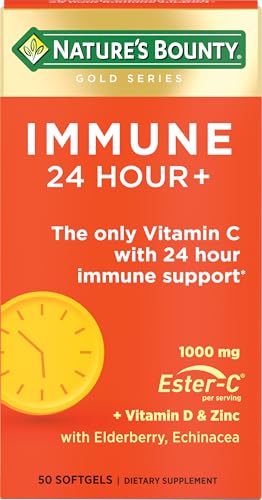
Best-selling Supplements for Immunity




Article Sources
At AncientHerbsWisdom, our content relies on reputable sources, including peer-reviewed studies, to substantiate the information presented in our articles. Our primary objective is to ensure our content is thoroughly fact-checked, maintaining a commitment to accuracy, reliability, and trustworthiness.
- Block, K. I., Gyllenhaal, C., & Mead, M. N. (2008). Safety and efficacy of herbal sedatives in cancer care. Integrative Cancer Therapies, 7(3), 174–188. https://doi.org/10.1177/1534735408322847
- Boonstra, A., & Van den Brink, M. R. M. (2007). Modulation of immune responses by the nervous system. Immunology Today, 28(5), 217–224. https://doi.org/10.1016/j.it.2007.02.003
- Calabrese, C., Gregory, W. L., Leo, M., Kraemer, D., Bone, K., & Oken, B. (2008). Effects of a standardized Ashwagandha extract on stress and immune modulation. Journal of Alternative and Complementary Medicine, 14(3), 317–324. https://doi.org/10.1089/acm.2007.6756
- Chandrasekaran, C. V., Sundarajan, K., Edwin, J. R., Gururaja, G. M., Mundkinajeddu, D., & Agarwal, A. (2012). Immune-stimulatory and anti-inflammatory activities of curcumin. International Immunopharmacology, 14(4), 548–556. https://doi.org/10.1016/j.intimp.2012.09.013
- Chen, X., Hu, Z., Yang, H., & Guo, L. (2014). Immunomodulatory effects of polysaccharides from medicinal mushrooms. International Journal of Medicinal Mushrooms, 16(3), 209–221. https://doi.org/10.1615/IntJMedMushrooms.v16.i3.10
- Gao, Y., Zhou, S., Jiang, W., Huang, M., & Dai, X. (2003). Effects of Ganoderma lucidum polysaccharides on immune function. Journal of Ethnopharmacology, 83(1–2), 119–123. https://doi.org/10.1016/S0378-8741(02)00231-5
- Gertsch, J., Schoop, R., Kuenzle, U., & Suter, A. (2004). Echinacea alkylamides modulate immune responses through cannabinoid receptor interaction. FEBS Letters, 577(3), 563–569. https://doi.org/10.1016/j.febslet.2004.10.055
- Panossian, A., Wikman, G., & Wagner, H. (1999). Plant adaptogens. Phytomedicine, 6(4), 287–300. https://doi.org/10.1016/S0944-7113(99)80061-5
- Paterson, R. R. M. (2006). Ganoderma – A therapeutic fungal biofactory. Phytochemistry, 67(18), 1985–2001. https://doi.org/10.1016/j.phytochem.2006.07.027
- Sharma, U., Bala, M., Kumar, N., Singh, B., Munshi, R. K., & Bhalerao, S. (2012). Immunomodulatory active compounds from Ashwagandha. Journal of Ethnopharmacology, 142(3), 874–880. https://doi.org/10.1016/j.jep.2012.05.056
- Spelman, K., Burns, J., Nichols, D., Winters, N., Ottersberg, S., & Tenborg, M. (2006). Modulation of cytokine expression by traditional herbs. Journal of Ethnopharmacology, 107(3), 293–299. https://doi.org/10.1016/j.jep.2006.03.017
- Zhang, Y., Li, S., Wang, X., Zhang, L., & Cheung, P. C. K. (2011). Advances in lentinan research. Food Science and Human Wellness, 1(1), 29–35. https://doi.org/10.1016/j.fshw.2011.07.001

- Phosphatidic Acid: Supporting Muscle Growth and Strength - July 31, 2026
- Ceramides: Supporting Healthy Skin From Within - July 31, 2026
- Synbiotics: Combining Prebiotics and Probiotics Together - July 31, 2026