
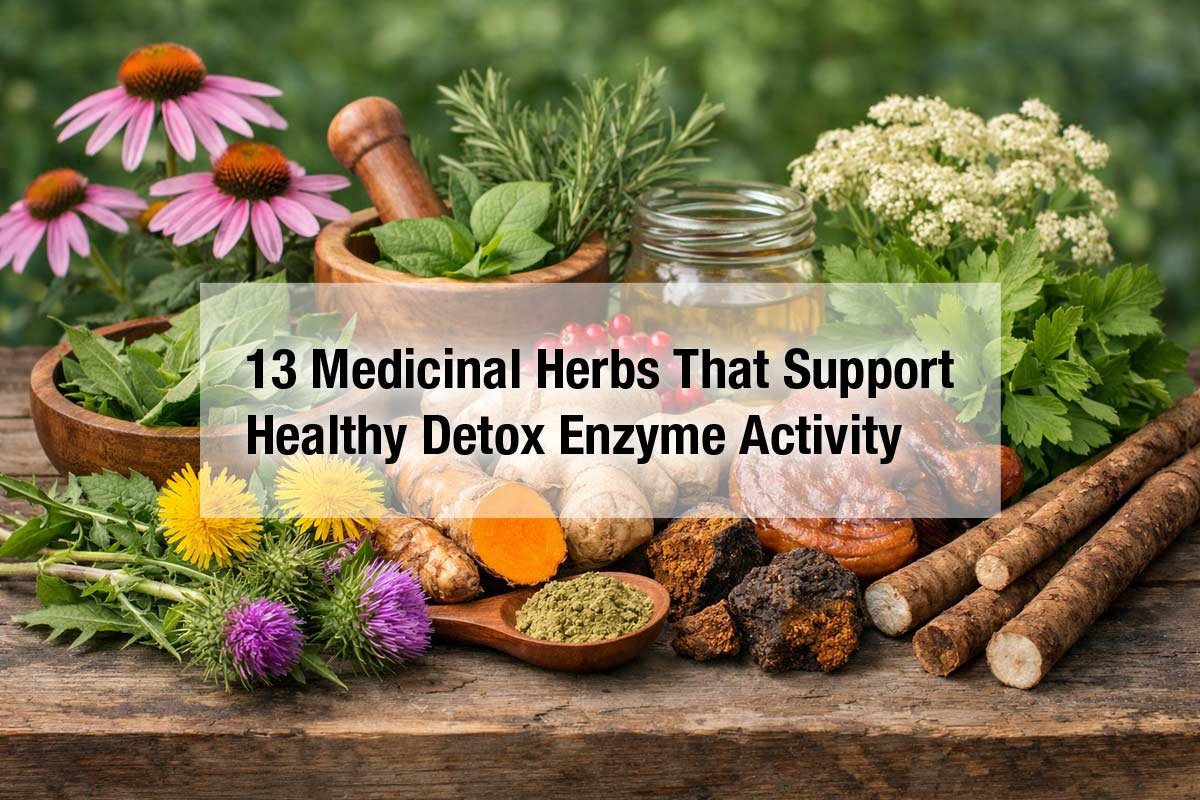
When Detox Enzymes Need More Than Just Willpower
Most people talk about detox as if it were a personality trait. You either have the discipline to do it or you do not. You juice harder. You fast longer. You grit your teeth through headaches and call it cleansing. After years of working with plants and fungi, I see detox very differently. Detox is not about willpower. It is about biochemistry. More specifically, it is about detox enzyme activity and whether your body has the raw materials, signals, and rhythm it needs to do its job quietly and efficiently.
Your liver does not care about trends. It responds to inputs. Enzymes switch on or stay sluggish based on nutrients, phytochemicals, stress load, inflammation, sleep, and the constant chemical noise of modern life. Detox enzyme activity happens every minute, whether you are thinking about it or not. The real question is whether those enzymes are supported or constantly playing catch up.
Table of Contents

Phase I and Phase II detox pathways get talked about like abstract concepts, but they are living systems. Phase I enzymes, largely driven by the cytochrome P450 family, take fat soluble compounds and make them more reactive. That step is necessary, but it can be messy. Those intermediates are often more irritating than what came before. Phase II enzymes step in to bind, neutralize, and escort those compounds out of the body through bile or urine. When detox enzyme activity is balanced, this process feels invisible. When it is not, people feel wired but tired, reactive, inflamed, foggy, or stuck in cycles of skin eruptions, headaches, or digestive sluggishness.
Here is the part that rarely gets said out loud. You cannot force detox enzyme activity with sheer intensity. Overstimulating Phase I without supporting Phase II is like kicking over a hornet nest and walking away. I have seen people load up on aggressive cleanses, high dose extracts, or extreme fasting, only to end up feeling worse. The enzymes are working, yes, but without adequate conjugation capacity, the system backs up. Herbs and mushrooms, when chosen with some restraint and understanding, can help regulate this balance rather than whip it into chaos.
Plants have been influencing human detox enzyme activity for as long as humans have been eating plants. Bitter roots, aromatic leaves, resinous barks, and deeply pigmented mushrooms all contain compounds that speak directly to enzyme systems. They do not shout. They nudge. A bitter taste alone can increase bile flow and digestive secretions, setting the stage for more efficient elimination. Polyphenols interact with transcription factors that tell the body when to make more detox enzymes and when to slow them down. Sulfur containing compounds help rebuild glutathione, one of the central players in Phase II detox enzyme activity.
This is why traditional herbal systems never treated detox as a weekend project. It was seasonal, cyclical, and deeply tied to food, digestion, and rest. Spring tonics with dandelion root or burdock were not about punishment. They were about gently waking up enzyme systems after a heavy winter diet. Bitter greens, fermented foods, and liver supporting herbs worked together. Nobody was counting calories or grams of protein. They were paying attention to how the body responded.
Medicinal mushrooms add another layer to this conversation. Unlike many herbs that push or stimulate, mushrooms tend to modulate. Reishi, chaga, and cordyceps do not force detox enzyme activity in a linear way. They influence immune signaling, oxidative stress response, and mitochondrial efficiency, all of which indirectly shape how detox enzymes behave. When inflammation is lower and antioxidant systems are stronger, detox pathways run more smoothly. This is regulation, not stimulation, and it matters more than most people realize.
Another overlooked piece is energy. Detox enzyme activity is metabolically expensive. Every conjugation reaction costs something. If someone is underfed, chronically stressed, or running on caffeine and adrenaline, the body will prioritize survival over cleanup. This is where adaptogenic herbs like schisandra or astragalus quietly shine. They do not belong to detox protocols because they cleanse anything. They belong because they help stabilize energy production and stress response, which gives detox enzymes the bandwidth to work properly.
I often hear the question, why does detox feel harder now than it used to? The answer is not mysterious. The chemical load is heavier. Pesticides, plastics, solvents, combustion byproducts, and food additives all converge on the same enzyme systems. At the same time, people eat fewer bitter foods, fewer wild plants, and fewer deeply pigmented compounds that historically kept detox enzyme activity tuned. The body adapts until it cannot. Symptoms then get labeled as mysterious or idiopathic, when they are often signs of overwhelmed pathways.
Supporting detox enzyme activity does not require dramatic intervention. It requires consistency and respect for how slowly enzymes change expression. Herbs do not flip a switch overnight. They shift patterns over weeks. Mushrooms build tone over months. That timeline frustrates people who want immediate results, but it aligns with how biology actually works. When detox support is done well, people often report subtle changes first. Digestion feels easier. Sleep deepens. Skin tone improves. Reactivity decreases. These are quiet wins, but they are real.
One more thing deserves honesty. Not everyone needs aggressive detox support at the same time. Sometimes the most supportive move for detox enzyme activity is to stop interfering. Removing alcohol, reducing ultra processed foods, spacing meals, or sleeping an extra hour can improve enzyme function more than any supplement. Herbs and mushrooms work best when they are reinforcing good signals, not compensating for constant damage.
This article is not about chasing purity or cleansing sins away. It is about restoring cooperation between your environment, your diet, and your internal chemistry. Detox enzyme activity thrives when it is informed, nourished, and left alone to do what it evolved to do. The plants and fungi discussed here are not shortcuts. They are allies. They remind the body how to move toxins along without drama, without force, and without turning detox into a battle of wills.
If there is one mindset shift worth holding onto, it is this. Detox is not something you do to your body. It is something your body does for you, every single day, when you give it the right support.
Bitter, Aromatic, and Resinous Herbs That Activate Phase I Detox Enzymes
Phase I detox often gets a bad reputation. People hear that it creates reactive intermediates and immediately want to shut it down. That fear misses the point. Phase I is not the villain. It is the scout. It identifies, transforms, and flags compounds so the body knows what it is dealing with. When detox enzyme activity at this stage is sluggish, toxins linger longer than they should, embedding themselves in fat tissue or recirculating through bile. When it is supported intelligently, the entire detox cascade gains momentum.
Bitter, aromatic, and resinous herbs have a long history of influencing cytochrome P450 enzymes. These compounds are chemically complex and metabolically active. They interact with liver enzymes not by brute force, but by signaling. Taste receptors on the tongue alone can initiate reflexes that increase bile flow and hepatic blood circulation. Once absorbed, their phytochemicals interact directly with detox enzyme activity at the cellular level, nudging enzyme expression upward when the system needs to wake up.
What matters here is restraint. Phase I support should feel like turning up the lights, not setting off fireworks. The herbs in this category are powerful, but they have built in intelligence. They tend to stimulate while protecting, activating detox enzyme activity while buffering oxidative stress. That balance is why these plants have survived centuries of use without burning people out.
1. Milk Thistle Seed (Silybum marianum)
Milk thistle is often pigeonholed as a liver protector, but that description barely scratches the surface. The seed contains silymarin, a complex of flavonolignans that interact directly with liver cell membranes and enzyme systems. What makes milk thistle unique in the context of detox enzyme activity is that it supports Phase I signaling while simultaneously stabilizing hepatocytes.
Silymarin has been shown to influence cytochrome P450 activity, particularly enzymes involved in toxin metabolism. It does not simply ramp them up indiscriminately. Instead, it appears to normalize enzyme function, increasing activity when it is suppressed and reducing damage when activity runs too hot. This dual action is rare and explains why milk thistle feels gentle even when used long term.
In practice, milk thistle shines when Phase I detox enzyme activity feels sluggish due to chronic exposure rather than acute overload. Think long term medication use, environmental toxins, or years of heavy, processed diets. People often notice clearer skin, better fat digestion, and a subtle lift in energy, not because milk thistle stimulates like caffeine, but because detox pathways stop dragging their feet.
There is also an often overlooked sensory aspect. Milk thistle has a mild bitterness that primes digestion. Better digestion means better signaling to the liver. That upstream effect matters more than people think.
2. Dandelion Root (Taraxacum officinale)
Dandelion root is bitter in a way that commands respect. The first taste alone triggers digestive reflexes that ripple all the way to the liver. This is one of the most direct examples of how sensory input influences detox enzyme activity before a compound is even absorbed.
Chemically, dandelion root contains sesquiterpene lactones and phenolic acids that stimulate bile production and hepatic circulation. Increased bile flow is not just about elimination. It is a feedback signal that encourages Phase I enzymes to engage. When bile moves, detox moves.
Dandelion root tends to wake up detox enzyme activity gently but persistently. It is especially useful when the liver feels congested. People describe heaviness after meals, sluggish bowels, or dull headaches that come and go. These are not dramatic symptoms, but they often signal that Phase I is underperforming.
One reason dandelion works so well is that it bridges digestion and detox. It improves stomach acid secretion, pancreatic output, and bile flow in one sweep. That coordination reduces the chance of Phase I activation without follow through. It is hard to overstimulate dandelion when used as a whole root because its bitterness enforces moderation.
3. Burdock Root (Arctium lappa)
Burdock root does not announce itself loudly. It works in the background, steady and slow, which makes it easy to underestimate. Yet burdock has a deep affinity for detox enzyme activity, especially when toxins are circulating through the blood and lymph rather than sitting squarely in the liver.
Rich in polyacetylenes, lignans, and inulin, burdock influences Phase I enzymes while supporting elimination through the skin and kidneys. That peripheral support matters. When Phase I detox enzyme activity increases, byproducts need multiple exit routes. Burdock helps open those routes.
From a biochemical perspective, burdock appears to support cytochrome P450 mediated metabolism of xenobiotics while also modulating inflammatory signaling. This reduces the oxidative burden that often accompanies Phase I activation. People who react poorly to more aggressive detox herbs often tolerate burdock well because it spreads the workload.
There is also something grounding about burdock. It nourishes while it cleans. In traditional use, it was as much food as medicine. That food like quality is not accidental. Detox enzyme activity thrives when the body feels fed, not threatened.
4. Artichoke Leaf (Cynara scolymus)
Artichoke leaf is one of the most efficient bile stimulants in the plant world. Its bitterness is sharp and unmistakable, and its effect on detox enzyme activity is equally direct. Cynarin and related caffeoylquinic acids increase bile secretion and influence hepatic enzyme expression.
When bile flow increases, Phase I enzymes receive a clear signal that processing and packaging are required. Artichoke leaf enhances this signal. It is particularly useful when detox enzyme activity is stalled by fat accumulation in the liver or poor lipid metabolism.
People often notice that artichoke leaf improves tolerance to dietary fats. That is not incidental. Improved fat digestion reduces the toxic load the liver must process, freeing up enzymatic capacity. This creates a positive loop where Phase I activity becomes more efficient instead of overwhelmed.
Artichoke also offers antioxidant protection that tempers Phase I stimulation. This is crucial. Without that protection, increased detox enzyme activity can feel edgy or inflammatory. Artichoke keeps the tone firm but calm.
5. Schisandra Berry (Schisandra chinensis)
Schisandra occupies a unique position among Phase I herbs. It is both stimulating and stabilizing, bitter and sour, activating and adaptogenic. Its lignans have been extensively studied for their effects on cytochrome P450 enzymes and hepatic glutathione levels.
Schisandra directly influences detox enzyme activity by increasing Phase I enzyme expression while also enhancing antioxidant defenses. This dual action allows the liver to process toxins more efficiently without generating excessive oxidative stress. It is one of the few herbs that can increase detox throughput while preserving resilience.
Clinically, schisandra feels different from purely bitter herbs. It sharpens mental clarity, improves stress tolerance, and supports endurance. These effects are not separate from detox. Stress hormones directly influence detox enzyme activity. By stabilizing the stress response, schisandra indirectly optimizes enzyme function.
The berry’s complex flavor profile tells the story. Bitter wakes things up. Sour tightens and preserves. Sweet nourishes. Salty grounds. Pungent moves. All five tastes working together mirror its biochemical intelligence.
Taken together, these herbs demonstrate an important truth. Phase I detox enzyme activity does not need to be forced. It needs to be invited, supported, and kept in balance. Bitter, aromatic, and resinous plants speak the language of the liver fluently. When used with respect, they initiate detox signaling without creating chaos, setting the stage for deeper, more sustainable metabolic clearance.
Sulfur-Rich and Polyphenol-Dense Herbs for Phase II Conjugation
If Phase I detox is about recognition, Phase II is about resolution. This is where the body decides what to do with what it has uncovered. Without strong Phase II pathways, increased detox enzyme activity upstream can feel like stirring up dust in a closed room. Phase II conjugation is where toxins get neutralized, tagged, and escorted out. Glutathione binding, sulfation, methylation, and glucuronidation are not abstract chemistry terms here. They are daily survival strategies.
What I have learned over time is that most people do not struggle with initiating detox enzyme activity. They struggle with finishing the job. Phase II pathways are nutrient hungry. They depend on sulfur, amino acids, minerals, and a steady antioxidant environment. When these are lacking, the body slows detox on purpose. It is not broken. It is cautious.
Sulfur rich herbs and polyphenol dense plants shine here. They do not just increase detox enzyme activity in a general sense. They feed the very systems that allow conjugation to happen safely. When these herbs are present, Phase II stops feeling like a bottleneck and starts feeling like a smooth handoff.
6. Turmeric Root (Curcuma longa)
Turmeric is often celebrated for inflammation, but its deeper value lies in how it supports Phase II detox enzyme activity. Curcumin and related curcuminoids influence gene expression tied to glutathione synthesis and conjugation enzymes. This is not a stimulant effect. It is architectural. Turmeric helps build the infrastructure that Phase II depends on.
One of turmeric’s most important actions is its ability to upregulate glutathione S transferase activity. This enzyme family is central to Phase II detox. Without it, reactive metabolites linger. With it, they get bound and neutralized efficiently. This is why turmeric often feels grounding rather than energizing. It calms the system by completing processes that would otherwise remain unfinished.
Turmeric also reduces oxidative stress generated during detox enzyme activity. Phase II is sensitive to redox balance. Too much oxidative pressure and conjugation slows. Turmeric acts like a buffer, absorbing excess reactivity so detox can continue without collateral irritation.
In practice, turmeric works best when used consistently and in forms the body can absorb. It is not a quick fix herb. It builds capacity over time. People who use turmeric regularly often notice fewer inflammatory flares during periods of increased detox demand. That is Phase II doing its quiet work.
7. Garlic (Allium sativum)
Garlic is unapologetically sulfur rich. That sharp aroma is the scent of detox support. Organosulfur compounds like allicin and its metabolites directly feed sulfur dependent conjugation pathways. Sulfation is one of the fastest Phase II routes, and it lives or dies on sulfur availability.
Garlic enhances detox enzyme activity by replenishing sulfur pools needed for glutathione synthesis. Glutathione is often called the master antioxidant, but in detox terms it is a delivery vehicle. It binds toxins and carries them out. Without enough sulfur, glutathione levels drop and Phase II slows to a crawl.
Garlic also influences methylation indirectly by sparing glutathione. When oxidative stress is high, glutathione gets burned up as an antioxidant instead of being used for detox. Garlic reduces that drain, allowing detox enzyme activity to stay focused.
There is also a circulatory aspect. Garlic improves blood flow and endothelial function, which means toxins reach the liver and kidneys more efficiently. Detox does not happen in isolation. It depends on transport. Garlic keeps that highway open.
People often underestimate garlic because it feels like food. That is precisely the point. Food like herbs are often the most sustainable Phase II allies. Garlic does not push. It supplies.
8. Cilantro Leaf (Coriandrum sativum)
Cilantro has earned a reputation for mobilizing heavy metals, and while that conversation can get exaggerated, its role in Phase II detox enzyme activity is real. Cilantro contains polyphenols and volatile compounds that support conjugation while gently increasing excretion through bile and urine.
What makes cilantro interesting is its affinity for binding. Phase II is all about binding. Whether through glutathione or other conjugates, toxins need partners. Cilantro appears to support this process, particularly for compounds that are otherwise stubborn.
Cilantro also supports digestive secretions and bile flow, creating downstream support for detox enzyme activity. When bile moves, conjugated toxins leave. Stagnation is the enemy of Phase II.
From a practical standpoint, cilantro works best fresh and frequent. Small amounts used regularly are more effective than sporadic large doses. This mirrors how detox enzyme activity prefers consistency over intensity.
People sometimes feel subtle shifts when adding cilantro. Lighter digestion. Clearer head. Less chemical sensitivity. These changes often signal improved conjugation rather than increased detox per se. Things move out before they can cause trouble.
9. Rosemary Leaf (Rosmarinus officinalis)
Rosemary is an aromatic powerhouse. Its polyphenols, including rosmarinic acid and carnosic acid, are potent modulators of detox enzyme activity. Rosemary supports both Phase I and Phase II, but its real strength lies in how it protects and enhances conjugation pathways.
Rosemary increases the activity of enzymes involved in glucuronidation, one of the major Phase II processes. Glucuronidation attaches glucuronic acid to toxins, making them water soluble and ready for elimination. This pathway is especially important for hormones, medications, and environmental chemicals.
At the same time, rosemary provides strong antioxidant protection. This matters because conjugation reactions generate oxidative byproducts. Without antioxidants, Phase II enzymes downregulate to protect the cell. Rosemary keeps the environment safe so detox enzyme activity can proceed.
There is also a cognitive aspect to rosemary that should not be ignored. Mental clarity and memory support are often reported with regular use. The brain is highly sensitive to detox inefficiencies. When conjugation improves, mental fog often lifts.
Rosemary’s aroma alone stimulates digestion and circulation. Like bitter herbs, aromatics communicate with the nervous system. This top down signaling influences liver enzyme expression in subtle but meaningful ways.
Taken together, these herbs highlight a truth that gets missed in detox conversations. Phase II is not optional. You cannot bypass it. Supporting detox enzyme activity without feeding conjugation pathways is like opening the faucet without checking the drain.
Sulfur rich and polyphenol dense herbs provide the raw materials and protection Phase II requires. They slow things down in the best possible way. Not by inhibiting detox, but by ensuring it finishes cleanly. When these pathways are supported, detox stops feeling dramatic. It becomes steady, quiet, and sustainable.
This is where real progress happens. Not in extremes, but in completion.
Medicinal Mushrooms and Adaptogens That Regulate Detox Enzyme Balance
By the time people reach for mushrooms and adaptogens, they are often tired of pushing. They have tried stimulating detox enzyme activity with bitters, cleanses, and protocols that promised speed. What they are really looking for is balance. This is where medicinal mushrooms and tonic herbs step in. They do not behave like switches. They behave like dimmers. Instead of forcing detox enzyme activity up or down, they help the body decide how much is appropriate in the first place.
Detox is regulated by more than the liver. Immune signaling, mitochondrial output, inflammatory tone, and stress hormones all shape enzyme expression. When these systems are out of sync, detox enzyme activity becomes erratic. Some pathways run hot while others shut down. Mushrooms and adaptogens work upstream of that chaos. They influence the terrain so enzymes can respond intelligently.
What makes these allies different is patience. They rarely produce dramatic sensations. Their effects show up quietly. Better tolerance to stress. Fewer inflammatory flares. Improved recovery. Over time, detox enzyme activity becomes steadier, less reactive, and more efficient without feeling aggressive.
10. Reishi Mushroom (Ganoderma lucidum)
Reishi has a long reputation as a longevity mushroom, but its relationship with detox enzyme activity is subtle and profound. Rather than directly stimulating cytochrome P450 enzymes, reishi influences immune modulation and oxidative stress pathways that determine how detox enzymes behave.
Reishi’s triterpenes and polysaccharides help regulate inflammatory signaling. Chronic inflammation suppresses healthy detox enzyme activity by diverting resources toward immune defense. When inflammation calms, enzymatic capacity returns. This is one of the quiet ways reishi supports detox without ever feeling like a detox herb.
Another key aspect is antioxidant support. Phase I and Phase II detox enzyme activity both generate oxidative byproducts. Reishi increases endogenous antioxidant capacity, reducing the need for enzymes to downshift for self protection. This allows detox to proceed at a sustainable pace.
Reishi also interacts with stress hormones. Elevated cortisol alters liver enzyme expression. People under constant stress often have unpredictable detox responses. Reishi smooths that hormonal terrain. When stress signaling stabilizes, detox enzyme activity becomes more consistent.
In real life, reishi rarely announces itself. People notice better sleep, calmer digestion, and fewer exaggerated reactions to food or chemicals. Those are signs of regulation. Detox is happening, but it is no longer noisy.
11. Chaga Mushroom (Inonotus obliquus)
Chaga works like a shield. It does not push detox enzyme activity forward. It makes the environment safer for detox to occur. Rich in melanin, polyphenols, and antioxidant compounds, chaga dramatically reduces oxidative stress load.
Oxidative stress is one of the main reasons detox enzyme activity becomes inefficient. When cells are under constant attack, they prioritize repair over detox. Chaga shifts that equation. By absorbing oxidative pressure, it frees enzymatic resources for metabolic clearance.
Chaga also supports immune surveillance. The immune system and detox systems are deeply intertwined. Persistent immune activation alters enzyme expression and slows conjugation. Chaga helps normalize immune signaling, indirectly supporting detox enzyme activity without touching the enzymes directly.
There is also a mitochondrial angle. Detox is energy dependent. Chaga improves cellular energy efficiency, which matters more than people realize. When ATP production improves, conjugation reactions proceed more smoothly.
People drawn to chaga often describe feeling more resilient rather than cleansed. That resilience is the point. Detox enzyme activity improves when the system feels protected, not attacked.
12. Cordyceps (Cordyceps militaris, Cordyceps sinensis)
Cordyceps is about capacity. Detox enzyme activity demands energy, oxygen, and metabolic flexibility. Cordyceps supports all three. It enhances mitochondrial function and improves oxygen utilization at the cellular level.
When energy is low, the body downregulates detox. It is a survival strategy. Cordyceps reverses that limitation by improving energy availability without overstimulation. Unlike stimulants, it does not spike adrenaline. It builds baseline output.
Cordyceps also influences liver enzyme expression indirectly through improved circulation and oxygen delivery. Better blood flow means toxins reach detox organs efficiently and conjugated waste leaves promptly.
There is also evidence that cordyceps modulates immune activity and inflammatory cytokines. This matters because chronic inflammation disrupts detox enzyme activity patterns. Cordyceps helps restore rhythm.
Clinically, cordyceps often improves exercise tolerance and recovery. That physical resilience parallels metabolic resilience. When the body recovers faster, detox pathways regain flexibility.
Cordyceps is especially useful for people who feel drained by detox efforts. It does not clean. It fuels. Detox enzyme activity then rises naturally because the system can afford it.
13. Astragalus Root (Astragalus membranaceus)
Astragalus is often misunderstood as purely immune boosting. In reality, it is a regulator. It strengthens what is weak and calms what is excessive. This makes it an underrated ally for detox enzyme activity.
Astragalus supports liver regeneration and improves cellular repair mechanisms. Healthy liver tissue expresses detox enzymes more effectively. This is not stimulation. It is restoration.
Astragalus also stabilizes stress response through hypothalamic and adrenal modulation. Chronic stress suppresses Phase II conjugation and alters Phase I balance. By normalizing stress signaling, astragalus indirectly optimizes detox enzyme activity.
Another overlooked role is vascular support. Astragalus improves microcirculation, ensuring that detoxified compounds can exit tissues efficiently. Poor circulation creates bottlenecks that make detox feel heavy and slow.
People using astragalus often report improved immunity, steadier energy, and better tolerance to environmental stressors. Those experiences reflect deeper metabolic balance. Detox is no longer a crisis response. It becomes routine maintenance.
What ties these mushrooms and adaptogens together is their refusal to force outcomes. They respect the intelligence of the body. Detox enzyme activity is not something to be conquered. It is something to be regulated.
When these allies are present, the body adapts to its environment with more grace. Enzymes respond appropriately to load. Inflammation stays in check. Energy remains available. Detox becomes less about elimination and more about balance.
This approach is especially important in a world where exposure is constant. You cannot out detox your environment with intensity. You can only build systems that respond intelligently. Medicinal mushrooms and adaptogens do exactly that.
They teach patience. They reward consistency. And over time, they restore a relationship with detox enzyme activity that feels supportive rather than adversarial.
Listening to Your Biochemistry Instead of Forcing a Detox
At some point, every serious conversation about detox has to slow down. Not because detox enzyme activity is unimportant, but because forcing it usually backfires. The body is not impressed by intensity. It responds to clarity, timing, and adequate resources. When people feel stuck in cycles of detox attempts that never quite land, the issue is rarely a missing herb. It is a missing conversation with their own biochemistry.
Your enzymes are not static tools sitting on a shelf. They are responsive proteins whose expression changes daily. Sleep alters them. Stress alters them. Hormones alter them. Even the season alters them. Detox enzyme activity is not something you turn on and off. It is something you negotiate with. When you stop trying to overpower that process, detox starts to feel less like a project and more like background maintenance.
One of the most useful shifts is learning to recognize signals instead of chasing symptoms. Headaches, skin flares, irritability, digestive heaviness, or chemical sensitivity are often interpreted as signs that detox needs to be pushed harder. In reality, they are often signs that detox enzyme activity has been pushed beyond what Phase II and elimination pathways can manage. The body speaks in sensations long before lab values change. Ignoring those cues in favor of protocols is how people end up exhausted by something meant to be supportive.
Listening to biochemistry means paying attention to response, not theory. You can read every paper on glutathione and still miss the fact that a certain herb leaves you wired, bloated, or flat. That response matters. Detox enzyme activity that improves health feels steady. It does not feel dramatic. It does not hijack your nervous system. If it does, something is out of sync.
Another uncomfortable truth is that rest is a detox strategy. Detox enzyme activity depends on circadian rhythm. Many liver enzymes peak at night. Chronic sleep restriction blunts their expression. No amount of herbs will compensate for that. People often want a plant that fixes what lifestyle erodes. Sometimes the most effective detox support is going to bed earlier and eating dinner when the sun is still up.
Food timing matters more than most detox plans acknowledge. Constant grazing keeps insulin elevated, which alters liver metabolism and suppresses certain detox enzymes. Gentle meal spacing often improves detox enzyme activity without adding anything new. This is not about restriction. It is about rhythm. Enzymes love rhythm.
Hydration is another unglamorous piece. Conjugated toxins still need to leave. Without adequate fluid intake, the kidneys slow elimination. Detox enzyme activity may be working perfectly upstream, but symptoms still show up because the exits are blocked. When people feel worse during detox support, the fix is often water and minerals, not another supplement.
There is also the question of timing within life itself. Detox enzyme activity changes with age. Younger bodies often tolerate stimulation better. As people get older, regulation becomes more important than activation. This is where medicinal mushrooms and adaptogens often outperform aggressive bitters. They adapt to the system instead of demanding output.
Hormonal state matters too. Thyroid hormones directly influence detox enzyme expression. So do estrogen and cortisol. Supporting detox without acknowledging hormonal context is like adjusting one instrument in an orchestra and ignoring the rest. Sometimes detox feels stalled not because enzymes are weak, but because hormones are sending conflicting signals.
One of the most reliable markers of healthy detox enzyme activity is how unremarkable it feels. Digestion works. Energy is steady. Sleep is deep. Mood is stable. When detox becomes the main event, something is usually off. The goal is not to feel detoxing. The goal is to feel normal in a world that constantly challenges metabolic balance.
This is where herbs and mushrooms earn their place. Not as saviors, but as translators. Bitter herbs translate digestive signals to the liver. Sulfur rich plants translate nutrient availability into conjugation capacity. Mushrooms translate immune and stress signals into metabolic restraint. When chosen well, they help the body hear itself more clearly.
Consistency beats novelty every time. Detox enzyme activity adapts slowly. Switching herbs every week because something new looks more exciting disrupts that adaptation. Staying with a few well chosen allies for months allows enzyme expression to stabilize. That stability is where long term change lives.
It is also worth saying that detox does not need to be constant. The body naturally increases detox enzyme activity during times of lower intake, seasonal shifts, or after illness. Supporting detox during those windows often works better than trying to maintain peak detox year round. Nature pulses. Biology follows.
Perhaps the most important part of listening to biochemistry is letting go of moral language. Detox is not about being good or bad. Toxins are not punishment. They are a fact of modern life. Detox enzyme activity is not a virtue signal. It is a metabolic service your body performs whether you thank it or not.
When people stop framing detox as self correction and start seeing it as collaboration, the whole experience changes. Herbs become food for enzymes rather than tools of control. Mushrooms become stabilizers rather than miracle cures. The body stops resisting and starts cooperating.
If there is a single takeaway worth holding onto, it is this. The most effective detox support feels boring on the surface and profound underneath. No fireworks. No collapse. Just systems doing what they were designed to do with a little less friction.
Detox enzyme activity does not need to be conquered. It needs to be respected. When you listen closely enough, the body will tell you exactly how to support it. And it will usually ask for less force and more patience than you expected.
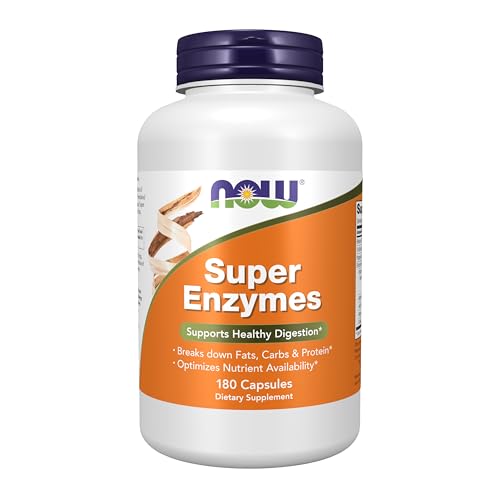
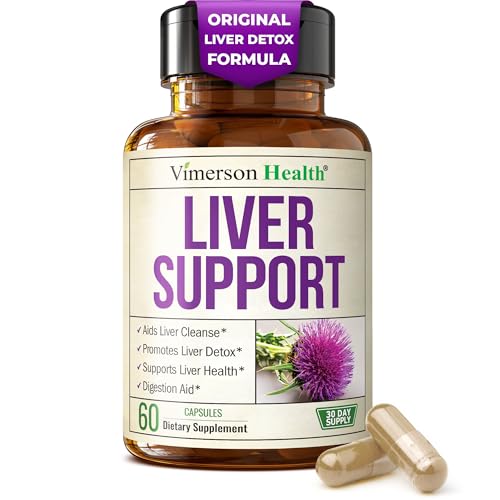
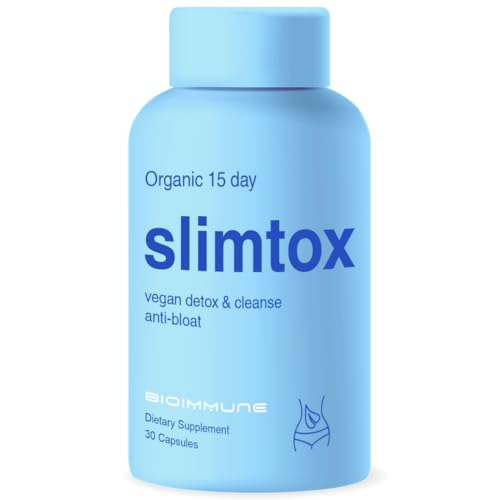
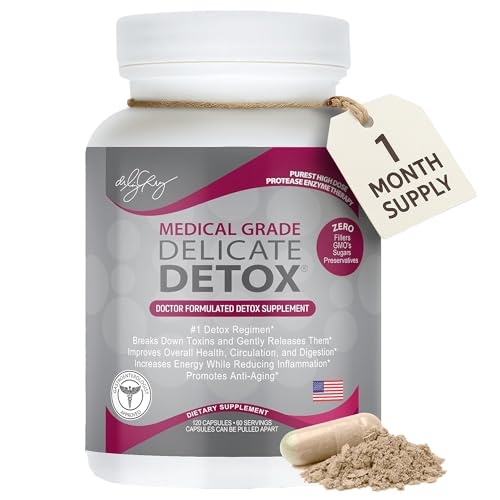
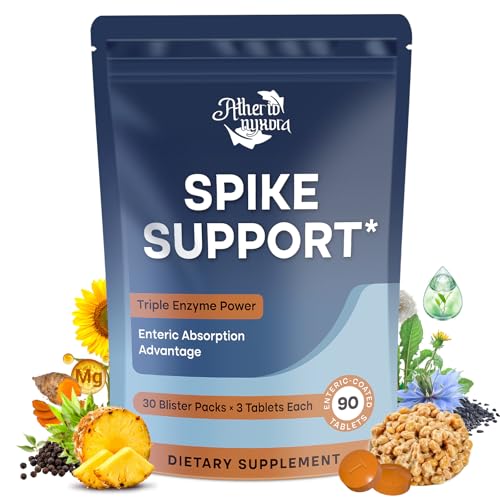
Best-selling Supplements for Detox Enzyme





Article Sources
At AncientHerbsWisdom, our content relies on reputable sources, including peer-reviewed studies, to substantiate the information presented in our articles. Our primary objective is to ensure our content is thoroughly fact-checked, maintaining a commitment to accuracy, reliability, and trustworthiness.
- Saller, R., Brignoli, R., Melzer, J., & Meier, R. (2008). An updated systematic review of the pharmacology of silymarin. Forschende Komplementarmedizin, 15(1), 9–20. https://doi.org/10.1159/000113648
- Abenavoli, L., Capasso, R., Milic, N., & Capasso, F. (2010). Milk thistle in liver diseases: Past, present, future. Phytotherapy Research, 24(10), 1423–1432. https://doi.org/10.1002/ptr.3207
- Panossian, A., Wikman, G. (2008). Pharmacology of Schisandra chinensis and its bioactive constituents. Phytomedicine, 15(9), 681–696. https://doi.org/10.1016/j.phymed.2008.06.002
- Kim, Y. J., & Lee, H. J. (2015). Effect of rosemary extract on phase I and phase II drug-metabolizing enzymes. Food and Chemical Toxicology, 80, 83–90. https://doi.org/10.1016/j.fct.2015.03.003
- Zhang, A., Sun, H., Wang, X. (2012). Recent advances in natural products from plants for treatment of liver diseases. European Journal of Medicinal Chemistry, 45(2), 548–559. https://doi.org/10.1016/j.ejmech.2009.10.035
- Kensler, T. W., Egner, P. A., Wang, J. B., Zhu, Y. R., Zhang, B. C., Lu, P. X., Chen, J. G., Qian, G. S., Kuang, S. Y., Gange, S. J., Groopman, J. D. (2004). Chemoprevention of hepatocellular carcinoma in aflatoxin endemic areas. Proceedings of the National Academy of Sciences, 101(47), 16859–16864. https://doi.org/10.1073/pnas.0407670101
- Zhang, Q., Chen, X., Luo, Y., Ren, H., & Qiao, T. (2018). Regulation of detoxifying enzymes by medicinal mushrooms. International Journal of Medicinal Mushrooms, 20(6), 531–546. https://doi.org/10.1615/IntJMedMushrooms.2018026725
- Benzie, I. F. F., & Wachtel-Galor, S. (2011). Herbal medicine: Biomolecular and clinical aspects. CRC Press.https://www.ncbi.nlm.nih.gov/books/NBK92773/

- Phosphatidic Acid: Supporting Muscle Growth and Strength - July 31, 2026
- Ceramides: Supporting Healthy Skin From Within - July 31, 2026
- Synbiotics: Combining Prebiotics and Probiotics Together - July 31, 2026