
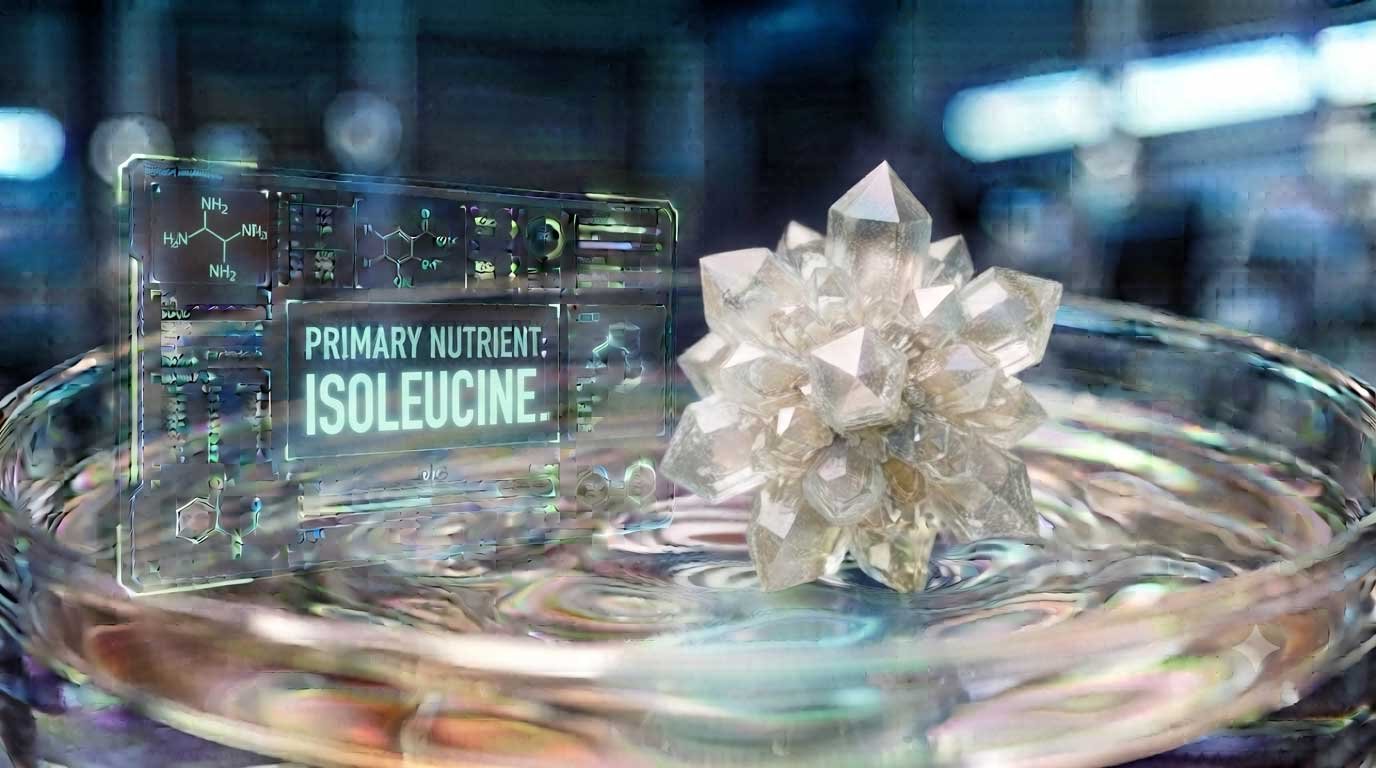
The Amino Acid That Quietly Keeps Your Muscles Running
Ask most people to name an amino acid and you’ll probably get a shrug, maybe a mumbled “protein, right?” Ask a gym regular the same question and leucine usually steals the spotlight. It’s the one everyone talks about, the one plastered across supplement labels in bold letters. But there’s a quieter partner working right alongside it, doing a job that doesn’t get nearly the credit it deserves. That partner is isoleucine.
I’ve spent years digging through amino acid research, and isoleucine keeps surfacing as one of those nutrients that’s easy to overlook precisely because it doesn’t shout. It doesn’t trigger the same dramatic muscle-building signals leucine does. Instead, it works in the background, tied up in glucose regulation, oxygen transport, and the actual energy your muscles burn through when you’re pushing hard on a run, hauling groceries up three flights of stairs, or just going about an ordinary Tuesday. It’s less flashy, more foundational.
Table of Contents

Isoleucine belongs to a small family of three called the branched-chain amino acids, or BCAAs, alongside leucine and valine. The name comes from their molecular shape, a little branch in the carbon chain that sets them apart chemically from the other amino acids your body handles. That branching isn’t just a structural quirk. It changes how these three are metabolized. Unlike most amino acids, which get processed almost entirely in the liver, BCAAs bypass that route and head straight to skeletal muscle, where they get broken down and used, sometimes literally burned for fuel during exertion.

Here’s what makes isoleucine essential in the truest sense of the word: your body has no way to manufacture it. None. It has to come from what you eat. Miss it consistently in your diet and you’re not just missing “a nutrient,” you’re missing one of the nine building blocks your body absolutely requires to keep its protein-making machinery functioning. That’s a different category of importance than something like an antioxidant you could theoretically live without and still get by.
What drew me deeper into isoleucine specifically, rather than lumping it in with its BCAA siblings, is the research on glucose metabolism. Several studies have found that isoleucine, more so than leucine or valine, seems to nudge skeletal muscle cells into taking up glucose through a pathway that doesn’t rely heavily on insulin based on animal research showing that a single oral dose of isoleucine significantly decreased plasma glucose levels while leucine and valine did not produce the same effect. That’s a fairly specific and interesting distinction, and it’s part of why I think isoleucine deserves its own conversation instead of always riding leucine’s coattails.
There’s also the hemoglobin connection, which surprises people when I mention it. Isoleucine plays a role in the synthesis of hemoglobin, the protein in red blood cells responsible for shuttling oxygen throughout your body. So when we talk about “muscle energy,” it’s not just about the amino acid getting broken down for fuel during a workout. It’s also tangled up, indirectly, in how efficiently oxygen actually reaches your muscle tissue in the first place. Energy production is rarely a single-pathway story, and isoleucine touches more of that story than most people realize.
A little chemistry, briefly, because it helps explain the confusion people sometimes have between isoleucine and leucine. The names look almost identical, and the molecules are structural isomers, meaning they share the same molecular formula but arrange their atoms differently. That subtle rearrangement changes how each one behaves metabolically. Leucine tends to dominate conversations about triggering muscle protein synthesis directly. Isoleucine takes a middle path, contributing to protein synthesis but leaning harder into glucose regulation and energy metabolism. Valine, the third sibling, gets even less attention, though it has its own supporting role.
I want to be upfront about something before we go further: isoleucine isn’t a miracle nutrient, and I’m not going to pretend research has settled every question about it. Amino acid science is messier than supplement marketing wants you to believe. Some findings are consistent across multiple studies, others come from smaller trials or animal models that haven’t been fully replicated in humans. I’ll try to be clear about which is which as we go.
What I can say with confidence is this: isoleucine is not optional. It’s not a “nice to have” for people who lift weights or run marathons. It’s a baseline requirement for anyone with muscle tissue, a functioning metabolism, and blood that needs oxygen delivered to it, which is to say, everyone. Whether you get enough through your regular diet or need to think more deliberately about it depends on a handful of factors we’ll get into, including your activity level, your protein sources, and a few specific health conditions that change the equation entirely.
So let’s get into what isoleucine actually does for your body, where you can reliably find it in food, how much you actually need day to day, and what happens on both ends of the spectrum, when you don’t get enough and when, in rare circumstances, you get too much. There’s more nuance here than the average “top 10 BCAA foods” listicle lets on, and I think the nuance is where the useful information actually lives.
Key Health Benefits
When people ask me why isoleucine matters, I usually start with the thing most relevant to daily life: energy. Not the jittery, caffeine kind of energy, but the sustained, cellular kind that determines whether your legs give out at mile eight or hold steady. Isoleucine gets metabolized directly in skeletal muscle rather than passing through the liver first, which means during prolonged physical activity, it can be broken down and used as an actual fuel source once glycogen stores start running low. That’s a distinct advantage branched-chain amino acids have over most other amino acids, and isoleucine is a meaningful part of that mechanism.
Blood Sugar Regulation
This is where isoleucine genuinely stands apart from leucine and valine, and it’s worth sitting with for a moment. Research comparing the three branched-chain amino acids found that isoleucine, specifically, triggers a distinct glucose-lowering effect that the others don’t replicate to the same degree with research showing that a low isoleucine diet reprograms liver and adipose metabolism, increasing hepatic insulin sensitivity and ketogenesis while increasing energy expenditure through activation of the FGF21-UCP1 pathway. Interestingly, this same body of research suggests the relationship runs both directions, meaning both very low and excessive isoleucine intake can influence metabolic markers, which tells you this amino acid sits closer to the center of glucose regulation than most people assume.
Separately, older research using intragastric administration methods found that isoleucine promoted insulin-independent glucose uptake in skeletal muscle cells, a mechanism distinct from how insulin normally signals cells to absorb glucose from the bloodstream. I find that detail fascinating because it suggests isoleucine might offer a secondary route for managing blood sugar, one that doesn’t rely entirely on insulin sensitivity being intact. That’s not a treatment claim, to be clear. It’s a metabolic observation, and one that researchers are still working to fully map out in humans.
Protein Synthesis and Muscle Maintenance
Isoleucine isn’t the headline act here the way leucine is, but it’s not a bystander either. Muscle protein synthesis is a coordinated process, and all three BCAAs contribute, just with different degrees of influence. Isoleucine sits in the middle of that hierarchy, meaningfully weaker than leucine at directly triggering the mTOR signaling pathway that kicks synthesis into gear, but considerably more active than valine.
Where isoleucine earns its keep is less about the initial trigger and more about sustaining the process. Muscle tissue is constantly being broken down and rebuilt, even on days you’re not training, and having adequate isoleucine on hand supports that ongoing turnover. Skip it consistently, and the whole system starts to lag, regardless of how much leucine you’re getting.
Immune Function and Tissue Repair
This benefit gets far less attention than it deserves. Amino acids in general are heavily involved in immune cell production, and BCAAs specifically have been studied in contexts like wound healing, recovery from illness, and even conditions involving significant physical trauma, such as burns or major surgery. Isoleucine’s involvement in hemoglobin synthesis ties back in here too. Efficient oxygen delivery isn’t just relevant to athletic performance, it’s foundational to how well your body repairs damaged tissue and fights off infection.
There’s also research looking at BCAA supplementation in clinical settings like liver cirrhosis and cancer-related muscle wasting, where maintaining lean tissue becomes a genuine medical priority rather than an aesthetic one. Results across these studies are mixed, and I don’t want to overstate the clinical evidence, but the pattern of interest itself tells you something about how central these amino acids are considered to be in recovery and repair.
Cognitive and Mood-Related Roles
Here’s a benefit that surprises people. Isoleucine, along with the other BCAAs, competes with tryptophan for transport across the blood-brain barrier. Tryptophan is the precursor to serotonin, so when BCAA levels in the blood are elevated, particularly after intense exercise, less tryptophan crosses into the brain, which some researchers believe delays the onset of central fatigue, that mental “I’m done” signal that often arrives before your muscles are actually spent.
Some preliminary research has also connected balanced BCAA intake to improvements in cognitive performance and reduced perceived exertion during prolonged physical activity. I’d call this an emerging area rather than settled science. It’s promising, and it makes physiological sense given what we know about the tryptophan-serotonin pathway, but I wouldn’t build an entire supplementation strategy around cognitive claims alone.
A Quick Word on What Isoleucine Isn’t
I think it’s worth pausing here to say clearly: isoleucine isn’t a stimulant, it’s not going to give you an immediate energy spike the way caffeine does, and it’s not a substitute for adequate total protein intake or a well-rounded diet. Its benefits are cumulative and metabolic, built on consistent adequate intake over time rather than a single dose before a workout. That’s a less exciting pitch than what you’ll find on most supplement packaging, but it’s the honest one, and after years of looking at this research, I’d rather give you the honest version.
Put together, the benefits paint a picture of isoleucine as a metabolic utility player. It’s not the amino acid that gets the magazine cover, but it’s woven into blood sugar control, sustained energy production, muscle maintenance, immune resilience, and even some of the mental fatigue you feel halfway through a hard workout. That’s a lot of quiet influence for something most people have never heard of.
Dietary Sources
The good news about isoleucine is that if you’re eating a reasonably varied diet with adequate protein, you’re probably already getting enough without thinking about it much. This isn’t one of those nutrients requiring careful supplementation strategies for most healthy adults. But “probably fine” isn’t the same as “definitely optimal,” especially if you’re highly active, following a restrictive diet, or recovering from illness, so it’s worth knowing where isoleucine actually shows up.
Animal-Based Sources
Meat, poultry, fish, eggs, and dairy are consistently the most concentrated and bioavailable sources of isoleucine, largely because they’re complete proteins containing all nine essential amino acids in reasonably favorable ratios. Cooked skirt steak provides approximately 1,580 milligrams of isoleucine per 100 grams, while lean chicken breast delivers a comparable amount. Fish holds its own too, with tuna providing a substantial contribution per serving. If you’ve ever wondered why bodybuilders and endurance athletes lean so heavily on lean meats and fish, this is a meaningful part of the reasoning, even if leucine usually gets namechecked more often in that context.
Eggs deserve a specific mention because they’re often held up as a gold-standard protein source, and for good reason. The amino acid profile in eggs is remarkably balanced, and isoleucine is well represented alongside the other essentials. Dairy products follow a similar logic. Hard cheeses like Parmesan are particularly concentrated, with about one ounce containing roughly 538 milligrams of isoleucine, and cottage cheese isn’t far behind. If you’re someone who keeps a tub of Greek yogurt in the fridge as a reflex snack, you’re doing more for your amino acid intake than you probably realized.
Plant-Based Sources
Here’s where things get more interesting, and honestly more relevant for a growing number of people shifting toward plant-forward eating. Soy stands out as an exception among plant proteins because, unlike most plant sources, it’s a complete protein. Tofu, tempeh, and edamame all provide meaningful isoleucine alongside the rest of the essential amino acid lineup.
Beyond soy, you’re looking at a “combine and conquer” approach:
- Lentils, chickpeas, and various beans contribute solid amounts, though they tend to run a bit lower in methionine, which is why pairing legumes with grains has been a traditional dietary pattern across many cultures for centuries, not out of coincidence.
- Nuts and seeds, particularly almonds, cashews, pumpkin seeds, and sunflower seeds, add both isoleucine and a decent fat profile.
- Whole grains like quinoa and oats contribute smaller but still useful amounts, and quinoa in particular is one of the few grains considered a complete protein on its own.
For anyone eating a fully plant-based diet, the practical takeaway isn’t to obsess over isoleucine specifically. It’s to eat a genuinely varied mix of legumes, grains, nuts, and soy products across the week rather than relying on one or two protein sources repeatedly. Amino acid gaps tend to show up from monotony, not from plant-based eating itself being inherently deficient.
Thinking About Total Protein, Not Just Isoleucine
I want to push back gently on the instinct to hunt down “isoleucine-rich foods” as though it’s a nutrient you need to chase in isolation, the way you might chase vitamin D or iron. In practice, isoleucine intake tracks closely with total protein intake because it’s a structural component of nearly every protein-containing food, not an additive sprinkled into select items.
If your overall protein intake is adequate and reasonably varied, isoleucine typically takes care of itself. Where I’d actually pay closer attention is in situations involving very low-calorie diets, certain restrictive eating patterns, older adults who tend to under-eat protein as appetite naturally declines with age, or people recovering from surgery or illness where protein needs spike but appetite often doesn’t cooperate.
Supplementation: When It Actually Makes Sense
Isoleucine is available as a standalone supplement, though it’s far more commonly sold as part of a combined BCAA product alongside leucine and valine, often formulated in a 2:1:1 ratio favoring leucine. Athletes and people doing intense resistance training sometimes use these products around workouts, with the reasoning being faster amino acid availability compared to waiting for whole food protein to digest.
I’ll be candid here: for most people eating adequate dietary protein, standalone BCAA or isoleucine supplementation isn’t going to move the needle much. The research on BCAA supplements providing benefits beyond what you’d get from sufficient whole-food protein intake is genuinely mixed, and some researchers argue that isolated BCAA supplementation without the full complement of essential amino acids might not even be the most efficient way to support muscle protein synthesis, since your body needs all nine essentials present to build complete proteins.
Where supplementation has a more defensible case is in specific clinical contexts, such as certain liver conditions, or for people with genuinely inadequate protein intake who need a practical bridge while they work on improving their overall diet. Outside of those situations, I’d rather see someone add a serving of lentils, an extra egg, or a handful of pumpkin seeds to their day than reach for a scoop of isolated amino acid powder. It’s cheaper, it comes with fiber and micronutrients the powder doesn’t, and it does the same underlying job.
Dosage & Deficiency
Figuring out how much isoleucine you actually need gets complicated fast, mostly because the numbers vary depending on which reference source you’re looking at, and because most people have never once thought about isoleucine as a distinct number to track. That’s fine, honestly. For the average healthy adult, this isn’t a nutrient requiring a spreadsheet. But understanding the general range helps put things in perspective, especially if you’re evaluating a supplement label or trying to figure out if your diet is genuinely adequate.
How Much Do You Actually Need?
Estimates for adult isoleucine requirements cluster in a fairly consistent range across different research bodies, generally landing somewhere between roughly 19 and 23 milligrams per kilogram of body weight per day. The Recommended Dietary Allowance for isoleucine in adults is approximately 19 milligrams per kilogram of body weight per day, which for someone weighing around 70 kilograms works out to roughly 1,300 to 1,400 milligrams daily. Some sources place the figure slightly higher, closer to 23 milligrams per kilogram, reflecting the natural variability you get when different studies use different methodologies to establish requirements.
Requirements shift meaningfully by life stage too. Infants require considerably more relative to body weight, around 88 milligrams per kilogram per day in the first six months of life, tapering down as growth rate slows through childhood and into adulthood. Athletes and highly active individuals may benefit from intakes toward the higher end of the adult range, given the increased muscle protein turnover that comes with regular intense training, though there’s no universally agreed-upon “athlete number” the way there is for something like carbohydrate intake around exercise.
To put these numbers into everyday terms: if you’re eating roughly 100 to 150 grams of mixed protein sources across the day, whether that’s meat, dairy, legumes, or a combination, you’re almost certainly clearing the isoleucine threshold without any deliberate effort. This is not a nutrient most people need to count.
What Deficiency Actually Looks Like
True isoleucine deficiency in someone eating a reasonably varied diet is genuinely rare. It tends to show up in fairly specific circumstances: severe malnutrition, prolonged inadequate protein intake, certain restrictive eating disorders, or metabolic conditions that interfere with amino acid processing.
When deficiency does occur, the signs tend to overlap with general protein insufficiency and disrupted blood sugar regulation, which makes sense given isoleucine’s role in glucose metabolism. Reported signs and patterns associated with insufficient intake include:
- Fatigue and a sense of low physical stamina that doesn’t track with sleep or overall activity level
- Symptoms resembling hypoglycemia, including dizziness and irritability, tying back to isoleucine’s involvement in blood sugar regulation
- Muscle wasting or reduced muscle mass over time, since the body will break down existing muscle tissue for amino acids if dietary intake falls short
- Hair and skin changes, which show up in broader protein-energy malnutrition as well, not isoleucine deficiency specifically
- Slower recovery from illness or injury, given the amino acid’s role in tissue repair and immune function
I want to be clear that most of these symptoms are non-specific, meaning they overlap heavily with general protein deficiency or other nutrient gaps, rather than pointing definitively to isoleucine alone. If you’re experiencing persistent fatigue or unexplained muscle loss, that’s a conversation for a doctor who can look at your full nutritional picture, not something to self-diagnose based on one amino acid.
Genetic Conditions Worth Knowing About
There’s one category of isoleucine-related deficiency that operates completely differently, and it’s important enough to mention even though it’s rare: maple syrup urine disease, a genetic disorder affecting how the body metabolizes branched-chain amino acids, including isoleucine. People born with this condition can’t properly break down BCAAs, which causes them to accumulate to toxic levels in the blood rather than being deficient in the traditional sense. Management typically involves a carefully restricted diet under close medical supervision, sometimes for life. This is a very different situation from ordinary dietary insufficiency, and it underscores that amino acid metabolism, for a small subset of people, isn’t a simple “more is better” equation.
Special Populations to Keep in Mind
A few groups warrant a bit more attention when it comes to adequate isoleucine and overall protein intake:
Older adults often experience a natural decline in appetite alongside changes in how efficiently the body uses dietary protein, sometimes called anabolic resistance. This can quietly erode muscle mass over years if protein intake, and by extension isoleucine, isn’t prioritized.
People recovering from surgery, significant illness, or burns have measurably higher protein and amino acid needs during the recovery window, and inadequate intake during this period can slow healing.
Highly restrictive dieters, whether through very low-calorie approaches or eating patterns that eliminate entire food groups without adequate substitution, run a higher risk of falling short, not usually to the point of clinical deficiency, but enough that muscle maintenance and energy levels may suffer.
For the vast majority of people reading this, though, the honest takeaway is reassuring: eat a reasonably varied diet with adequate protein spread across your meals, and isoleucine will take care of itself. This isn’t a nutrient that demands a tracking app.
Toxicity & Risks
Most conversations about nutrients eventually swing toward “can you get too much,” and isoleucine is no exception. The short answer is that for healthy people eating whole food sources, toxicity concerns are minimal to nonexistent. The longer, more useful answer involves a few nuances worth understanding, particularly if you’re someone considering concentrated supplementation rather than just eating food normally.
The Difference Between Food and Supplements
It’s genuinely difficult to overconsume isoleucine through diet alone. Whole foods come with a natural ceiling, you’d have to eat an enormous, almost comedic quantity of meat, dairy, or legumes in a single sitting to approach levels that researchers consider potentially concerning, and long before you got there, you’d run into other issues from simply overeating.
Supplements change the equation because they allow for concentrated doses well beyond what you’d naturally consume through food. This is where the actual, documented risks tend to show up. Possible side effects associated with BCAA supplementation, including isoleucine, include nausea, vomiting, diarrhea, stomach bloating, fatigue, and loss of coordination. Less commonly, branched-chain amino acid supplementation has been associated with elevated blood pressure, headache, or skin changes. None of these are typically severe in healthy adults taking reasonable doses, but they’re worth knowing if you’re experimenting with supplementation and something feels off.
The Metabolic Balance Question
Here’s a more nuanced finding that I think deserves more attention than it usually gets. Emerging research examining isoleucine specifically, separate from the other BCAAs, has found that both very low and excessive intake appear to influence metabolic health markers, suggesting there’s a range where isoleucine functions optimally rather than a simple “more equals better” relationship. Some of this research, conducted primarily in animal models so far, has connected diets chronically high in isoleucine and the other BCAAs to reduced metabolic flexibility and, in some studies, unfavorable associations with markers tied to insulin resistance over time.
I want to be careful here, because this doesn’t mean isoleucine is dangerous or that anyone eating a normal protein-containing diet needs to worry. It does suggest that the “just take more BCAAs, more is better” mentality common in some fitness circles isn’t well supported by the more recent research. Balance, rather than maximization, seems to be the more accurate framing based on what’s currently understood.
Kidney and Liver Considerations
People with pre-existing kidney or liver conditions are a specific group who should approach concentrated amino acid supplementation, isoleucine included, with real caution and ideally under medical guidance. Both organs play central roles in processing amino acid byproducts, and impaired function can change how safely the body handles higher intakes. This isn’t unique to isoleucine, it applies broadly to concentrated protein and amino acid supplementation, but it’s worth flagging clearly rather than glossing over.
Interestingly, in certain liver conditions like cirrhosis, BCAA supplementation has actually been studied as a potential therapeutic tool rather than a risk, which tells you the relationship between these amino acids and organ health isn’t a simple “avoid if you have liver issues” rule. It’s genuinely condition-specific, and it’s exactly the kind of decision that belongs in a conversation with a physician familiar with someone’s full medical history, not something to navigate based on general information alone.
Interactions Worth Knowing
If you’re taking medications that affect blood sugar, such as insulin or other diabetes medications, it’s worth being aware that isoleucine’s influence on glucose metabolism could theoretically interact with how those medications perform. This is more of a “mention it to your doctor” situation than a documented major risk, but given how directly isoleucine engages with glucose regulation, it’s a reasonable point of caution rather than something to dismiss.
Who Should Be More Cautious
Pulling this together, a few groups stand out as warranting extra care around concentrated isoleucine or BCAA supplementation specifically, as opposed to normal dietary intake:
- People with maple syrup urine disease or related metabolic disorders affecting BCAA processing, for whom concentrated intake can be genuinely dangerous
- Individuals with significant kidney or liver impairment
- Anyone managing diabetes or blood sugar conditions with medication
- Pregnant or breastfeeding individuals, simply because amino acid supplement research in these populations remains limited, and it’s generally wiser to meet needs through diet during these periods
The Practical Bottom Line
If your isoleucine is coming from steak, lentils, eggs, tofu, and yogurt, you’re not going to encounter meaningful toxicity risk. The concerns cluster almost entirely around concentrated supplementation, specific medical conditions, and the emerging, still-developing research on long-term high-dose intake and metabolic flexibility. As with most things in nutrition, the food-first approach turns out to be the lower-risk, well-rounded strategy, and the supplement conversation is really only relevant for a smaller subset of people with specific goals or medical circumstances.
Why This Unassuming Amino Acid Deserves a Permanent Spot on Your Radar
If there’s one thing I hope sticks after all of this, it’s that isoleucine doesn’t need to be dramatic to be important. We live in a nutrition culture obsessed with the next big thing, the compound with the flashy study and the bold supplement label, and in that noise, something like isoleucine gets buried simply because it doesn’t have a dramatic pitch. It just quietly does its job: fueling working muscle, nudging glucose into cells, contributing to the oxygen-carrying protein in your blood, and helping your body rebuild tissue day after day without asking for recognition.
What I find genuinely compelling about isoleucine, after spending real time with the research, is how it complicates the “leucine is the only BCAA that matters” narrative that’s dominated fitness spaces for years. The glucose regulation angle alone makes isoleucine worth understanding on its own terms, not just as leucine’s supporting cast member. That distinction matters if you’re someone paying attention to metabolic health, not only muscle output.
Practically speaking, here’s where I’d leave you. For the overwhelming majority of people, this isn’t a nutrient requiring supplements, tracking apps, or anxiety. It requires a reasonably varied diet with adequate protein, spread across meals rather than crammed into one, drawing from a mix of sources rather than the same three foods on repeat. Meat eaters get there easily through poultry, fish, eggs, and dairy. Plant-based eaters get there through soy, legumes, whole grains, nuts, and seeds, ideally varied across the week rather than relying on a single go-to.
Where I’d actually pay closer attention: older adults whose appetite and protein needs are drifting out of sync, anyone recovering from illness or surgery, people following highly restrictive diets, and those managing specific conditions like liver disease or blood sugar disorders, where the isoleucine conversation shifts from “background nutrient” to something worth discussing with a healthcare provider directly.
The bigger lesson here, if I’m honest, extends beyond isoleucine itself. Muscle energy, metabolic health, and recovery aren’t built on one hero nutrient. They’re built on a whole cast of amino acids working in coordination, most of which never get their own headline. Isoleucine is a good reminder that the unglamorous, background players in nutrition are often doing just as much heavy lifting as the ones getting all the attention. Give it its due, feed your body a genuinely varied diet, and the rest tends to take care of itself.
Article Sources
At AncientHerbsWisdom, our content relies on reputable sources, including peer-reviewed studies, to substantiate the information presented in our articles. Our primary objective is to ensure our content is thoroughly fact-checked, maintaining a commitment to accuracy, reliability, and trustworthiness.
- Biology Insights. (2025). Dietary isoleucine: Benefits, foods, and deficiency. https://biologyinsights.com/dietary-isoleucine-benefits-foods-and-deficiency/
- Biology Insights. (2025). What foods are high in isoleucine? https://biologyinsights.com/what-foods-are-high-in-isoleucine/
- Elovaris, R. A., Bitarafan, V., Agah, S., Ullrich, S. S., Lange, K., Horowitz, M., & Feinle-Bisset, C. (2021). Comparative effects of the branched-chain amino acids, leucine, isoleucine and valine, on gastric emptying, plasma glucose, C-peptide and glucagon in healthy men. Nutrients, 13(5), 1613. https://doi.org/10.3390/nu13051613
- Holecek, M. (2018). Branched-chain amino acids in health and disease: Metabolism, alterations in blood plasma, and as supplements. Nutrition & Metabolism, 15, 33. https://www.ncbi.nlm.nih.gov/pmc/articles/PMC5934885/
- Institute of Medicine. (2005). Dietary reference intakes for energy, carbohydrate, fiber, fat, fatty acids, cholesterol, protein, and amino acids. The National Academies Press. https://doi.org/10.17226/10490
- National Research Council (US) Committee on Dietary Allowances. (1989). Protein and amino acids. In Recommended Dietary Allowances (10th ed.). National Academies Press. https://www.ncbi.nlm.nih.gov/books/NBK234922/
- Ruan, Y., Chen, L., Wu, D., Zhao, S., Xiao, Z., & Chen, L. (2023). Branched chain amino acids metabolism in heart failure. Frontiers in Nutrition, 10, 1333147. https://www.ncbi.nlm.nih.gov/pmc/articles/PMC10699197 /
- Siddik, M. A. B., & Shin, A. C. (2022). The emerging role of branched-chain amino acids in liver diseases. Biomedicines, 10(6), 1444. https://www.ncbi.nlm.nih.gov/pmc/articles/PMC9220261/
- Tobias, D. K., Mora, S., Verma, S., & Lawler, P. R. (2023). Branched chain amino acids harbor distinct and often opposing effects on health and disease. Communications Medicine, 3, 169. https://www.nature.com/articles/s43856-023-00382-x
- Yu, D., Richardson, N. E., Green, C. L., Spicer, A. B., Murphy, M. E., Flores, V., Jang, C., Kasza, I., Nikodemova, M., Wakai, M. H., Tomasiewicz, J. L., Yang, S. E., Miller, B. R., Pak, H. H., Brinkman, J. A., Rojas, J. M., Quinn, W. J., Cheng, E. P., Konon, E. N., Haider, L. R., Finke, M., Sonsalla, M., Alexander, C. M., Rabinowitz, J. D., Baur, J. A., Malecki, K. C., & Lamming, D. W. (2023). The adverse metabolic effects of branched-chain amino acids are mediated by isoleucine and valine. eScholarship, University of California. https://escholarship.org/uc/item/8q8212vz

- Phosphatidic Acid: Supporting Muscle Growth and Strength - July 31, 2026
- Ceramides: Supporting Healthy Skin From Within - July 31, 2026
- Synbiotics: Combining Prebiotics and Probiotics Together - July 31, 2026